
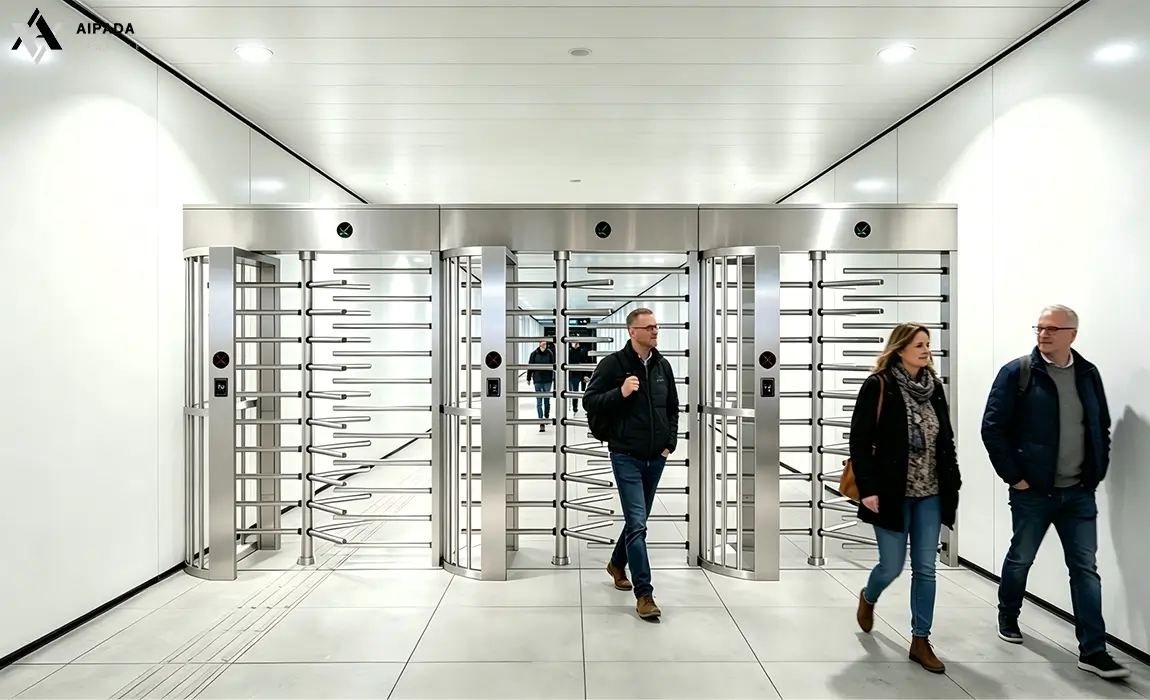

What is the role of turnstiles in access control?
Relying only on digital logs leaves the physical door open. I have seen how tailgating ruins security data and puts people at risk. Turnstiles solve this by acting as the final physical enforcement point.
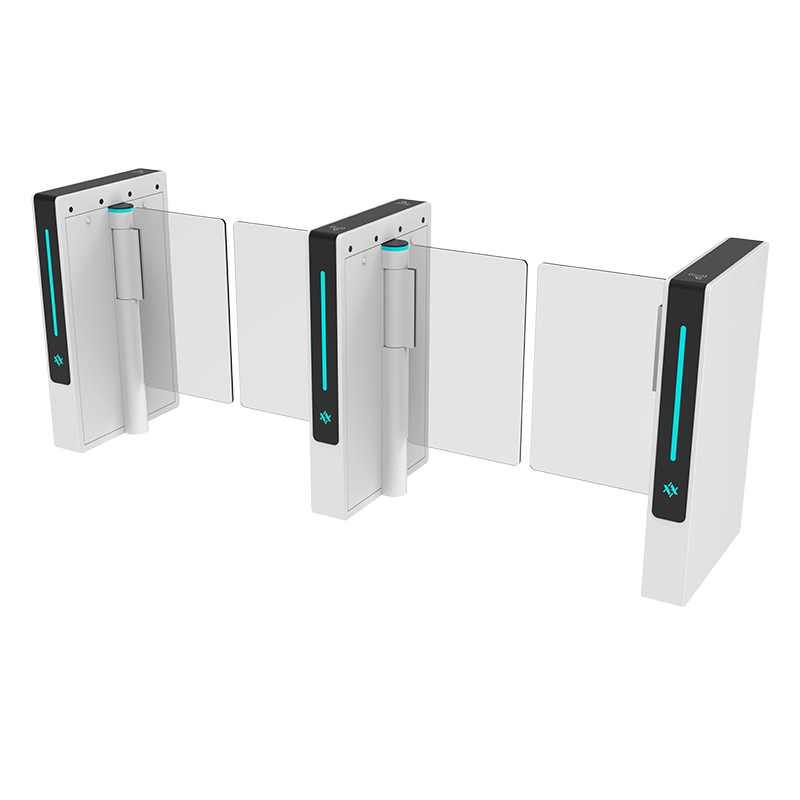
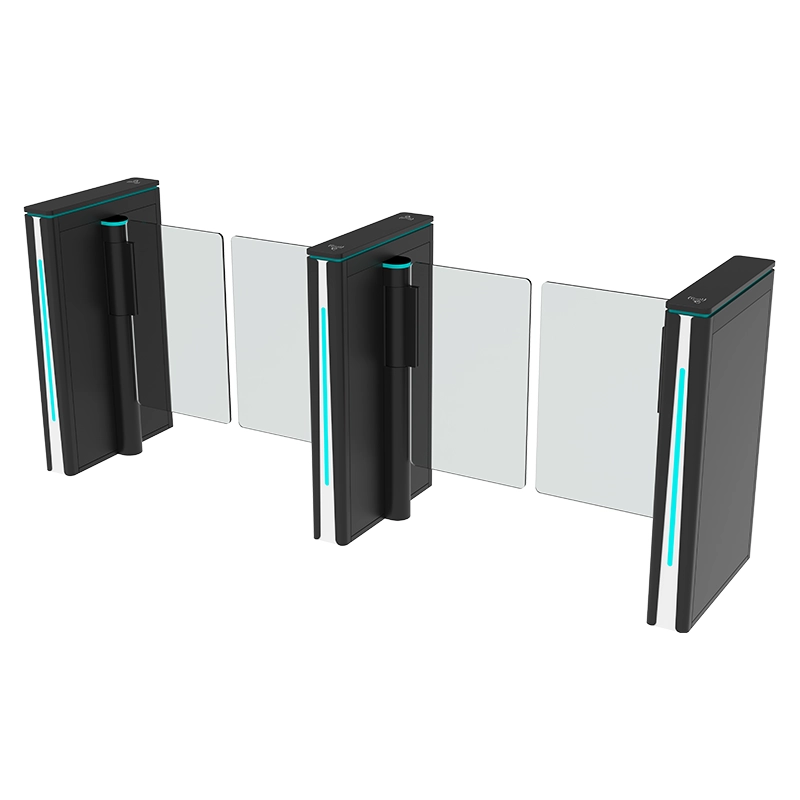
The role of turnstiles is to physically manage and restrict movement based on electronic authorization. They prevent unauthorized entry and tailgating while providing accurate data on who enters or exits. This ensures that only one person passes per valid credential.
The Physical Enforcement of Digital Rules
In my professional experience, I think of the access control system as the decision-maker. However, the turnstile is the one that carries out the order. Without a turnstile, an access control system is just a light or a sound. It cannot stop a person from walking through a door that someone else opened. I find that turnstiles are the only way to ensure that “one scan equals one person.” This is vital for high-security areas like data centers or chemical plants where you cannot afford any mistakes.
Improving Data Accuracy and Flow
When I talk to site managers, they often worry about “ghost” employees or people who enter without being clocked in. Turnstiles fix this because they force a sequence. A person must scan, the gate must rotate, and the system must log that rotation. This creates a perfect audit trail. It also helps manage the flow of traffic. By setting up entry and exit lanes, I can help a facility avoid the chaos of people moving in opposite directions through a single door.
Key Roles of Turnstiles in Modern Systems
I use the following points to explain why turnstiles are necessary for any serious security setup:
- Tailgating Prevention: The mechanical design makes it impossible for a second person to slip through.
- Directional Control: You can set the gate to be entry-only, exit-only, or bi-directional.
- Emergency Integration: I always connect these to the fire alarm so they unlock automatically for safety.
- Visual Deterrence: A large steel barrier sends a clear message that the site is protected.
| Role Type | Description | Primary Benefit |
|---|---|---|
| Physical Barrier | Blocks the path until a signal is received | Stops intruders |
| Data Collector | Records every successful rotation | Accurate attendance |
| Traffic Manager | Controls the speed and direction of people | Organized flow |
| Safety Device | Interfaces with fire and life-safety systems | Safe evacuation |
What is a full height turnstile?
Low-waist gates are easy to jump over or crawl under. I often encounter high-security sites that need more than just a visual deterrent. Full height turnstiles provide total perimeter closure that cannot be bypassed.
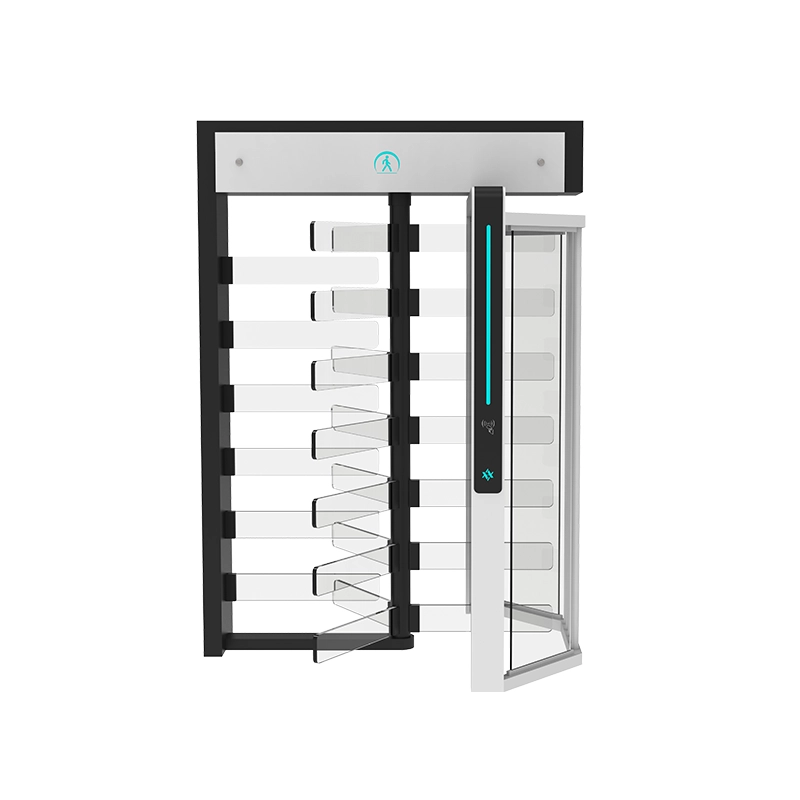
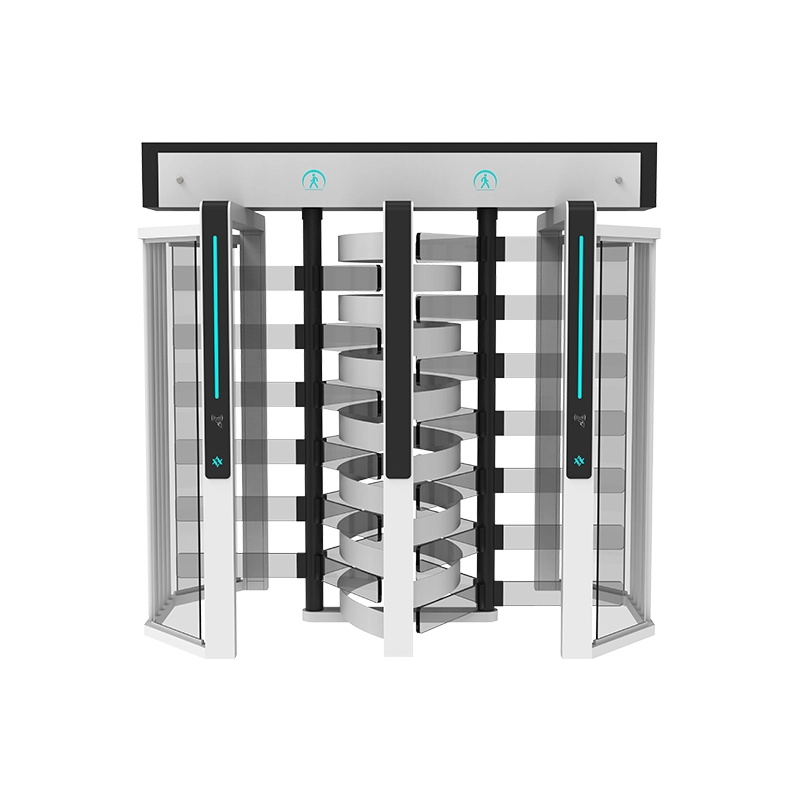
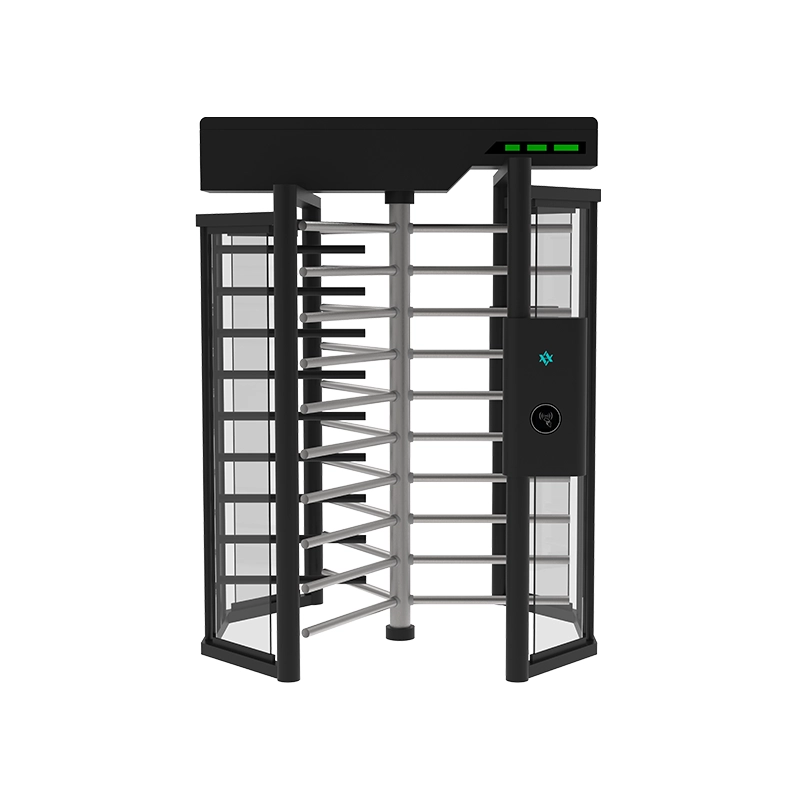
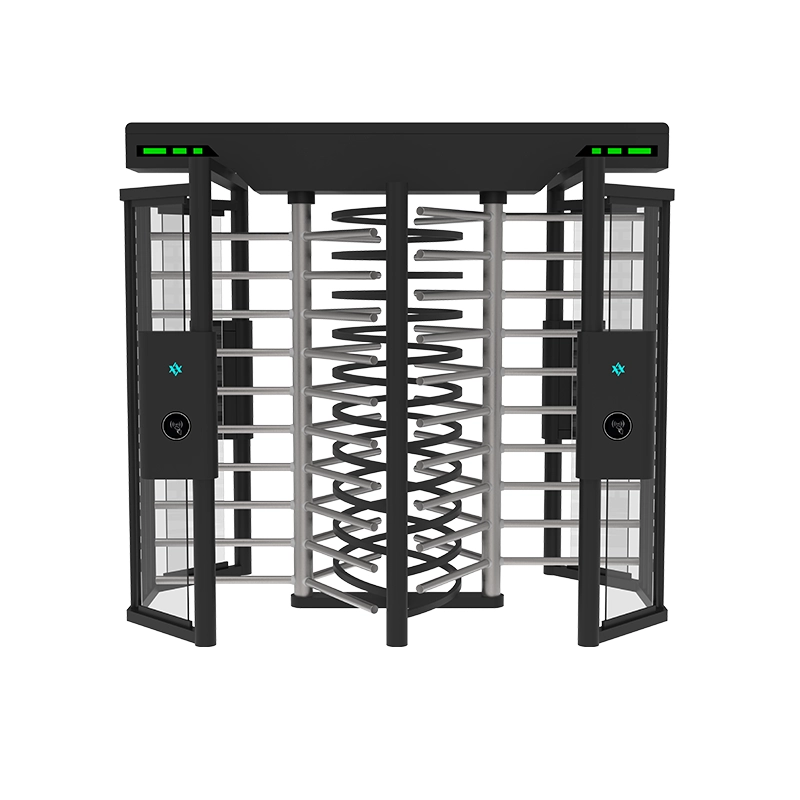
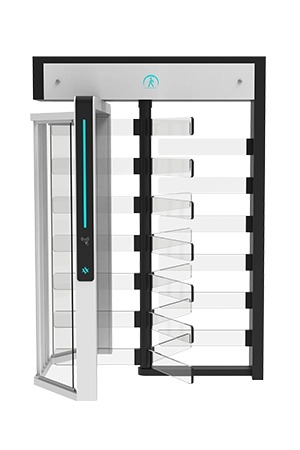
A full height turnstile is a floor-to-ceiling mechanical barrier that functions like a revolving door. It consists of rotating arms that intersect with a fixed frame. It provides the highest level of physical security because it is impossible to bypass by climbing or crawling.
Engineering for Maximum Security
I often describe the full height turnstile as a “revolving door for security.” It is usually made from heavy-duty 304 or 316 stainless steel. This makes it very strong and resistant to both force and weather. The structure includes a center rotor with arms that extend to the outer cage. Because it reaches from the floor to the top of the frame, there is no gap for someone to exploit. I recommend these for outdoor perimeters, construction sites, and stadiums where security staff cannot be everywhere at once.
Mechanical vs. Motorized Drive Systems
I have worked with two main types of drive systems for these gates. The first is a mechanical system where the user pushes the bars after they are unlocked. The second is a motorized system, usually using brushless DC motors. I prefer the motorized version because it is smoother. The motor does the work of turning the arms, which prevents the “clank” sound and makes the gate last longer. It also uses sensors to detect if someone is stuck or if the arm is being forced.
Common Configurations and Design
I see different needs depending on the project. Some sites have limited space, while others need to move thousands of people quickly. Here is how I break down the design choices:
Full height turnstiles Rotor Angle Options
- 90-Degree (4-Section): This offers the highest security. It has four sections for people to step into. It is a tighter fit, which ensures only one person can enter.
- 120-Degree (3-Section): This is more comfortable for the user. It provides more space inside the “cage” but is slightly less restrictive than the 90-degree version.
Full height turnstiles Lane Setup
- Single Lane: A single rotor for one path of travel.
- Double Lane: Two rotors side-by-side in one frame. This saves space and material costs when you need multiple entry points.
| Feature | Single Full Height | Double Full Height |
|---|---|---|
| Width | Approximately 1.5 meters | Approximately 2.3 meters |
| Throughput | Up to 20 people per minute | Up to 40 people per minute |
| Best Use | Small staff entrances | Large factory gates |
What are the 4 components of access control?
Installing a security system without understanding its parts leads to failure. I want to simplify the complex hardware so you can build a reliable system for your entrance. Understanding these parts helps you troubleshoot issues quickly.
The four main components are the user credential (the key), the reader (the sensor), the access controller (the brain), and the physical barrier (the turnstile). These four parts work together to identify, verify, and physically permit or deny entry to a user.
1. The User Credential
The credential is the “key” that the user presents. I have seen this evolve from simple metal keys to digital identities. Today, I use RFID cards, mobile phone QR codes, or biometric data like faces and fingerprints. The credential carries a unique ID number. When I set up a system, I assign this ID to a specific person in the software database.
2. The Reader
The reader is the device mounted on the turnstile. Its job is to “read” the credential and pull the unique ID. I suggest using multi-technology readers. This allows you to use cards today but switch to mobile phones or face recognition later without changing the whole hardware setup. The reader must be fast. If it takes more than half a second to read, your entrance will become a bottleneck.
3. The Access Controller
I consider the controller the most important part. It is a circuit board that sits inside the turnstile or a nearby metal box. It stores the “access levels.” For example, it knows that Employee A can enter through Gate 1 from 9 AM to 5 PM. When the reader sends the ID, the controller decides in milliseconds if the person is allowed in. If the answer is “yes,” it triggers a relay.
4. The Physical Barrier (The Turnstile)
The turnstile is the final piece. It receives the electrical signal from the controller. This signal releases the locking solenoid or tells the motor to rotate. I focus on the build quality of this component. If the motor or the locking mechanism fails, the rest of the system is useless. A good full height turnstile should be able to perform millions of cycles with very little maintenance.
| Component | Responsibility | Technical Example |
|---|---|---|
| Credential | Provides Identity | IC Card, Face Template, QR Code |
| Reader | Interprets Credential | Wiegand or OSDP Reader |
| Controller | Logic and Decision | 2-Door or 4-Door IP Controller |
| Barrier | Physical Restriction | Full Height Turnstile Rotor |
What is the purpose of turnstiles?
Crowded entrances create confusion and safety hazards. I use turnstiles to bring order to high-traffic areas while keeping unauthorized people out. Efficiency and security must always go together to create a functional facility.
The primary purpose of turnstiles is to automate crowd control and ensure high-level security. They prevent tailgating, track attendance, and manage one-way or two-way traffic. This reduces the need for manual security guards and improves the flow of authorized personnel.
Automation of Security Personnel
One of the biggest benefits I see is cost savings. A full height turnstile does not need a lunch break and never gets distracted. By using these gates, I can help a company reduce the number of guards needed at an entrance. One guard can monitor four or five lanes of turnstiles from a remote station. The turnstile does the hard work of checking every single person, while the guard only steps in if there is a problem.
Enhancing Safety and Emergency Response
I believe safety is just as important as security. Modern turnstiles serve a dual purpose during emergencies. When integrated with a fire alarm system, the turnstile arms can be set to spin freely (fail-safe). This ensures that people can get out of the building fast. I also use turnstiles to know who is inside. In an emergency, I can print a “mustering report.” This tells the fire department exactly who is missing, which saves lives.
Managing Different Flow Requirements
I often design systems for sites with different needs at different times of the day. In the morning, everyone is coming in. In the evening, everyone is going out. I use turnstiles to change the flow. I can program the system so that three lanes are “Entry” in the morning and switch them to “Exit” in the afternoon. This flexibility is a major purpose of using smart passage equipment.
Full height turnstiles Specific Industry Purposes
I have found that different industries value turnstiles for different reasons:
- Construction Sites: To ensure every worker has completed their safety training before the gate opens.
- Factories: To prevent “buddy punching” where one worker clocks in for a friend.
- Public Transit: To ensure every passenger has paid their fare before entering the platform.
- Data Centers: To prevent unauthorized people from following a technician into a sensitive server room.
My Insights: Integrating Full-Height Turnstiles with Access Control Systems
Struggling with access control and security? Full-height turnstiles offer robust integration for seamless management.
Full-height turnstiles integrate with access control systems via credentials such as cards or biometrics. They connect using interfaces like Wiegand, enabling real-time entry monitoring, data tracking, and enhanced security management.
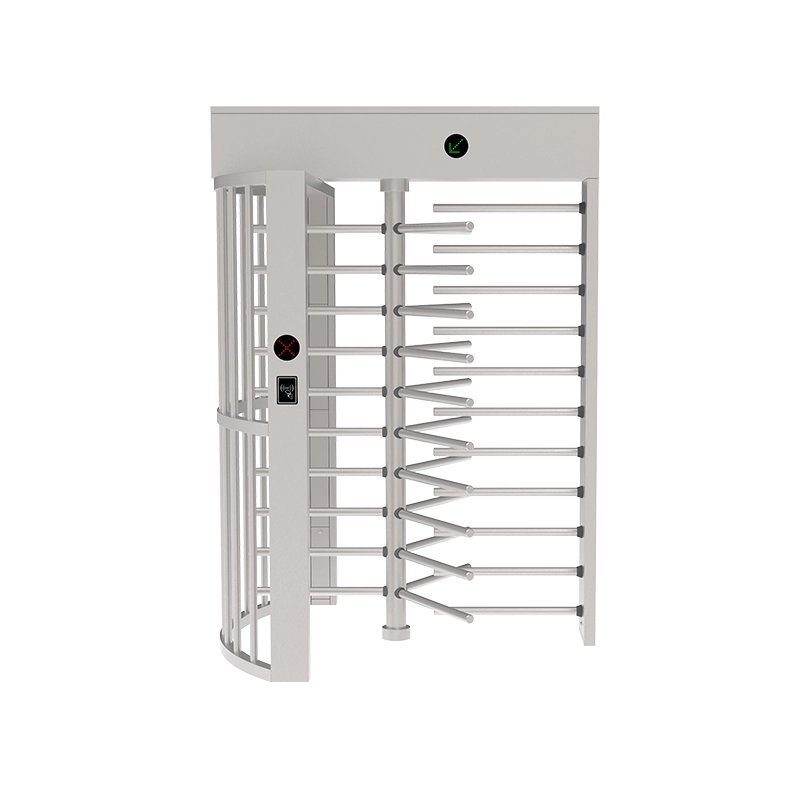
Full height turnstiles Understanding the Integration of Turnstiles with Access Systems
Integration Mechanisms
- Credentials and Validation
- Users present credentials (e.g., cards, biometrics).
- Access panels validate credentials, sending unlock signals for approved entries.
- Technical Interfaces
- Common interfaces include Wiegand, RS-485, and TCP/IP.
- Supports integration with security databases for centralized control.
Functional Overview
| Aspect | Full-Height Turnstiles |
|---|---|
| Entry and Exit Monitoring | Real-time tracking and logging |
| Security Features | Triggers alarms on unauthorized access |
| Additional Integration | Connects with video surveillance and emergency systems |
By effectively integrating with access control systems, full-height turnstiles enhance security through precise credential validation and central management. This integration supports video surveillance, emergency protocols, and provides comprehensive audit trails, making them ideal for secure facilities. Understanding these features can guide efficient implementation.
Conclusion
Full height turnstiles are the ultimate physical enforcement for access control. I use them to bridge the gap between software logic and real-world security, ensuring only authorized people pass.
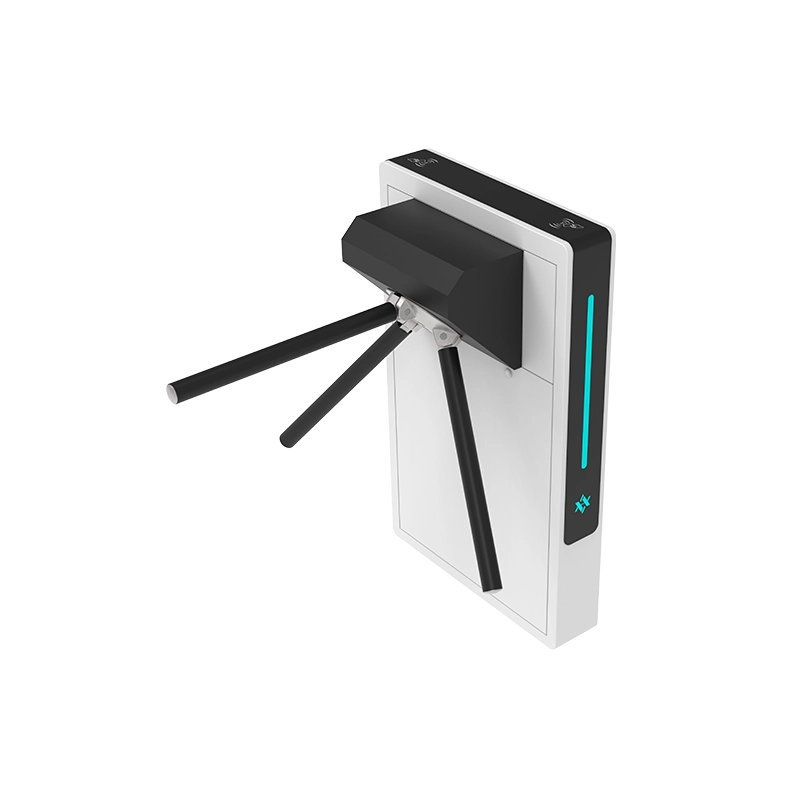](https://aipadaturnstile.com/wp-content/uploads/2025/11/AT107-TC-01.webp)
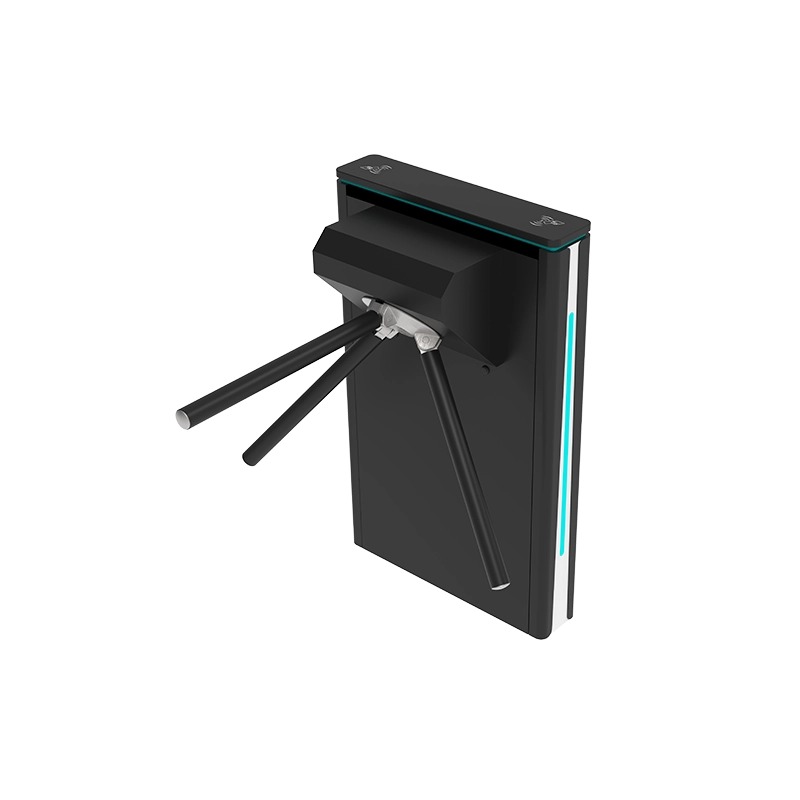](https://aipadaturnstile.com/wp-content/uploads/2025/12/vertical-tripod-turnstile.jpg)
](https://aipadaturnstile.com/wp-content/uploads/2025/12/popup-img.jpg)