

Choosing the wrong entrance gate can lead to high maintenance costs and security gaps. It is frustrating to spend a lot of money on a system that does not fit your space.
The main disadvantages of speed gates compared to tripod turnstiles include higher initial costs, larger floor space requirements, and more complex maintenance. While speed gates offer better aesthetics and faster flow, tripods provide a more durable, compact, and cost-effective solution for high-traffic industrial environments.
I have seen many managers struggle to pick between these two systems. It is not just about the price tag. You need to look at how people move through your building. Let me help you understand which one is right for your project.
What are speed gates used for?
Managing crowds in a fancy office lobby is hard. Poorly designed gates can make your building look cheap. They can also slow down employees during the morning rush, leading to frustration and lateness.
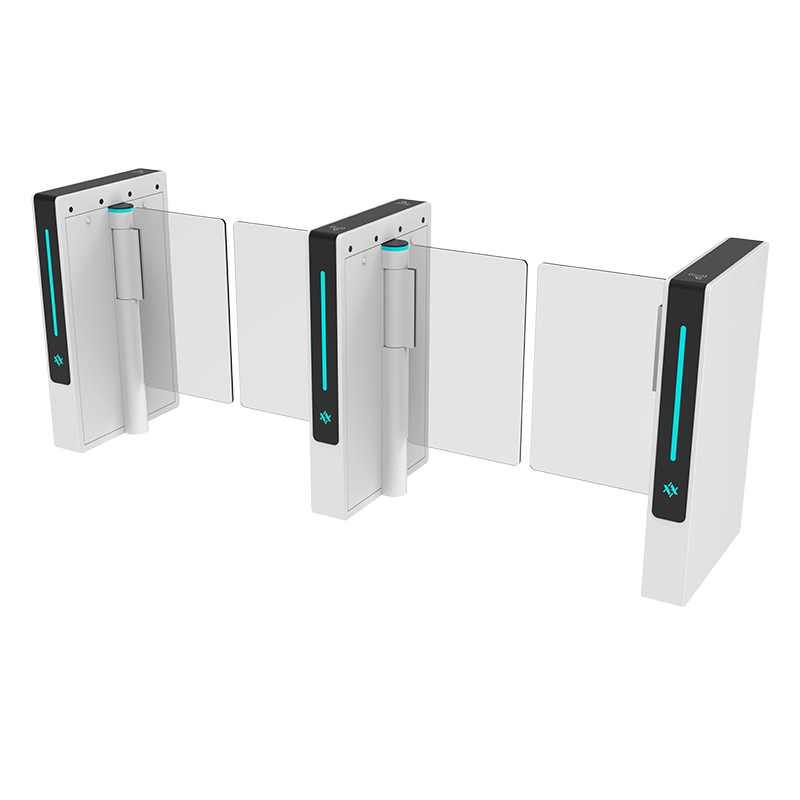
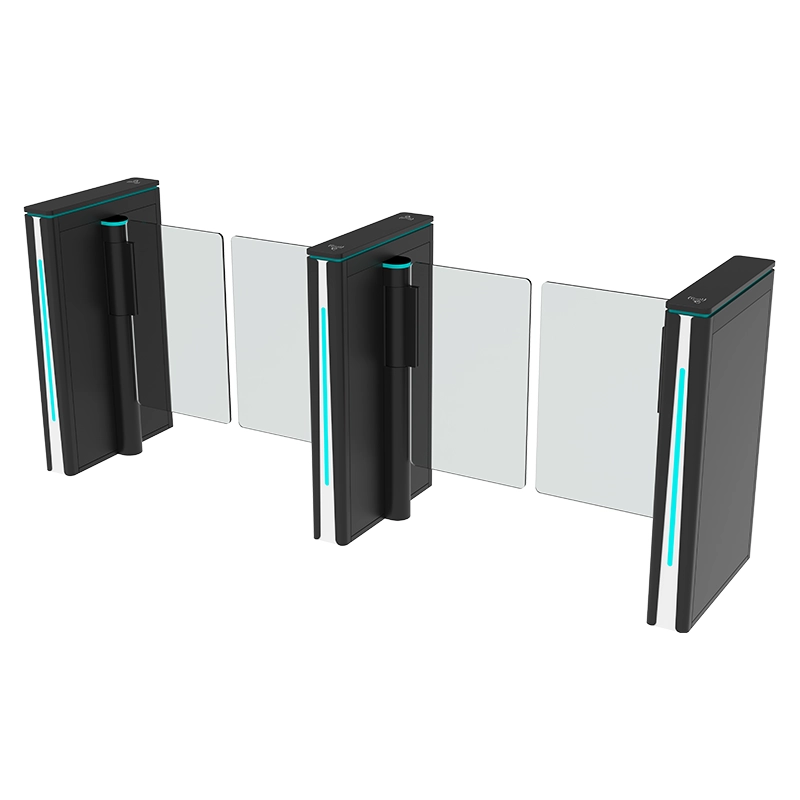
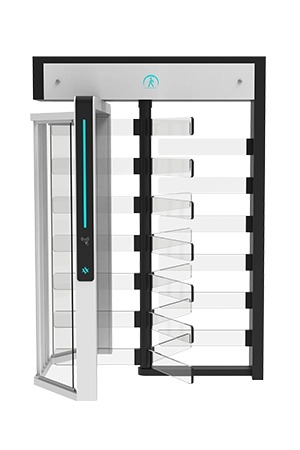
Speed gates are used primarily for high-end commercial buildings, corporate offices, and banks where aesthetics and fast passage are essential. They use sliding or swinging glass panels to allow hands-free entry and integrate with modern facial recognition or RFID systems.
Enhancing Corporate Image
When I talk to my clients in the commercial real estate sector, they often focus on "the look." A speed gate is much more than a security tool. It is the first thing a visitor sees. These gates use sleek stainless steel and tempered glass. They look modern and professional. In high-rise buildings in cities like Shenzhen, speed gates[^1] are the standard. They tell visitors that the company cares about technology and security. I often recommend them for lobbies where a tripod might look too "industrial" or out of place.
Handling High Traffic Volume
Speed is in the name for a reason. These gates open and close very fast. In a busy office, you might have hundreds of people arriving at 9:00 AM. A speed gate allows for a fluid walking pace. You do not have to stop and push a bar. The sensors detect your approach, and the wings open automatically. This "non-contact" experience is very popular now. People prefer not to touch surfaces.
Technical Applications and Integration
I find that system integrators love speed gates because they are easy to link with high-tech software. Our AIPADA speed gates work perfectly with:
- Facial Recognition: Fast cameras identify users as they walk.
- QR Codes: Visitors can use their phones to gain entry.
- RFID Cards: Standard office badges work instantly.
| Feature | Speed Gate Benefit |
|---|---|
| Passage Width | Can be wider for wheelchairs and strollers |
| User Experience | Smooth, touchless, and quiet operation |
| Materials | Premium glass and polished 304/316 stainless steel |
| Safety | Multiple infrared sensors to prevent pinching |
What is a tripod turnstile gate mechanism?
In busy factories or outdoor sites, delicate gates often break down quickly. This causes long lines and safety risks. Workers just want to get to work without waiting for a broken gate to be fixed.
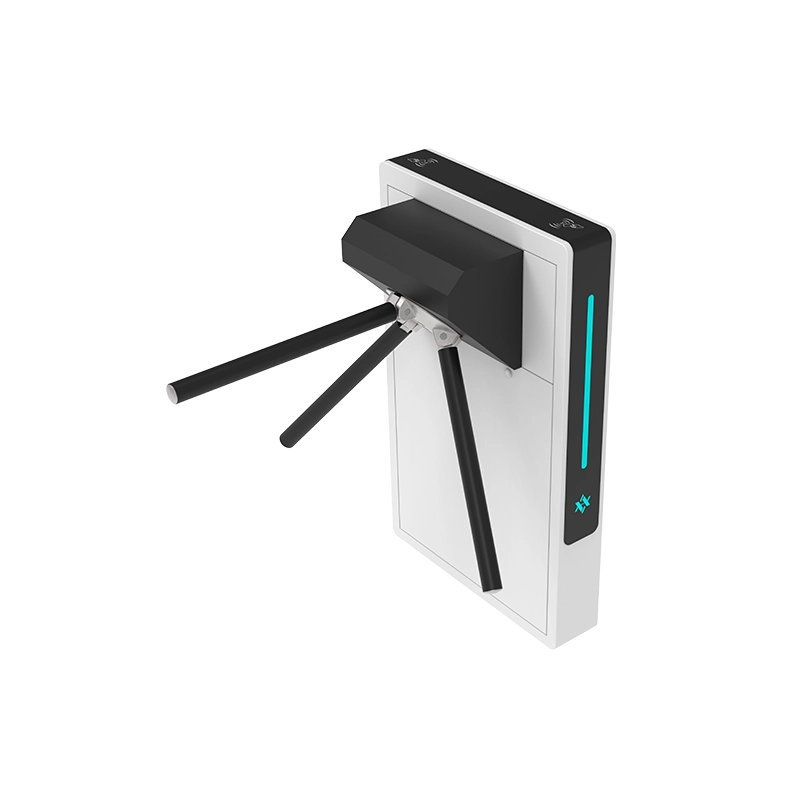
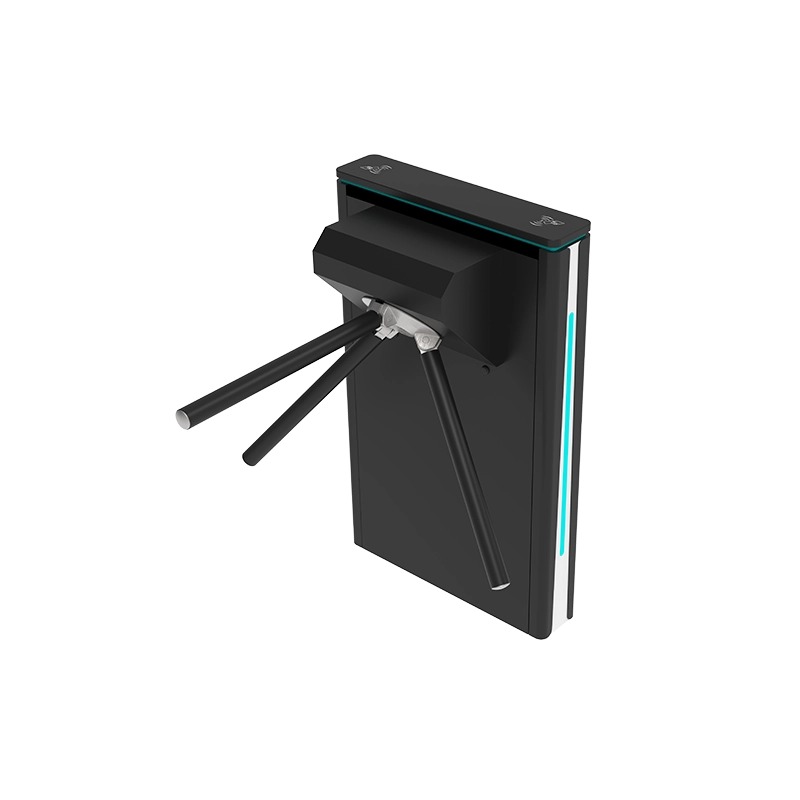
A tripod turnstile gate mechanism uses three rotating metal arms that allow only one person to pass at a time. This simple mechanical design relies on a locking system that releases when a valid credential is used, making it incredibly durable for high-volume environments.
The Power of Simplicity
I always tell my customers that the tripod turnstile[^2] is the "workhorse" of the industry. The mechanism is mostly mechanical. Inside, there is a solenoid or a motor that unlocks the arms. When you push the bar, it rotates 120 degrees and then locks again. This simple movement means there are fewer parts to break. In a factory where thousands of workers use the gate every day, this reliability is a life-saver. You do not want a complex computer error stopping your entire workforce from entering the site.
Durability in Harsh Conditions
One big advantage of the tripod mechanism is how it handles the environment. Many speed gates have sensitive electronics and glass panels that do not like dust or rain. Tripod turnstiles are different. We build them to stand outside. I have seen our tripods working perfectly in dusty construction sites and humid ports. The mechanism is sealed away in a strong steel housing. It can take a lot of physical abuse that would shatter a speed gate.
Mechanical vs. Motorized Tripods
It is important to know that there are two main types of tripod mechanisms. I usually help clients choose based on their budget and needs:
- Solenoid-Driven: The user must push the arm. It is the most affordable option.
- Motor-Driven: The arm moves slightly after a light touch. It feels smoother and reduces wear on the parts.
Safety and Emergency Features
Even though they are simple, these mechanisms are safe. In an emergency, the "drop arm" feature is vital. When the power goes out or the fire alarm sounds, the top arm falls down. This leaves the path completely clear for people to run out. This is a standard requirement for fire safety in almost every country.
What is the difference between a speed gate and a turnstile?
Mixing up these two types of gates can ruin your budget. You might end up paying for features you do not need. You might also buy something that looks completely out of place in your building.
The difference lies in the barrier type, speed, and cost. Speed gates use glass panels and sensors for fast, touchless entry. Tripod turnstiles use physical rotating bars, offering a more rigid barrier at a much lower price point, though they are slower for large crowds.
Cost and Value Comparison
When I sit down with a project manager, the first thing we look at is the budget. A speed gate is a premium product. It uses more expensive materials like tempered glass and advanced sensors. It also uses high-end brushless motors. A tripod turnstile is much more affordable. For the price of one speed gate lane, you can often buy three or four tripod lanes. If you have a massive factory with 20 entrances, the price difference is huge.
Space and Installation
Space is another major factor. Speed gates are usually long. They need a "cabinet" that is often 1.2 to 1.5 meters long to house the sliding glass and the sensors. Tripod turnstiles are very compact. They have a small footprint. If you have a narrow hallway or a small guard shack, a tripod is often the only thing that will fit. I have had to tell customers to switch from speed gates to tripods simply because their lobby was too small.
Comparing the Core Differences
| Feature | Speed Gate | Tripod Turnstile |
|---|---|---|
| Barrier Type | Glass or Acrylic Wings | Three Stainless Steel Arms |
| Maintenance | Higher (requires sensor cleaning) | Lower (mostly mechanical) |
| Passage Speed | 35-45 people per minute | 20-30 people per minute |
| Aesthetics | High-end, Modern | Industrial, Functional |
| Primary Use | Offices, Hotels, Banks | Gyms, Factories, Schools |
User Experience and Comfort
I believe the "feel" of the gate matters. A speed gate is "passive." It stays open for you. A tripod is "active." You have to engage with it. You have to push the bar with your hip or hand. For a five-star hotel, you don’t want guests pushing bars. For a public gym or a construction site, pushing a bar is perfectly fine. It is about matching the tool to the environment.
How secure are speed gates?
Many people worry that glass gates are just for show. They think they won’t stop a real intruder. A security breach is a nightmare for any business. It can lead to stolen property or a loss of trust.
Speed gates are highly secure because they use advanced infrared sensors to detect tailgating and unauthorized entry. While the glass barriers look less intimidating than steel arms, the electronic alarms and integration with AI cameras provide a sophisticated layer of protection.
Tailgating Detection Technology
The biggest security risk for any gate is "tailgating." This is when an unauthorized person follows a valid user very closely. Speed gates are much better at stopping this than tripods. Our speed gates at AIPADA use dozens of infrared sensor pairs. These sensors track the shape of the person. If two people try to go through on one scan, the gate stays closed and an alarm sounds. I have seen these sensors catch people trying to sneak in behind a friend many times.
Physical Deterrence vs. Electronic Detection
A tripod turnstile is a physical barrier. It is hard to crawl over or under. A speed gate is more of an electronic barrier. Yes, the glass is strong, but the real security is the alarm system. If someone tries to force the wings open, the motor resists and the system sends an alert to the security desk. In a modern office, this is often better. You don’t need a steel cage; you need to know exactly who is in the building.
Safety Sensors and Anti-Pinch
Security is not just about keeping people out. It is also about keeping users safe. This is where speed gates shine. Because they have so many sensors, they know if a child or a person with a suitcase is in the way. The wings will not close if they detect an object. This prevents accidents. I always tell my clients that if they have a lot of visitors or children, the safety features of a speed gate are worth the extra cost.
Customization for Security
I can also customize the height of the glass. If you are worried about people jumping over the gate, we can install 1.8-meter high glass panels. This makes the speed gate as physically secure as a full-height turnstile while keeping the sleek look of an office gate. It is the perfect balance of beauty and strength.
My Insights: Key Drawbacks of Speed Gates vs. Tripod Turnstiles
Considering speed gates? Discover their disadvantages compared to tripod turnstiles before making a decision.
Speed gates, while sleek and efficient, have drawbacks including higher installation and maintenance costs, frequent calibration needs, and reliance on complex electronics. In contrast, tripod turnstiles offer cost-effective, low-maintenance solutions with simpler mechanical structures.
Analyzing the Challenges of Speed Gates Compared to Tripod Turnstiles
Cost and Maintenance
Installation and Maintenance
- Speed Gates: More expensive to install due to sophisticated components. Require frequent maintenance and software updates.
- Tripod Turnstiles: Lower installation costs and simpler maintenance routines.
Durability and Reliability
- Speed Gates: Prone to sensor malfunctions and electronic failures, potentially causing disruptions.
- Tripod Turnstiles: Robust mechanical design ensures reliability, especially in high-traffic settings.
Comparative Overview
| Aspect | Speed Gates | Tripod Turnstiles |
|---|---|---|
| Complexity | High, needs ongoing calibration and software updates | Low, simple mechanical upkeep |
| Cost | Expensive upfront and maintenance costs | Affordable installation and operational costs |
| Reliability | Sensor malfunctions can affect access | Durable and reliable in various environments |
Speed gates deliver superior aesthetics and efficiency but come with significant maintenance and cost challenges. Tripod turnstiles provide a straightforward, economical solution for basic access control needs, making them preferable in budget-conscious scenarios. Consider your priorities to determine the best fit for your space.
Conclusion
Speed gates are stylish and fast but cost more and need more space. Tripod turnstiles are durable and cheap but less attractive. Choose based on your budget and building style.
](https://aipadaturnstile.com/wp-content/uploads/2025/11/AT107-TC-01.webp)
](https://aipadaturnstile.com/wp-content/uploads/2025/12/vertical-tripod-turnstile.jpg)
](https://aipadaturnstile.com/wp-content/uploads/2025/12/popup-img.jpg)