
Inefficient entrance gates in a busy office building can cause delays. Are high traffic volumes and security concerns affecting your building’s operations? Selecting the appropriate gate system can resolve these issues.
For high-traffic office buildings, speed gates are frequently the optimal choice. They offer rapid throughput, robust security features, and a modern aesthetic. These systems efficiently manage large numbers of people while maintaining building security.
Selecting the correct entrance gate for a busy office building requires balancing multiple factors. These include throughput speed, security effectiveness, and visual integration with the building’s design. This article explores various gate options to assist in making an informed decision.
What type of gate is best for security?
Inadequate security at a building’s entrance can lead to significant vulnerabilities. Are concerns about unauthorized entry a priority for your facility? A poorly secured gate system can compromise overall building safety.
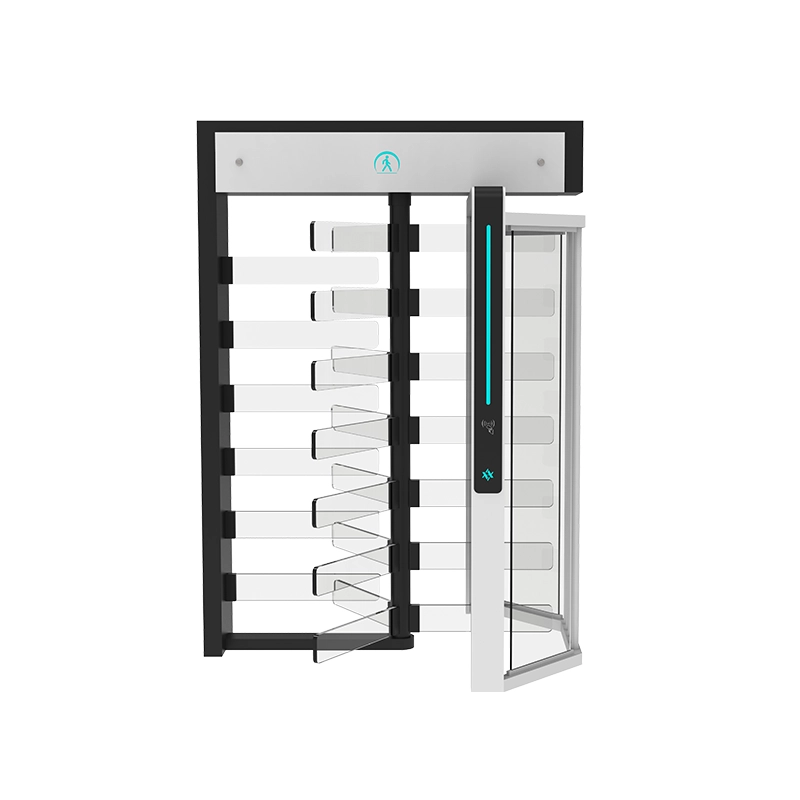
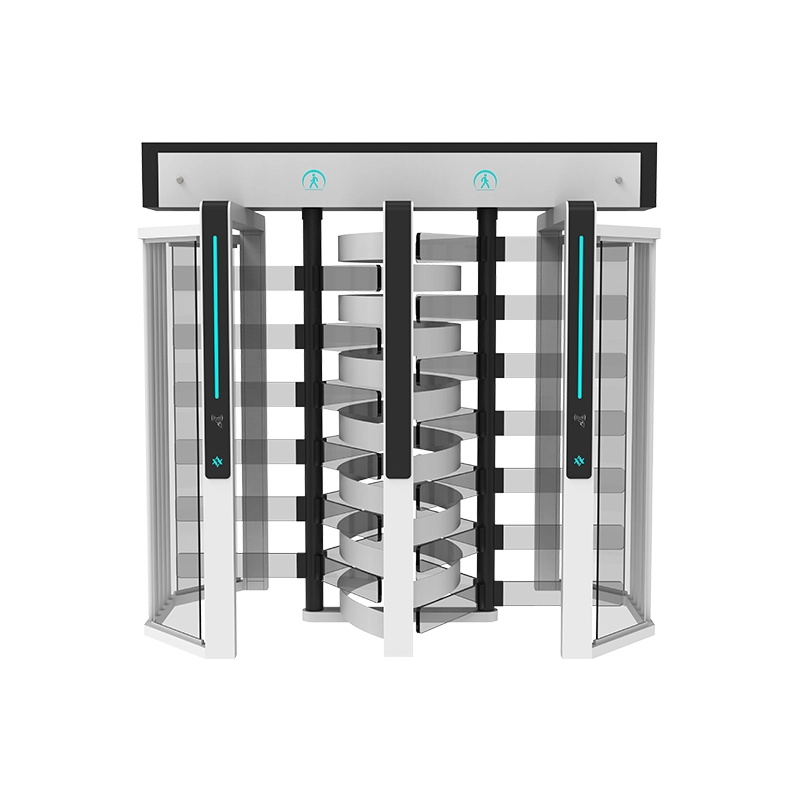
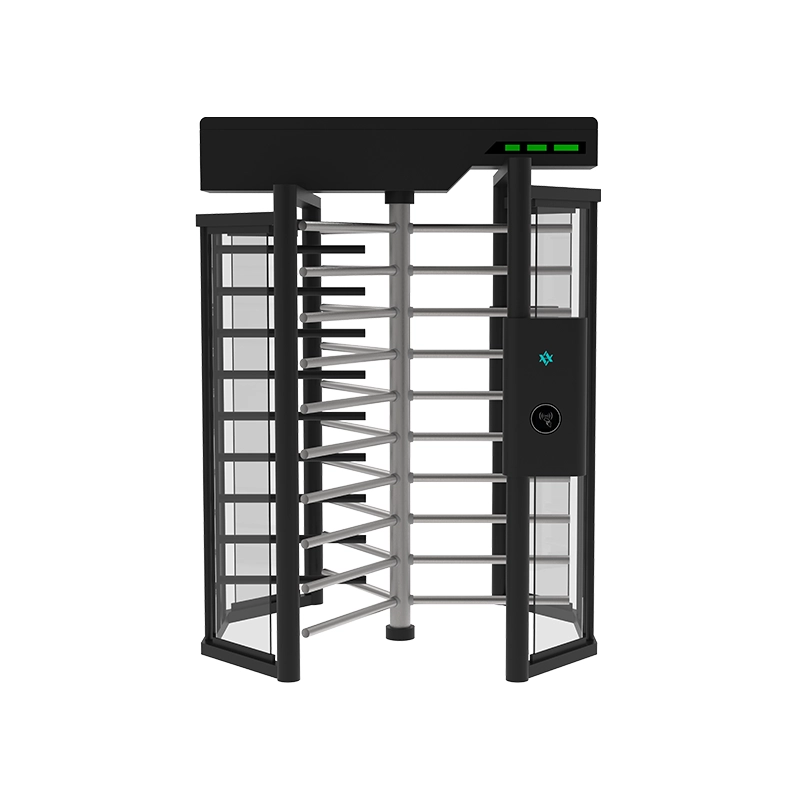
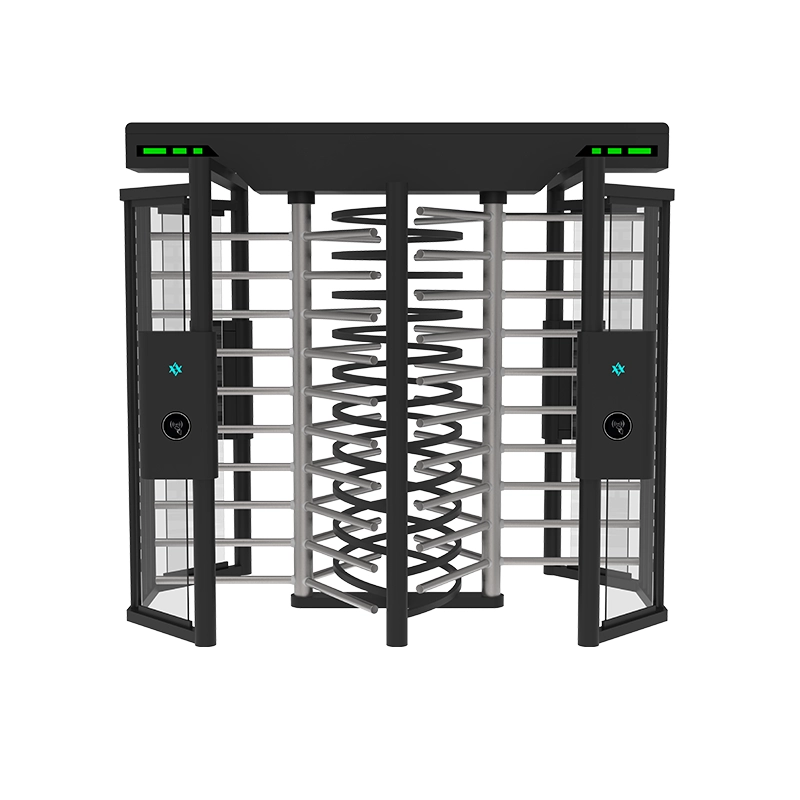
Full-height turnstiles[^1] provide the highest level of physical security. They effectively prevent individuals from climbing over or crawling under the barrier. These gates are ideal for locations requiring maximum access control, such as data centers or restricted areas.
Security requirements vary significantly among different environments. The effectiveness of a gate system depends on its ability to deter and prevent unauthorized access. Understanding these security levels is crucial for selection.
Physical Barriers and Their Security Levels
Different gate types offer distinct levels of physical security.
- Full-Height Turnstiles: These gates create a complete, floor-to-ceiling barrier. They are designed to be impassable.
- Application: Prisons, military bases, high-security industrial complexes, or large-scale event venues where strict access is critical.
- Features: Often include robust construction and advanced anti-tailgating mechanisms to ensure single-person entry.
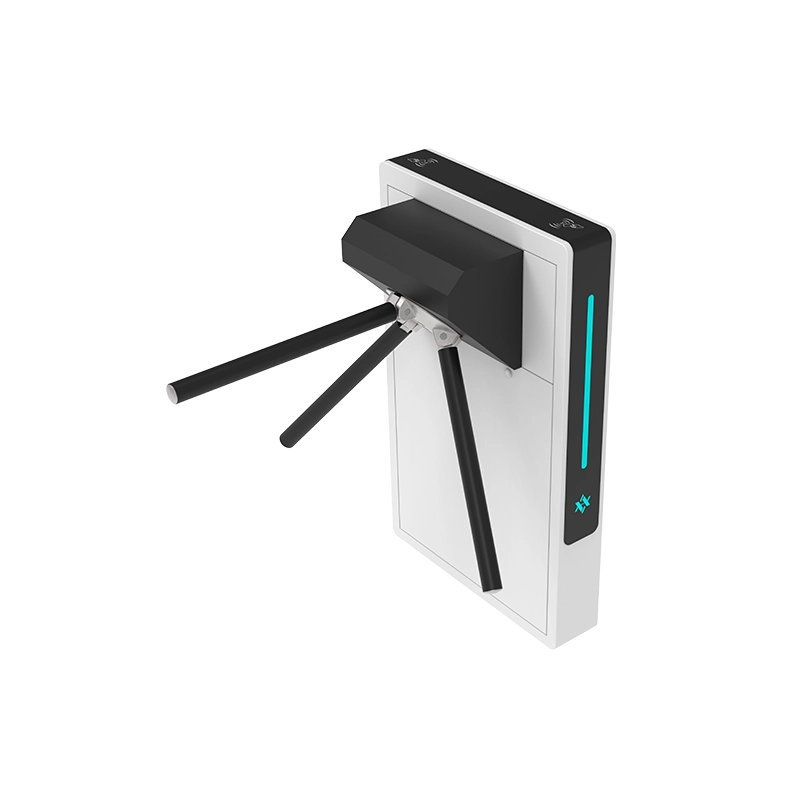
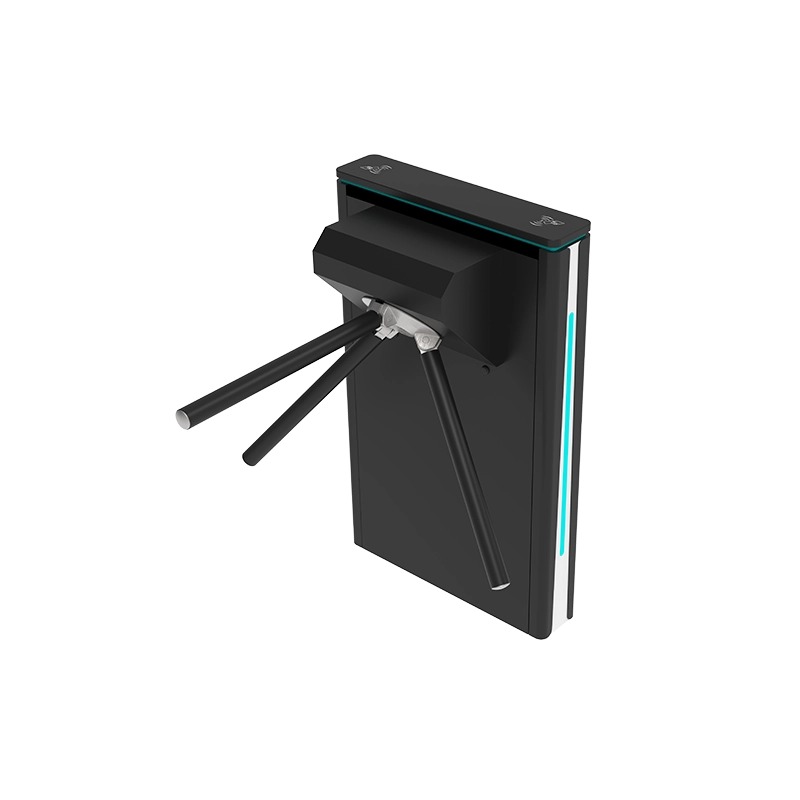
- Tripod Turnstiles[^2]: These gates feature three rotating arms that allow one person to pass at a time. They provide a basic level of security.
- Security Assessment: Medium. They deter casual unauthorized entry. Physical circumvention might be possible with effort.
- Speed Gates[^3], Swing Turnstiles[^4], Flap Barriers[^5]: These systems balance speed and security. They use sensors to detect and prevent tailgating.
- Security Assessment: Medium to High. They are effective in controlling authorized personnel flow. Their design clearly defines entry points.
- Integration Potential: These gates are typically compatible with advanced access control technologies, such as facial recognition or biometric scanners.
Enhancing Security with Technology
Beyond physical barriers, integrated technology significantly boosts security.
- Access Control Systems: This forms the core logic of a security system, determining entry permissions.
- Operation: Users present credentials (e.g., card, fingerprint, face). The system verifies authorization. If approved, the gate opens.
- Benefits: Reduces human error in access decisions and maintains detailed entry logs for auditing.
- Biometric Verification: This method uses unique biological characteristics for identification.
- Examples: Fingerprint recognition, facial recognition, iris scans.
- Advantages: Highly resistant to unauthorized duplication. Provides fast and convenient access for authorized users.
- System Compatibility: Modern gate systems are designed for seamless integration with a wide range of biometric and other access technologies, offering flexibility in security implementation.
| Security Feature | Description | Primary Benefit |
|---|---|---|
| Anti-Tailgating Sensors | Detects multiple individuals attempting concurrent passage. | Prevents unauthorized follow-through. |
| Automatic Reset | Gate barriers return to a closed position if passage is not completed. | Ensures continued security posture. |
| Fire Emergency Unlock | Gates automatically open upon activation of a fire alarm. | Critical for safe egress during emergencies. |
| Tamper Detection | System alerts security personnel to attempts to force the gate. | Enhances real-time security monitoring. |
Effective gate security involves a comprehensive approach, combining robust physical design with intelligent access control technologies.
What is a commercial gate?
When observing entrance systems in business environments, their design for managing large populations is evident. What are the defining characteristics of a "commercial gate"?
A commercial gate is an access system specifically engineered for business and institutional settings. It regulates pedestrian or vehicle movement, strengthens security protocols, and often incorporates advanced access control. These gates are constructed for high usage frequency and extended durability, differing significantly from residential gates.
Commercial gates function as vital components of a building’s operational infrastructure. They control entry and exit points and contribute to the overall impression of a facility.
Key Characteristics of Commercial Gates
Commercial gates possess distinct features essential for business applications.
- Durability and High Cycle Rate: Commercial gates are built for demanding use. They must endure thousands of operations daily.
- Design Focus: Manufacturers use robust materials and high-performance motors. These components ensure longevity and consistent operation over millions of cycles, minimizing maintenance.
- Integration Capabilities: Effective commercial gates can interface with other building systems.
- Examples: Integration with time and attendance software, visitor management platforms, and video surveillance systems.
- Outcomes: This connectivity supports the creation of smart building environments, automating processes and enhancing security management.
- Aesthetics and Design: Commercial gates often need to complement the architectural style of the building.
- Customization: Options include various materials (e.g., stainless steel, tempered glass) and finish choices.
- Significance: The entrance area is a primary point of contact for visitors. A well-designed gate system can elevate a building’s professional image.
Typical Applications of Commercial Gates
Commercial gates are deployed across diverse business and public sectors.
- Office Buildings: For managing employee and visitor access.
- Public Transit Hubs: Such as subway stations, train stations, and airports, to facilitate rapid passenger flow.
- Industrial Facilities: For employee tracking and securing restricted zones.
- Cultural and Recreational Sites: Including museums, theaters, and sports venues, for ticket validation and crowd control.
Operational Impact
A suitable commercial gate system significantly improves daily operational efficiency.
- Efficiency: Reduces peak hour congestion and wait times.
- Cost Management: Decreases the need for manual security staffing and automates entry logging.
- Security: Provides an effective barrier against unauthorized access.
The selection of a commercial gate system directly addresses operational challenges, contributing to smoother and safer facility management.
What are the 7 types of gates?
The array of available gate options can be extensive. How does one categorize and understand the various gate types to make an informed selection? This section provides a clear overview.
There are generally seven primary types of commercial gates: speed gates, swing turnstiles, flap barriers, tripod turnstiles, full-height turnstiles, sliding gates, and swing gates. Each type is suited for specific applications, offering varying levels of security, operational speed, and design aesthetics for diverse environments.
Understanding the distinctions between these gate types is fundamental for proper system selection. Each type plays a specific role in managing access and flow in different settings.
The Seven Main Types of Gates Explained
A detailed description of common gate types is provided below.
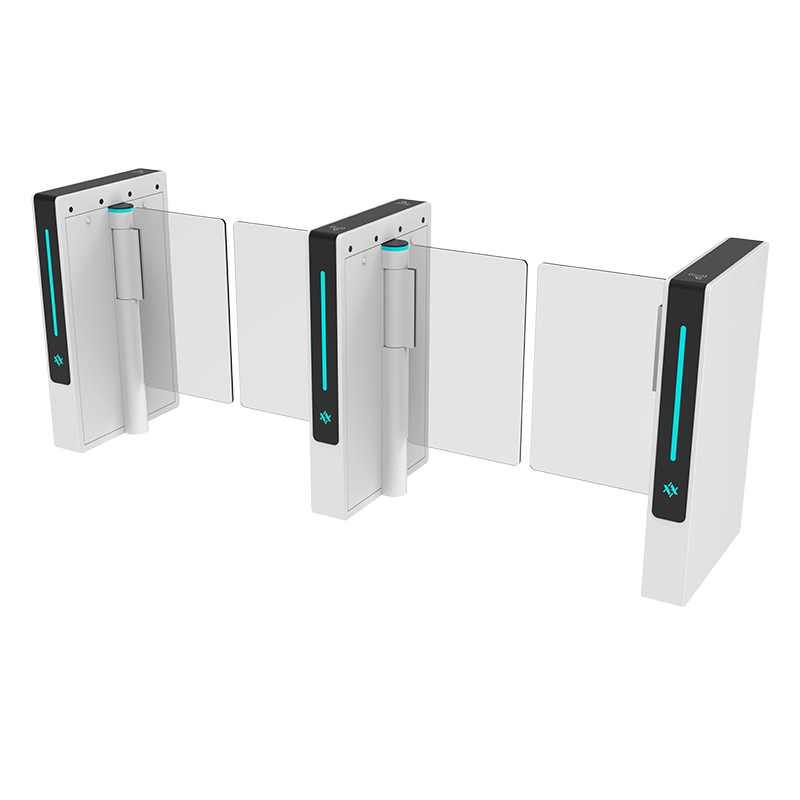
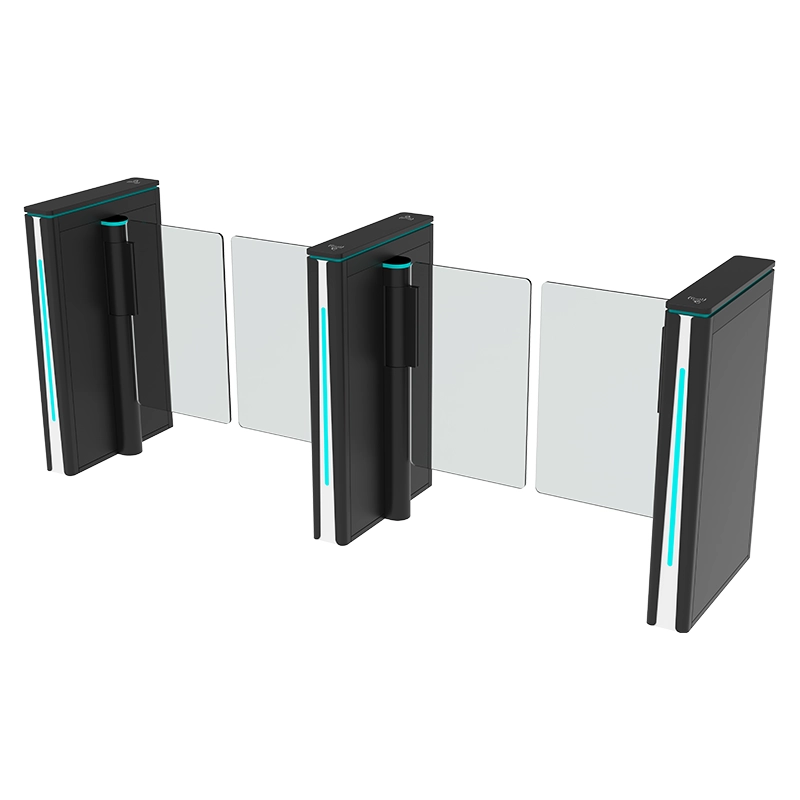
- 1. Speed Gates:
- Description: These pedestrian gates feature retractable or swinging glass barriers.
- Advantages: High throughput, contemporary appearance, and effective security through sensor technology.
- Application: Premium office lobbies, corporate headquarters, data centers, where both rapid access and modern design are important.
- 2. Swing Turnstiles:
- Description: These gates have single or double swinging panels, often constructed from glass or stainless steel.
- Advantages: Provide wide lanes for accessibility, accommodating wheelchairs, strollers, or large luggage. They are often visually unobtrusive.
- Application: Accessible entrances, executive lobbies, or areas requiring broader passage widths.
- 3. Flap Barriers:
- Description: These gates utilize rapidly retractable flaps that open and close.
- Advantages: Fast pedestrian passage, strong anti-tailgating capabilities, and a functional, modern design.
- Application: Mass transit stations (e.g., subways, airports), and other high-volume public access points.
- 4. Tripod Turnstiles:
- Description: Characterized by three rotating arms that permit single-person entry upon authorization.
- Advantages: Cost-effective, robust, and straightforward in operation.
- Application: Industrial facilities, construction sites, amusement parks, and sports venues requiring basic access control.
- 5. Full-Height Turnstiles:
- Description: These gates extend from floor to ceiling, creating a fully enclosed passage.
- Advantages: Offer the highest level of physical security, preventing unauthorized climbing.
- Application: Prisons, stadiums, military bases, or any location where maximum security is the paramount concern.
- 6. Sliding Gates[^6] (Vehicle Access):
- Description: These gates are typically for vehicle access, featuring a single panel that moves horizontally along a track.
- Advantages: Space-efficient (no swing area required), secure for vehicular entry.
- Application: Commercial property entrances, industrial complexes, and parking facilities.
- 7. Swing Gates[^7] (Vehicle Access):
- Description: Primarily for vehicle access, these gates pivot open like traditional doors. They can have single or double leaves.
- Advantages: Offers a traditional appearance, often with simpler mechanical operation compared to sliding gates.
- Application: Commercial driveways, residential community entrances, and areas with moderate vehicle traffic.
Factors in Choosing a Gate Type
The selection of the appropriate gate type depends on specific site requirements. Key factors include:
| Factor | Speed Gate | Swing Turnstile | Flap Barrier | Tripod Turnstile | Full Height Turnstile |
|---|---|---|---|---|---|
| Throughput | Very High | Medium | High | Medium | Low (single person) |
| Security | High | Medium-High | High | Medium | Very High |
| Aesthetics | Modern, Sleek | Elegant, Accessible | Modern, Efficient | Functional, Durable | Utilitarian, Maximum Security |
| Accessibility | Good (with wider models) | Excellent (wide passages) | Good (with wider models) | Limited | Limited |
| Cost | High | Medium-High | High | Low-Medium | High |
| Primary Use | Corporate Lobbies | Universal Access Points | Public Transport | Industrial Sites, Gyms | Restricted Access Zones |
A thorough understanding of these gate types is essential for selecting a system that aligns with functional and security objectives.
What are the three types of gates?
The extensive range of gate options can be simplified into broader categories for easier understanding. Is there a concise way to classify gate systems without focusing on specific models?
Commercial gates can broadly be categorized into three main types: barrier gates, full enclosure gates, and open-frame gates. Barrier gates, which include speed gates and flap barriers, facilitate rapid, controlled pedestrian access. Full enclosure gates, such as full-height turnstiles, provide the highest level of physical security. Open-frame gates, including tripod turnstiles and basic swing gates, offer fundamental access control.
This categorization provides a simplified framework for initial gate selection. It allows for a quick assessment of options based on primary functional requirements.
The Three Core Gate Categories
A breakdown of these broad classifications is as follows.
- 1. Barrier Gates (Semi-Enclosed):
- Description: These systems employ retractable panels or flaps to create a temporary barrier. They are designed for quick opening and closing cycles and integrate sensors for pedestrian detection.
- Examples: Speed gates, flap barriers, and certain swing turnstiles that operate as dynamic barriers.
- Function: Primarily to manage pedestrian flow efficiently. They act as a deterrent to unauthorized entry but are not impenetrable to determined individuals.
- 2. Full Enclosure Gates (High Security):
- Description: These gates form a complete physical barrier, designed to prevent any circumvention.
- Example: Full-height turnstiles.
- Function: To deliver maximum security, preventing physical breaches. They are deployed in environments where security against unauthorized physical access is paramount.
- 3. Open-Frame Gates (Basic Control):
- Description: These gates utilize simpler physical mechanisms, such as rotating arms or basic swinging barriers, and do not create a full enclosure.
- Examples: Tripod turnstiles, simple swing gates.
- Function: To provide fundamental access management. They are effective for counting individuals or ensuring one-at-a-time passage.
Applying the Three Types to Specific Needs
Utilizing these categories can streamline the gate selection process.
- For high throughput and modern design: Consider barrier gates.
- For paramount security needs: Full enclosure gates are the most appropriate.
- For essential access control with budget considerations: Open-frame gates offer a viable solution.
This simplified classification aids in the initial assessment of gate options, guiding users toward the general solution most aligned with their operational and security requirements.
My Insights: Choosing the Best Gate for High-Traffic Office Buildings
Struggling with high traffic flow in your office? Discover the gates that offer efficient entry solutions for busy environments.
For high-traffic office buildings, speed gates, optical turnstiles, and sliding gates are ideal choices. These gates are designed for efficient throughput, integrating with various access systems to ensure smooth and secure pedestrian flow without compromising aesthetics or accessibility.
Evaluating Gate Options for Optimal Office Flow
Gate Types and Their Benefits
| Gate Type | Features | Applications |
|---|---|---|
| Speed Gates | Fast, integrates with access systems | Employee access points, lobbies |
| Optical Turnstiles[^8] | Contactless, quick access | Peak traffic times |
| Sliding Gates | Space-efficient, aesthetic design | Areas with limited space, entrances |
Speed and Efficiency: Speed gates offer rapid throughput and are effective for managing busy office lobbies. Their integration with access control systems ensures a seamless flow while maintaining security.
Contactless Entry: Optical turnstiles provide quick and contactless access, reducing bottlenecks during rush hours. Their design minimizes physical barriers, making them visually appealing and less intrusive.
Space Utilization: Sliding gates are ideal when space is at a premium. Their horizontal movement requires minimal space while still offering efficient security and aesthetic appeal.
Choosing the right gate for high-traffic offices involves balancing speed, accessibility, and security. By prioritizing these features, businesses can enhance their entry management, ensuring both security and convenience for employees and visitors.
Conclusion
Selecting the optimal gate for high-traffic office buildings is essential for both security and operational efficiency. Speed gates often represent an effective choice, offering a balance of rapid throughput and modern design. Understanding the various gate types, from high-security full-height turnstiles to efficient barrier gates, enables informed decision-making to meet specific building requirements.