
Do you find yourself navigating different entry gates, some physical and some seemingly invisible? The type of turnstile at an entrance impacts both security and the flow of people. Selecting the correct turnstile is critical for effective access control.
The key distinction between tripod and optical turnstiles lies in their approach to security, speed, and user interaction. Tripod turnstiles provide a definite physical barrier, offering a practical solution for basic access needs, while optical turnstiles facilitate rapid, unobstructed entry with advanced detection capabilities, suitable for modern, high-traffic environments where design and user flow are priorities. Understanding these differences is crucial for efficient entry point management.
This discussion will examine the specific characteristics of these systems. Knowing each type helps determine its suitability for various settings. This information is vital for informed security decisions.
What are the disadvantages of turnstiles?
Are long queues at building entrances a common frustration, or do complex security checks slow down daily routines? Issues with turnstiles can affect user experience and operational efficiency.
Turnstiles, while effective for security, present certain challenges. These can include potential safety risks and integration complexities. A thorough understanding of these drawbacks is important for any organization. It aids in making an informed decision about access control systems.
Understanding the Downsides of Turnstiles
Turnstiles offer many benefits but also have clear disadvantages. These affect both users and system operators. Here is a closer look at some of these issues.
Potential for Bottlenecks
Turnstiles are designed to control passage. However, they can create congestion during busy periods. Each individual must pass through sequentially. This slows down entry, especially in high-traffic locations like public transit stations or large corporate offices. This leads to delays and can cause user dissatisfaction. In emergency situations, slower exit times can also pose a concern.
Mechanical Wear and Tear
Tripod turnstiles, with their rotating arms, are subject to mechanical degradation over time. Components can fail, requiring consistent maintenance and repairs. This means ongoing operational costs for businesses. A broken turnstile can disrupt entry and compromise security until it is fixed.
Limited Accessibility
Many traditional turnstiles are not suitable for all users. Individuals with wheelchairs, strollers, or large luggage often find them difficult to use. This creates an accessibility challenge. It often necessitates an additional, wider gate, such as a swing gate, to be installed alongside standard turnstiles. This increases the overall cost and complexity of the entry solution and requires more physical space.
Integration Challenges
Integrating turnstiles with modern access control systems can sometimes be complicated. While newer turnstile models are designed for seamless integration with systems like facial recognition and QR code scanners, older or non-standard systems might present difficulties. This could involve custom software development or specific hardware configurations, increasing installation time and cost.
Perceived Barrier
Even optical turnstiles, which offer a barrier-free experience, can sometimes create a psychological barrier. Users might perceive a sense of being monitored or restricted. This can influence the overall user experience, particularly in environments aiming for an open and welcoming atmosphere. The feeling of being ‘granted access’ versus freely entering can subtly alter perceptions of a space.
What are the different types of turnstile gates?
Have you observed the various types of gates at building entrances? From simple barriers to advanced sensor systems, turnstiles come in many forms. Understanding these variations helps in selecting the optimal solution for any facility.
There are several primary types of turnstile gates, each engineered for specific security requirements and traffic volumes. These range from basic, physically restrictive models to sophisticated, often barrier-free systems. Knowledge of these types is essential for effective access control planning.
Exploring the Variety of Turnstile Gates
Various turnstile types are available, each serving a distinct function. Let us examine the main categories and their unique features.
Tripod Turnstiles[^1]
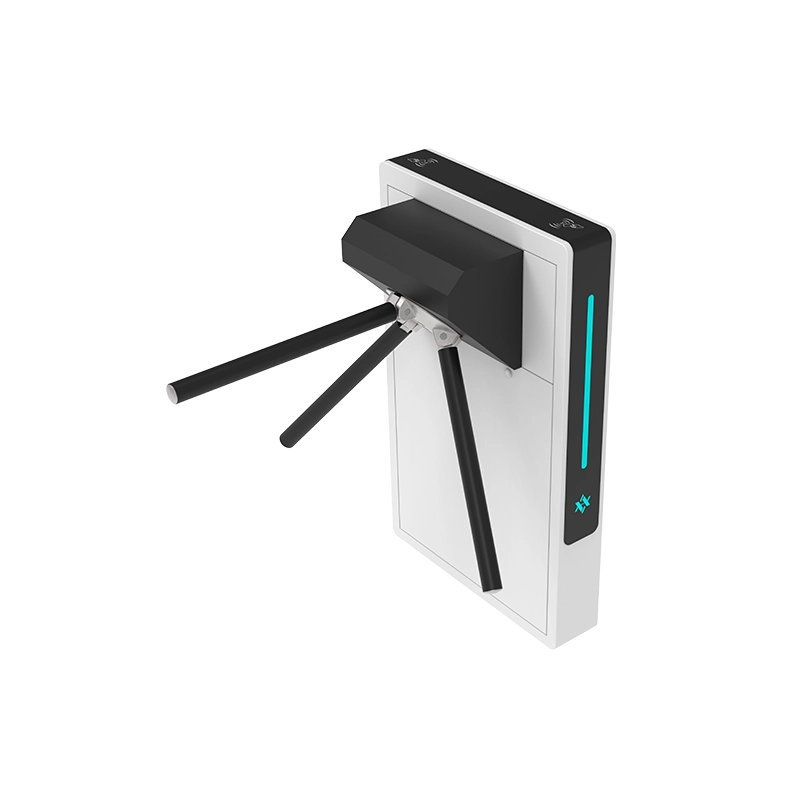
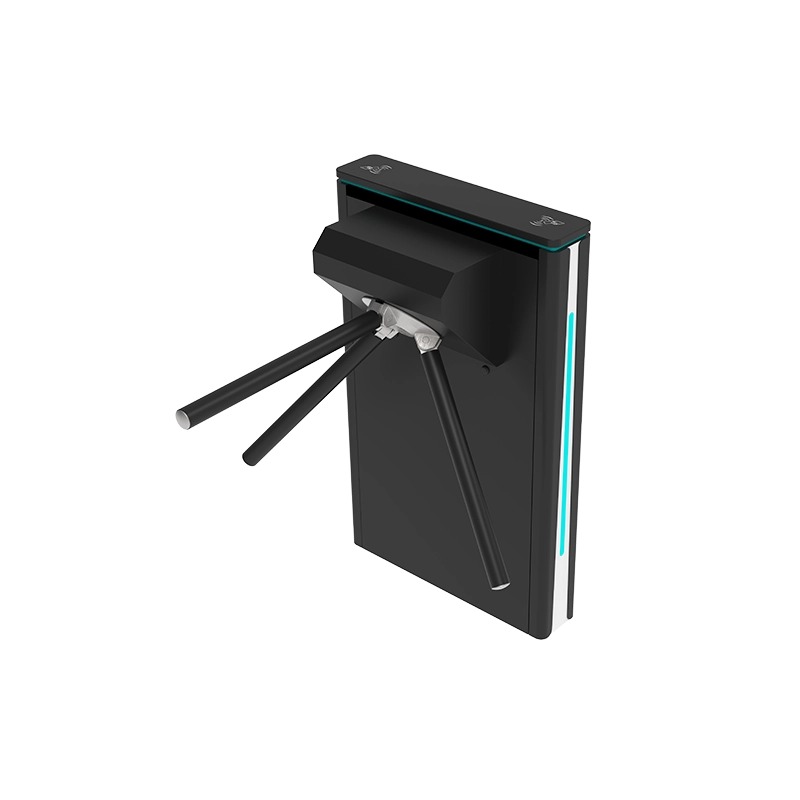
Tripod turnstiles are among the most common types. They feature three rotating arms that allow one person to pass at a time. They are a cost-effective and dependable option.
- Pros: Provide a clear physical barrier. Generally less expensive to purchase and maintain. Simple operation.
- Cons: Can be slow. May not be accessible for wheelchairs or large items. Primarily mechanical in operation.
- Best For: Industrial facilities, public attractions, sports venues, and areas requiring fundamental security.
Swing Turnstiles[^2]
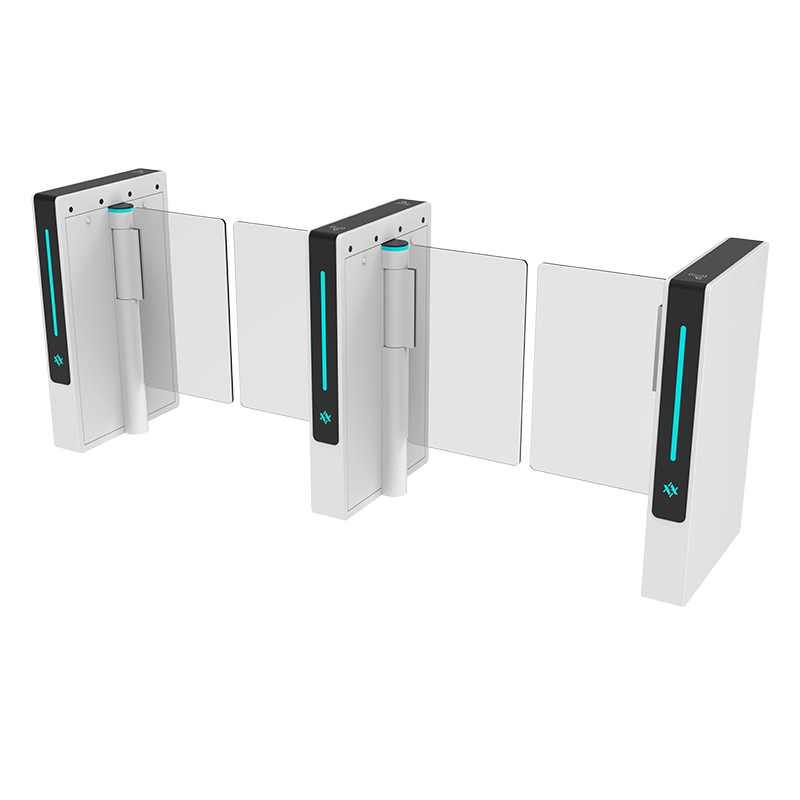
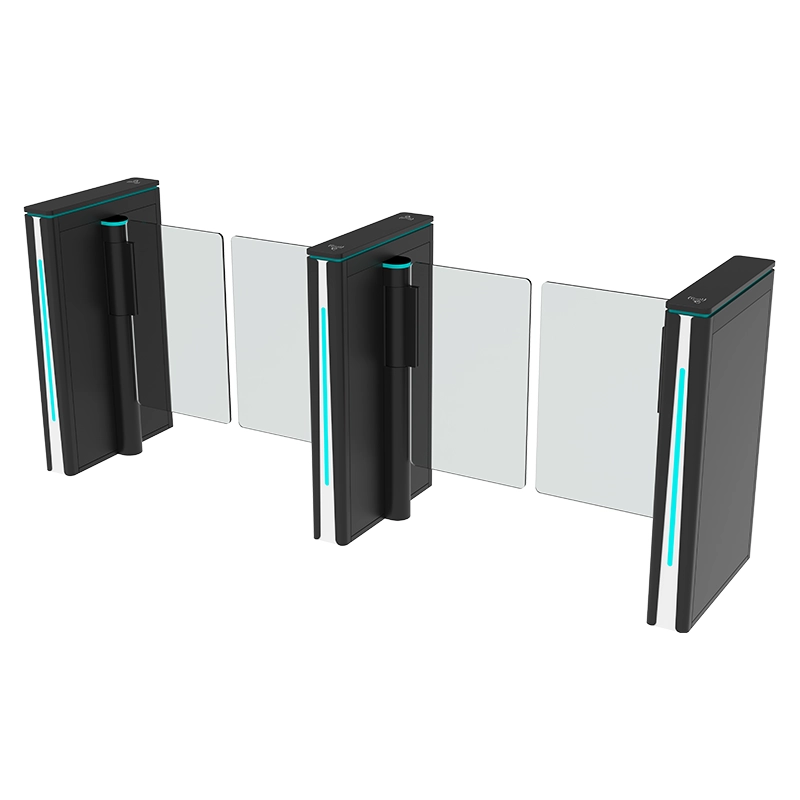
Swing turnstiles incorporate a swinging arm or panel. These are suitable for wider access points. They can accommodate wheelchairs, strollers, and large baggage. They frequently operate in conjunction with other turnstile types.
- Pros: Excellent for accessibility. Can be aesthetically pleasing and integrate into modern designs. Offer good security.
- Cons: May require more space when opening. Can be slower than flap barriers if not managed efficiently.
- Best For: High-end office buildings, reception areas, and locations needing ADA compliance.
Flap Barriers[^3]
Flap barriers utilize retractable panels that open and close rapidly. They are recognized for their speed and streamlined appearance.
- Pros: Very high throughput. Contemporary design. Effective in preventing tailgating due to quick closing action.
- Cons: Higher initial investment. More complex mechanisms demand precise engineering.
- Best For: Subway stations, airports, high-traffic corporate lobbies, and environments where speed is critical.
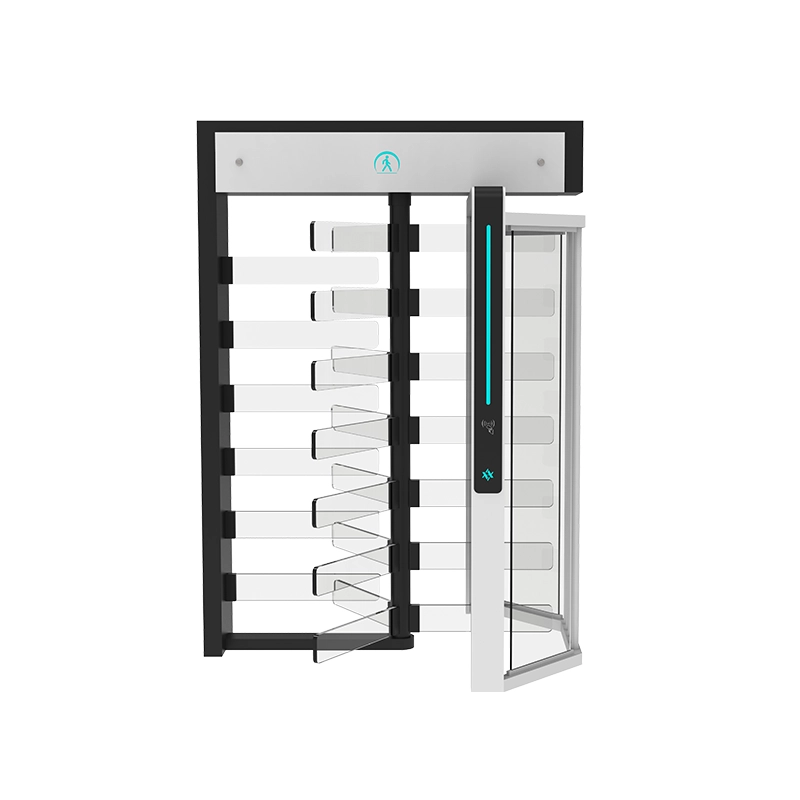
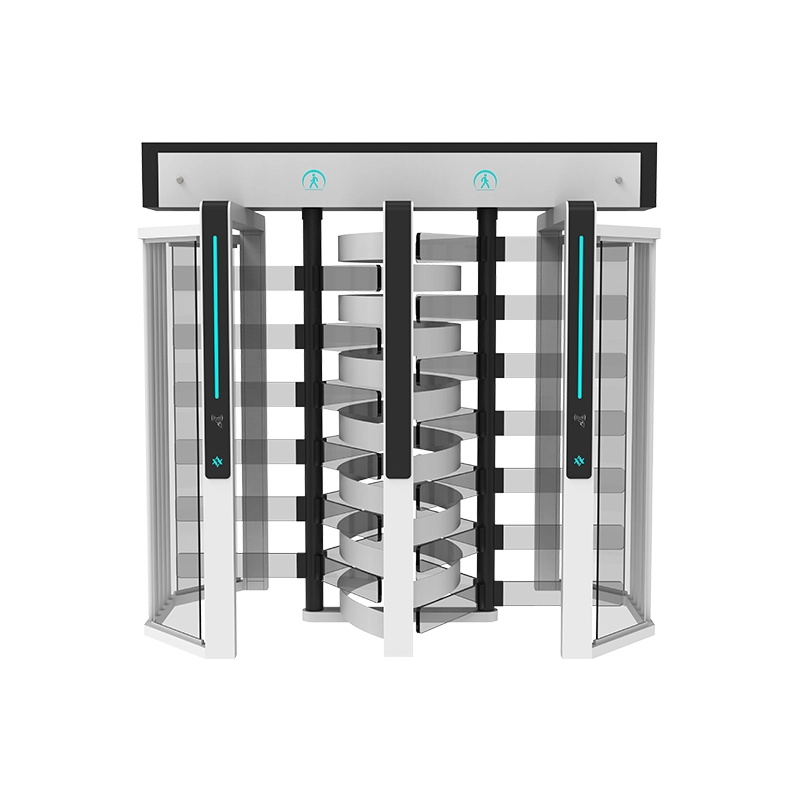
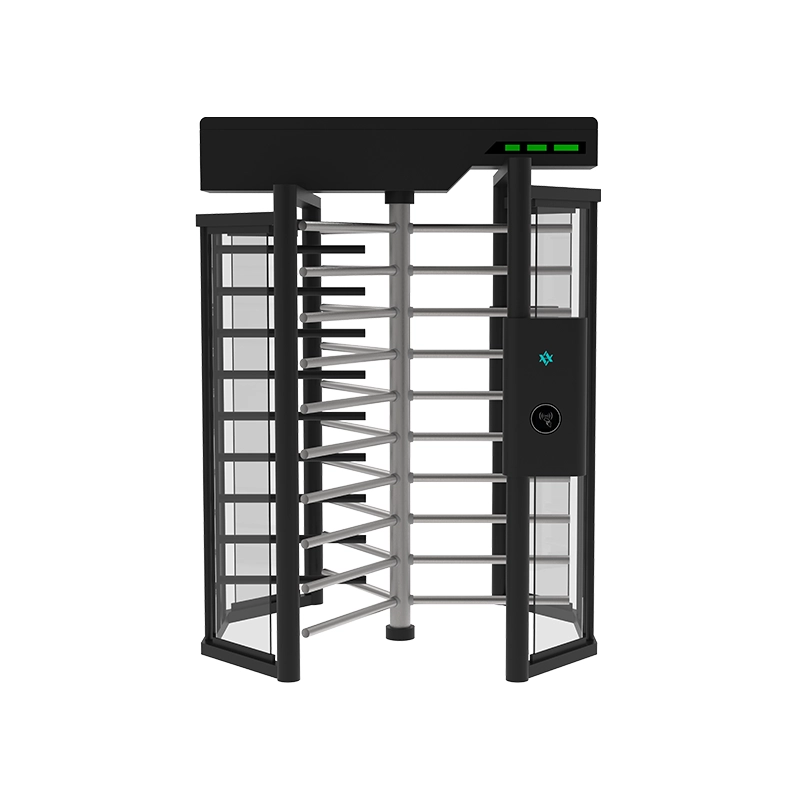
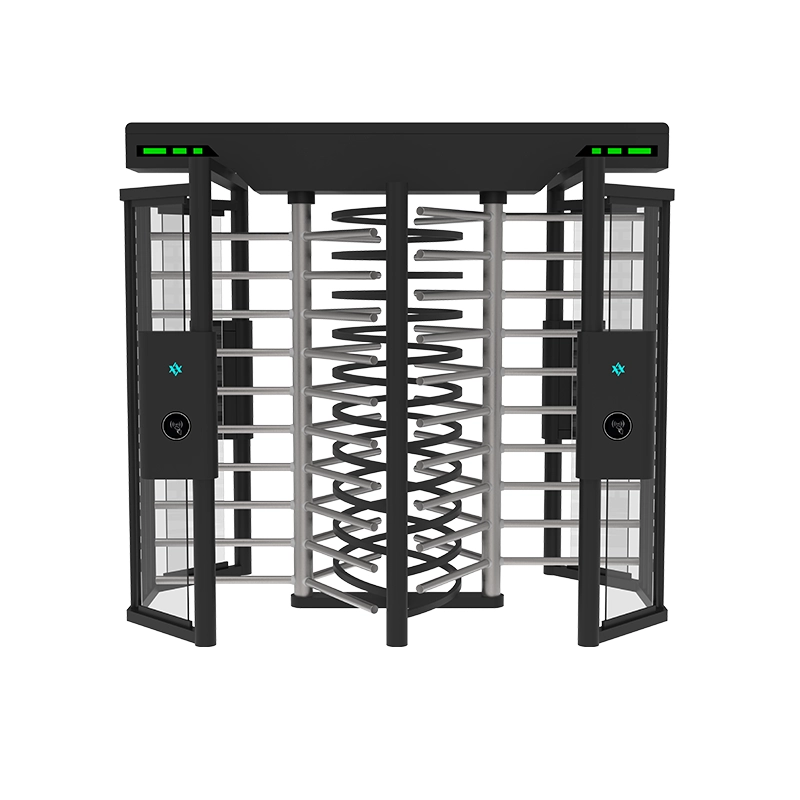
Full-Height Turnstiles[^4]
These turnstiles offer the highest level of physical security. They are tall, rotating barriers that prevent any unauthorized entry or exit. They function as a complete physical enclosure.
- Pros: Maximum security. Prevents climbing over or crawling under. Extremely durable.
- Cons: May be less aesthetically appealing for certain environments. Can feel more restrictive. Higher cost and installation complexity.
- Best For: Correctional facilities, military installations, construction sites, and locations requiring very high-level security.
Optical Turnstiles[^5]
Optical turnstiles employ infrared beams for detection. They typically do not have physical barriers. Instead, they use light and sound alarms to deter unauthorized entry. These will be discussed in greater detail below.
- Pros: Very high throughput. Excellent aesthetic appeal. Provide a welcoming, barrier-free experience.
- Cons: Less physical deterrence compared to other types. Rely heavily on user compliance and surveillance.
- Best For: Corporate lobbies, data centers, executive floors, and locations prioritizing aesthetics and speed.
What is an optical turnstile?
Have you experienced an entrance that grants passage seamlessly upon approach, without any visible physical barrier? This is often the result of an optical turnstile. This technology represents a significant advancement in access control systems.
An optical turnstile is an advanced access control system that uses invisible infrared beams to detect and monitor pedestrian movement without physical obstructions. It facilitates high-speed, barrier-free entry for authorized individuals while activating an alarm for unauthorized attempts. This technology emphasizes detection and deterrence over physical impedance.
The Inner Workings of Optical Turnstiles
Optical turnstiles combine advanced sensors with sophisticated design. They offer a refined method for managing entry. This makes them popular in contemporary, high-traffic settings.
How They Work
Optical turnstiles operate using multiple arrays of infrared light beams. These beams span the pedestrian lane at varying heights. As a person passes through, they interrupt these beams. The system then analyzes the sequence and pattern of these interruptions.
- Authorized Entry: When a valid credential (such as a facial scan or QR code) is presented, the system expects a single person to pass. The pattern of broken beams should align with this expectation.
- Unauthorized Entry: If multiple individuals attempt to pass on a single credential (tailgating), or if someone tries to enter without authorization, the system detects an anomalous pattern. This triggers an audible alarm and, in some cases, flashing lights.
- Safety Features: Modern optical turnstiles include advanced algorithms to distinguish between people, luggage, and small objects. This helps prevent false alarms and includes anti-crawl and anti-climb detection capabilities.
Key Advantages of Optical Turnstiles
Optical turnstiles offer several compelling advantages, making them a preferred choice for many contemporary buildings.
- High Throughput: They allow for very rapid passage of individuals. This is due to the absence of physical barriers that need to open and close. This significantly reduces waiting times during peak hours.
- Aesthetics: They feature a sleek and modern design. They often incorporate high-quality materials such as stainless steel and tempered glass. They integrate seamlessly into upscale reception areas.
- User Experience: They provide a welcoming and unobstructed entry experience. This enhances the perception of the building and its brand. Users often appreciate the smooth, frictionless access.
- Advanced Security: Despite lacking physical barriers, their sophisticated sensor technology offers excellent tailgating detection. They integrate effectively with advanced biometric systems.
Integration Capabilities
A significant strength of optical turnstiles is their extensive integration capabilities. They are designed to operate with various access control methods.
- Biometric Systems: They connect easily with facial recognition, fingerprint, and palm vein scanners, providing high levels of security and convenience.
- Card Readers: Traditional RFID or IC card readers are often integrated directly into the turnstile unit.
- QR/Barcode Scanners: For visitor management or event entry, QR and barcode scanners are commonly integrated, facilitating temporary access.
Where They Excel
Optical turnstiles are particularly suitable for specific environments. These include:
| Environment | Benefit |
|---|---|
| Corporate Lobbies | Enhance modern aesthetic, fast employee access |
| Data Centers | High security, prevents unauthorized entry |
| Executive Floors | Discreet security, premium feel |
| High-End Residential | Convenient and secure access for residents |
| Government Buildings | Controlled access, professional appearance |
Optical turnstiles are frequently selected when a facility aims to project an image of modernity and efficiency. They represent an investment in both security infrastructure and organizational branding.
Are turnstiles still used?
Is it reasonable to question the continued relevance of turnstiles in an era of rapid technological advancement? With new innovations constantly emerging, one might wonder if these gate systems still maintain their importance. Some may even consider them outdated.
Turnstiles are not only still in use but are also continually evolving to meet contemporary security and efficiency demands. They remain indispensable across numerous sectors, from high-security installations to public transit networks. Ongoing advancements in design, integration, and user experience ensure their sustained relevance.
The Enduring Relevance of Turnstiles
Despite the emergence of new technologies, turnstiles continue to be a fundamental component of access control systems globally. Their adaptability and continuous innovation ensure their ongoing importance.
Why Turnstiles Persist
Turnstiles offer a unique combination of physical and technological control that is difficult to replace.
- Physical Deterrence: For many applications, a physical barrier remains necessary. Tripod turnstiles, swing gates, and full-height turnstiles provide a visible and tangible deterrent against unauthorized entry. This offers a sense of security.
- Flow Control: They are highly effective at managing pedestrian traffic. They ensure single-person entry per authorization. This prevents overcrowding and simplifies visitor counting.
- Integration with Smart Systems: Modern turnstiles are not isolated devices. They integrate seamlessly with advanced access control systems. This includes facial recognition, QR codes, and RFID technology, making them part of a more intelligent security network.
- Cost-Effectiveness: For many applications, particularly those requiring basic control, turnstiles remain a very cost-effective solution compared to increasing security personnel. They automate entry points efficiently.
Innovations Keeping Turnstiles Current
The turnstile industry is dynamic and continuously innovating to enhance performance and user experience.
- Brushless Motors: Advanced brushless motor technology in turnstiles ensures smooth, silent operation and an extended lifespan. This significantly reduces maintenance requirements.
- Enhanced Sensors: Optical turnstiles now feature more sophisticated sensor arrays. These can detect tailgating and unauthorized entry with greater precision, minimizing false alarms.
- Modular Design: Many turnstiles now incorporate modular designs. This facilitates easier customization and integration. Clients can select different finishes, materials, and integrated readers.
- Fire Safety Compliance: Turnstiles are designed with fire safety considerations. They automatically open during power failures or fire alarms, ensuring safe evacuation.
Diverse Applications
Turnstiles are deployed in a wide variety of locations. Here are some examples:
| Sector | Primary Use | Type of Turnstile Often Used |
|---|---|---|
| Corporate Offices | Employee access, visitor management | Optical, Swing, Flap |
| Public Transportation | Ticket validation, crowd control | Flap, Tripod |
| Entertainment Venues | Event entry, crowd flow | Tripod, Swing |
| Industrial Facilities | Worker timekeeping, security | Tripod, Full-Height |
| Educational Institutions | Student entry, library access | Tripod, Swing |
| Data Centers | High-security area access | Optical, Full-Height |
Turnstiles are very much an integral part of modern access control infrastructure. Their continued evolution ensures their relevance across diverse operational needs.
My Insights: Weighing the Pros and Cons of Tripod vs. Optical Turnstiles
Struggling to choose between tripod and optical turnstiles for your facility? Understand their benefits and drawbacks for informed decision-making.
Tripod turnstiles offer cost-effective security with robust barriers, while optical turnstiles provide sleek, high-speed, contactless access. Tripod options suit budget-conscious environments requiring durability, whereas optical turnstiles are ideal for modern offices with high traffic flow and advanced integration needs.
Comparing Turnstile Options for Optimal Security
Turnstile Features and Implications
| Aspect | Tripod Turnstiles | Optical Turnstiles |
|---|---|---|
| Cost | Lower initial cost | Higher upfront cost |
| Throughput | Moderate speed (up to 20 people/min) | High speed (up to 30 people/min) |
| Security | High physical deterrence | Tech-based, moderate deterrence |
| Design | Compact, mechanical arms | Modern, barrier-free with sensors |
| Maintenance | Simple, less frequent | Requires software updates |
| Accessibility | Narrow passage, less ADA compliant | Wider lanes, ADA options available |
Security and Cost: Tripod turnstiles, with their physical barriers, are cost-effective, providing a robust deterrence against unauthorized entry. They’re ideal for environments needing mechanical reliability over technology-driven solutions.
Speed and Aesthetics: Optical turnstiles excel in environments prioritizing speed and aesthetic appeal. Their design supports high traffic flow, making them perfect for upscale office settings where modern integration and fast throughput are valued.
Maintenance and Integration: While tripod turnstiles require less frequent maintenance, optical turnstiles offer advanced integration with biometric systems, despite needing occasional software updates.
Choosing the right turnstile involves balancing your security needs, budget, and the specific environment of your facility.
Conclusion
The selection between tripod and optical turnstiles involves weighing security, speed, and aesthetic preferences. Tripod turnstiles provide sturdy physical barriers, while optical turnstiles offer elegant, rapid, and barrier-free access. Both systems remain vital in contemporary access control, continuously advancing through technological innovation.