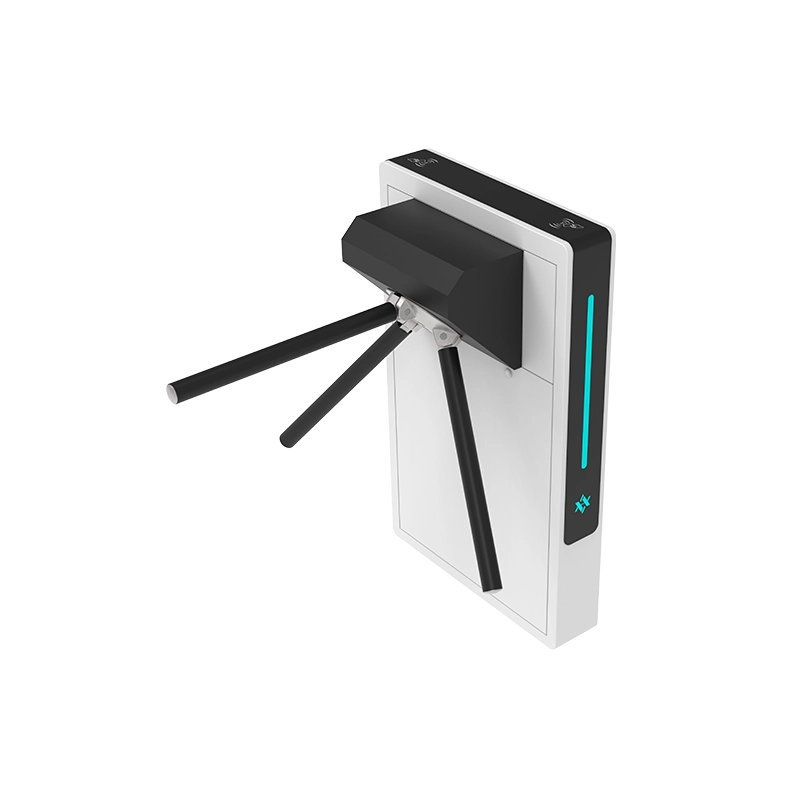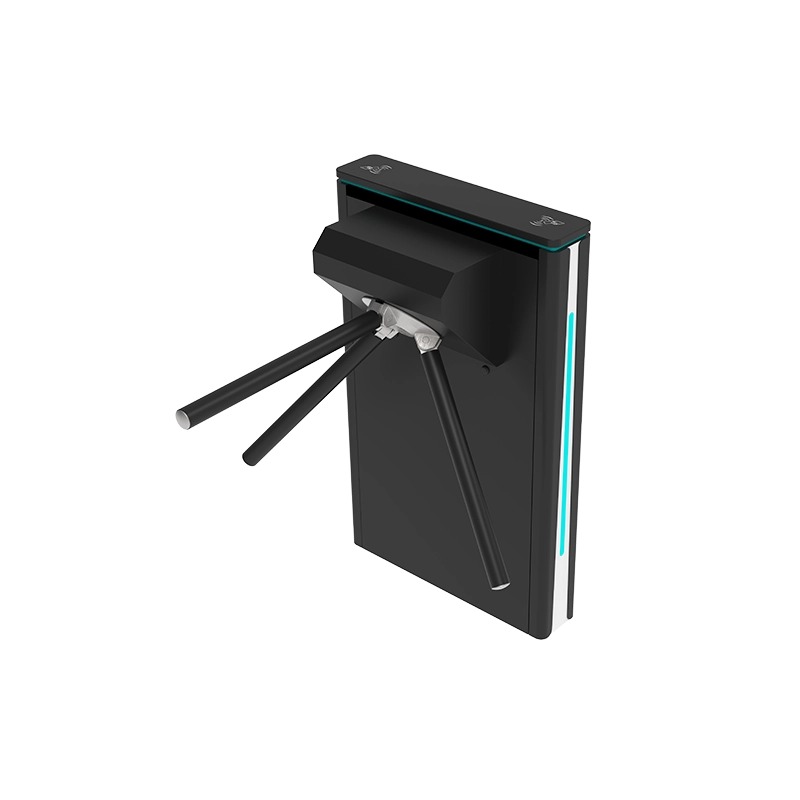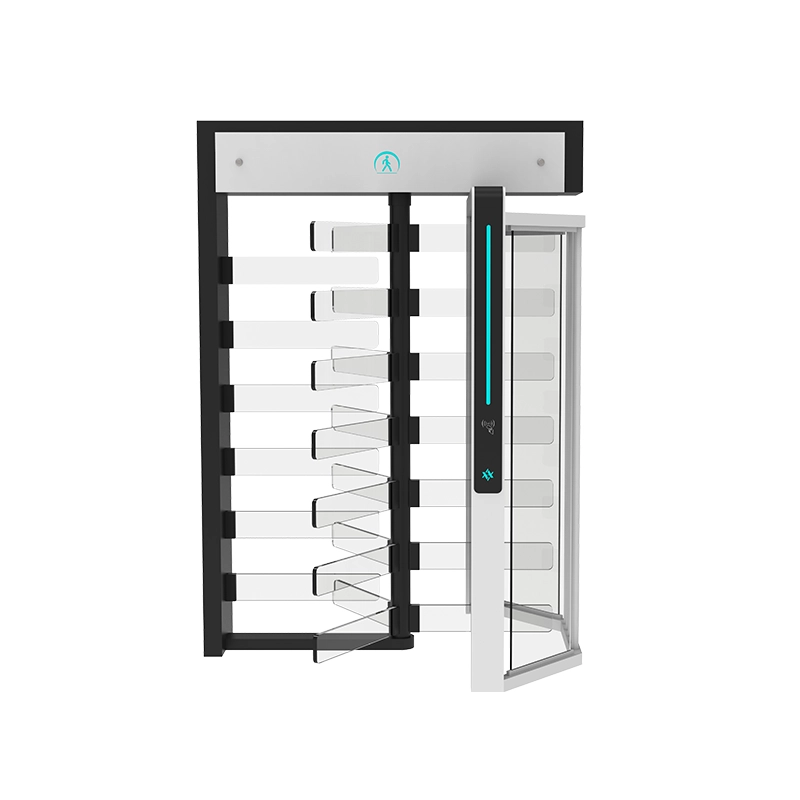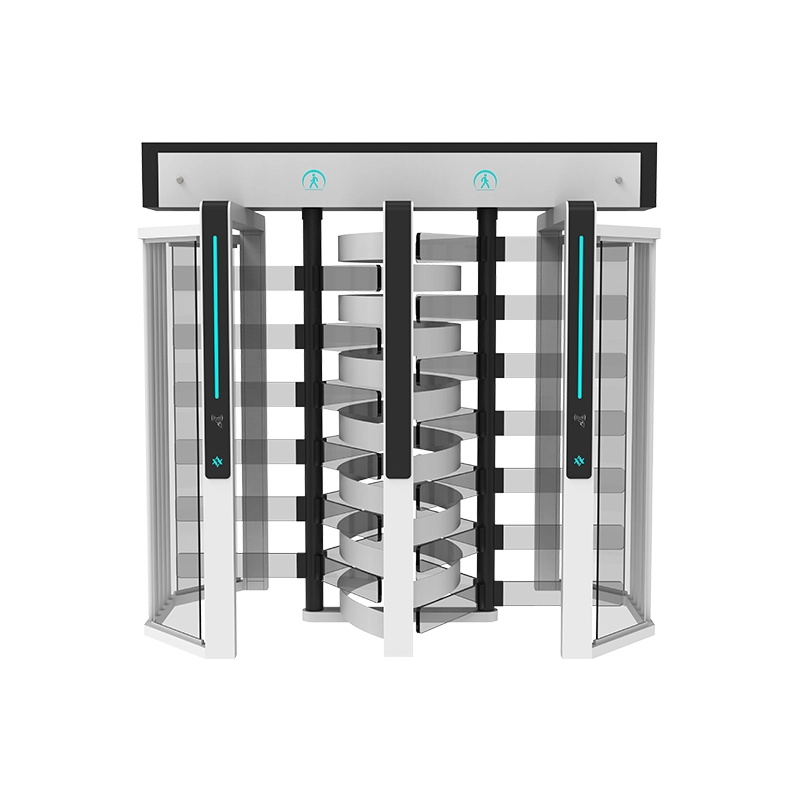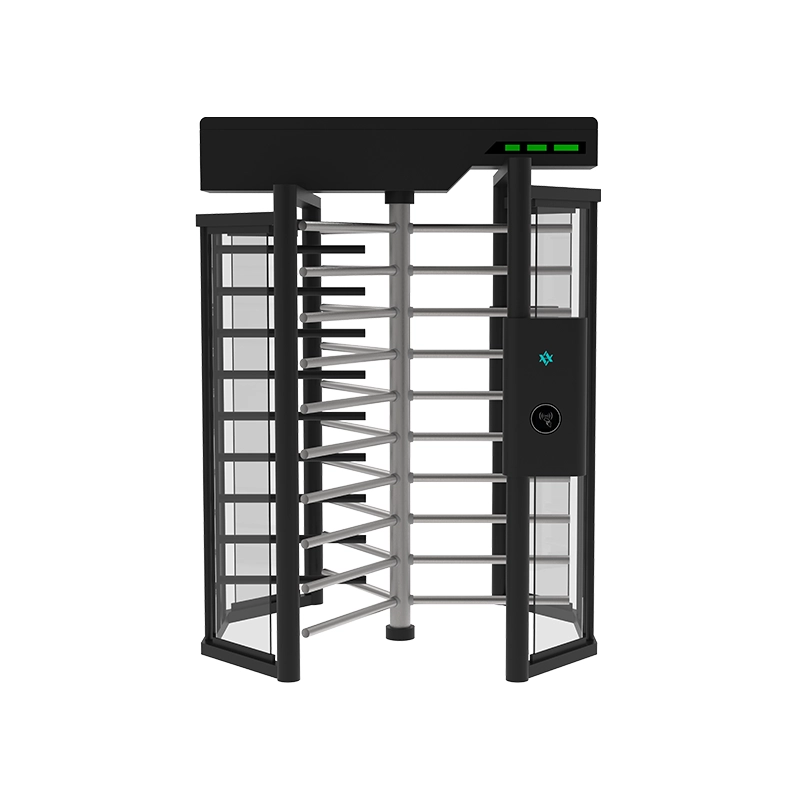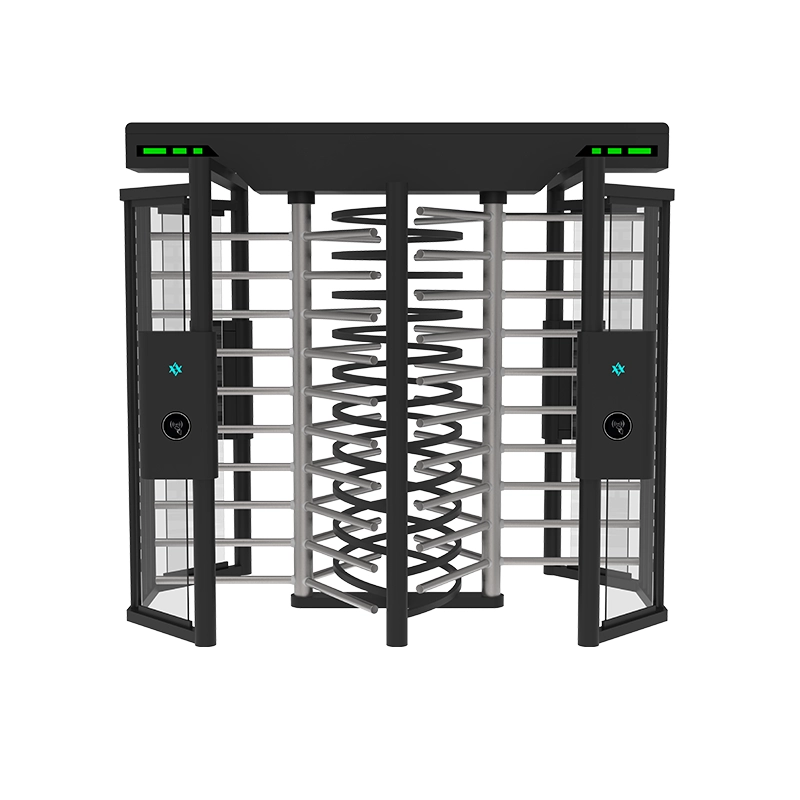

Access control systems are fundamental for security. Drop arm turnstiles are a common component. Understanding their integration capabilities is crucial. This knowledge helps in designing effective security solutions for various environments. It addresses a key aspect of modern access management.
Drop arm turnstiles integrate with diverse access control systems. These systems include biometric authentication, card readers, and QR code scanners. They also work with facial recognition technologies. This integration allows for a comprehensive security setup. It facilitates smooth and controlled pedestrian access.
The process of integrating turnstiles with access control systems is critical. It ensures functionality and security. This discussion will explore how turnstiles function within larger security frameworks. It will provide insights into common integration practices.
What is the role of turnstiles in access control?
Turnstiles serve as primary physical barriers. They regulate entry into restricted areas. Their role extends beyond simple gatekeeping. They are essential elements within an access control infrastructure[^1].
Turnstiles manage pedestrian traffic flow. They enforce single-person entry at a time. This action prevents unauthorized access attempts. They also connect with various identity verification methods. This ensures only authorized individuals can pass. Turnstiles are therefore vital for physical security enforcement.
Turnstiles are not just for blocking entry. They create an organized point of passage. Consider a busy corporate building. Without turnstiles, uncontrolled entry is possible. With turnstiles, each person must present valid credentials. This significantly enhances site security. For instance, high-security facilities often rely on turnstiles. They control the movement of many employees daily.
How Turnstiles Enhance Security
Turnstiles contribute to security in multiple ways.
Preventing Tailgating
Tailgating is a common vulnerability. One person gains entry, and another follows closely. Turnstiles prevent this. They are designed to allow only one person through per valid credential scan. Drop arm turnstiles are especially effective here. The arm resets quickly. This makes it difficult for a second person to follow.
Integration with Alarm Systems
Turnstiles can activate alarms. If an attempt is made to force entry, an alarm sounds. This instantly alerts security staff. This provides an additional security layer. This feature is standard on many modern turnstiles.
Data Collection
Every passage through a turnstile is typically recorded. This creates a data log. This data includes entry times and user identities. This information is valuable for security audits and incident investigations.
| Feature | Benefit |
|---|---|
| One-person entry | Mitigates tailgating incidents |
| Alarm integration | Enables rapid security response |
| Data logging | Supports audit trails and operational insights |
| Physical barrier | Deters unauthorized entry attempts |
| Emergency bypass | Ensures compliance with safety regulations |
What are some common access control systems?
Access control systems vary widely. They range from simple mechanical locks to advanced digital solutions. Understanding these systems is important. It helps in selecting the most appropriate solution for specific security needs.
Common access control systems include credential-based readers, biometric scanners, and facial recognition technology. QR code and barcode readers are also widely used. Mobile access solutions are gaining popularity. These systems offer different security levels. They are all capable of integration with turnstiles for comprehensive access management.
Many configurations exist for access control. Some applications require basic access management. Others demand high-level security. For example, a commercial office building might use card readers. A sensitive research laboratory might implement fingerprint scanners. Each system has distinct advantages. The choice of system depends on specific security requirements and operational parameters.
Types of Access Control Systems
Let’s examine common access control system types.
Card Readers (RFID/IC Card)
Card readers are frequently employed. Users present a physical card for entry. These cards can be RFID or IC card types. They offer ease of use and simple management. Lost cards can be swiftly deactivated.
Biometric Systems (Fingerprint/Palm Vein)
Biometric systems utilize unique physiological characteristics. Fingerprint scanners are a common example. Palm vein scanners offer enhanced security. These systems provide high assurance of identity. They eliminate the need for physical credentials.
Facial Recognition
Facial recognition is an emerging technology. It identifies individuals by scanning their facial features. This allows for touchless access. It offers speed and convenience. Its adoption is increasing in various facilities.
QR Code and Barcode Scanners
These systems use digitally generated codes. These codes are often displayed on smartphones or printed tickets. They are highly effective for managing visitors. A visitor scans their code for entry. This method is flexible and easy to deploy.
Mobile Access
Mobile access systems leverage smartphones. A dedicated application on the phone serves as the access credential. This provides convenience for users. It typically uses Bluetooth or Near Field Communication (NFC) technology.
Integration with Turnstiles
Turnstiles are designed for broad system compatibility.
- Physical Connections: Turnstiles include standard communication ports. These connect to various reader types.
- Software Protocols: The turnstile’s control unit communicates with the access control software. It uses defined protocols.
- Access Granting: Upon successful credential verification, the turnstile’s arm retracts. This grants passage to the individual.
| Access System | Security Level | Convenience | Typical Application |
|---|---|---|---|
| Card Readers | Medium | High | Office buildings, educational institutions |
| Biometrics | High | Medium | High-security zones, industrial facilities |
| Facial Recognition | High | High | Modern corporate campuses, transportation |
| QR/Barcode Scanners | Medium | Medium | Event venues, visitor management systems |
| Mobile Access | Medium | High | Smart offices, residential complexes |
Are turnstiles still used?
The continued relevance of turnstiles is sometimes questioned. With advancements in technology, some wonder if they remain necessary. The fact is, turnstiles are still widely utilized.
Turnstiles remain a fundamental element of contemporary access control. Technological advancements have augmented their capabilities, not rendered them obsolete. They provide a critical physical barrier that purely digital systems cannot. Demand for turnstiles continues to be strong across diverse sectors.
Turnstiles are essential for physical enforcement. A digital identification system confirms identity. However, a turnstile physically restricts an unauthorized person. It forms a crucial part of a multi-layered security strategy. The deployment of turnstiles is increasing. This is particularly evident in urban infrastructure and commercial developments.
Why Turnstiles Remain Relevant
Turnstiles offer distinct advantages that maintain their importance.
Physical Deterrence
A turnstile acts as a tangible barrier. This discourages unauthorized entry attempts. It provides a visual and physical deterrent that digital methods lack.
Crowd Management
In high-traffic areas, turnstiles effectively regulate pedestrian flow. They prevent congestion at entry points. This is important for both safety and operational efficiency. Consider the orderly flow through public transit stations.
Integration with Emergency Systems
Modern turnstiles are designed for emergency integration. They connect with fire alarm systems. In an emergency situation, they automatically unlock or drop arms. This ensures rapid evacuation routes. This safety feature is paramount.
Adaptability to New Technology
Turnstiles are highly adaptable. They seamlessly integrate with the latest access control technologies. This includes facial recognition, QR code scanning, and mobile credentials. This adaptability ensures their continued effectiveness.
| Factor | Turnstile Role |
|---|---|
| Physical Barrier | Provides effective physical containment |
| Flow Control | Manages pedestrian throughput efficiently |
| Emergency Safety | Guarantees safe evacuation pathways |
| Technological Adaption | Compatible with evolving access control methods |
| Security Foundation | Forms a basic layer of physical security |
What are the disadvantages of turnstiles?
While turnstiles offer significant advantages, they also present certain drawbacks. It is important to acknowledge these limitations. This allows for a balanced assessment and informed decision-making. Every security component has specific considerations.
Turnstiles can present disadvantages. These include the potential for bottlenecks during peak usage times. They may also pose challenges for individuals requiring special access, such as those with wheelchairs. Initial installation costs and ongoing maintenance requirements are also factors. However, careful planning and selection can mitigate these issues.
A thorough analysis of potential drawbacks is necessary. For example, installing an insufficient number of turnstile lanes in a high-traffic area can lead to delays. This highlights the importance of matching the system capacity to anticipated user volume. Such foresight in planning can prevent operational inefficiencies.
Addressing Turnstile Disadvantages
Let’s examine common challenges associated with turnstiles.
Potential for Bottlenecks
During periods of high foot traffic, turnstiles can create queues. This occurs if the number of lanes is inadequate or the processing speed is slow.
- Solution: Implement a sufficient number of turnstile lanes. Select high-speed turnstile models. Optimize the integrated access control system for rapid credential processing.
Accessibility Concerns
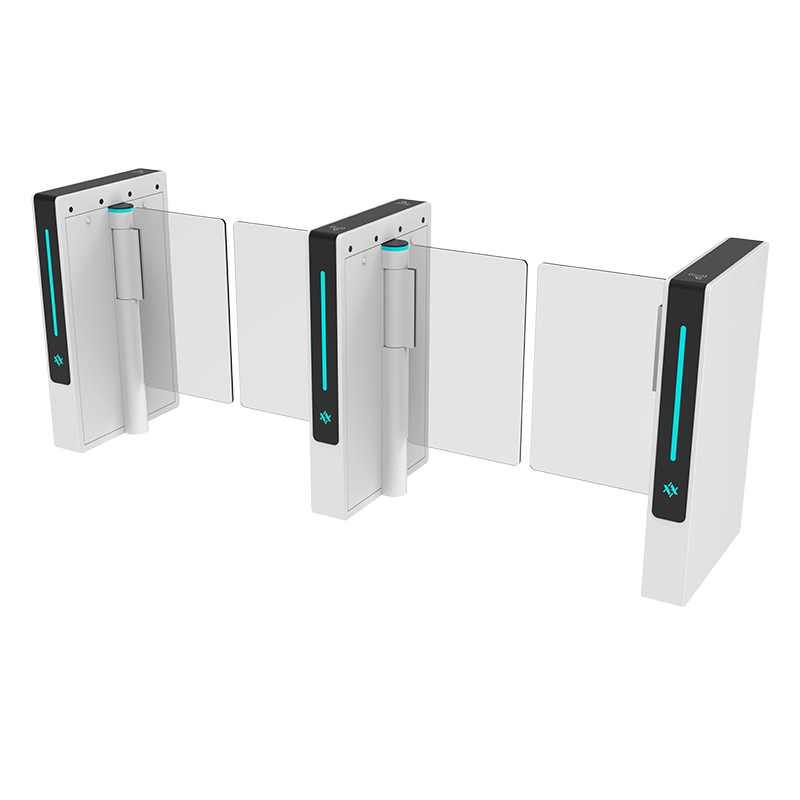
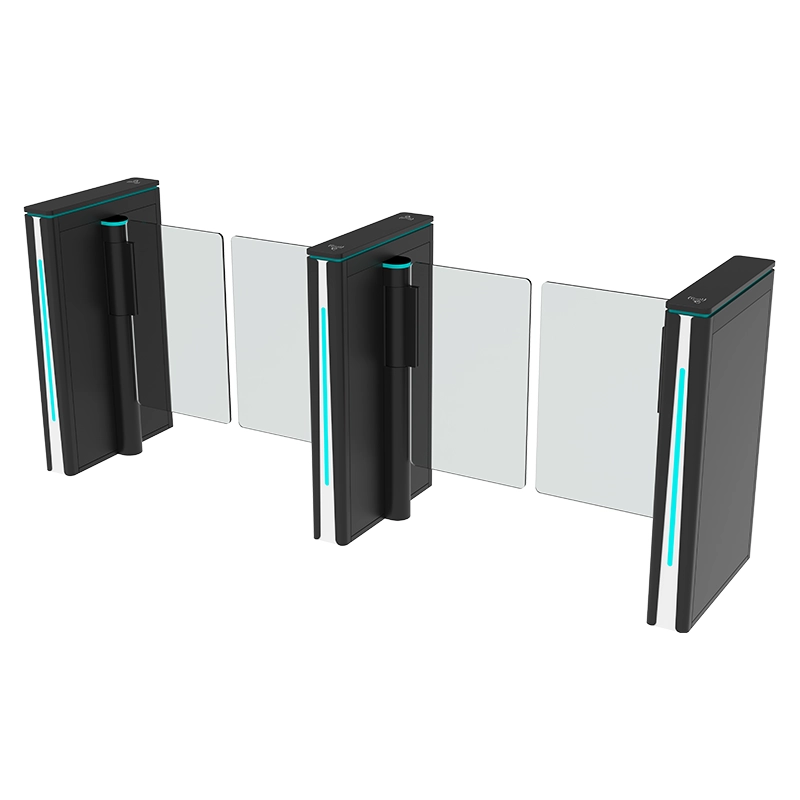
Certain turnstile designs might not accommodate all users. This includes individuals using wheelchairs, strollers, or carrying large items.
- Solution: Incorporate wider swing gates or dedicated ADA-compliant turnstiles. Ensure clear, accessible routes for all individuals. Manufacturers offer various models to address universal accessibility requirements.
Installation and Maintenance Costs
Turnstiles require an initial capital investment. They also demand regular maintenance to ensure optimal performance and longevity.
- Solution: Choose durable, high-quality turnstile products. This can reduce long-term maintenance expenses. Establish a schedule for routine servicing and inspections.
User Experience
Some users may perceive turnstiles as restrictive or cumbersome. This perception can arise if the system is slow, unreliable, or difficult to use.
- Solution: Deploy fast, highly reliable access control systems. Integrate user-friendly technologies, such as facial recognition. Provide clear signage and instructions for smooth user interaction.
| Disadvantage | Mitigation Strategy |
|---|---|
| Bottlenecks | Increase lane capacity, utilize high-throughput models |
| Accessibility | Install ADA-compliant gates, offer wider options |
| Cost | Invest in robust equipment, plan maintenance budget |
| User Experience | Integrate efficient technology, clear user guidance |
My Insights: Integrating Access Control Systems with Drop Arm Turnstiles
Want a seamless security setup? Discover how drop arm turnstiles[^2] integrate with various access control systems for enhanced security.
Drop arm turnstiles integrate with RFID card readers, biometric systems, and keypad entry. They support QR code scanners and can be linked to access control software, providing versatile solutions for security management in diverse environments.
Exploring Access Control System Integration
Comprehensive Integration Options
| System Type | Integration Features | Common Uses |
|---|---|---|
| RFID/Card | Easy integration with relay signal | Offices, campuses |
| Biometric | Fingerprint, facial recognition compatibility | Secure facilities, airports |
| Keypad/Pin | Requires connection to access controller | Restricted areas, commercial buildings |
| QR/Barcode | Adds event access capability | Events, ticketed entry points |
Various Systems Compatibility: Drop arm turnstiles are designed to integrate seamlessly with multiple access control systems. They support technologies like RFID and biometrics, offering comprehensive entry solutions.
Integration Mechanism: These turnstiles use relay or dry-contact outputs, making them compatible with most standard systems. They can directly accept third-party readers or connect through an access control panel, ensuring flexibility and ease of integration.
Functional Design: Many turnstiles include a fail-safe feature that ensures the arm drops in emergencies for safe evacuations. They suit commercial settings and public spaces, balancing security with user-friendly passage.
By integrating with diverse access control technologies, drop arm turnstiles enhance the efficiency and security of any facility.
Conclusion
Turnstiles are still essential for modern access control systems. They integrate with various identification methods. This includes biometrics and card systems. While they have drawbacks, careful planning can solve these. Turnstiles deliver both security and operational efficiency.