

Unmanaged entry points lead to security breaches and high labor costs for manual monitoring. Without a clear system, your lobby becomes crowded, and unauthorized visitors can easily slip through.
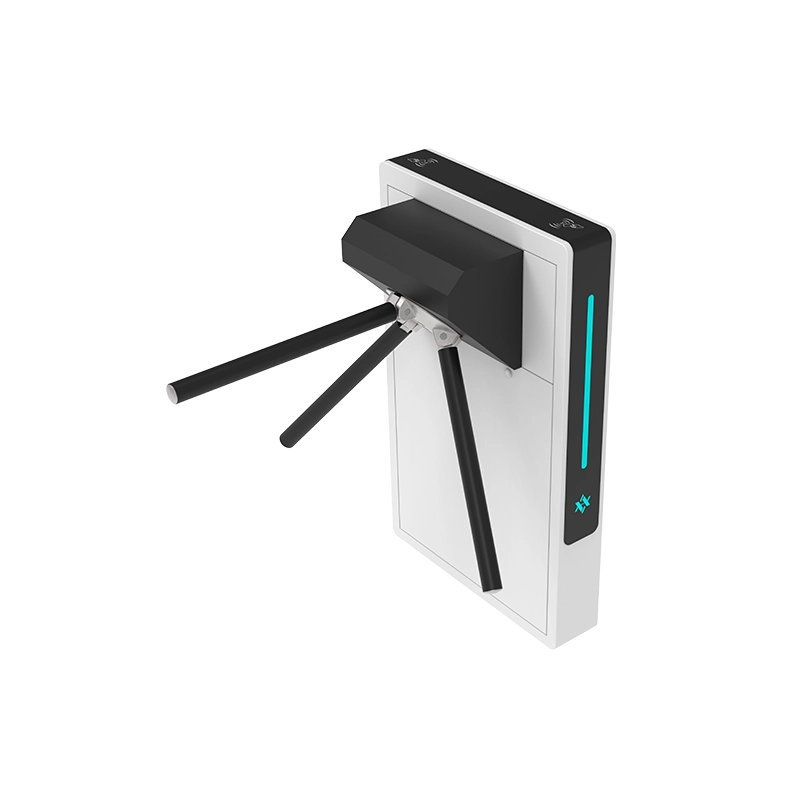
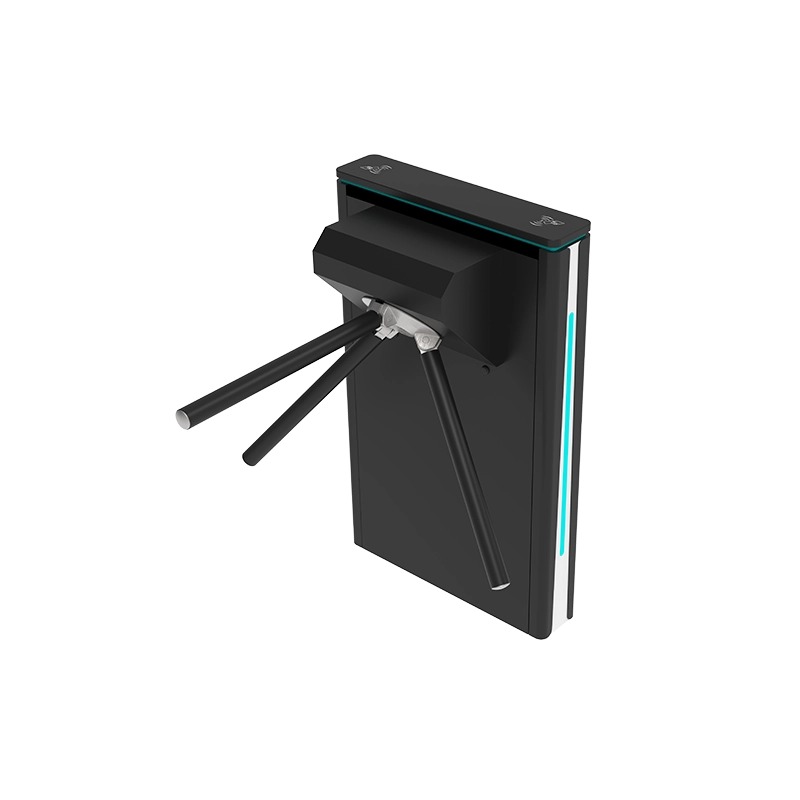
Tripod turnstiles typically cost between $1,500 and $3,500 per lane, while optical speed gates range from $5,000 to $15,000. Professional installation adds $500 to $2,500 per unit depending on flooring, wiring complexity, and the type of access control readers integrated into the system.
Choosing between these two options involves more than just looking at the price tag on the hardware. I have seen many project managers underestimate the total cost of ownership. I will break down the expenses for installation, maintenance, and compliance to help you plan your budget.
How much does it cost to install a turnstile?
Leaving an entrance open creates a safety risk, but hiring guards for every door is too expensive. You need a way to control the flow of people without breaking your budget.
Professional installation for a single turnstile lane usually costs between $500 and $2,500. This fee covers the mechanical mounting of the cabinet, electrical wiring, and the connection to your security network. The final price depends mostly on your building’s existing infrastructure and how much work is needed to hide the cables.
Understanding the Physical Labor
When I work on a project, the biggest variable is the floor material. If we are installing gates on a standard concrete slab, the work is fast. We drill holes for the anchor bolts and run cables through the floor. However, if your lobby has expensive marble or granite, the labor cost goes up. We have to use specialized diamond bits and work slowly to avoid cracking the tiles. In some cases, we use a floor plinth or a baseplate if we cannot drill into the floor at all, which adds to the hardware cost.
Cabling and Integration Requirements
The gate needs power and data. If the power source is fifty feet away, the electrician will charge more for the extra conduit and wire. You also need to factor in the cost of the "brains" of the system. A turnstile is just a barrier until you add a reader.
| Installation Element | Estimated Cost | Details |
|---|---|---|
| Anchoring & Mounting | $400 – $800 | Drilling and securing the unit to the floor. |
| Electrical Wiring | $300 – $1,000 | Running power from the breaker to the gate. |
| Access Control Reader | $200 – $1,500 | RFID, QR codes, or biometric terminals. |
| System Integration | $300 – $700 | Linking the gate software to your database. |
Networking and Software Setup
Once the hardware is bolted down, a technician must configure the software. This involves setting the passage directions and testing the communication between the card reader and the gate controller. If you want the gates to talk to your existing HR payroll system, the integration time will increase. I always tell my clients to verify their network drop locations before the installers arrive. Having a data port ready at the installation site can save you hundreds of dollars in labor hours.
Do turnstiles require a lot of maintenance?
Mechanical failures lead to long lines and frustrated employees. If a gate breaks during the morning rush, your security is compromised and your entrance looks unprofessional.
Routine maintenance for a turnstile costs between $200 and $500 per lane every year. High-quality gates with brushless motors need very little work because they have fewer parts that wear out. Most maintenance tasks involve cleaning sensors, checking the tightness of bolts, and updating the control software to ensure smooth operation.
Differences in Mechanical Upkeep
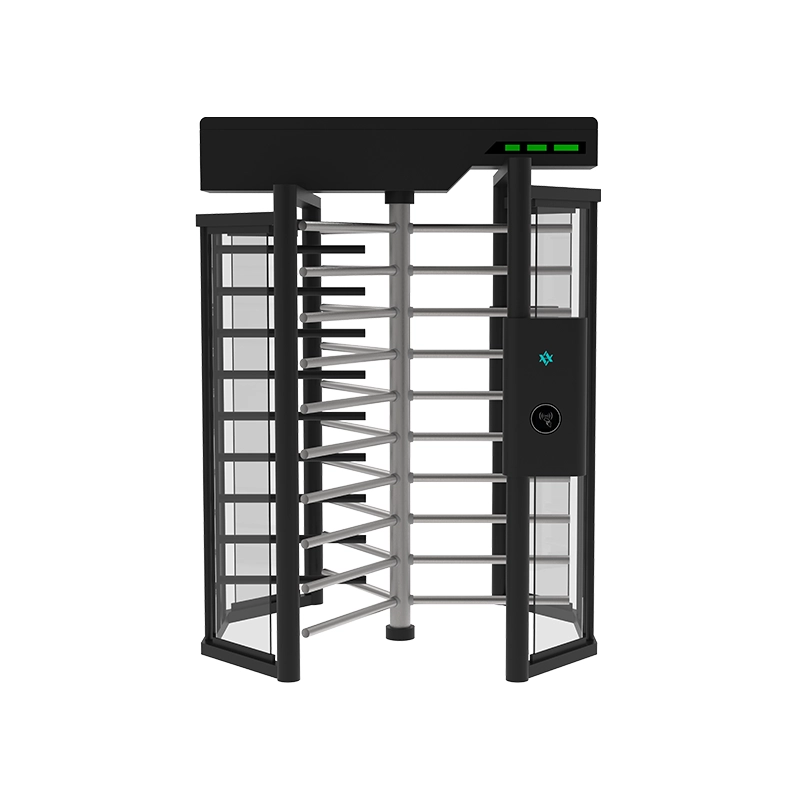
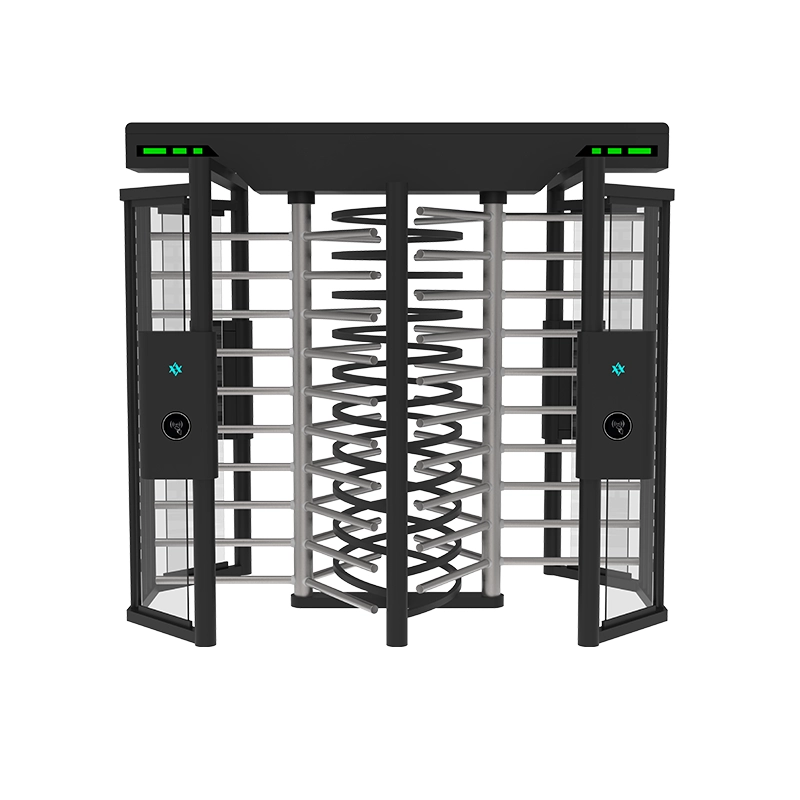
Tripod turnstiles are mechanical machines. They have a rotating head with three arms. Every time someone passes, a solenoid releases and a spring helps the arm move. Over time, these springs and solenoids wear down. You have to grease the internal gears to prevent noise and friction. If you ignore this, the arm might "bounce" or fail to lock, which allows two people to enter for the price of one.
Sensor Alignment for Optical Gates
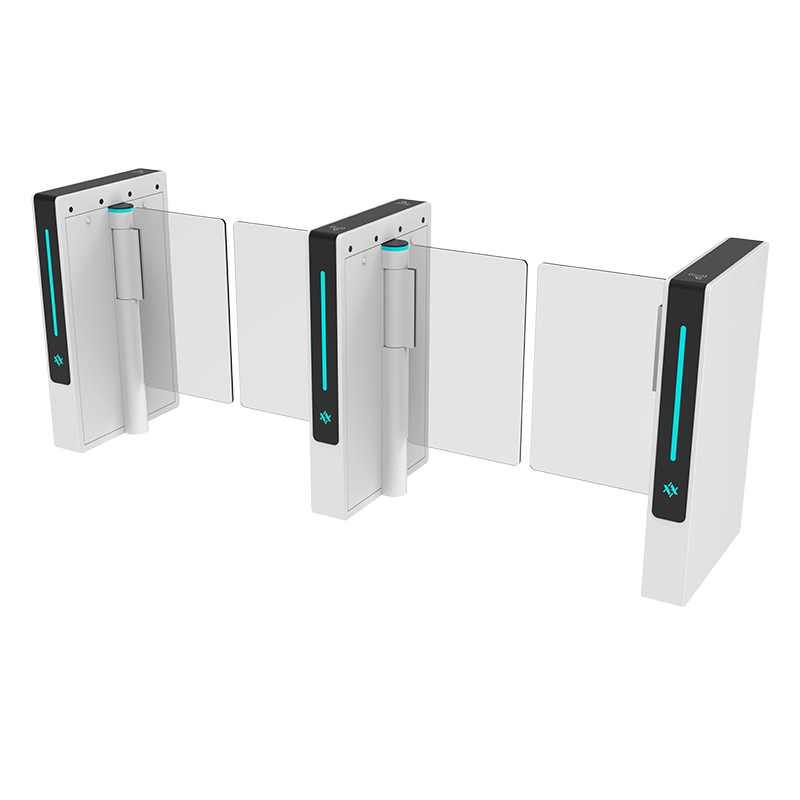
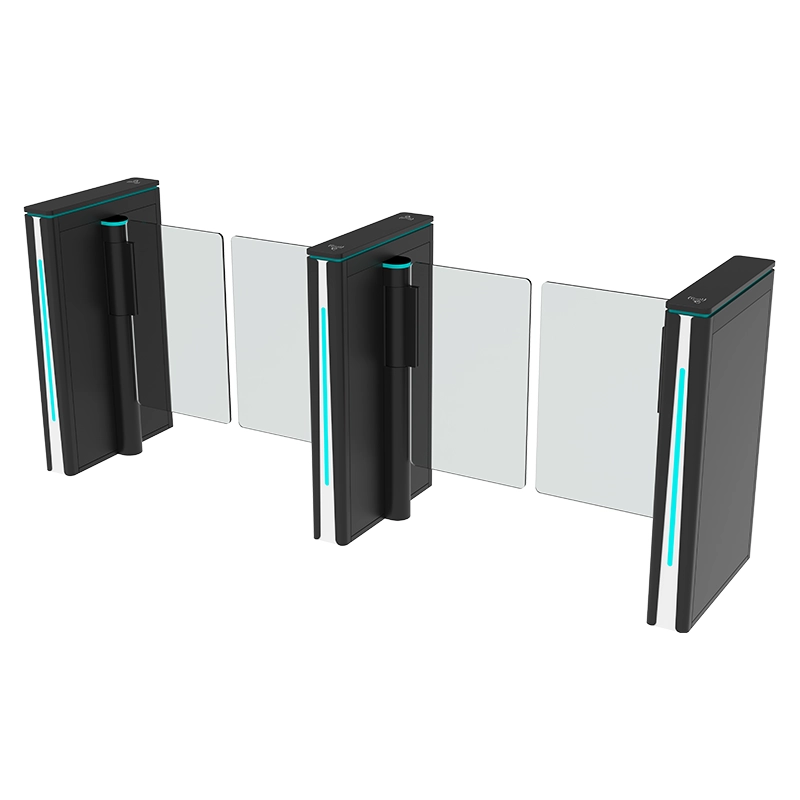
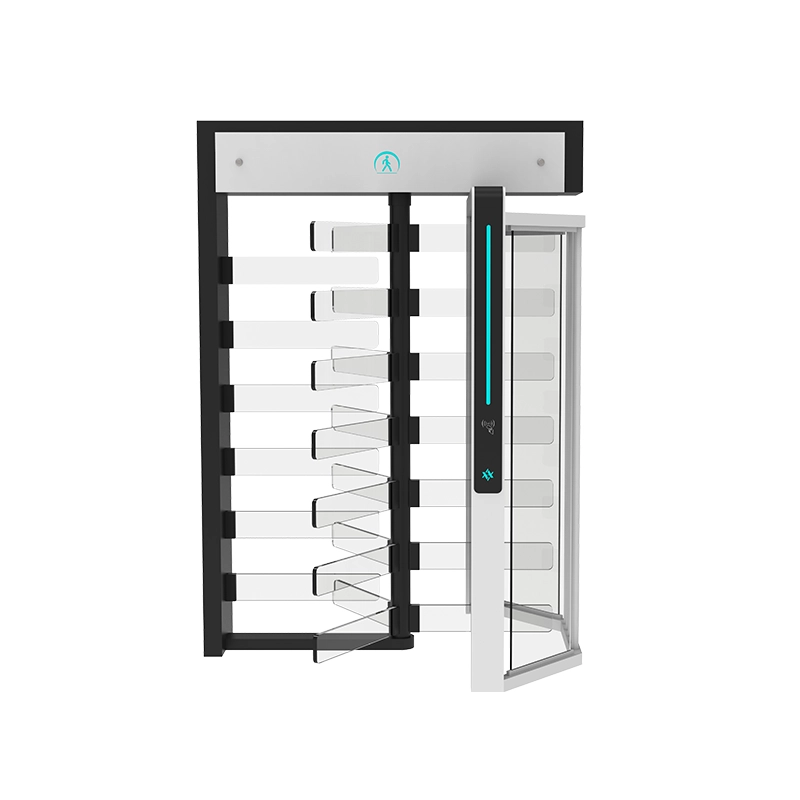
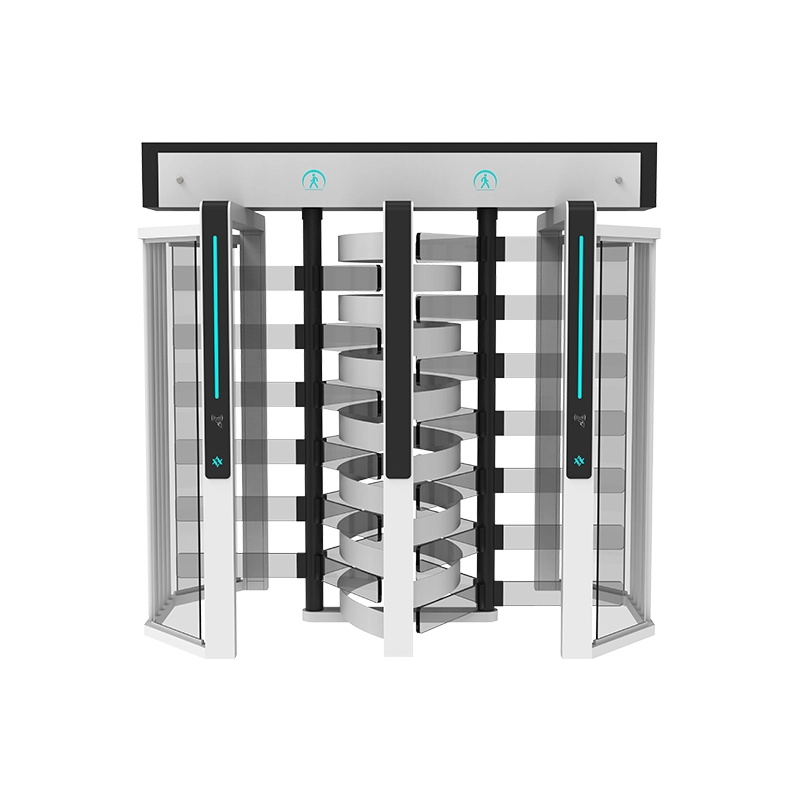
Optical gates do not have arms that you push. They use glass wings and infrared sensors. The main maintenance task here is keeping the "eyes" of the gate clean. Dust, floor wax, or even sunlight can interfere with the sensors. If the sensors are dirty, the gate might think someone is stuck in the lane and refuse to close.
Key Maintenance Components
- Brushless DC Motors: These are standard in modern speed gates. They are quiet and last for millions of cycles without needing replacement parts.
- Infrared Sensor Arrays: These must be checked for alignment. If the cabinet shifts slightly, the sensors will not "see" each other.
- Emergency Logic: You must test the fire alarm integration at least once a year. The gate must drop its arms or swing open automatically when the alarm goes off.
In my experience, the cost of a maintenance contract is much lower than the cost of an emergency repair. If a motor fails because it wasn’t serviced, you might pay $1,000 for a new part plus the labor for a technician to fly out to your site. A simple yearly check-up prevents these expensive surprises.
How much does an optical turnstile cost?
A basic entrance gate often looks cheap and functions slowly. In a high-end office building, a clunky tripod gate can ruin the design of the lobby and slow down the flow of traffic.
Optical turnstiles generally cost between $5,000 and $15,000 per lane. The price changes based on the width of the lane, the height of the glass panels, and the complexity of the sensor system. These units are more expensive than tripods because they provide a "touchless" experience and use sophisticated electronics to detect tailgating.
Technology and Material Costs
The reason for the higher price is the internal technology. A high-end speed gate uses a complex array of sensors to track the shape and speed of an object moving through the lane. This allows the gate to know the difference between a person and a rolling briefcase. Cheaper optical gates have fewer sensors and are more likely to trigger false alarms.
The materials also play a big role. Most gates use 304-grade stainless steel. If your building is near the ocean, you might need 316-grade steel to prevent rust, which costs more. The glass panels can be standard height or shoulder-height for extra security.
| Feature | Mid-Range Optical Gate | Premium Speed Gate |
|---|---|---|
| Opening Speed | 0.6 to 1.0 Seconds | 0.3 to 0.5 Seconds |
| Sensor Count | 10 – 20 Pairs | 30 – 60 Pairs |
| Panel Material | Tempered Glass | Reinforced Acrylic or Polycarbonate |
| Customization | Standard Steel Finish | Custom Colors/Logo Etching |
Performance and Aesthetics
I often see clients choose optical gates because they want a modern look. The glass wings move quickly and quietly. This is perfect for quiet environments like libraries or corporate headquarters. The "throughput" is also much higher. A tripod gate allows about 20 to 25 people per minute. An optical speed gate can handle up to 40 or 45 people per minute. If you have 500 employees arriving at 9:00 AM, the extra speed is worth the investment.
You also have to consider the "feel" of the entrance. Speed gates feel more welcoming. They stay open until you approach and then close behind you. It creates a seamless experience that matches the high-tech image of modern businesses.
Are turnstile gates ADA compliant?
Standard entrance barriers are usually too narrow for wheelchairs or people with mobility aids. If your entrance is not accessible, you are not only excluding people but also risking legal fines for non-compliance.
Standard tripod turnstiles[^1] are never ADA compliant on their own. They are too narrow for a wheelchair to pass through. To meet ADA requirements, you must provide at least one lane with a minimum clear opening width of 32 inches. This is usually achieved by installing a wide swing gate or a dedicated wide-lane optical turnstile alongside your standard units.
Designing an Inclusive Entrance
You do not need to make every lane wide. Most buildings use a "hybrid" layout. For example, if you have four lanes, three will be standard width (600mm) for regular pedestrians. The fourth lane will be a wide lane (900mm) for wheelchairs, strollers, and large deliveries. This layout saves space while still following the law.
Types of Accessible Gates
- Motorized Swing Gates: These are simple posts with a single long arm. They are the most affordable way to add an ADA lane.
- Wide Speed Gates: These look exactly like your other optical gates but have longer glass panels. This creates a uniform look in your lobby.
- Emergency Fail-Open: Every ADA lane must be connected to the fire alarm. In a power outage, the gate must remain in the open position to allow for evacuation.
Comparison of Accessibility Options
| Option | Cost Level | Aesthetic Impact |
|---|---|---|
| Separate Swing Gate | Low | Breaks the visual flow of the entrance. |
| Wide Optical Lane | High | Matches the other gates perfectly. |
| Manual Gate | Very Low | Requires a security guard to open it manually. |
I always recommend the wide optical lane if the budget allows. It makes the entrance look consistent. People in wheelchairs should not feel like they have to use a "special" or "different" door. Having a wide lane that functions exactly like the others provides a much better experience for everyone. It also simplifies the installation because all the gates use the same parts and software.
My Insights: Understanding Installation Costs of Tripod vs. Optical Turnstiles
Considering security entrances for your facility? Learn about the cost differences between tripod and optical turnstiles[^2] to guide your investment.
Tripod turnstiles have lower installation costs, typically ranging from $200–$600 per unit, while optical turnstiles incur higher costs, between $500–$2,000+ per lane, due to complex sensor and wiring requirements.
Cost Breakdown and Considerations
Installation and Hardware Costs
| Aspect | Tripod Turnstiles | Optical Turnstiles |
|---|---|---|
| Hardware Cost per Lane | ~$300–$1,750 | ~$1,000–$7,000 |
| Installation Cost per Lane | ~$200–$600 | ~$500–$2,000+ |
Complexity and Installation: Optical turnstiles require intricate sensor alignment and networked access control, increasing installation costs significantly compared to simpler tripod models that feature basic mechanical setups.
Long-term and Maintenance Costs: While tripod turnstiles are cost-effective for initial setup and maintenance, optical turnstiles offer advanced security features that may result in higher long-term operational costs but better ROI in secure environments.
Customization and Integration: Optical turnstiles provide extensive customization options and seamless integration with advanced systems, further adding to costs but enhancing security and functionality in high-security settings.
Evaluating these factors will help determine the best fit for your project’s budget and security needs, balancing upfront and operational costs effectively.
Conclusion
Installing a turnstile involves hardware costs, labor, and ongoing maintenance. Tripod gates are the most affordable, while optical gates offer better speed and a modern look for professional environments.
](https://aipadaturnstile.com/wp-content/uploads/2025/11/AT107-TC-01.webp)
](https://aipadaturnstile.com/wp-content/uploads/2025/12/vertical-tripod-turnstile.jpg)
](https://aipadaturnstile.com/wp-content/uploads/2025/12/popup-img.jpg)