

Entry points in buildings often face challenges. Long lines and security concerns are common. Choosing the correct gate system can solve these issues. It ensures smooth and secure passage for everyone.
This article explores speed gates and swing gates. It highlights their primary applications. Understanding the specific benefits of each gate type helps in selecting the optimal solution for various environments. This leads to improved security and efficiency.
Navigating the options for access control systems is important. It ensures that every entrance functions effectively. We will examine the distinct features of these systems. This will assist in making informed decisions for any building’s access needs.
Does OSHA Require Swing Gates?
Many facilities consider safety regulations when installing gates. They often ask if specific gate types, like swing gates[^1], are mandated by OSHA. This shows the importance of adhering to safety standards in all installations.
OSHA does not issue specific requirements for automatic swing gates. Instead, OSHA provides general safety guidelines. These guidelines focus on worker protection. Gates must be safe and should not pose risks. They must also allow for easy emergency exits. Therefore, any gate system, including swing gates, must meet these broad safety objectives in its design and operation.
Understanding OSHA and Gate Safety Protocols
OSHA’s central aim is to maintain safe workplaces. For gates, this means several things. First, gates must not block emergency pathways. Second, they should be designed to prevent pinch points or crushing hazards. Third, their operation must be reliable. If a gate is part of a fire exit, it must open without obstruction during emergencies. This applies to all gate types. Manufacturers ensure their gates incorporate features such as automatic opening during power failures to comply with these safety needs.
| OSHA Safety Aspect | Gate Requirement | Common Design Solution |
|---|---|---|
| Emergency Egress | Gates must not obstruct exit routes. | Automatic free passage during power loss. |
| Pinch Point Safety | Design to prevent injury from closing. | Multiple infrared sensors for anti-trap. |
| Operational Safety | Reliable function, clear usage. | Smooth motor operation, clear signage. |
How Swing Gates Can Meet OSHA Objectives
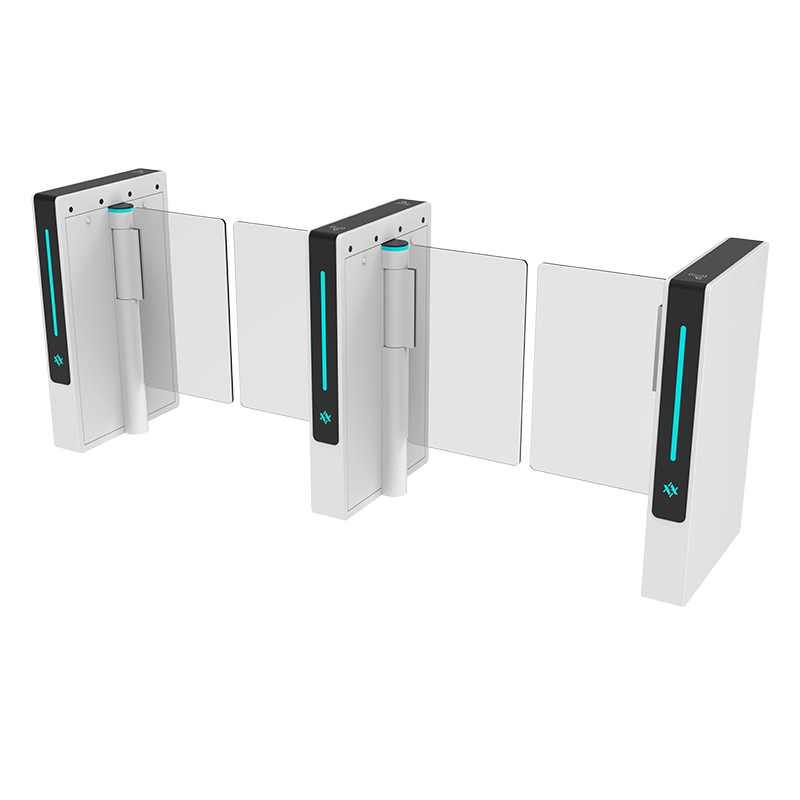
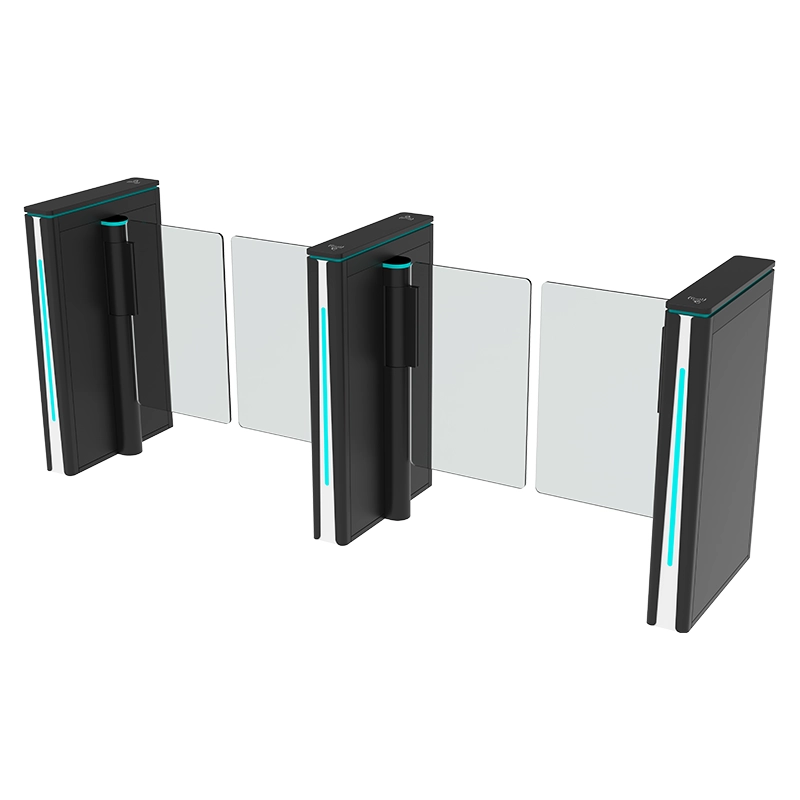
Swing gates can align with OSHA goals if properly configured. They offer wide openings, which is beneficial for emergency exits. Many swing gates can be set to open automatically if power fails. This helps prevent people from being trapped. For industrial sites, this feature is critical. It allows for quick evacuation of large groups. It also permits the passage of equipment if needed. Always consult local fire codes, as they often have specific requirements for emergency exits.
What are Speed Gates Used For?
Modern commercial buildings often need fast and efficient entry for many users daily. Speed gates offer an effective solution for managing high volumes of traffic without causing delays.
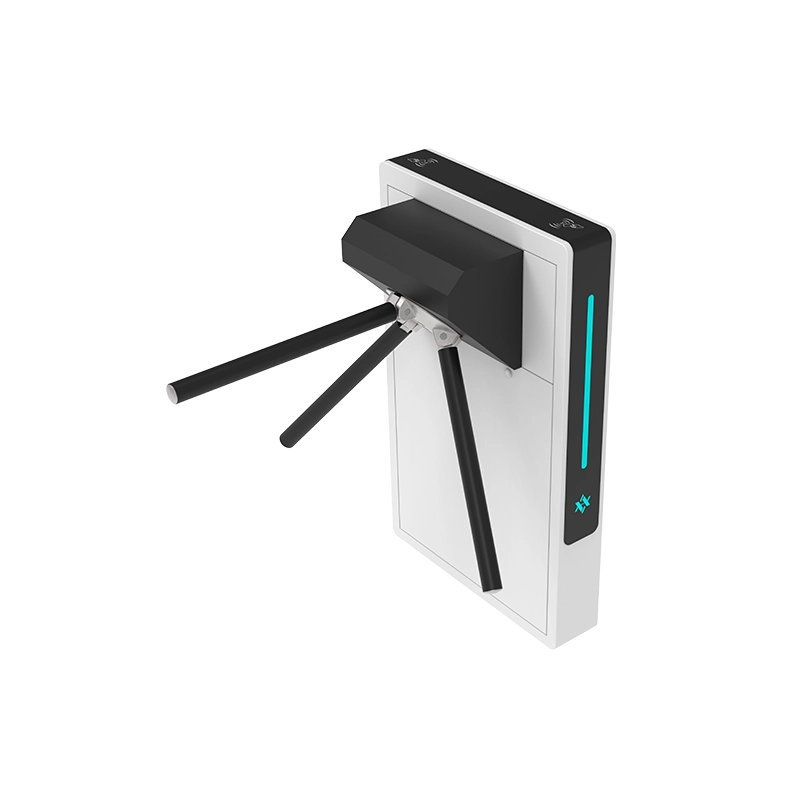
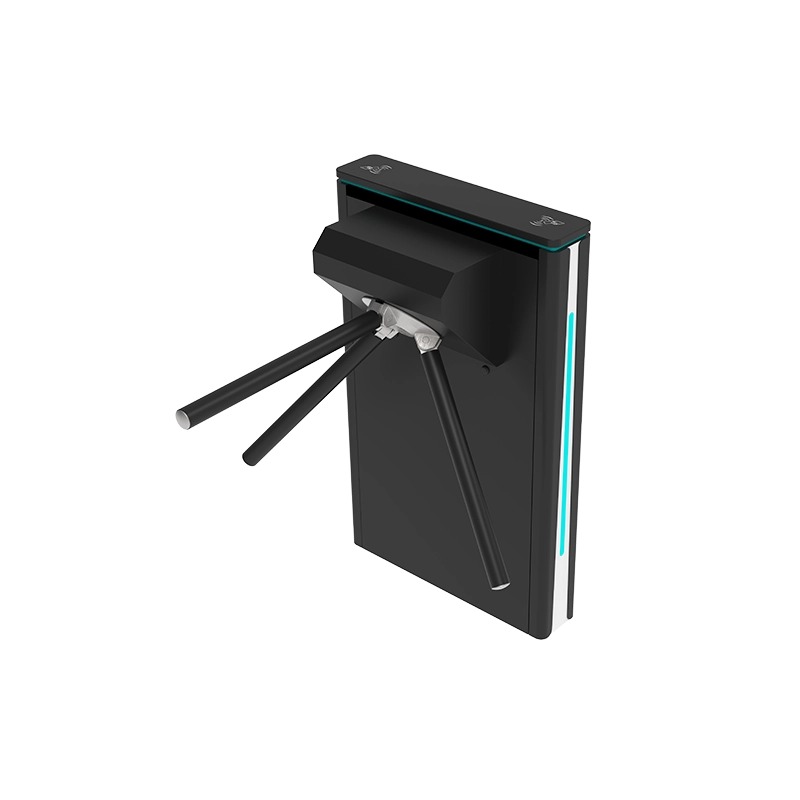
Speed gates are primarily deployed in locations with high pedestrian traffic. They enable quick and smooth entry and exit. These gate systems are commonly found in corporate offices, high-end commercial complexes, and governmental buildings. Their sophisticated appearance also enhances the aesthetic of contemporary lobbies. They provide an effective balance between security and throughput speed.
Why Speed Gates Excel in High-Traffic Environments
Speed gates are engineered for rapid movement. They utilize advanced sensor technology to detect pedestrians. This allows the barriers to open and close very quickly. These gates often employ durable motors that ensure quiet and smooth operation, extending their lifespan. In busy locations, such as subway stations during peak hours, speed gates are essential. They prevent bottlenecks and maintain a continuous flow of people. They also incorporate robust anti-tailgating features, ensuring only one authorized person passes per credential.
| Feature | Benefit in High-Traffic Areas |
|---|---|
| Fast Throughput | Minimizes queues, ensures rapid movement. |
| Sleek Design | Improves building aesthetics, modern look. |
| Anti-Tailgating | Enhances security, prevents unauthorized entry. |
| Quiet Operation | Contributes to a pleasant indoor environment. |
Security Integration with Speed Gates
Speed gates provide strong security capabilities. They seamlessly integrate with various access control systems. This includes facial recognition, QR code scanning, and RFID technology. For example, in sensitive areas like data centers, speed gates can be linked with biometric scanners. This adds an additional layer of security, restricting access to authorized personnel only. These gates also feature multiple sensors to prevent individuals from being trapped. If an attempt is made to force entry, an alarm is triggered. This makes them an ideal choice for places requiring both speed and stringent security.
Which Gate is Better, Sliding or Swinging?
When selecting an entry gate, many facilities weigh the benefits of sliding versus swinging gates. This decision often depends on site-specific constraints like available space and security needs.
Neither sliding nor swinging gates can be deemed universally "better." Each type has distinct advantages and disadvantages. Sliding gates conserve space and generally offer higher security. Swinging gates are simpler in design and can be more economical. The optimal choice is determined by factors such as the available footprint, expected traffic volume, required security level, and budget.
Analyzing Space Requirements and Operational Footprint
Space is a critical consideration. Sliding gates operate parallel to the fence line. This means they require less clear space compared to swing gates. If an entrance is close to a road or another structure, a sliding gate might be more suitable. Conversely, swing gates need a wide, clear arc to open. This can be problematic in confined areas. Consider a property with limited setback from the street; a swinging gate could obstruct public access. However, sliding gates[^2] require a sufficient linear distance along the fence line for the gate panel to retract into. This is an important design consideration.
| Gate Type | Space Requirement | Optimal for |
|---|---|---|
| Sliding | Requires linear space along fence. | Confined spaces, restricted swing clearance. |
| Swinging | Needs clear arc for opening. | Wide entrances, open areas, simpler setup. |
Security Features and Maintenance Aspects
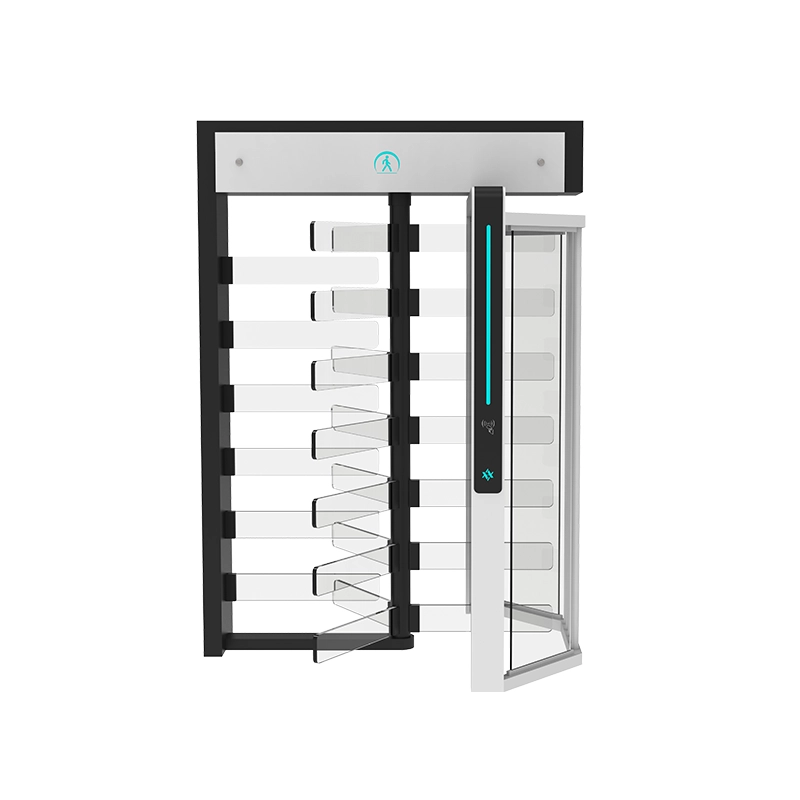
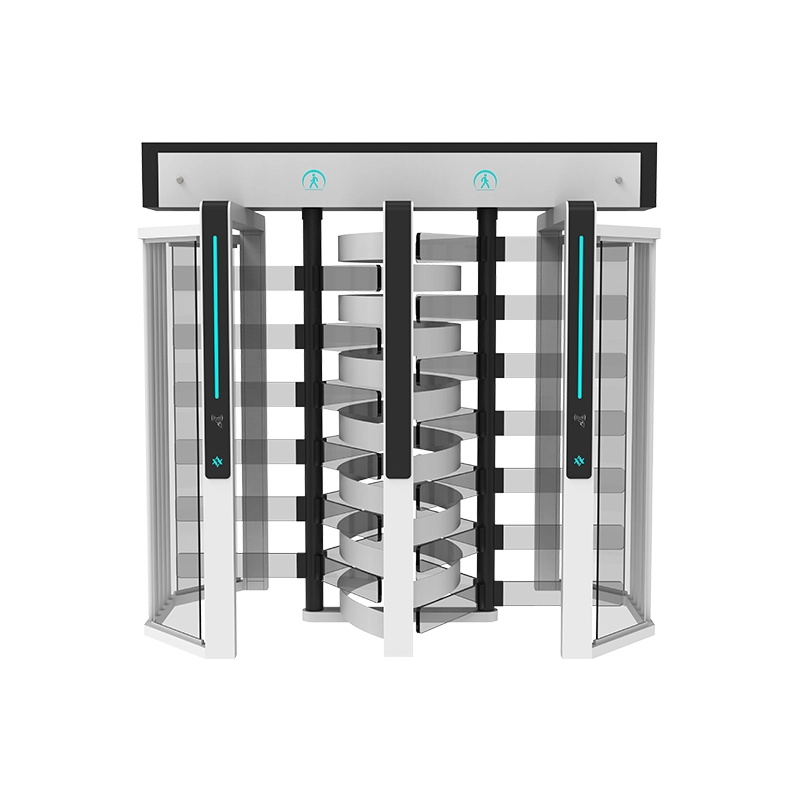
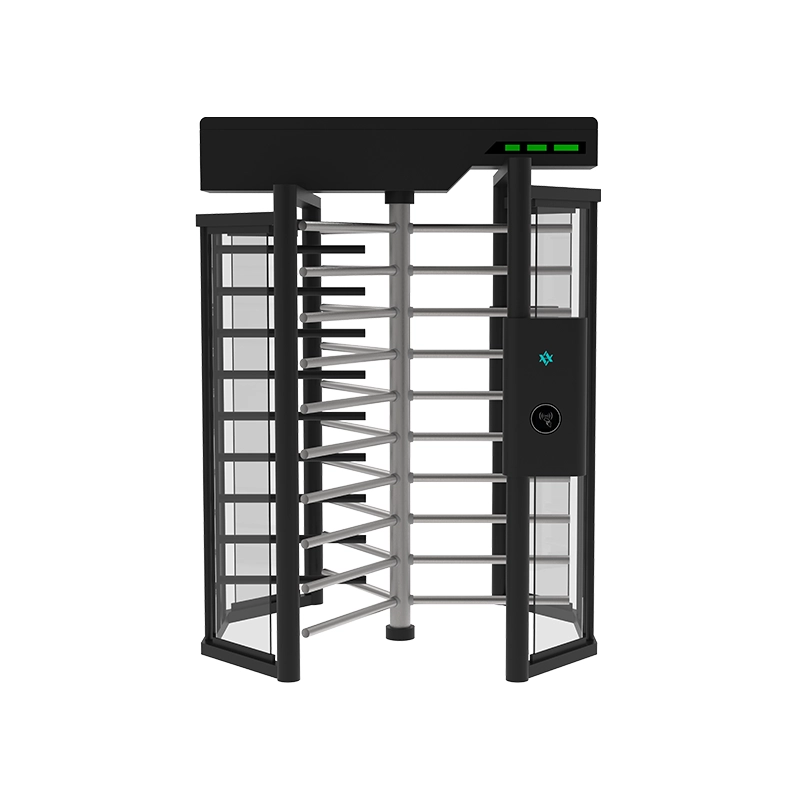
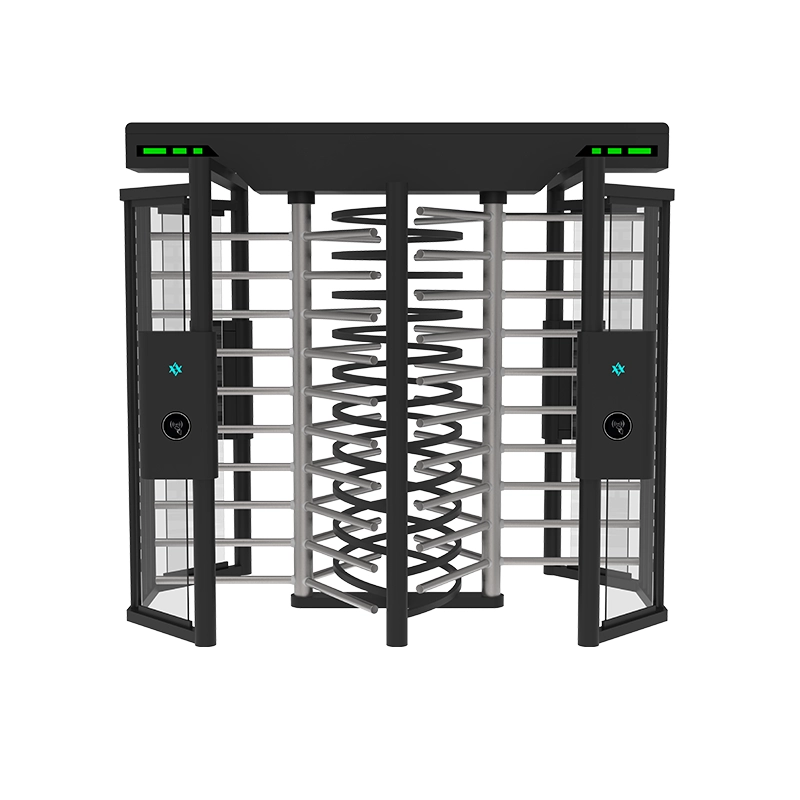
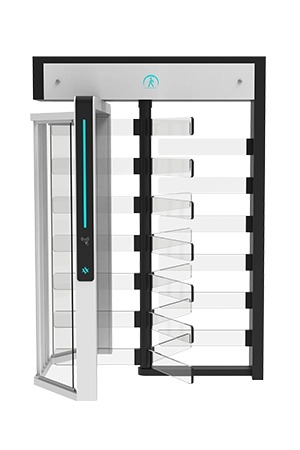
Sliding gates typically offer enhanced security. Their design often makes them more resistant to forced entry or impacts. Full-height turnstiles, a type of sliding gate, provide maximum physical security. Automatic swing gates, while sturdy, can present vulnerabilities at their hinge points if not robustly designed. Maintenance requirements also differ. Sliding gates involve more mechanical components like rollers and tracks. These elements necessitate regular cleaning and lubrication. Swing gates have simpler mechanisms, but their hinges and operators still require periodic inspection and care. Environmental factors, such as dust or sand, can also impact a sliding gate’s track system more significantly.
What are the Disadvantages of Sliding Gates?
While sliding gates offer many benefits, they also come with certain limitations. These can influence their suitability for specific installation sites. Understanding these drawbacks is key to making an informed decision.
Sliding gates have distinct disadvantages. They demand a long, clear path for retraction. They can also face operational issues due to debris accumulating on the track. In regions with cold weather, snow and ice can impede their mechanism. Furthermore, their installation tends to be more complex compared to swing gates.
Installation Complexity and Spatial Demands
Sliding gates are generally more complex to install. They require a perfectly level and robust track system. This track must adequately support the gate’s weight. The linear space needed for the gate to slide open can also be a significant constraint. If the available fence line is short, a sliding gate might not be feasible. The track must extend at least the full length of the gate panel, plus additional clearance. This characteristic can make them unsuitable for smaller properties or those with irregular boundary configurations.
Environmental Vulnerabilities and Upkeep
A notable disadvantage of sliding gates is their susceptibility to environmental factors. Accumulation of dirt, leaves, and other debris on the track can hinder gate movement. In colder climates, snow and ice pose a major challenge. They can freeze the track or obstruct the rollers. This often leads to increased maintenance needs. The track requires regular cleaning, and the rollers and motor need periodic checks. While gates are built to be robust, any mechanical system exposed to outdoor elements requires diligent care. This additional maintenance burden can be a drawback, especially for sites without dedicated maintenance staff.
My Insights: Best Use Cases for Speed Gates vs. Swing Gates
Choosing security gates for your facility? Discover which setups work best for high traffic or adaptable access needs.
Speed gates excel in high-traffic areas like office lobbies and transit hubs due to quick throughput and strict security. Swing gates are ideal for spaces needing flexibility, such as wheelchair or bulky item access.
Evaluating Gate Options
Key Use Case Differences
| Aspect | Speed Gates | Swing Gates |
|---|---|---|
| Traffic Volume | Suited for high, continuous flow | Better for low to moderate, intermittent flow |
| Throughput Speed | Fast, 0.5–1 second per passage | Slower, seconds per open/close cycle |
| Security | Strong with multi-sensor detection | Basic to medium, less sophisticated |
| Accessibility | Standard lanes; wide options cost more | Excellent for dedicated wide/accessible lanes |
| Space Requirements | Compact, multiple parallel lanes possible | Requires swing clearance, better in open spaces |
| Aesthetic Appeal | Modern, premium lobby look | Often simpler, utilitarian |
| Cost & Complexity | Higher cost, more electronics, maintenance | Lower cost, simpler mechanisms |
High-traffic Efficiency: Speed gates are optimal in environments like corporate offices and metros, ensuring swift, controlled entry while maintaining strong security against tailgating.
Flexible Accessibility: Swing gates provide wider access lanes, perfect for facilities with diverse access needs, including strollers, wheelchairs, or occasional heavy items.
Hybrid Solutions: Combining both gate types allows facilities to handle high traffic efficiently while offering flexible access for special requirements, balancing speed, security, and adaptability effectively.
By understanding these use cases, you can tailor your security setup to match specific traffic and accessibility needs, ensuring optimal performance and user satisfaction.
Conclusion
Selecting between speed gates and swing gates involves assessing multiple factors. This includes balancing operational speed, security levels, available space, and budgetary constraints. A clear understanding of the unique characteristics of each type allows for the most effective choice for any access point.
](https://aipadaturnstile.com/wp-content/uploads/2025/11/AT107-TC-01.webp)
](https://aipadaturnstile.com/wp-content/uploads/2025/12/vertical-tripod-turnstile.jpg)
](https://aipadaturnstile.com/wp-content/uploads/2025/12/popup-img.jpg)