

Managing a busy entrance is hard when people move too slowly. Long lines create stress for staff and visitors, and old security gates often fail during peak hours. I will help you find the best gate to keep your traffic moving smoothly.
The main difference is the movement: flap barriers have wings that retract into the cabinet, while swing turnstiles have arms that swing open like a door. Flap barriers are faster for high-volume foot traffic, but swing turnstiles offer wider lanes for wheelchairs and bulky luggage.
Choosing the wrong gate leads to bottle-necks and high maintenance costs. I have analyzed the technical details and real-world performance of both systems to help you make an informed decision for your facility.
What is a flap barrier?
Security needs are rising, but many entrances still use slow, manual checks. This creates a security gap where unauthorized people can easily slip through unnoticed. You need a way to automate access without slowing down the crowd.
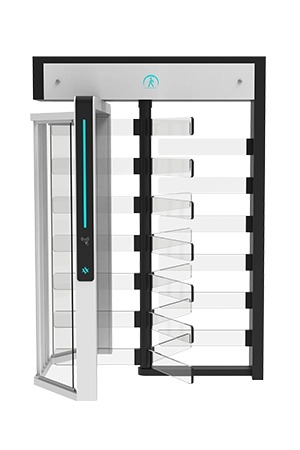
A flap barrier is a high-speed security gate[^1] with wings that slide into the housing to allow passage. It uses infrared sensors to detect users and is built for fast, one-by-one entry. These gates are most common in places like subway stations, gyms, and large office buildings.
The Engineering Behind the Speed
I have studied how these machines operate in high-pressure environments. The core of a flap barrier[^2] is its retraction mechanism. When a user presents a valid card or uses a face scanner, the wings pull back almost instantly. This allows for a very high flow rate. Most standard models can handle between 35 and 45 people every minute. This speed is much higher than what you get with a traditional tripod gate or a manual door.
Why Sensors are Critical
The sensors are the most important part of the machine. They tell the gate when a person is in the middle of the lane. If someone tries to follow a person without a card, the sensors detect the "tailgating" and sound an alarm. I usually look for gates with at least 6 to 10 pairs of sensors to ensure accuracy. This prevents the wings from closing on a person or their bags.
Key Components of Flap Barriers
| Component | Function |
|---|---|
| Retractable Wings | Move inward to open the path quickly |
| Infrared Sensors | Prevent accidents and detect tailgating |
| Control Board | Processes signals from RFID or Face ID systems |
| Brushless Motor | Drives the wings with low noise and high durability |
Most wings are made from soft materials or acrylic. This is a safety feature. If the power goes out, the wings stay open so people can exit during an emergency. I find that the durability of the motor determines the life of the gate. A good motor should last for at least 5 million cycles without a major failure.
What is the difference between a turnstile and a flap barrier?
People often use industry words like "turnstile" and "gate" to mean the same thing. This confusion makes it very hard to compare prices or technical specs. If you buy the wrong type, you might end up with a system that does not fit your building’s needs.
A turnstile is a broad category that includes any gate that controls a person’s path. A flap barrier is a specific type of speed gate within that category. While all flap barriers are turnstiles, not all turnstiles use the fast-retracting wings found in flap barriers.
Comparing the Three Main Categories
I want to break down the differences between the three most common types of gates. Each one has a specific job in a security plan.
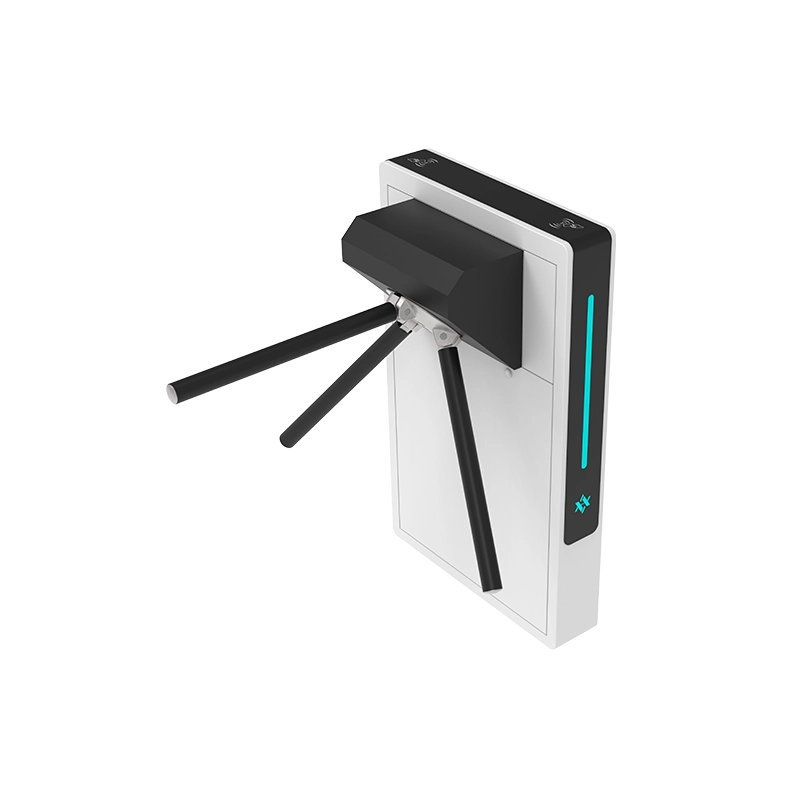
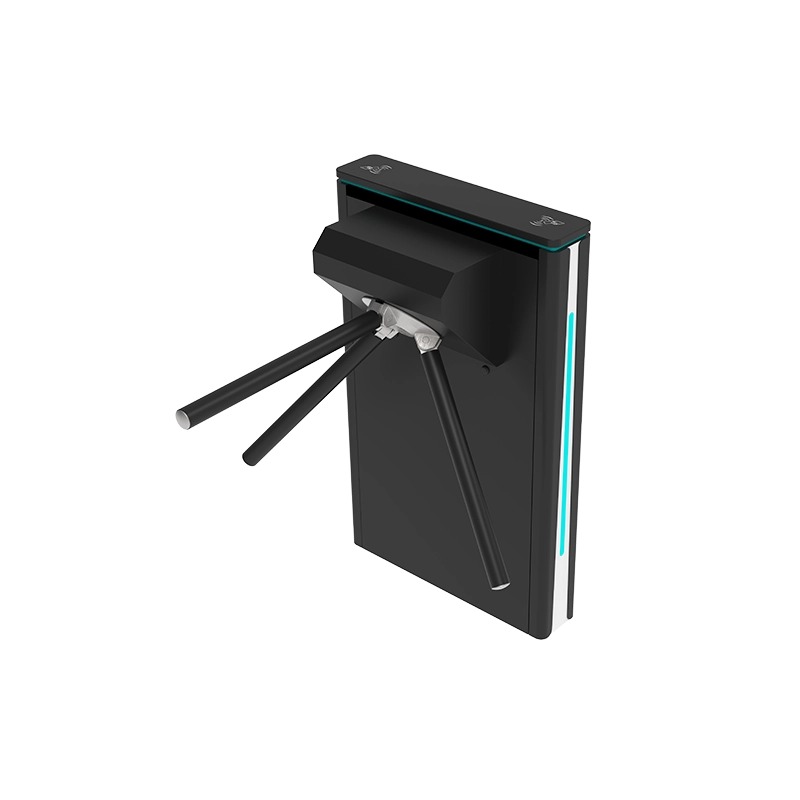
1. Tripod Turnstiles
These are the classic three-arm gates. They are very strong and cheap. You see them at stadiums and construction sites. But they look industrial and are not good for people with strollers or wheelchairs. They move slowly because the user must push the bar.
2. Flap Barriers
These are for speed. The wings retract, so there is no physical bar to push. They look modern and fit well in corporate lobbies. They are much faster than tripod gates but usually more expensive.
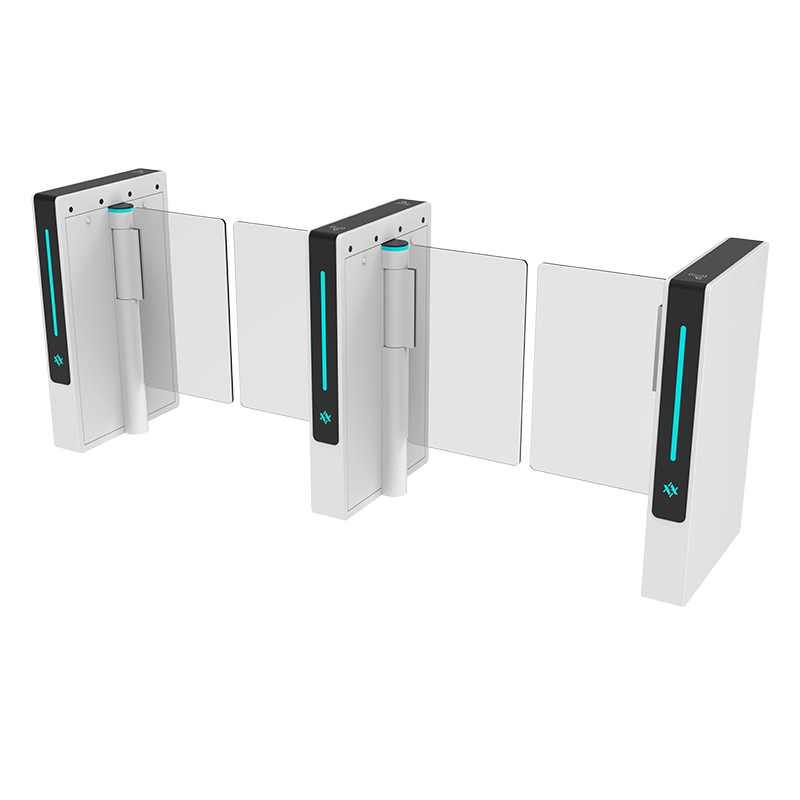
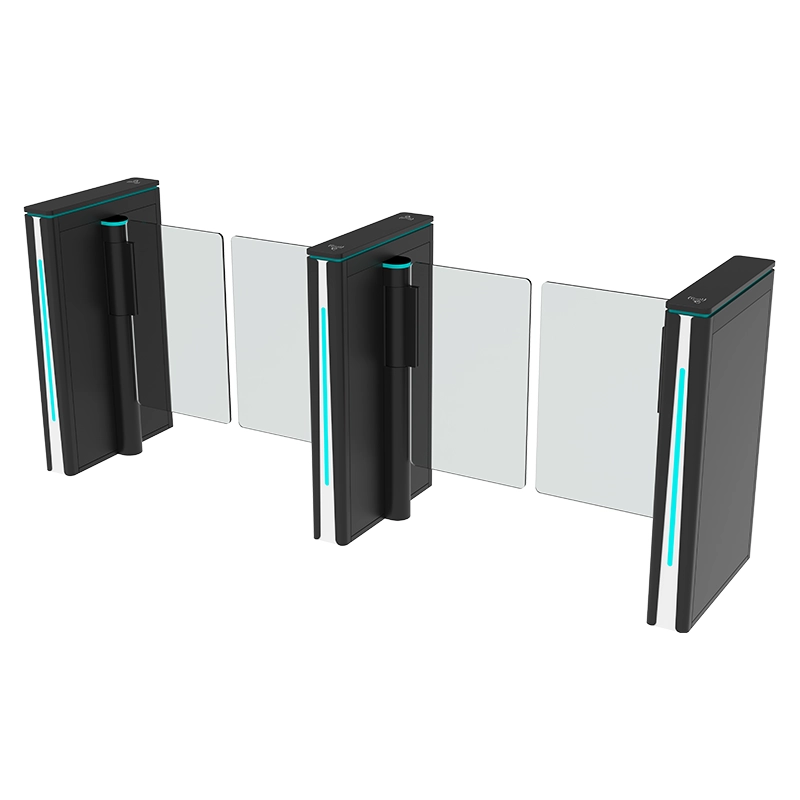
3. Swing Turnstiles
These use a gate that swings like a door. They are the most flexible option. Because the arms can be very long, they can create a wide lane. I recommend these when you need to accommodate disabled access or delivery carts.
Feature Comparison Table
| Feature | Tripod Turnstile | Flap Barrier | Swing Turnstile |
|---|---|---|---|
| Visual Appeal | Basic | Modern | Elegant |
| Passage Speed | Slow | Very Fast | Moderate |
| Lane Width | Narrow (550mm) | Medium (600mm) | Wide (up to 900mm) |
| Main Use | Industrial/Outdoor | Commuter/Staff | VIP/ADA Access |
In my experience, a mix of these is often the best setup. I suggest using flap barriers for the main staff entrance and one swing gate for wheelchairs. This ensures everyone can enter the building safely and quickly without any delays.
What is the problem with the flap barrier?
Some people think a flap barrier is the perfect solution for every door. However, if you install them in the wrong place, you will run into trouble. You might face issues with safety, accessibility, or high maintenance costs if you do not plan ahead.
The main problems with flap barriers are their fixed lane width and the risk of the wings hitting a user if sensors fail. They also require more space for the cabinet compared to a swing gate. If a user has large luggage or a wheelchair, they usually cannot pass through a standard flap barrier lane.
The Maintenance Challenge
I have seen many optical sensors fail because of dust or direct sunlight. If the sensors get dirty, the gate might not know a person is there. It might stay open too long or close at the wrong time. This is why I always suggest a regular cleaning schedule for the infrared eyes. Without this, the security of the building drops because the gate stops working correctly.
Accessibility and "Dead Zones"
Flap barriers are designed for a person walking alone. They create a "dead zone" for anything wider than 600mm. If your building has many deliveries or visitors with suitcases, the flap barrier becomes a wall. You cannot just "push" through it. I have noticed that facilities without a wide-lane option often see damage to their flap barriers because people try to force their bags through the narrow gap.
Key Risks to Consider:
- Tailgating: Fast wings are great, but clever intruders can follow closely behind a valid user.
- Mechanical Stress: Because the wings move so fast, the internal gears take a lot of punishment.
- Safety Hazards: While most have anti-pinch features, a mechanical failure can still cause the wings to strike a user.
I always tell my clients to check the "Mean Cycles Between Failure" (MCBF) rating. If the number is low, the gate will break down quickly under heavy use. You should also make sure the gate has a manual release for emergency situations.
Which gate is better, sliding or swinging?
Deciding between a sliding flap and a swinging arm is often the hardest part of a project. If you choose the wrong one, the entrance will look messy or feel crowded. You need to match the gate to the specific personality and flow of your building.
Swing turnstiles are generally better for environments that need wide access and a high-end look. Flap barriers are the better choice for locations with high-frequency traffic and a focus on speed. Your decision should be based on your peak-hour traffic numbers and the types of people using the entrance.
The Case for the Swing Gate
I find that swing gates are the most popular choice for modern office lobbies. They have a silent operation that feels more professional. The glass panels can be very tall, which prevents people from jumping over them. This adds a higher level of physical security compared to the low wings of a flap barrier.
Why I like Swing Gates:
- They handle wheelchairs and large boxes easily.
- They operate very quietly, which is good for quiet lobbies.
- They offer more design options with glass and LED lighting.
The Case for the Flap Barrier
When the goal is to move 5,000 people through a gate in one hour, I always recommend the flap barrier. The "sliding" motion of the wings is mechanically more efficient for rapid cycles. It is the gold standard for metro stations and large factories where thousands of workers start their shifts at the exact same time.
Quick Selection Guide
| If your priority is… | Choose… |
|---|---|
| Throughput Speed | Flap Barrier |
| Handicapped Access | Swing Turnstile |
| Lowest Noise | Swing Turnstile |
| Space Efficiency | Flap Barrier |
In my professional opinion, you should look at your floor space first. Flap barriers need a deep cabinet to hide the wings. Swing gates need room for the arm to move forward and backward. I recommend measuring your lobby carefully before you place an order for either type.
My Insights: Differences Between Flap Barriers and Swing Turnstiles
Confused about flap barriers versus swing turnstiles[^3]? Learn their differences to make an informed choice.
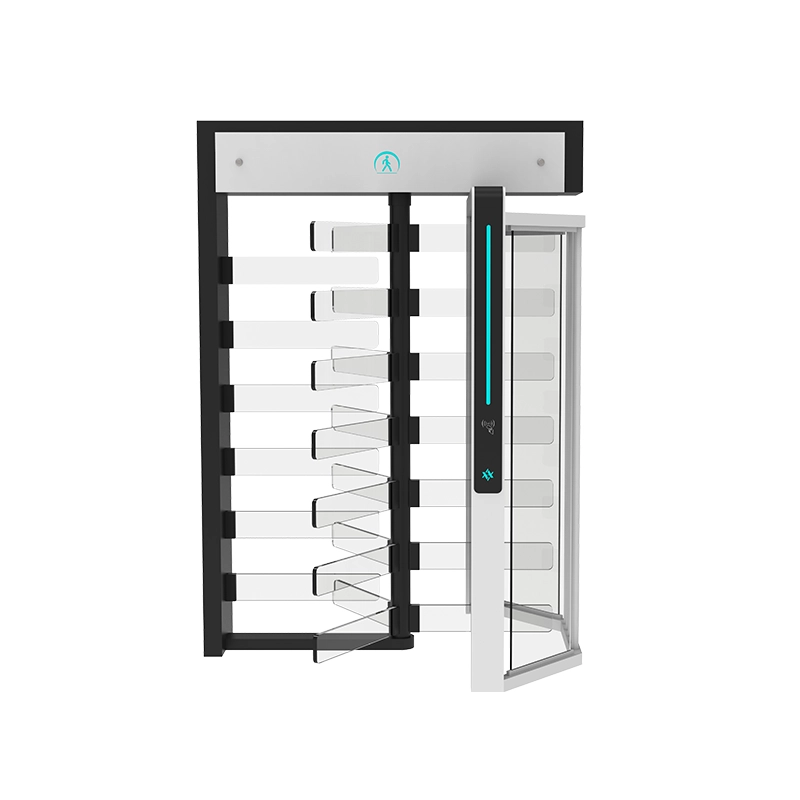
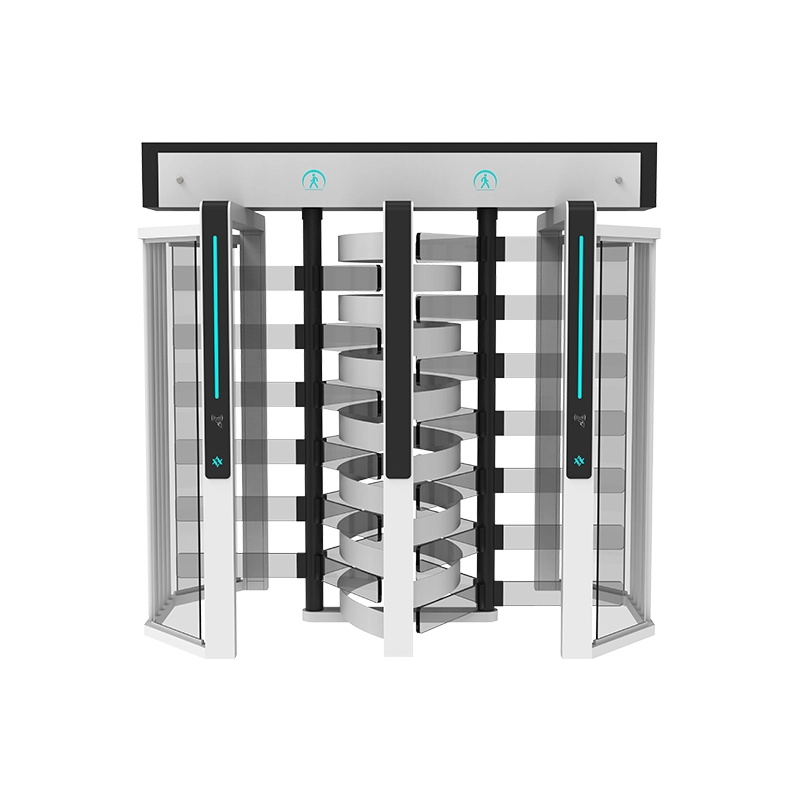
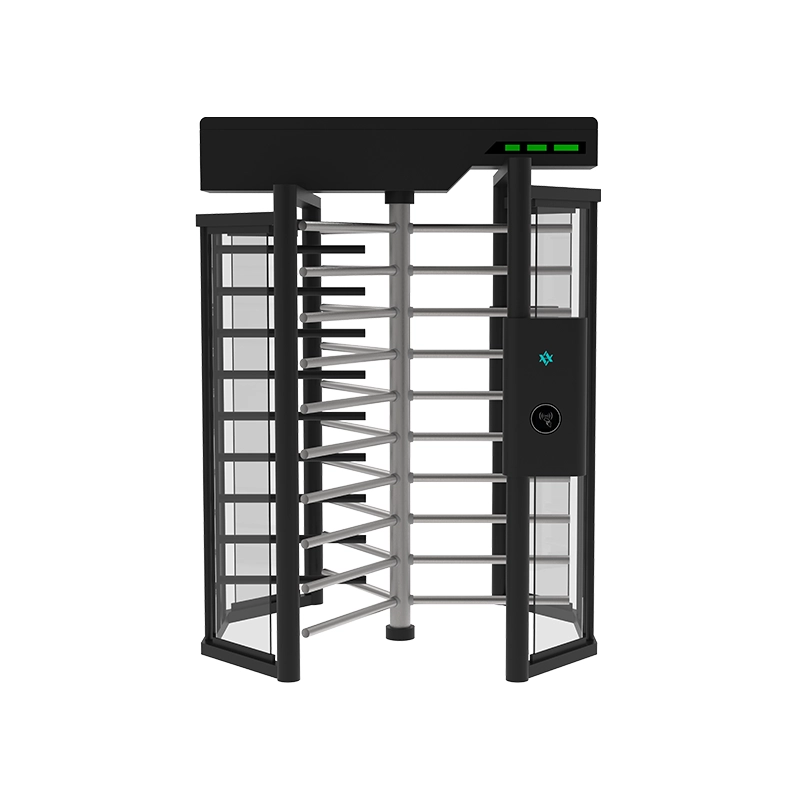
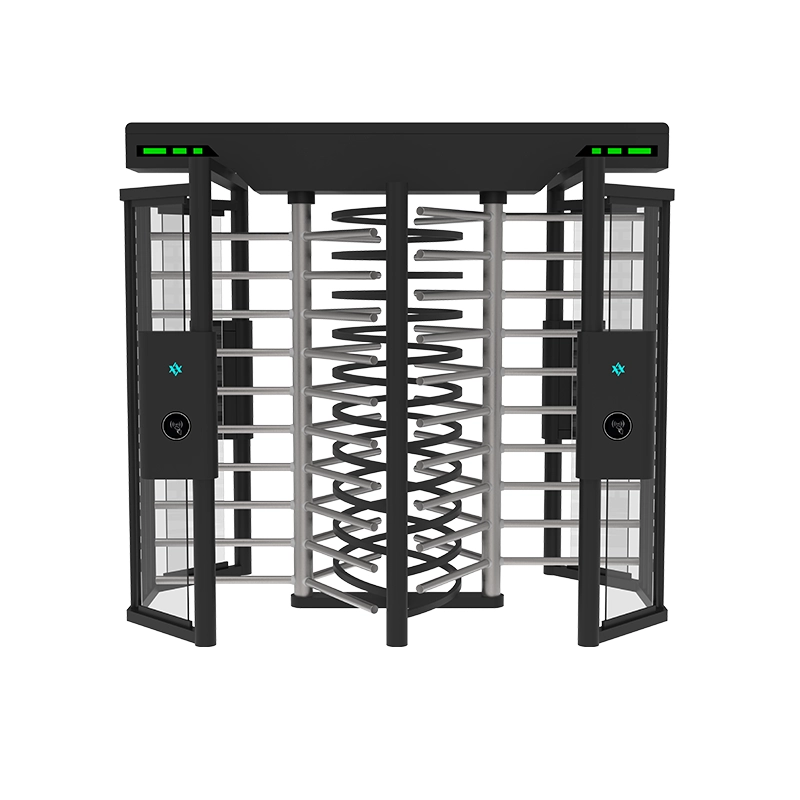
Flap barriers offer faster throughput with sleek, retractable panels, making them ideal for refined settings, while swing turnstiles provide durable, simple crowd control with rotating arms, suited for high-traffic areas.
Understanding the Distinct Features of Flap Barriers and Swing Turnstiles
Design and Functionality
Flap Barriers
- Use retractable panels for quick access and a modern appearance.
- Enhance visual security with enclosed passages, deterring tailgating.
Swing Turnstiles
- Utilize rotating or swinging arms for single-person access.
- Offer mechanical simplicity and durability, ideal for rugged environments.
Comparison Overview
| Aspect | Flap Barriers | Swing Turnstiles |
|---|---|---|
| Speed and Throughput | Faster due to quick retractable panels | Slower, one-at-a-time access |
| Security | Strong deterrent against unauthorized entry | Less restrictive but robust |
| Space Requirement | Typically require more space | Smaller footprint, fits tighter spaces |
| Maintenance | Frequent electronic upkeep | Simple mechanical maintenance |
Flap barriers suit polished settings like corporate lobbies due to their appearance and access control precision, while swing turnstiles excel in high-traffic areas with their straightforward design and durability. Each has unique strengths; understanding them ensures the right choice for your environment.
Conclusion
Flap barriers are best for high-speed traffic, while swing turnstiles offer more flexibility for wide access. Choose the flap barrier for speed and the swing turnstile for accessibility and style.
](https://aipadaturnstile.com/wp-content/uploads/2025/11/AT107-TC-01.webp)
](https://aipadaturnstile.com/wp-content/uploads/2025/12/vertical-tripod-turnstile.jpg)
](https://aipadaturnstile.com/wp-content/uploads/2025/12/popup-img.jpg)