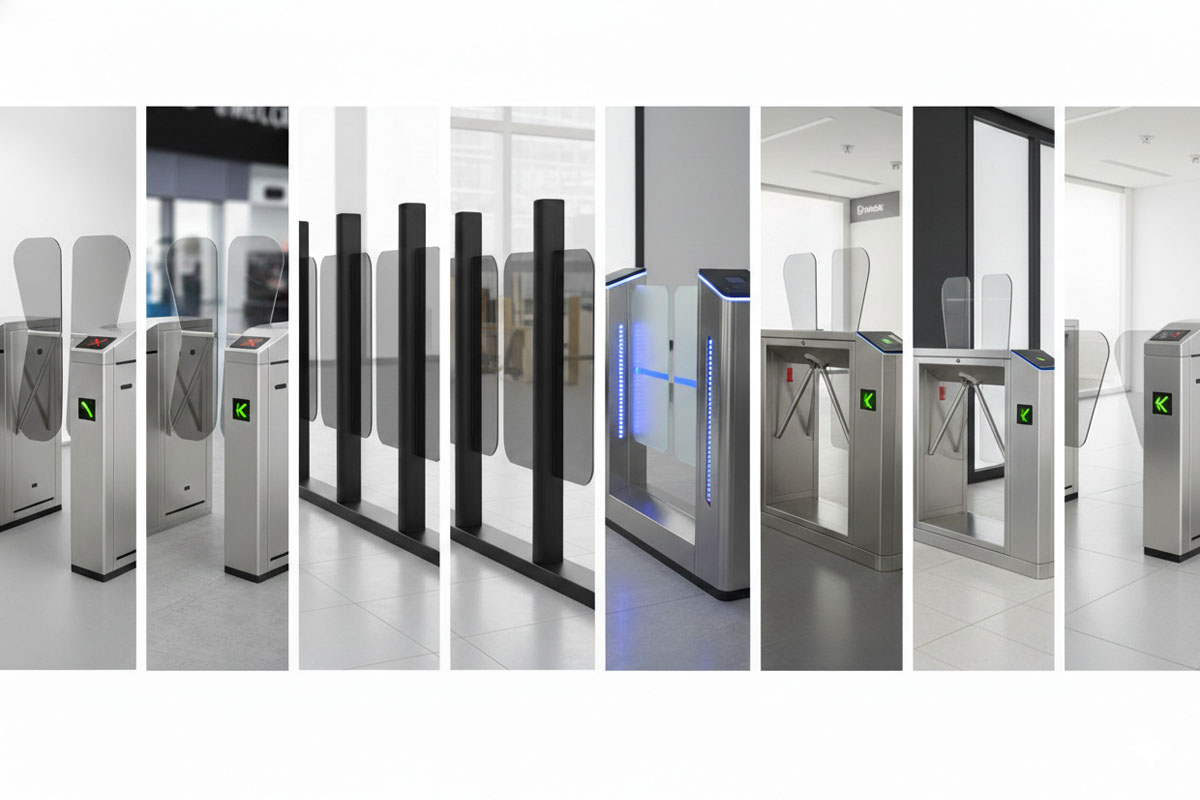
](https://aipadaturnstile.com/wp-content/uploads/2026/04/What-are-the-Different-Types-of-Flap-Barriers.jpg "What are the Different Types of Flap Barriers")

Are you struggling to manage foot traffic efficiently in your building? Inefficient entry systems can cause bottlenecks, security risks, and frustrating delays for everyone. This is a common challenge for many facilities.
Flap barriers are modern access control devices that use retractable panels to regulate pedestrian flow. They enhance security and improve throughput in high-traffic environments. These barriers are crucial for effective crowd management and access control in various settings.
Understanding the variety of access control systems is essential. It ensures that any facility can find the right balance between security, efficiency, and user experience.
What are the 4 types of flaps?
Do you find yourself confused by the different types of flap barrier mechanisms? Choosing the wrong type can lead to inefficiencies or security gaps. It is important to know the distinctions.
There are four primary types of flap barriers, distinguished by their core and flap configurations: single core single flap, single core dual flap, dual core single flap, and dual core dual flap. Each design serves specific operational needs, influencing speed, security, and the overall footprint of the system.
Recognizing the technical differences among flap barriers[^1] helps in making informed decisions. This ensures the selected system aligns with the specific requirements of its intended application.
Understanding Flap Barrier Mechanics
The internal design of a flap barrier determines its performance. The number of operational cores and physical flaps dictates how the barrier functions.
Single Core Single Flap: This design uses one central operating mechanism to control one retractable flap. It is typically found in applications requiring individual passage control, often in single-lane setups. This configuration is straightforward and cost-effective.
Single Core Dual Flap: In this setup, a single core manages two flaps that extend and retract together. This type is frequently used for wider lanes, accommodating users with luggage or those needing broader access. It balances throughput and convenience.
Dual Core Single Flap: This configuration involves two separate operating cores controlling one flap. This design is less common but can be utilized in situations where specific control redundancies or unique operational sequences for a single barrier are necessary.
Dual Core Dual Flap: This is often the most sophisticated design. Two independent cores operate two separate flaps. This allows for high-speed operation and robust security in very busy areas. It provides maximum throughput and strong control.
| Flap Type | Core Count | Flap Count | Typical Application | Throughput | Space Efficiency |
|---|---|---|---|---|---|
| Single Core Single Flap | 1 | 1 | Single-person entry, moderate traffic | Medium | High |
| Single Core Dual Flap | 1 | 2 | Wider passages, moderate-high traffic | Medium-High | Medium |
| Dual Core Single Flap | 2 | 1 | Redundant control needs | Medium | High |
| Dual Core Dual Flap | 2 | 2 | High traffic, high-security zones | High | Medium |
Impact of Design on Functionality
The choice between these flap types depends on several factors. These include the expected volume of pedestrian traffic, the required width of the passage, and the desired level of security. For instance, an airport typically requires high-throughput options, while a small office might opt for a simpler, more compact design. The core and flap count directly influence the barrier’s response time and capacity.
What are the different types of barriers?
Are you struggling to distinguish between the various types of pedestrian barriers available? Selecting an unsuitable barrier can compromise security or hinder efficient movement. It is important to understand the full range of options.
Beyond flap barriers, the access control landscape includes speed gates[^2], swing turnstiles[^3], tripod turnstiles[^4], and full-height turnstiles[^5]. Each type provides distinct features regarding security, traffic management capabilities, and integration with architectural designs. Choosing the correct barrier is critical for optimal access control.
Each barrier type is engineered for specific environments and operational demands. Understanding these differences allows for targeted selection.
A Comprehensive Look at Access Barrier Options
Various barrier systems offer different solutions for access control, from minimal deterrence to maximum security.
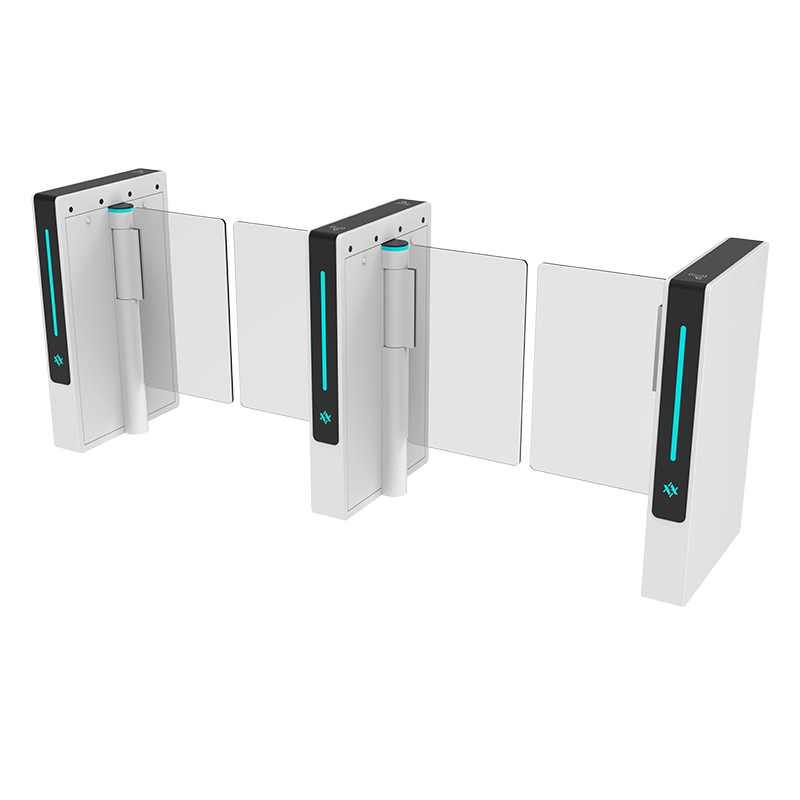
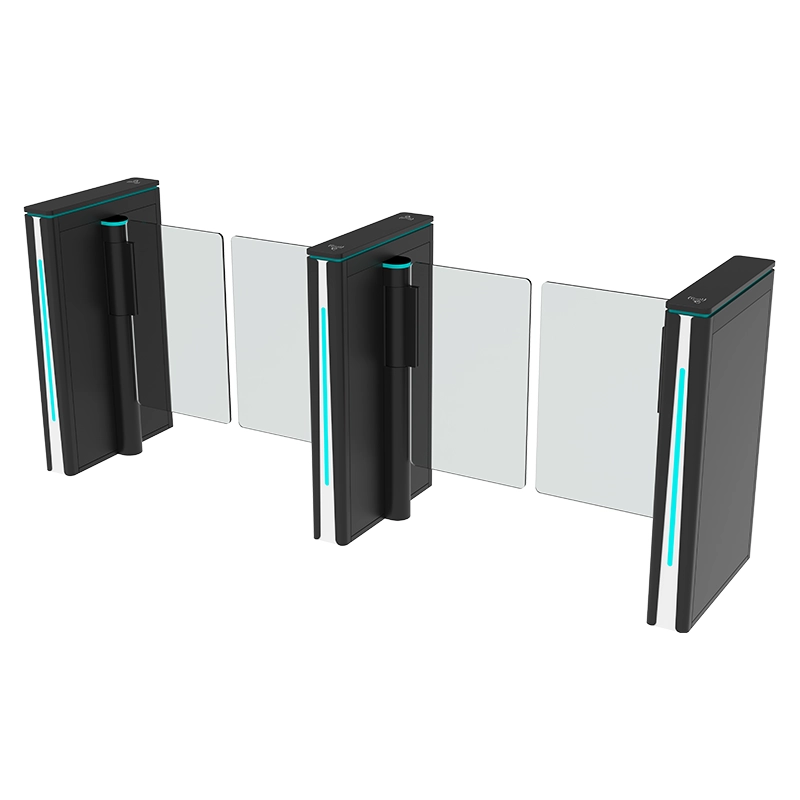
- Speed Gates: These are fast, aesthetically refined barriers, often featuring retractable glass or acrylic panels. They are designed for high-end corporate environments and locations where both speed and appearance are paramount. Speed gates prioritize rapid, unobtrusive passage.
- Design Characteristics: Modern, often made with premium materials like stainless steel and glass.
- Traffic Flow Capability: Exceptional for very high pedestrian volumes, ensuring smooth transitions.
- Swing Turnstiles: These barriers feature panels that pivot open, similar to a gate. They are known for their flexibility in accommodating wider passages, making them ideal for individuals with disabilities, strollers, or large luggage. They offer a good balance of accessibility and control.
- Accessibility: Highly accommodating for diverse user needs.
- Security Level: Provides moderate to high security, depending on height and material.
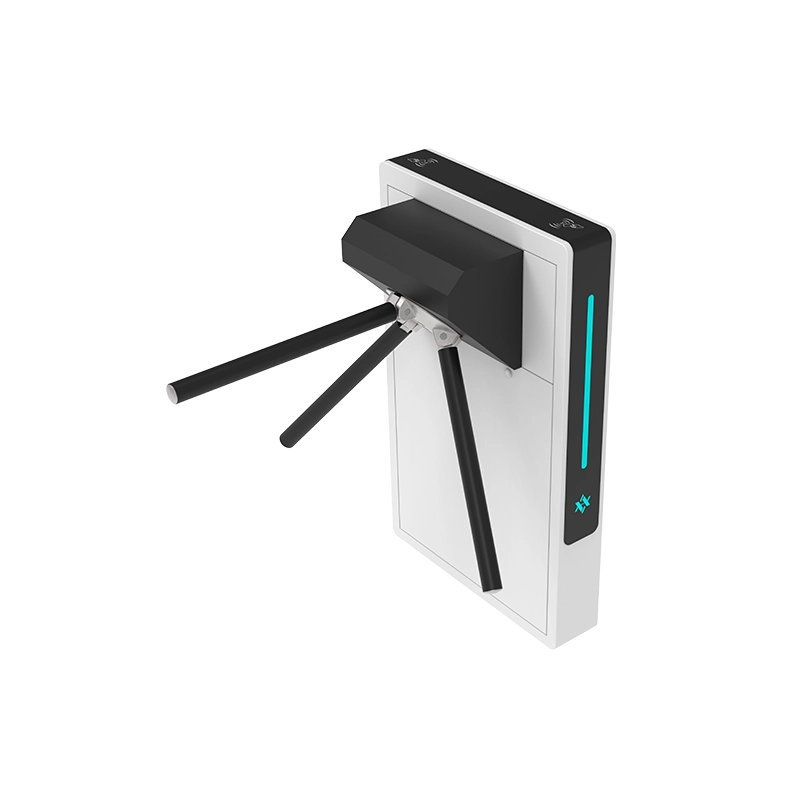
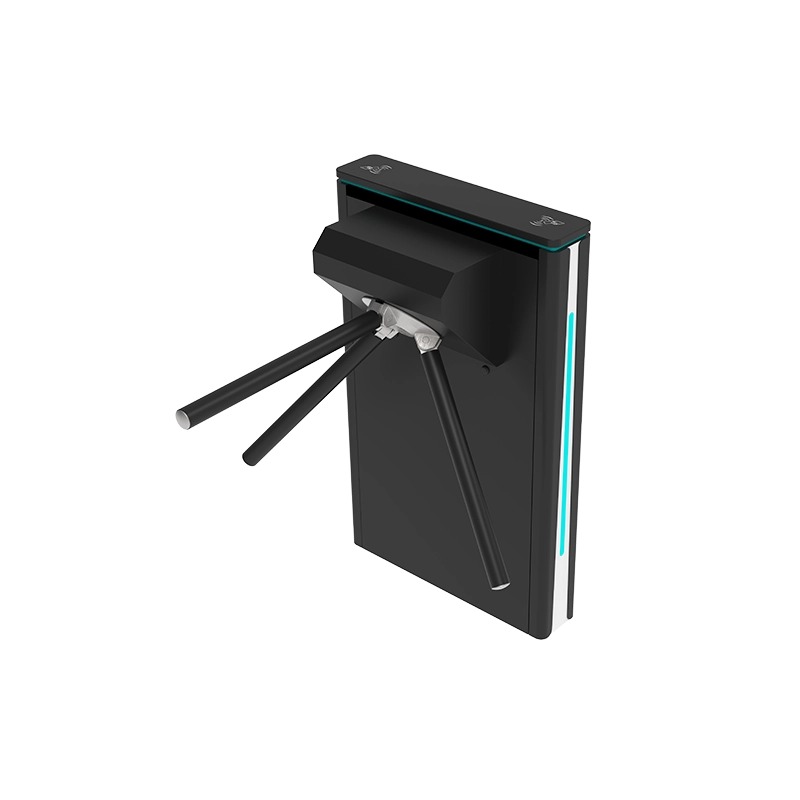
- Tripod Turnstiles: These are traditional barriers with three rotating arms. They are highly durable, cost-effective, and widely used in industrial facilities, amusement parks, and educational institutions. They offer reliable and straightforward access regulation.
- Durability and Cost: Robust and economical, built for sustained use in demanding environments.
- Application: Suitable for areas requiring consistent, controlled entry at a lower cost.
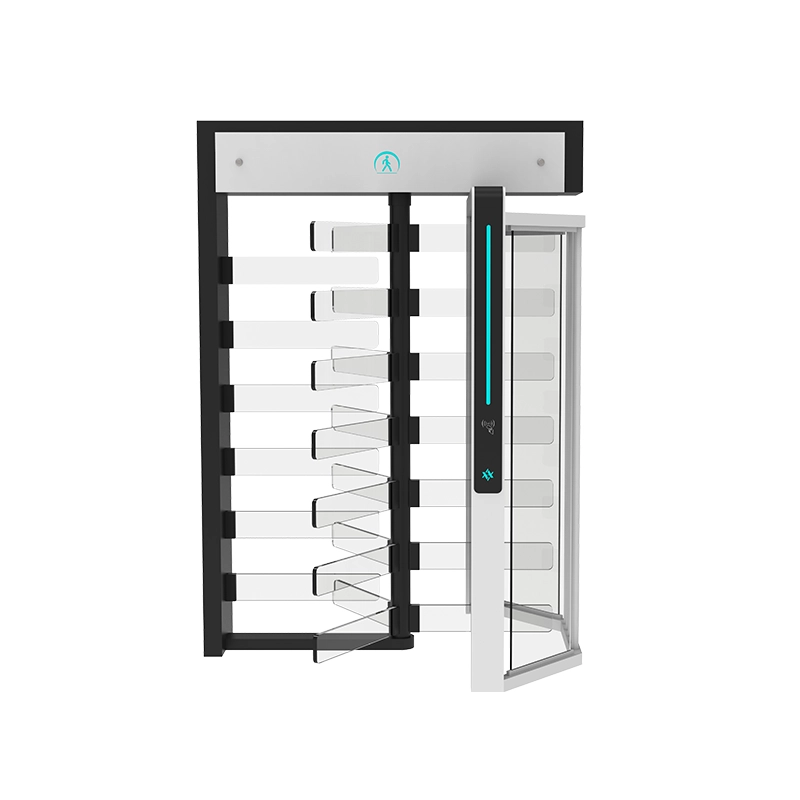
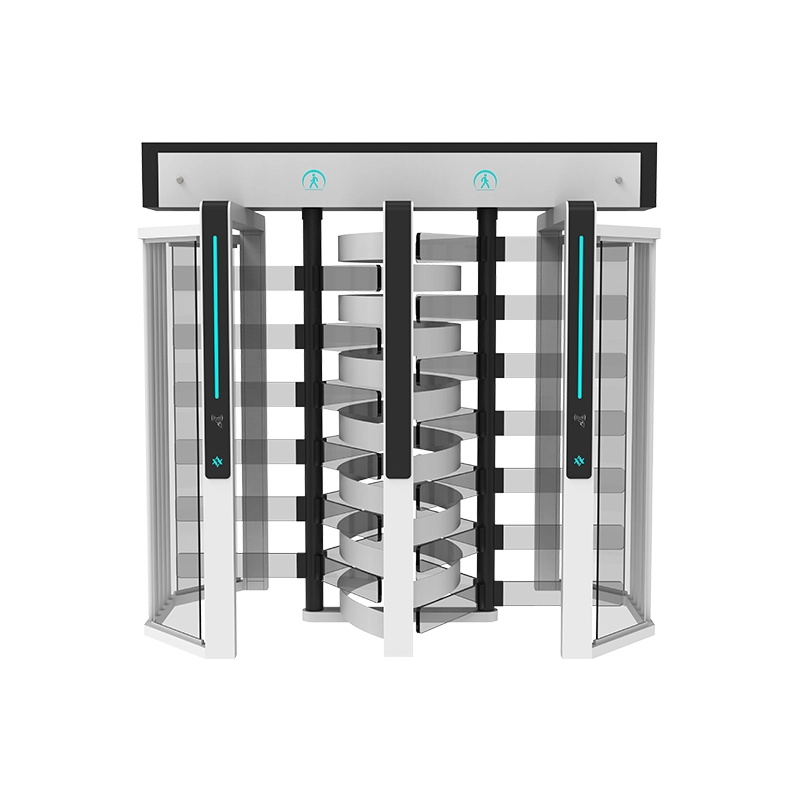
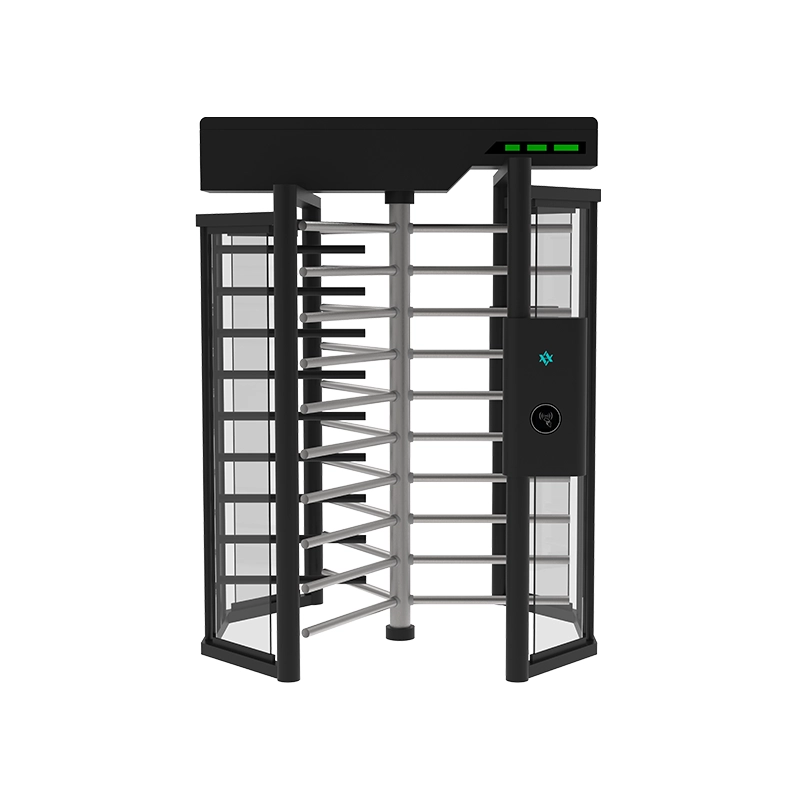
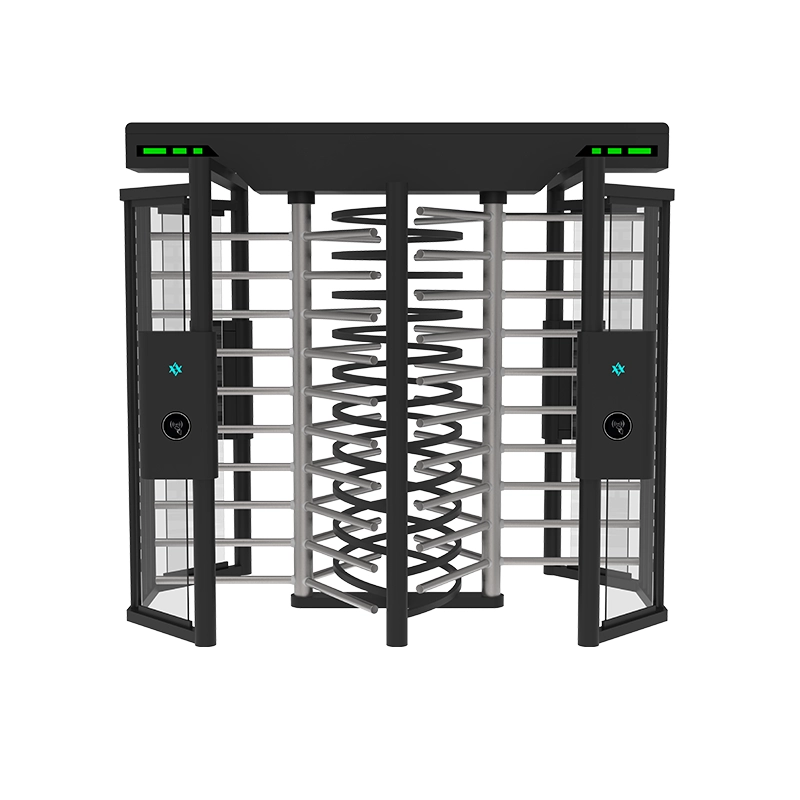
- Full-Height Turnstiles: These barriers offer the highest level of physical security. They extend from floor to ceiling, preventing any unauthorized climbing or circumventing. They are typically installed in high-security zones such as correctional facilities, military installations, or large industrial sites.
- Maximum Physical Security: Designed to completely deter unauthorized entry attempts.
- Usage Environment: Best for unsupervised or high-risk locations where absolute security is necessary.
| Barrier Type | Security Level | Traffic Throughput | Aesthetic Consideration | Common Usage Areas |
|---|---|---|---|---|
| Speed Gates | High | Very High | High | Corporate offices, airports |
| Flap Barriers | High | High | High | Office buildings, public transport |
| Swing Turnstiles | Medium-High | Medium-High | Medium | Accessible entrances, schools |
| Tripod Turnstiles | Medium | Medium | Low | Factories, sports venues |
| Full-Height Turnstiles | Very High | Low-Medium | Low | Prisons, construction sites |
Strategic Barrier Selection
The decision on which barrier type to implement relies on a thorough assessment of the environment’s security needs, the volume and nature of pedestrian traffic, and the desired integration with the building’s aesthetic. Each barrier type addresses specific challenges and offers distinct advantages.
What are the different types of barrier options?
Are you unsure about the various customizable features and integrations available for pedestrian barriers? Overlooking these options can result in a system that fails to meet specific operational or security demands. Understanding all possibilities is key.
Barrier options encompass a wide array of customizable features, including material choices, authentication methods like biometric or card readers, and integrated safety mechanisms. These options enable facilities to tailor access control systems to precisely match their security protocols, aesthetic preferences, and operational requirements.
The ability to customize a barrier system ensures it functions optimally within its specific environment. This extends beyond basic entry control to include sophisticated safety and integration capabilities.
Customizing Access Control Solutions
Modern access control barriers offer extensive customization to meet diverse facility needs.
Material and Finish Choices
- Stainless Steel: This is a popular choice for its durability and modern appearance. It resists corrosion and maintains its look over time, making it suitable for high-traffic indoor and outdoor settings.
- Tempered Glass: Often used for panels or flaps, tempered glass adds a sleek, transparent element to the barrier. It is robust and provides an open feel, enhancing building aesthetics.
- Acrylic: A lighter and more versatile alternative to glass, acrylic can also be used for flaps and design elements. It is available in various colors and can contribute to customized designs.
- Customization for Aesthetics: Barriers can be designed with specific finishes, colors, and materials to integrate seamlessly with a building’s architectural style and interior design. This ensures the access control system complements the overall environment.
Advanced Authentication Methods
The method of user verification is a critical customization point for any barrier system:
- Facial Recognition: Offers contactless and rapid authentication, ideal for high-security and high-throughput areas. It improves user experience by speeding up entry.
- Barcode/QR Code Scanning: Provides flexible access for visitors, tickets, or temporary passes. It is commonly used in event venues or public access points.
- RFID (Radio-Frequency Identification): Utilizes cards or tags for quick, convenient access. This is a standard method for employee identification and routine entry.
- Biometric Verification (Fingerprint/Vein Scan): Offers a high level of security by using unique biological markers. It is suitable for sensitive areas where stringent identity verification is required.
- Integrated Solutions: Many systems support combinations of these methods, allowing for layered security where multiple forms of authentication are necessary.
| Option Category | Specific Options | Functional Benefit |
|---|---|---|
| Design & Material | Stainless Steel, Tempered Glass, Acrylic, Custom Finishes | Enhances aesthetic integration, ensures durability |
| Access Methods | Face Recognition, RFID, QR Code, Biometrics | Improves security, streamlines user authentication |
| Safety Features | Anti-tailgating, Anti-pinch, Emergency Bypass | Prevents unauthorized access, ensures user protection |
| System Integration | BMS, Time & Attendance, Visitor Management | Creates a unified security and operational system |
Safety and System Integration
Safety features and integration capabilities are essential for a complete access control solution:
- Anti-Pinch Sensors: These infrared sensors detect obstructions in the barrier’s path. They prevent flaps from closing on individuals, significantly reducing the risk of injury.
- Anti-Tailgating Technology: This feature detects and prevents multiple people from passing through on a single authorization, enhancing security by limiting unauthorized access.
- Emergency Bypass: In critical situations, such as fire alarms, barriers automatically open to allow for rapid, unimpeded evacuation. This adheres to safety regulations.
- Integration with Building Management Systems: Barriers can connect with broader building management systems, including fire alarms, security cameras, and visitor management software. This creates a cohesive and responsive security infrastructure.
These customizable options allow for the creation of sophisticated access control systems. Such systems meet precise security, aesthetic, and operational requirements, delivering comprehensive control and safety.
What is the most common type of flap?
Are you wondering which flap barrier configuration is most frequently installed in modern buildings? Not knowing the prevailing standard can lead to choosing a less efficient or common solution. Identifying the most common type guides better decision-making.
The most common type of flap barrier incorporates a single core managing two retractable flaps. This design, often called a single core dual flap, provides an optimal balance of throughput, accessibility, and security. It is widely adopted across high-traffic environments like corporate headquarters and public transportation hubs.
This particular configuration has gained widespread acceptance due to its efficient design and practical benefits. It addresses many common access control needs effectively.
The Prevalence of Single Core Dual Flap Barriers
The single core dual flap configuration is a preferred choice for several compelling reasons, reflecting its robust and versatile performance.
- Optimized Throughput Rates: With two flaps operating from a single core, this design allows for a wider opening, facilitating faster passage for a greater number of people. This is critical during peak hours in busy locations.
- Enhanced Accessibility Features: The increased passage width makes it significantly easier for individuals with mobility aids, strollers, or large luggage to pass through. This aligns with modern accessibility standards for public and commercial spaces.
- Efficient Space Utilization: Despite providing a wider lane, the single core mechanism helps maintain a relatively compact footprint. This is advantageous in urban environments where space efficiency is a key consideration.
- Proven Reliability: The streamlined design with a single core often results in higher operational reliability and simpler maintenance protocols. This translates to reduced downtime and lower operational costs.
- Aesthetic Integration: This design typically features modern aesthetics that blend well with contemporary architectural styles. It offers a sophisticated appearance suitable for a wide range of upscale environments.
Widespread Applications
The single core dual flap barrier is commonly seen in:
- Corporate Lobbies: Managing daily employee and visitor traffic with elegance and efficiency.
- Metro and Railway Stations: Facilitating orderly and rapid passenger movement.
- Government Facilities: Providing secure and accessible entry points for staff and the public.
- Educational Institutions: Controlling student and faculty access while accommodating peak flow times.
This type of barrier is a testament to effective engineering. It delivers robust performance for general access control needs across diverse settings.
My Insights: Exploring the Different Types of Flap Barriers
Confused by the variety of flap barriers available? Understanding their types ensures you choose the right solution for your security and access needs.
Different types of flap barriers include single-wing, double-wing, retractable, and full-height models. Each type serves specific access control needs, from compact designs to high-security options, catering to varied environments and requirements.
Understanding Flap Barrier Varieties for Enhanced Security
Key Types of Flap Barriers
| Type | Description |
|---|---|
| Single-wing | Compact design, ideal for limited spaces |
| Double-wing | Wider passage, suitable for high throughput |
| Retractable | Quick opening and closing, efficient for fast access |
| Full-height | Ensures higher security, prevents climbing over |
| ADA-compliant | Accommodates accessibility requirements |
Additional Variants
Flap barriers can also be transparent for enhanced visibility, made from weather-resistant materials for outdoor use, or speed-controlled to adjust opening speeds. Slim-line versions fit modern, space-efficient environments, while glass flap barriers bring elegance and transparency to the setting.
Choosing Based on Needs
When selecting a flap barrier, consider factors like space availability, security level, and aesthetic preferences. Single-wing barriers suit compact areas, while double-wing and retractable barriers cater to high-traffic zones. Full-height and ADA-compliant options focus on security and accessibility, respectively. Understanding these types ensures optimal access control tailored to specific situations and environments.
Conclusion
Flap barriers are crucial for effective access control and pedestrian flow management. The single core dual flap is the most common due to its optimal balance of speed, accessibility, and security. Understanding the various types and customization options is essential for choosing the best solution for any facility.