
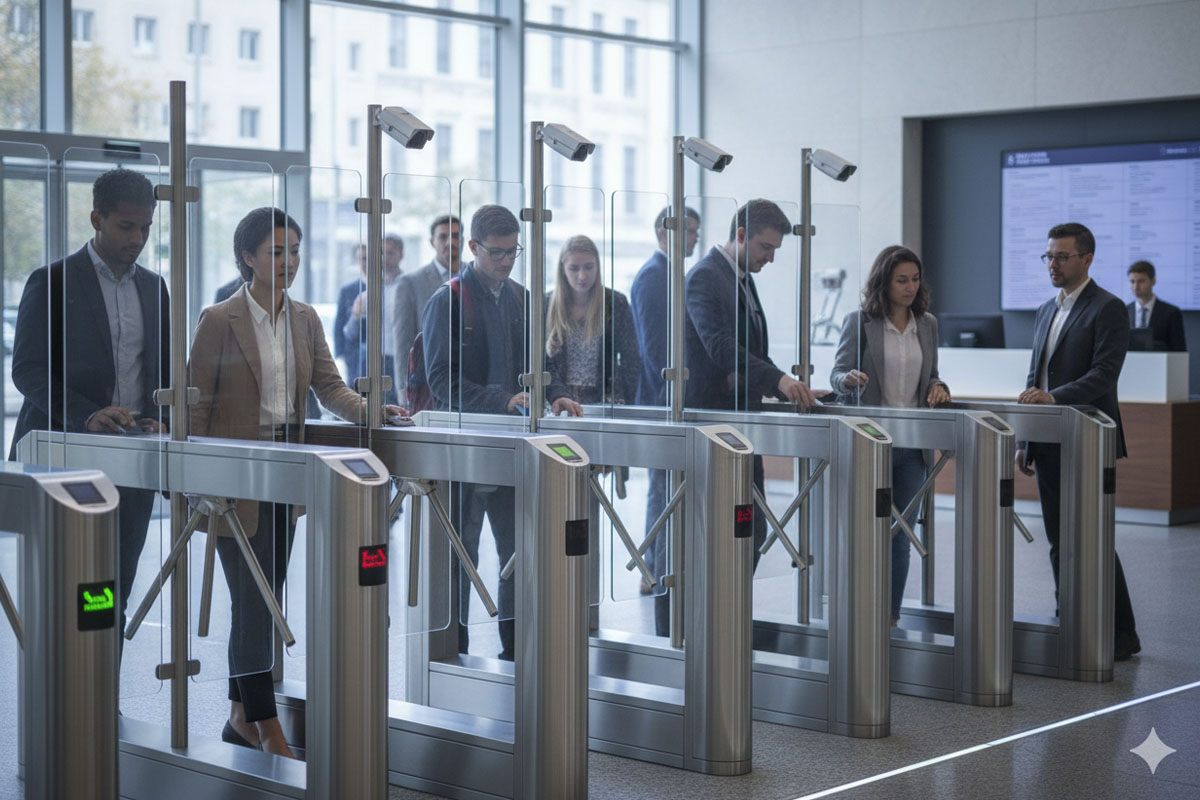
](https://aipadaturnstile.com/wp-content/uploads/2026/04/What-are-the-Benefits-of-Using-Turnstiles.jpg "What are the Benefits of Using Turnstiles")

Many facilities struggle with managing visitor flow, ensuring security, and tracking entry. Traditional methods often fall short, leading to inefficiencies and potential security risks. There is a clear need for a robust system that can handle these challenges effectively.
Turnstiles offer significant benefits for access control, enhancing security, and optimizing pedestrian traffic management in various environments. They provide a reliable solution for controlled entry, deter unauthorized access, and integrate seamlessly with modern security technologies.
Controlling access and managing large numbers of people efficiently can be complex. Facilities need a system that ensures both security and smooth operations. Turnstiles address these needs by providing a structured and automated entry point.
What is the point of turnstiles?
Do you understand the fundamental purpose behind implementing turnstiles? Facilities often face challenges in controlling who enters a building and managing crowd movement. These issues require effective and reliable solutions.
Turnstiles primarily function as a critical component of access control systems, regulating pedestrian traffic and enhancing overall security. They ensure that only authorized individuals gain entry to specific areas, thereby improving both safety and operational efficiency across diverse sectors.
The core function of turnstiles is to establish a controlled entry and exit point. This helps facilities maintain order and security. They are designed to prevent unauthorized access and manage pedestrian flow effectively.
Fundamental Functions of Turnstiles
Turnstiles solve specific operational and security challenges for various organizations.
- Access Regulation: This is the primary function. A turnstile gate allows one person to pass per valid credential.
- Security Enhancement: Turnstiles act as physical barriers. This deters unauthorized entry and strengthens overall site security.
- Traffic Management: In high-traffic areas, turnstiles direct people in an orderly manner. This reduces congestion and improves flow efficiency.
For example, in a busy public transport hub, turnstiles prevent overcrowding and ensure that only fare-paying passengers enter. This improves both safety and operational integrity.
Turnstile Applications Across Industries
Turnstiles are deployed in various sectors, each benefiting from their distinct capabilities.
| Industry Sector | Primary Benefit | Example Application |
|---|---|---|
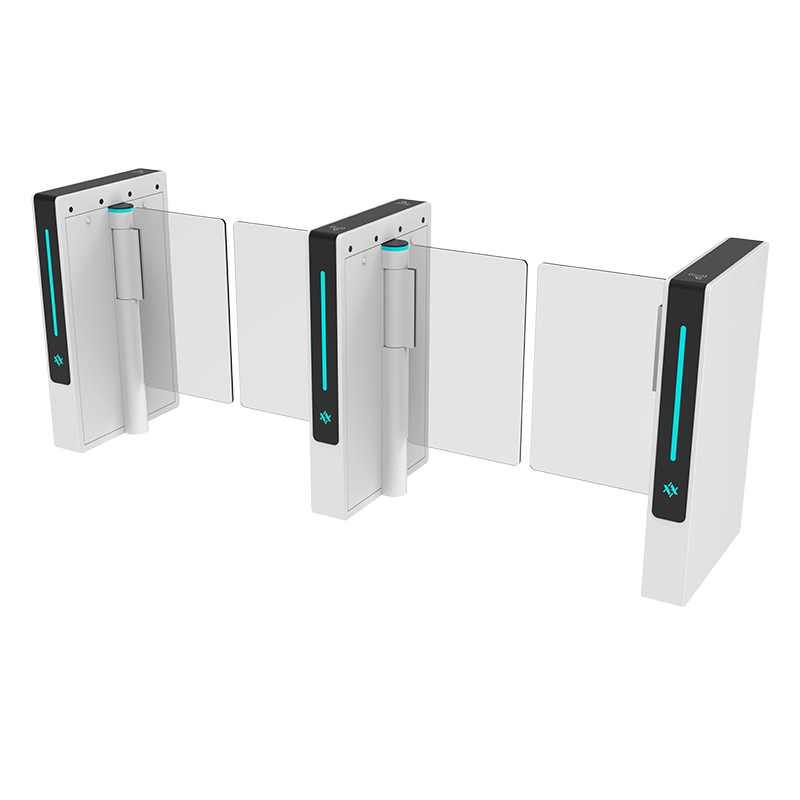
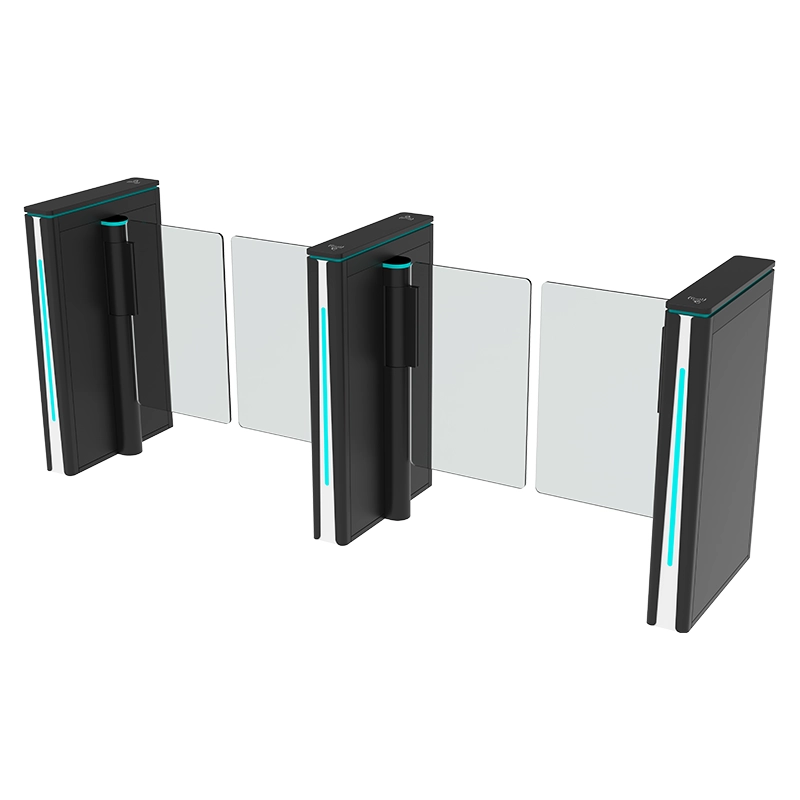
| Commercial Buildings | Improved staff and visitor management | Speed gates in corporate lobbies |
| Public Transportation | Efficient passenger flow and fare collection | Flap barriers in metro stations |
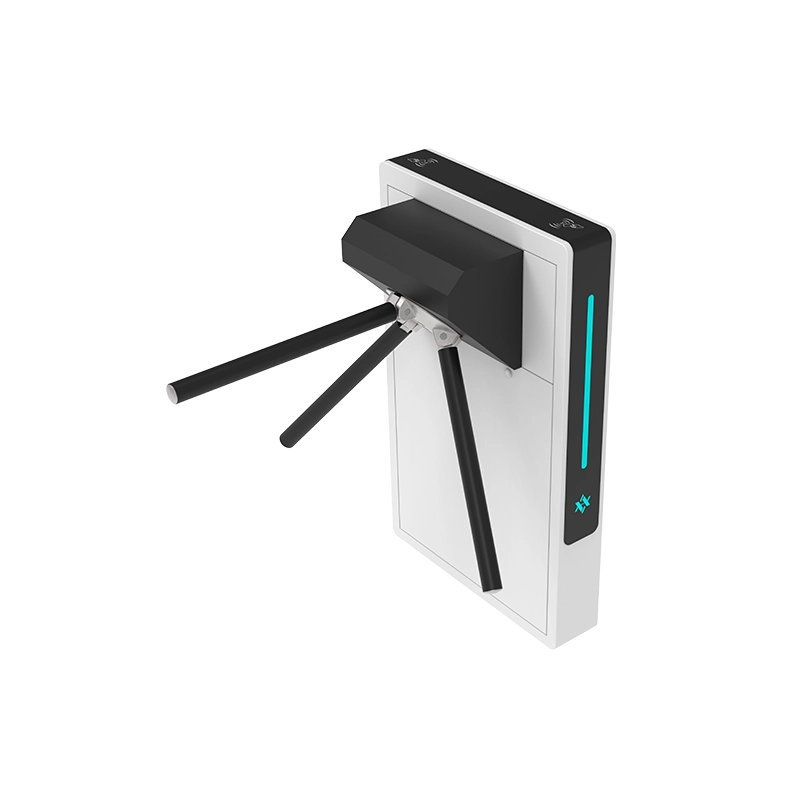
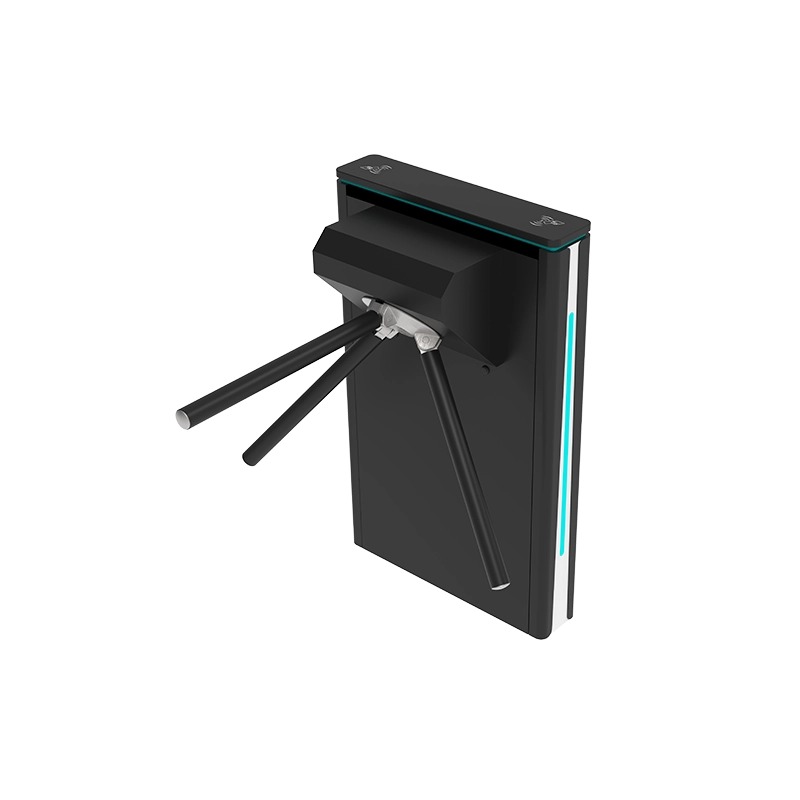
| Leisure & Attractions | Revenue protection and crowd control | Tripod turnstiles at theme park entrances |
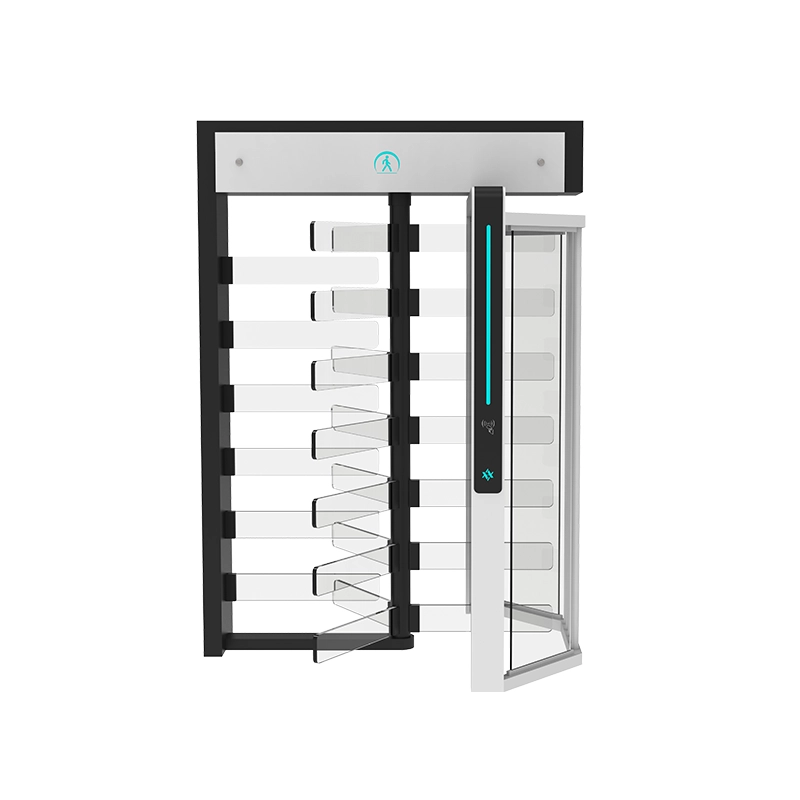
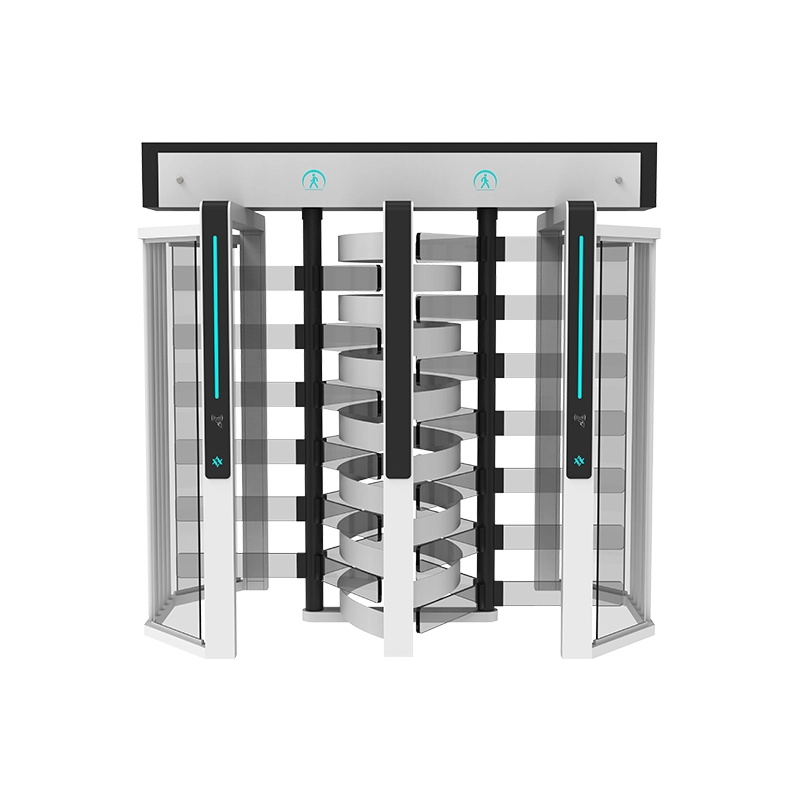
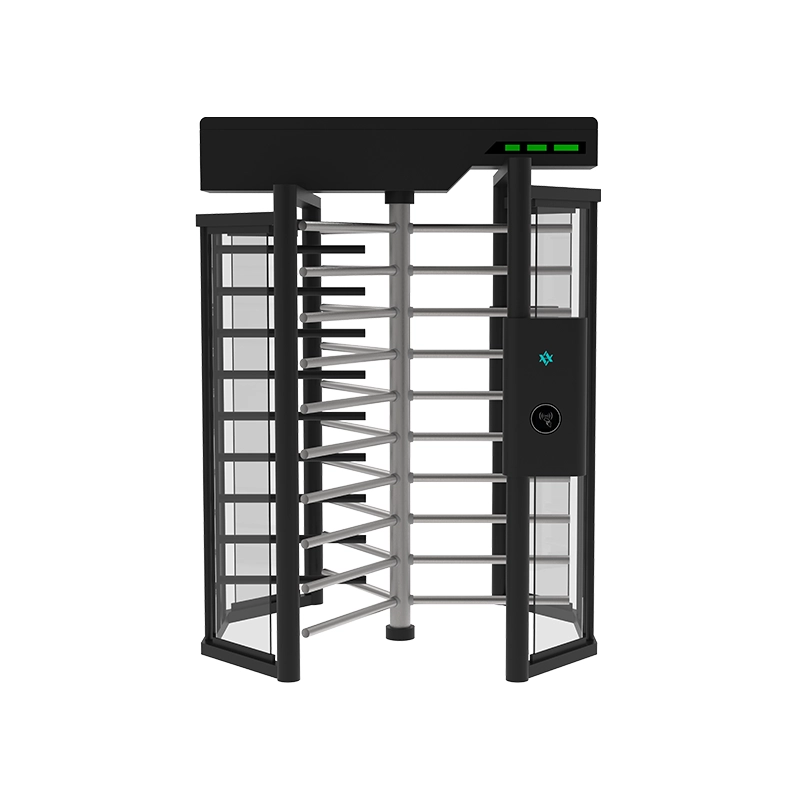
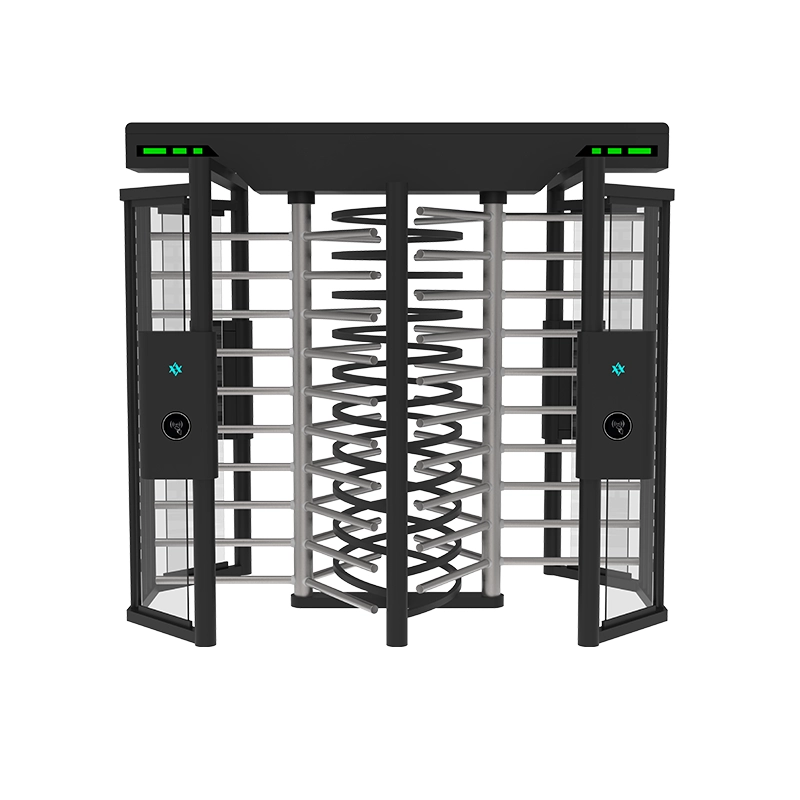
| Industrial Facilities | Enhanced perimeter security and restricted access | Full-height turnstiles for factory zones |
Each environment benefits from the specific design and function of different turnstile types. High-speed gates suit offices, while full-height turnstiles are better for high-security areas.
What are the disadvantages of turnstiles?
Are you aware of the potential drawbacks associated with turnstile implementation? While turnstiles offer significant advantages, some factors require careful consideration. Understanding these potential challenges helps in informed decision-making.
While turnstiles significantly enhance security and efficiency, potential disadvantages include initial procurement and installation costs, the risk of creating bottlenecks during peak hours or emergencies, and ongoing maintenance requirements. Proper planning and selection can mitigate these concerns.
Implementing any new system involves evaluating both its benefits and its challenges. For turnstiles, facilities often consider factors like cost and operational impact. Addressing these concerns proactively is crucial for successful deployment.
Addressing Common Turnstile Challenges
It is important to examine the potential downsides of turnstile systems.
- Initial Investment: The cost of purchasing and installing turnstiles can be substantial. This includes hardware and integration services. However, this cost often pays for itself through improved security and reduced staffing needs over time.
- Emergency Response: Concerns exist regarding turnstile function during emergencies, such as fire evacuations. Modern turnstiles typically include failsafe features like automatic arm-drop or swing-open mechanisms upon power failure or alarm activation.
- Maintenance: Turnstiles are mechanical devices that require regular maintenance. Selecting high-quality units with durable components, such as brushless motors, can extend operational life and reduce maintenance frequency.
- User Perception: Some individuals may perceive turnstiles as restrictive. However, integrating advanced technologies like facial recognition allows for seamless and "touchless" entry, improving user experience.
Strategies for Mitigating Disadvantages
Effective planning can minimize the impact of turnstile disadvantages.
| Potential Disadvantage | Mitigation Strategy | System Design Consideration |
|---|---|---|
| High Capital Outlay | Evaluate long-term return on investment (ROI) from enhanced security. | Choose durable systems with long lifespans to maximize value over time. |
| Emergency Bottlenecks | Implement failsafe mechanisms and integrate with emergency systems. | Ensure turnstiles automatically open during power outages or fire alarms. |
| Ongoing Maintenance | Invest in robust, low-maintenance turnstile models. | Prioritize units with advanced motor technology for reduced wear and tear. |
| User Inconvenience | Adopt integrated biometric or card-based access for speed. | Design for smooth, rapid passage to minimize queues and improve user satisfaction. |
By addressing these potential issues during the planning phase, facilities can ensure that the benefits of a security turnstile outweigh any challenges.
What are the benefits of turnstile access control?
Are you aware of how turnstile access control systems can revolutionize facility management? Many organizations struggle with inefficient entry points, compromised security, and inadequate attendance tracking. These problems can impact operational efficiency and safety.
Turnstile access control systems provide numerous advantages, including enhanced security through strict entry protocols, improved efficiency in pedestrian traffic management, precise recording of attendance data, and broad compatibility with various modern verification technologies.
Implementing effective access control is crucial for any facility. Turnstiles offer a systematic approach to managing who enters and exits, providing a layer of security and efficiency that traditional methods often lack.
Advantages of Controlled Entry Systems
Turnstiles offer distinct benefits in managing access and security.
- Prevention of Tailgating: This is a key advantage. Turnstiles are designed to permit only one person per authorized credential. This effectively prevents unauthorized individuals from entering alongside an authorized person.
- Accurate Data Logging: Every entry and exit transaction is recorded. This provides valuable data for security audits, time and attendance tracking, and capacity management.
- Reduced Manual Supervision: While security personnel remain important, turnstiles automate entry control. This frees up staff for other critical security tasks rather than routine gate monitoring.
For instance, in a large office building, turnstiles ensure that only employees or registered visitors can enter. This enhances security and simplifies visitor management.
Integration Capabilities for Enhanced Functionality
Modern turnstile systems are highly adaptable and integrate with various technologies.
| Integration Technology | Primary Benefit | Typical Application |
|---|---|---|
| Facial Recognition | Provides touchless, high-speed, and hygienic access. | High-security zones, clean environments, modern corporate lobbies. |
| Biometric Scanners | Offers highly secure authentication, preventing credential sharing. | Data centers, research laboratories, restricted government facilities. |
| QR/Barcode Scanning | Facilitates easy visitor management and temporary access. | Event venues, public libraries, temporary construction sites. |
| RFID/IC Card Systems | Enables standard corporate access using existing badge infrastructure. | Employee access control, student identification in schools. |
This extensive compatibility allows a security turnstile to be a versatile component within a comprehensive security infrastructure. It enhances functionality and adaptability.
What makes a turnstile so good?
Do you know the specific features that contribute to the superior performance of turnstiles? Beyond their basic function, advanced engineering and design elements are crucial. Facilities require systems that are durable, reliable, and integrate well with their environment.
Turnstiles are highly effective due to their robust construction, intelligent design incorporating advanced motor technology, high compatibility with diverse access systems, and customizable aesthetic options. These combined attributes ensure long-term reliability, efficient operation, and seamless integration into modern architectural designs.
The quality of a turnstile goes beyond simply blocking a pathway. It involves precision engineering, durable materials, and smart features that ensure consistent performance and user safety. These factors collectively define a turnstile’s effectiveness.
Key Attributes of High-Performance Turnstiles
Several factors contribute to the overall quality and effectiveness of turnstiles.
- Durability and Longevity[^1]: High-quality turnstiles are built for extended operational life. The use of advanced components, such as brushless motors, ensures millions of cycles without significant wear, reducing replacement and maintenance costs.
- Smooth and Quiet Operation[^2]: An essential feature for user comfort, especially in indoor environments. Modern turnstiles operate with minimal noise and smooth movement, enhancing the user experience.
- Safety and Security Features[^3]: Integrated sensors prevent physical injury from closing barriers and detect unauthorized attempts like tailgating. This enhances both user safety and system security.
- Architectural Integration[^4]: Turnstiles are often prominent features at entry points. The ability to customize their design, materials, and finishes allows them to complement the building’s aesthetic seamlessly.
Consider a corporate headquarters where both security and image are paramount. A turnstile system that offers elegant design alongside robust security features is highly valued.
Impact of Advanced Design and Features
Advanced features in turnstiles translate directly into practical benefits for facilities.
| Feature Category | Operational Benefit | Systemic Impact |
|---|---|---|
| Brushless Motor Tech | Ensures ultra-quiet and smooth passage for users. | Reduces wear, lowers maintenance, extends service life. |
| Multi-Sensor Design | Prevents physical pinching; detects attempts at unauthorized entry. | Enhances user safety; strengthens security protocols. |
| Emergency Release | Automatic unlocking during power failure or fire alarms. | Ensures rapid evacuation; complies with safety standards. |
| Customization Options | Allows integration with diverse architectural styles. | Improves facility aesthetics; supports branding efforts. |
These integrated features ensure that a security turnstile functions effectively as both a security barrier and an integral part of a building’s design. They provide a comprehensive access control solution.
My Insights: Advantages of Implementing Turnstiles for Access Control
Struggling with inefficient entry processes? Discover how turnstiles can enhance security and streamline access control in high-traffic areas.
Turnstiles offer effective crowd control, stronger security, and cost-efficient operation. They manage entry flow, reduce unauthorized access risks, and integrate seamlessly with ticketing systems, requiring minimal maintenance for a reliable solution.
How Turnstiles Enhance Security and Efficiency
Core Benefits of Turnstiles
| Benefit | Description |
|---|---|
| Enhanced Security | Blocks unauthorized entry and reduces tailgating risks |
| Crowd Control | Regulates one-at-a-time passage to prevent bottlenecks |
| Operational Efficiency | Automates entry processes, reducing staff workload |
| Entry Tracking | Records entrances/exits, aiding auditing and safety compliance |
| Cost Efficiency | Durable with low maintenance needs, ensuring long-term savings |
Choosing Turnstiles for Specific Needs
Turnstiles are particularly beneficial in settings like offices, transit stations, stadiums, and event venues. They effectively manage pedestrian flow while providing robust security, making them ideal in locations needing both security and enhanced visitor experience.
Integration and Customization
Turnstiles can seamlessly integrate with access control systems, offering customization for specific security needs. Understanding the core benefits ensures the choice of turnstiles enhances both security and operational efficiency, tailored to the environment’s demands.
Conclusion
Turnstiles offer a powerful and efficient solution for access control, significantly enhancing security and streamlining pedestrian traffic. They ensure controlled entry, deter unauthorized individuals, and integrate seamlessly with advanced technologies. For modern facilities, turnstiles are an essential tool for effective management.
](https://aipadaturnstile.com/wp-content/uploads/2025/11/AT107-TC-01.webp)
](https://aipadaturnstile.com/wp-content/uploads/2025/12/vertical-tripod-turnstile.jpg)
](https://aipadaturnstile.com/wp-content/uploads/2025/12/popup-img.jpg)