
](https://aipadaturnstile.com/wp-content/uploads/2026/04/Flap-Barriers-vs.-Speed-Swing-Gates-Which-is-Right-for-Your-Entryway.jpg "Flap Barriers vs. Speed Swing Gates Which is Right for Your Entryway")

Choosing the right turnstile system can be difficult. It impacts security and traffic flow. This comparison will help you understand the differences between flap barriers and speed swing gates. You can then make an informed decision for your facility.
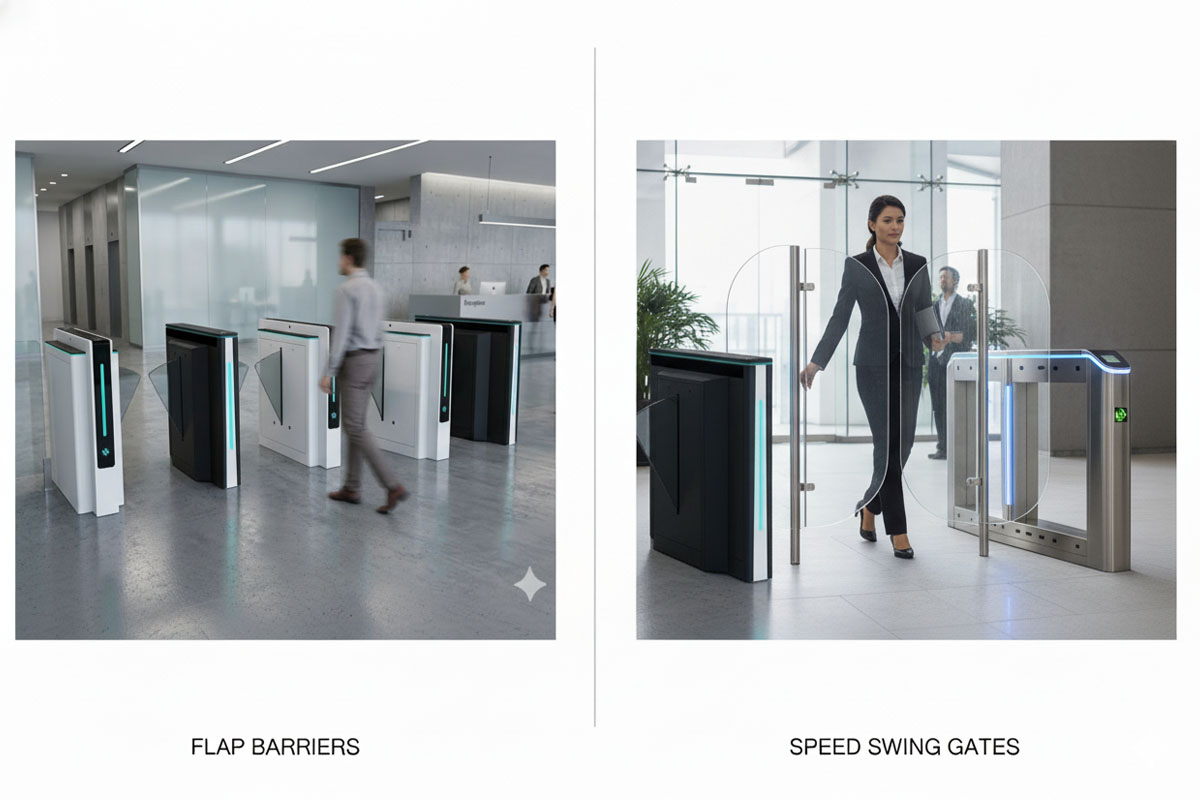
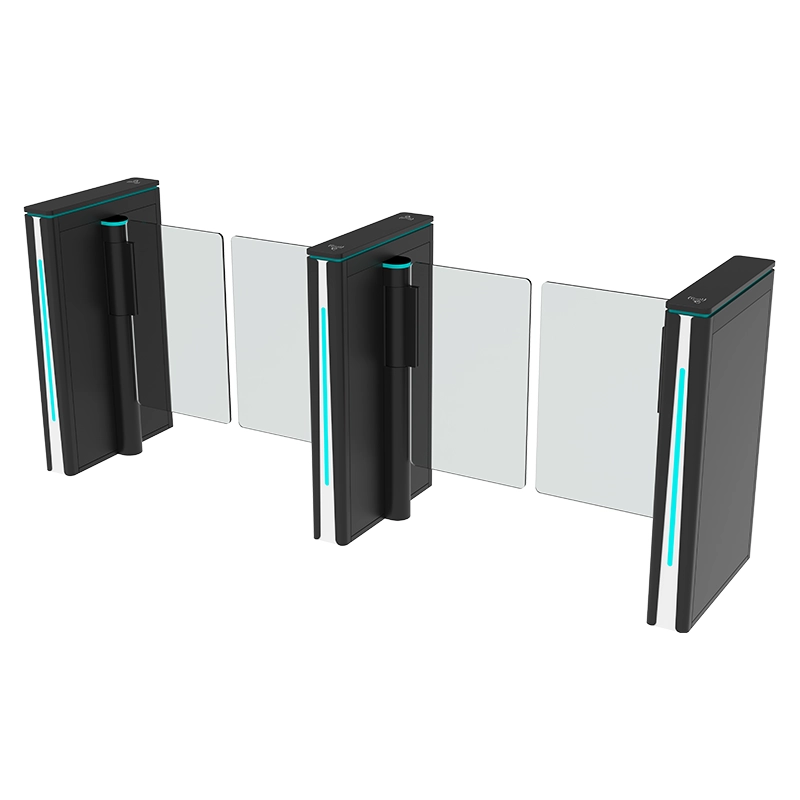
The main difference between a swing barrier and a flap barrier is their physical design and operation. Flap barriers use retractable panels for fast, single-person access, suitable for high-traffic environments. Swing barriers use swinging arms, offering wider lanes and more flexibility for various users, including those with special access needs.
Selecting the correct entry control system involves looking at specific operational needs. It is not just about the type of gate. It is about how it fits into the overall security and efficiency plan of a building. This guide aims to clarify these points.
What is the difference between a swing barrier and a flap barrier?
Many people often confuse swing barrier[^1]s with flap barrier[^2]s. Both control access. However, their mechanisms and ideal uses vary significantly. Understanding these distinctions is crucial for proper system selection.
A swing barrier operates with arms that pivot open and closed, providing a wide passage, often suitable for accommodating diverse user needs. In contrast, a flap barrier uses panels that retract quickly into the housing, offering rapid, streamlined access for individual users in busy areas.
Consider a public transportation hub. Flap barriers might be ideal for most commuters due to their speed. However, a wider swing barrier would be necessary for passengers with luggage or those using wheelchairs. This highlights the need for different solutions depending on the specific user group.
Operational Mechanism: How They Function
Swing barriers feature physical arms that swing. These arms create an open path for users. The movement is similar to a door. Flap barriers use panels that quickly slide in and out of the unit. This action makes a clear path. The speed of these panels allows for rapid throughput.
| Feature | Swing Barrier | Flap Barrier |
|---|---|---|
| Movement | Pivoting arms | Retracting panels |
| Speed | Moderate, depends on arm length | Fast, for high throughput |
| Lane Width | Wider, often adjustable | Standard, single-person width |
| Footprint | Requires space for arm swing | Compact, minimal space for panels |
User Experience and Throughput: Passage Flow
Swing barriers offer a wider, less restrictive passage. This design benefits users with strollers, large bags, or those requiring wheelchair access. Flap barriers provide a very quick, streamlined passage. The rapid opening and closing of flaps maintain a continuous flow in high-traffic situations.
Security Capabilities: Protection and Control
Both barrier types enhance security by controlling entry. Flap barriers often include advanced sensors to detect "tailgating." This prevents multiple people from entering on one authorization. Swing barriers also use sensors to prevent arms from closing on a person. Both systems integrate with various access control technologies, such as card readers or biometric scanners.
Aesthetic Integration: Design and Appearance
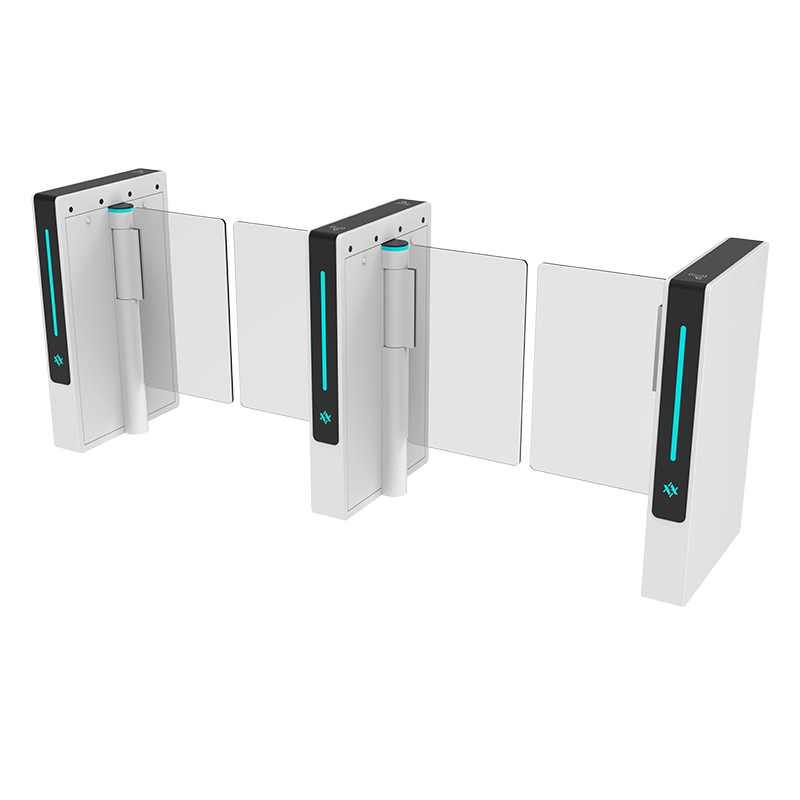
Swing barriers offer flexibility in design. They use materials like glass or stainless steel. This allows them to match building architecture. Flap barriers typically have a sleek, modern look. Their compact form makes them suitable for contemporary office lobbies or transit stations.
What is the problem with the flap barrier?
Flap barriers are chosen for speed and modern aesthetics. However, they present specific challenges that should be considered. These potential issues can impact efficiency and user satisfaction in certain environments.
The primary problem with flap barriers involves their susceptibility to tailgating if sensing systems are inadequate, and their fixed narrow lane width can create accessibility issues for individuals with mobility aids, large items, or those requiring wider passage.
For example, a high-rise office building installed flap barriers to manage employee flow. During morning rush hour, employees with bulky backpacks or delivery personnel with small carts struggled. This caused delays. A dedicated, wider swing gate lane became necessary to address these specific needs. This illustrates how flap barrier limitations can affect operations.
Restricted Lane Width: An Accessibility Issue
Flap barriers typically offer a narrow, fixed lane. This design is optimal for single pedestrian passage but can be problematic for others.
- Wheelchair Users: Standard flap barrier lanes are too narrow for most wheelchairs. Facilities must install separate, wider gates to comply with accessibility standards.
- Strollers and Luggage: Individuals pushing strollers or carrying large luggage often find these lanes difficult to navigate. This can lead to bottlenecks or damage to the barrier.
- Material Handling: Any movement of goods or equipment within the building cannot happen through flap barriers. This requires alternative, potentially less secure, access points.
Tailgating Vulnerability: Security Concerns
Flap barriers are designed for one-person-at-a-time passage. However, unauthorized individuals can sometimes follow closely behind an authorized person.
| Tailgating Method | Description | Countermeasure |
|---|---|---|
| Close Following | An unauthorized person follows very near an authorized one. | Multi-beam infrared sensors detect objects in tandem. |
| Forced Entry | Physically pushing through the closing flaps. | Stronger motors, robust flap materials, and alarm systems. |
| Coercion | An unauthorized person convincing an authorized user to hold flaps. | Strict access control protocols and security personnel awareness. |
Effective anti-tailgating relies heavily on precise sensor technology and robust system programming. Without these, the security integrity of the flap barrier may be compromised.
Maintenance and Potential Damage: Operational Durability
The fast and frequent movement of flap panels can lead to wear.
- Motor Strain: Constant rapid motion can stress the motor components. This necessitates high-quality, durable motors to ensure longevity.
- Impact Resistance: Flaps can be vulnerable to damage if struck forcefully by users or objects. This may lead to repairs and system downtime.
- Sensor Reliability: The numerous sensors required for anti-tailgating need regular cleaning and calibration. Environmental factors like dust can affect their performance.
User Perception: Psychological Impact
Some users may experience a sense of urgency or confinement with fast-closing flap barriers. While safety sensors prevent physical injury, the rapid movement can be unsettling for some. This can lead to a less positive user experience, especially for new users.
What is the best type of swing gate opener?
The choice of opener mechanism is vital for swing gates. It affects the gate’s performance, durability, and user experience. Identifying the "best" type depends on factors like traffic volume, gate size, and environmental conditions.
The most effective type of swing gate opener for turnstiles is typically an advanced brushless DC (BLDC) motor system. This is due to its high durability, quiet operation, and precise movement control, making it well-suited for high-traffic and aesthetically sensitive environments.
For instance, a corporate headquarters required swing gates that operated smoothly and silently. Traditional brush motors produced noticeable noise, which was undesirable in a professional setting. A brushless DC motor system provided the quiet, reliable operation needed, contributing to a calm and efficient entry point. This demonstrates the impact of opener choice on the overall facility experience.
Brushless DC Motors: Superior Performance
Brushless DC motors are often considered a top choice. They offer several key benefits.
- Longevity: They have no brushes, reducing friction and wear. This results in a longer operational life, often reaching millions of cycles.
- Silent Operation: These motors operate very quietly. This makes them ideal for environments where noise reduction is important, like offices or hospitals.
- Energy Efficiency: BLDC motors are more efficient in converting electrical energy into mechanical power. This can lead to lower operating costs.
- Precise Control: They provide exact control over the gate arm’s speed and position. This ensures smooth and controlled opening and closing motions.
- Low Maintenance: With fewer wearing parts, BLDC motors require less frequent maintenance and fewer component replacements.
Hydraulic Openers: Power and Fluidity
Hydraulic systems use fluid pressure to move the gate arms.
- Strength: They are very powerful. This makes them suitable for heavy or oversized swing gates.
- Smooth Motion: Hydraulic openers can deliver a very fluid and controlled movement of the gate.
- Robustness: They are built to withstand heavy usage and harsh conditions.
- Adjustable Speed: They allow for fine adjustments of opening and closing speeds.
Electromechanical Openers: Common and Reliable
These systems use a motor and gear mechanism. They are widely used.
- Cost-Effectiveness: Often more affordable for initial purchase and installation.
- Dependability: They offer reliable performance for many standard swing gate applications.
- Versatility: Available in various configurations to suit different gate sizes and weights.
- Simpler Installation: Generally easier to install compared to hydraulic systems.
Choosing the Right Opener: Key Considerations
When selecting an opener, several factors guide the decision.
- Traffic Volume: High-traffic areas benefit most from the durability of brushless motors.
- Gate Dimensions: Heavier or larger gates might require the power of hydraulic systems.
- Acoustic Requirements: For quiet zones, brushless motors are the preferred option.
- Budget Constraints: Electromechanical systems offer a more budget-friendly solution.
- Specific Features: Evaluate needs such as rapid response, precise movement, or heavy-duty operation.
What are the disadvantages of gate barriers?
Gate barriers, including turnstiles and boom barriers, provide essential security and access control. However, their implementation comes with certain drawbacks. Understanding these potential issues helps in planning and managing expectations.
The disadvantages of gate barriers include the potential for bottlenecks during peak usage, significant initial investment and ongoing maintenance costs, challenges in ensuring universal accessibility without specific accommodations, and reliance on consistent power with the need for backup systems.
Consider a scenario in a large factory. Turnstiles were installed to manage employee entry. During shift changes, the sheer volume of workers led to long queues, causing production delays. This issue was resolved by adding more turnstile lanes and optimizing the access validation process. This highlights how design choices directly impact operational efficiency.
Potential for Bottlenecks and Congestion: Traffic Flow Impact
Gate barriers, by their nature, manage individual access. This can create slowdowns.
- High Traffic Periods: During peak times, such as employee shift changes or event entry, the single-file passage through barriers can lead to significant queues.
- Slow Authentication: If the access control system (e.g., card reader, biometric scanner) responds slowly, it compounds the delay, further bottlenecking traffic.
- User Issues: Forgotten access cards, incorrect scanning attempts, or system errors can halt the flow, causing frustration and delays for others.
- Limited Throughput: Most barrier types are designed for one person at a time, inherently limiting how many individuals can pass per minute.
Accessibility Limitations: Inclusivity Concerns
Standard gate barriers may not accommodate all users.
- Mobility Impairments: Traditional turnstiles can be challenging for individuals using wheelchairs, crutches, or other mobility aids. This necessitates installing wider, accessible gates.
- Bulk Items: People carrying large bags, pushing strollers, or transporting goods face difficulties. Separate access points or wider gates are often required for these situations.
- Emergency Egress: In emergencies like fires, rapid evacuation is paramount. Barriers must feature fail-safe mechanisms that automatically open or disengage to prevent entrapment.
Cost Implications: Investment and Upkeep
Implementing gate barrier systems involves more than just the purchase price.
- Initial Acquisition: High-quality turnstiles represent a substantial capital expenditure.
- Installation Expenses: Installation is complex, involving electrical wiring, structural modifications, and integration with existing security infrastructure.
- Ongoing Maintenance: Mechanical systems require regular inspection, lubrication, and potential part replacement to ensure reliable operation and longevity.
- Software and Integration: The cost of access control software, network setup, and integration with other building management systems adds to the total investment.
Power Dependency: Operational Continuity
Gate barriers rely on a constant power supply to function.
- Power Outages: A loss of power can render barriers inoperable. Depending on configuration, they might either lock, trapping individuals, or open, compromising security.
- Backup Systems: Reliable battery backup units are essential. They ensure that gates can either continue to function for a limited time or revert to a safe, open state during power interruptions.
- Manual Override: Staff must be trained on how to manually operate or disengage barriers during power failures or other emergencies.
My Insights: Flap Barriers vs. Speed Swing Gates – A Comparative Analysis
Trying to decide between flap barriers and speed swing gates for your facility? Each solution offers distinct advantages tailored to specific needs.
Flap barriers offer fast, efficient access with high security, ideal for high-traffic areas. Speed swing gates provide wider, ADA-compliant access with a focus on aesthetics and quiet operation, perfect for premium settings.
Exploring Choices Between Flap Barriers and Speed Swing Gates
Comparison Factors
| Aspect | Flap Barriers | Speed Swing Gates |
|---|---|---|
| Throughput | Fast access ideal for busy environments | Flexible design for high-end appearance |
| Design | Modern, integrates with advanced security systems | Sleek, premium look with quieter operation |
| Accessibility | Requires more clearance; standard lanes | Wider entry, ADA compliance |
| Security | High security, prevents tailgating | Strong anti-tailgating and anti-entrapment features |
| Environment Suitability | Not ideal for outdoor use | More suitable for lobbies and premium facilities |
Choosing Based on Preferences
When to Choose Flap Barriers: Opt for these in high-traffic zones needing swift access and robust security—such as offices and transit hubs—where cost and efficiency are key.
When to Choose Speed Swing Gates: Favor these for locations where aesthetics, accessibility, and noise levels are priorities—like premium lobbies and headquarters—where appearance and user comfort matter.
Understanding these core differences ensures you select the access control solution that best fits your facility’s needs and priorities.
Conclusion
Choosing between flap barriers and speed swing gates involves balancing speed, security, and accessibility. Both systems have distinct advantages and limitations. A thorough evaluation of site-specific requirements is essential to select the most suitable solution for efficient and secure access control.
](https://aipadaturnstile.com/wp-content/uploads/2025/11/AT107-TC-01.webp)
](https://aipadaturnstile.com/wp-content/uploads/2025/12/vertical-tripod-turnstile.jpg)
](https://aipadaturnstile.com/wp-content/uploads/2025/12/popup-img.jpg)