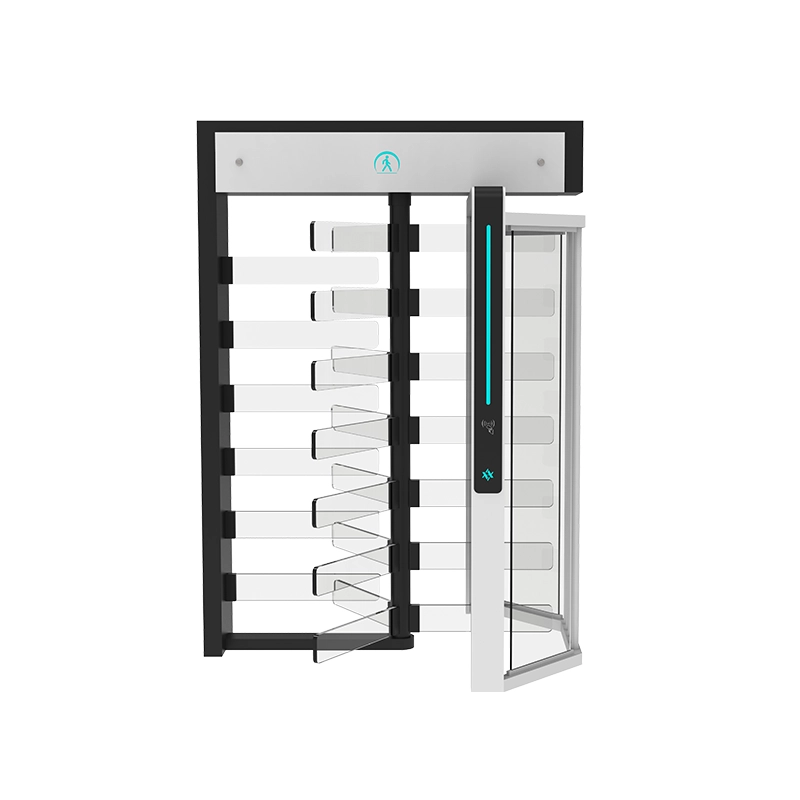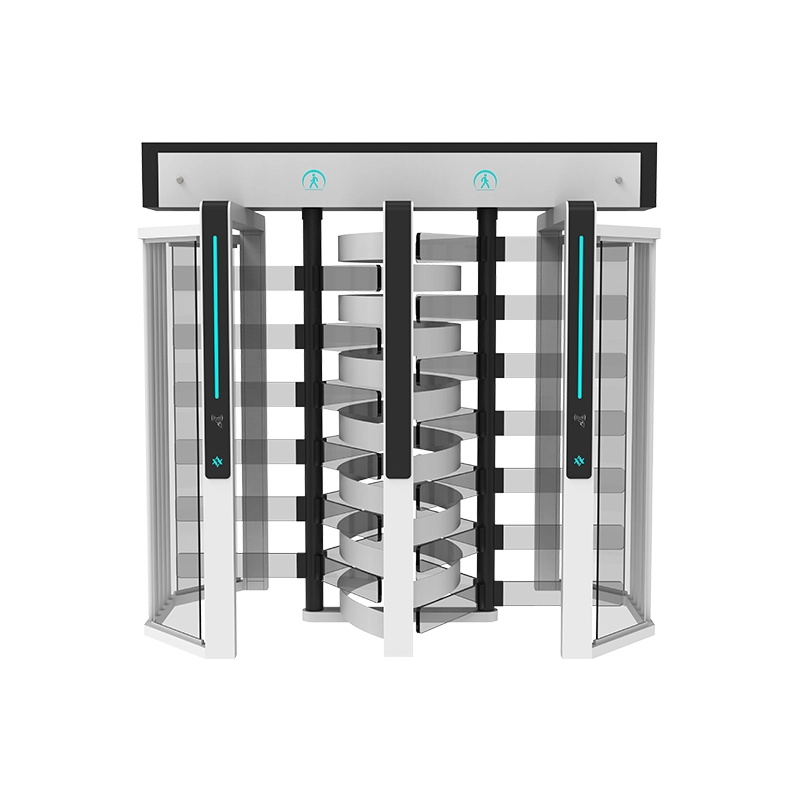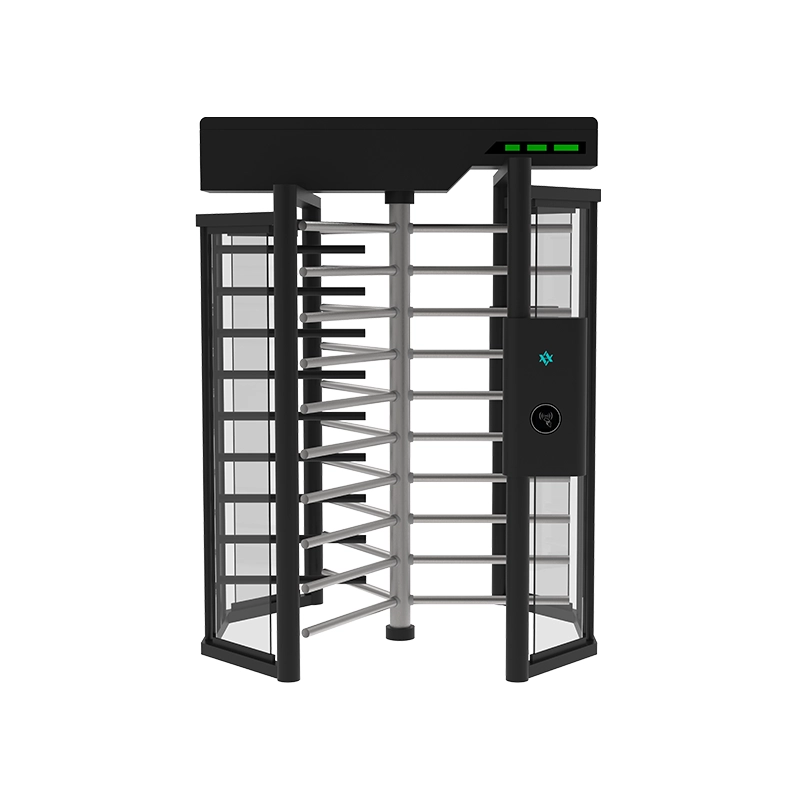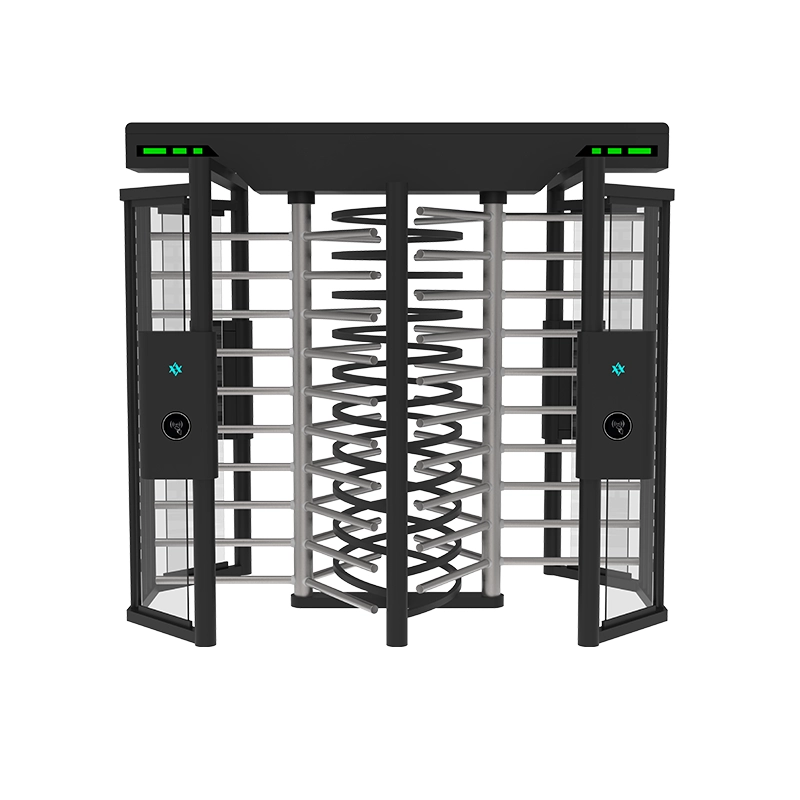

Are you struggling with long queues and security gaps in your office lobby? Inefficient entry systems waste time and compromise safety. Learn the true costs of gates to fix your entrance today.
Installing a sliding speed gate typically costs between $3,000 and $15,000 per lane, while barrier arms are much cheaper, ranging from $1,500 to $5,000. Sliding gates are best for indoor pedestrian lobbies due to their high security and aesthetics, whereas barrier arms are designed for vehicle or basic access control.
Choosing a gate system is a big decision for any office manager or building owner. I want to help you understand why prices vary so much. If you skip these details, you might spend money on a system that does not fit your building. I have seen many people make the mistake of looking only at the price tag without considering the installation and long-term use.
How much does it cost to have a sliding gate installed?
Poorly installed gates lead to constant mechanical failure and high repair bills. You need a clean installation to keep your office running. Secure your investment by understanding setup fees now.
Professional installation for a sliding gate costs between $1,000 and $3,000 per lane. This includes labor for floor mounting, power wiring, and connecting the gate to your office’s access control software. Costs vary based on floor material, such as marble or concrete, and local labor rates.
Breaking Down Installation Costs
When I look at a project, I always start with the floor. If your office has a raised floor or expensive marble, the price goes up. You need a specialist to drill or cut the floor without cracking the stone. This part of the job alone can take a full day. Then you have the electrical work. Every gate needs a dedicated power line. If the power source is far away, you will pay more for the cabling and the labor to hide those wires.
Software and Network Setup
A gate is just a piece of metal and glass until you connect it to your network. I have found that this is where many hidden costs hide. You need to pay an IT professional to link the gate to your employee database. If you use face recognition or RFID cards, each reader needs to be mounted and tested.
Common Installation Expenses
| Category | Estimated Cost | Why it varies |
|---|---|---|
| Floor Preparation | $300 – $800 | Harder floors like granite cost more to cut. |
| Electrical Wiring | $200 – $600 | Depends on the distance to the power box. |
| Access Control Mounting | $150 – $400 | Depends on the type of reader (Face vs. Card). |
| Software Configuration | $300 – $700 | Depends on the number of users and complexity. |
In my experience, you should also set aside about 10% of the total cost for unexpected issues. Sometimes the floor is not level, or the network signal is weak. These small problems can add hours to the labor time. I always tell my clients to ask for a "turnkey" price. This means the price includes everything from the first drill hole to the final software test.
Are sliding gates more expensive?
Budget limits often force offices to buy cheap barriers that look out of place. This hurts your brand and your security. See why the higher price of sliding gates is worth it.
Yes, sliding gates are more expensive than barrier arms because they use advanced infrared sensors, high-speed motors, and premium materials like tempered glass. While the initial price is higher, they offer better security against tailgating and a more professional appearance for corporate environments.
The Technology Difference
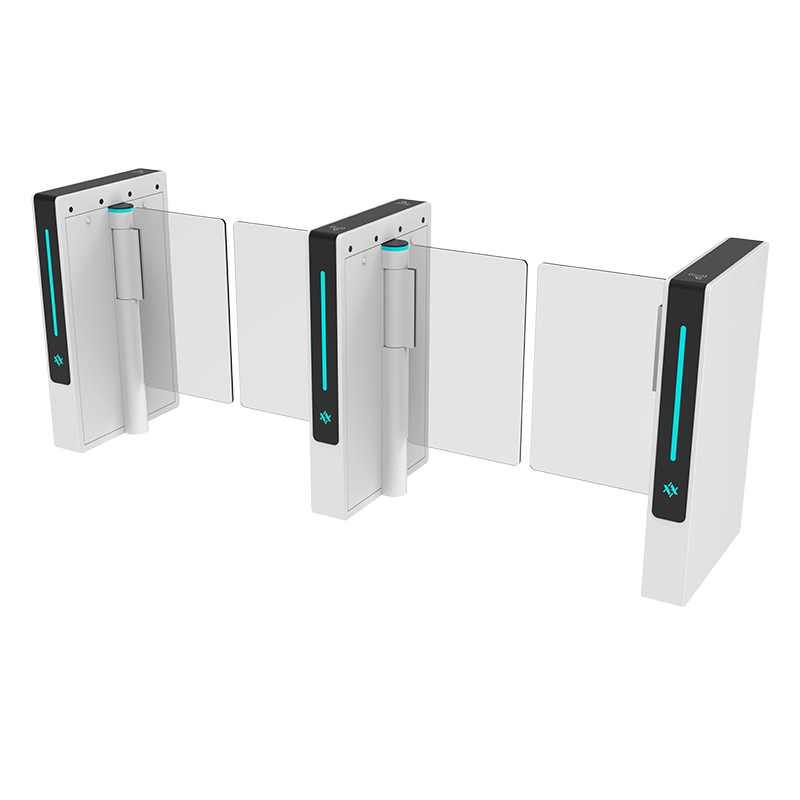
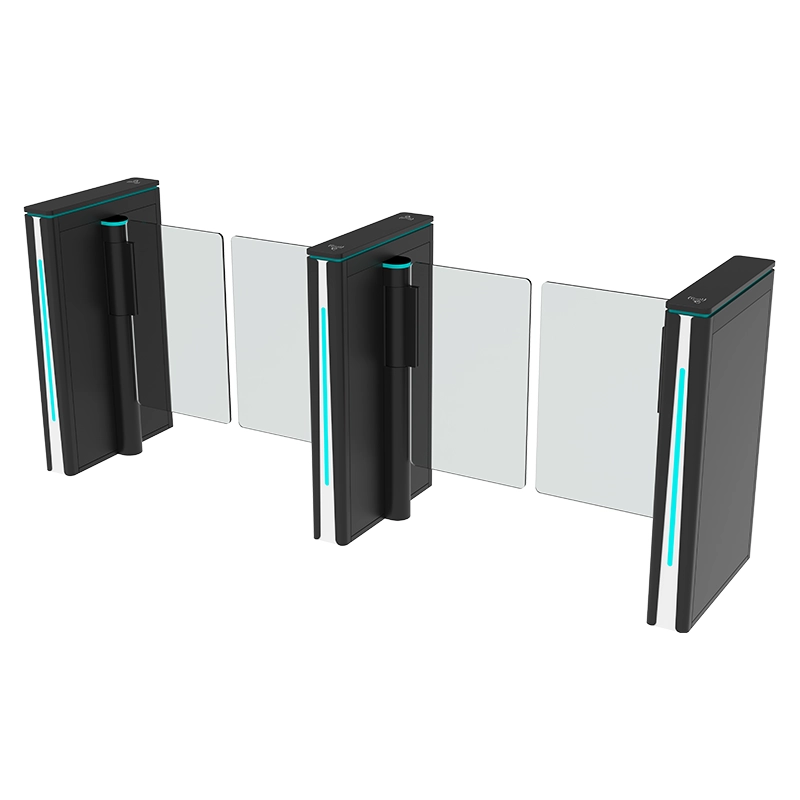
I often get asked why a sliding gate costs so much more than a simple barrier arm. The answer is in the technology. A barrier arm is just a motor and a stick. A sliding gate has a computer inside it. It uses dozens of sensors to track a person as they walk through. It knows if a second person is trying to sneak in behind them. This is called anti-tailgating. This technology costs a lot to build and calibrate.
Material and Aesthetic Value
The materials also make a big difference. Sliding gates use 304 or 316 stainless steel and thick tempered glass. These materials are heavy and expensive to ship. But they look beautiful in a modern office. A barrier arm is usually made of aluminum and plastic. It looks like it belongs in a parking lot, not a high-end lobby.
Long-Term Value Comparison
- Security: Sliding gates stop people from jumping over or crawling under. Barrier arms do not.
- Durability: High-end sliding gates use brushless motors. I have seen these run for 10 million cycles without a break.
- Safety: Sliding gates have many safety sensors to prevent pinching or hitting people.
- Throughput: You can move more people through a sliding gate per minute than a barrier arm.
When I talk to building owners, I explain that the gate is the first thing a visitor sees. If you have a cheap barrier, it sets a bad mood. If you have a sleek sliding gate, it shows that your company is modern and cares about safety. So, while the price is higher at the start, the value it adds to the building is much greater.
What are common problems with sliding gates?
A broken gate during rush hour is a nightmare for staff and security. Mechanical failures can lock people out or cause accidents. Avoid these issues by knowing what goes wrong.
Common problems include sensor misalignment, glass wing blockage, and motor wear from high-volume traffic. Most issues are caused by dirt on the infrared sensors or poor maintenance. Regular cleaning and using high-quality brushless motors can prevent these failures and ensure smooth operation.
Issues with Sensors and Lighting
I have seen many gates stop working because of something as simple as dust. The infrared sensors need to "see" each other to work. If the lobby is dusty or if the cleaning crew uses the wrong chemicals, the sensors can get cloudy. Also, very bright sunlight can sometimes blind the sensors. If your lobby has big windows, you need to make sure the sensors are strong enough to handle the light.
Mechanical Wear and Tear
The glass wings on a sliding gate are heavy. The motor has to move them very fast, hundreds of times a day. If you buy a cheap gate with a brushed motor, it will get hot and eventually fail. I always suggest using brushless motors. They are more expensive but they don’t have parts that rub together. This means they last much longer and run very quietly.
Potential Faults to Watch For
- Glass Alignment: If the gate is hit or if the floor settles, the glass might not close perfectly.
- Logic Board Errors: Power surges can fry the computer inside the gate.
- Obstruction Sensitivity: If the sensors are too sensitive, the gate might stop even if no one is there.
- Loose Cables: Over time, the vibration of the motor can make internal wires come loose.
I always tell my customers to have a maintenance plan. You should clean the sensors once a week and have a technician check the bolts and wires every six months. If you take care of the gate, it will take care of you. Most of the "problems" I see are just because someone forgot to clean the sensors or didn’t notice a loose screw.
How much do sliding gates cost?
Hidden fees and unclear pricing make it hard to plan your security budget. You don’t want surprises when the invoice arrives. Get the full breakdown of gate costs here.
A single lane of a sliding speed gate costs between $2,000 and $8,000 for the hardware alone. High-end models with custom finishes or extra-tall glass can exceed $12,000. These prices fluctuate based on the motor type, sensor count, and integration capabilities with face recognition or RFID systems.
Understanding Price Tiers
I find it easiest to group these gates into three levels. This helps you see where your budget fits.
Standard Level ($2,000 – $3,500): These are basic gates. They use stainless steel and have enough sensors for safety. They are good for schools or small offices.
Professional Level ($3,500 – $6,000): These use better motors and have more sensors to stop tailgating. They look sleeker and can handle much more traffic. Most big offices choose this level.
Luxury Level ($6,000+): These are for prestige buildings. They have custom colors, LED lights, and very tall glass. They often include the best face recognition technology built right into the frame.
Price Factors for Sliding Gates
| Feature | Impact on Price | Description |
|---|---|---|
| Motor Type | +$500 to $1,000 | Brushless motors are more expensive but better. |
| Glass Height | +$400 to $1,200 | Taller glass provides better security but costs more. |
| Finish/Color | +$300 to $1,000 | Custom colors like gold or black cost more than silver. |
| Sensor Count | +$200 to $500 | More sensors mean better safety and tailgating detection. |
Shipping and Hidden Fees
I must mention the costs that aren’t on the sticker. If you are importing gates, you need to pay for sea or air freight. You also have to pay import taxes and duties in your country. Then there is the cost of the crate. Because these gates have glass, they must be packed in strong wooden boxes. This can add another $100 to $200 per unit. Finally, don’t forget the spare parts. I always recommend buying an extra motor and a set of sensors at the start. It is much cheaper to buy them now than to ship them separately later when the gate is broken.
My Insights: Comparing Costs of Installing Slide Gates vs Barrier Arms for Offices
Debating between slide gates and barrier arms for your office? Understand the cost implications to make an informed decision.
Barrier arms are generally more affordable to install than slide gates, which require more extensive groundwork and construction. Costs typically range from $1,000–$12,000 for barrier arms and $1,000–$30,000 for slide gates, depending on design and automation.
Examining Cost Factors and Application Scenarios for Office Gates
Cost Comparison
Initial Installation:
- Barrier Arms: Typically cost $1,000–$12,000, depending on the length and complexity. Easier installation with less groundwork.
- Slide Gates: Range from $1,000–$30,000 due to heavier structures and necessary groundwork.
Long-term Expenses:
- Barrier arms generally incur lower maintenance costs but may require frequent replacement of moving parts.
- Slide gates provide robust security features and require higher operational costs due to their complex mechanisms.
Application and Suitability
| Gate Type | Best Use Case | Key Benefits |
|---|---|---|
| Barrier Arm | Suitable for budget-friendly entrances | Quick installation and access control |
| Slide Gate | Ideal for enhanced perimeter security | Strong security and deterrence |
Barrier arms are optimal for budget-conscious offices focused on vehicle access and quick installations. Slide gates, while more expensive, offer superior security and are suited for premises requiring strong deterrence against unauthorized access. Consider these factors to align choices with your security needs and financial constraints, ensuring your office entrance remains secure and effici## How much does it cost to have a sliding gate installed?
Poorly installed gates lead to constant mechanical failure and high repair bills. You need a clean installation to keep your office running. Secure your investment by understanding setup fees now.
Professional installation for a sliding gate[^1] costs between $1,000 and $3,000 per lane. This includes labor for floor mounting, power wiring, and connecting the gate to your office’s access control software. Costs vary based on floor material, such as marble or concrete, and local labor rates.
Breaking Down Installation Costs
When I look at a project, I always start with the floor. If your office has a raised floor or expensive marble, the price goes up. You need a specialist to drill or cut the floor without cracking the stone. This part of the job alone can take a full day. Then you have the electrical work. Every gate needs a dedicated power line. If the power source is far away, you will pay more for the cabling and the labor to hide those wires.
Software and Network Setup
A gate is just a piece of metal and glass until you connect it to your network. I have found that this is where many hidden costs hide. You need to pay an IT professional to link the gate to your employee database. If you use face recognition or RFID cards, each reader needs to be mounted and tested.
Common Installation Expenses
| Category | Estimated Cost | Why it varies |
|---|---|---|
| Floor Preparation | $300 – $800 | Harder floors like granite cost more to cut. |
| Electrical Wiring | $200 – $600 | Depends on the distance to the power box. |
| Access Control Mounting | $150 – $400 | Depends on the type of reader (Face vs. Card). |
| Software Configuration | $300 – $700 | Depends on the number of users and complexity. |
In my experience, you should also set aside about 10% of the total cost for unexpected issues. Sometimes the floor is not level, or the network signal is weak. These small problems can add hours to the labor time. I always tell my clients to ask for a "turnkey" price. This means the price includes everything from the first drill hole to the final software test.
Are sliding gates more expensive?
Budget limits often force offices to buy cheap barriers that look out of place. This hurts your brand and your security. See why the higher price of sliding gates is worth it.
Yes, sliding gates are more expensive than barrier arms because they use advanced infrared sensors, high-speed motors, and premium materials like tempered glass. While the initial price is higher, they offer better security against tailgating and a more professional appearance for corporate environments.
The Technology Difference
I often get asked why a sliding gate costs so much more than a simple barrier arm. The answer is in the technology. A barrier arm is just a motor and a stick. A sliding gate has a computer inside it. It uses dozens of sensors to track a person as they walk through. It knows if a second person is trying to sneak in behind them. This is called anti-tailgating. This technology costs a lot to build and calibrate.
Material and Aesthetic Value
The materials also make a big difference. Sliding gates use 304 or 316 stainless steel and thick tempered glass. These materials are heavy and expensive to ship. But they look beautiful in a modern office. A barrier arm is usually made of aluminum and plastic. It looks like it belongs in a parking lot, not a high-end lobby.
Long-Term Value Comparison
- Security: Sliding gates stop people from jumping over or crawling under. Barrier arms do not.
- Durability: High-end sliding gates use brushless motors. I have seen these run for 10 million cycles without a break.
- Safety: Sliding gates have many safety sensors to prevent pinching or hitting people.
- Throughput: You can move more people through a sliding gate per minute than a barrier arm.
When I talk to building owners, I explain that the gate is the first thing a visitor sees. If you have a cheap barrier, it sets a bad mood. If you have a sleek sliding gate, it shows that your company is modern and cares about safety. So, while the price is higher at the start, the value it adds to the building is much greater.
What are common problems with sliding gates?
A broken gate during rush hour is a nightmare for staff and security. Mechanical failures can lock people out or cause accidents. Avoid these issues by knowing what goes wrong.
Common problems include sensor misalignment, glass wing blockage, and motor wear from high-volume traffic. Most issues are caused by dirt on the infrared sensors or poor maintenance. Regular cleaning and using high-quality brushless motors can prevent these failures and ensure smooth operation.
Issues with Sensors and Lighting
I have seen many gates stop working because of something as simple as dust. The infrared sensors need to "see" each other to work. If the lobby is dusty or if the cleaning crew uses the wrong chemicals, the sensors can get cloudy. Also, very bright sunlight can sometimes blind the sensors. If your lobby has big windows, you need to make sure the sensors are strong enough to handle the light.
Mechanical Wear and Tear
The glass wings on a sliding gate are heavy. The motor has to move them very fast, hundreds of times a day. If you buy a cheap gate with a brushed motor, it will get hot and eventually fail. I always suggest using brushless motors. They are more expensive but they don’t have parts that rub together. This means they last much longer and run very quietly.
Potential Faults to Watch For
- Glass Alignment: If the gate is hit or if the floor settles, the glass might not close perfectly.
- Logic Board Errors: Power surges can fry the computer inside the gate.
- Obstruction Sensitivity: If the sensors are too sensitive, the gate might stop even if no one is there.
- Loose Cables: Over time, the vibration of the motor can make internal wires come loose.
I always tell my customers to have a maintenance plan. You should clean the sensors once a week and have a technician check the bolts and wires every six months. If you take care of the gate, it will take care of you. Most of the "problems" I see are just because someone forgot to clean the sensors or didn’t notice a loose screw.
How much do sliding gates cost?
Hidden fees and unclear pricing make it hard to plan your security budget. You don’t want surprises when the invoice arrives. Get the full breakdown of gate costs here.
A single lane of a sliding speed gate costs between $2,000 and $8,000 for the hardware alone. High-end models with custom finishes or extra-tall glass can exceed $12,000. These prices fluctuate based on the motor type, sensor count, and integration capabilities with face recognition or RFID systems.
Understanding Price Tiers
I find it easiest to group these gates into three levels. This helps you see where your budget fits.
Standard Level ($2,000 – $3,500): These are basic gates. They use stainless steel and have enough sensors for safety. They are good for schools or small offices.
Professional Level ($3,500 – $6,000): These use better motors and have more sensors to stop tailgating. They look sleeker and can handle much more traffic. Most big offices choose this level.
Luxury Level ($6,000+): These are for prestige buildings. They have custom colors, LED lights, and very tall glass. They often include the best face recognition technology built right into the frame.
Price Factors for Sliding Gates
| Feature | Impact on Price | Description |
|---|---|---|
| Motor Type | +$500 to $1,000 | Brushless motors are more expensive but better. |
| Glass Height | +$400 to $1,200 | Taller glass provides better security but costs more. |
| Finish/Color | +$300 to $1,000 | Custom colors like gold or black cost more than silver. |
| Sensor Count | +$200 to $500 | More sensors mean better safety and tailgating detection. |
Shipping and Hidden Fees
I must mention the costs that aren’t on the sticker. If you are importing gates, you need to pay for sea or air freight. You also have to pay import taxes and duties in your country. Then there is the cost of the crate. Because these gates have glass, they must be packed in strong wooden boxes. This can add another $100 to $200 per unit. Finally, don’t forget the spare parts. I always recommend buying an extra motor and a set of sensors at the start. It is much cheaper to buy them now than to ship them separately later when the gate is broken.
My Insights: Comparing Costs of Installing Slide Gates vs Barrier Arms for Offices
Debating between slide gates and barrier arms for your office? Understand the cost implications to make an informed decision.
Barrier arms are generally more affordable to install than slide gates, which require more extensive groundwork and construction. Costs typically range from $1,000–$12,000 for barrier arms and $1,000–$30,000 for slide gates, depending on design and automation.
Examining Cost Factors and Application Scenarios for Office Gates
Cost Comparison
Initial Installation:
- Barrier Arms: Typically cost $1,000–$12,000, depending on the length and complexity. Easier installation with less groundwork.
- Slide Gates: Range from $1,000–$30,000 due to heavier structures and necessary groundwork.
Long-term Expenses:
- Barrier arms generally incur lower maintenance costs but may require frequent replacement of moving parts.
- Slide gates provide robust security features and require higher operational costs due to their complex mechanisms.
Application and Suitability
| Gate Type | Best Use Case | Key Benefits |
|---|---|---|
| Barrier Arm | Suitable for budget-friendly entrances | Quick installation and access control |
| Slide Gate | Ideal for enhanced perimeter security | Strong security and deterrence |
Barrier arms are optimal for budget-conscious offices focused on vehicle access and quick installations. Slide gates, while more expensive, offer superior security and are suited for premises requiring strong deterrence against unauthorized access. Consider these factors to align choices with your security needs and financial constraints, ensuring your office entrance remains secure and efficient.
Conclusion
Sliding gates are a premium investment compared to barrier arms. While they cost more to buy and install, they provide the security and professional look needed for modern office environments.