

Managing building access is a difficult task when you have a tight budget. If you choose the wrong gate, you face long lines, high repair bills, and security gaps.
Tripod turnstiles cost between $1,000 and $3,000, making them a budget-friendly choice. Speed gates are premium options that cost between $4,000 and $10,000. Total costs depend on the motor type, glass materials, and access control technology.
I have worked with many property managers who feel lost when looking at price quotes. It is easy to just pick the cheapest option, but that often leads to more spending later. I want to share my experience to help you understand where your money goes. I will look at the hardware, the installation, and the long-term value of these different systems. By the end of this guide, you will know exactly which gate fits your needs and your wallet.
How much does it cost to install a turnstile?
Planning a security project is hard when you do not see the full price. Many people buy a gate but forget about the labor and parts needed to make it work.
Total installation costs for a single turnstile lane range from $2,500 to $12,000. This price includes the hardware, shipping, and professional labor for wiring and floor mounting. Adding advanced features like face recognition will increase the final cost by $1,000 to $3,000.
The Breakdown of Installation Costs
When I help clients plan their budgets, I always start with the "hidden" costs. You cannot just plug a turnstile into a wall outlet. You need a professional to drill into the floor and run data cables. If your floor is made of thick concrete or expensive marble, the labor cost goes up. I have seen projects where the floor work cost as much as the gate itself. You also need to think about the power supply and how the gate connects to your fire alarm system.
Software and Reader Integration
A gate is just a piece of metal until you add a reader. You have to choose between RFID cards, QR codes, or biometric systems. I often recommend high-quality readers because they save time for your users. If a reader is slow, people will get frustrated. Integration also involves software setup. You need to pay for the time it takes to sync the gate with your employee database.
Shipping and Local Labor
Shipping heavy equipment from a factory is expensive. Speed gates are heavy because of the glass and steel. You might pay $500 just for freight and customs. Then you need to hire a local technician. I suggest finding someone who has worked with security gates before. A mistake during installation can damage the motor or the sensors, which costs even more to fix.
Cost Summary Table
| Expense Category | Tripod Turnstile (Low) | Speed Gate (High) |
|---|---|---|
| Hardware Unit | $1,200 | $7,500 |
| Shipping & Tax | $400 | $1,000 |
| Professional Labor | $800 | $2,000 |
| Access Readers | $500 | $2,500 |
| Estimated Total | $2,900 | $13,000 |
Are turnstile gates ADA compliant?
Ignoring accessibility laws can lead to expensive legal trouble and a bad reputation. If your entrance blocks people in wheelchairs, you are creating a barrier that hurts your business and your community.
Standard tripod turnstiles are not ADA compliant because they are too narrow for wheelchairs. To meet ADA standards, you must use a swing gate or a wide-lane speed gate. These gates must provide at least 32 to 36 inches of clear passage space.
Why ADA Compliance Matters
I always tell my customers that an entrance should be for everyone. If you only install tripod turnstiles, a person in a wheelchair cannot enter your building. This is a big problem for offices and public spaces. In many countries, the law requires at least one accessible lane. If you ignore this, you might have to pay heavy fines. It also makes your building look outdated and unfriendly.
How to Choose an Accessible Gate
A swing gate is the most common way to solve this. It has a single long arm that swings open to create a wide path. You can also buy speed gates with extra-wide glass panels. These are great because they look the same as your standard lanes. I find that most modern buildings prefer this look because it keeps the lobby design consistent. You also need to make sure the sensors are smart. They must detect a wheelchair and keep the doors open long enough for the person to pass safely.
Key Factors for Accessibility
- Passage Width: You need a minimum of 32 inches, but 36 inches is better for comfort.
- Opening Speed: The gate should open quickly but close slowly to avoid hitting anyone.
- Emergency Mode: The gate must stay open if the power goes out or the fire alarm rings.
- Sensor Height: The sensors must see low-profile objects like the footrests of a wheelchair.
The Value of a Wide Lane
Think of a wide lane as a "VIP" lane. It is not just for wheelchairs. It is also perfect for delivery people with carts, parents with strollers, or visitors with large suitcases. When I design a layout, I always place the wide lane near the reception desk. This allows the staff to help anyone who has trouble with the gate. Even though a wide lane costs about 20% more than a standard lane, the convenience it provides is worth every penny.
What are the different types of turnstile gates?
Choosing the wrong type of gate causes bottlenecks and security risks. If you use a slow gate in a busy subway or a weak gate in a high-security area, you will have constant problems.
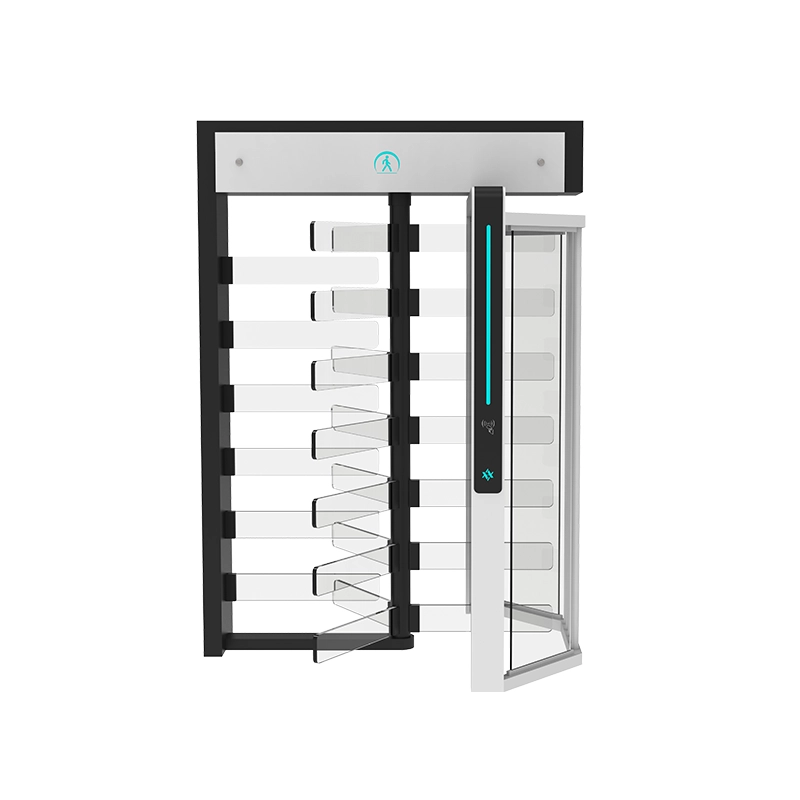
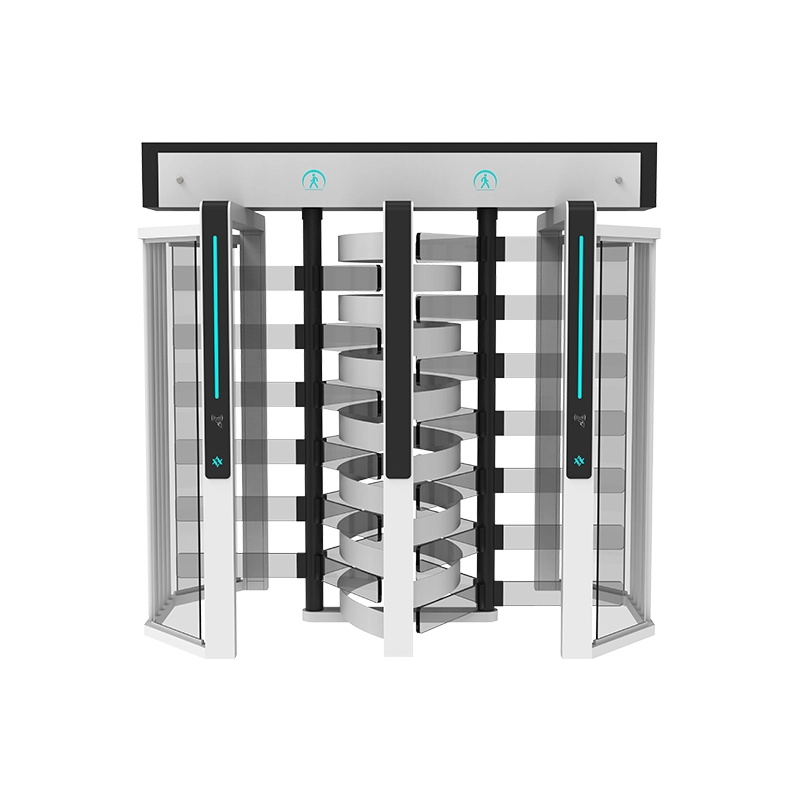
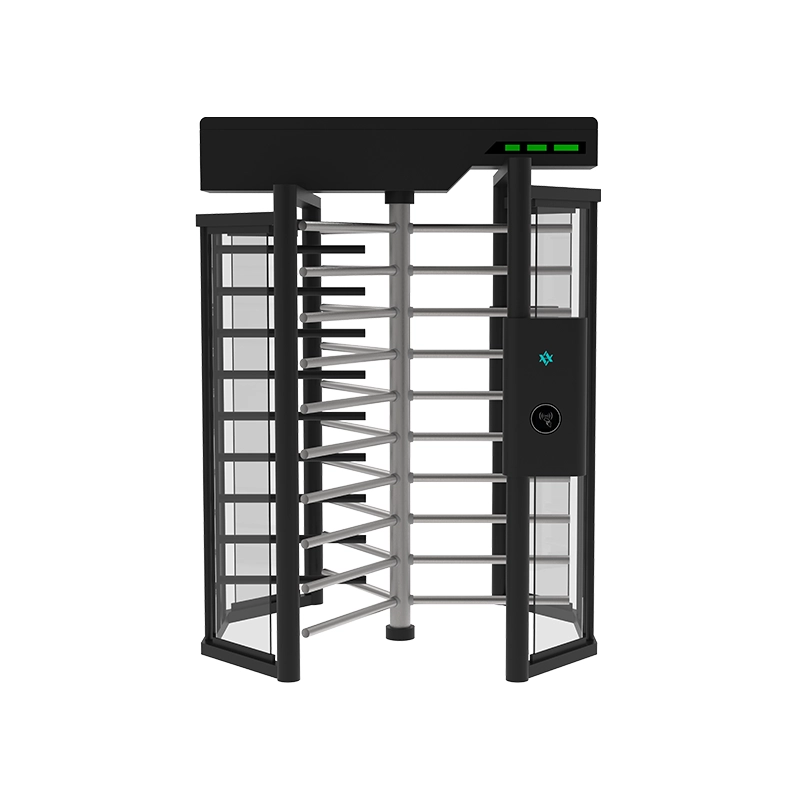
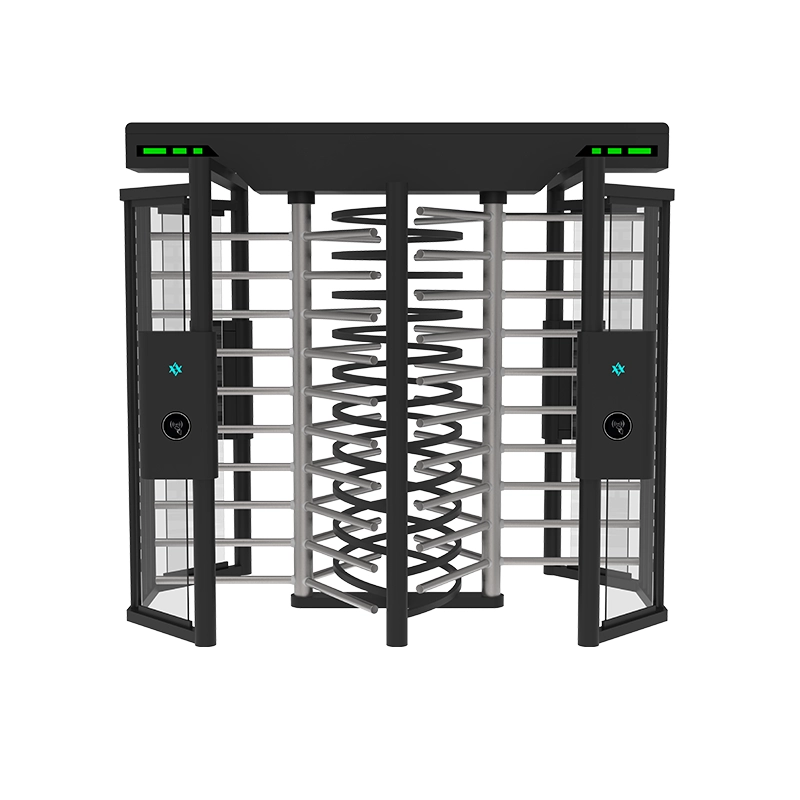
The four main types are tripod turnstiles, flap barriers, speed gates, and full-height turnstiles. Tripods are for basic crowd control, while speed gates offer high-end looks. Full-height gates provide maximum security for outdoor areas or high-risk sites.
Understanding Each Gate Type
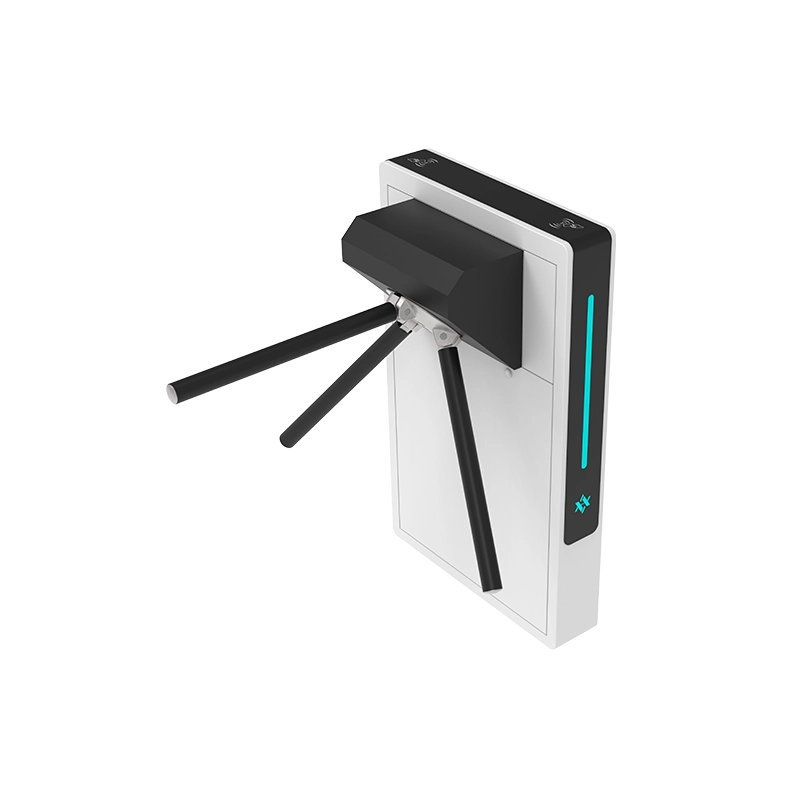
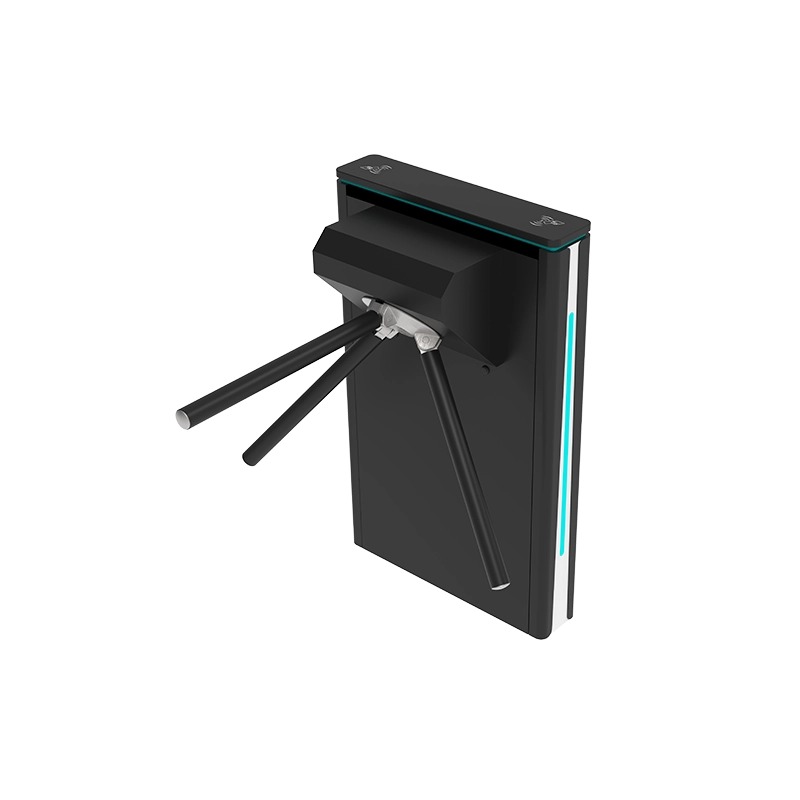
I like to explain these types by looking at where they work best. A factory has different needs than a bank. A tripod turnstile is a classic choice. It has three metal arms that rotate. It is very strong and handles a lot of abuse. I often suggest these for gyms or construction sites because they are cheap to fix and hard to break. But they do not look very modern, and people can jump over them easily.
High-Speed Options
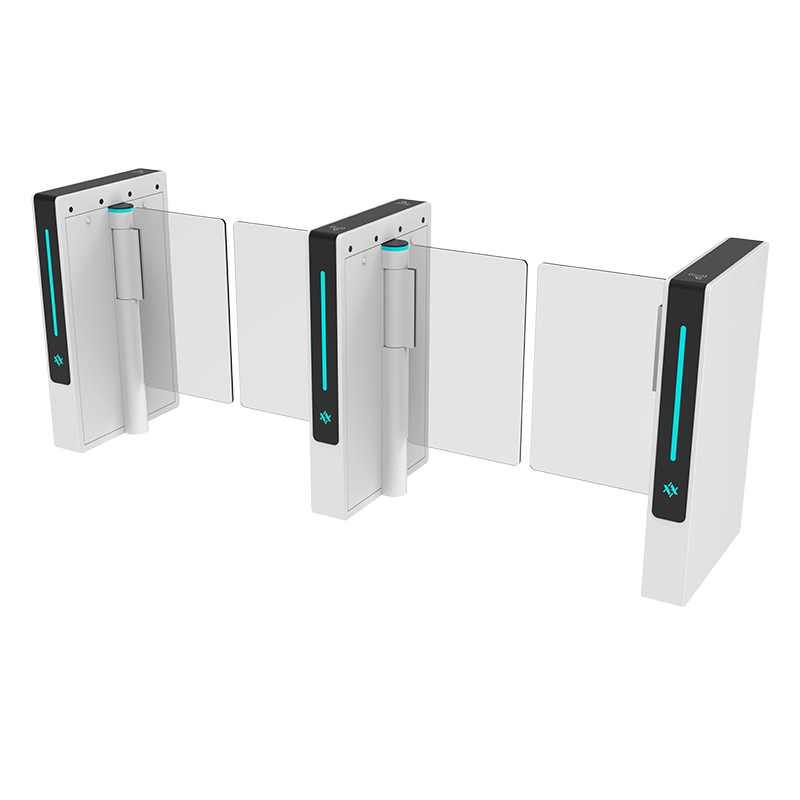
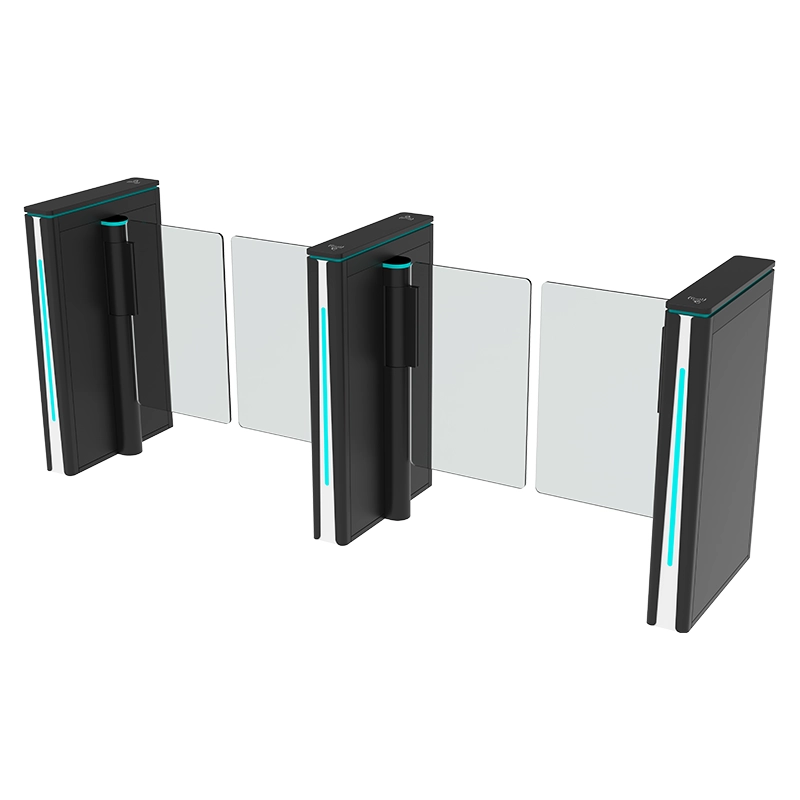
Flap barriers are what you see in many train stations. They have wings that pull back into the cabinet. They are very fast. If you have hundreds of people coming in at the same time, this is a great choice. Speed gates are similar but usually have glass doors that swing or slide. They are the most popular choice for office buildings today because they look beautiful and work silently.
High-Security Options
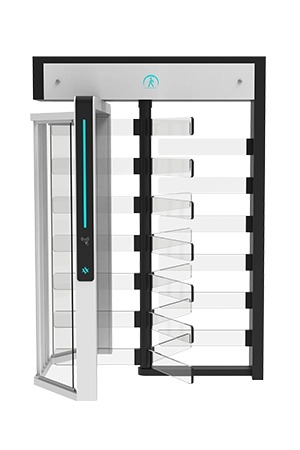
Full-height turnstiles look like big cages. They are made of floor-to-ceiling steel bars. You cannot jump over them or crawl under them. I see these used mostly at stadiums, data centers, and industrial yards. They are the most expensive to ship because they are so big. But they offer the best physical security without needing a guard to watch them 24/7.
Comparison Table of Gate Types
| Gate Type | Best For | Security Level | Speed |
|---|---|---|---|
| Tripod | Gyms & Sites | Low-Medium | Medium |
| Flap Barrier | Transit Hubs | Medium | Very High |
| Speed Gate | Offices & Hotels | Medium-High | High |
| Full-Height | Prisons & Yards | Very High | Low |
Materials and Durability
Most gates are made of stainless steel. I usually recommend 304-grade steel for indoor use. If your gate is near the ocean or outdoors, you should pay more for 316-grade steel. It resists rust much better. The internal parts are also important. I prefer brushless motors because they do not have parts that rub together. This means they last for many years without needing oil or repairs. Choosing high-quality materials at the start will save you a lot of money on maintenance over time.
What is the difference between a speed gate and a turnstile?
Confusing these two terms can lead you to buy the wrong equipment. While they both control access, they provide a very different experience for the people walking through them.
A speed gate is a sophisticated system that uses sensors and glass panels for a touchless entry experience. A traditional turnstile is a mechanical device, like a tripod, that requires the user to push a bar to pass.
Technology vs. Mechanics
The biggest difference is the "brain" of the machine. A speed gate is full of infrared sensors. These sensors track your body as you walk. If you are too close to the person in front of you, the gate will alarm to stop "tailgating." A traditional turnstile is mostly mechanical. You tap your card, a lock clicks open, and you push the arm. It is a very simple process. I find that speed gates are better for buildings that want to look professional and high-tech.
User Experience and Comfort
I notice a big change in how people act when they use a speed gate. It feels more welcoming. You do not have to touch anything, which is great for hygiene. The gate opens automatically as you walk toward it. This is called "frictionless" entry. A traditional turnstile forces you to stop and move a heavy metal bar. In a busy office, this can feel annoying after a while. Speed gates are also much quieter. Traditional turnstiles often make a loud clicking sound every time someone passes.
Maintenance and Lifespan
You might think a simple machine lasts longer, but that is not always true. Traditional turnstiles have mechanical parts that wear out from friction. Speed gates use high-tech motors that move very smoothly. I have seen speed gates run for 5 million cycles without a single issue. However, if a speed gate does break, the parts are more expensive. You are paying for a premium experience, and that includes the cost of high-tech spare parts.
Strategic Selection Criteria
- Atmosphere: Use speed gates if you want to impress visitors and create a modern feel.
- Budget: Use tripod turnstiles if you just need to count people and keep costs very low.
- Security Needs: Speed gates are better at catching tailgaters because of their sensors.
- Traffic Volume: Both can handle high traffic, but speed gates feel faster because people don’t have to stop to push a bar.
My Insights: Evaluating Costs of Speed Gates vs Tripod Turnstiles
Confused about choosing between speed gates and tripod turnstiles for your office? Discover the cost differences to make an informed choice.
Speed gates generally incur higher initial costs than tripod turnstiles, with prices around $2,000–$5,000+, while tripod turnstiles range from $400–$1,200. Speed gates offer advanced features and faster throughput, justifying the premium for high-traffic areas.
Understanding the Cost-Benefit Analysis of Speed Gates and Tripod Turnstiles
Cost Breakdown
Initial Investment:
- Tripod Turnstiles: Affordable, ranging from $400–$1,200. Ideal for budget-conscious applications like schools and gyms.
- Speed Gates: Range from $2,000–$5,000+, with premium projects exceeding $8,000. Suitable for modern, high-traffic environments.
Operational Costs:
- Maintenance: Speed gates may have higher maintenance due to complex mechanisms, while tripod turnstiles have lower operational expenses.
- Integration and Upgrades: Speed gates integrate seamlessly with advanced access systems, but this can increase costs over time.
Choosing the Right Option
| Type | Advantages | Suitable For |
|---|---|---|
| Tripod Turnstile | Budget-friendly, compact | Schools, gyms, areas with moderate security needs |
| Speed Gate | Faster throughput, sleek design | Premium offices, high-traffic lobbies, modern environments |
Speed gates provide superior throughput and a modern aesthetic, making them worth the investment in busy, upscale settings. Tripod turnstiles offer a cost-effective solution for basic access control needs. Evaluate based on your budget and security requirements to choose the best fit for your office space.
Conclusion
Tripod turnstiles are the best choice for saving money on high-traffic, low-security areas. Speed gates are better for modern offices that need high-end looks, ADA compliance, and advanced sensor security.
](https://aipadaturnstile.com/wp-content/uploads/2025/11/AT107-TC-01.webp)
](https://aipadaturnstile.com/wp-content/uploads/2025/12/vertical-tripod-turnstile.jpg)
](https://aipadaturnstile.com/wp-content/uploads/2025/12/popup-img.jpg)