

Security gates face heavy use every day. If you ignore small problems, your whole system will eventually stop working. I want to help you prevent these costly mechanical failures.
Regular maintenance for full height turnstiles requires cleaning the infrared sensors, lubricating the main rotor bearings, and checking the hydraulic damper tension. You must also tighten all mounting bolts and inspect the electrical control board for dust. Consistent upkeep prevents mechanical jams and ensures the gate stays secure for years.
Maintenance might seem like a lot of work, but it saves you from expensive repairs. If you want to keep your site safe and avoid long lines, you should follow a simple service plan.
How to service a turnstile?
Broken gates cause long lines and security risks. You might think servicing them is hard or requires a team of engineers. It is actually a very straightforward process you can do.
To service a turnstile, you must first turn off the power. Clean the metal housing and all sensors with a soft cloth. Check the mechanical brake and hydraulic damper for signs of wear. Lubricate the main shaft and tighten every screw. Finally, test the emergency exit functions to ensure they work during a power cut.
Mechanical Inspection and Lubrication
When I start a service, I always look at the moving parts first. The rotor is very heavy and puts a lot of pressure on the top and bottom bearings. I use high-quality grease to keep these parts moving without friction. If the bearings get dry, the gate will make a loud grinding noise. This noise means the metal is wearing down. I also check the tension of the return springs. These springs pull the arms back to the home position after a person passes through. If they are loose, the gate will stop in the wrong place.
Electronic and Sensor Care
The electronic "brain" of the gate needs a different kind of care. I use compressed air to blow dust off the control board. Dust can cause short circuits if the air is humid. I also check the wiring for the solenoid. The solenoid is the part that locks the rotor. If the wires are loose, the gate might stay locked even when a valid card is scanned. I wipe the lenses of the infrared sensors with a microfiber cloth. Dirty sensors are the most common reason for gate malfunctions.
Hardware and Safety Checks
I always finish by checking the structural integrity of the unit. These gates are often installed in concrete. I use a wrench to make sure the floor bolts are tight. If the gate wobbles, it will damage the internal motor over time. I also test the fire alarm integration. When the fire alarm goes off, the gate must automatically switch to a "free-spin" mode. This allows people to leave the building quickly without needing a key or card.
| Maintenance Task | Component | Benefit |
|---|---|---|
| Dusting | Control Board | Prevents short circuits |
| Greasing | Main Bearings | Reduces noise and wear |
| Wiping | IR Sensors | Ensures fast response |
| Tightening | Base Bolts | Stops vibrations |
| Testing | Emergency Mode | Ensures safety compliance |
What is a full height turnstile?
Standard doors are easy to breach. Security guards cannot watch every person for 24 hours. You need a physical barrier that works automatically without any human mistakes or breaks.
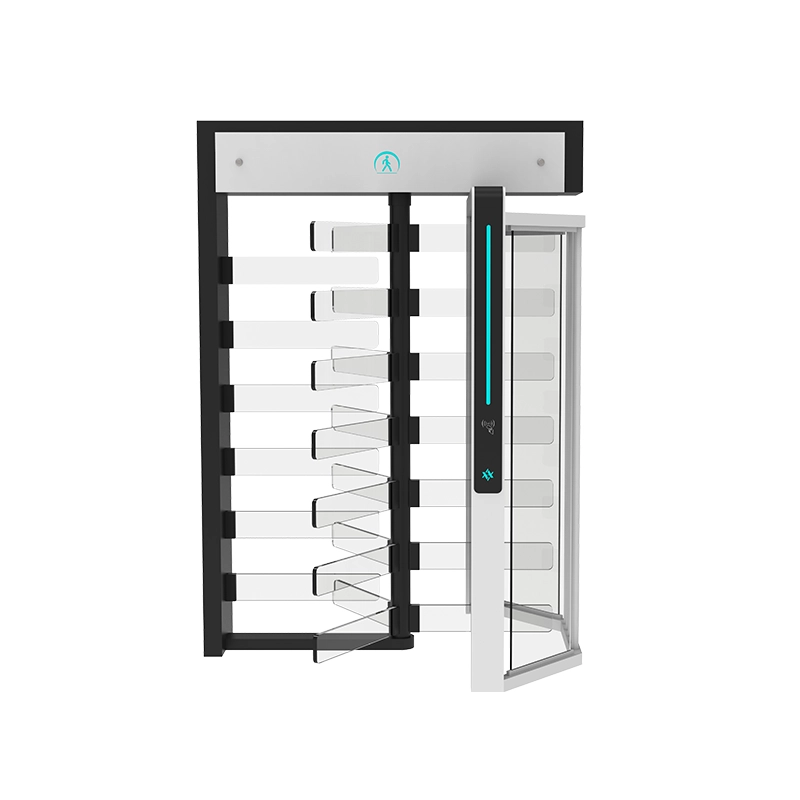
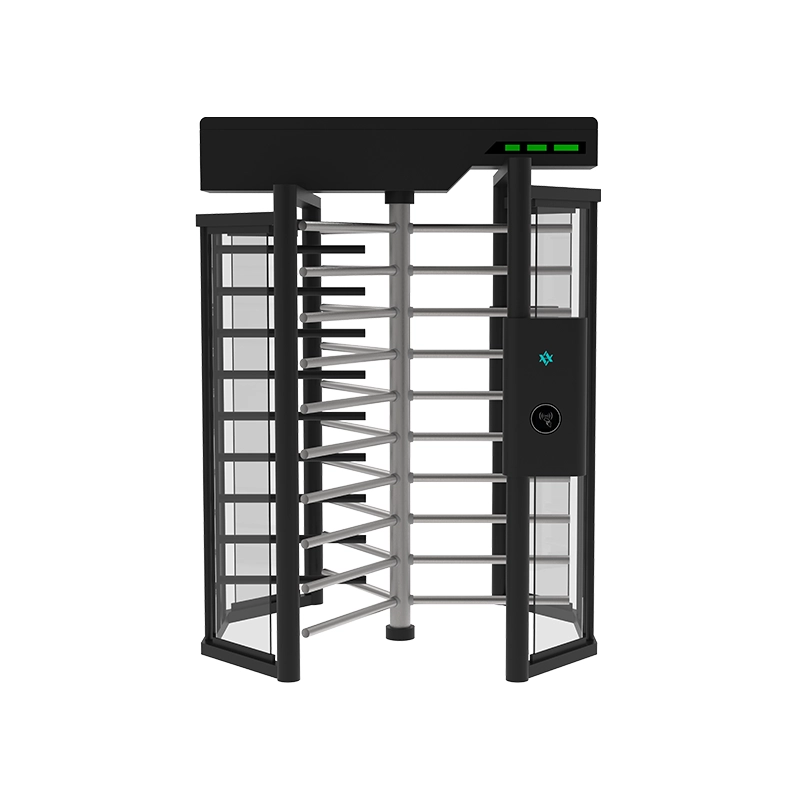
A full height turnstile is a floor-to-ceiling security gate that uses a rotating set of arms to control entry. It prevents tailgating by allowing only one person to pass per valid scan. These gates are the most secure choice for construction sites, factories, and high-security zones.
Physical Design and Construction
When I describe these gates to my clients, I call them "revolving doors for security." They are usually made from heavy-duty 304 stainless steel. This material is great because it does not rust easily when used outside. The gate has a center post called a rotor. This rotor has three or four rows of arms. The frame around the rotor is built so that no one can climb over the top or crawl under the bottom. This design creates a total physical seal for your entrance.
How the Mechanism Works
The logic behind these gates is simple but very effective. When the system is locked, the arms cannot move in either direction. Once you scan a badge or use a face recognition sensor, the solenoid releases the lock. You push the arm, and the gate rotates. Most modern gates use a semi-automatic system. This means the motor helps the arms finish the turn and then locks them again instantly. This prevents a second person from sneaking in behind the first person.
Common Configurations
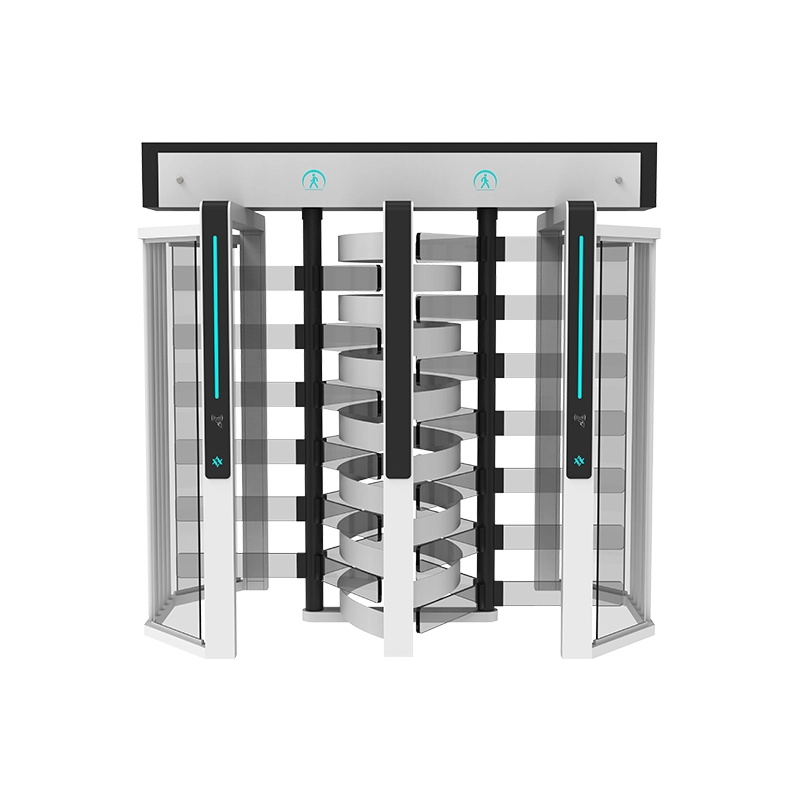
I often help people choose between single-lane and double-lane models. A single-lane gate is good for small entrances. A double-lane model has two rotors in one frame. This saves space and is usually cheaper than buying two separate gates. You can also choose between 90-degree and 120-degree rotors. The 120-degree version gives the person more space to walk through, which is better for people carrying bags or wearing thick work clothes.
- 90-degree rotor: Four sections, highest security, less walking space.
- 120-degree rotor: Three sections, very comfortable, high security.
- Manual mode: Works without a motor, purely mechanical.
- Semi-automatic: Uses a motor to assist the rotation.
How often should a gate be serviced?
Many people wait until a gate stops moving before they call for help. By then, the damage is already done. You need a regular schedule to save your budget and keep things running.
You should service a high-traffic gate every three months. If the gate is in a clean office, you can wait six months. Locations with lots of dust or salty air need a quick check every month. Frequent service prevents small issues from turning into expensive motor replacements or broken parts.
Traffic Volume and Wear
The main factor that determines your schedule is how many people use the gate. I have seen gates in busy subway stations that turn thousands of times every day. In these spots, the bearings and springs wear out much faster. I tell my customers to keep a log of how many cycles the gate has completed. If your gate hits 500,000 turns, you must do a deep inspection. For a small office with only 50 staff members, a yearly check might be enough, but I still recommend twice a year just to be safe.
Environmental Challenges
The environment around the gate changes everything. If your turnstile is at a construction site, dust will get into the mechanism. This dust acts like sandpaper and ruins the gears. If the gate is near the ocean, the salt in the air can cause "pitting" on the stainless steel. In these cases, I suggest cleaning the surface once a week. Cold weather is also a problem. In winter, the oil inside the hydraulic damper can get thick. You might need to adjust the tension settings when the seasons change to keep the rotation smooth.
| Environment Type | Traffic Level | Service Interval |
|---|---|---|
| Construction Site | Very High | Every 1 Month |
| Factory Entrance | High | Every 3 Months |
| Office Building | Medium | Every 6 Months |
| Data Center | Low | Every 12 Months |
What makes a turnstile so good?
Managing large crowds is a difficult job for any business. You want to save money on labor while improving site safety. Automated gates are the most reliable tool to help you achieve this.
Full height turnstiles are excellent because they offer 100% tailgating prevention and work in all weather conditions. They integrate with face recognition and RFID systems to provide real-time attendance data. These gates require very little power to operate while providing maximum physical security 24 hours a day.
High Security and Tailgating Prevention
The biggest benefit I see is the end of tailgating. With a standard door, one person opens it and three people can walk in. You cannot do that with a full height turnstile[^1]. The arms lock as soon as one person passes. This is why they are so popular at places like prisons or power plants. You do not need a guard to stand there and count people. The machine does the work for you. It is a one-time investment that replaces the need for extra security staff at the entrance.
Integration with Modern Technology
I love how these gates can connect to almost any system. You can put a fingerprint scanner, a QR code reader, or a high-speed camera on the frame. At AIPADA, we make sure our gates can "talk" to these devices without any delay. This means the gate opens the moment the system recognizes your face. It makes the entry process feel very high-tech and professional. Also, because we use brushless motors, the gates are very quiet. They do not make loud clanking sounds that disturb the environment.
Safety and Reliability
Modern turnstiles are designed to be safe. Even though they are made of heavy steel, they have infrared sensors to prevent the arms from hitting someone. If a person stops in the middle of the turn, the gate stops too. This "anti-pinch" feature is very important for protecting your employees and visitors. In my experience, a well-maintained gate can last for over 5 million cycles. This makes it one of the most reliable pieces of security equipment you can buy for your facility.
Key Benefits of Full Height Gates:
- Weatherproof: Designed to work in rain, snow, and heat.
- Low Maintenance: Requires very few parts to be replaced over time.
- Visual Deterrent: Just looking at the gate stops people from trying to sneak in.
- Data Tracking: Gives you an exact count of who is on-site at all times.
My Insights: Essential Maintenance for Full Height Turnstiles
Struggling with turnstile maintenance? Discover key upkeep tips to ensure smooth operation and longevity.
Full height turnstiles require regular maintenance including lubrication, cleaning, and inspections of mechanical and electronic components. Ensuring alignment, testing access systems, and updating software are vital for minimizing downtime and extending service life.
Comprehensive Guide to Maintaining Full Height Turnstiles
Routine Upkeep
Cleaning and Surface Care
- Weekly cleaning with a non-abrasive cleaner prevents corrosion and preserves finish.
- Regular wiping prevents grime buildup on stainless steel and panels.
Lubrication and Mechanical Checks
- Every 6-12 months, lubricate rotor arms, bearings, and transmission parts using a silicone-based lubricant.
- Inspect for loose fasteners or bent arms, adjusting as needed to prevent misalignment.
Electrical and Structural Maintenance
| Task | Frequency | Details |
|---|---|---|
| Sensor Checks | Monthly | Clean optical sensors and card readers. |
| Electronic Testing | Regularly | Confirm operation of electronics and safety features. |
| Structural Inspections | Every few months | Ensure mounting hardware and panels are secure. |
Long-term Strategies
- Avoid forced operations by training users to respect the turnstile’s movements.
- Plan annual professional servicing for part replacements and firmware updates in high-traffic areas.
By understanding maintenance requirements and adherence to a regular schedule, full height turnstiles can remain efficient and effective for years. Adapting maintenance practices based on the specific model and environment ensures optimal performance and safety.
Conclusion
Regular maintenance is the best way to keep your full height turnstiles working perfectly. By cleaning sensors and lubricating parts, you ensure a safe and secure entrance for everyone.
](https://aipadaturnstile.com/wp-content/uploads/2025/11/AT107-TC-01.webp)
](https://aipadaturnstile.com/wp-content/uploads/2025/12/vertical-tripod-turnstile.jpg)

](https://aipadaturnstile.com/wp-content/uploads/2025/12/popup-img.jpg)