
](https://aipadaturnstile.com/wp-content/uploads/2026/04/What-are-the-Different-Types-of-Security-Turnstiles.jpg "What are the Different Types of Security Turnstiles")

Managing the flow of people in various locations presents a constant challenge. Efficient entry and exit systems are crucial for maintaining order and security.
Security turnstiles are vital tools for controlling access and enhancing safety across diverse environments. They are available in many configurations, each tailored to specific requirements, ensuring orderly passage and regulated entry. From fundamental access points to advanced security barriers, understanding these types assists in selecting the appropriate solution for any setting.
This discussion explores the range of security turnstiles. It explains how these devices contribute to improved safety and streamlined access for all users.
What are the different types of turnstiles?
Understanding the various turnstile types is essential for selecting an appropriate access control solution. Each design offers distinct features and benefits.
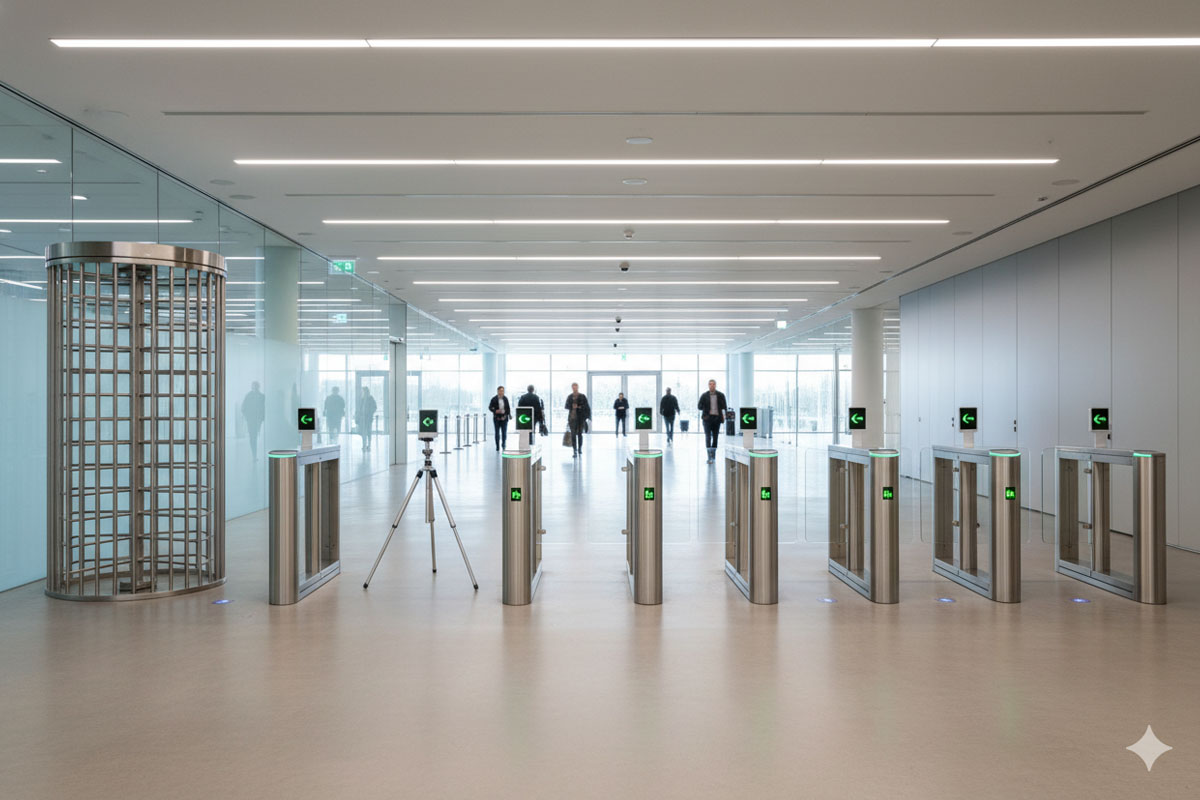
Multiple types of turnstiles exist, each providing specific functionalities and advantages. The primary categories include speed gates[^1], swing turnstiles[^2], flap barriers[^3], tripod turnstiles[^4], and full-height turnstiles[^5]. Each category delivers different levels of security, operational speed, and aesthetic design to meet a wide array of access control demands.
A detailed examination of each turnstile type reveals its unique characteristics and optimal applications. This overview helps clarify their purpose and operational mechanics.
Speed Gates
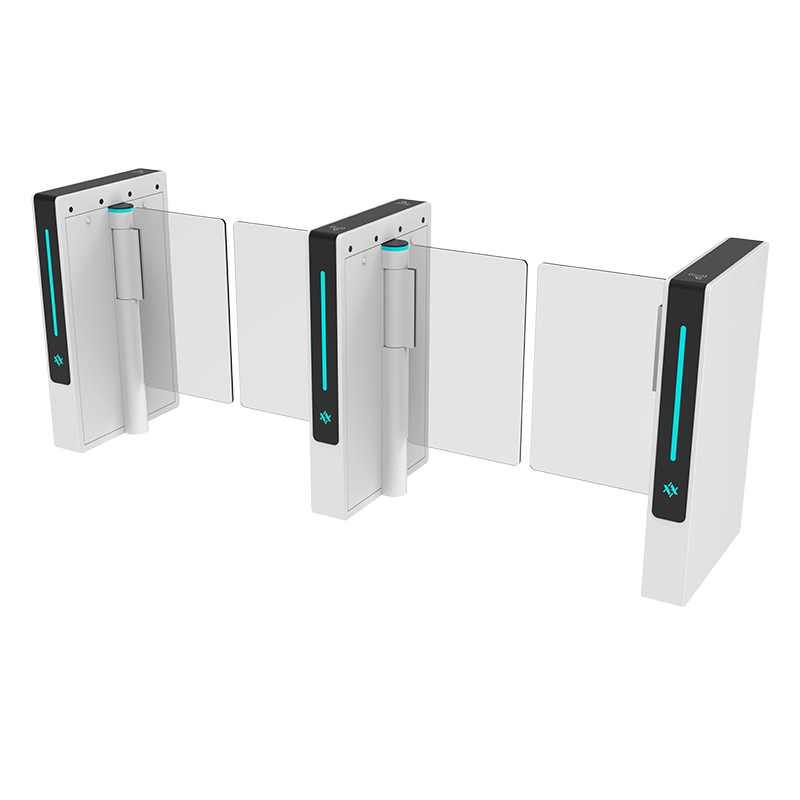
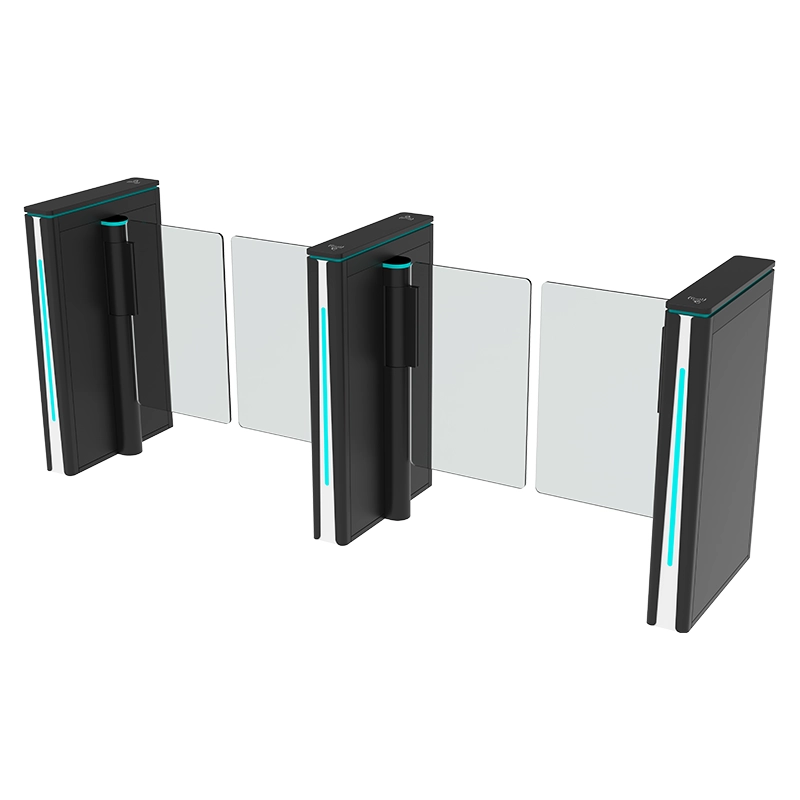
Speed gates are characterized by their sleek appearance and rapid operation. They are frequently deployed in environments requiring high throughput, such as corporate offices and exclusive access zones. These gates utilize optical sensors to detect individuals, opening swiftly upon valid authorization. Their design supports quick, quiet transitions, making them suitable for high-traffic, professional settings.
Swing Turnstiles
Swing turnstiles feature pivoting panels that provide broad passageways. This design makes them adaptable for various users, including those with wheelchairs, strollers, or large luggage. They are commonly found in public transit hubs, accessible building entrances, and other locations where flexible access is necessary. Their versatility accommodates diverse user needs effectively.
Flap Barriers
Flap barriers share operational similarities with speed gates but employ retractable flaps as barriers. They are known for their high-speed throughput and are often installed in locations like subway stations and customs checkpoints. These barriers efficiently manage substantial pedestrian volumes, maintaining rapid flow even during peak hours.
Tripod Turnstiles
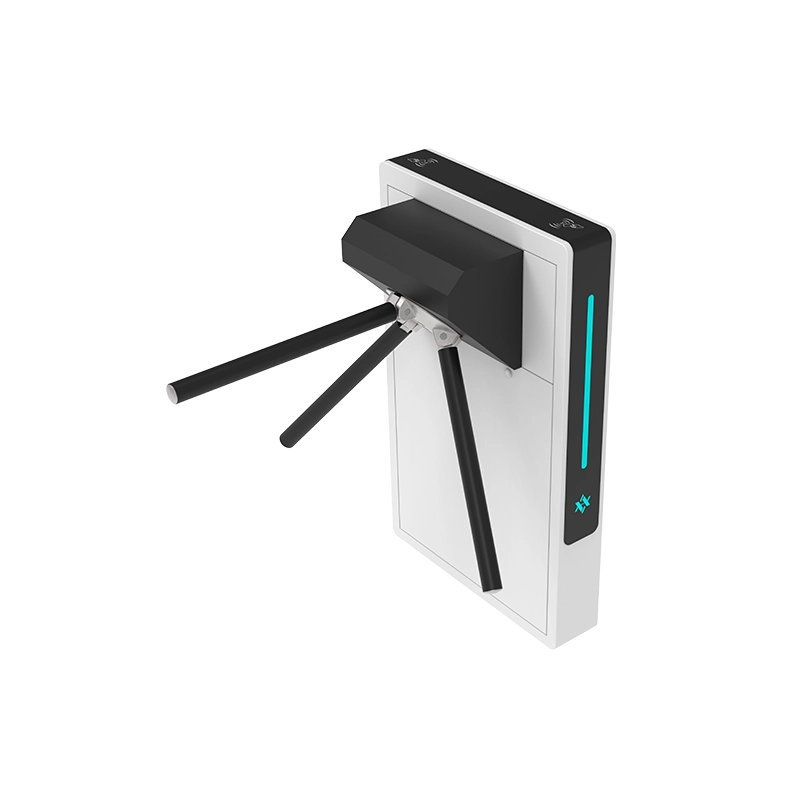
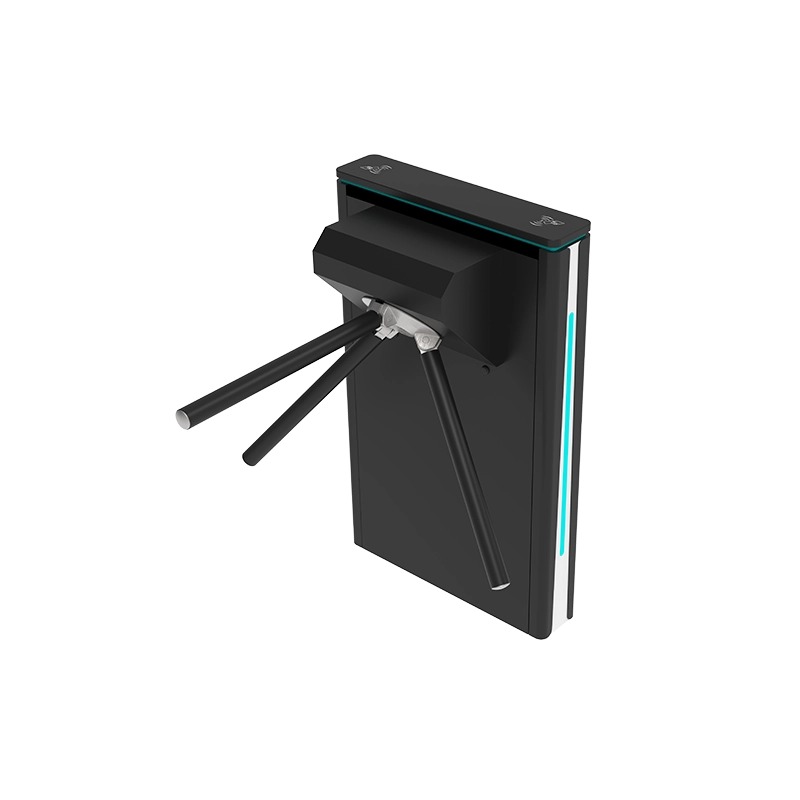
Tripod turnstiles are a traditional and economical option, featuring three rotating arms. They are widely used in settings such as manufacturing facilities, amusement parks, and fitness centers. These turnstiles balance security and cost-effectiveness, providing a reliable solution for various access control requirements. Their straightforward mechanism offers consistent performance.
Full-Height Turnstiles
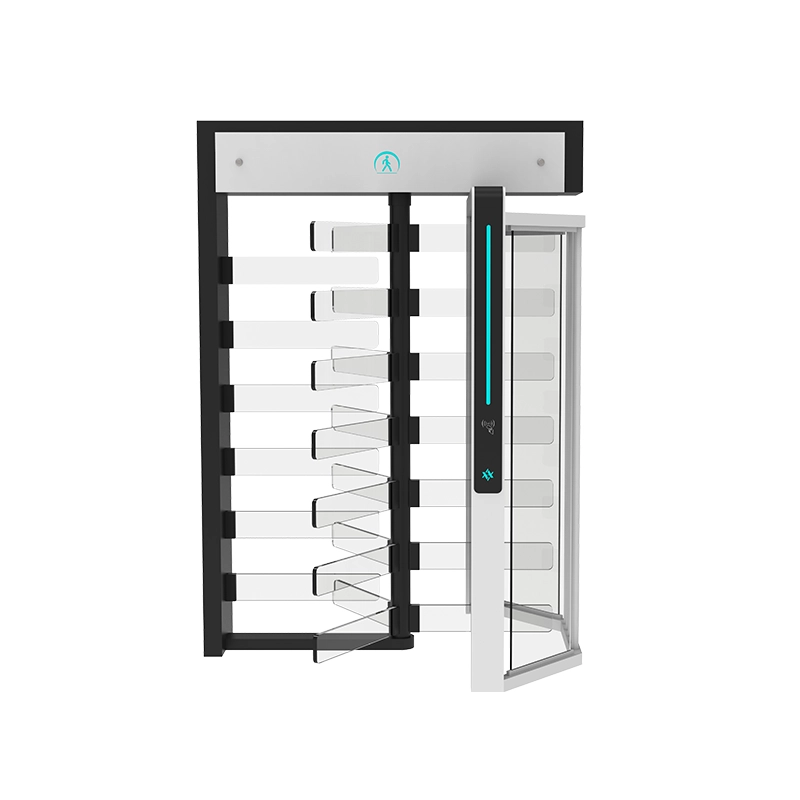
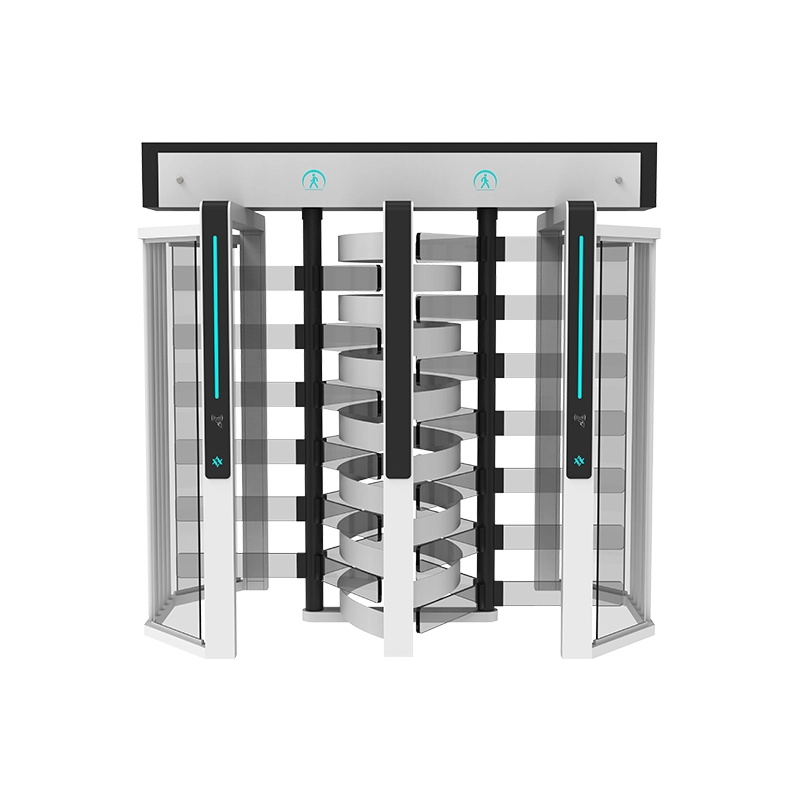
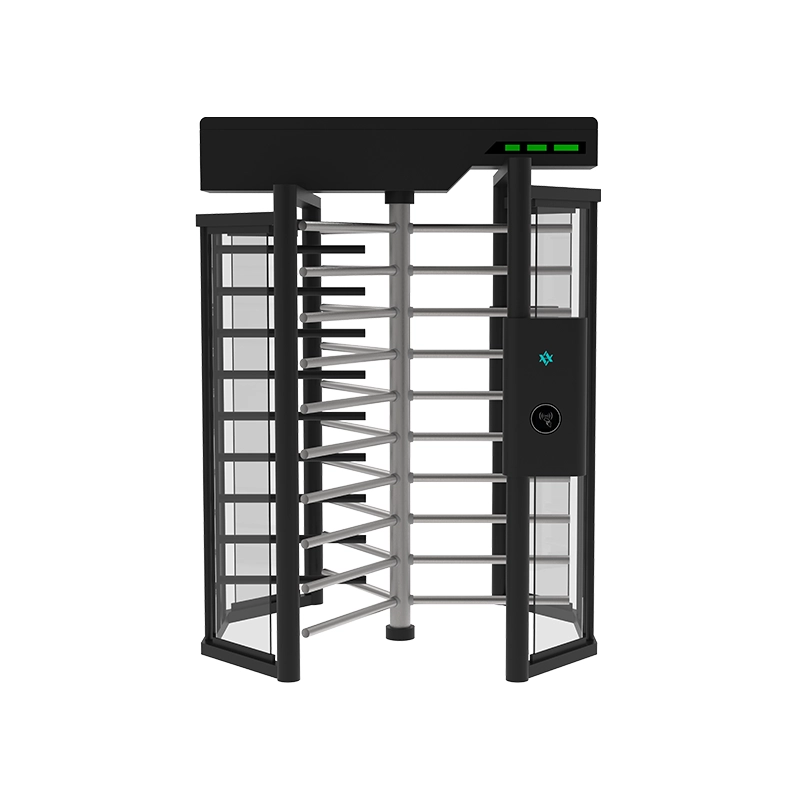
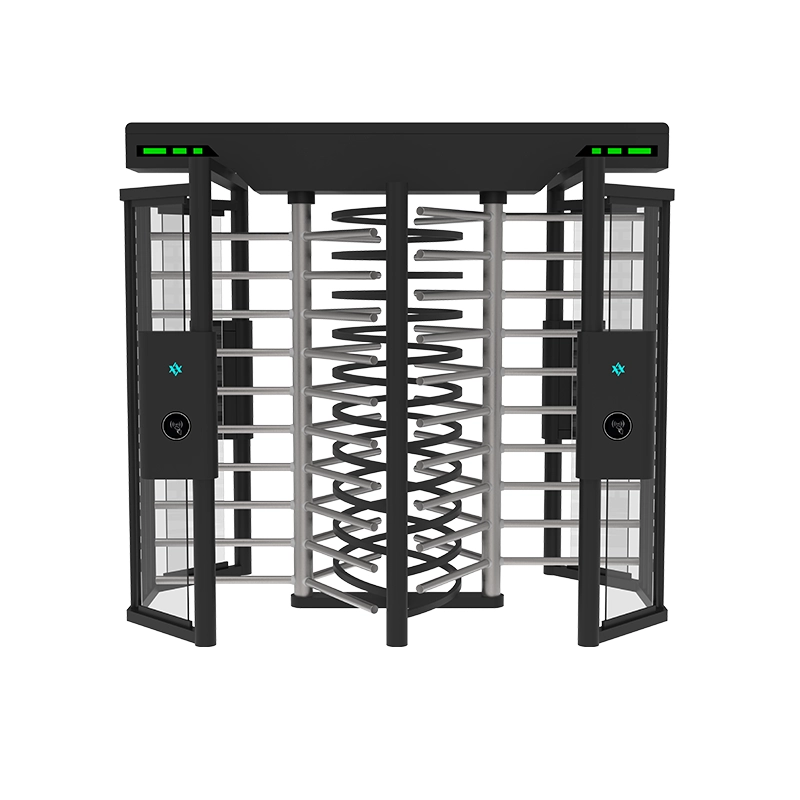
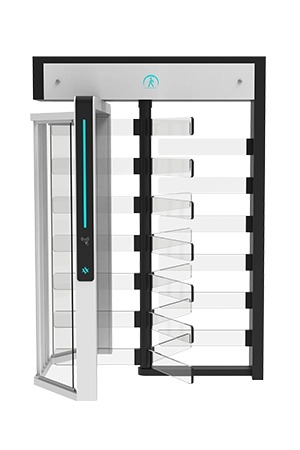
Full-height turnstiles offer the highest level of physical security. These tall barriers extend from floor to ceiling, providing complete containment. They are deployed in high-security environments, including correctional facilities, military installations, and sports arenas, to prevent unauthorized entry. Their robust construction ensures maximum deterrence against intrusion.
| Turnstile Type | Key Characteristic | Typical Application Areas | Security Level | Speed |
|---|---|---|---|---|
| Speed Gates | Fast, sensor-based | Corporate lobbies, high-end offices | Moderate-High | Very Fast |
| Swing Turnstiles | Wide, pivoting panels | Public transport, accessible entrances | Moderate | Fast |
| Flap Barriers | Rapid, retractable flaps | Subway stations, customs checkpoints | Moderate-High | Very Fast |
| Tripod Turnstiles | Three rotating arms | Factories, gyms, theme parks | Moderate | Moderate |
| Full-Height Turnstiles | Floor-to-ceiling barrier | Prisons, military bases, secure facilities | High | Moderate |
What are the five types of security barriers?
Understanding the different categories of security barriers[^6] is crucial for developing effective physical security strategies. Various barrier types address specific security challenges.
Security barriers encompass a range of forms, each designed to provide distinct levels of protection and control over access. The five primary types of security barriers typically include turnstiles, gates, bollards, fences, and security doors. Each barrier fulfills a specific function, from managing pedestrian movement to preventing vehicular access or safeguarding sensitive areas.
An examination of these barrier types illustrates their individual contributions to maintaining secure and organized environments.
Turnstiles
Turnstiles function as specialized access control devices. They regulate pedestrian movement by permitting single-person passage at a time. As previously discussed, various turnstile designs exist, each suited to different operational needs and security requirements. Their controlled entry mechanism is fundamental for managing foot traffic.
Gates
Gates represent broader barriers used for controlling both pedestrian and vehicular access. They can operate manually or automatically. Common installations include facility entrances, parking structures, and private property perimeters. Gates provide adaptable control, accommodating different modes of passage as required.
Bollards
Bollards are robust posts, typically fixed into the ground, designed to restrict vehicle access or protect pedestrians from traffic. Some versions are retractable, allowing temporary vehicle passage when needed. Their primary function is to create a physical barrier against unwanted vehicular intrusion while maintaining aesthetic appeal in urban or architectural settings.
Fences
Fences establish perimeters, defining boundaries and deterring unauthorized entry. They are available in a variety of materials and heights, making them suitable for diverse applications. Fences are commonly found enclosing commercial properties, educational institutions, and public parks, providing a foundational layer of security and delineation.
Security Doors
Security doors are reinforced entry points offering enhanced protection compared to standard doors. They are integral to securing sensitive areas such as data centers, server rooms, and critical infrastructure. These doors frequently incorporate advanced locking mechanisms and robust construction to resist forced entry, serving as a critical component in comprehensive security systems.
| Barrier Type | Primary Function | Representative Locations | Integration Capabilities |
|---|---|---|---|
| Turnstiles | Pedestrian flow regulation | Offices, public transit, stadiums | Access control systems |
| Gates | Pedestrian and vehicle control | Parking facilities, property entrances | Remote operation, sensor integration |
| Bollards | Vehicle access restriction | Urban public spaces, building perimeters | Manual, automated deployment |
| Fences | Boundary definition, deterrence | Commercial sites, academic campuses | Surveillance, alarm systems |
| Security Doors | High-level access security | Data centers, vaults, secure offices | Biometric access, keycard systems |
[^1]: Explore this link to understand the efficiency and design of speed gates in high-traffic areas.
[^2]: Learn about swing turnstiles and how they accommodate diverse user needs effectively.
[^3]: Discover the functionality of flap barriers in managing pedestrian flow at busy locations.
[^4]: Find out how tripod turnstiles balance security and cost-effectiveness in various settings.
[^5]: Understand the robust security features of full-height turnstiles in high-security environments.
[^6]: Explore the various types of security barriers and their roles in physical security strategies.
What is a security turnstile?
The fundamental definition and purpose of a security turnstile are often generalized. A clear understanding of its core function is necessary.
A security turnstile is a mechanical gate designed to regulate access, typically permitting only one individual to pass at any given moment. Its central purpose is to manage pedestrian movement, enhance site security, and log entries and exits. Turnstiles interface with various access control technologies, such as card readers, biometric scanners, or QR code systems, to validate and control passage.
A detailed breakdown of the security turnstile’s nature and significance reveals its integral role in modern security infrastructure.
Defined Purpose
A security turnstile functions as a critical control point, extending beyond a simple barrier. It ensures that only authorized individuals gain entry to a designated area. This mechanism effectively counters tailgating, a practice where multiple people attempt to pass using a single authorization. Turnstiles are instrumental in maintaining strict access protocols in controlled environments.
Core Components
Each turnstile comprises essential elements. These include the physical barrier mechanism, such as rotating arms or retractable flaps, a control unit, and various sensors. The control unit processes all access requests, while sensors detect presence and movement, ensuring safe and accurate operation. Advanced turnstiles often incorporate technologies for smooth and quiet performance.
Integration with Access Control
Turnstiles seldom operate in isolation. They are typically integrated into a broader access control framework. This framework employs multiple methods for user authentication, enhancing overall security. Common authentication technologies include:
- Facial Recognition: Offers contactless and rapid entry validation.
- Barcode/QR Code Scanning: Suitable for temporary or event-specific access.
- RFID (Radio-Frequency Identification): Utilized with access cards or key fobs.
- Biometric Scanning (Fingerprint/Vein): Provides high-security personal identification.
Such integrations create a seamless and robust access management system, adapting to various security needs.
Security Features
Contemporary turnstiles incorporate a range of security and safety features. These typically include:
- Anti-tailgating Mechanisms: Prevents multiple unauthorized entries on a single credential.
- Anti-climbing Designs: Physical deterrents to prevent unauthorized scaling of the barrier.
- Anti-jamming Sensors: Ensures the barrier does not close on a user, enhancing safety.
- Emergency Mode Operation: Automatically opens the barrier during power failures or fire alarms for quick evacuation.
These features are designed to provide both high security and user safety, addressing critical concerns in access control.
| Component | Function | Advantage |
|---|---|---|
| Barrier Mechanism | Physical impedance to passage | Regulates individual movement |
| Control Unit | Processes access credentials | Manages authorization decisions |
| Sensors | Detects presence and motion | Improves safety, prevents unauthorized entry |
| Motor | Drives barrier movement | Ensures smooth and reliable operation |
| Casing | Encloses and protects internal parts | Provides durability and aesthetic finish |
What are the 4 types of security systems?
Understanding how different security elements combine is crucial for comprehensive protection. Security involves more than individual devices; it is a layered approach.
Security systems typically consist of four main interdependent components: access control, surveillance, intrusion detection, and alarm systems. These work in concert to safeguard individuals and assets. Access control regulates entry. Surveillance monitors activities. Intrusion detection signals unauthorized access. Alarm systems provide notifications of incidents.
This section clarifies how these four system types collectively establish a robust security strategy.
Access Control Systems
Access control systems regulate who can enter and exit specific areas. These systems encompass a variety of components, including turnstiles, keypads, card readers, and biometric scanners. Their function is to ensure that only authorized individuals gain passage. These systems form the front line of security, managing the flow of people effectively.
Surveillance Systems
Surveillance systems utilize cameras to observe and record activities within and around a property. They serve as a deterrent to criminal behavior and provide critical evidence if an incident occurs. Integrating surveillance with access points offers a comprehensive view of entries and exits, enhancing overall monitoring capabilities.
Intrusion Detection Systems
Intrusion detection systems are designed to sense and alert to unauthorized entry. This category includes devices such as motion sensors, door and window contacts, and glass break detectors. They provide early warnings of security breaches in restricted zones. When combined with physical barriers, these systems create a proactive defense against unauthorized access.
Alarm Systems
Alarm systems are responsible for notifying relevant parties when a security event is detected. They can activate audible sirens, send digital alerts to security personnel, or directly contact emergency services. As the immediate response component, alarm systems ensure that incidents are recognized and addressed promptly. Their integration with other security layers ensures a rapid and coordinated reaction to threats.
| System Type | Primary Responsibility | Representative Components | Synergistic Benefits |
|---|---|---|---|
| Access Control | Manages entry and exit permissions | Turnstiles, card readers, biometric devices | Regulates personnel flow, validates identities |
| Surveillance | Monitors activities, records events | CCTV cameras, video management software | Deters crime, offers forensic data |
| Intrusion Detection | Identifies unauthorized breaches | Motion sensors, perimeter sensors | Provides early warning of intrusions |
| Alarm Systems | Communicates security incidents | Sirens, automated alert notifications | Facilitates rapid response, enhances awareness |
My Insights: Exploring the Varieties of Security Turnstiles
Unsure which security turnstile fits your needs? Understand the various types to secure your premises effectively.
Security turnstiles include tripod, optical, full-height, and swing gate models. Each offers unique benefits: tripod for moderate control, optical for modern access, full-height for maximum security, and swing gates for accessibility.
Understanding Different Security Turnstiles
Types and Applications
| Type | Features | Best Use Case |
|---|---|---|
| Tripod Turnstiles | Three rotating arms, waist-high | Transit stations, stadiums |
| Optical Turnstiles | Sensor-based, minimal physical barrier | Office lobbies, high-traffic areas |
| Full-Height Turnstiles | Tall, cage-like structures, high security | Factories, correctional facilities |
| Swing Gate Turnstiles | Hinged gates, wider access | Wheelchair access, lower-friction entry |
Tripod Turnstiles: Offering a moderate level of security, tripod turnstiles are ideal for controlling pedestrian flow in areas like transit stations and stadiums. Their three-armed design restricts access to one person at a time.
Optical Turnstiles: Using sensors for access control, optical turnstiles provide fast and efficient entry, often utilized in office lobbies. They minimize physical barriers but enhance security through technology.
Full-Height Turnstiles: Built for high-security needs, these turnstiles prevent climbing or crawling, making them suitable for sensitive sites like factories and correctional facilities.
Swing Gate Turnstiles: Designed for wider lanes and accessibility, swing gates accommodate wheelchairs and strollers, ideal for locations needing ADA compliance.
Selecting the appropriate turnstile relies on security needs, traffic volume, and accessibility requirements, ensuring effective control and safety.
Conclusion
A thorough understanding of security turnstiles and their place within broader security systems is fundamental. Each component plays a vital role in safeguarding premises and optimizing access management. By integrating these elements, secure and efficient environments are established.
](https://aipadaturnstile.com/wp-content/uploads/2025/11/AT107-TC-01.webp)
](https://aipadaturnstile.com/wp-content/uploads/2025/12/vertical-tripod-turnstile.jpg)
](https://aipadaturnstile.com/wp-content/uploads/2025/12/popup-img.jpg)