](https://aipadaturnstile.com/wp-content/uploads/2026/04/What-is-the-Difference-Between-Swing-Gate-and-Speed-Gate.jpg "What is the Difference Between Swing Gate and Speed Gate")

Struggling with slow entry or exit points in a busy building? Inefficient access control can lead to frustration and bottlenecks. Choosing the correct gate system is important for smooth operations.
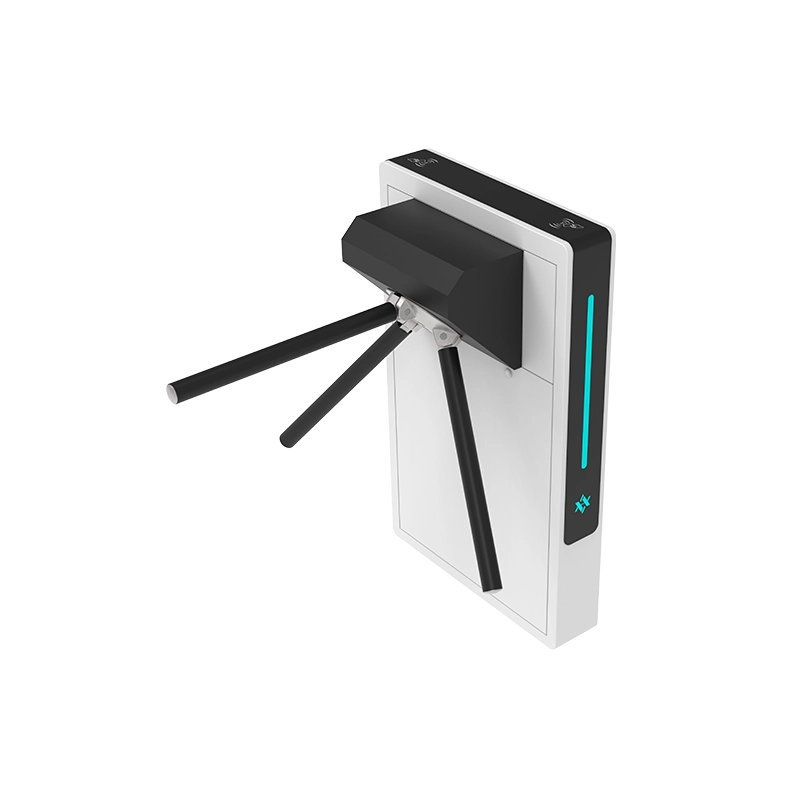
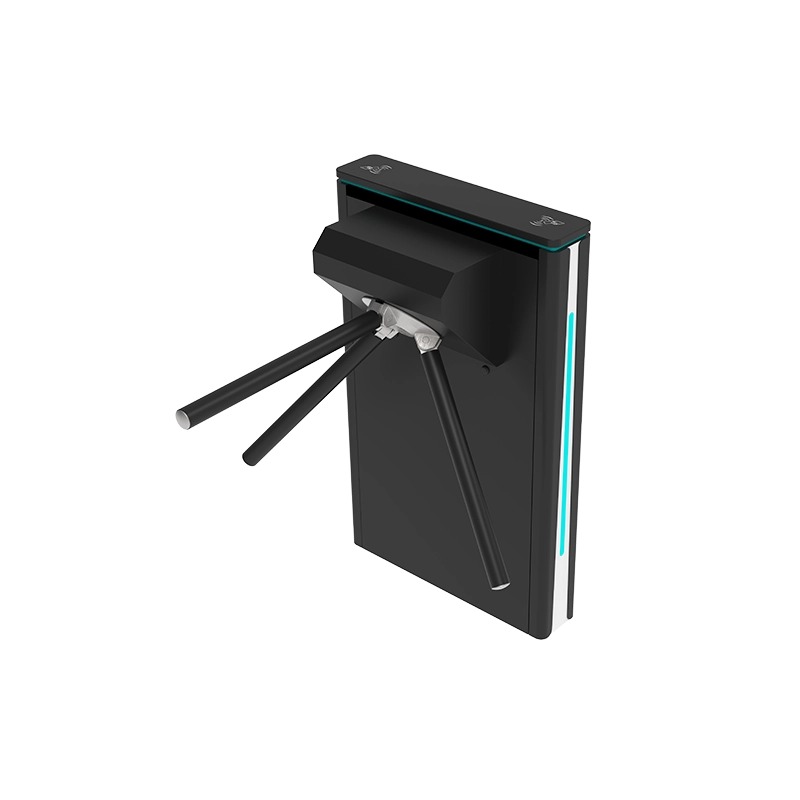
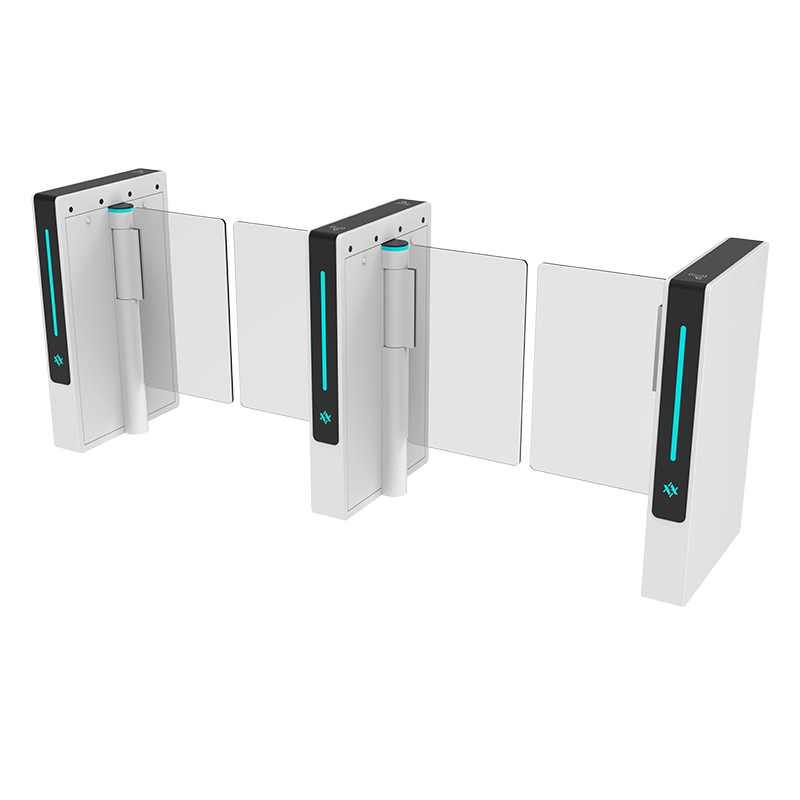
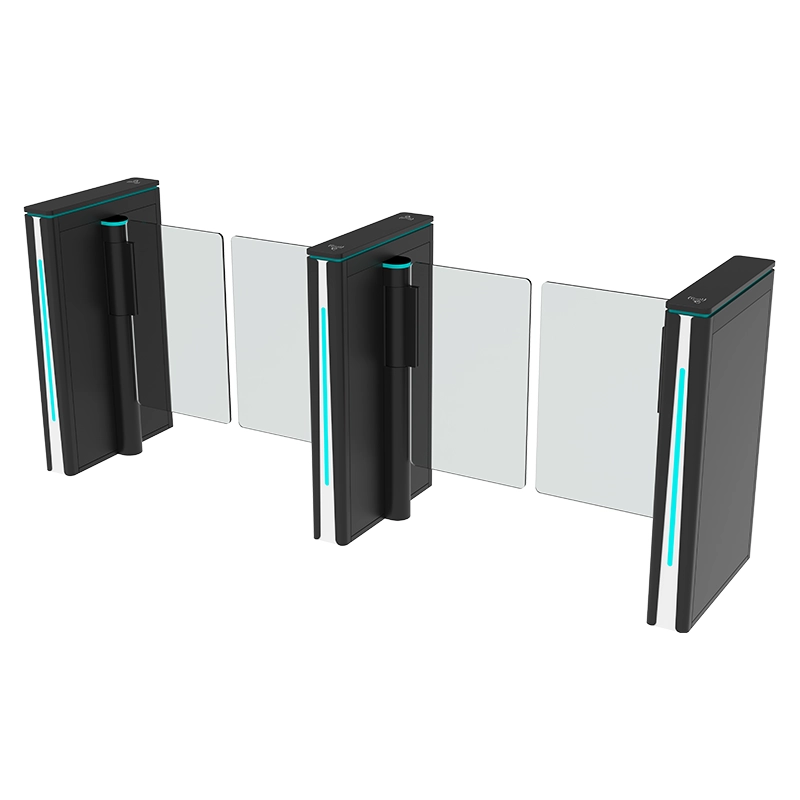
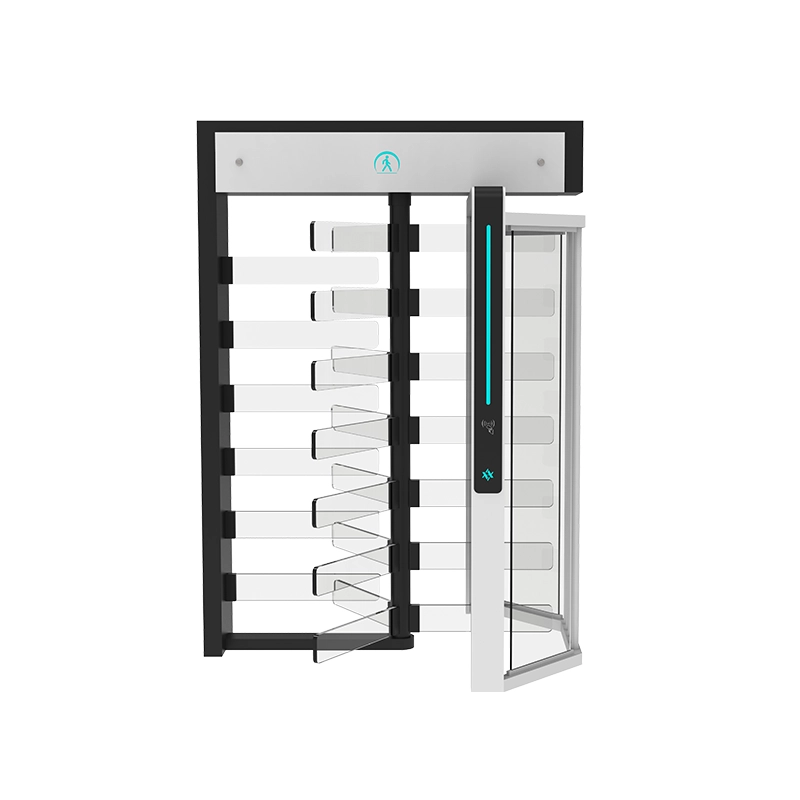
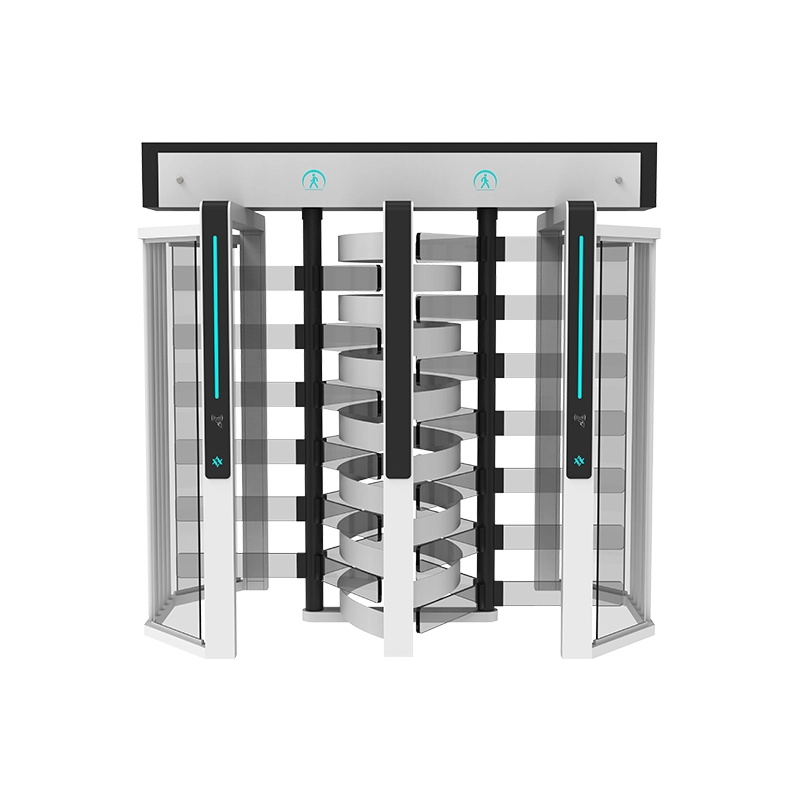
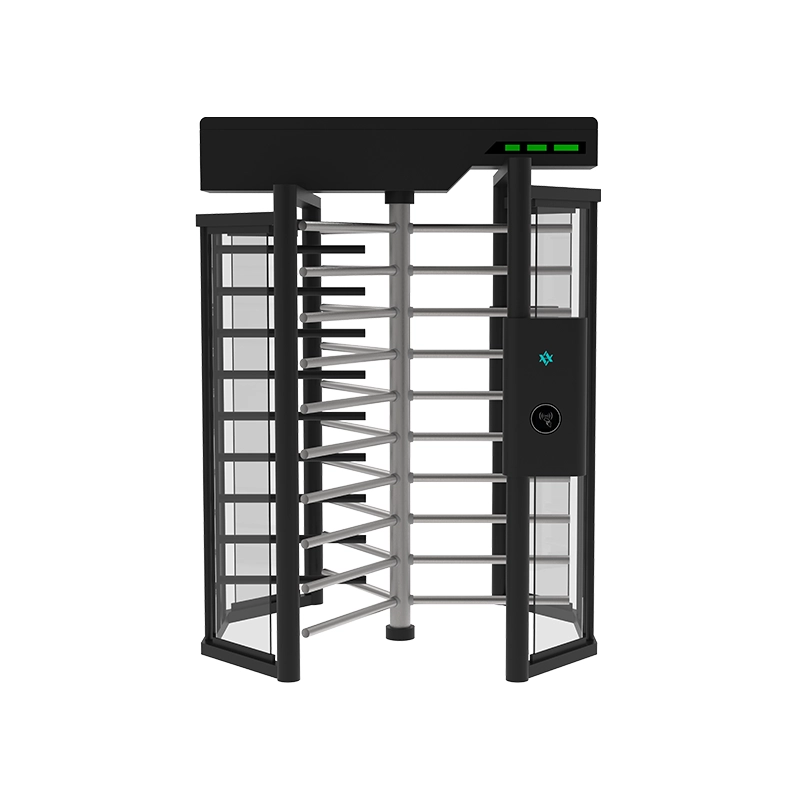
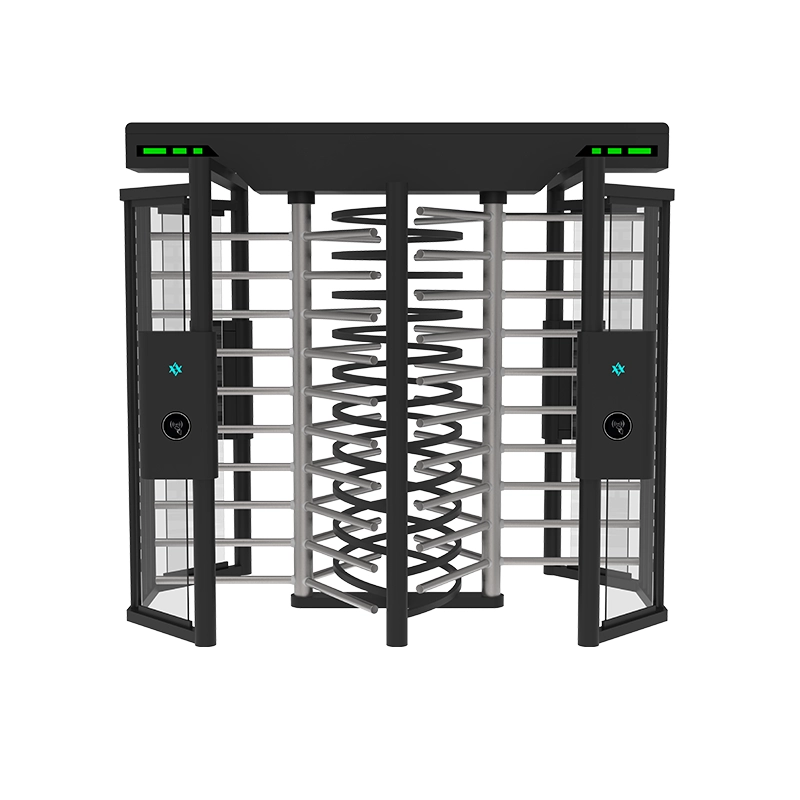
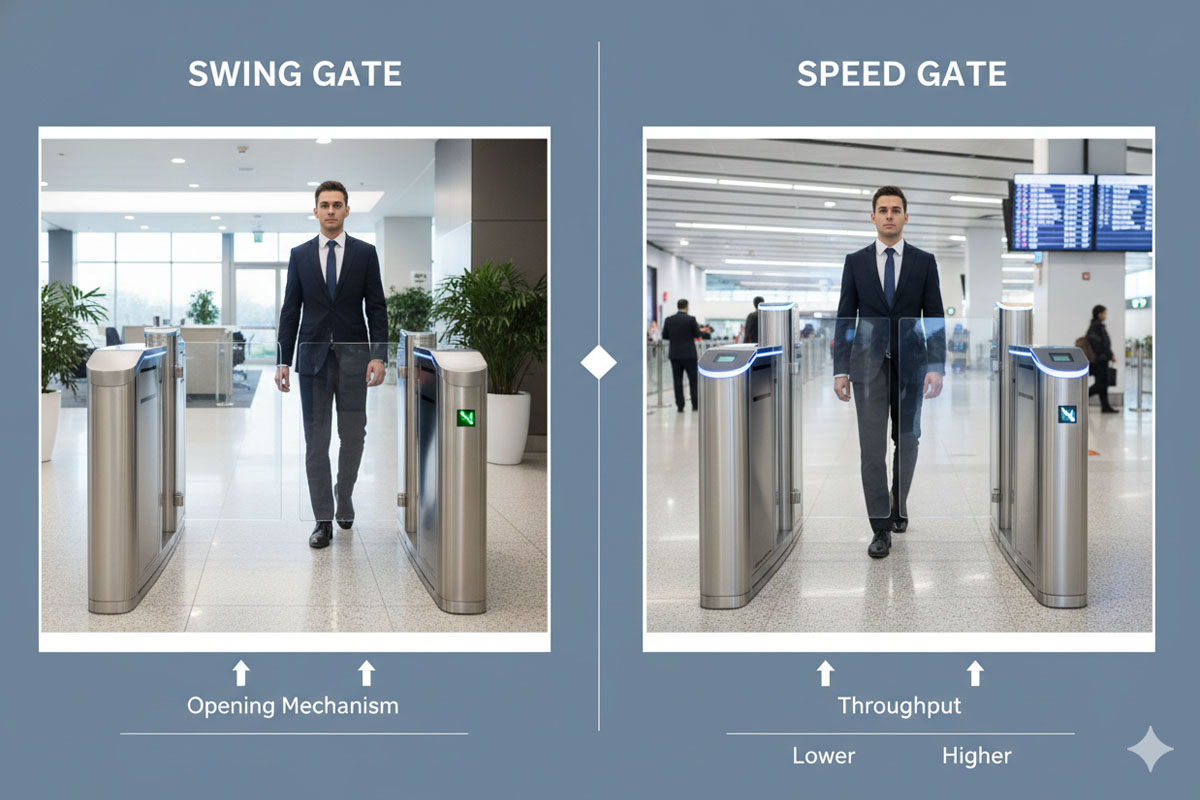
Swing gates and speed gates serve as pedestrian access control devices, but their operational mechanisms and typical applications differ. Swing gates use a physical barrier that pivots open, providing a wider passage suitable for various users. Speed gates use retracting panels or flaps, designed for rapid, high-volume traffic flow, often prioritized for aesthetic integration and swift passage.
Understanding the fundamental differences between these gate types is critical. The selection should align with specific requirements such as foot traffic volume, desired security levels, and the architectural context of the installation. A clear understanding helps in making an effective choice for access management.
Which gate is better, sliding or swinging?
When considering a gate for a property, a common question arises: which type, sliding or swinging, offers superior benefits? The answer depends on specific site conditions and functional priorities.
Neither a sliding nor a swinging gate is inherently superior; the optimal choice depends on factors like available space, security needs, and aesthetic preferences. Sliding gates operate by moving horizontally along a track, conserving space where a swing arc is impractical. Swinging gates pivot open, requiring clear space in their path but often providing a more traditional or grand entrance appearance.
The decision between a sliding and a swinging gate involves evaluating the physical layout of the entrance. A sliding gate needs sufficient linear space to retract, while a swinging gate requires a clear zone for its rotational movement. Each type presents distinct advantages and limitations.
Space Utilization
Gate type selection is heavily influenced by the physical space available at the entrance. Misjudging space can lead to operational difficulties.
- Sliding Gates[^1]: These gates require a lateral space along the fence line for the gate panel to move. The clear distance needed is typically equal to the gate’s width, plus additional room for the gate operator mechanism. This design is beneficial for sites where inward or outward swinging space is limited. For example, a property with a short driveway might find a sliding gate more practical, as it does not obstruct the vehicle turning radius.
- Swing Gates[^2]: Swing gates operate by rotating on hinges. They need an unobstructed arc of space, either inwards or outwards, equivalent to the gate’s length. This clear zone must be free from any fixed structures, vehicles, or landscaping. For properties with ample forecourt space, swing gates can be a viable option, providing a classic entrance.
Consider the following for a quick comparison of space implications:
| Aspect | Sliding Gate | Swing Gate |
|---|---|---|
| Physical Footprint | Requires linear clearance along the fence | Requires a clear arc of swing radius |
| Ideal Scenarios | Limited depth, substantial linear space | Ample depth, ability to accommodate swing path |
| Obstruction Risk | Minimal obstruction to vehicle turning | Potential obstruction of drive path during opening |
| Landscape Impact | Less impact on immediate landscaping at opening | Requires clear landscaping in swing path |
Security Features
The security offered by a gate system is a primary concern for many installations. Both sliding and swinging gates can provide robust security, but their structural differences impact their security attributes.
- Sliding Gates: These gates often present a continuous barrier when closed, which can be difficult to breach. The gate panel is typically guided by a track or cantilevered system, providing inherent stability and resistance against forced entry. Robust locking mechanisms are integrated to secure the gate in its closed position, making it a strong choice for high-security perimeters.
- Swing Gates: The security of swing gates relies heavily on the strength of their hinges and locking points. High-quality, reinforced hinges are essential to prevent tampering or removal. Multi-point locking systems can enhance security by securing the gate at several positions along its closing edge. While generally secure, swing gates can be more susceptible to ramming forces if not adequately reinforced or if hinge points are vulnerable.
Operational Characteristics
The day-to-day operation of a gate also influences its suitability for different environments.
- Sliding Gates: These gates can be designed for high-speed operation, particularly for vehicle access where rapid entry and exit are needed. Their linear movement ensures that the gate’s mass is distributed, allowing for smooth acceleration and deceleration. This makes them efficient in areas with frequent traffic.
- Swing Gates: Swing gates typically operate at a slower speed due to the larger arc of movement. The opening and closing cycle can be longer, which might be a consideration in high-traffic situations. However, their mechanics can be simpler, potentially leading to easier maintenance for basic systems.
The choice between a sliding and swinging gate should reflect a careful assessment of the intended use and the specific environmental constraints of the site.
Does OSHA require swing gates?
The question of whether specific gate types, such as swing gates, are mandated by regulatory bodies like OSHA (Occupational Safety and Health Administration) is a common inquiry. It is important to clarify OSHA’s role regarding workplace safety.
OSHA does not specifically require the use of swing gates. Instead, OSHA establishes general safety standards for guarding floor openings, wall openings, and machinery to prevent falls and other hazards. Any gate used in a workplace environment, regardless of its type, must comply with OSHA’s performance-based requirements for strength, stability, and effective hazard prevention.
OSHA’s regulations focus on achieving a safe working environment rather than dictating specific equipment designs. This means that if a swing gate is implemented as a safety measure, it must meet the criteria for preventing injuries, falls, or unauthorized access to dangerous areas. The emphasis is on the gate’s function in safeguarding personnel.
Fall Protection Standards Compliance
If a gate is installed in an area where there is a risk of falls, it must conform to OSHA’s fall protection guidelines.
- Guardrail Systems: When a gate is part of a guardrail system, such as at the edge of an elevated platform or floor opening, it must provide equivalent protection to a standard guardrail. This means it must be of a specified height, typically 42 inches, and capable of withstanding a significant outward and downward force. The gate, when closed, must create a continuous barrier that prevents accidental falls.
- Self-Closing Mechanisms: For openings that require frequent access, OSHA often recommends or implies the need for self-closing gates. This feature ensures that the opening is automatically protected after a worker passes through, minimizing the risk of someone forgetting to close it.
Machine Guarding Principles
Gates are also frequently used in conjunction with machinery to prevent accidental contact with moving parts or hazardous processes.
- Hazard Control: A gate used for machine guarding must effectively block access to danger zones when the machine is operating. The design should prevent a worker from reaching into the hazardous area while the gate is open.
- Interlock Systems: For higher levels of safety, gates protecting dangerous machinery should be interlocked. This means the machine will not operate if the gate is open, or it will shut down if the gate is opened during operation. This prevents injuries from inadvertent access.
- Emergency Access: While providing security, gates must also allow for rapid emergency exit. In scenarios involving hazardous machinery, quick egress can be crucial. Gates should not impede emergency escape routes.
General Workplace Safety Application
Beyond specific fall and machine guarding rules, gates in the workplace must adhere to broader safety principles.
- Visibility: Gates should be clearly visible to all workers. This can involve using contrasting colors, reflective tape, or warning signs, particularly in areas with vehicle traffic or low light.
- Reliable Operation: All gates must operate reliably without jamming or malfunctioning. Regular inspection and maintenance are crucial to ensure that gates function correctly when needed.
- Pinch Point Prevention: The design and installation of gates must minimize pinch points where body parts could be caught. This applies to both the swinging motion of swing gates and the sliding mechanism of sliding gates. Guards or appropriate clearances are necessary.
In summary, OSHA’s requirements for gates are performance-based. They ensure that any gate used for safety purposes effectively mitigates hazards without creating new ones, irrespective of its specific design.
How much does it cost to install a swing gate?
The expense associated with installing a swing gate varies considerably. Several factors contribute to the total cost. These include the gate’s specifications, the level of automation desired, and the complexities of the installation site.
The installation cost of a swing gate can range from a few hundred dollars for a basic manual pedestrian gate to several thousand dollars for a large, automated driveway system with advanced access controls. Key determinants include the gate’s material, its dimensions, whether it is manual or automated, the type of access control integrated, and the labor required for site preparation and installation.
When planning a swing gate installation, a detailed assessment of these elements is necessary to establish an accurate budget. Each component choice adds to the overall investment.
Gate Construction and Dimensions
The physical attributes of the gate itself, primarily its material and size, are significant cost drivers.
- Material Selection:
- Aluminum: This material is lightweight and corrosion-resistant. It is a cost-effective option, often chosen for residential applications. It requires minimal maintenance.
- Steel: Steel offers superior strength and durability. It is heavier and typically more expensive than aluminum. It is preferred for higher security or industrial settings.
- Wood: Wood gates provide a traditional aesthetic. The cost varies based on the wood species. They require more ongoing maintenance to protect against weather and pests.
- Wrought Iron: Often custom-fabricated, wrought iron gates are valued for their decorative appeal and strength. They are generally the most expensive due to their intricate designs and specialized manufacturing process.
- Gate Size: Larger gates require more material and heavier-duty components, such as hinges and support posts. This increases both the material cost and the labor involved in handling and installing the heavier structure. A double swing gate, for instance, will cost more than a single gate of the same total width.
This table provides a generalized overview of gate material costs (excluding installation):
| Material | Characteristics | Typical Price Range (USD) |
|---|---|---|
| Aluminum | Lightweight, rust-proof, low maintenance | $500 – $2,000 |
| Steel | High strength, durable, robust security | $800 – $3,000 |
| Wood | Natural look, customizable, maintenance-intensive | $600 – $2,500 |
| Wrought Iron | Artistic, very strong, high security, custom-made | $1,500 – $5,000+ |
Note: Prices are estimates and depend on design complexity, regional market, and supplier.
Automation and Access Control Systems
Adding automation features significantly elevates the overall cost. This includes the gate operator and any integrated access control technology.
- Manual Gates: These gates are the least expensive option. They rely on manual operation and do not require electrical components.
- Automated Gates: These gates incorporate motorized operators for remote or automatic opening and closing.
- Gate Operators: Different types of swing gate operators exist, including arm operators, ram arms, and underground systems. The choice depends on gate size, weight, and aesthetic preference, with varying costs.
- Power Supply: Automated gates require electrical power. This may involve trenching for electrical lines, adding to installation costs, especially if the power source is distant.
- Access Control Technologies: These systems dictate how the gate is activated.
- Basic Controls: Keypads or simple remote controls represent entry-level options.
- Advanced Systems: Intercoms, card readers, RFID, or biometric systems (fingerprint, facial recognition) offer enhanced security and convenience but come at a higher price point. Integration with existing security systems also affects complexity and cost.
Installation Site and Labor
The conditions of the installation site and the labor involved are crucial cost factors.
- Site Preparation: The ground must be level and stable for proper gate function. This may necessitate excavation, grading, or the removal of existing structures, incurring additional labor and material costs.
- Electrical Work: For automated gates, the installation of electrical wiring, conduits, and power outlets requires skilled electricians, adding to the labor cost. This can be complex if it involves underground wiring.
- Foundation Work: Gate posts must be securely anchored in concrete foundations. If the soil conditions are challenging (e.g., rocky or unstable ground), specialized foundation work may be required, increasing costs.
- Permit Requirements: Local building codes may require permits for gate installations, particularly for automated or large gates. This adds administrative costs and can extend the project timeline.
Considering all these variables provides a comprehensive understanding of the financial commitment required for a swing gate installation.
What are common problems with sliding gates?
Sliding gates offer practical benefits for access control, yet they are susceptible to various operational issues. Awareness of these common problems is valuable for both maintenance and troubleshooting.
Common issues encountered with sliding gates include obstructions in the track, such as debris or ice, which impede movement. Motor failures from wear or electrical faults, misalignment causing the gate to bind, damaged rollers or wheels, and malfunctioning safety sensors can also lead to operational disruptions. These problems often result in gates that jam, operate slowly, or fail to secure properly, affecting both convenience and security.
Proactive maintenance is essential to mitigate many of these problems. Regular inspection and addressing minor issues promptly can prevent more significant and costly failures.
Track Obstruction and Contamination
The guide track is a critical component of a sliding gate system, and its condition directly impacts gate operation.
- Debris Accumulation: The most frequent problem involves the accumulation of debris in the gate track. Leaves, dirt, small rocks, and other foreign objects can settle in the track, creating friction and resistance. This forces the gate motor to work harder, accelerating wear on components.
- Environmental Factors: In colder climates, ice and snow can freeze within the track, completely immobilizing the gate. This can also cause damage to the motor if it attempts to operate against the obstruction.
- Solutions: Regular cleaning of the gate track is paramount. This can involve sweeping, using a leaf blower, or specialized brushes. For winter conditions, de-icing solutions or heated track systems can be effective preventative measures.
Motor and Electrical System Malfunctions
The automated operation of a sliding gate relies on its motor and electrical system. Failures in these components lead to gate non-functionality.
- Motor Wear: Continuous operation, especially under adverse conditions like track obstruction, causes motors to wear out over time. Signs include reduced speed, unusual noises, or complete failure.
- Electrical Issues: Problems such as power surges, faulty wiring, loose connections, or component failures within the control board can disrupt motor function. A gate failing to respond to commands often indicates an electrical fault.
- Solutions: Routine professional servicing can identify signs of motor wear before complete failure. Protecting electrical components from moisture and ensuring stable power supply are crucial. Surge protectors can mitigate damage from power fluctuations.
Alignment and Structural Integrity Issues
Proper alignment is fundamental for smooth sliding gate operation. Deviations can cause significant problems.
- Gate Sagging: Over time, particularly with heavy gates or inadequate support, the gate panel can sag. This causes the gate to drag on the ground or rub against its support posts, making movement difficult or impossible.
- Track Displacement: Ground movement, improper installation, or external impact can cause the track to shift out of alignment. A misaligned track forces the gate to bind, leading to excessive wear on rollers and the motor.
- Solutions: Addressing alignment issues typically requires professional adjustment of the gate’s support system or re-setting the track. A robust foundation and proper initial installation are key preventative measures against structural shifts.
Roller and Wheel System Degradation
The rollers or wheels bear the gate’s weight and facilitate its movement along the track.
- Wear and Damage: These components are subject to constant friction and load. They can wear down, crack, or seize, particularly if the track is not clean or if they are made of inferior materials. Worn rollers result in jerky motion or grinding sounds.
- Bearing Failure: The bearings within the rollers can fail, causing the wheels to lock up or operate inefficiently.
- Solutions: Regular inspection of rollers and wheels for wear, damage, or play is important. Replacement of worn components and proper lubrication (if applicable) according to manufacturer guidelines will extend their lifespan and ensure smooth operation.
Sensor and Safety Device Malfunctions
Automated sliding gates incorporate safety sensors to prevent accidents and ensure correct operation.
- Photoelectric Sensor Malfunctions: These sensors project a beam across the gate opening to detect obstructions. They can become dirty, misaligned, or damaged, leading to the gate stopping unexpectedly or refusing to close.
- Inductive Loop Detector Issues: Loop detectors, embedded in the ground, detect vehicles. Failures can occur due to damage to the loop wire, faulty connections, or issues with the detector unit itself, causing incorrect vehicle detection.
- Solutions: Keep all sensors clean and ensure they are correctly aligned. Regularly test safety features. Inspect wiring for damage. Malfunctioning sensors often require professional recalibration or replacement.
Understanding these common challenges allows for effective preventative maintenance and prompt resolution, ensuring the continued reliability and safety of a sliding gate system.
My Insights: Comparing Swing Gates and Speed Gates
Confused between swing and speed gates[^3] for your security needs? Learn the key differences to make an informed choice.
Swing gates operate on hinges and require more space, ideal for broader applications. Speed gates use retractable panels for rapid access, focusing on high security and efficient pedestrian traffic control.
Analyzing Swing Gates vs. Speed Gates
Key Differences
| Feature | Swing Gate | Speed Gate |
|---|---|---|
| Operation | Hinged movement, like a door | Fast sliding or retractable panels |
| Speed | Slower operation | Quick opening (0.5–1 second) |
| Security | Simpler, lower security | Advanced security features, anti-tailgating |
| Space Requirement | Needs more space for swinging motion | Compact, fits in tight areas |
| Application | Suited for vehicles and wide entrances | Ideal for pedestrian traffic in busy areas |
Operation and Speed: Swing gates move in an arc and are slower, suitable for areas where speed is not crucial. Speed gates, on the other hand, are designed for high-speed access, ideal for high-traffic environments like airports and train stations.
Security and Technology: Speed gates offer sophisticated features, such as anti-tailgating and biometric integration, providing a higher level of security compared to the simpler swing gate mechanism.
Space and Flexibility: Swing gates require sufficient clearance, making them more suitable for larger openings. Conversely, speed gates are compact, perfect for areas where space is limited.
Choosing between the two depends on specific requirements: opt for swing gates for simplicity and larger spaces, and speed gates for fast, secure access in bustling environments.
Conclusion
The choice between swing gates and speed gates is a strategic one, based on specific site requirements and operational goals. While swing gates offer broad access and versatility, speed gates are engineered for rapid, high-volume pedestrian flow, often in visually sensitive areas. Factors such as material, automation, and potential operational challenges are vital considerations for selecting an efficient and reliable access control solution.