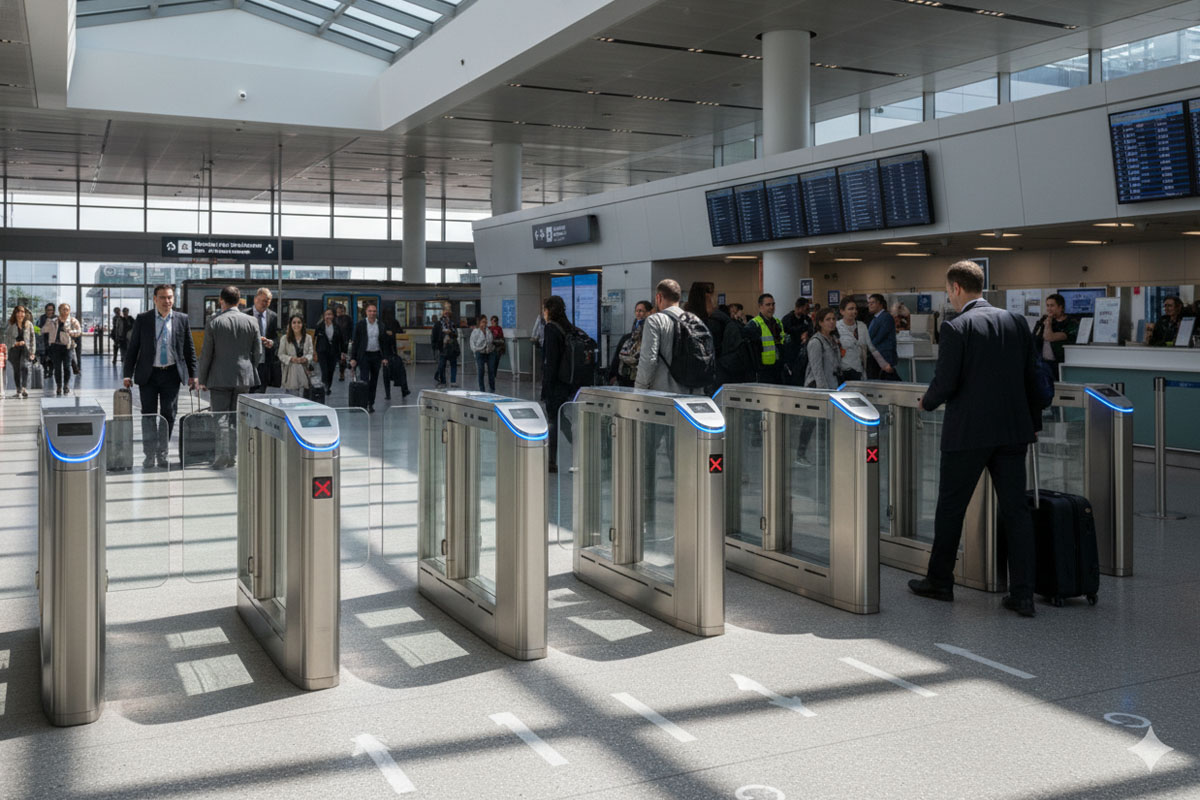
](https://aipadaturnstile.com/wp-content/uploads/2026/04/What-are-Best-Applications-for-Swing-Gate-Turnstiles.jpg "What are Best Applications for Swing Gate Turnstiles")

Do you face challenges in managing entry points and controlling pedestrian flow? Many facilities struggle with balancing security, efficiency, and accessibility. Choosing the right access control solution is important.
Swing gate turnstiles offer a flexible solution for access control needs. They are well-suited for various environments that require smooth passage for diverse users. These gates enhance security, manage crowd movement, and improve operational efficiency.
This article explores the best applications for swing gate turnstiles. It explains how these systems can optimize entry management in different settings.
What are the different types of turnstile gates?
Are you wondering about the various kinds of turnstile gates available? Understanding the distinctions between different types is important for selecting the best system. Each turnstile type has specific features that make it suitable for particular access control needs.
Different turnstile gates are designed for various purposes and environments. Each type offers distinct benefits in terms of speed, security, and user experience. Knowing these differences helps in making an informed decision for any facility.
This section describes the most common types of turnstile gates. It highlights their primary characteristics and typical uses.
Types of Pedestrian Turnstiles
Turnstiles are essential for regulating pedestrian access. They come in several forms. Each design offers specific advantages for different applications.
Speed Gates[^1]
Speed gates are often installed in modern corporate offices and high-end commercial buildings. They feature a sleek design and allow rapid pedestrian throughput. These gates use advanced sensors to detect passage. They open quickly and close promptly after an individual passes. This design ensures efficient and secure entry in areas with high traffic volume.
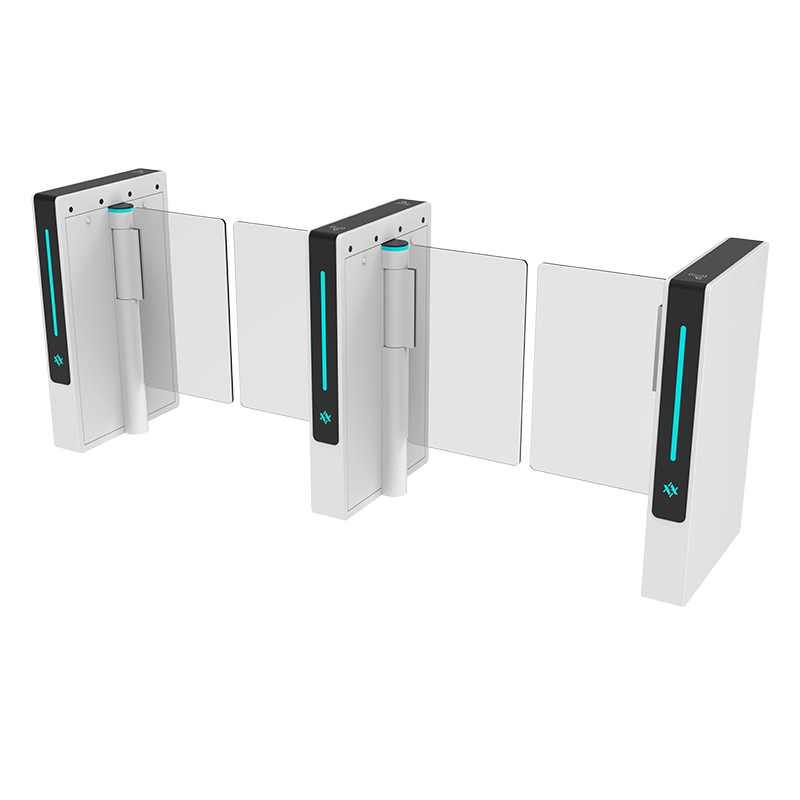
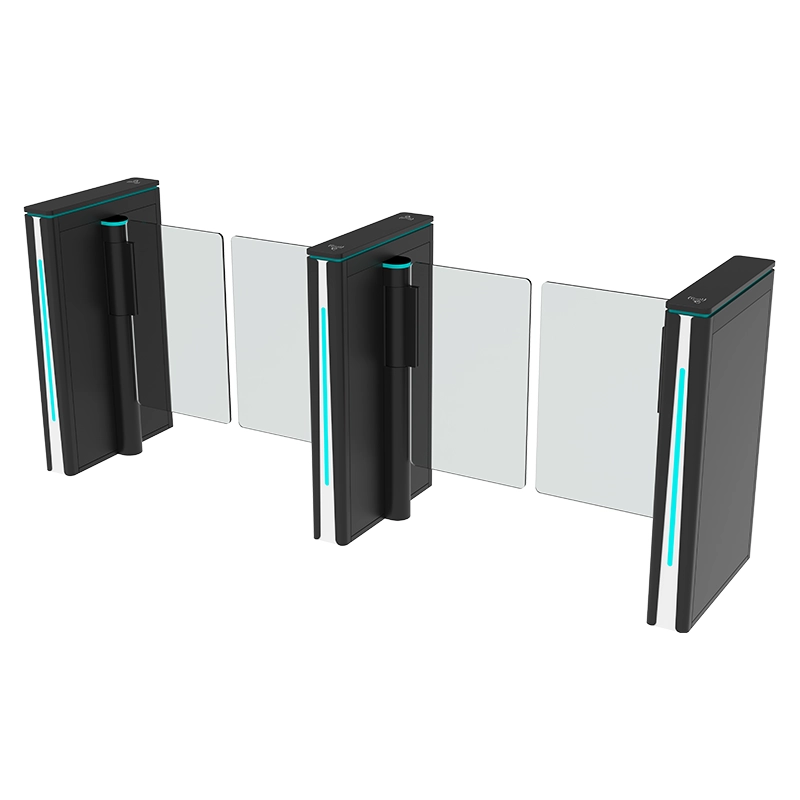
Swing Turnstiles[^2]
Swing turnstiles consist of a barrier that pivots open. They are highly adaptable and commonly found in locations that require wider access. These areas include those accommodating wheelchairs, strollers, or large items. Their design offers flexibility, making them suitable for diverse user groups and various access requirements.
Flap Barriers[^3]
Flap barriers are similar in function to speed gates. They feature retractable flaps that extend and retract to control passage. These are frequently used in public transit systems, such as subway stations, and at border control points. They are designed for fast operation. They efficiently manage large crowds and maintain an orderly flow of people.
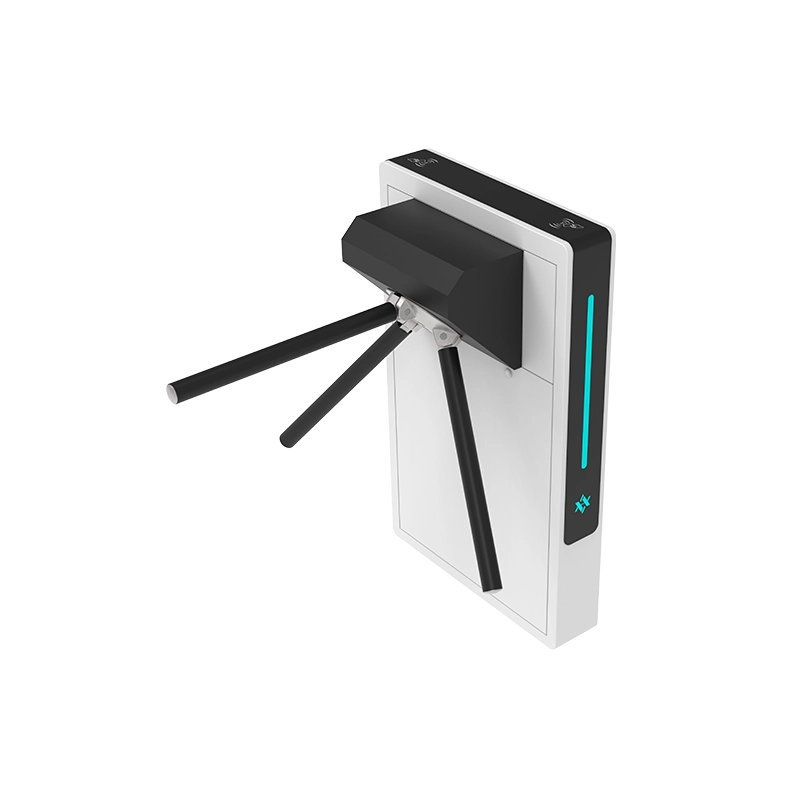
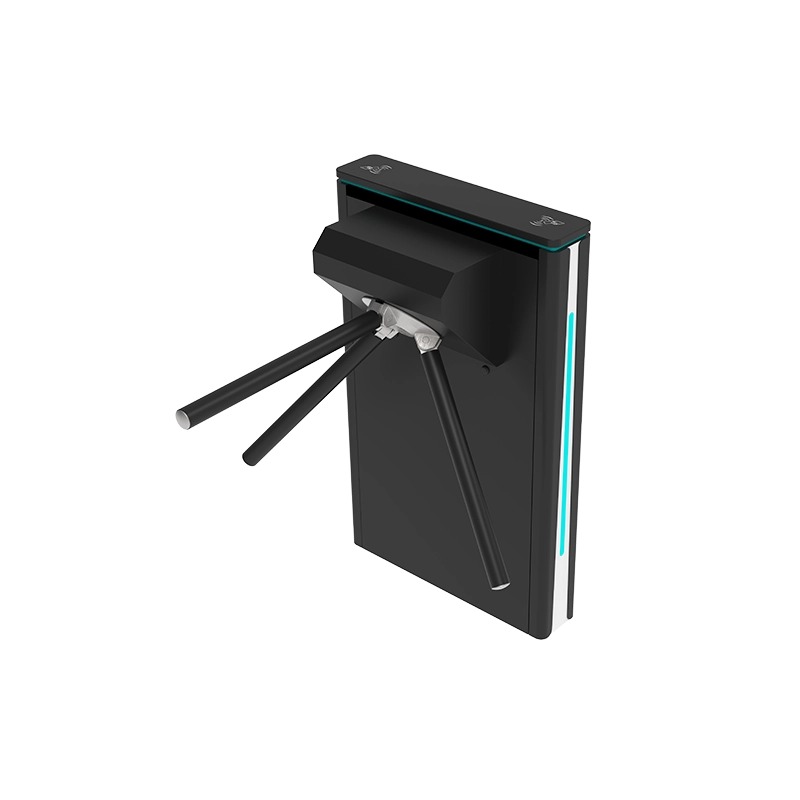
Tripod Turnstiles[^4]
Tripod turnstiles are a traditional and cost-effective option. They consist of three rotating arms. They are commonly seen in places like amusement parks, sports venues, and industrial facilities. This type of turnstile provides basic yet effective access control. Its simple and robust design makes it a popular choice for many general access applications.
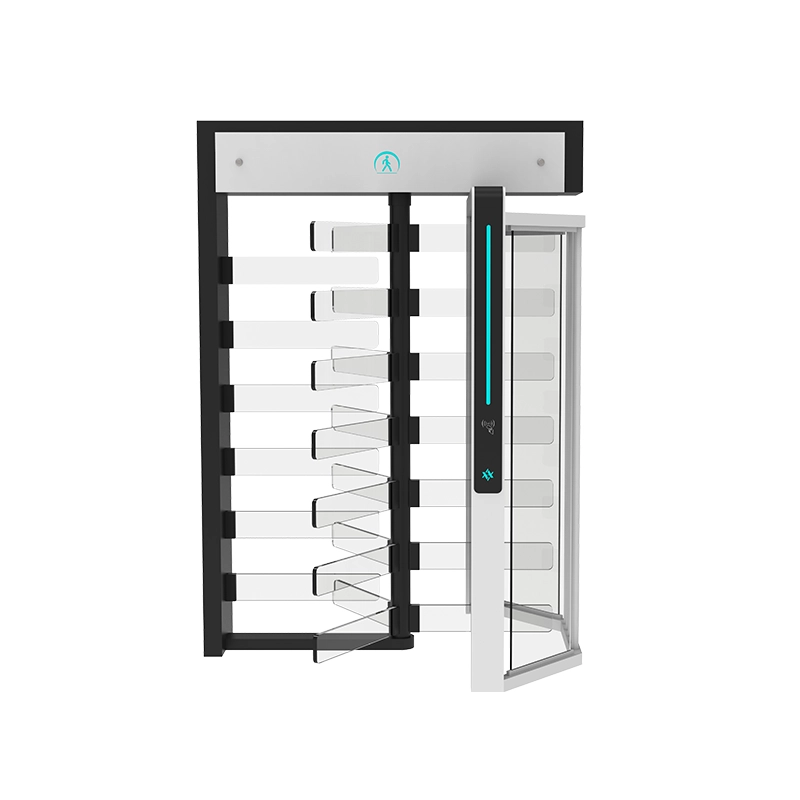
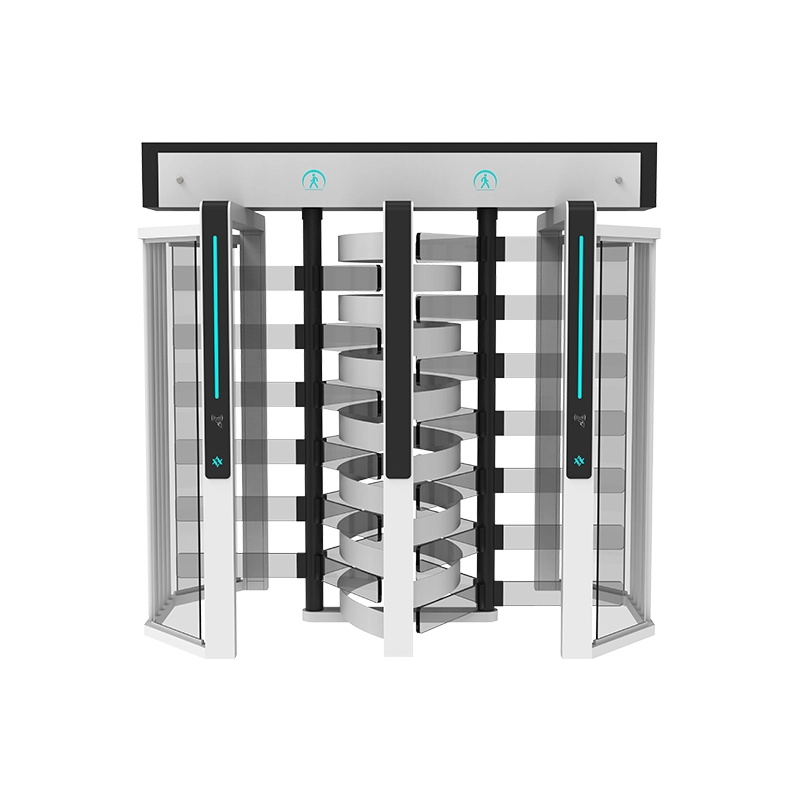
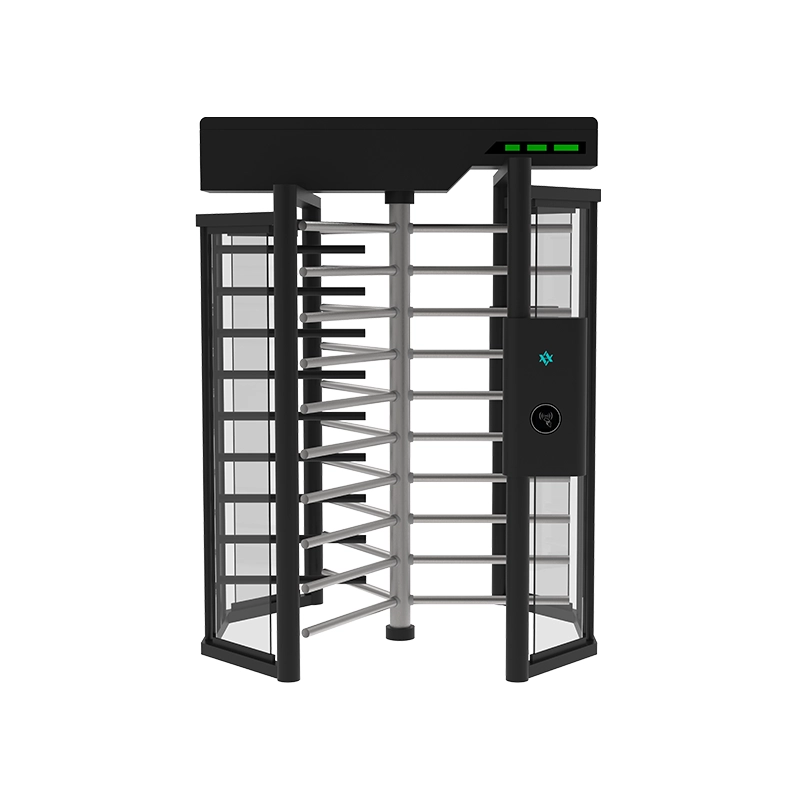
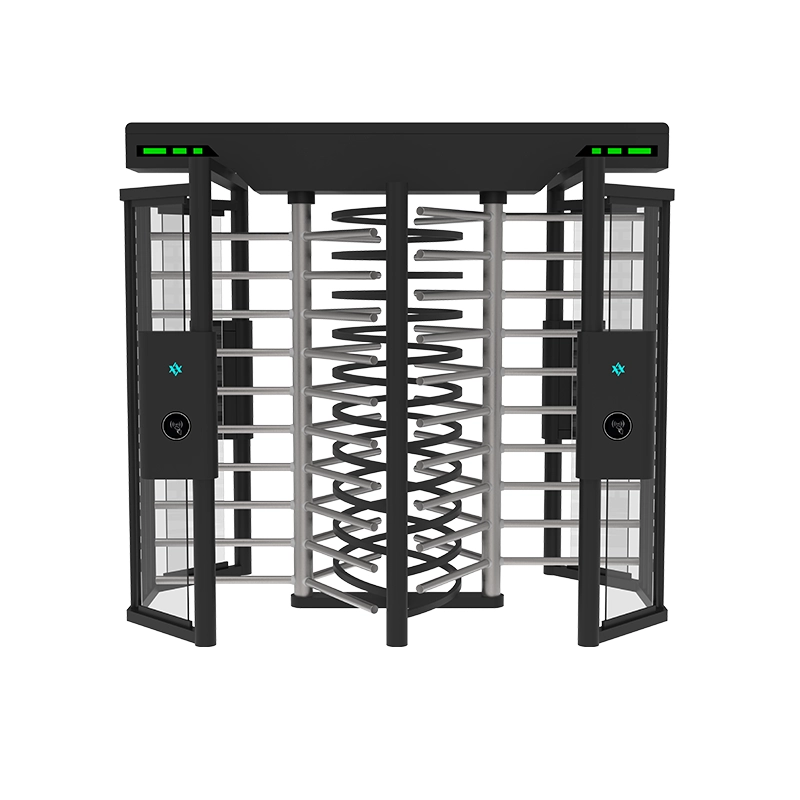
Full-Height Turnstiles[^5]
Full-height turnstiles offer the highest level of physical security. They extend from the floor to the ceiling. This design prevents unauthorized individuals from climbing over or crawling under the barrier. They are typically deployed in high-security environments, such as prisons, military installations, and stadiums. They create a robust physical barrier for maximum security.
What is the purpose of a turnstile gate?
Have you considered the fundamental reasons why turnstile gates are implemented in so many locations? Their function extends beyond simply blocking entry. Turnstiles play a crucial role in maintaining order and security.
The primary purpose of a turnstile gate is to control and manage pedestrian traffic effectively. They enhance security protocols, streamline operational processes, and provide valuable data on entry and exit patterns. This contributes to safer and more efficient environments.
This section explains the core functions of turnstile gates. It demonstrates their value in various access control scenarios.
Core Functions of Turnstile Gates
Turnstile gates serve several key objectives. They are integral components of any comprehensive access control system.
Enhanced Security and Access Control
Security is a top priority for facility managers. Turnstiles enforce authorized access, effectively preventing unauthorized entry. When integrated with authentication systems such as facial recognition or RFID card readers, they establish robust security checkpoints. For instance, in a sensitive corporate building, a swing turnstile linked to an access card system ensures only verified personnel can pass. This protects assets and personnel from risks.
Efficient Crowd Management
In high-traffic areas, uncontrolled pedestrian flow can lead to congestion and safety hazards. Turnstiles help regulate large volumes of people. They ensure orderly movement and prevent bottlenecks, even during peak hours. Consider a busy train station. Flap barriers ensure a continuous flow of passengers, preventing excessive queuing and improving overall throughput.
Automated Tracking and Reporting
Turnstiles can precisely record entries and exits. This capability is essential for attendance tracking systems and provides comprehensive data logs. This data is invaluable for security audits, emergency evacuation procedures, and operational analytics. For example, in an educational institution, turnstiles can log student entry times. This automates attendance records and provides security insights.
Revenue Generation and Ticket Validation
In specific contexts, turnstiles facilitate revenue collection. This is common in public transport, entertainment venues, and paid attractions. They ensure that all entrants have valid tickets or passes before gaining access. This automates the ticketing process and reduces the need for manual checks.
Integration with Advanced Systems
Modern turnstiles are designed for seamless integration with various smart building and security systems. They can connect with:
| System Type | Primary Function | Key Benefit |
|---|---|---|
| Facial Recognition | Verifies identity via facial features | Hands-free, high-speed, and secure access |
| Barcode/QR Code | Scans digital or printed passes | Rapid validation for events and visitor access |
| RFID | Reads proximity cards or tags | Smooth and contactless entry for authorized users |
| Biometrics | Authenticates via fingerprint or vein patterns | High-assurance personal identification |
This integration enhances the functionality and adaptability of access control solutions. It meets diverse operational requirements.
Where are turnstiles used?
Have you observed the widespread use of turnstiles across various sectors? From corporate lobbies to public transport networks, these devices are ubiquitous. Understanding the specific reasons for their deployment in different locations is key.
Turnstiles are utilized in a broad spectrum of settings due to their effectiveness in controlling access and managing pedestrian traffic. Their adaptability allows them to fulfill diverse security and operational demands. Each location benefits from the distinct features that various turnstile types offer.
This section explores the diverse environments where turnstiles are commonly deployed. It illustrates their wide range of applications and utility.
Typical Environments for Turnstile Deployment
Turnstiles are essential tools for managing access in numerous types of facilities. Their applications are varied and specific to the needs of each environment.
Commercial and Corporate Facilities
In modern office buildings, business centers, and corporate headquarters, both aesthetics and operational efficiency are crucial. Speed gates and swing turnstiles are frequently selected for these environments. They offer a professional appearance. They also provide rapid and secure access for employees and registered visitors. For instance, a corporate lobby might feature stylish swing gates that integrate with a visitor management system, ensuring a smooth and secure welcome.
Public Transportation Hubs
High-volume public transit areas, such as metro stations, train terminals, airports, and customs checkpoints, heavily rely on turnstiles. Flap barriers and robust tripod turnstiles are often employed here. They are engineered for durability and high throughput, efficiently processing large numbers of passengers. This helps manage crowds, maintain orderly queues, and ensure that only ticketed individuals access restricted areas.
Cultural and Recreational Venues
Museums, theaters, sports stadiums, convention centers, and theme parks utilize turnstiles for controlled entry. Tripod turnstiles or swing gates with integrated ticket scanners are common. They manage ticketed admissions. They also prevent unauthorized access to events and attractions. This ensures proper revenue collection and enhances overall site security.
Industrial and Research Establishments
Facilities requiring stringent security, such as manufacturing plants, chemical facilities, advanced laboratories, and data centers, often employ high-security turnstiles. Full-height turnstiles are frequently installed to provide maximum physical security. They act as a strong barrier against unauthorized intrusion. This protects valuable equipment, sensitive data, and proprietary information.
Educational and Governmental Institutions
Schools, university campuses, libraries, hospitals, and government buildings also implement turnstiles. Swing gates or tripod turnstiles are used to manage access for students, staff, and visitors. They contribute to enhanced campus safety. They also help track attendance and regulate access to specific departments or zones, ensuring a secure environment for all occupants.
Which is better, a sliding gate or a swing gate?
Are you facing the decision between installing a sliding gate or a swing gate for an entrance? Many property owners and managers encounter this choice. They often seek to understand which option provides optimal performance and suitability for their particular requirements.
Both sliding gates and swing gates possess distinct advantages and disadvantages. The determination of which is "better" largely depends on specific factors. These factors include available space, anticipated traffic volume, and the desired level of security. It is important to carefully evaluate these criteria before making an installation decision.
This section offers a direct comparison of sliding gates[^6] and swing gates[^7]. It aims to clarify which gate type might be most appropriate for different application scenarios.
Comparative Analysis: Sliding Gates vs. Swing Gates
The choice between a sliding gate and a swing gate involves evaluating several practical considerations. Each type has specific strengths that make it suitable for different contexts.
Space Utilization
Sliding gates require lateral space along a fence or wall for their operation. They move horizontally, which means they do not need any clear area in front of or behind the gate to open. This makes them ideal for entrances where front or rear space is limited. For example, if an entrance opens directly onto a busy pedestrian walkway or street, a sliding gate prevents obstruction.
Swing gates necessitate a clear arc of space for their opening and closing movement. They pivot either inward or outward. This means sufficient clearance must be available for the gate leaf to move freely without obstruction. If an entrance has ample depth but limited lateral space, a swing gate can be a suitable option. For pedestrian swing turnstiles, this arc is usually compact, allowing for flexible installation in various interior layouts.
Security Effectiveness
Both gate types are capable of providing robust security, but their design influences their resistance to forced entry.
Sliding gates are often considered highly secure. They are typically guided by a track and supported by rollers. This structural design makes them resistant to brute-force attempts. They can also incorporate multiple locking points along their length, further enhancing their security profile. Many industrial and high-security sites prefer sliding gates for their inherent strength.
Swing gates can also offer significant security. Their strength depends on the quality of their hinges, frame, and locking mechanisms. Heavy-duty hinges and robust locking systems can make swing gates highly resistant to forced breaches. For example, a commercial building’s swing turnstile is built with strong materials and secure locking to prevent unauthorized access.
Operational Characteristics
The speed and smoothness of operation are key factors to consider for traffic flow.
Sliding gates move in a linear fashion. With modern motor systems, they can operate quite rapidly. This makes them efficient for environments with high traffic volumes where quick entry and exit are paramount. Additionally, their linear movement often makes them less susceptible to adverse weather conditions like strong winds compared to wide swing gates.
Swing gates, due to their pivotal action, may operate at a slightly slower pace than some sliding gates. However, they can be equipped with high-speed operators for quick opening and closing. For pedestrian turnstiles, the operational speed of a swing gate is typically optimized for smooth, continuous flow without significant delays. The performance of these gates is often enhanced by advanced motor technologies, such as brushless DC motors, which ensure quiet and reliable operation.
Aesthetic Considerations
The visual impact of a gate can be an important design element for a property.
Sliding gates often present a modern and sleek appearance. Their linear movement and compact footprint contribute to a streamlined look. They integrate well with contemporary architectural styles and minimalist designs.
Swing gates can offer a more traditional or grand aesthetic. They can be configured as single or double leaves. This allows for diverse design expressions, from classic wrought iron to modern glass panels. They can create an impressive entry statement, often preferred for prestigious or architecturally significant properties.
Maintenance Requirements
Both types of gates require regular maintenance to ensure optimal performance and longevity.
Sliding gates typically require periodic cleaning and lubrication of their tracks and rollers. Obstructions or debris in the track can affect their operation.
Swing gates primarily need lubrication of their hinges and regular inspection of pivot points. For both types, routine checks of the motor, control panel, and safety sensors are essential.
| Feature | Sliding Gate (General) | Swing Gate (General & Turnstile) |
|---|---|---|
| Space Needed | Lateral space along a fence or wall | Clear arc space for opening/closing |
| Security | High, multiple locking points, robust structure | High, relies on strong hinges and lock |
| Speed | Often faster, linear movement | Can be fast, pivotal movement |
| Aesthetics | Modern, streamlined | Traditional, can be grand, diverse designs |
| Maintenance | Track/roller cleaning, lubrication | Hinge lubrication, pivot point checks |
| Accessibility | Generally good for vehicles | Excellent for pedestrians, wheelchairs, strollers |
For pedestrian access control, swing turnstiles are highly valued. This is because they provide wider passages. This makes them ideal for ensuring accessibility for individuals with disabilities, parents with strollers, or people carrying large luggage.
My Insights: Ideal Settings for Swing Gate Turnstiles
Struggling to find the ideal application for swing gate turnstiles? Discover where they truly excel.
Swing gate turnstiles excel in environments requiring accessibility, aesthetic appeal, and security. Optimal applications include office lobbies, airports, stadiums, malls, and residential complexes, catering to wheelchairs, strollers, and bulky items.
Best Uses for Swing Gate Turnstiles
Optimal Environments
| Application | Benefits | Features |
|---|---|---|
| Office Buildings | Modern aesthetics with secure access | Smooth integration with access systems |
| Public Transport Hubs | Wide lanes for luggage and mobility aids | Efficient flow management |
| Stadiums and Arenas | Manage crowd flow with clear access controls | Integration with ticketing systems |
| Universities and Hospitals | ADA compliance and barrier-free access | Support for diverse user needs |
| Gated Communities | Security and flexibility for residents and visitors | Allows service vehicle access |
Accessibility and Flexibility: Swing gate turnstiles offer wider passage widths compared to other turnstile types, making them suitable for wheelchairs, strollers, and bulky items. This feature is especially beneficial in hospitals, universities, and public transportation hubs, supporting diverse user needs.
Aesthetic Appeal: In elegant environments like hotels and high-end retail spaces, swing gates provide a visually appealing alternative to basic tripod barriers, maintaining sophistication while ensuring security.
Integration and Versatility: Swing gates can be motorized or manual and integrate with RFID, QR-code, or biometric systems, making them adaptable for medium- to high-volume sites like stadiums and office buildings.
By understanding these key benefits, you can prioritize swing gate turnstiles in spaces where accessibility, aesthetics, and versatile security are paramount.
Conclusion
Swing gate turnstiles are versatile for many applications. They are effective in enhancing security, managing pedestrian traffic, and improving accessibility. They suit diverse environments like corporate offices, public transport, and secure facilities. When selecting an access solution, consider swing gates for their flexibility, user-friendliness, and ability to accommodate various passage needs.