
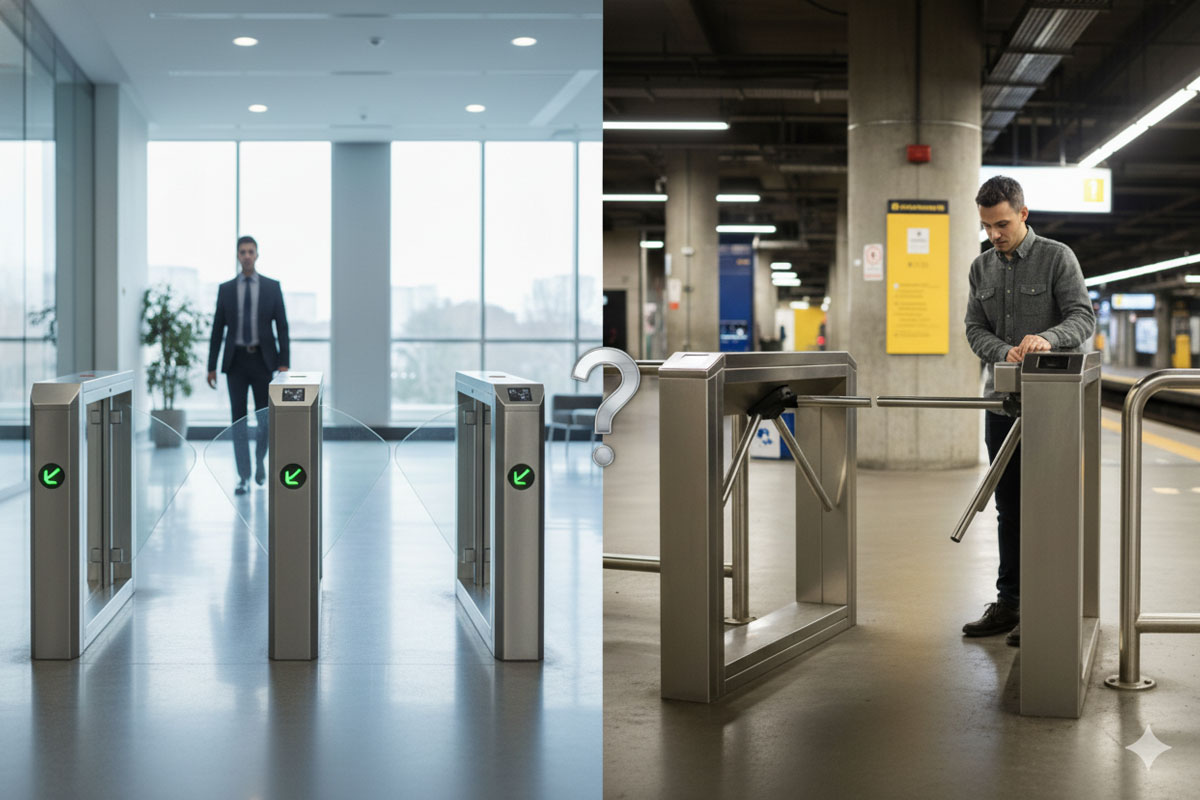
](https://aipadaturnstile.com/wp-content/uploads/2026/04/Flap-Barriers-vs-Turnstiles-Which-is-Better.jpg "Flap Barriers vs Turnstiles Which is Better")

Choosing the right access control system for a facility is important. Are you facing challenges with managing pedestrian flow or enhancing security at entry points? Selecting an appropriate solution is key for operational efficiency and safety.
Both flap barriers and turnstiles serve to control access. The optimal choice depends on specific requirements for speed, security, and integration with a building’s design. This guide clarifies their distinctions and applications.
Facilities often encounter issues like long queues during peak hours. Inadequate access control can lead to frustration for users and potential security gaps. Understanding the unique features of each system helps in making an informed decision.
What is the difference between flap barrier and turnstile?
Do you know the specific differences between flap barriers and turnstiles? These terms are sometimes used broadly, but they refer to distinct access control mechanisms. Understanding these differences is crucial for effective system selection.
The fundamental distinction lies in their physical operation and how they regulate pedestrian movement. Flap barriers use retractable panels, while various turnstile types employ rotating arms or gates. This impacts their performance in different environments.
Consider the functional needs of an entrance. A high-traffic corporate lobby requires different characteristics compared to a secure industrial perimeter. Each mechanism is engineered for particular use cases.
Mechanism and Design
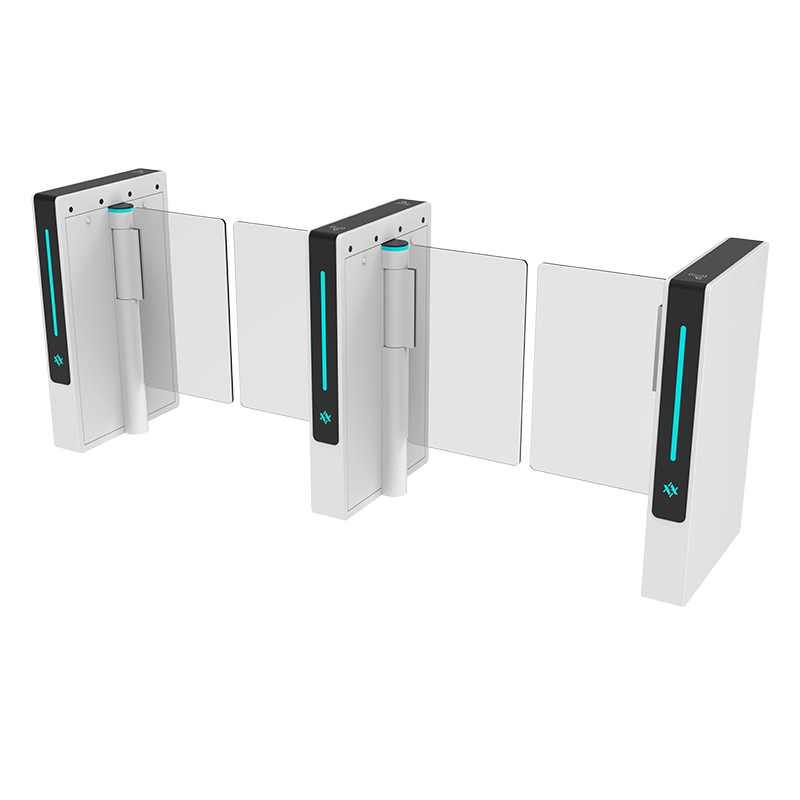
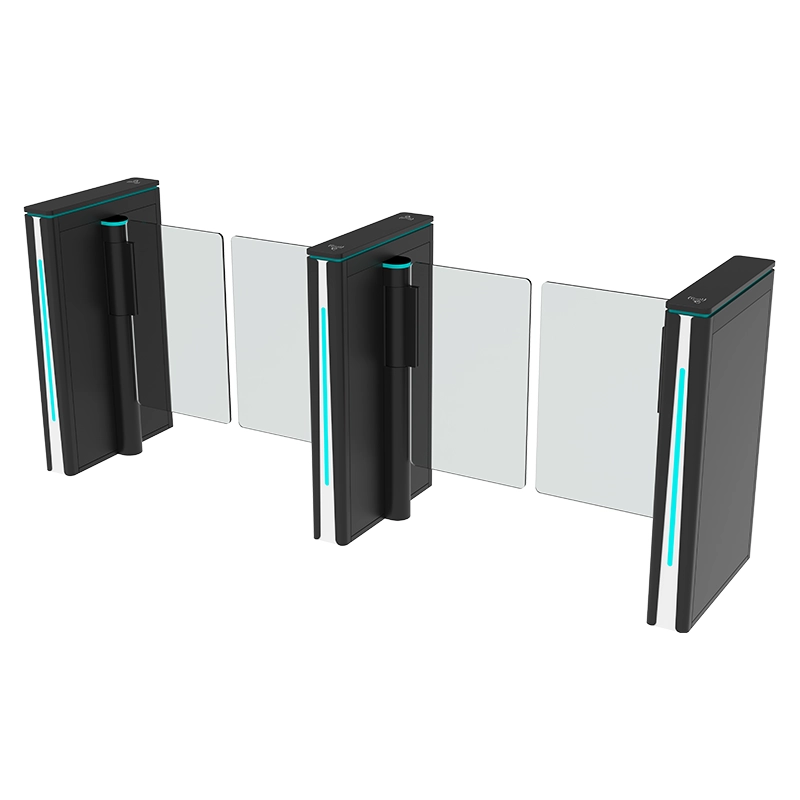
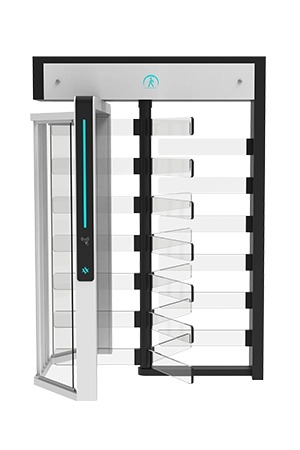
Flap barriers[^1] typically feature two wings, often made from materials like acrylic or tempered glass. These wings retract into the barrier’s housing to permit passage. Upon valid credential presentation, the flaps open quickly. They close promptly after a person passes through, enabling rapid sequential access. This design offers a smooth, often contactless user experience.
Turnstiles encompass several design variations.
Types of Turnstile Mechanisms:
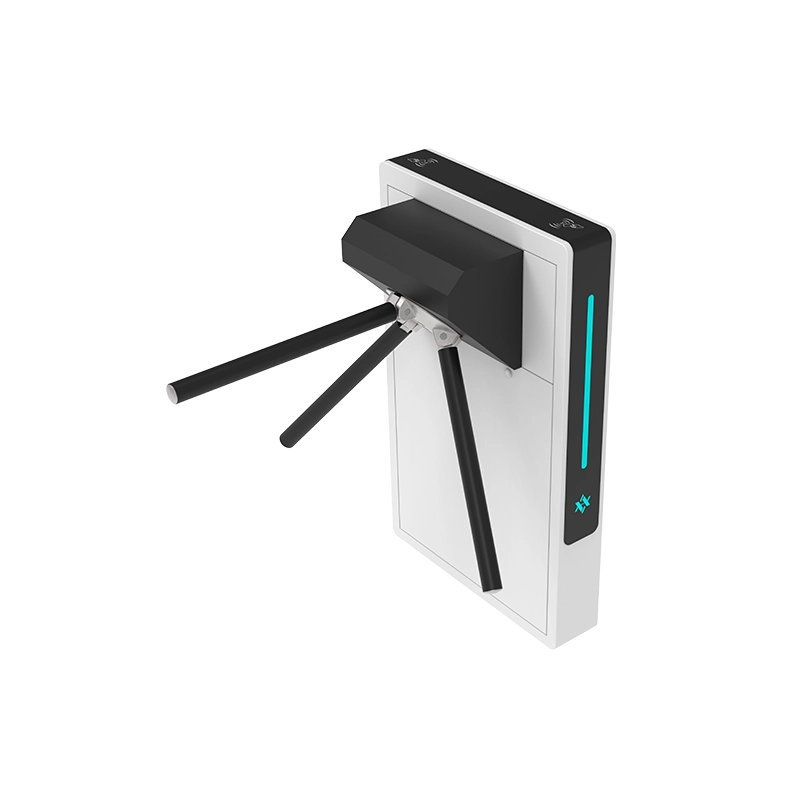
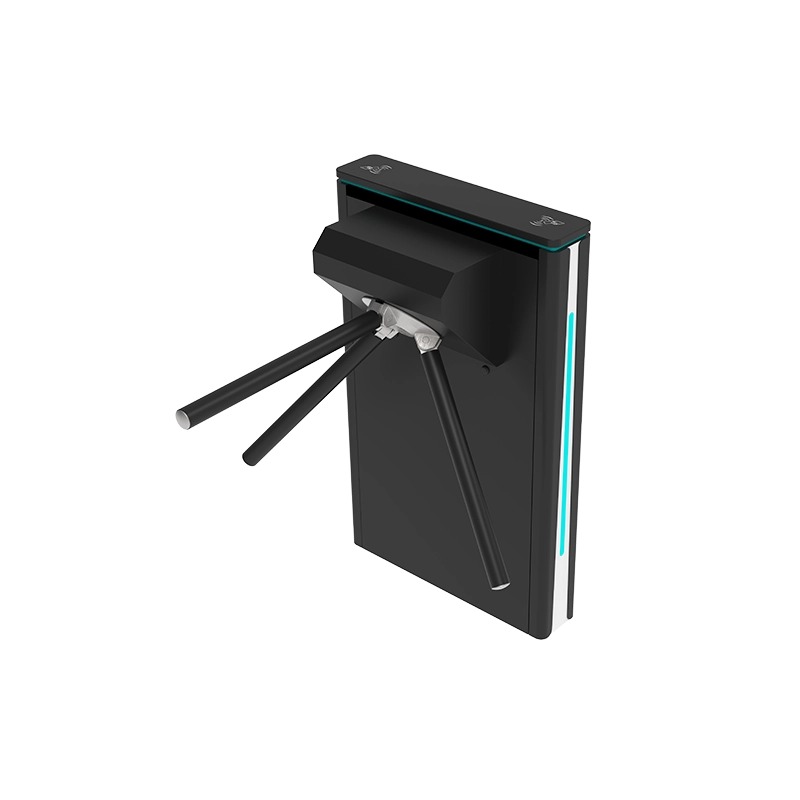
- Tripod Turnstiles: These consist of three rotating arms. Upon authorization, one arm unlocks, allowing a single pedestrian to push through. The arms then re-lock to prevent follow-through.
- Swing Turnstiles: These operate like a gate that swings open. They provide wider access, accommodating individuals with wheelchairs, strollers, or large luggage.
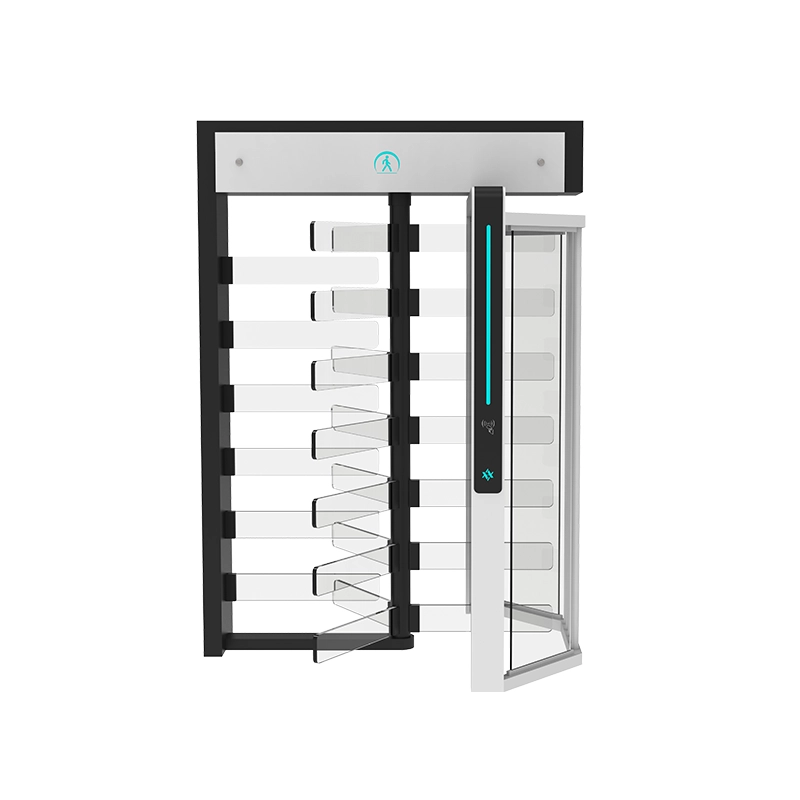
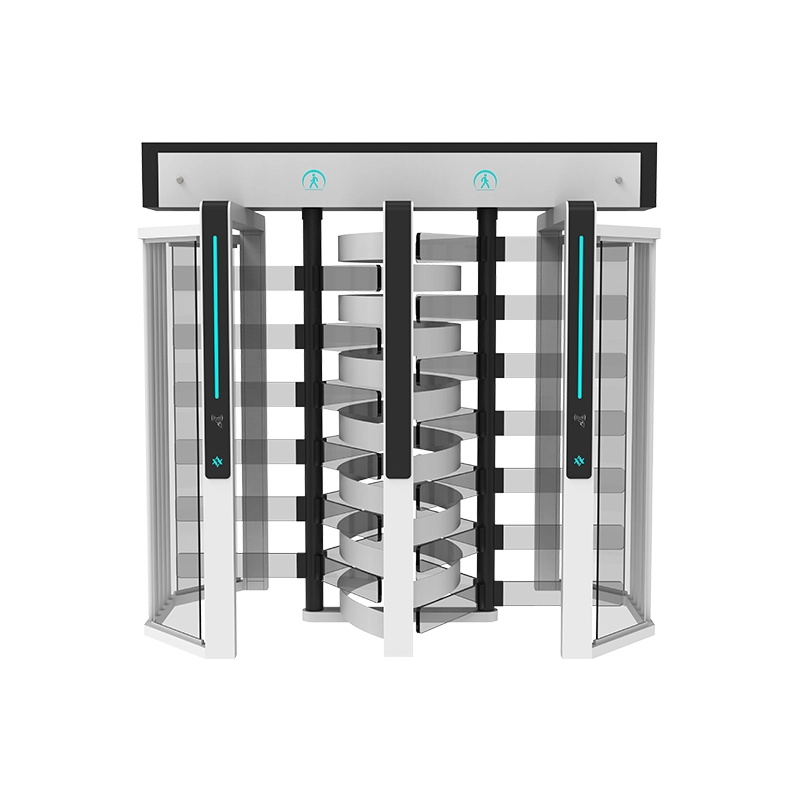
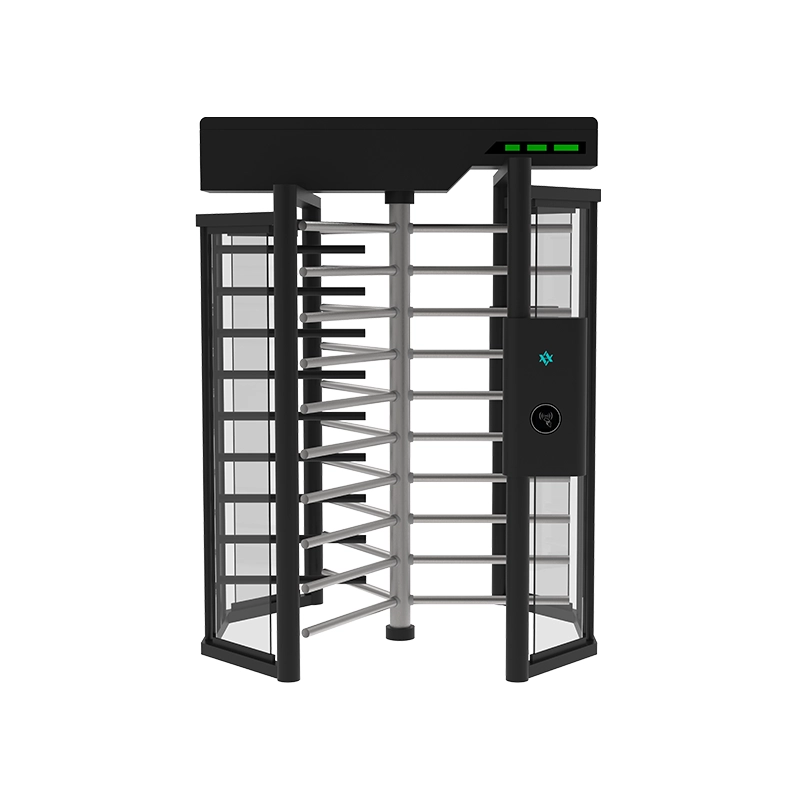
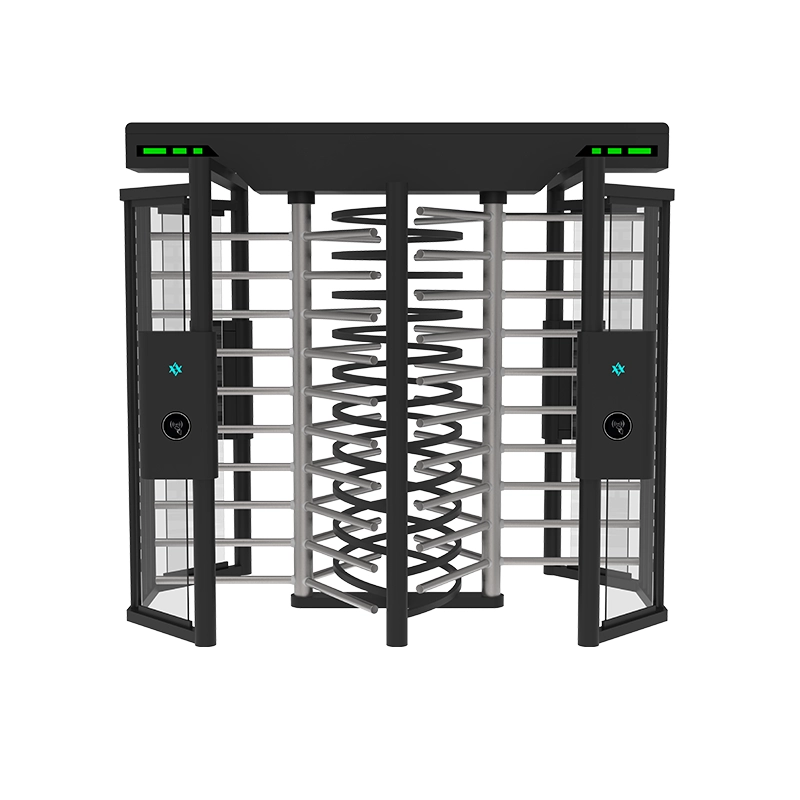
- Full-Height Turnstiles: These are tall, rotating cage-like barriers. They offer the highest level of physical security by creating an impenetrable enclosure.
- Speed Gates: This is a broader category that includes both flap barriers and certain swing gates designed for rapid pedestrian throughput.
Flap barriers are often preferred in environments where aesthetic appeal and high-speed passage are priorities. Examples include modern office buildings, corporate headquarters, and high-end commercial complexes. Their sleek appearance complements contemporary architectural styles.
Turnstiles, particularly tripod and full-height models, are more commonly deployed in industrial settings, educational institutions, or venues requiring stringent security. Their robust construction ensures durability for heavy usage and harsher conditions.
| Feature | Flap Barrier | Turnstile (e.g., Tripod) |
|---|---|---|
| Passage Type | Retracting flaps | Rotating arms |
| Throughput | High (designed for rapid sequences) | Moderate (individual push-through) |
| Aesthetics | Modern, often incorporates glass and sleek finishes | Functional, robust, typically metal construction |
| Security | Medium-high (relies on sensors for anti-tailgating) | Medium-high (physical barrier) |
| Accessibility | Accommodates wider passage with specific models | Limited for wheelchairs (unless swing type used) |
This comparison highlights that while both systems manage access, their operational profiles and ideal applications differ significantly. Advanced models of both types often feature technology for smooth, quiet operation and extended lifespan.
What are the four types of control barriers?
Are you examining the different categories of pedestrian access control barriers? Classifying these types helps in understanding their specific applications and security contributions. Each barrier type addresses distinct requirements for crowd management and entry security.
Access control systems for pedestrians generally fall into four primary categories. These range from basic mechanical barriers to sophisticated automated units. Each type plays a specific role in securing and managing access points.
The selection of a control barrier depends on factors such as required security level, traffic volume, and environmental conditions. Different settings, such as a public park versus a secure data center, necessitate varied barrier solutions.
1. Tripod Turnstiles
Tripod turnstiles are a widely recognized form of access control. They feature three metal arms, typically made of stainless steel, configured in a tripod arrangement. When an authorization is verified, one arm unlocks, enabling a single person to push through. The arms then re-lock to prevent unauthorized consecutive entry.
Key Characteristics:
- Cost-Effectiveness: Often represent an economical solution for access control.
- Durability: Constructed for resilience and sustained performance in demanding environments.
- Medium Security: Effective in preventing unauthorized entry and regulating single passage.
- Applications: Industrial facilities, educational campuses, public transportation hubs, and sports venues.
Tripod turnstiles are a common choice for applications requiring reliable and straightforward access management. Their robust design ensures long-term functionality with minimal maintenance.
2. Speed Gates / Flap Barriers
Speed gates, including flap barriers, offer a contemporary approach to pedestrian access control. They utilize retractable panels or swinging glass barriers. These open rapidly for authorized users and close quickly, facilitating high-speed traffic flow.
Key Characteristics:
- High Throughput: Engineered for efficient processing of large numbers of people in short periods.
- Aesthetic Integration: Their sleek designs are suitable for modern corporate and upscale architectural settings.
- Medium-High Security: Incorporate sensors to detect tailgating and prevent unauthorized passage.
- Applications: Corporate offices, airports, exhibition centers, and luxury hospitality venues.
Modern speed gates[^2] incorporate advanced sensor technology to ensure both smooth operation and enhanced security. They are well-suited for creating efficient and visually appealing entrance experiences.
3. Swing Turnstiles
Swing turnstiles are characterized by a single or double swinging gate. These gates are typically wider than other turnstile types, prioritizing accessibility and versatility in passage.
Key Characteristics:
- Accessibility: Ideal for accommodating individuals using wheelchairs, strollers, or transporting large items and luggage.
- Flexible Access: Can be configured to open for emergency exits or for the passage of oversized objects.
- Medium Security: Provides a clear physical barrier while maintaining user convenience.
- Applications: Libraries, museums, accessible entrances in commercial buildings, and retail environments.
Swing turnstiles are effective in addressing diverse user needs while maintaining controlled access. They can also integrate with building safety systems for automatic unlocking during emergencies, such as fire alarms.
4. Full-Height Turnstiles
Full-height turnstiles provide the highest level of physical security for pedestrian access. These robust barriers extend the full height of a person, creating an impassable obstruction. This design prevents individuals from climbing over or crawling under the barrier.
Key Characteristics:
- Maximum Security: Forms a strong, impenetrable physical barrier against unauthorized entry.
- Vandal Resistance: Constructed from heavy-duty materials to withstand challenging conditions and tampering.
- Unmanned Operation: Capable of securing an area without the constant presence of security personnel.
- Applications: Prisons, military installations, high-security data centers, and unattended public outdoor venues.
When absolute security is paramount, full-height turnstiles[^3] are the preferred solution. Their design ensures effective deterrence and control in the most demanding security environments.
What is the purpose of turnstile doors?
Are you considering the fundamental reasons behind the widespread use of turnstile doors? Their function extends beyond simple entry and exit control. Understanding their core objectives reveals their integral role in modern security and facility management.
The primary purpose of turnstile doors is to regulate and manage pedestrian traffic flow. They ensure that only authorized individuals gain access to designated areas. Beyond this, turnstiles offer significant advantages in security enforcement, operational efficiency, and data acquisition.
Turnstiles are essential for many facilities that require strict control over who enters and exits. They serve as a critical component in maintaining order and safety.
Regulating Access and Enhancing Security
Turnstiles are highly effective at enforcing a "one-person-at-a-time" policy. This design prevents common security breaches such as tailgating, where multiple individuals attempt to pass on a single authorization.
How Turnstiles Improve Security:
- Anti-Tailgating Measures: Equipped with sensors that detect when more than one person attempts to pass per valid credential, triggering an alert.
- Prevention of Unauthorized Entry: The physical barrier actively blocks access for individuals lacking proper authentication.
- Integration with Access Control Systems: Seamlessly connect with various verification methods, including card readers, biometric scanners, or QR code systems, to ensure authenticated passage.
- Emergency Egress Capabilities: Most turnstiles feature a fail-safe mode. They automatically unlock or open during power failures or fire alarms, ensuring safe and rapid evacuation.
Modern turnstiles often incorporate advanced features like anti-climb and anti-reverse mechanisms. These add further layers of security, making unauthorized passage more difficult.
Improving Efficiency and Data Collection
Beyond their security functions, turnstiles contribute significantly to operational efficiency. They automate many tasks that would otherwise require manual oversight, reducing human intervention.
Efficiency Benefits:
- Reduced Labor Costs: Less reliance on personnel for manual credential checking at entry points.
- Optimized Throughput: Especially with speed gates, they can process large volumes of people quickly during peak operational hours.
- Automated Attendance Tracking: Integration with human resources systems allows for accurate and automated time and attendance record-keeping.
- Streamlined Visitor Management: Can be linked to visitor registration platforms, facilitating the issuance of temporary access credentials.
Turnstiles can integrate with existing facility management systems. This creates a powerful tool for both security and operational streamlining. The data collected from turnstile usage provides valuable insights into traffic patterns, peak usage times, and overall facility utilization.
Contributing to Facility Image and Order
Turnstiles also play a role in the overall presentation and management of a facility’s entrance. A thoughtfully selected turnstile can enhance the architectural and functional appeal of an entry point.
Image and Order Benefits:
- Professional Image: Modern and well-maintained turnstiles project a sophisticated and secure image for the facility.
- Crowd Management: They guide individuals into orderly queues, preventing congestion and maintaining a structured flow of people.
- Clear Boundary Definition: Turnstiles clearly delineate official entry and exit points, minimizing confusion and directing pedestrian traffic.
- Aesthetic Customization: Many turnstile models offer customization options for materials, finishes, and lighting. This allows them to complement the building’s interior design and branding.
The installation of an appropriate turnstile can significantly improve the user experience and perceived organization of an entrance area. They contribute to a more controlled, secure, and visually appealing environment.
What is the problem with the flap barrier?
Are you evaluating flap barriers for an access control solution and considering potential disadvantages? While flap barriers offer notable benefits, they also present specific challenges. A comprehensive understanding of these issues is important for a balanced assessment.
Flap barriers are recognized for their speed and sleek design, but they can encounter issues related to durability, vulnerabilities to security breaches like tailgating, and higher initial investment. It is important to weigh these factors against their advantages in any given application.
Without proper planning, challenges such as system damage or security gaps can arise. Addressing these potential problems often involves implementing specific protocols and system configurations.
1. Durability and Maintenance Concerns
Flap barriers, featuring moving panels often made of glass or acrylic, can be more susceptible to physical damage compared to more robust, solid turnstile designs.
Durability Issues:
- Vandalism Potential: The retractable flaps may be vulnerable to damage if subjected to excessive force or intentional tampering.
- Mechanical Wear: High-frequency operation, particularly in very busy areas, can lead to increased wear on internal components such as motors and sensors, necessitating regular maintenance.
- Environmental Sensitivity: The retraction mechanisms can be sensitive to the accumulation of dust or small debris. This requires consistent cleaning and preventative maintenance to ensure smooth operation.
To mitigate these concerns, manufacturers often employ durable materials and advanced motor technologies. These are designed to reduce wear and extend the operational life of the gates. However, no system is entirely impervious to misuse or environmental factors.
2. Security Vulnerabilities (Tailgating)
Despite the integration of advanced sensor technology, tailgating remains a potential vulnerability with flap barriers. Tailgating occurs when an unauthorized individual closely follows an authorized person through the gate.
Tailgating Challenges:
- Speed of Passage: The very speed that makes flap barriers efficient can inadvertently create brief windows of opportunity for tailgating.
- Evasive Techniques: Determined individuals may learn methods to bypass sensor systems, although modern systems are designed to detect such attempts.
- False Detections: Occasionally, legitimate actions, such as a person carrying bulky items, might trigger a false tailgating alarm. Conversely, a skilled tailgater might pass undetected under specific circumstances.
To counter these vulnerabilities, flap barriers are often equipped with sophisticated multi-beam infrared sensors. These create a dense detection area. Integrating flap barriers with video surveillance and monitoring by security personnel provides a more comprehensive security solution.
3. Cost Implications
Flap barriers generally represent a higher initial investment compared to more basic access control options like tripod turnstiles.
Cost Factors:
- Initial Purchase Price: The advanced technology, precision engineering, and often premium materials (like tempered glass or polished stainless steel) contribute to a higher manufacturing cost.
- Installation Complexity: Their sophisticated sensor arrays and intricate mechanical components may necessitate more specialized installation and precise calibration.
- Maintenance Expenses: While designed for reliability, any required repairs involving specialized parts or expert technical service can incur higher maintenance costs.
However, it is important to consider the overall value proposition. The benefits of high throughput, aesthetic appeal, and enhanced user experience offered by flap barriers can lead to a positive return on investment for many organizations, particularly those prioritizing efficiency and corporate image.
4. Limited Physical Deterrence
While effective in controlling access, flap barriers typically offer less physical deterrence compared to more imposing barriers like full-height turnstiles.
Deterrence Limitations:
- Perceived Security Level: While they act as a strong psychological barrier, a highly determined individual might attempt to force their way through.
- Overcoming the Barrier: Although uncommon, it is theoretically possible for someone to attempt to jump over shorter flap barriers, especially in unsupervised areas.
For environments demanding the highest level of physical security, supplementing flap barriers with additional security layers is often recommended. This could involve combining them with manned security checkpoints, comprehensive CCTV systems, or using full-height turnstiles at critical entry points.
My Insights: Flap Barriers vs. Turnstiles – Which is Better?
Deciding between flap barriers and turnstiles for access control? Each offers unique advantages and drawbacks tailored to different security needs.
Flap barriers offer faster access and modern aesthetics, while turnstiles provide robust security and durability. Choose flap barriers for high-traffic, tech-integrated areas and turnstiles for cost-effective, outdoor-friendly security.
Comparing Flap Barriers and Turnstiles[^4]
Flap Barriers Pros and Cons
| Aspect | Flap Barriers |
|---|---|
| Throughput | Offers faster access, ideal for high-traffic areas |
| Design | Modern and visually appealing |
| Integration | Smoothly works with advanced access systems |
| Customization | Adaptable for various security situations |
| Limitations | Higher cost and maintenance needs, not ideal outdoors |
Turnstiles Pros and Cons
| Aspect | Turnstiles |
|---|---|
| Physical Security | Provides strong, reliable one-at-a-time entry |
| Cost | More cost-effective and durable |
| Maintenance | Requires less upkeep |
| Outdoor Suitability | More resistant to weather and damage |
| Limitations | Slower throughput, less modern appearance |
Choosing Based on Needs
When to Choose Flap Barriers: Ideal for environments requiring fast, integrated, and aesthetic access solutions, like offices and transit hubs.
When to Choose Turnstiles: Best for cost-effective, durable security in outdoor or rugged conditions, ensuring strict entry control in places like stadiums or secure facilities. Understanding the specific needs of your space will guide the right choice.
Conclusion
The selection between flap barriers and turnstiles involves evaluating specific needs for throughput, security level, and aesthetic integration. Each system offers distinct advantages and presents particular considerations. A thorough assessment of these factors is essential for implementing an access control solution that is both effective and efficient.
](https://aipadaturnstile.com/wp-content/uploads/2025/11/AT107-TC-01.webp)
](https://aipadaturnstile.com/wp-content/uploads/2025/12/vertical-tripod-turnstile.jpg)
](https://aipadaturnstile.com/wp-content/uploads/2025/12/popup-img.jpg)