
](https://aipadaturnstile.com/wp-content/uploads/2026/03/Tripod-Turnstiles-or-Speed-Gates-Which-Should-You-Choose.jpg "Tripod Turnstiles or Speed Gates Which Should You Choose")

Are you evaluating access control systems to enhance security and manage pedestrian flow? Many facilities seek effective solutions for regulating entry and exit. This guide explores key considerations for selecting between tripod turnstiles and speed gates.
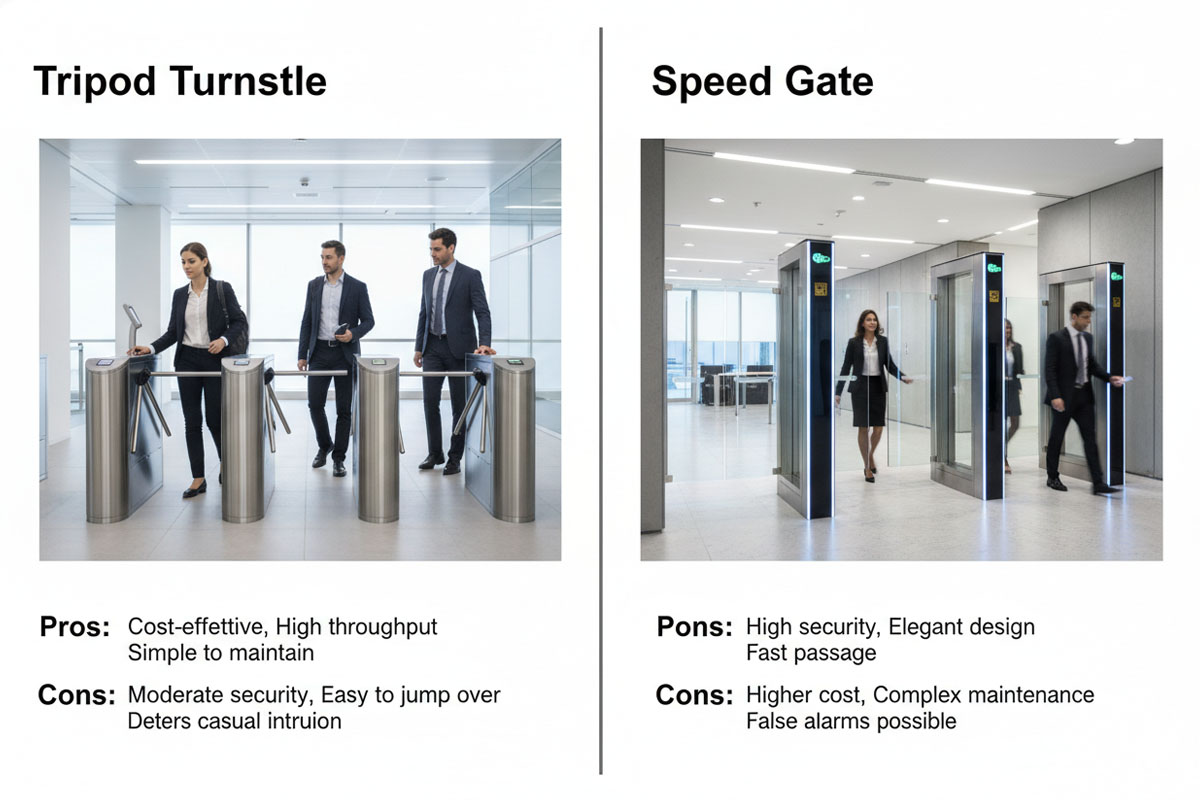
Choosing between tripod turnstiles and speed gates requires an assessment of security needs, desired throughput, aesthetic integration, and budget constraints. Tripod turnstiles provide a reliable and economical option for fundamental access control, whereas speed gates deliver an advanced, high-speed, and visually appealing solution for environments demanding sophisticated security and rapid passage.
The decision between these two types of turnstiles involves understanding their distinct features and how they align with specific operational requirements. This analysis will help clarify which system is best suited for your application.
What are the ADA requirements for turnstiles?
Are you planning an access control system and considering how to ensure equal access for everyone? Adhering to accessibility standards is a critical aspect of turnstile implementation that often requires careful planning.
ADA requirements for turnstiles[^1] mandate that facilities provide accessible pathways for individuals with disabilities, including those using wheelchairs. This typically involves incorporating an accessible gate, such as a swing gate or a wider lane, designed to offer a minimum clear opening width of 32 inches and sufficient maneuvering space for safe passage.
Compliance with ADA guidelines is essential for legal reasons and for creating an inclusive environment. It ensures that access control systems do not create barriers for any individuals, promoting a welcoming and functional space for all users.
Understanding Accessibility Standards for Access Control
The Americans with Disabilities Act (ADA) establishes specific guidelines for accessibility in public and commercial facilities. When implementing turnstiles, the focus is on ensuring that at least one accessible route is available and easily identifiable for individuals with disabilities. This does not mean every turnstile lane must be accessible, but a clear path must exist.
Essential ADA Dimensions and Design Principles
| Requirement | Description | Standard Measurement (minimum) |
|---|---|---|
| Clear Opening Width | The unobstructed width of the accessible gate when fully open. | 32 inches (81 cm) |
| Maneuvering Space | Adequate clear floor space around the accessible gate for approach and turning. | Varies based on approach |
| Controls Height | Any user-operable controls, such as card readers, must be within an accessible height range. | 34-48 inches (86-122 cm) |
| Signage | Clear and visible international symbols of accessibility to indicate the accessible route. | Required |
Importance of Accessible Turnstile Design
Providing an accessible pathway is crucial for several reasons. First, it ensures adherence to legal requirements, preventing potential non-compliance issues. Second, it supports the ethical principle of universal design, enhancing the reputation of the facility. Finally, it improves the overall user experience, making the facility usable for a broader spectrum of individuals. Integrating an accessible gate, such as a swing turnstile, alongside standard lanes is a common and effective solution.
What is the turnstile area?
Are you determining the physical space necessary for an access control system? Understanding the footprint required for turnstiles is crucial for efficient planning and smooth pedestrian flow within your facility.
The turnstile area is the dedicated physical space encompassing the turnstile units, associated queuing zones, entry and exit pathways, and integrated access control hardware. This area must be designed to manage pedestrian traffic effectively, facilitate security checks, and ensure clear emergency egress, contributing to a safe and orderly passage for all individuals.
Properly planning the turnstile area is vital for operational efficiency and user comfort. A well-configured area minimizes congestion, reinforces security measures, and provides a streamlined experience for those entering or exiting the controlled zone. It is a comprehensive system, not merely a collection of devices.
Designing an Effective Turnstile Layout
The layout of a turnstile area directly impacts its functionality and user experience. It involves more than just placing equipment; it requires optimizing the entire flow of individuals through the access point. Factors such as expected traffic volume, the number of required lanes, and the integration of other security components are key.
Components Defining a Turnstile Area
- Turnstile Units: The physical access gates, which can include tripod turnstiles, speed gates, or swing turnstiles.
- Queuing Zones: Designated spaces before the turnstiles for individuals to line up, managing pre-entry flow.
- Exit Paths: Clearly defined routes for individuals departing the controlled area.
- Accessible Lanes: Specific wider lanes or gates designed to accommodate individuals with disabilities, strollers, or large items, adhering to accessibility standards.
- Security Integration Points: Areas for mounting and integrating card readers, biometric scanners, visitor management terminals, and surveillance cameras.
- Emergency Egress: Unobstructed pathways and mechanisms for rapid evacuation during emergencies, often linked to fire alarm systems for automatic gate release.
Spatial Considerations for Various Turnstile Types
| Turnstile Type | Typical Footprint (per lane) | Key Spatial Requirements |
|---|---|---|
| Tripod Turnstile | Small to Medium | Sufficient rotational clearance for arms; adequate queuing space. |
| Speed Gate | Medium to Large | Longer chassis for sensor arrays; clear entry/exit zones; customizable lane widths. |
| Swing Gate | Medium | Wide swing arc clearance; clear path for accessible movement. |
When designing a turnstile area, it is important to anticipate peak usage times. For instance, a high-traffic corporate lobby might require multiple speed gates with spacious queuing areas to manage morning arrivals efficiently, while a factory entrance might prioritize robust tripod turnstiles with a focus on durability over high-speed throughput. An optimized turnstile area enhances daily operations significantly.
What are the disadvantages of turnstiles?
Are you evaluating turnstile solutions and seeking a balanced perspective beyond their benefits? Organizations must consider potential drawbacks to ensure a comprehensive understanding before implementation.
While turnstiles offer considerable advantages in security and traffic regulation, they present potential disadvantages, including significant initial investment, ongoing maintenance demands, the possibility of bottlenecks during peak hours, and challenges in accessibility if not meticulously planned. They can also create a perception of restrictiveness if not integrated thoughtfully into the facility’s design.
Recognizing the limitations of turnstiles is crucial for an informed decision-making process. By addressing these potential downsides proactively, facilities can implement strategies to mitigate them, leading to a more effective and user-friendly access control system.
Exploring the Limitations of Turnstile Systems
Turnstiles are powerful tools for access control, yet they involve certain complexities. A thorough assessment of these factors is essential before committing to installation. This includes financial implications, operational challenges, and the impact on user experience.
Common Disadvantages Associated with Turnstile Implementation
- Initial Investment and Installation Costs: Turnstile systems, particularly high-end speed gates, can involve a substantial upfront financial outlay. This covers equipment procurement, professional installation labor, and integration with existing security and building management systems.
- Ongoing Maintenance Requirements: Like all electromechanical systems, turnstiles require regular maintenance to ensure optimal performance, reliability, and an extended operational lifespan. This entails recurring costs for parts replacement, preventative servicing, and technical support.
- Potential for Bottlenecks: During periods of high traffic, even systems designed for high throughput can experience queuing if an insufficient number of lanes are available or if users encounter delays due to authentication issues (e.g., failed card reads, slow biometric scans).
- Accessibility Challenges: Without dedicated accessible lanes, such as wider swing gates, turnstiles can pose significant barriers for individuals with disabilities, those pushing strollers, or navigating with large luggage, failing to meet universal access standards.
- Perception of Restrictiveness: In some environments aiming for an open and welcoming atmosphere, the presence of turnstiles can be perceived as overly controlling or unwelcoming by visitors and staff.
- Mechanical or Electronic Failures: Despite high reliability, turnstiles can experience occasional malfunctions, leading to temporary access disruptions. These incidents necessitate prompt repair and can affect operational continuity.
- Dependency on Power Supply: Most turnstile systems require a stable power source for operation. While many incorporate fail-safe mechanisms (e.g., automatic opening upon power loss for emergency egress), a prolonged power outage can still impact their functionality.
It is important to integrate a robust maintenance plan from the outset of any turnstile project. Considering the long-term operational costs alongside the initial purchase price provides a more accurate financial projection and helps prevent unexpected budget strains.
Where is turnstile located?
Are you considering the optimal placement for turnstiles within your facility? The strategic location of access control points is fundamental to their effectiveness in enhancing security and managing pedestrian flow.
Turnstiles are typically located at critical entry and exit points within various facilities where controlled access is necessary. This includes main building entrances, secure internal areas, public transportation hubs, and venues requiring ticket validation. Their precise placement is determined by the required security level, anticipated pedestrian traffic volume, available physical space, and seamless integration with the broader building security and architectural design.
Strategic turnstile placement is crucial for creating an efficient and secure access control system. It ensures that security protocols are enforced without impeding legitimate movement, contributing significantly to both safety and operational efficiency within the controlled environment.
Optimal Placement Strategies for Diverse Turnstile Applications
The specific location of turnstiles is as important as the type of turnstile chosen. Different operational environments present unique requirements for placement, ranging from high-traffic public spaces to highly secure private zones.
Key Location Types and Relevant Considerations
- Main Building Entrances:
- Purpose: Primary security, visitor management, and first point of access control for a building.
- Placement: Usually situated just inside the main lobby, in a visible and often architecturally integrated manner. Requires adequate space for multiple lanes, including an accessible gate, and often proximity to a reception or security desk.
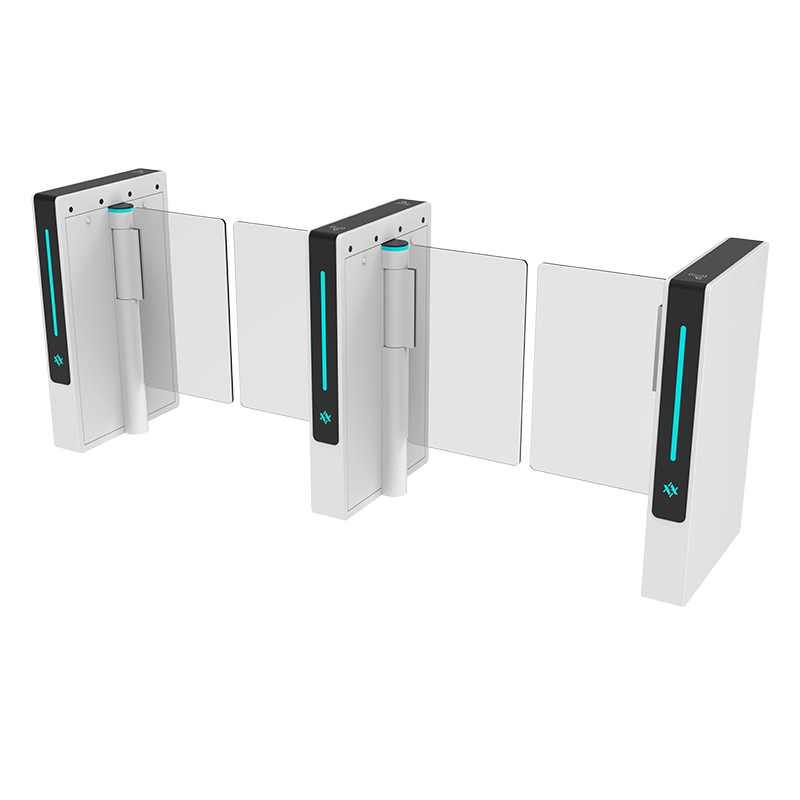
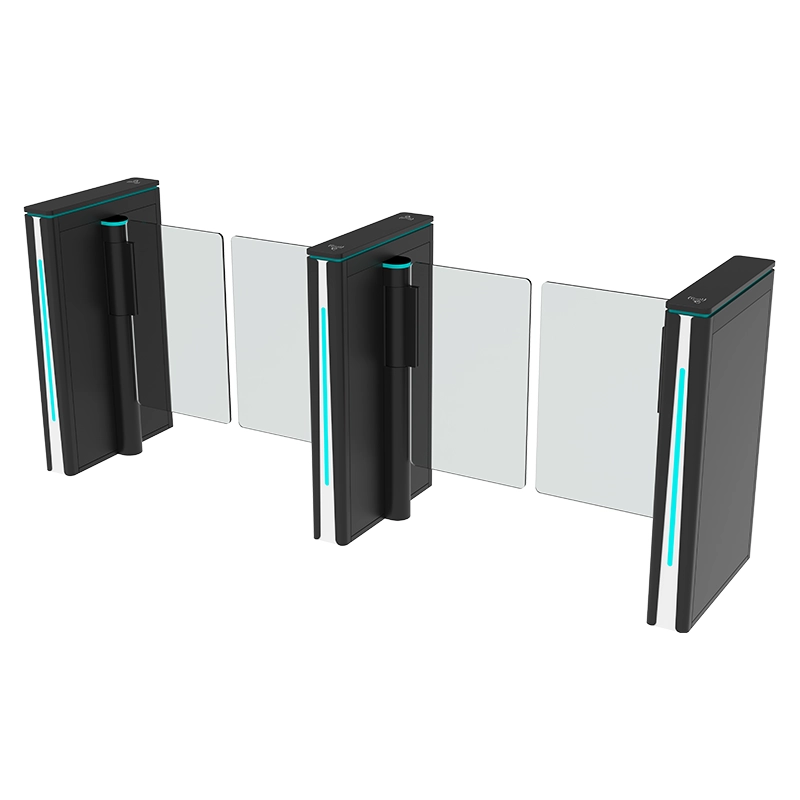
- Turnstile Choice: Often speed gates[^2] or swing turnstiles are selected for their aesthetic appeal and ability to handle high throughput in a sophisticated environment.
- Secure Internal Zones (e.g., Data Centers, Restricted Offices):
- Purpose: To restrict access to highly sensitive or critical areas exclusively to authorized personnel.
- Placement: At the entrance to the designated secure zone, typically after an initial perimeter access point.
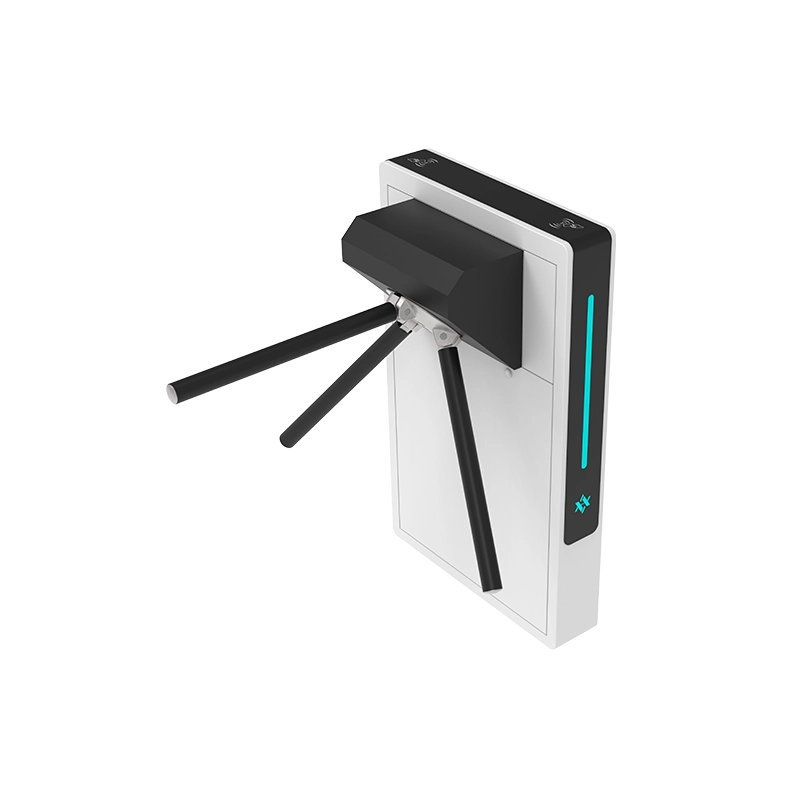
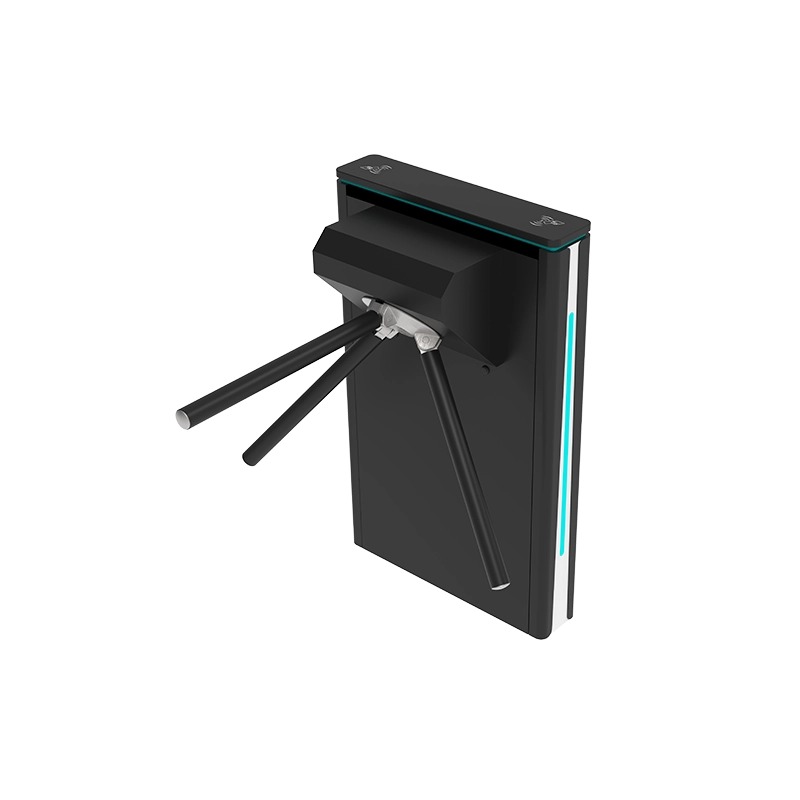
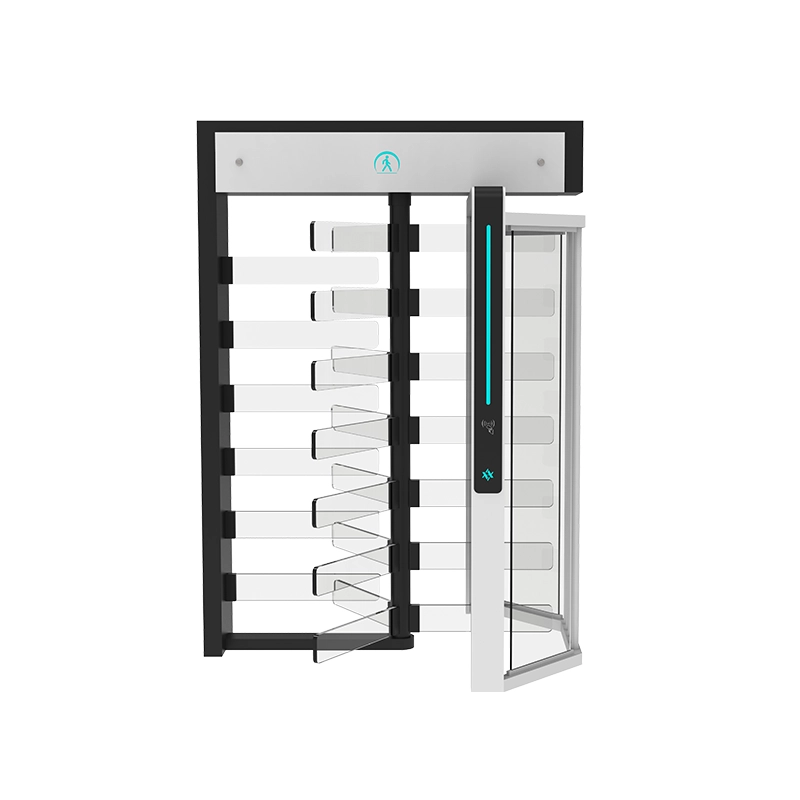
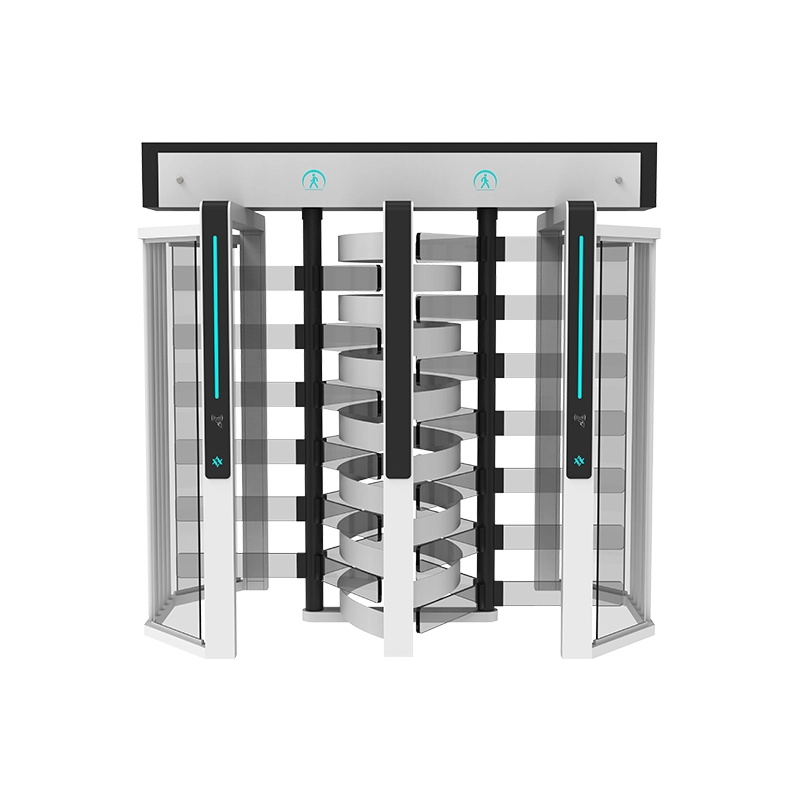
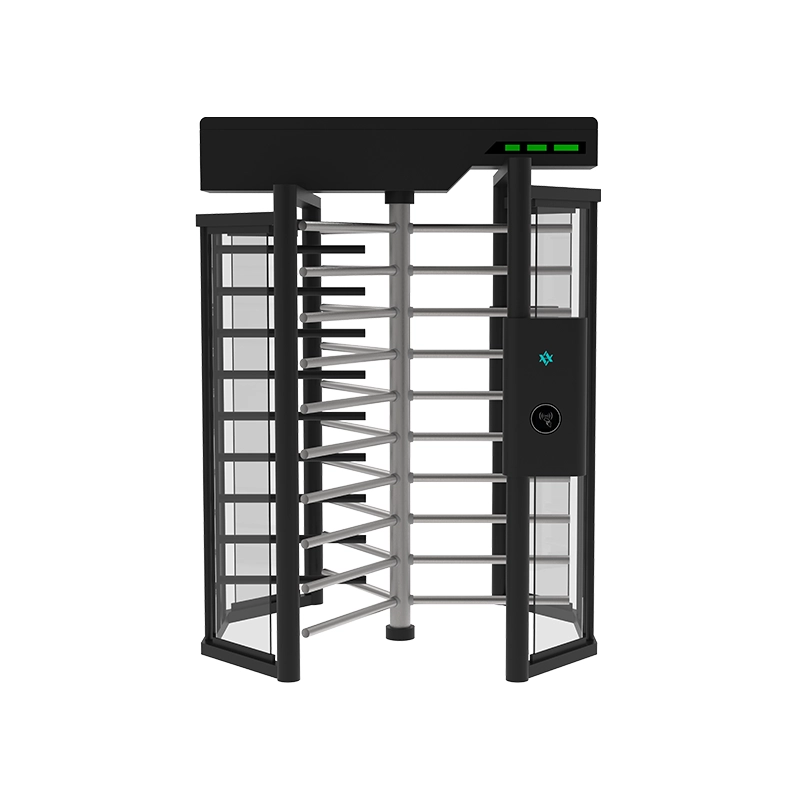
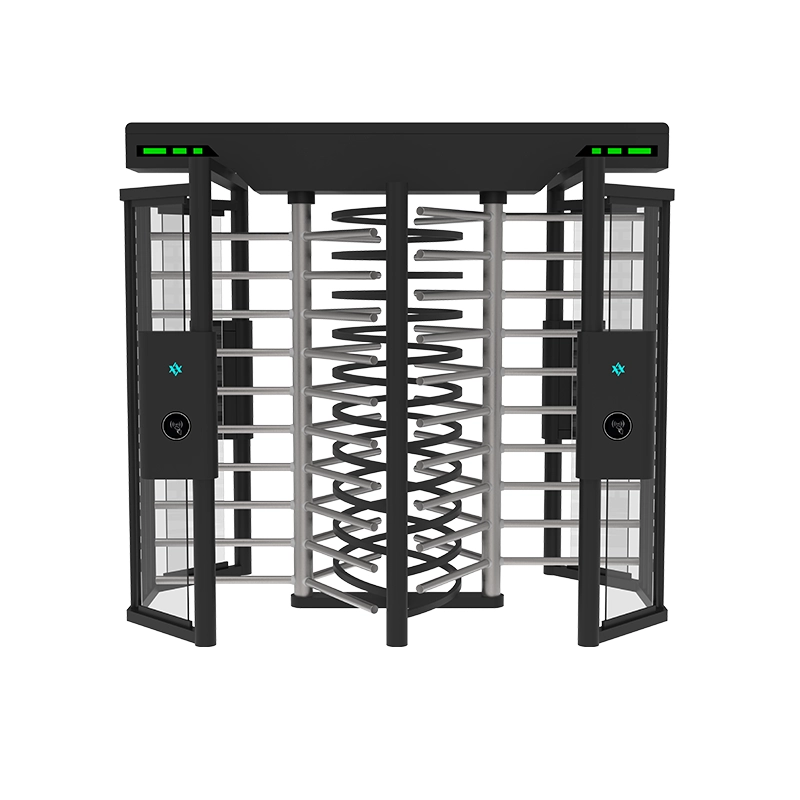
- Turnstile Choice: Robust tripod turnstiles[^3], flap barriers, or even full-height turnstiles are common, often integrated with advanced biometric or multi-factor authentication systems.
- Public Transportation Hubs (e.g., Subway Stations, Bus Terminals):
- Purpose: Automated fare collection and efficient management of large passenger volumes.
- Placement: At the entry points to paid areas or platforms, designed to withstand continuous heavy use.
- Turnstile Choice: High-speed flap barriers or swing turnstiles, often deployed in banks of multiple lanes for rapid processing.
- Recreational and Entertainment Venues (e.g., Stadiums, Theme Parks):
- Purpose: Ticket validation, crowd control, and prevention of unauthorized entry during events.
- Placement: At primary gates where large numbers of attendees enter simultaneously.
- Turnstile Choice: Durable tripod turnstiles are frequently used for their reliability and cost-effectiveness in managing high volumes, sometimes supplemented by full-height turnstiles for enhanced perimeter security.
- Industrial Facilities and Factories:
- Purpose: Employee time and attendance tracking, and controlling access to production areas, warehouses, or hazardous zones.
- Placement: At employee entry points, or at checkpoints between different operational sectors within the facility.
- Turnstile Choice: Rugged tripod turnstiles or full-height turnstiles are preferred for their durability and high level of physical security in demanding industrial environments.
Effective turnstile placement involves analyzing the specific operational needs of each entry point. For example, a location experiencing significant directional traffic might benefit from multiple lanes configured for entry and exit, whereas a less trafficked, high-security area might require fewer, more robust units with stricter authentication protocols.
My Insights: Tripod Turnstiles or Speed Gates: Which Should You Choose?
Deciding between tripod turnstiles and speed gates? Weigh their benefits to make the best choice for your access control needs.
Choose tripod turnstiles for budget-friendly, compact, and easy-to-maintain solutions. Opt for speed gates if you need high throughput, enhanced security, and a modern aesthetic. Each offers distinct advantages based on your specific requirements.
Evaluating the Choice Between Tripod Turnstiles and Speed Gates
Tripod Turnstiles
| Advantages | Considerations |
|---|---|
| Affordable and compact | Basic to medium security |
| Easy maintenance | Limited aesthetic appeal |
| Manual override in emergencies | Moderate traffic handling |
Speed Gates
| Advantages | Considerations |
|---|---|
| High throughput and premium look | Higher cost, more space required |
| Enhanced security with sensors | Requires more maintenance |
| Smooth user experience | Installation can be complex |
Decision Matrix
- Budget: Tripod turnstiles are cost-effective.
- Security: Speed gates offer advanced security features.
- Traffic Volume: Speed gates handle high traffic efficiently.
- Aesthetics: Speed gates are modern and visually appealing.
For environments like gyms and schools where cost and simplicity are key, tripod turnstiles are ideal. In contrast, for corporate offices and high-traffic lobbies where aesthetics and security are priorities, speed gates provide a superior user experience. Each option aligns with different operational needs and architectural considerations.
Conclusion
Selecting between tripod turnstiles and speed gates requires a thorough evaluation of security demands, throughput capabilities, and aesthetic integration. Prioritize ADA compliance, carefully design the turnstile area, and acknowledge potential operational disadvantages. Strategic placement is key to an efficient and secure access control system.
](https://aipadaturnstile.com/wp-content/uploads/2025/11/AT107-TC-01.webp)
](https://aipadaturnstile.com/wp-content/uploads/2025/12/vertical-tripod-turnstile.jpg)
](https://aipadaturnstile.com/wp-content/uploads/2025/12/popup-img.jpg)