](https://aipadaturnstile.com/wp-content/uploads/2026/03/Common-Locations-Where-Turnstiles-are-Installed.jpg "Common Locations Where Turnstiles are Installed")

Are you looking for effective ways to manage access and control foot traffic? Understanding the typical placement of turnstiles is crucial for optimizing security and operational flow.
Turnstiles are essential tools for access control and crowd management across diverse environments. They enhance security, streamline entry processes, and provide valuable data for operational efficiency. From public transportation hubs to corporate facilities, turnstiles offer robust solutions for modern access challenges.
This article will explore common locations for turnstile installation and how they address specific needs. It will also discuss various turnstile types and their benefits. This information helps in understanding how to optimize their placement for maximum impact.
What are the ADA requirements for turnstiles?
Are you concerned about ensuring accessibility for all individuals? Failing to meet ADA compliance can result in legal issues and exclude many potential users. Understanding these requirements is vital for turnstile installation[^1].
ADA requirements ensure turnstiles are accessible to individuals with disabilities. These specifications cover width, clear floor space, and operational force. Meeting these standards is not just a legal mandate; it promotes inclusivity and ensures a smooth experience for all users.
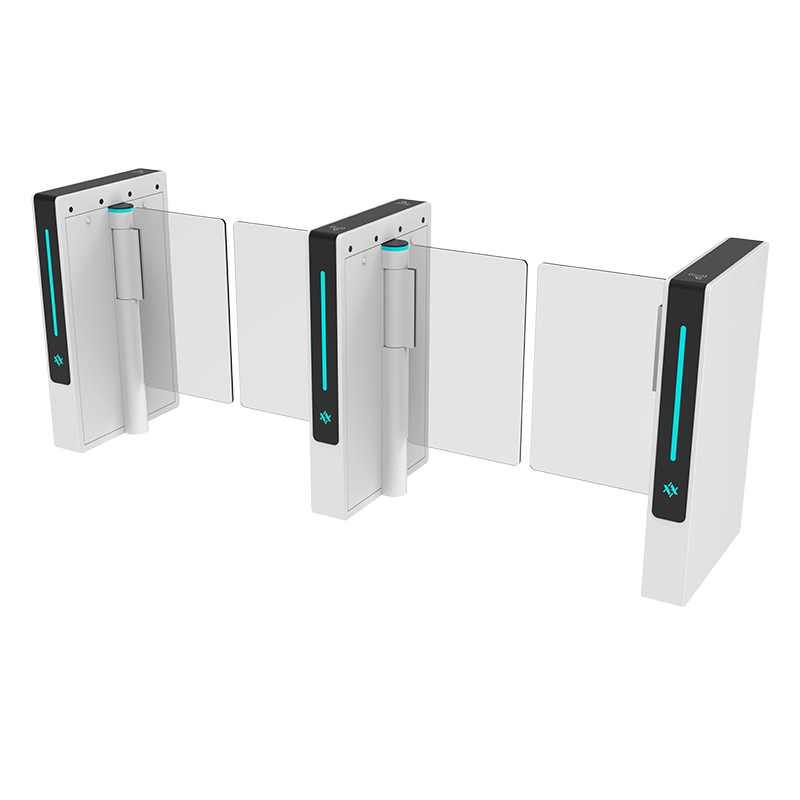
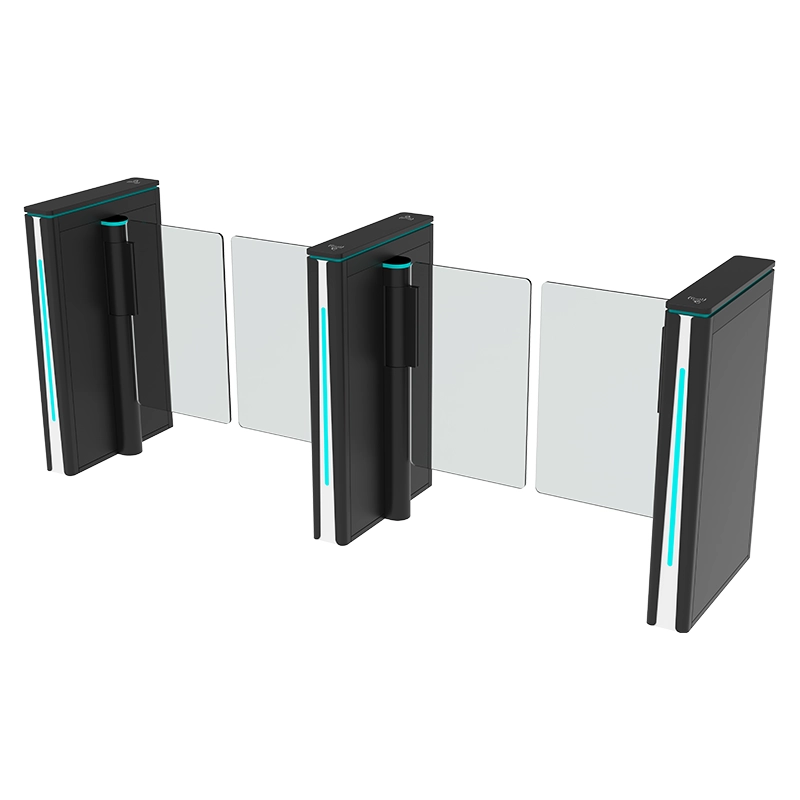
When considering ADA requirements, the focus is on making turnstiles user-friendly for everyone. This includes people using wheelchairs, strollers, or carrying large items. Specific turnstile models, like wider swing gates, are often used to meet these needs, offering broader lanes and easy-to-use mechanisms.
Why is ADA Compliance Important?
- Legal Obligation: The Americans with Disabilities Act (ADA) mandates that public accommodations must be accessible. Non-compliance can lead to significant penalties.
- Inclusivity: It ensures that all individuals, regardless of their physical abilities, can access and use facilities without barriers.
- Reputation: Adhering to accessibility standards enhances an organization’s public image and builds trust with its community.
Key ADA Specifications for Turnstiles
| Feature | Requirement | Considerations for Compliance |
|---|---|---|
| Clear Width | Accessible turnstile lanes must provide a minimum clear width of 32 inches (815 mm). | Wider swing turnstiles or gates are often used to meet this requirement, accommodating wheelchairs and strollers. |
| Operating Force | The force required to operate the turnstile should not exceed 5 pounds (22.2 N). | Turnstiles with advanced motor technology and smooth mechanisms are designed to operate with minimal force, ensuring ease of use for all. |
| Clear Floor Space | Adequate clear floor space must be available on both sides of the accessible turnstile for maneuvering. | Installation planning should account for sufficient space around the turnstile, allowing comfortable access for wheelchair users and those with assistive devices. |
| Emergency Egress | Accessible routes must include emergency egress compliant with ADA. Turnstiles must allow unimpeded exit during emergencies. | Turnstiles should be designed to automatically open during power outages or fire alarms, providing clear emergency exit paths. |
| Visual and Audible Cues | Provide visual and audible signals for entry/exit confirmation, particularly for individuals with sensory impairments. | Turnstiles can integrate LED indicators and optional audio prompts to provide clear feedback to users, improving the experience for individuals with diverse needs. |
Turnstiles can also integrate with various third-party verification systems, such as facial recognition or RFID. These integrations should also follow ADA guidelines. For instance, a touchless facial recognition system removes the need for physical interaction, which benefits people with limited hand mobility. The goal is for every installation to not only meet but exceed ADA expectations, creating truly inclusive environments.
What is the turnstile area?
Are you uncertain about the optimal placement of turnstiles for maximum effectiveness? Inadequate placement can lead to congestion and user frustration. Defining and understanding the "turnstile area" is crucial for efficient flow.
The turnstile area refers to the designated space surrounding a turnstile installation. This includes entry and exit points, queuing lines, and connecting pathways. Proper design of this area ensures smooth traffic flow, enhances security, and improves the overall user experience by minimizing congestion and potential safety hazards.
When discussing the turnstile area, it encompasses more than just the physical gates. It involves the entire environment where individuals interact with the access control system. Factors such as expected user volume and the specific purpose of the access point are considered. For example, a high-traffic public transport station requires a different setup compared to a corporate lobby.
Designing an Efficient Turnstile Area
- Traffic Flow Analysis: Detailed analyses help predict peak hours and user numbers, which informs the optimal number and type of turnstiles required.
- Queuing Management: Clear queuing paths, often defined by barriers or floor markings, guide users and prevent bottlenecks, ensuring orderly access.
- Integration with Other Systems: The design of the turnstile area must accommodate other security components, such as metal detectors or baggage scanners, for a cohesive security solution.
- Emergency Exits: Seamless integration with emergency exit strategies is vital to guarantee quick and safe evacuation during critical situations.
Key Considerations for Turnstile Area Design
| Factor | Description | Impact on Design and Functionality |
|---|---|---|
| Space Utilization | Maximizing available space without compromising accessibility or user flow. | Compact turnstile designs, such as speed gates and flap barriers, help optimize space in crowded environments, maintaining efficiency. |
| Security Zones | Clearly defining secure and non-secure zones to prevent unauthorized access. | Turnstiles establish clear demarcation lines, reinforcing security protocols and effectively deterring tailgating. |
| User Experience | Ensuring the area is intuitive and easy to navigate for all users. | Clear signage and logical layouts minimize confusion and contribute to a smooth, hassle-free experience for both new and regular users. |
| Aesthetics | Integrating the turnstile design with the surrounding architecture. | Customizable designs, available in various materials and finishes, allow turnstiles to complement the architectural style of any building. |
| Maintenance Access | Designing the area to allow easy access for maintenance and service personnel. | Turnstile designs should provide straightforward access to internal components for quick servicing, minimizing downtime and ensuring continuous operation. |
Future needs of the location are also considered. For instance, an organization might initially install a basic setup but plan to add facial recognition later. Designs that allow for easy upgrades and integrations make the turnstile area adaptable. The aim is to create a space that is both highly functional and aesthetically pleasing, ensuring that access solutions fit seamlessly into any environment.
What are the disadvantages of turnstiles?
Are you considering turnstiles but questioning their universal suitability? Overlooking potential drawbacks can lead to unforeseen issues. A comprehensive understanding of their limitations is important.
Turnstiles, despite their numerous benefits, can present certain disadvantages. These may include the initial installation costs, potential for bottlenecks during peak hours, and ongoing maintenance requirements. They might also pose challenges for individuals with specific mobility needs if accessibility is not a priority in their design. Understanding these aspects aids in making informed decisions.
One common concern for organizations is the initial investment. While the upfront cost can be substantial, it is important to consider the long-term benefits, such as savings in security personnel and reduced instances of unauthorized access. Another potential issue is throughput speed; if an insufficient number of turnstiles are installed in a high-traffic area, queues can form, leading to frustration.
Addressing Turnstile Challenges
- Cost Management: Selecting turnstiles that align with budget constraints while maintaining desired quality and security features.
- Traffic Flow Optimization: Conducting detailed traffic analyses to recommend the appropriate number and type of turnstiles to minimize congestion.
- Maintenance Planning: Implementing comprehensive maintenance schedules to ensure turnstiles operate smoothly and reliably over their lifespan.
- Accessibility Solutions: Incorporating ADA-compliant turnstiles and accessible pathways to ensure universal access for all users.
Potential Disadvantages and Solutions
| Disadvantage | Description | Mitigating Solutions |
|---|---|---|
| Initial Cost | The upfront investment for purchasing and installing turnstiles can be significant. | Solutions range from more economical tripod turnstiles to advanced speed gates, allowing organizations to select options fitting their budget and security needs. |
| Potential Bottlenecks | In high-traffic areas, an inadequate number of turnstiles can cause long queues. | Project consultations include detailed traffic analysis to recommend optimal turnstile quantities and types, such as high-speed flap barriers, to prevent congestion. |
| Maintenance Needs | Turnstiles are mechanical systems requiring regular maintenance for longevity. | Utilizing advanced motor technology for extended lifespan and offering comprehensive maintenance services reduces downtime and ensures consistent operation. |
| Accessibility Issues | Non-ADA compliant turnstiles can create barriers for individuals with disabilities. | Product lines often include dedicated ADA-compliant swing gates with wider lanes, integrating accessible authentication methods like touchless facial recognition. |
| Integration Complexity | Integrating turnstiles with existing security systems can sometimes be complex. | Turnstiles designed with open protocols facilitate seamless integration with various third-party access control, time & attendance, and visitor management systems. |
| Power Dependency | Turnstiles rely on electrical power to function, potentially causing issues during outages. | Many turnstiles feature a "fail-safe" mechanism, automatically opening during power loss to ensure emergency egress and prevent entrapment. |
Training for facility staff is also often provided to help them manage common operational issues and ensure quick responses to any problems. The focus is on implementing proactive solutions to minimize these disadvantages, ensuring that the technology delivers maximum value.
Where is turnstile located?
Are you uncertain about the ideal placement of turnstiles within your facility’s security framework? Incorrect positioning can undermine their effectiveness. Identifying the right location is crucial for optimal security and user flow.
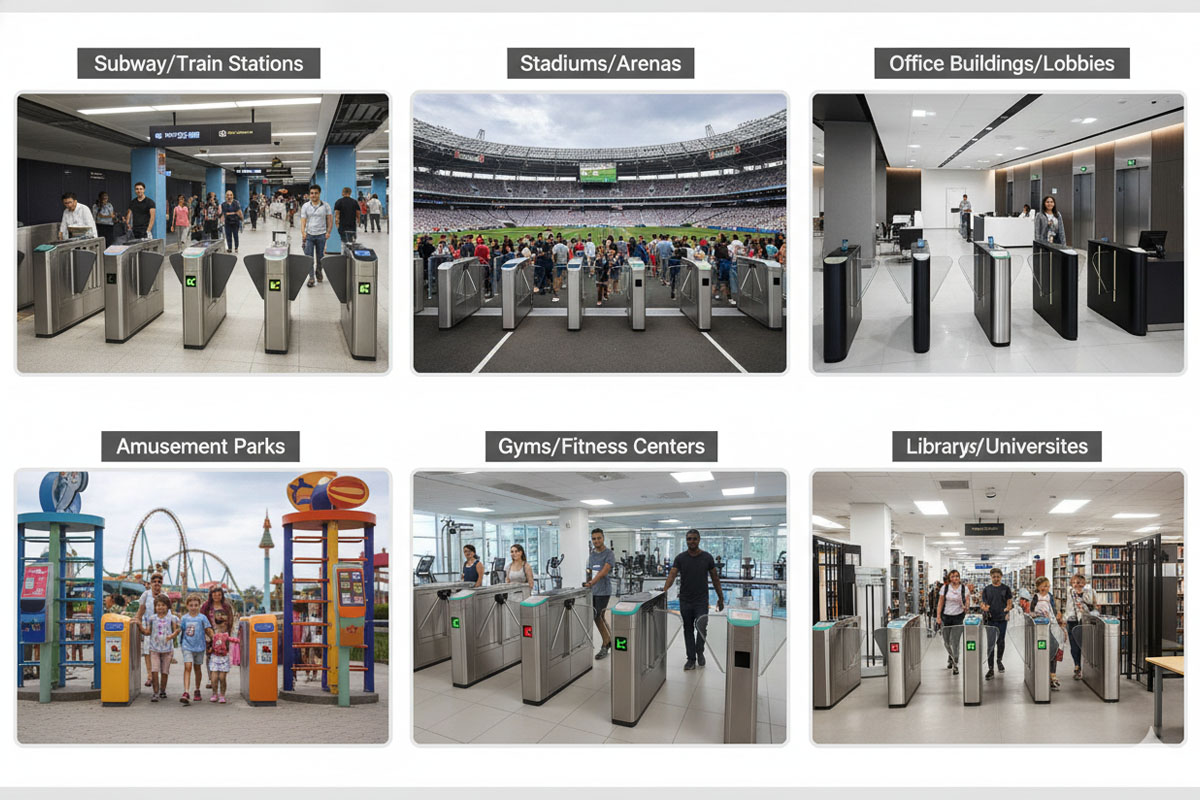
Turnstiles are strategically positioned at entry and exit points of various facilities to control access. Their placement is determined by the required security level, anticipated traffic volume, and the specific function of the building. Common locations include building lobbies, public transport stations, and secure areas within larger facilities.
The location of turnstile installation is as important as the type of turnstile chosen. Considerations include the overall flow of people and the various security zones within a building. A building’s main entrance, for instance, requires a different access solution compared to a highly restricted internal area.
Strategic Placement for Maximum Security and Efficiency
- Building Entrances: Turnstiles in main lobbies regulate access to the entire building, distinguishing between authorized personnel and visitors.
- Public Transportation Hubs: High-speed turnstiles are essential in metro stations, bus terminals, and airports for managing large crowds and facilitating efficient fare collection.
- Restricted Areas: Within a facility, turnstiles can secure sensitive zones such as data centers, laboratories, or executive floors, limiting access to authorized individuals.
- Event Venues: Stadiums, concert halls, and theme parks utilize turnstiles for ticket validation and efficient crowd entry during large public events.
Common Turnstile Locations and Their Specific Needs
| Location | Primary Function | Recommended Turnstile Type |
|---|---|---|
| Corporate Offices/Lobbies | Control employee and visitor access, enhance corporate image. | Speed Gates: Known for sleek design, fast throughput, ideal for high-end environments. Swing Turnstiles: Suitable for accessible lanes and mixed traffic. |
| Metro/Subway Stations | Manage high passenger volume, facilitate fare collection, ensure rapid entry. | Flap Barriers: Offer very high speed and effective crowd control. Swing Turnstiles: Used for wider accessibility and service entrances. |
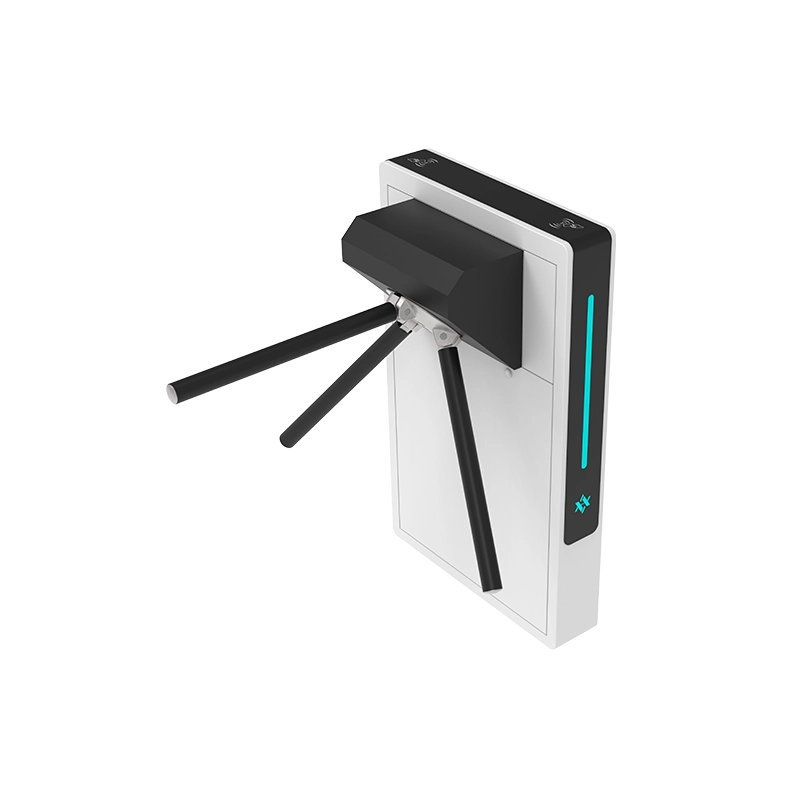
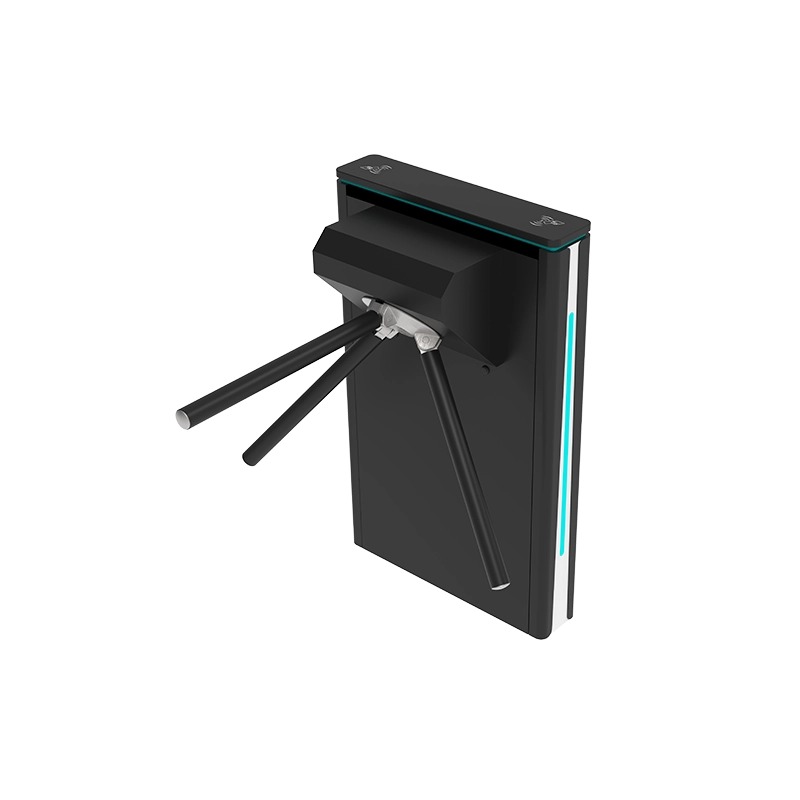
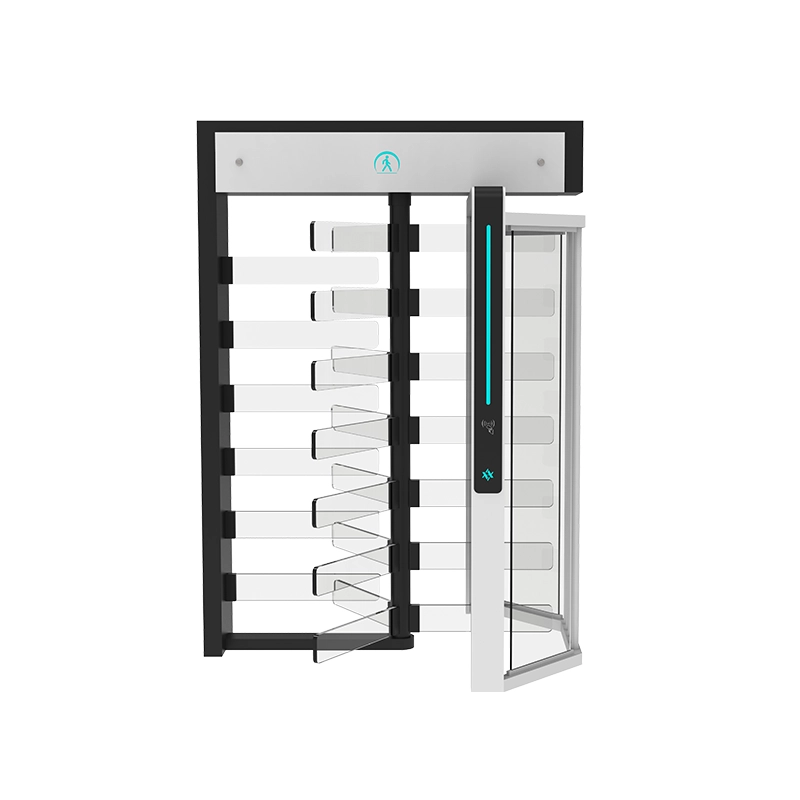
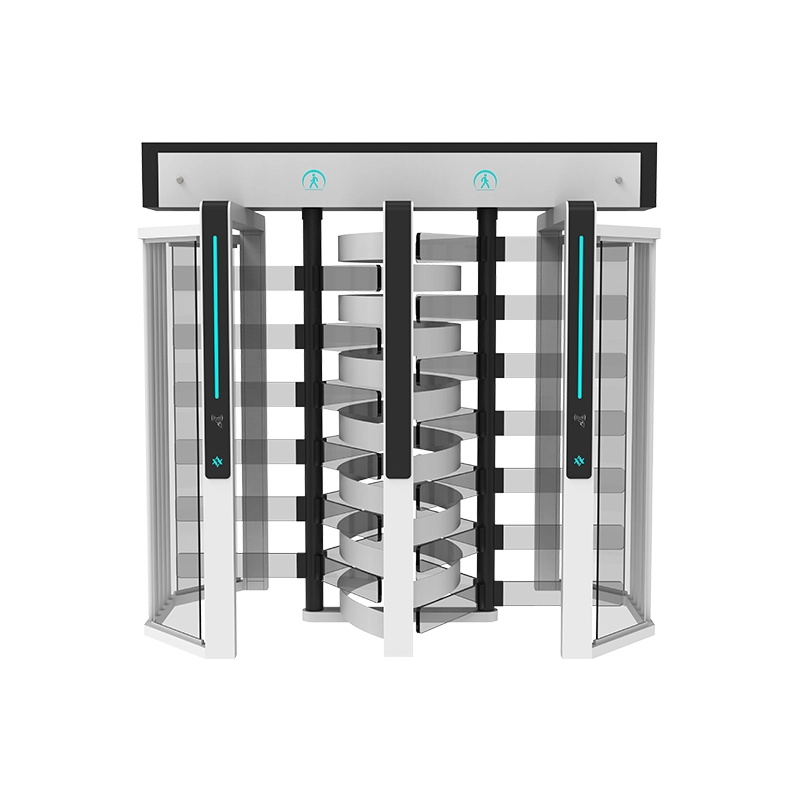
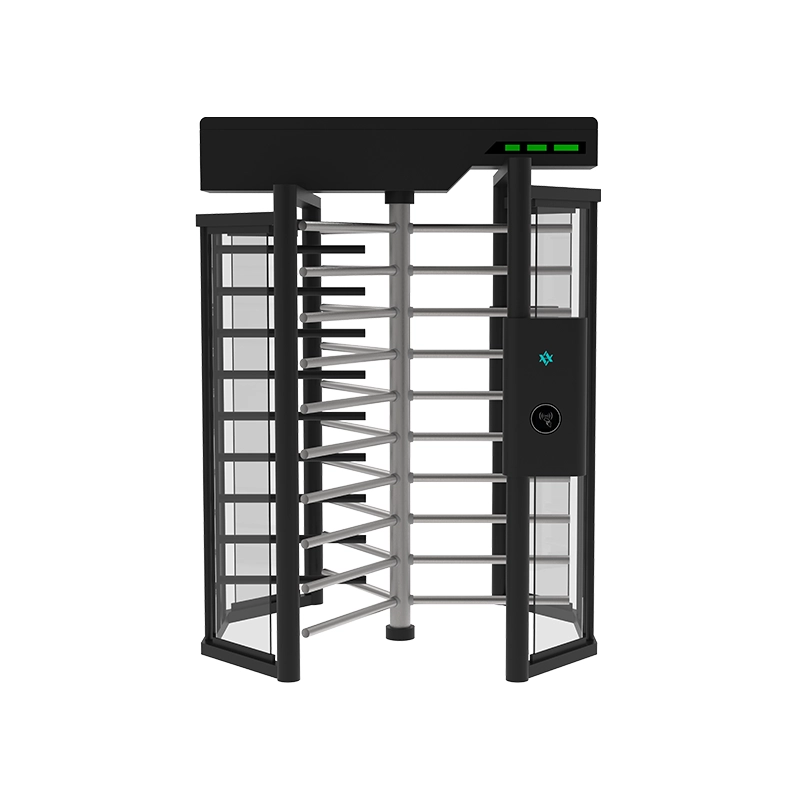
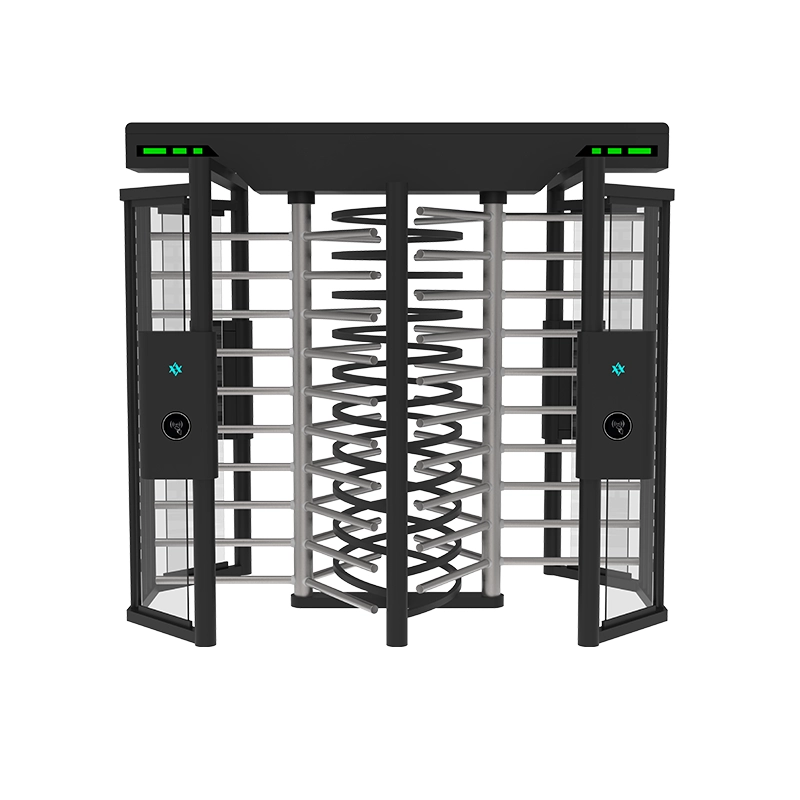
| Factories/Industrial Sites | Secure perimeters, track employee attendance, manage contractor access. | Tripod Turnstiles: Economical, durable, provide high security. Full Height Turnstiles: Offer maximum physical security for perimeter control. |
| Gyms/Recreation Centers | Membership verification, control access to facilities. | Tripod Turnstiles: Cost-effective and robust for frequent use. Swing Turnstiles: Accommodate wheelchair access and larger items like sports bags. |
| Airports/Customs | High-security areas, passenger flow management, border control. | Flap Barriers/Speed Gates: Integrate with biometric systems for swift, secure verification. Full Height Turnstiles: For highly restricted staff-only areas. |
| Schools/Universities | Manage student and staff entry/exit, maintain a secure campus environment. | Tripod Turnstiles: Effective for managing student traffic at gates. Swing Turnstiles: For main buildings and accessible entry points, with ID card integration. |
Each location’s specific needs are carefully analyzed. For a high-security environment like a data center, a full-height turnstile might be recommended to provide the highest level of physical security. In a modern office lobby, speed gates offer a balance of aesthetics and efficiency. The aim is to provide tailored solutions that perfectly fit the environment, ensuring optimal security and seamless operation.
My Insights: Common Locations Where Turnstiles are Installed
Curious about where turnstiles are most commonly used? Discover their diverse applications across various industries.
Turnstiles are installed in a variety of locations including transportation hubs, stadiums, amusement parks, office buildings, gyms, museums, and factories. They serve to control access, manage crowds, and enhance security across these environments.
Exploring Turnstile Applications in Various Settings
Transportation Hubs
| Location | Purpose |
|---|---|
| Airports | Security checks |
| Train/Subway Stations | Fare management and access control |
Entertainment Venues
| Venue | Purpose |
|---|---|
| Stadiums | Controlled entry, ticket validation |
| Amusement Parks | Ticket validation |
| Theaters | Ticket collection |
Commercial and Industrial Sites
| Site | Purpose |
|---|---|
| Offices | Access control and security |
| Factories/Warehouses | Employee monitoring and shift tracking |
Government and High-Security Sites
- Military Installations: Maximum security measures
- Prisons: Restrict access and enhance security
Turnstiles are versatile tools utilized for crowd control, security enhancement, and access regulation across numerous settings. Whether for entertainment, transportation, or industrial use, they play a crucial role in maintaining organized and secure environments. Each location utilizes turnstiles tailored to its specific needs, underscoring the importance of matching turnstile type with the intended application.
Conclusion
Turnstiles are integral to modern access control. They enhance security and improve traffic management across various locations. Selecting the correct turnstile type and strategic placement is crucial for effective implementation and operational success.