
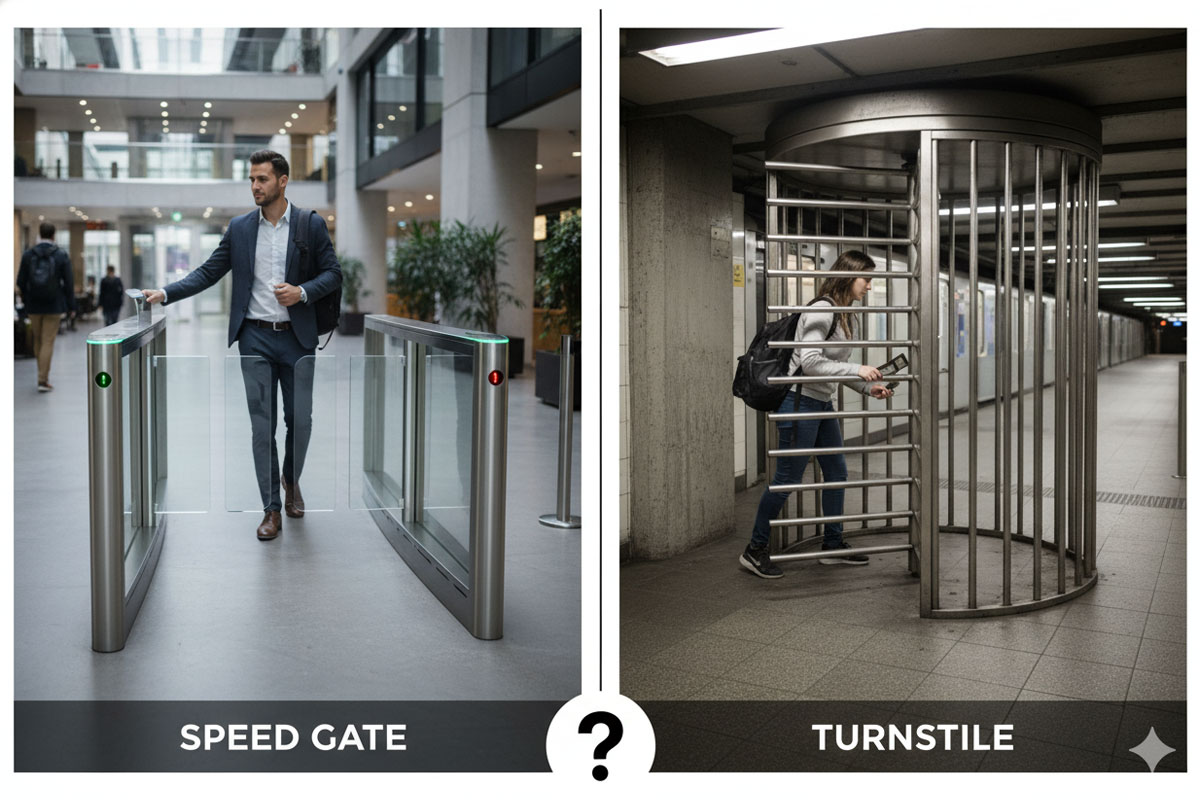
](https://aipadaturnstile.com/wp-content/uploads/2026/04/What-is-the-Difference-Between-a-Speed-Gate-and-a-Turnstile.jpg "What is the Difference Between a Speed Gate and a Turnstile")

Are you confused by entry systems? Many people use "speed gate" and "turnstile" interchangeably. Understanding their differences is crucial. It helps in selecting the correct security solution.
The primary distinction lies in their design and function. Speed gates facilitate rapid, smooth pedestrian flow in modern environments. Turnstiles, however, offer varied control and security levels. They range from basic access to high-security barriers. This article clarifies which system is best for different requirements.
Let’s explore the key differences. We will examine how each system operates. We will also look at where each system performs best. This information aids in making an informed decision for any space.
What is a speed gate?
Do you need fast, controlled entry for a busy location? Speed gates are often the solution. They provide quick access combined with security. They are a common choice for many contemporary spaces.
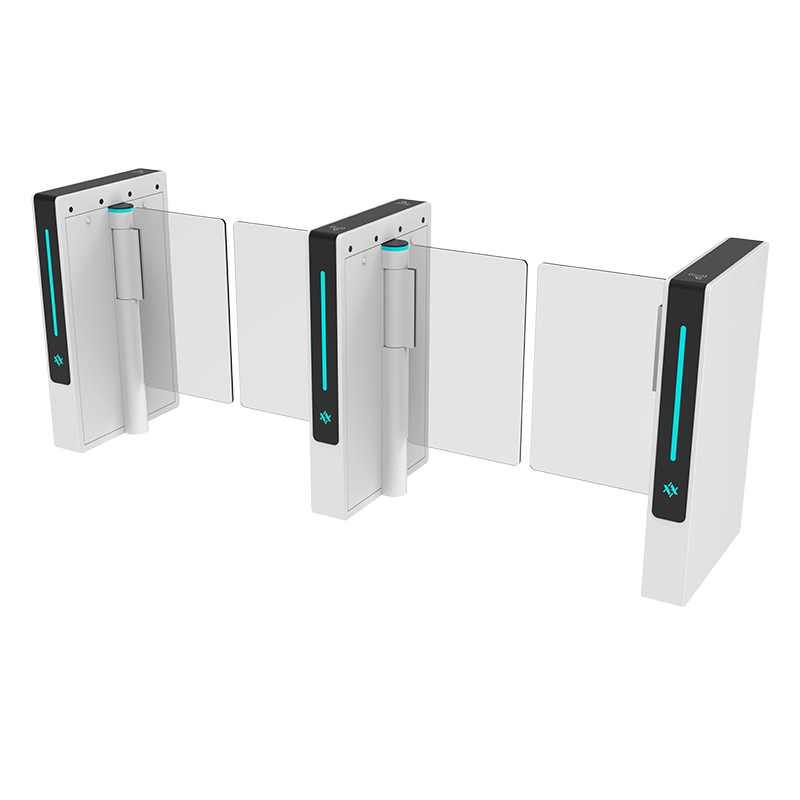
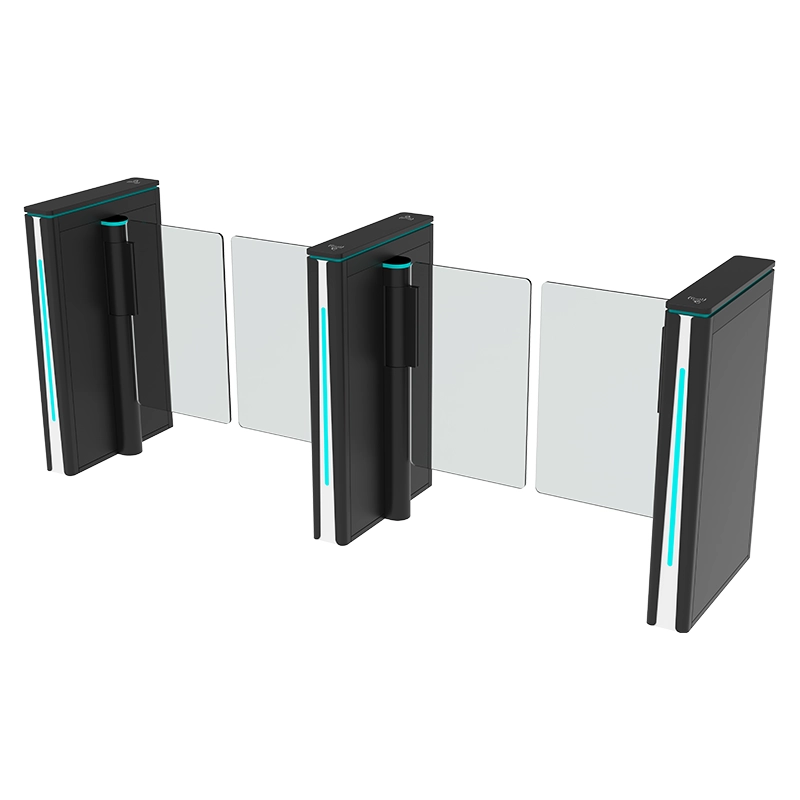
A speed gate is an advanced pedestrian entry system. It features retractable or swing panels. These panels open and close rapidly. This allows individuals to pass one at a time. Speed gates are designed for areas with high foot traffic. They effectively balance throughput speed with security.
Speed gates represent a blend of advanced technology and aesthetic design. Their operation relies on sophisticated algorithms and motor systems. This ensures smooth, quiet, and long-lasting performance. For instance, in a high-traffic corporate lobby, speed gates[^1] manage thousands of entries daily. They prevent bottlenecks while maintaining security. The integration with various access control systems allows for seamless passage.
The Technology Behind Speed Gates
- Motor Technology: Brushless DC motors are commonly used. They provide quiet operation and extended lifespan.
- Sensor Systems: Multiple infrared sensors detect pedestrians. These sensors prevent tailgating and ensure safe operation.
- Control Mechanisms: Advanced control boards manage panel movement and safety features. They ensure precise and reliable performance.
Key Features of Speed Gates
| Feature | Description | Benefit |
|---|---|---|
| High Throughput | Allows efficient movement of many people. | Minimizes queues during peak hours. |
| Sleek Design | Often constructed with glass and stainless steel. | Enhances the visual appeal of modern interiors. |
| Advanced Sensors | Detects unauthorized entries and prevents physical contact. | Increases security and user safety. |
| Integration Capability | Works with various access methods like facial recognition or QR codes. | Offers flexibility for different access control needs. |
| Quiet Operation | Motor technology ensures minimal noise production. | Contributes to a pleasant user experience. |
The design of speed gates ensures that security is robust. The aesthetic appeal of the entrance is also maintained. Customization options for appearance, color, and materials allow them to fit any architectural style.
Where are speed gates commonly used?
Are you considering where these systems are best utilized? Speed gates are not suitable for all entrances. They excel in specific environments. These locations require both speed and security.
Speed gates are ideal for high-traffic, secure settings. Consider places where many individuals need to pass quickly. These include corporate headquarters, financial institutions, and secure facilities. They provide an effective combination of speed, security, and modern appearance.
Speed gates are often installed in diverse high-end settings. For example, a large technology campus might use them. They manage daily entry and exit for thousands of employees. They offer fast, smooth access. They also integrate with biometric scanning systems. This allows for quick, almost unnoticeable passage. Another example is a modern urban complex. Here, speed gates control access to various sections. They ensure that only authorized individuals can enter specific zones. Their elegant design matches the upscale environment.
Ideal Environments for Speed Gates
- Corporate Offices: Enhance corporate image and control employee access efficiently.
- High-Rise Commercial Buildings: Manage large volumes of pedestrian traffic during rush hours.
- Data Centers: Provide stringent access control to sensitive and restricted areas.
- Airports and Customs: Facilitate rapid passenger flow while maintaining high security standards.
- Research Facilities: Control entry to laboratories and restricted research zones.
Advantages in Specific Sectors
| Sector | Primary Benefit | Example Scenario |
|---|---|---|
| Commercial Real Estate | Elevates property prestige and security. | Entry points to premium office spaces or executive floors. |
| Financial Institutions | Implements strict access control for critical areas. | Access to trading floors, vaults, or secure data rooms. |
| Technology Parks | Provides rapid, secure access for staff and visitors. | Main entrances to large campuses or R&D departments. |
| Government Facilities | Ensures controlled and auditable entry for personnel. | Access to sensitive government offices or departments. |
The combination of high security, rapid throughput, and contemporary design makes speed gates a preferred choice for these applications. Customization ensures each installation meets specific functional and aesthetic needs.
Is a turnstile a gate?
Are you evaluating access control options? The term "turnstile" might come up. Is it simply another type of gate? This question helps clarify its specific function.
Yes, a turnstile is a type of access control gate. Its fundamental purpose is to allow one person to pass at a time. This mechanism helps manage pedestrian traffic flow. It also enhances security by restricting unauthorized entry. Turnstiles ensure that only approved individuals can proceed.
Turnstiles are essential components of access control systems. They offer a broad range of applications. For instance, a sports stadium requires a robust solution. It must handle large crowds quickly on event days. It also needs to prevent unauthorized access. Full-height turnstiles are often employed here. They provide maximum security and withstand heavy use. They also integrate with ticketing and access validation systems. This ensures smooth and secure entry for ticket holders.
Defining "Gate" in Access Control
- General Gate: A barrier that opens or closes to permit or deny passage.
- Access Control Gate: A gate specifically designed to regulate who can pass.
- Turnstile as a Gate: A specialized access control gate. It allows only one person through at a time, enforcing controlled entry.
The Role of Turnstiles in Security
| Aspect | Turnstile Function | Impact |
|---|---|---|
| Crowd Management | Regulates pedestrian flow in busy environments. | Prevents overcrowding and ensures orderly passage. |
| Security Enforcement | Ensures only authorized individuals gain entry. | Reduces risks of unauthorized access and enhances safety. |
| Entry Validation | Integrates with ticketing or credential systems. | Prevents fare evasion and validates access rights. |
| Usage Monitoring | Records entry and exit data. | Useful for attendance tracking, occupancy limits, and emergency planning. |
The versatility of turnstiles makes them crucial across many sectors. From a basic entry point to a high-security barrier, they serve diverse functions. Their design emphasizes reliability and durability under various operating conditions.
What are the different types of turnstiles?
Have you considered the various kinds of turnstiles available? They are not uniform in design or function. Different types serve distinct purposes. Understanding these differences helps in selecting the most suitable option.
There are several primary types of turnstiles. Each offers varying levels of security and throughput. These include tripod turnstiles, flap barriers, swing turnstiles, and full-height turnstiles. Each type is engineered for specific environments and operational needs.
The range of turnstile products addresses almost any access control requirement. For example, a manufacturing plant might need an economical solution. This solution tracks employee attendance and restricts access to production areas. Tripod turnstiles are ideal for this. They are cost-effective, durable, and easily integrate with timekeeping systems. Conversely, a modern educational institution might require a stylish and accessible solution for its main library. This system must accommodate students with bags, wheelchairs, and strollers. Swing turnstiles, with their wider lanes and often glass construction, would be a perfect fit. They combine aesthetics with full accessibility.
Common Turnstile Types and Their Uses
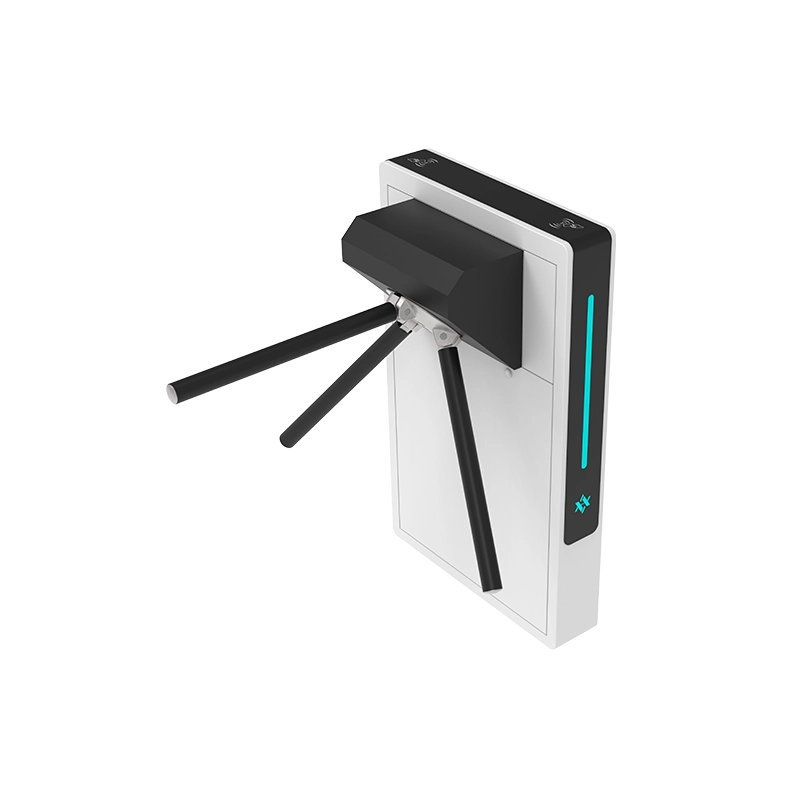
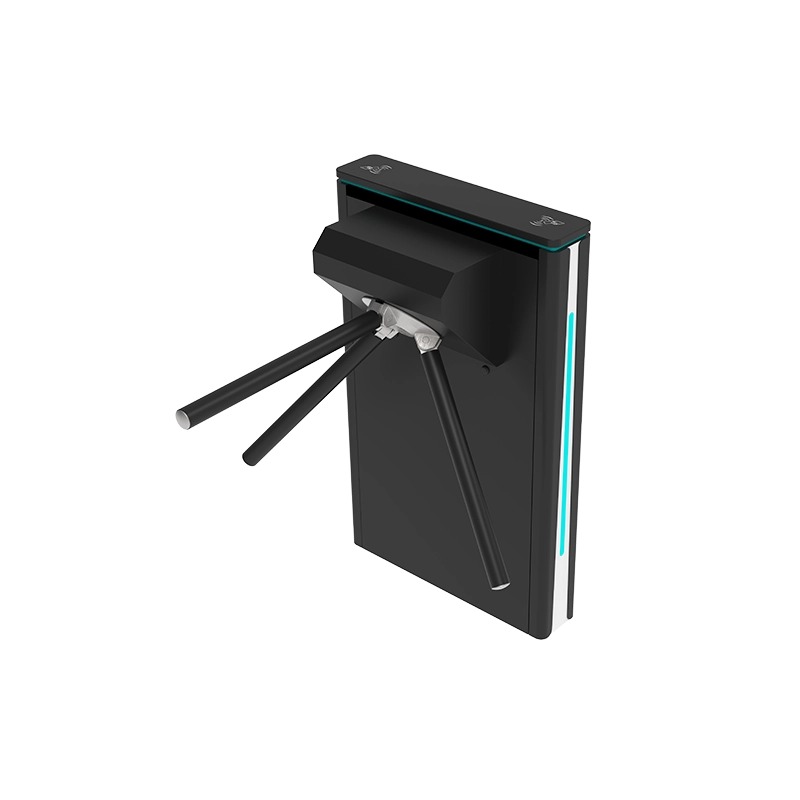
- Tripod Turnstiles[^2]: These feature three rotating arms. They are a common, cost-effective choice for basic access control. They are frequently used in factories, gyms, and public attractions. They offer moderate security and reliable operation.
- Flap Barriers[^3]: These utilize retractable panels that quickly open and close. They are known for faster throughput compared to tripod turnstiles. They are often found in metro stations, corporate offices, and secure data centers. They balance speed and security effectively.
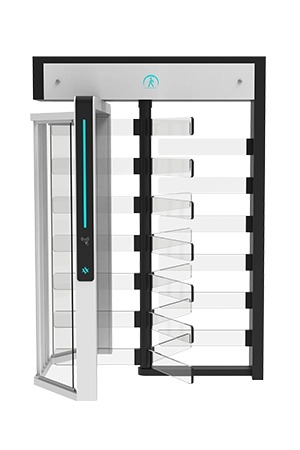
- Swing Turnstiles[^4]: These have a swinging barrier, typically made of glass or clear acrylic. They provide wider passage lanes. This makes them suitable for wheelchair users, individuals with strollers, or those carrying large items. They are common in corporate lobbies, libraries, and VIP entrances. They combine aesthetic appeal with enhanced accessibility.
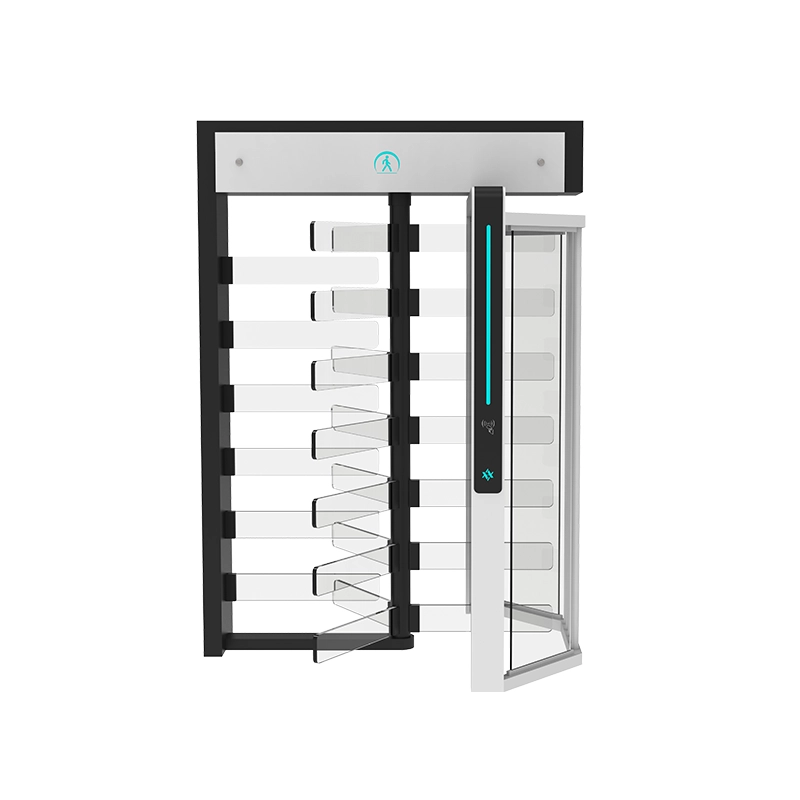
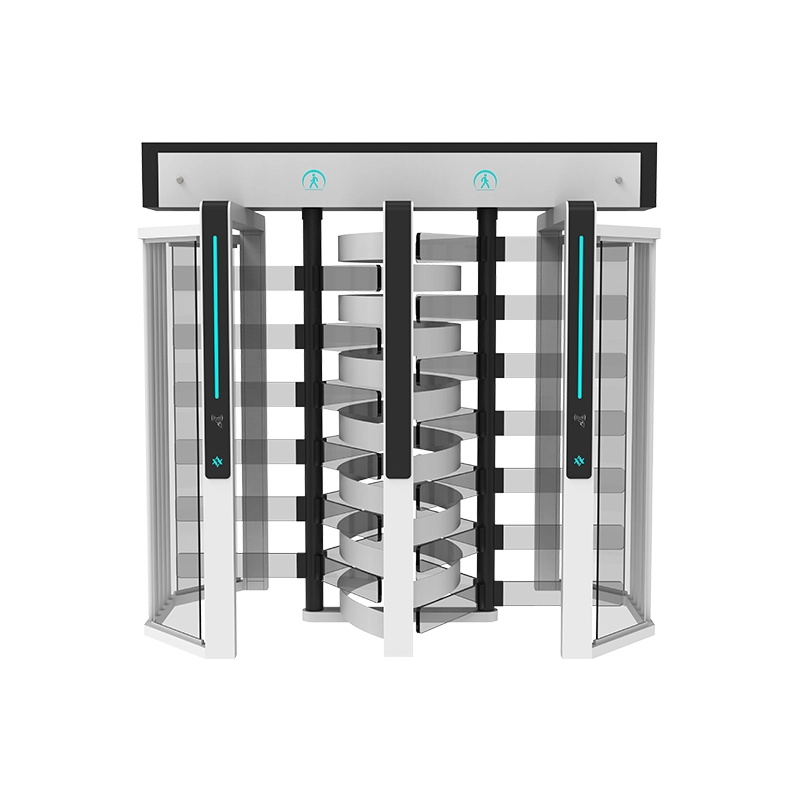
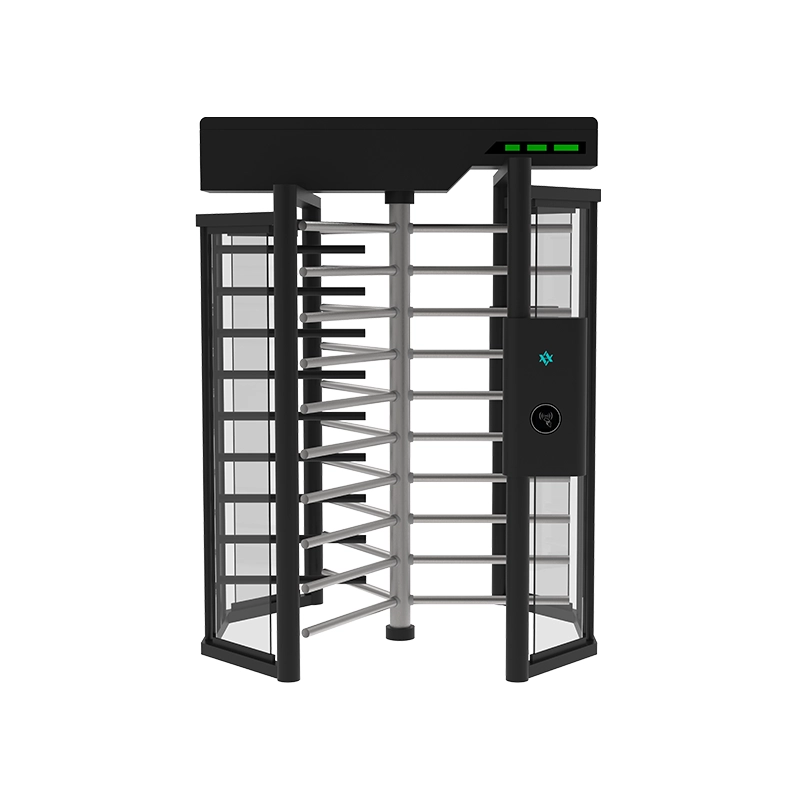
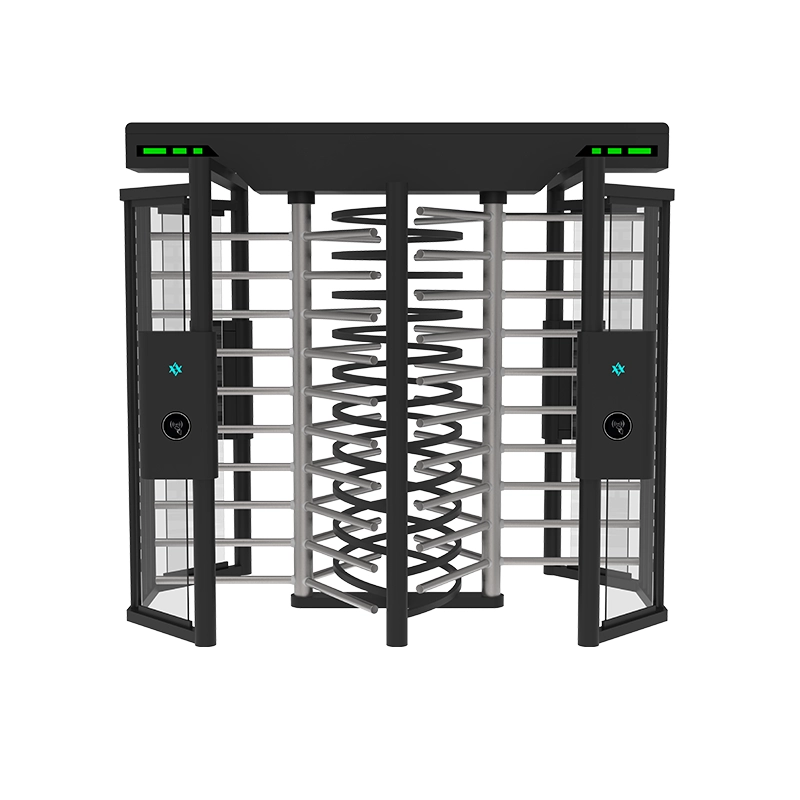
- Full-Height Turnstiles[^5]: These are tall, cage-like structures. They provide the highest level of physical security. They are used in high-security environments like prisons, military installations, stadiums, and construction sites. Their design prevents individuals from circumventing the barrier.
Comparison of Turnstile Types
| Turnstile Type | Security Level | Throughput (People/Minute) | Accessibility | Common Uses |
|---|---|---|---|---|
| Tripod Turnstile | Medium | 25-30 | Low | Factories, Gyms, Amusement Parks |
| Flap Barrier | Medium to High | 30-40 | Medium | Subway Stations, Offices, Data Centers |
| Swing Turnstile | Medium to High | 25-35 | High | Corporate Lobbies, Libraries, Accessible Entrances |
| Full-Height | Very High | 15-20 | Low | Prisons, Stadiums, High-Security Areas |
Each turnstile type excels in different areas. The choice depends on the specific security, aesthetic, and functional requirements of a location. These systems are designed to integrate with various access control technologies.
My Insights: What is the Difference Between a Speed Gate and a Turnstile?
Considering access control solutions? Understand the key differences between speed gates and turnstiles to determine the best fit for your needs.
Speed gates use sensors for seamless, fast entry with a modern look, while turnstiles rely on mechanical arms for single-person access, offering robust, affordable security. Each suits different environments based on security, aesthetics, and flow requirements.
Comparing Speed Gates and Turnstiles
Key Differences
| Feature | Speed Gate | Turnstile |
|---|---|---|
| Design | Sleek, modern, often glass panels | Utilitarian, metal arms or full-height barriers |
| Entry Method | Sensors and automatic panels | Mechanical rotation or barrier movement |
| Throughput | Higher and smoother flow | Slower, more controlled flow |
| Security Style | Anti-tailgating, focused on convenience and control | Strong physical deterrence |
| Typical Use | Corporate lobbies, busy entrances | Gyms, transit areas, high-security sites |
Decision Factors
- Aesthetics and Flow: Speed gates offer a sleek design and efficient flow, ideal for modern corporate environments.
- Security and Cost: Turnstiles provide robust physical security and are more budget-friendly, suitable for gyms and public transport.
- Technology Integration: Speed gates often include advanced tech for additional security features, while turnstiles focus on durable, simple mechanics.
Choose speed gates for environments prioritizing design and flow, and opt for turnstiles where durability and cost are primary concerns. Each addresses specific access control needs effectively.
Conclusion
Understanding the distinction between a speed gate and a turnstile is important. Speed gates offer fast, elegant access for modern spaces. Turnstiles provide diverse security solutions for many applications. Choosing the appropriate system enhances safety and operational efficiency.
](https://aipadaturnstile.com/wp-content/uploads/2025/11/AT107-TC-01.webp)
](https://aipadaturnstile.com/wp-content/uploads/2025/12/vertical-tripod-turnstile.jpg)
](https://aipadaturnstile.com/wp-content/uploads/2025/12/popup-img.jpg)