
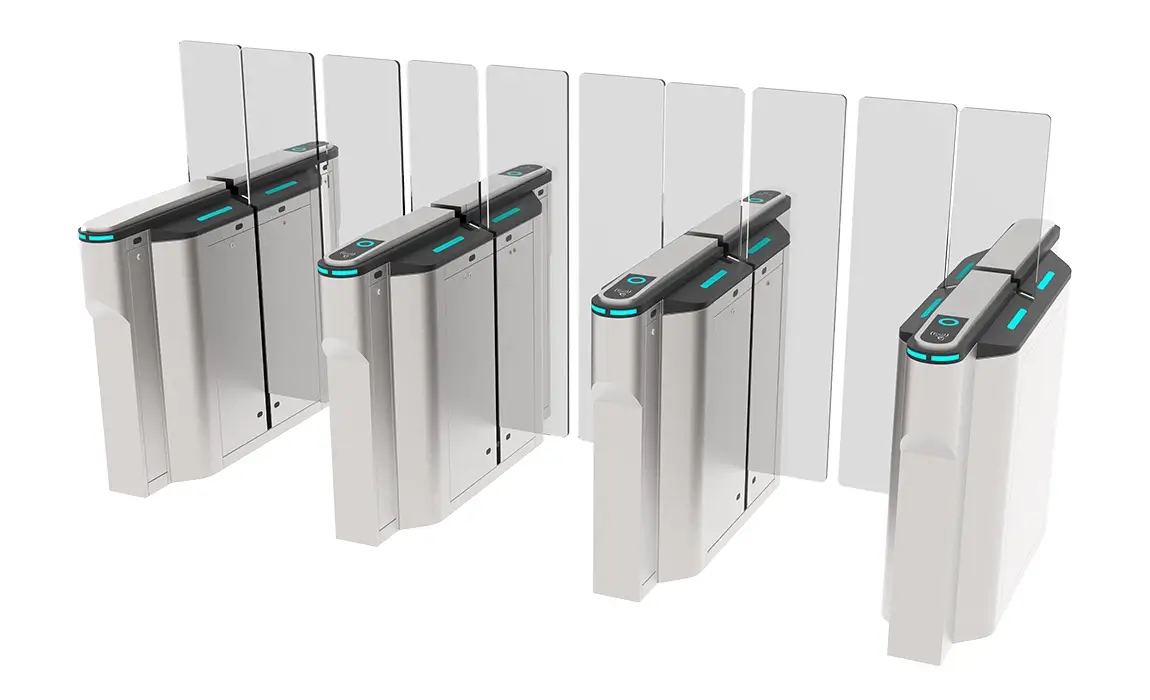

When choosing access control solutions, the question of sliding turnstile vs swing turnstile is critical for facility managers. Managing lobby access is difficult. Unauthorized entry compromises security and creates liability. This comparison helps security managers select the right turnstile, including tripod turnstiles for industrial needs.
Sliding turnstiles maximize speed and security for controlled lobbies. Swing turnstiles offer broader access for universal design. Selecting the correct gate requires balancing operational traffic flow, accessibility needs, and installation constraints to ensure a secure and efficient entry point.
Selecting the right security entrance impacts daily operations. Engineering differences determine long-term asset value. The following sections evaluate both gate systems based on current industry standards.
Are sliding gates better than swing gates?
Long lobby queues cause user frustration. Security risks increase during rush hours. Understanding speed and security ratings resolves these issues.
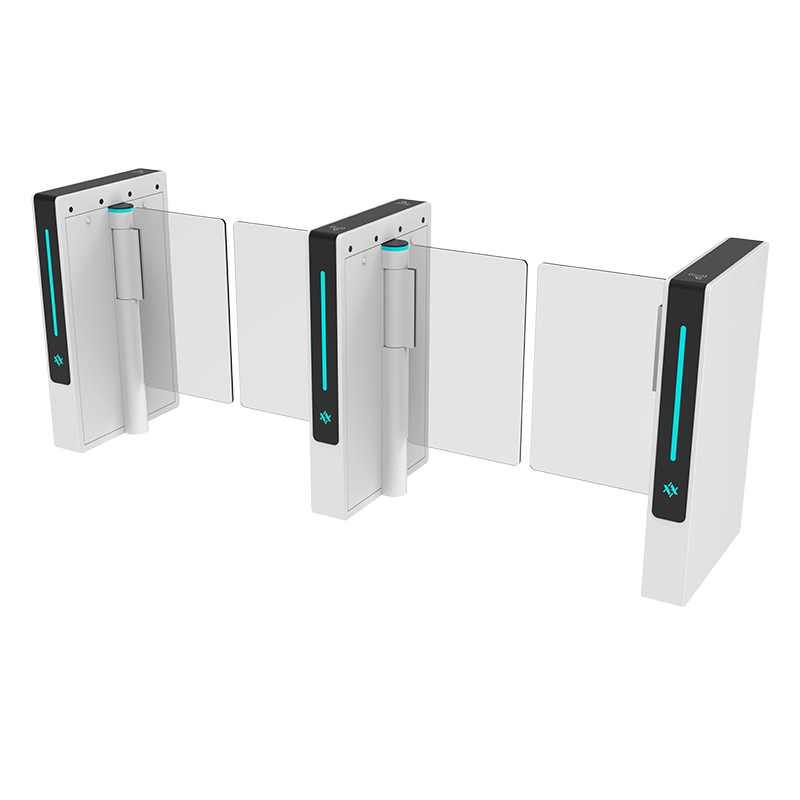
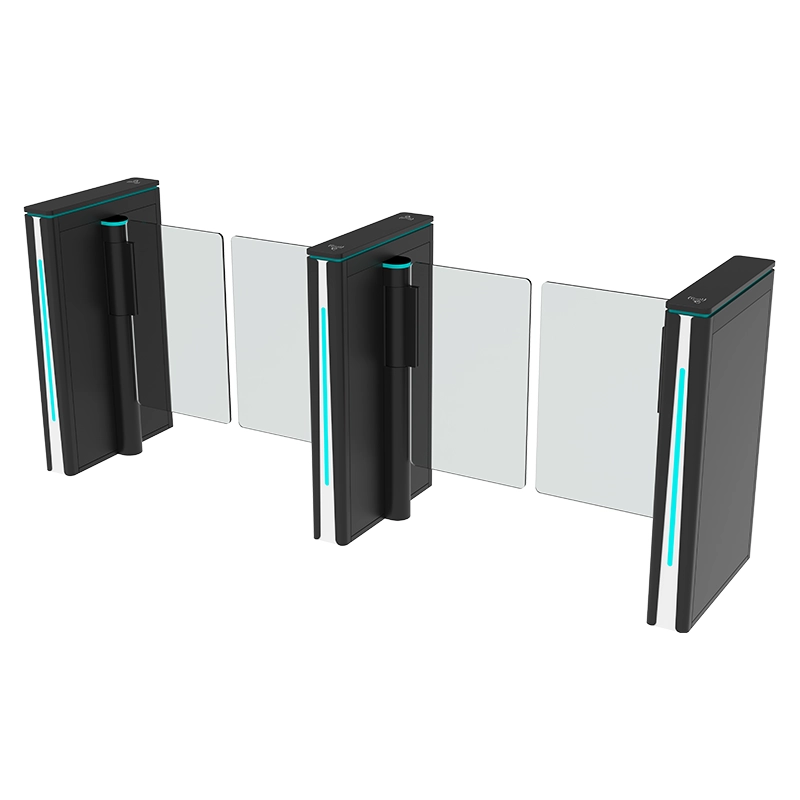
Sliding gates provide higher security and faster operation. They use retractable glass panels and advanced motors to control passage. This prevents tailgating effectively. Swing gates operate on a pivot, offering wider passages for accessibility but with lower physical security limits.
In modern access control, the definition of a superior gate relies on the site’s primary objectives. Sliding gates, often referred to as speed gates, are engineered for high-frequency use. They utilize a linear retraction method. This movement pulls the glass panels inside the cabinet. This design removes the swing arc. This eliminates the risk of panels making contact with pedestrians walking close to the barrier. We equip our AIPADA speed gates with advanced brushless motors. These motors allow the panels to retract in under 0.5 seconds. They also offer instant emergency stopping if infrared sensors detect an obstruction.
Security and Performance Analysis
| Feature | Sliding Turnstile | Swing Turnstile |
|---|---|---|
| Opening Speed | 0.2s – 0.5s | 0.4s – 0.8s |
| Security Rating | High | Medium |
| Tailgating Prevention | Superior | Moderate |
| User Safety | Excellent | Good |
Mechanical Design Differences
To understand why sliding gates offer higher security, we must review the panel support structure. Sliding glass panels are guided by internal linear rails. This distributes force across the entire cabinet length. If an unauthorized individual attempts to force the gate, the linear rail absorbs the physical load. Swing gates rely on a rotating shaft. The torque of the gate is focused entirely on the motor shaft and hinges. While swing gates are excellent for welcoming traffic, the lever mechanics limit their ability to resist physical force. When the goal is to stop unauthorized entry in high-profile areas like data centers or corporate headquarters, the linear support of sliding gates delivers a significantly higher level of physical deterrence.
What are the disadvantages of sliding gates?
Planning errors lead to wasted space. Equipment dimensions affect lobby layouts. Determining space requirements prevents costly installation mistakes.
Sliding gates require larger cabinets to house the retractable glass. This increases the physical footprint. They are also complex to service. Conversely, swing gates feature slim cabinets, fitting into narrow lobbies easily while accommodating mobility-impaired users without taking excessive space.
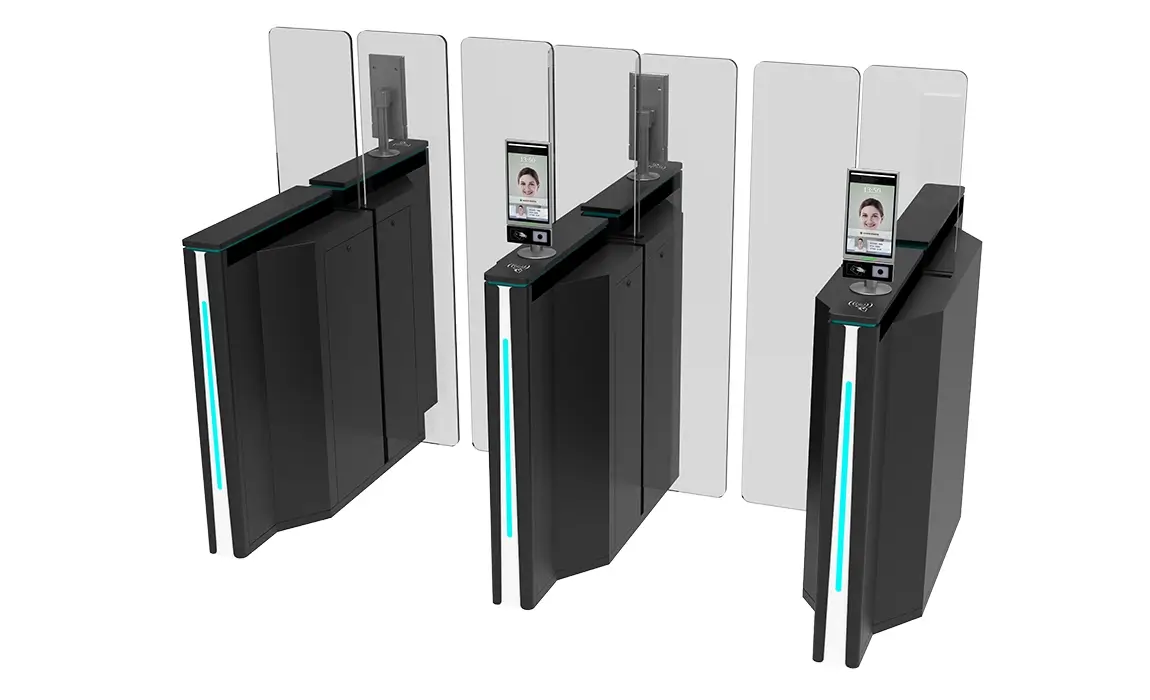
Facility managers must assess spatial capacity before deployment. Sliding gates house the glass panel within the housing unit. To open a 600mm lane, the cabinet must accommodate that glass length internally. This results in cabinet depths often exceeding 1200mm. This cabinet length limits how many lanes can fit in narrow corridors. If a facility has a narrow entry width, it may only support two sliding lanes. The same width could support three or four swing lanes.
Spatial and Maintenance Challenges
- Cabinet Dimensions: Requires extended floor space for internal housing.
- Installation Rigidity: Requires perfectly flat flooring for linear rail alignment.
- Maintenance Complexity: Internal belts and linear guides require specialized servicing.
- Weight Load: Equipment is substantially heavier, requiring reinforced floor mounting.
Mobility and Architectural Limitations
Architects designing lobbies must adhere to accessibility requirements for wheelchair users. Creating a 900mm wide lane for a wheelchair requires a wide panel. If this is a sliding gate, the cabinet must be incredibly large. Many of our system integrators utilize a hybrid approach. They install sliding gates for standard employee lanes, and a single swing gate for the accessible lane. Swing gates can utilize long arms without needing massive housing. Furthermore, sliding gates rely on precision sensors to prevent accidental contact with the panel. If a site deals with heavy carts or luggage, the risk of damage to the sliding tracks is higher. Swing gates allow the arm to be positioned further from the floor traffic. This minimizes accidental equipment damage.
Are sliding gates cheaper than swing gates?
Budget planning dictates security investments. High upfront costs challenge project managers. Evaluating lifecycle costs determines true financial value.
Sliding gates require a higher initial investment. The linear drive mechanism demands premium parts and precise sensors. Swing gates represent the more budget-friendly option. However, lifecycle maintenance costs must be considered when calculating the long-term financial feasibility of the system.
Financial analysis requires looking past the invoice. Initial procurement costs show swing gates as the lowest cost option. Sliding gates require more steel, linear bearings, and advanced infrared sensors. These materials increase manufacturing costs. However, facility managers evaluate equipment based on five-year cost of ownership. We produce AIPADA gates with a focus on mechanical lifespan. Brushless motor technology is standard in our sliding speed gates. Brushless motors generate significantly less friction than the brushed motors found in budget swing gates.
Financial and Operational Value
| Cost Phase | Sliding Turnstile | Swing Turnstile |
|---|---|---|
| Initial Procurement | High | Low |
| Installation Effort | High | Low |
| Power Consumption | Very Low | Low |
| Spare Parts Requirement | Low (long lifespan) | Moderate (wearable parts) |
Analyzing Long-Term Return on Investment
Industrial components face high-frequency cycles. High-traffic office buildings process thousands of entries every morning. A budget swing gate might require belt and gear replacements every two years. The labor costs for these repairs quickly add up. In contrast, sliding gates utilizing magnetic direct-drive systems eliminate the belts and gears. This reduces the number of moving parts prone to failure. While the initial investment is higher, the cost per cycle is drastically lower. We recommend sliding gates for Fortune 500 offices and financial institutions. Here, downtime means loss of reputation and productivity. We recommend swing gates for facilities with fluctuating budgets and moderate traffic, such as educational libraries or commercial multi-purpose facilities.
Which is better sliding gate or normal gate?
Selecting the wrong gate disrupts facility workflow. Equipment failure damages brand image. Equipment failure damages brand image. Matching the gate to the environment is essential.
Sliding gates are ideal for commercial properties requiring high security and premium aesthetics. Normal gates, like Tripod Turnstile, serve industrial sites best due to durability. The choice relies solely on the specific environment, traffic intensity, and required aesthetic standard of the building.
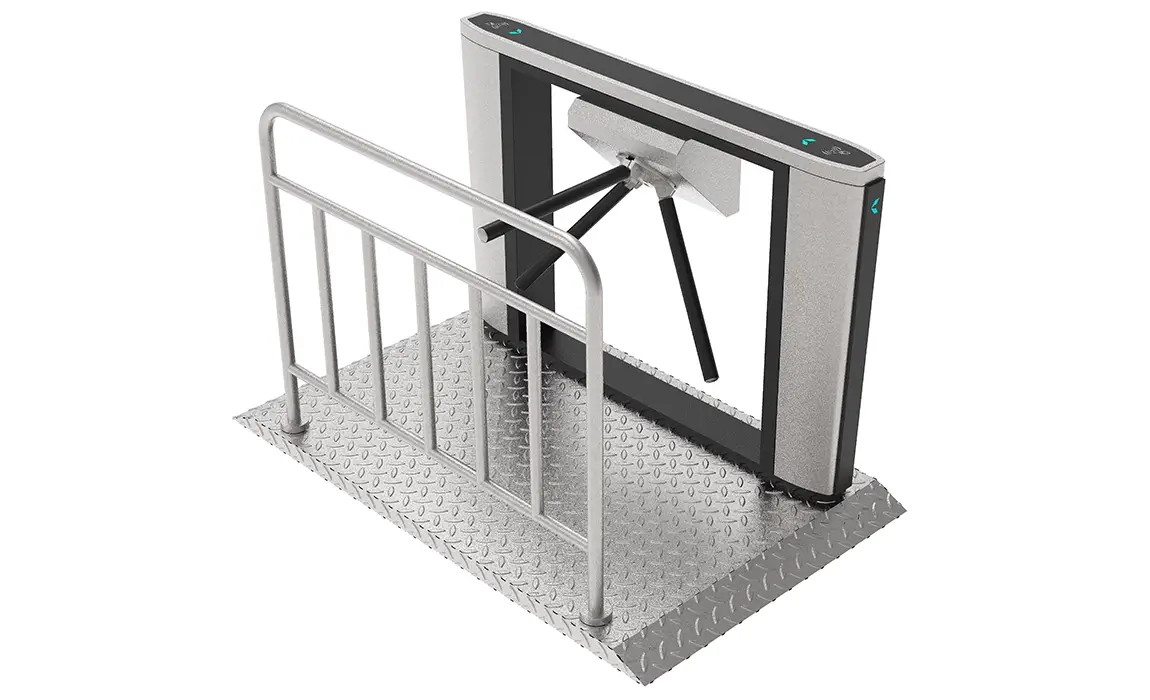
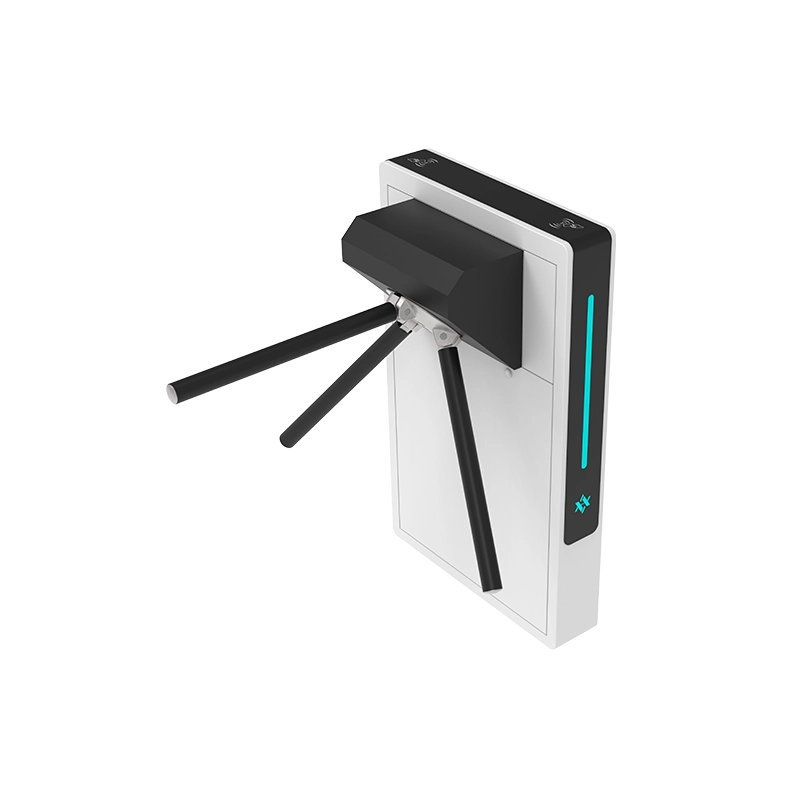
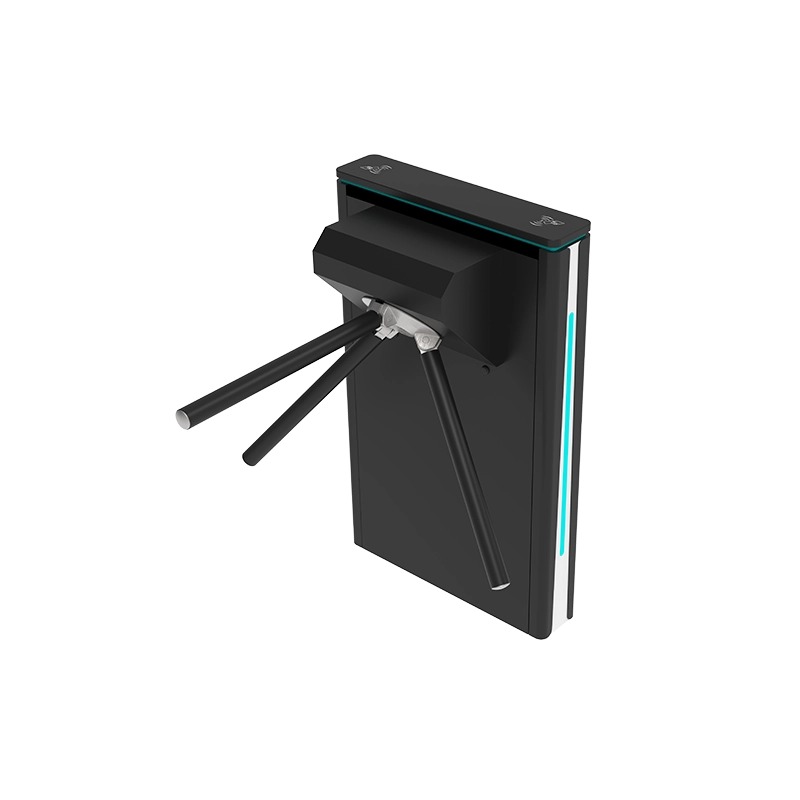
Tripod Turnstile is widely recognized as the mechanical backbone of industrial entry solutions. They are utilized heavily in manufacturing plants, sports stadiums, and theme parks. A standard Tripod Turnstile ensures singular passage and prevents two individuals from passing through at once. It is cost-effective and highly reliable. But, it is not designed for modern, high-tech environments. A user carrying luggage or pushing a cart struggles with a tripod turnstile. It creates physical friction and lowers the prestige of the building.
Environment Matching Guide
| Sector Type | Recommended Gate | Operational Justification |
|---|---|---|
| Corporate / Finance | Sliding Speed Gate | High speed, frictionless, premium aesthetics |
| Hospital / School | Swing Turnstile | Universal design, accommodating beds and chairs |
| Factory / Warehouse | Tripod Turnstile | High ruggedness, cost effective |
| Transportation Hubs | Flap Barriers | Extremely fast flow rate, high capacity |
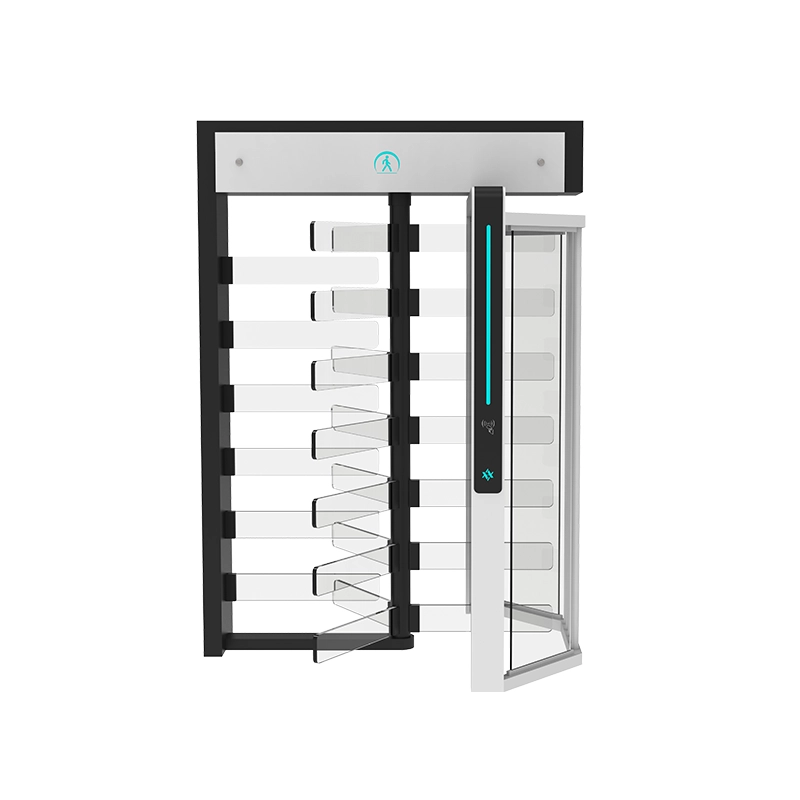
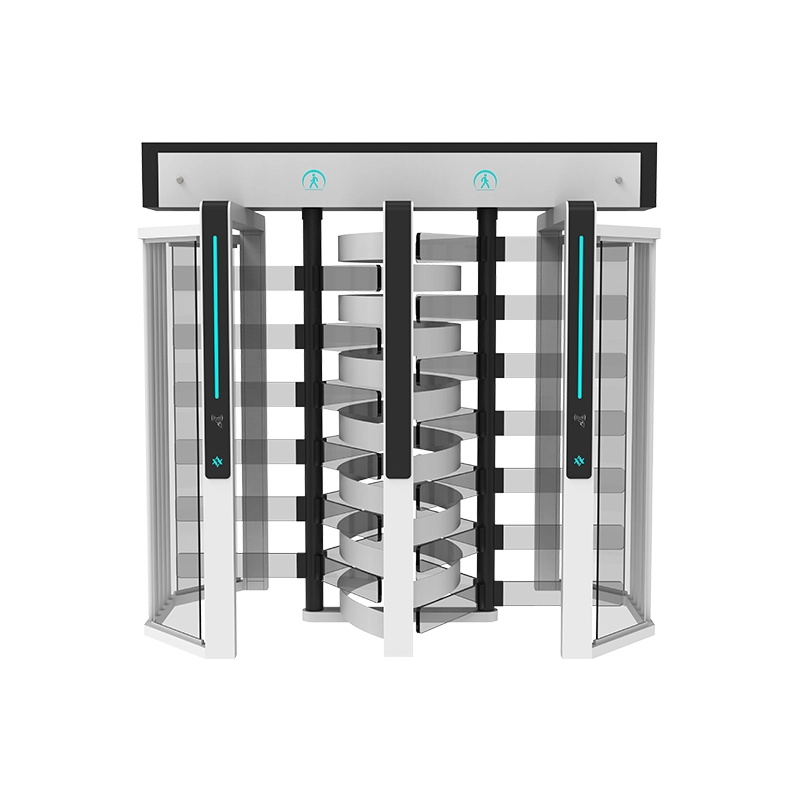
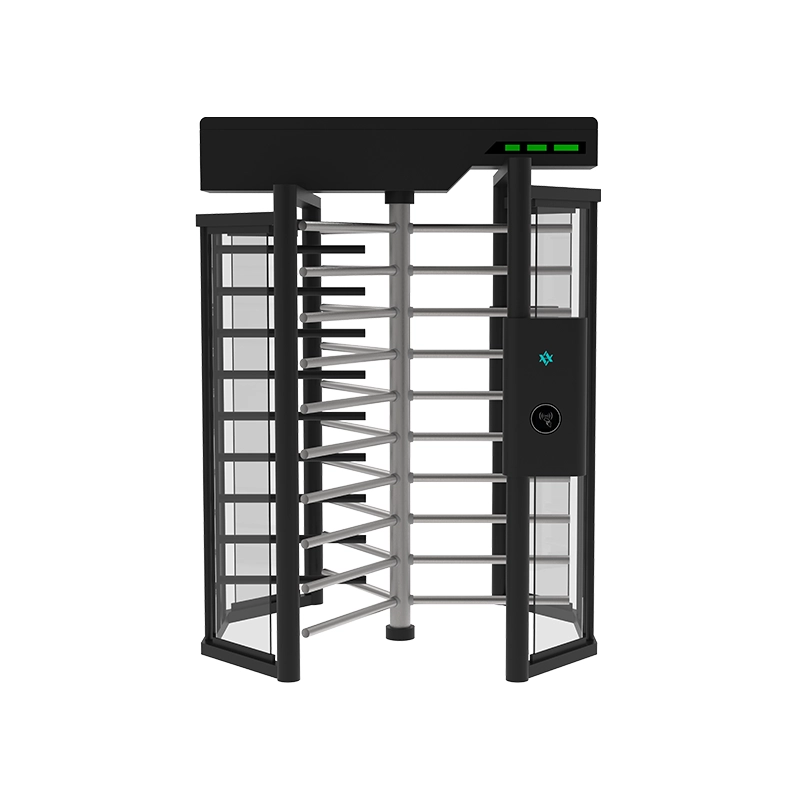
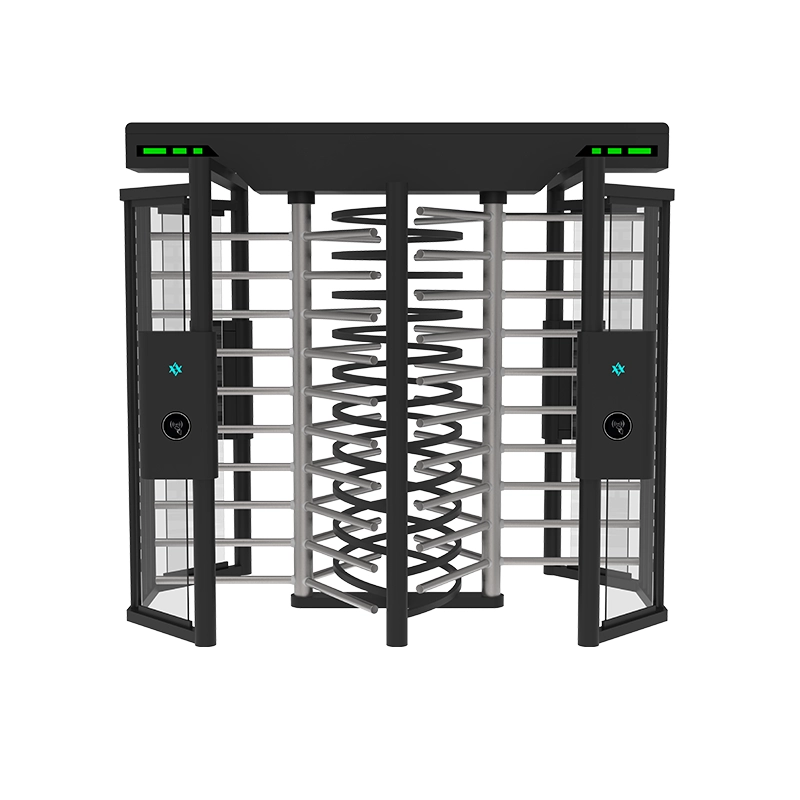
| Government / Prison | Full Height Turnstiles | Maximum physical barrier, tamper-proof |
Technology Integration Strategies
Modern access control relies on data integration. The value of a gate is no longer just the physical arm. It is the ability to become a digital terminal. We design all AIPADA gates to integrate seamlessly with third-party verification systems. This includes facial recognition, RFID, and fingerprint scanning. Sliding gates feature wide glass top lids. This provides ideal mounting space for dynamic LED lighting and facial recognition cameras. When a user approaches the gate, biometric systems verify credentials instantly. The linear panels retract in perfect harmony with the software. This creates a frictionless passage experience. Tripod turnstiles force the user to come to a complete stop to push the arm. Meanwhile, premium sliding gates allow the user to maintain a walking pace. When digital integration and user experience are the main priorities, sliding gates are the superior option.
My Insights: Sliding Turnstile vs. Swing Turnstile – An In-Depth Security Review
Confused about choosing between sliding and swing turnstiles? Discover which offers better security and accessibility for your facility.
Sliding turnstiles provide superior security with barriers and tailgating prevention, suited for high-security settings. Swing turnstiles offer wider, accessible entry and are ideal for environments prioritizing ease of access.
Security and Accessibility in Sliding and Swing Turnstiles
Security Features
Sliding Turnstiles
Stronger anti-tailgating measures with taller barriers.
Ideal for high-security locations requiring strict access control.
Swing Turnstiles
Less restrictive, offering open access but potentially allowing tailgating.
Suitable for areas where basic security suffices.
Flow and Accessibility
| Aspect | Sliding Turnstiles | Swing Turnstiles |
|---|---|---|
| Security Level | High, with restricted single-person access | Moderate, with wider and more flexible entry |
| Space Efficiency | Compact design for modern lobbies | Requires more space for arm clearance |
Practical Considerations
Operational Efficiency: Sliding turnstiles are quieter and use advanced detection logic. Swing turnstiles are often simpler, requiring less maintenance.
Best Use Cases: Sliding for secure lobbies; swing for accessible venues like hospitals and museums, while Tripod Turnstile remains the top pick for industrial and public venue applications.
Conclusion
The selection of entry equipment must align with your budget, security needs, and building design. To learn more about industry standards for turnstiles and access control systems, you can refer to the official guidelines from Security Industry Association. Contact our team at [email protected] to build your custom access solution today.
](https://aipadaturnstile.com/wp-content/uploads/2025/11/AT107-TC-01.webp)
](https://aipadaturnstile.com/wp-content/uploads/2025/12/vertical-tripod-turnstile.jpg)
](https://aipadaturnstile.com/wp-content/uploads/2025/12/popup-img.jpg)