
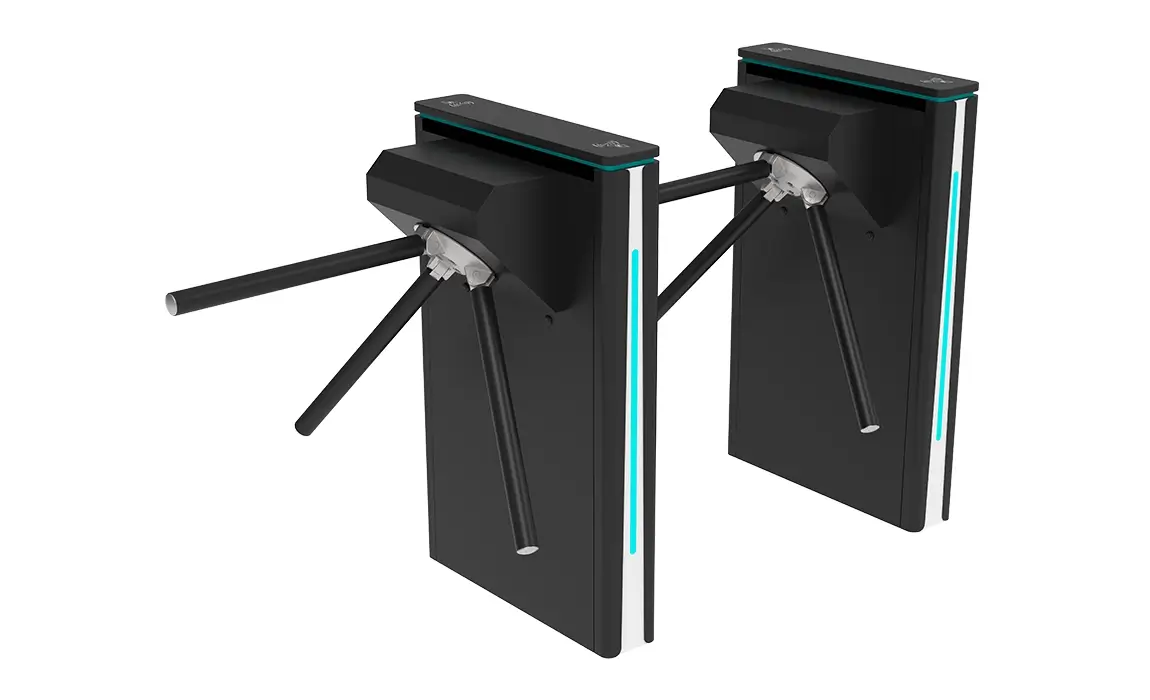

Managing crowd flow in a busy lobby is a huge challenge. Without the right access equipment, unauthorized people can easily slip inside. This creates a safety risk that puts your staff and property in danger.
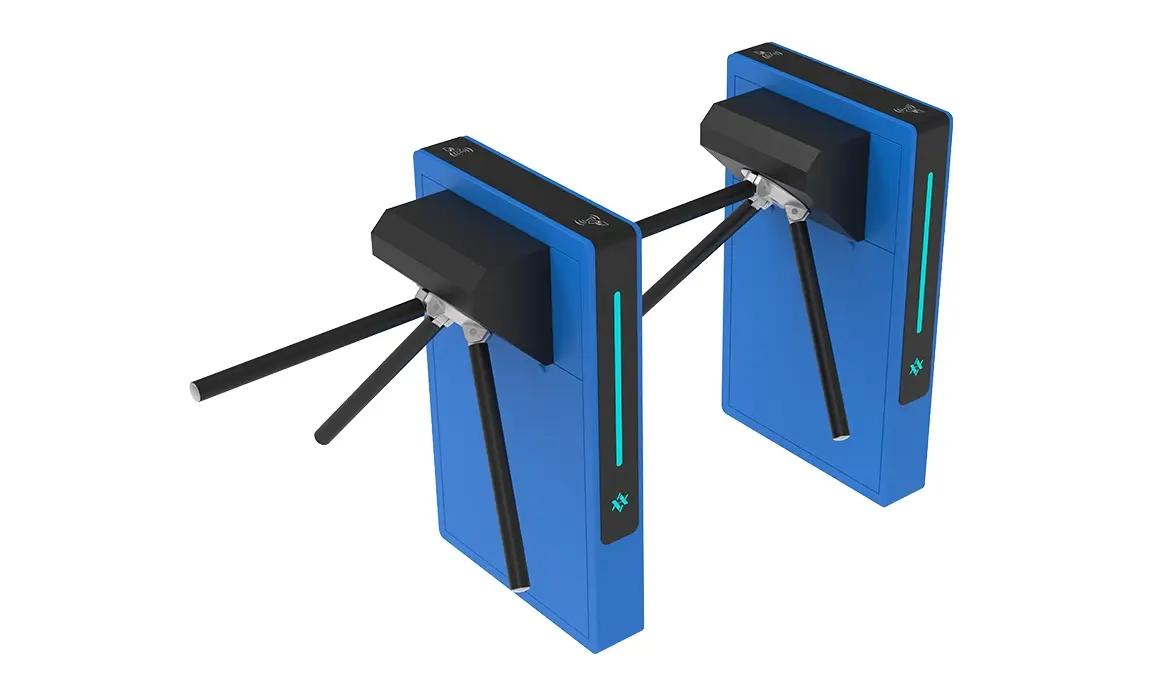
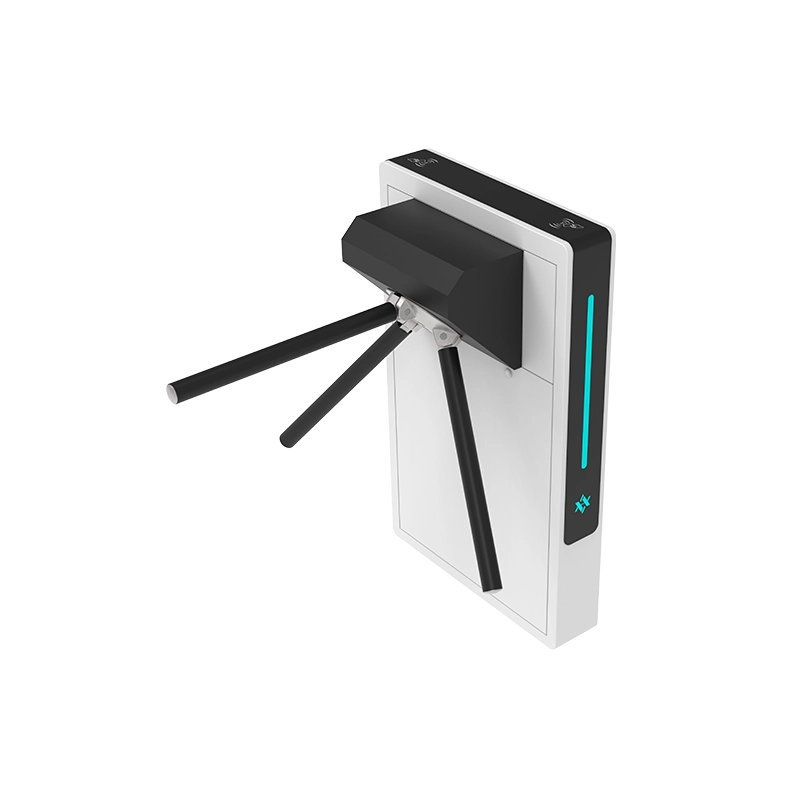
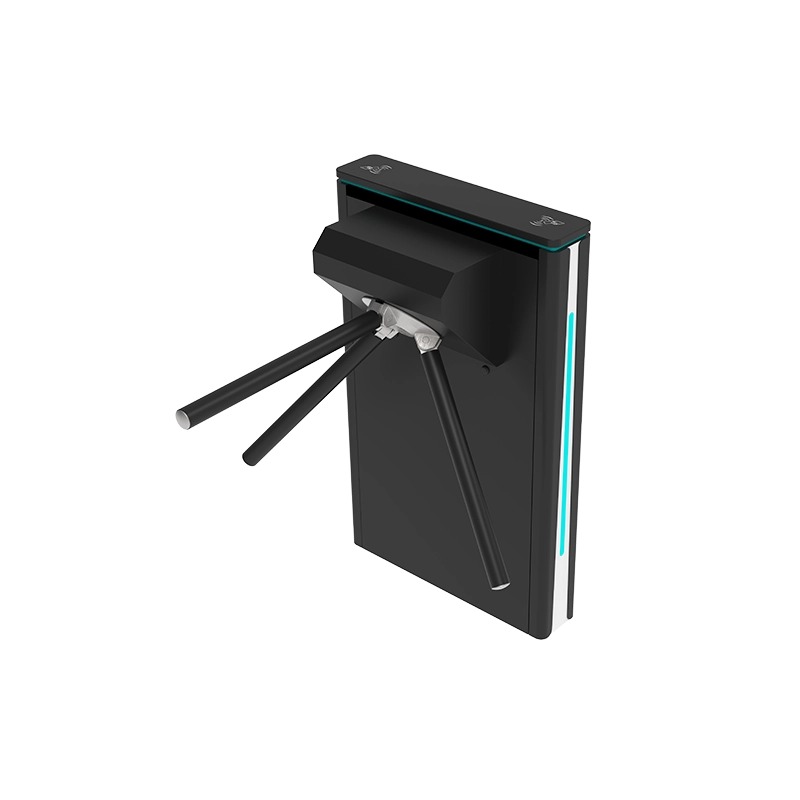
A tripod turnstile is a popular pedestrian security gate fitted with rotating horizontal arms to manage entry and exit. Most standard tripod turnstiles come with a drop arm design. In an emergency or power failure, the top arm automatically drops down to clear the path. It delivers a safe exit route while maintaining full building security during daily operations.
I have worked with many security systems over the years. I see how hard it is to balance safety with smooth pedestrian flow. Many people think any access gate will work, but the wrong choice can lead to big problems. I want to help you understand why a tripod turnstile with drop arm function is a smart choice for modern buildings.
What is the function of the drop arm on a tripod turnstile?
Building exits can become dangerous bottlenecks during a fire or a power cut. If a gate stays locked, people might get trapped. This delay causes panic and can lead to serious injuries or even worse outcomes.
The main function of the drop arm on a tripod turnstile is to provide a “fail-safe” exit during emergencies. When the system loses power or gets a fire alarm signal, the arm drops vertically. This creates an open walkway that allows people to leave the building quickly without any physical obstacles.
The Mechanics of Emergency Safety
I often explain to my clients that the automatic drop feature is one of the most important parts of a tripod turnstile. Inside the unit, there is a special mechanism. Usually, it uses an electromagnet or a motor to hold the arms in a horizontal position. If the power goes out, the magnet loses its grip. Gravity or a spring then pulls the arm down instantly. No manual unlocking is required.
In my experience, this reliable design makes tripod turnstiles compliant with local safety regulations across most cities. Fire marshals usually require that any gate in an exit path must open automatically. The drop arm structure of a tripod turnstile is simple and stable. There are no complex swing doors or fragile glass panels that may get stuck, so it can always clear the passage effectively.
NFPA sets professional fire and life safety standards for commercial facilities, and a qualified tripod turnstile fully meets these requirements.
How the System Responds to Different Signals
| System Status | Arm Position | Action Required |
|---|---|---|
| Normal Power | Horizontal (Locked) | Needs a valid card or face scan to move. |
| Power Failure | Vertical (Dropped) | None. The lane is wide open for everyone. |
| Fire Alarm | Vertical (Dropped) | Triggered by the building’s main fire panel. |
| Maintenance | Vertical (Dropped) | Technicians can drop the arm to move equipment. |
I find that the reliability of a tripod turnstile depends on the quality of its internal motor. I prefer models equipped with brushless motors. These motors run very quietly and have a longer service life than traditional types. When the arm drops, it moves smoothly without bouncing or getting stuck halfway. This high level of performance separates professional-grade tripod turnstiles from low-cost alternatives.
I always tell buyers to check the arm reset function. Some tripod turnstiles reset automatically when power returns, while others need staff to lift the arm manually. Automatic reset is much more practical for large buildings and high-traffic areas.
What are the different types of turnstiles?
If you pick a slow or poorly structured turnstile, you will face long queues every morning. Weak barriers also allow people to climb over easily. Choosing unsuitable access hardware wastes your budget and makes your lobby look messy.
There are several common types of turnstiles, including Tripod Turnstiles, Speed Gates, Swing Turnstiles, Flap Barriers, and Full Height Turnstiles. Each type serves different purposes. For example, Speed Gates support fast passage and feature a modern look, while Full Height models provide the highest level of physical security.
Comparing the Different Models
When I talk to building managers, I categorize these gates according to practical application scenarios. Every design solves specific management problems.
Tripod Turnstiles
Tripod turnstiles are the most widely used access control gates on the market. They are built with three rotating arms. You can find tripod turnstiles in gyms, construction sites, and small offices. They are sturdy, durable and cost-effective. Most standard models are designed with a drop arm, and the top arm will lower automatically once the alarm rings.
Speed Gates and Flap Barriers
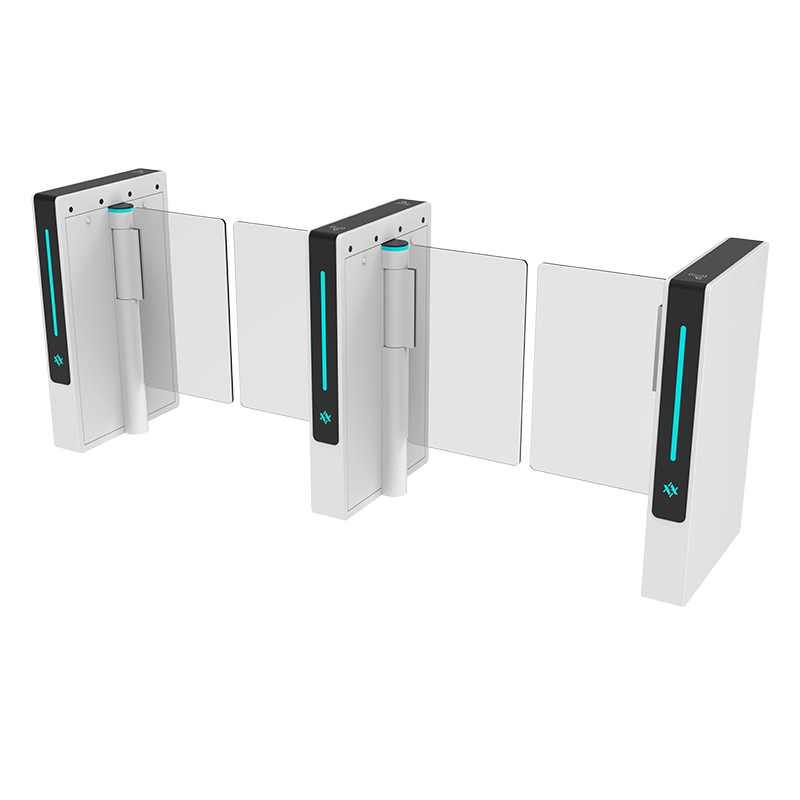
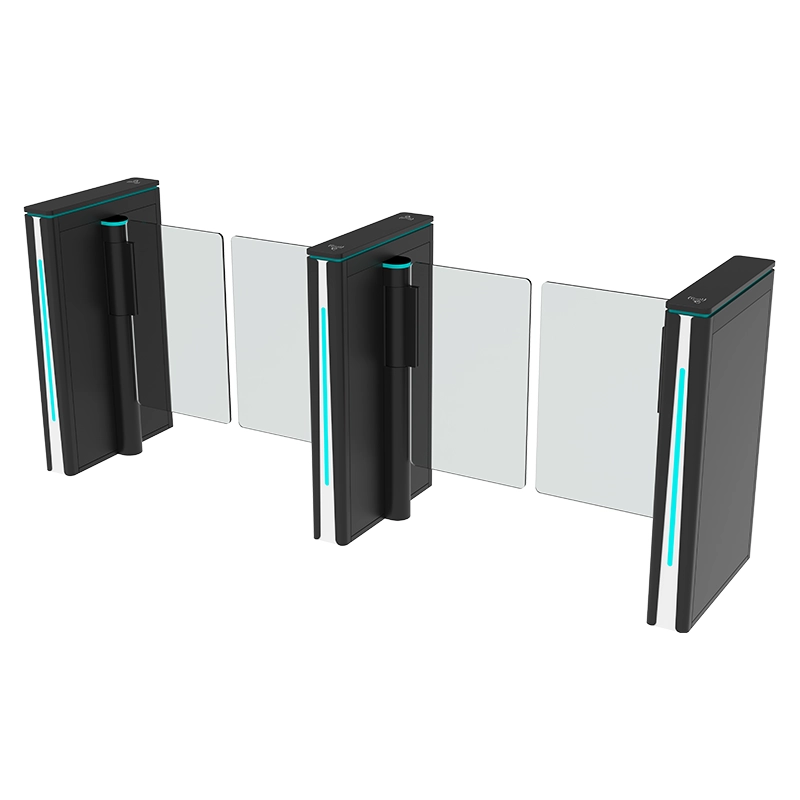
These are high-end access gates with glass panels or movable wings that slide or swing open. I suggest installing them in high-end office buildings. They handle large crowds efficiently with high passing speed. However, they occupy more floor space than a compact tripod turnstile.
Full Height Turnstiles
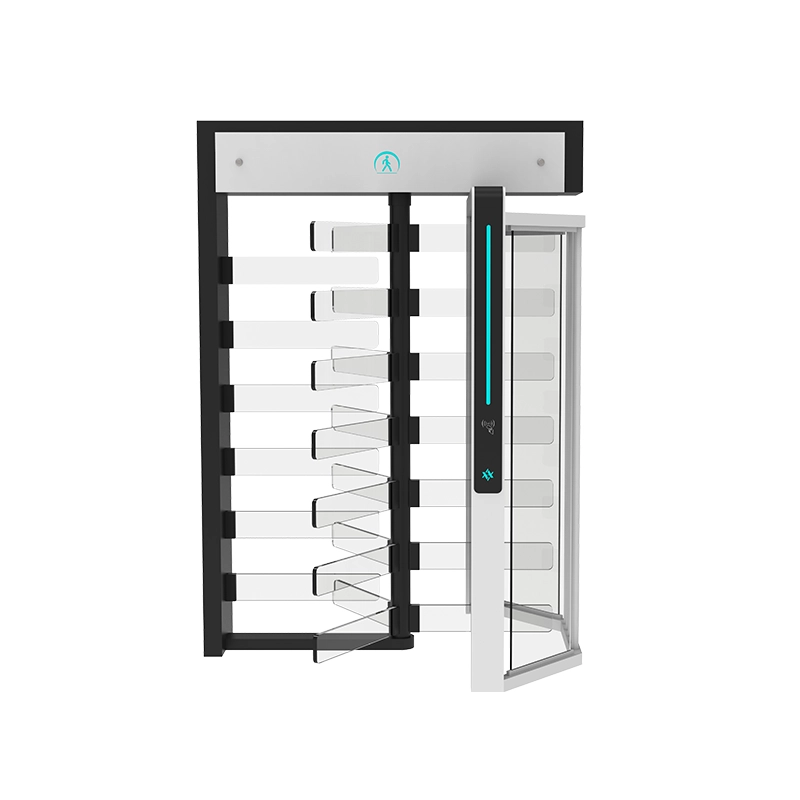
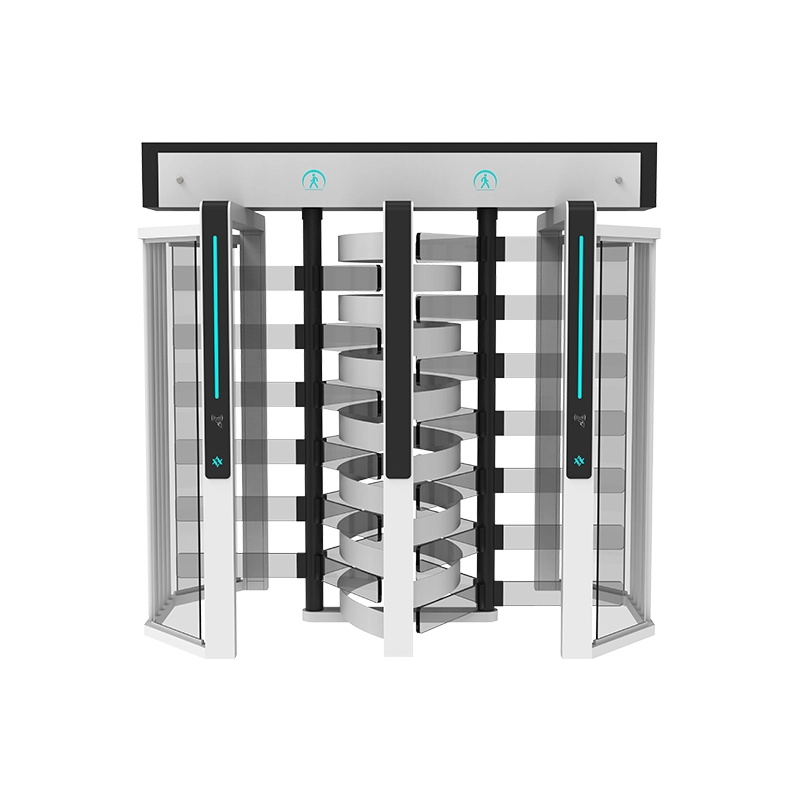
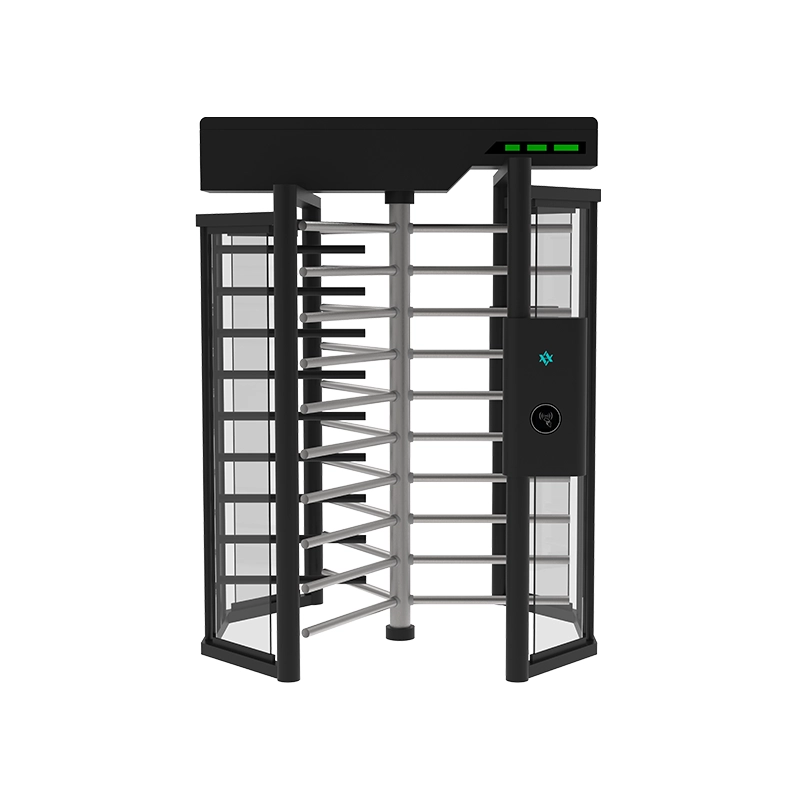
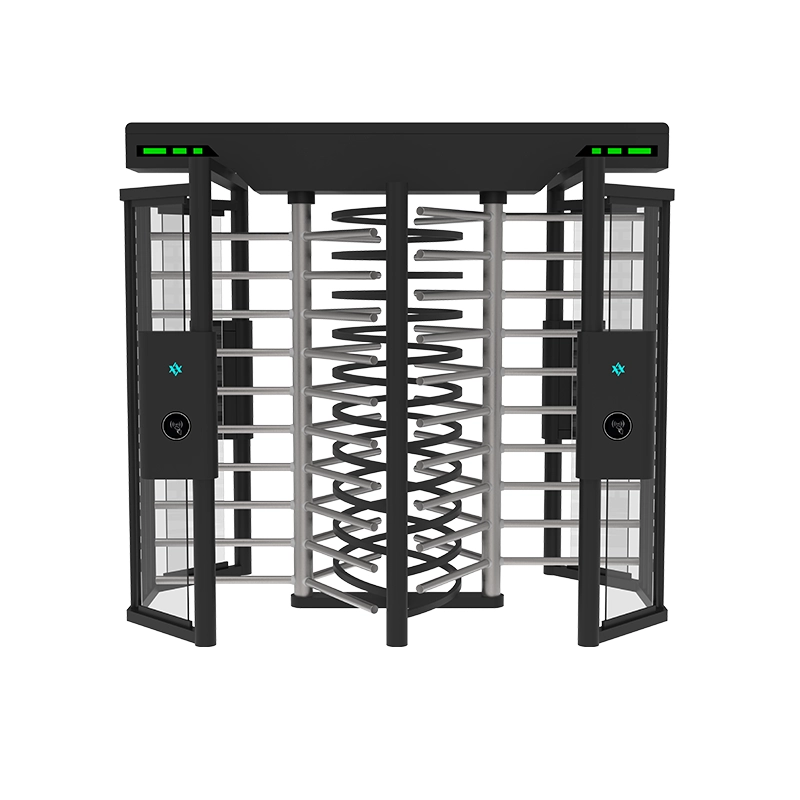
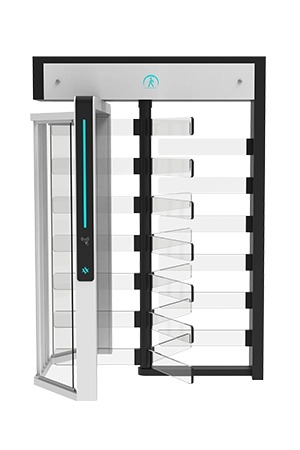
These full-enclosed gates extend from floor to ceiling, commonly used at stadiums and high-security factories. They can effectively prevent climbing, and deliver the strongest physical protection among all turnstiles.
Selecting Based on Use Case
| Feature | Tripod | Speed Gate | Full Height |
|---|---|---|---|
| Security Level | Medium | Medium | High |
| Aesthetic | Simple | Modern/Luxury | Industrial |
| Passage Speed | Moderate | Very Fast | Slow |
| Indoor/Outdoor | Both | Indoor Mostly | Both |
I believe the best turnstile is the one that matches your actual pedestrian flow. If hundreds of staff arrive at 9:00 AM every day, you can choose Flap Barriers or Speed Gates. If you have fewer visitors and a limited budget, a tripod turnstile is the ideal option. When your lobby has limited space, the compact size of a drop-arm tripod turnstile works perfectly.
What is a drop arm tripod turnstile?
Lobbies without physical access barriers are difficult to manage. Security guards will feel exhausted from repeated ID checks. When guards get distracted, unauthorized people can easily walk in through open entrances.
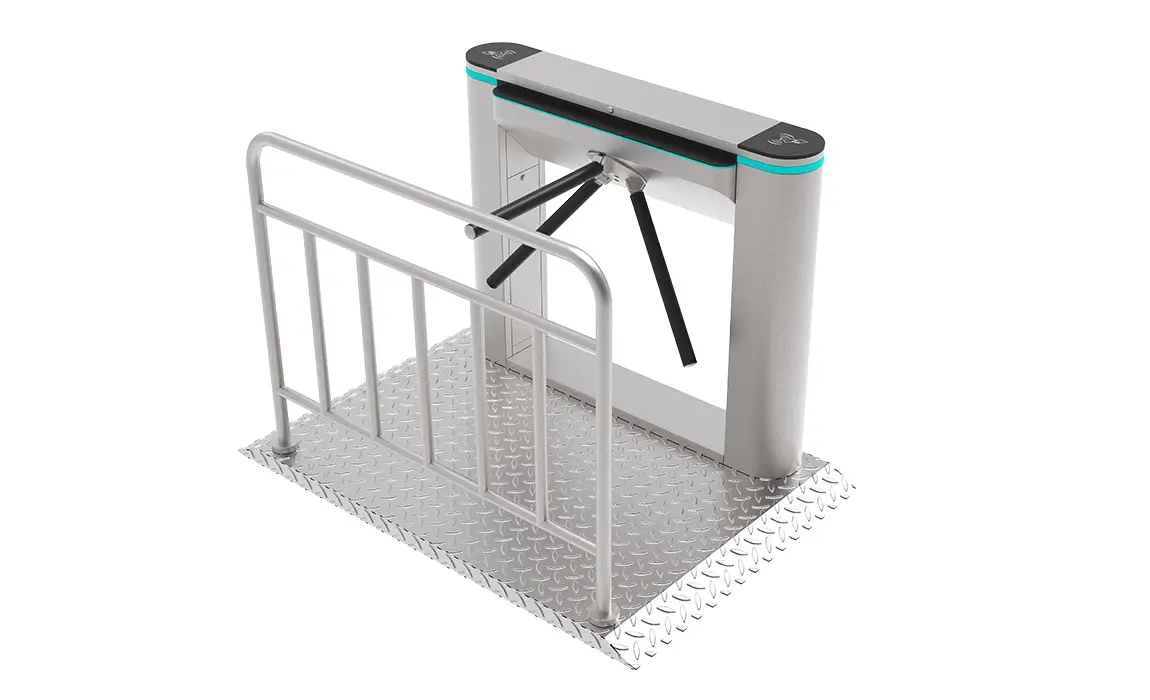
A drop arm tripod turnstile is a compact access gate equipped with horizontal bars to regulate pedestrian movement. It acts as an obvious physical deterrent. Unlike swinging glass doors, the arms of a tripod turnstile stay firmly locked until the system verifies user credentials, such as access badges or fingerprints.
Why the Arm Design Works
A drop arm tripod turnstile features clear operating logic that all visitors can understand easily. When the arm is raised, entry is not allowed. This strong visual warning makes people follow the rules better than ordinary glass doors, bringing a more solid sense of security.
Most tripod turnstiles are made of stainless steel. I always recommend 304-grade steel for indoor installation. If the gate is placed near the ocean or in humid areas, 316-grade steel is a better choice for excellent anti-rust performance. Premium tripod turnstiles are fitted with infrared sensors to detect people standing close to the arms and avoid accidental collision or pinching.
Key Benefits of Drop Arm Tripod Turnstile
- Small Footprint: Slim body allows multiple lanes to be installed even in narrow lobbies.
- Safety First: Built-in drop-down mechanism ensures emergency evacuation.
- Low Cost: Much more affordable than glass sliding gates.
- Easy Integration: Facial recognition cameras and card readers can be installed on top easily.
I consider the tripod turnstile an all-round access control solution. It works reliably in schools, factories, and office buildings. It is simple to install and rarely breaks down. If you need access equipment that can run steadily for ten years with minimal repairs, a tripod turnstile is your top pick.
What is a steering tripod turnstile?
Uncontrolled pedestrian flow leads to chaos and congestion. If entry and exit share the same lane, moving speed will slow down greatly. Meanwhile, unauthorized people are more likely to sneak in during the chaos.
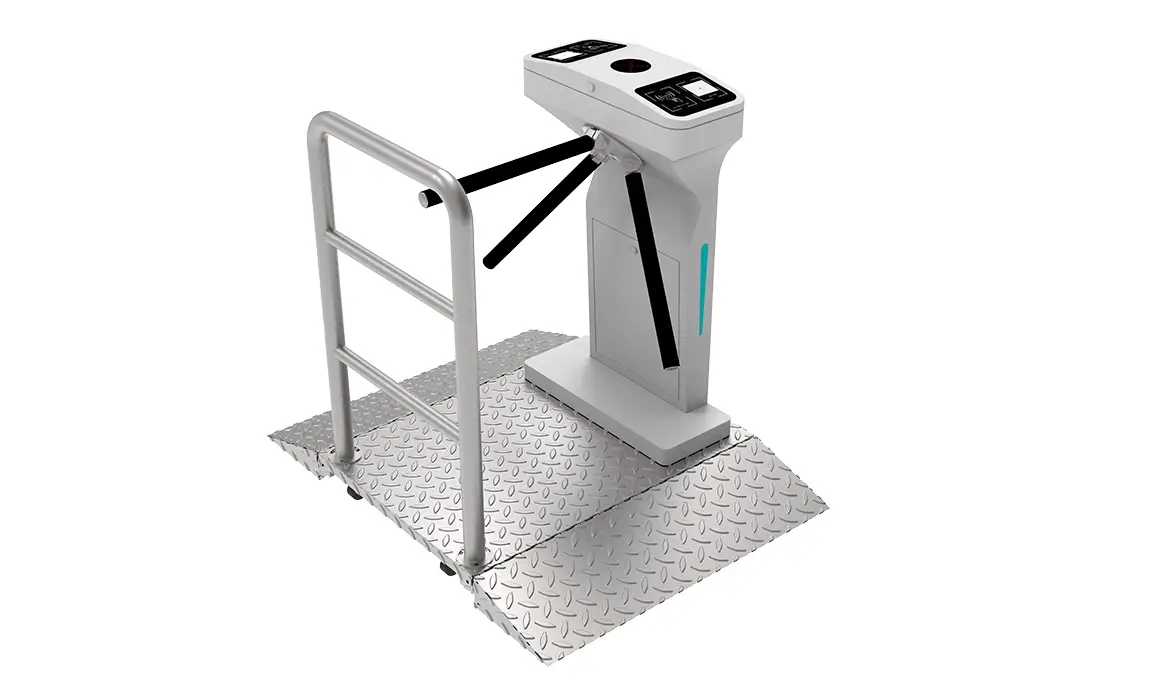
A steering tripod turnstile is an upgraded gate system with intelligent electronic logic to control travel directions. It locks or unlocks the arms to guide pedestrian flow, and can be set as entry-only, exit-only or controlled bi-directional movement according to different time periods.
Smart Control and Direction Logic
The control board is the “brain” of a steering tripod turnstile. It does far more than simple opening and closing. For example, you can set all lanes to “entry only” during morning rush hours to speed up check-in, and switch to “exit only” in the afternoon.
The intelligent system also prevents tailgating, which means someone tries to follow a verified user to sneak inside. The built-in sensors of the tripod turnstile can identify this behavior accurately. Once a second person is detected, the arms will lock or the alarm will sound. This is a critical function to improve overall security.
How Logic Boards Manage Traffic
| Control Mode | Meaning | Use Case |
|---|---|---|
| Controlled Entry | Needs card to enter. | Standard morning routine. |
| Free Exit | Opens automatically for exit. | Easy leaving without a card. |
| Bi-Directional | Controlled both ways. | High security areas. |
| Locked | No one can pass. | After-hours or night mode. |
A high-quality steering tripod turnstile supports seamless connection with fire alarms, building management software, and security cameras. If someone forces the arms open, the system will send real-time alerts to the security room for immediate response. Modern tripod turnstiles are not just mechanical devices, but smart guards that work around the clock.
My Insights: What is a Drop Arm Tripod Turnstile?
Need a compact and efficient access control solution? Drop arm tripod turnstiles deliver reliable security and convenience for high-traffic areas.
A tripod turnstile is a waist-high barrier with rotating arms. Each valid credential unlocks the arms for single-person passage. It connects well with mainstream access systems and provides visible protection without bulky full-height structures.
Key Features and Functionality
Design and Operation
Waist-high structure with motorized rotating arms for passage control.
Arms automatically drop during emergencies or power failures.
Security and Integration
Optical sensors detect unauthorized behaviors such as tailgating.
Seamlessly integrate with card readers and other access devices.
Applications and Advantages
| Aspect | Tripod Turnstiles |
|---|---|
| Security Level | Moderate, with visual access control |
| Space Efficiency | Compact, suitable for space-constrained environments |
| Common Uses | Offices, universities, public transport points |
Benefits
- Bi-directional Flow: Supports movement in both directions.
- Maintenance: Simple design leads to easy upkeep.
- Accessibility: Compliant with ADA standards for inclusive access.
Drop arm tripod turnstiles are ideal for places that need effective security without full-height barriers. They perfectly balance accessibility and standardized access control.
Conclusion
A tripod turnstile is the perfect combination of high-level daily security and emergency safety. It protects your building all day long and creates clear evacuation routes instantly during a crisis.
](https://aipadaturnstile.com/wp-content/uploads/2025/11/AT107-TC-01.webp)
](https://aipadaturnstile.com/wp-content/uploads/2025/12/vertical-tripod-turnstile.jpg)
](https://aipadaturnstile.com/wp-content/uploads/2025/12/popup-img.jpg)