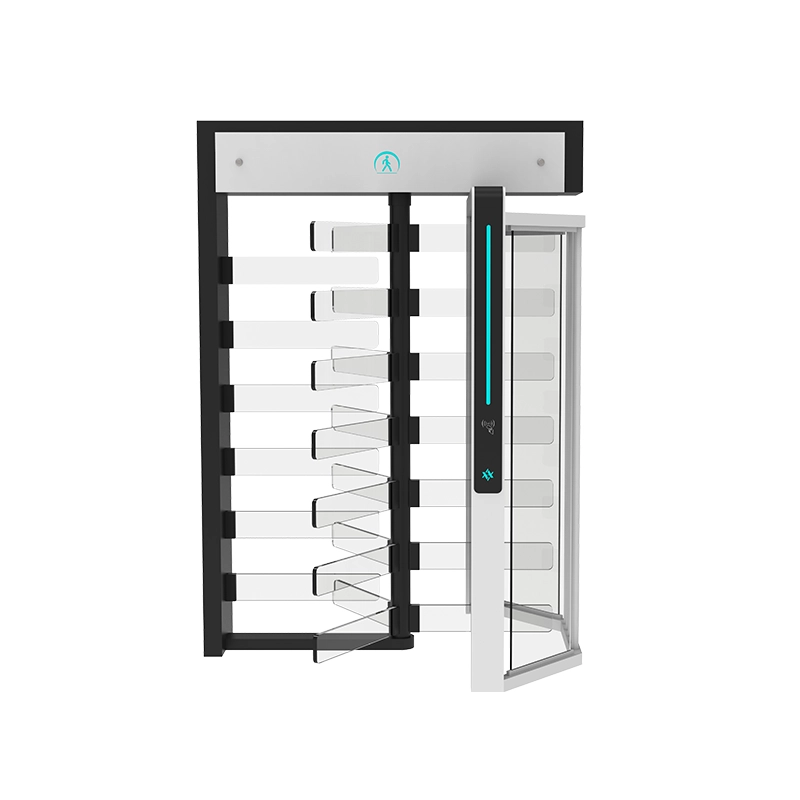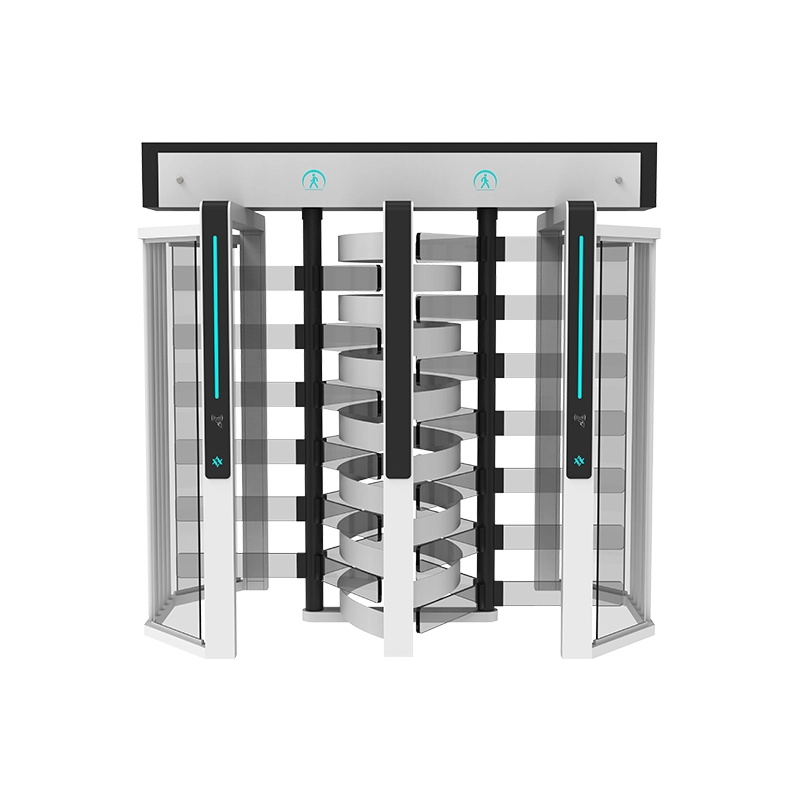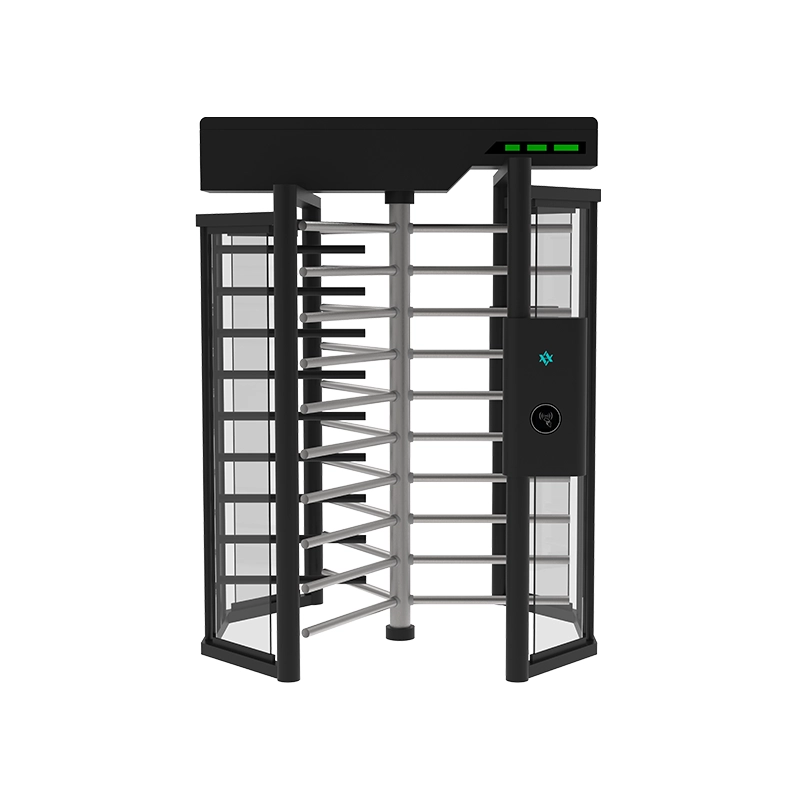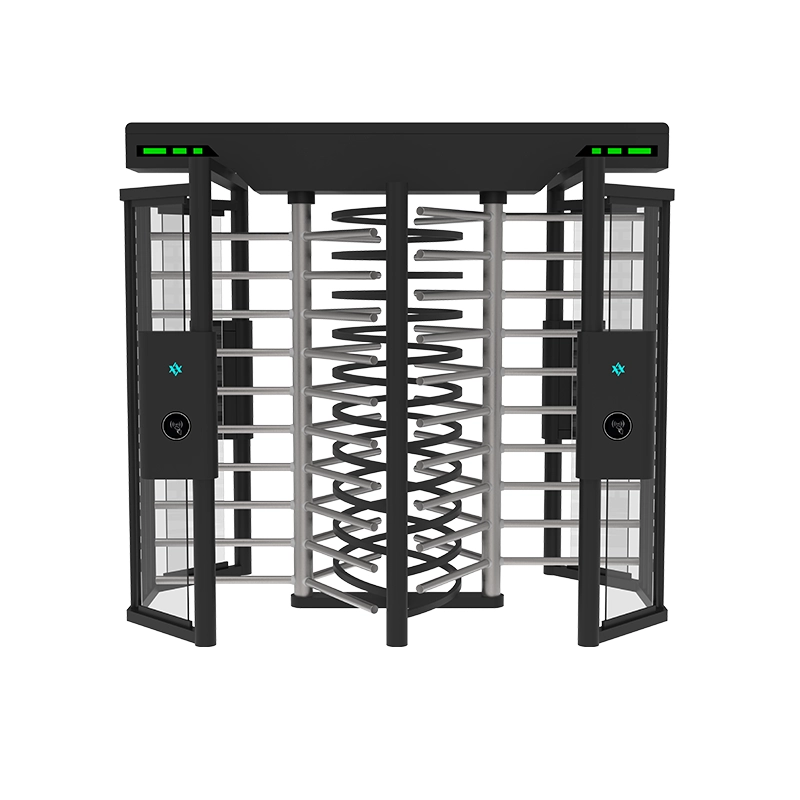

Unauthorized entry is a major security challenge for many facilities. This issue can compromise secure areas. It poses a risk to safety and controlled access protocols.
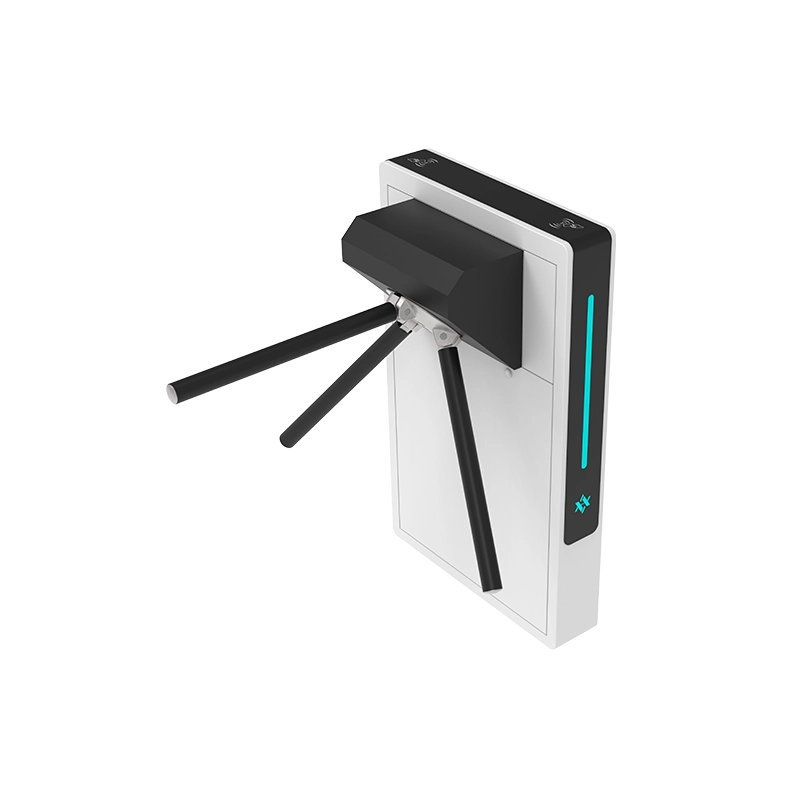
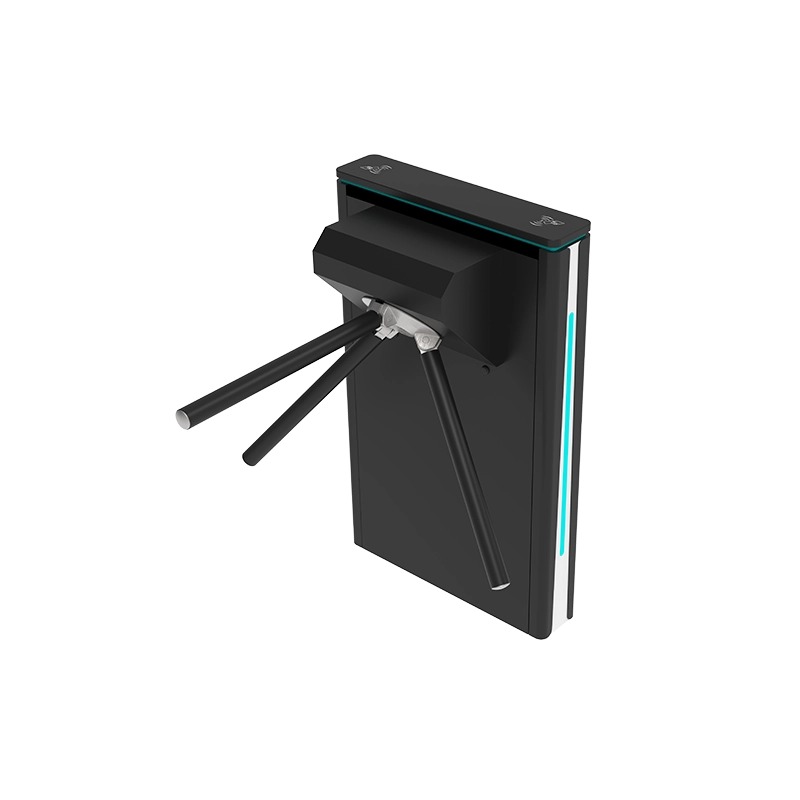
A drop arm turnstile detects tailgating using infrared sensors and advanced algorithms. These components create a precise detection zone. If more than one person passes through this zone after a single valid authorization, the turnstile identifies it as tailgating. This mechanism enforces strict one-person-per-entry rules.
Controlling pedestrian flow is crucial for security. Early access control systems often struggled with tailgating. Modern turnstiles offer sophisticated solutions to this problem. They ensure that only one authorized individual gains access at a time. This significantly enhances site security.
What is the Anti-Tailgating Mechanism?
How do turnstiles prevent unauthorized individuals from following authorized ones? The anti-tailgating mechanism[^1] is a key feature. It ensures that only one person can pass for each verified credential. This prevents security breaches.
The anti-tailgating mechanism in a drop arm turnstile employs multiple infrared beam arrays. These arrays establish a dense detection grid within the passageway. When a person presents their credentials, the turnstile anticipates a specific sequence of beam interruptions. If the system detects deviations from this pattern, such as multiple individuals or an irregular passage, it triggers an alert. This robust mechanism is vital for maintaining high security standards.
Infrared Sensor Operation
Infrared sensors are fundamental to tailgating detection. They project and receive invisible light beams across the turnstile’s path.
- Emitter: This component transmits infrared light.
- Receiver: This component detects the transmitted light.
When a person moves through the turnstile, they interrupt these beams. The turnstile’s control system analyzes these interruptions to determine the number of individuals passing.
Algorithmic Logic
Sophisticated algorithms interpret the data from the sensors. These algorithms differentiate between a single authorized passage and an attempted tailgating event.
| Scenario | Expected Sensor Pattern | Tailgating Indication |
|---|---|---|
| Single Authorized Entry | Sequential beam breaks | No |
| Two Individuals Closely | Overlapping or rapid breaks | Yes |
| Person with Large Object | Extended or specific break duration | No (if calibrated) |
For example, a single person walking through will break the beams in a distinct front-to-back order. If two people attempt to pass together, the beams might show simultaneous or excessively rapid interruptions. The system recognizes this pattern as tailgating. It then initiates an alarm or re-locks the turnstile. This process is crucial for enforcing secure access.
What is the Working Principle of Turnstile Gate?
What is the fundamental operation behind a turnstile gate? The working principle of a turnstile gate involves several interconnected components. These components coordinate to provide controlled and secure pedestrian access.
A turnstile gate functions by using a physical barrier that either blocks or permits passage. This barrier is integrated with an access control system. When a user presents a valid credential, such as an access card or biometric data, the system authenticates it. Upon successful authentication, the turnstile’s motor activates, unlocking or rotating the barrier to allow one person to pass. Sensors then confirm the individual’s passage and reset the turnstile. This makes it ready for the next authorized user.
Essential Components
Turnstiles consist of several critical parts that enable their functionality.
- Control Board: This acts as the central processing unit. It manages signals from sensors and the access control system[^2]. It also directs the motor’s actions.
- Motor: Many modern turnstiles use brushless motors. These motors provide smooth, quiet, and durable operation. They power the movement of the turnstile arms.
- Sensors: Infrared sensors primarily detect presence and movement. Additional sensors might be present for safety features or specialized detection.
- Locking Mechanism: This system secures the turnstile barrier until an authorized signal is received.
Passage Flow
The sequence of operations for a turnstile enabling entry is as follows.
- Credential Presentation: An individual presents their access credential. This could be a card, a biometric scan, or an entry code.
- Verification: The access control system checks the presented credential against its database of authorized users.
- Authorization: If the credential is valid, the system sends an authorization signal to the turnstile’s control board.
- Barrier Release: The control board activates the motor. This unlocks or allows movement of the turnstile barrier.
- Individual Passage: The authorized person moves through the turnstile.
- Passage Confirmation: Infrared sensors detect and confirm the passage of a single individual.
- Barrier Reset: The turnstile barrier returns to its locked position. It is then prepared for the subsequent authorization.
This sequence is designed for both speed and security. It ensures that only validated entries occur.
What is the Purpose of a Turnstile in a Security System?
Why are turnstiles considered essential components within security infrastructures? The purpose of a turnstile in a security system is comprehensive. It involves more than simple pedestrian counting. Turnstiles function as critical physical barriers. They enforce access policies and significantly enhance overall security and management.
The primary purpose of a turnstile within a security system is to manage and control pedestrian flow. It ensures that only authorized individuals can enter a defined area, one person at a time. This capability prevents tailgating, streamlines visitor management procedures, and offers valuable data for facility operations. Turnstiles boost security by establishing a controlled access point. This requires every individual to present valid credentials before proceeding. This is fundamental for maintaining secure environments.
Access Control Enforcement
Turnstiles are the physical implement of access control policies.
- Single-Person Entry: This is a core function. It prevents multiple individuals from gaining access on a single credential.
- Integration with Credentials: Turnstiles integrate with various access technologies. These include smart cards, biometric scanners, and QR code readers.
Enhanced Security Contributions
Beyond restricting entry, turnstiles contribute to security in multiple ways.
| Security Enhancement | Description |
|---|---|
| Tailgating Prevention | Stops unauthorized individuals from following closely behind authorized users. |
| Visitor Monitoring | Ensures all visitors comply with registration protocols before entry. |
| Emergency Protocols | Many turnstiles feature a "drop arm" function. This allows rapid egress during emergency situations, complying with fire safety regulations. |
| Audit Trails | Records all entry and exit events. This creates comprehensive logs for security investigations and compliance. |
For example, in a sensitive research facility, logging every entry is critical. A full-height turnstile provides a high level of physical deterrence. It ensures that no one can bypass the entry point without authorization. Turnstiles are engineered to blend these security functions with user convenience.
What is a Tailgate Sensor?
What defines a tailgate sensor within an access control system? A tailgate sensor is a specialized component within a turnstile system. Its specific function is to detect instances where more than one person attempts to pass through the turnstile on a single authorization. It is a vital part of the overall anti-tailgating mechanism.
A tailgate sensor typically consists of an array of infrared beams. These are strategically positioned across the turnstile’s passage. These sensors continuously monitor the space. When a valid credential is used, the system anticipates a single, authorized individual to interrupt the beams in a specific pattern. If the sensors detect an additional presence—such as a second person attempting to follow the first—they trigger an alarm or re-lock the turnstile. This strictly enforces the one-person-per-authorization rule.
Tailgate Sensor Technologies
While infrared technology is common, other methods can also function as tailgate sensors.
- Infrared Beam Arrays: These are widely used. They establish a grid of invisible light.
- Pressure Plates: These sensors detect changes in weight on the floor. They are generally less precise for distinguishing multiple closely spaced individuals.
- 3D Vision Systems: More advanced systems may utilize cameras with depth perception. These can accurately count and track individuals.
Sensor Placement and Calibration
The effectiveness of tailgate sensors relies significantly on their placement and configuration.
- Multi-Level Placement: Sensors are often positioned at various heights. This helps detect individuals of different sizes, including children, or objects.
- High Beam Density: A higher density of infrared beams makes it more difficult for someone to evade detection.
Sensor-Triggered Actions
When a tailgate sensor identifies an anomaly, it transmits a signal to the turnstile’s control board.
| Detection Event | Control Board Response |
|---|---|
| Unauthorized Presence | Alarm activation, turnstile locks. |
| Irregular Passage Flow | Turnstile may reverse its motion or remain locked. |
| Blocked Pathway | System might issue a warning or indicate a fault. |
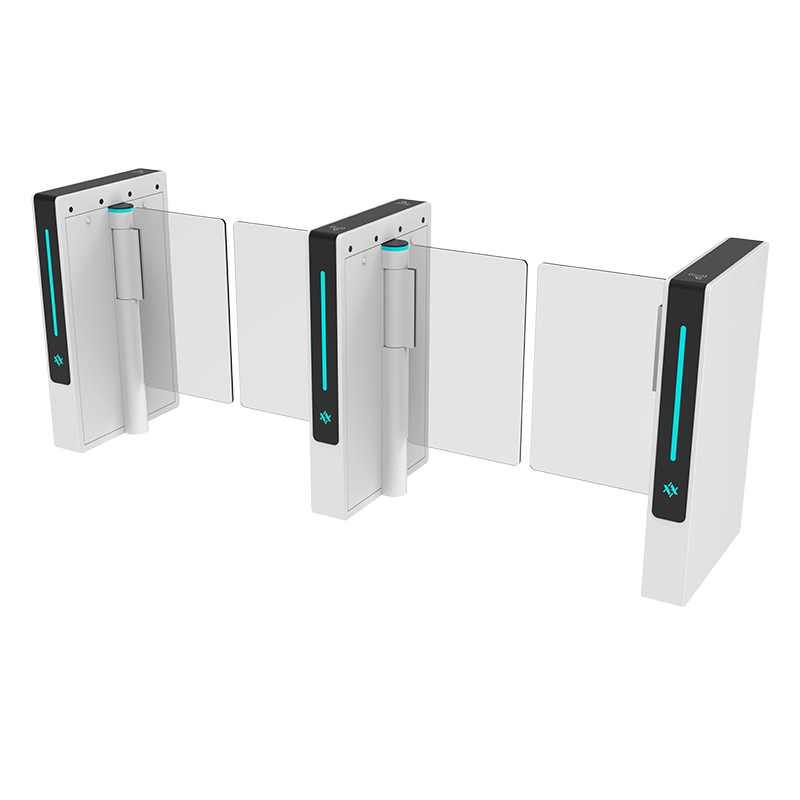
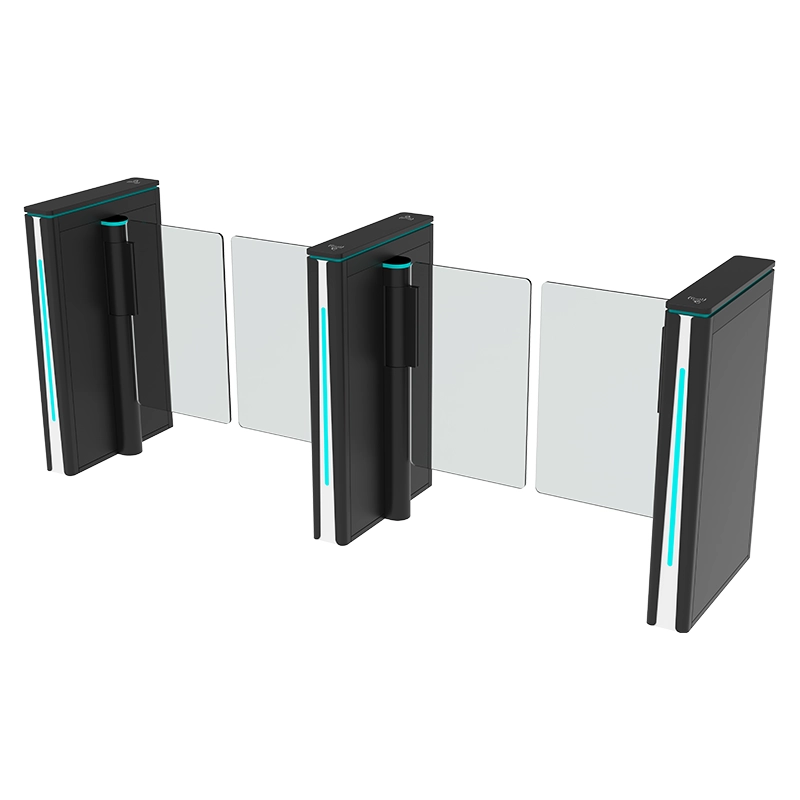
For instance, if an individual attempts to piggyback, the sensors in a speed gate immediately detect the additional presence. This action triggers an audible alarm and prevents the second person from proceeding. Tailgate sensors are designed for high sensitivity and reliability. This provides robust security for facilities.
My Insights: Unraveling Tailgating Detection in Drop Arm Turnstiles
Concerned about security breaches through tailgating? Discover how drop arm turnstiles detect and prevent unauthorized entry effectively.
Drop arm turnstiles use infrared and optical sensors to detect tailgating. These sensors monitor the lane, identifying multiple entrants during a single authorized entry cycle. When excess entry is detected, alarms sound, and security systems are alerted for immediate action.
Understanding Tailgating Detection Technologies
Detection Mechanisms
| Detection Method | Features | Actions Taken Upon Detection |
|---|---|---|
| Infrared Sensors | Track lane passage and detect excess entry | Sound alarms, relock gates |
| Bi-Directional Sensors | Monitor entry patterns, flag anomalies | Alert security, enable camera monitoring |
| Pressure Sensors | Detect multiple persons on the platform | Trigger alerts for security personnel |
Sensor Technology: Drop arm turnstiles employ advanced sensor technology, such as infrared and bi-directional sensors, to maintain a one-person-per-cycle standard. They form an invisible monitored zone that identifies unauthorized movements.
Immediate Response: When tailgating is detected, the system can sound alarms and relock the gate. It may also send alerts to a connected surveillance platform or notify security staff to investigate.
Enhanced Security Integration: By integrating with access control systems and CCTV cameras, drop arm turnstiles provide comprehensive security coverage. Real-time analytics can further identify suspicious patterns, ensuring robust security management.
By combining mechanical barriers with sophisticated sensing technology, drop arm turnstiles offer a reliable solution against tailgating, keeping facilities secure and operational.
Conclusion
Effective tailgating detection is fundamental for modern security systems. Drop arm turnstiles, utilizing sophisticated sensors and algorithms, play a critical role. They ensure only authorized individuals gain entry. This maintains site security and access control integrity.