

Are you looking for efficient access control? Speed gates provide rapid and secure entry. They are essential for managing pedestrian flow in various environments.
Speed gates are widely applied in locations requiring both stringent security and high pedestrian throughput. These include corporate buildings, public transportation hubs, educational institutions, and sports venues. Their ability to integrate with diverse authentication technologies makes them a versatile solution for modern access control needs.
This discussion explores the primary sectors and specific scenarios where speed gates are most effectively utilized.
Where are Speed Gates Commonly Used?
Do you need to manage pedestrian traffic efficiently? Speed gates[^1] offer a solution for many settings. They combine security with rapid passage.
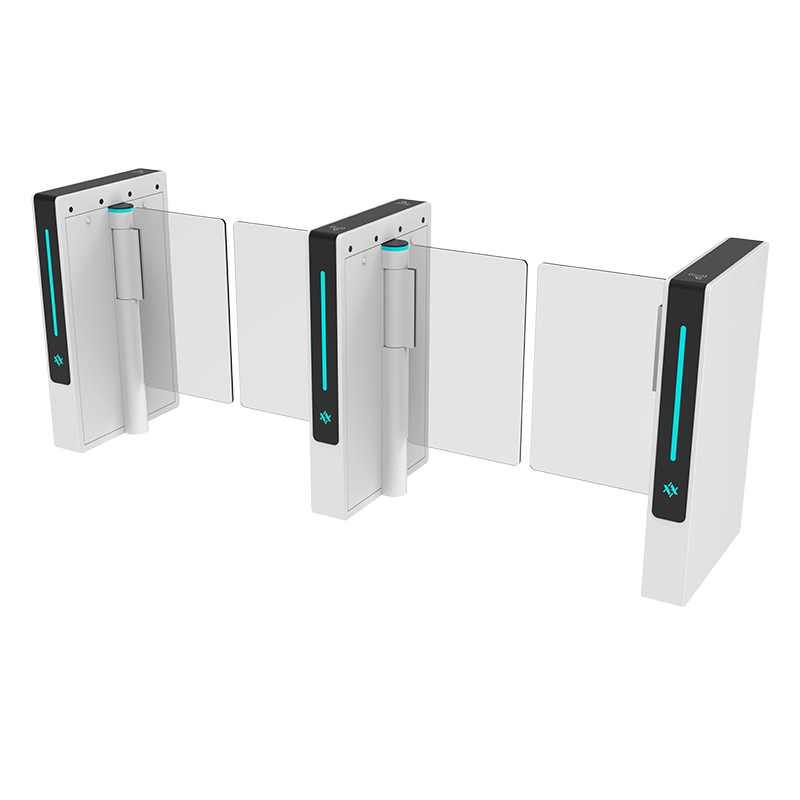
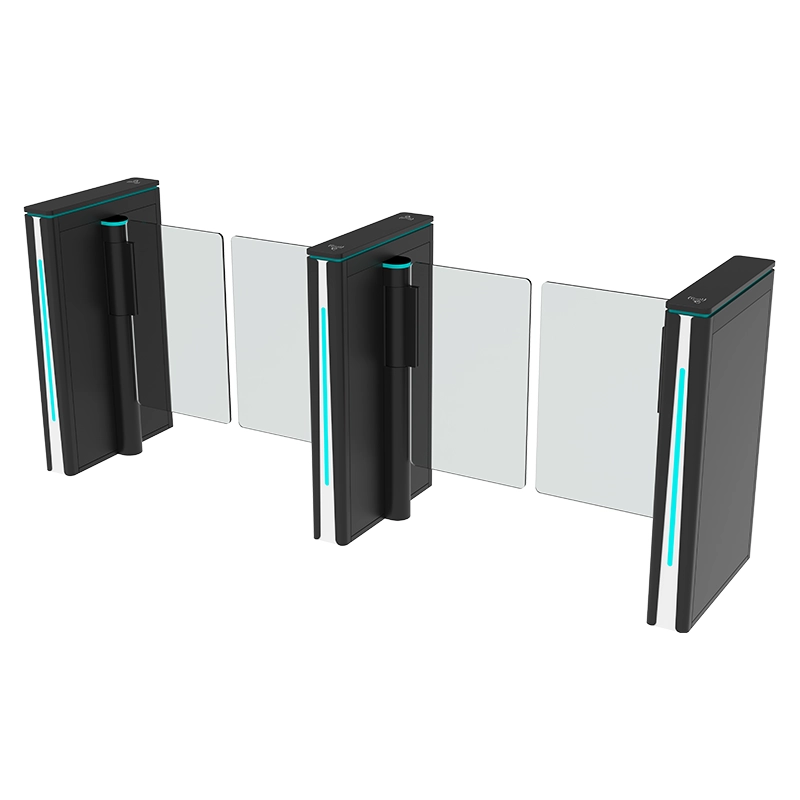
Speed gates find common use in high-traffic commercial and public spaces where quick yet controlled entry is necessary. Examples include office lobbies, metro stations, airports, and universities. These gates help regulate the flow of people, preventing unauthorized access while minimizing queues and delays.
Understanding the diverse environments where these systems are deployed clarifies their importance.
Corporate and Commercial Environments
High-rise corporate buildings and commercial complexes frequently implement speed gates. These gates enhance security at entry points. They also maintain a modern aesthetic. They integrate with existing access card systems or biometric scanners. This allows for swift entry for authorized personnel. Visitors can also be processed efficiently through integrated visitor management systems. This ensures a secure and streamlined lobby experience.
Public Transportation Systems
Major transportation hubs, such as subway stations, airports, and railway terminals, extensively use speed gates. These locations handle large volumes of passengers daily. Speed gates manage passenger flow effectively. They prevent overcrowding and deter fare evasion. They are compatible with various ticketing technologies, including QR codes and smart cards. This ensures quick and organized passage for commuters.
Educational and Government Institutions
Universities, schools, and government facilities often deploy speed gates. These institutions require strict access control to ensure safety. They need to monitor who enters and exits the premises. Speed gates integrate with student ID cards or staff badges. This secures campus boundaries. It also supports attendance tracking. This helps maintain a controlled environment.
Sports and Entertainment Venues
Large stadiums, concert halls, and exhibition centers utilize speed gates for event management. These venues experience massive influxes of people during events. Speed gates for sprinting help process large crowds quickly. They reduce queuing times at entry points. This improves the overall experience for attendees. They also enforce ticket validation and prevent unauthorized entry.
| Application Sector | Primary Objective | Key Integration Examples |
|---|---|---|
| Corporate/Commercial | Security, Aesthetic, Efficiency | Access Cards, Biometrics |
| Public Transportation | Throughput, Fare Control | Ticketing, Smart Card |
| Education/Government | Safety, Access Monitoring | Student/Staff IDs |
| Sports/Entertainment | Crowd Management, Ticket Validation | Ticket Scanners, Event Systems |
How Fast Do Speed Gates Operate?
Do you know how quickly speed gates process people? Their operational speed is a crucial aspect of their design and functionality.
Speed gates are engineered for rapid operation, typically achieving throughput rates of 20 to 60 individuals per minute. This speed depends on various technical elements, including the efficiency of their motors, the responsiveness of their sensor systems, and the chosen authentication method, such as proximity cards versus advanced facial recognition.
The speed at which these gates function directly impacts their effectiveness in high-traffic areas.
Factors Influencing Operational Speed
Several technical components dictate a speed gate’s operational velocity. The type of motor is one significant factor; advanced brushless motors offer faster and smoother barrier movements with less noise. The sophistication of the sensor system also plays a role, as quicker and more accurate detection of pedestrians minimizes delays. Furthermore, the speed of the integrated access control system[^2], whether it is a simple card reader or a biometric scanner, affects the overall processing time.
Throughput Capacity
Throughput capacity is a key performance indicator for speed gates. It measures the number of individuals who can successfully pass through per minute. For a single lane, this rate might range from 30 to 45 people per minute, while multi-lane configurations can significantly increase this figure. Achieving high throughput relies on both the mechanical speed of the gate and the efficiency of the validation process, ensuring continuous flow without bottlenecks.
Integration and Seamless Passage
The speed of a speed gate turnstile is also influenced by its integration with other security systems. Modern speed gates can process authentication signals almost instantly. This allows for a nearly continuous flow of authorized individuals. For example, some systems offer a "free flow" mode for pre-authorized users. This mode allows the gates to remain open upon immediate detection, providing an almost uninterrupted passage and maximizing efficiency during peak times.
| Technical Element | Contribution to Speed | Impact on Throughput |
|---|---|---|
| Motor Technology | Fast and smooth barrier movement | Reduces cycle time |
| Sensor System | Accurate and quick pedestrian detection | Prevents false closures, maintains flow |
| Authentication Method | Speed of credential verification (e.g., contactless) | Accelerates entry process |
| System Integration | Efficiency of data exchange with access control | Minimizes delays between passes |
What Gate Measures Speed?
Are you wondering how a gate could "measure" speed? The term "speed gate" refers to its rapid operational characteristics rather than its ability to gauge human velocity.
The "speed" in speed gate primarily describes the swiftness of its opening and closing mechanisms, along with its capability to facilitate high-volume pedestrian traffic quickly. These gates do not measure an individual’s physical speed. Instead, they enhance the speed and efficiency of access control, thereby reducing wait times and improving the flow of people through entry points.
The nomenclature highlights the gate’s function in accelerating the passage of people.
Operational Responsiveness
The gate’s operational responsiveness is a core aspect of its "speed." This includes the rapid deployment and retraction of its barriers. A fast response time is essential for managing dense pedestrian flow without creating congestion. Engineers design these gates for swift, smooth actions. This ensures that the physical barrier moves out of the way almost immediately after authorization.
Throughput Enhancement
The primary function of a speed gate is to enhance throughput. This means maximizing the number of people who can pass through a given entry point in a specific time. By quickly validating credentials and opening its barriers, the gate minimizes the time each individual spends at the entry. This significantly contributes to the overall speed of entry for a large group.
User Experience and Efficiency
The efficiency provided by speed gates significantly impacts the user experience. Shorter wait times and smoother transitions through entry points lead to greater satisfaction. When a gate operates quickly and reliably, it makes the security process less intrusive. This emphasizes a modern, efficient approach to access control. The perception of speed is vital for high-traffic environments.
| Aspect | Description | Primary Benefit |
|---|---|---|
| Gate Mechanism Responsiveness | Speed of barrier opening/closing. | Prevents queues, maintains flow |
| Pedestrian Throughput | Volume of people processed per minute. | High efficiency for large crowds |
| Reduced Waiting Times | Minimizing time spent at entry points. | Improved user experience |
| "Speed" Interpretation | Focuses on gate’s operational rapidity, not human velocity. | Rapid, secure, and seamless access |
Where Are Gates Most Commonly Used?
Are you curious about the most frequent locations for various access gates? Their prevalence reflects critical needs in security and traffic management across diverse sectors.
Gates are predominantly used in high-traffic public and private environments requiring regulated entry and exit. This includes business parks, urban transit systems, educational campuses, and facilities demanding enhanced security. Their common usage stems from their versatility in controlling access while ensuring efficient movement of authorized individuals.
The widespread adoption of gates across industries underscores their importance in modern infrastructure.
Commercial Business Centers
In bustling business districts globally, gates are standard features in office buildings and corporate headquarters. They serve to secure sensitive areas and manage the daily influx of employees and visitors. Gates project a professional image while enforcing strict access policies. They integrate seamlessly with existing building management and security systems.
Urban Public Transit
Public transportation networks, such as subway, light rail, and bus systems, are major users of various gate types. These gates are essential for fare collection and controlling access to platforms. They are built for durability to withstand continuous operation and high volumes of passengers. Their role is critical in maintaining order and safety within transit environments.
Institutional and Research Facilities
Educational institutions, from universities to research laboratories, and government buildings deploy gates for layered security. These facilities need to protect valuable assets and ensure the safety of personnel and students. Gates manage access to specific areas. They restrict entry to authorized individuals only. This adds a crucial layer to their security protocols.
Specialized Security Zones
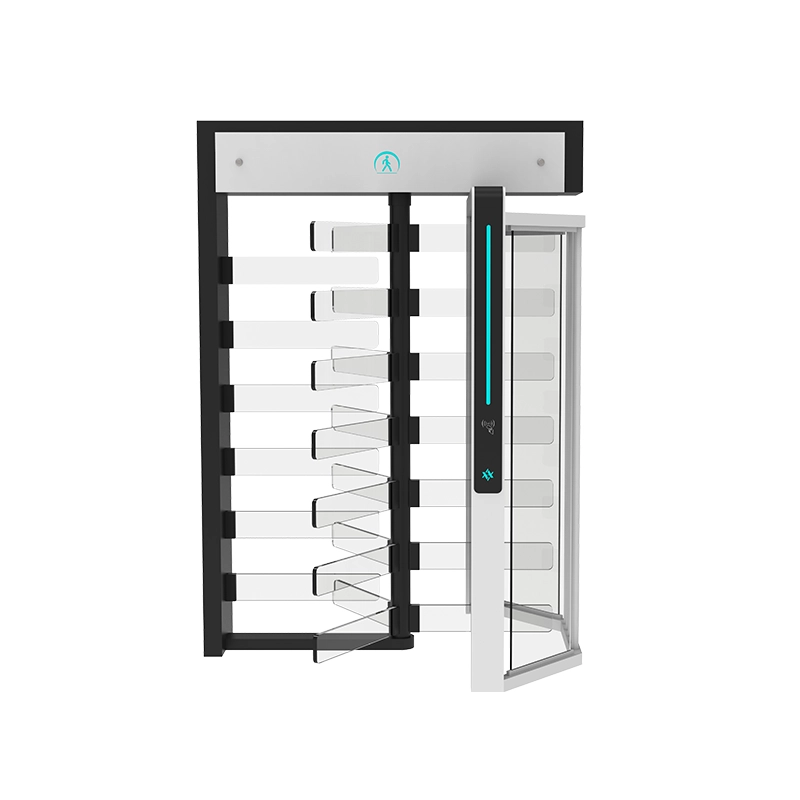
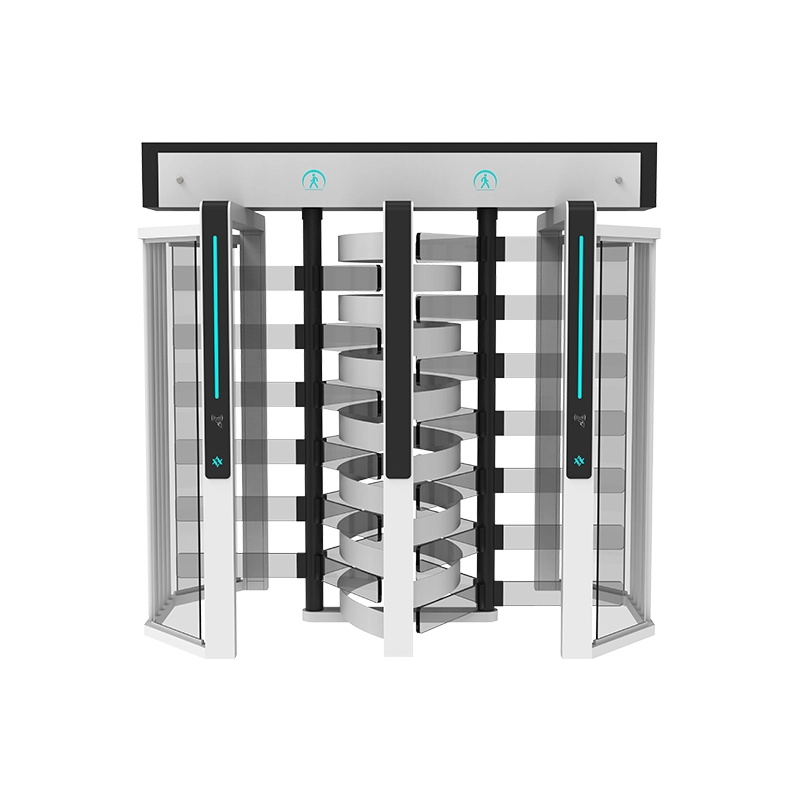
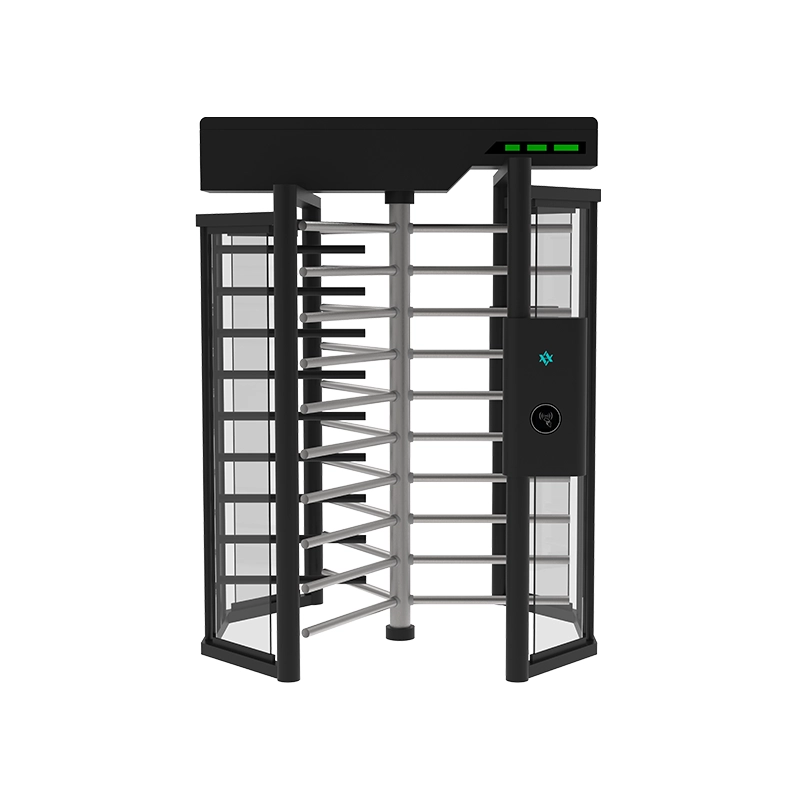
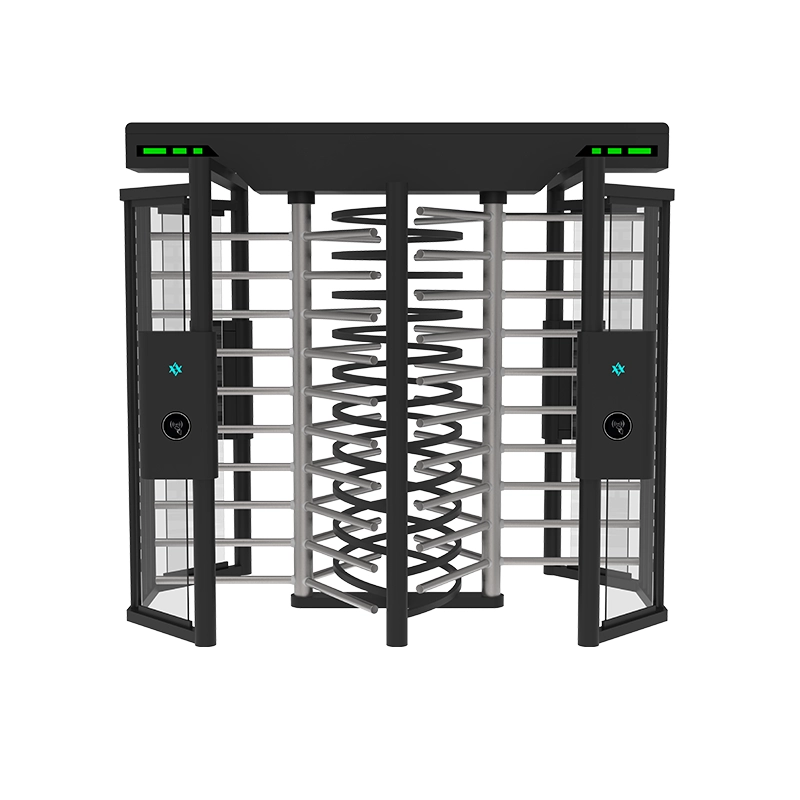
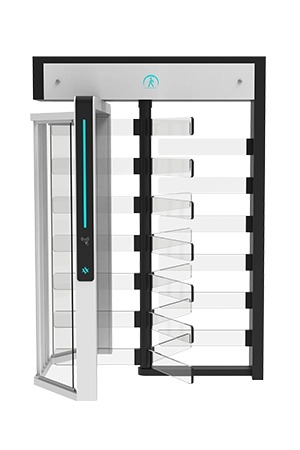
For locations requiring the highest level of physical security, such as data centers, industrial plants, and correctional facilities, robust gates are indispensable. These environments prioritize maximum security to prevent unauthorized intrusion. Full-height turnstiles are often used in these areas. They provide an uncompromised physical barrier, ensuring stringent access control.
| Sector | Primary Function | Example Gate Types |
|---|---|---|
| Business & Corporate | Access Control, Corporate Image | Speed Gates, Swing Turnstiles |
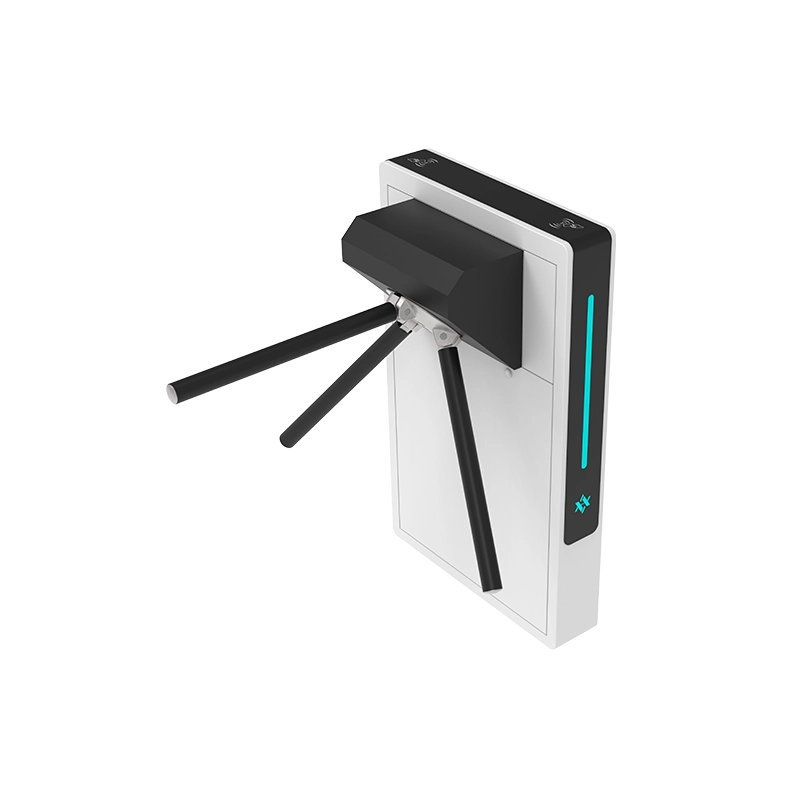
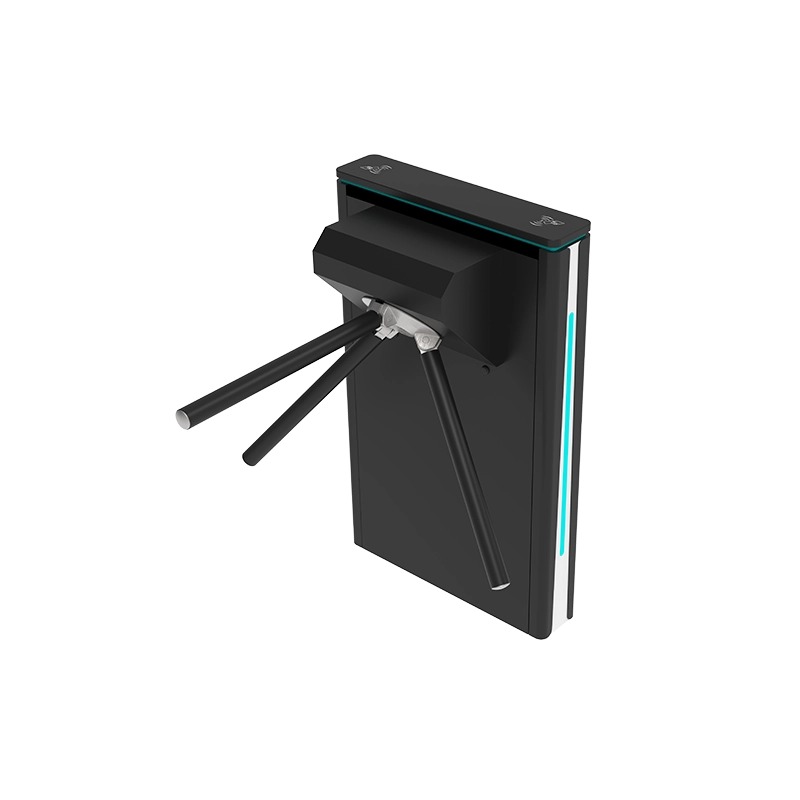
| Public Transit | Fare Management, Crowd Control | Flap Barriers, Tripod Turnstiles |
| Institutional | Site Security, Personnel Management | Speed Gates, Tripod Turnstiles |
| High-Security | Physical Deterrence, Restricted Access | Full Height Turnstiles |
My Insights: Exploring the Versatile Applications of Speed Gates
Are you tasked with controlling access in high-traffic areas? Discover how speed gates provide efficient and secure solutions across various sectors.
Speed gates are versatile tools used in office lobbies, transportation hubs, government buildings, and entertainment venues. They facilitate controlled yet swift pedestrian access, integrating with access control systems for added security and efficiency in high-traffic environments.
Understanding the Impact of Speed Gates Across Different Settings
Applications and Benefits
| Application | Function | Benefit |
|---|---|---|
| Corporate Offices | Control employee and visitor entry | Enhance security and manage flow |
| Transportation Hubs | Manage boarding and ticket validation | Reduce queues, ensure authorized access |
| Government Facilities | Secure sensitive areas with biometric integration | Tight control over entry and exit |
| Fitness Centers | Access to premium areas and training zones | Streamline entry, aid in measuring athlete performance |
| Entertainment Venues | Ticket validation and restrict VIP areas | Balance security with aesthetics, improve customer service |
Office Efficiency: Speed gates in corporate settings manage high-volume pedestrian flow while integrating smoothly with access-control systems like RFID or biometrics to prevent unauthorized access.
Transportation Management: Airports and train stations use speed gates to facilitate swift boarding processes, reading tickets to prevent congestion and ensure only authorized passengers proceed.
High-Security Environments: In government and data centers, speed gates act as a first line of defense, often linked to advanced identification systems for strict entry control.
By implementing speed gates, organizations enhance their security measures and improve pedestrian traffic management, adapting to various needs and environments with ease.
Conclusion
Speed gates are key components of modern access control. They enable fast and secure passage in various settings. These systems ensure efficient movement and enhanced security.
](https://aipadaturnstile.com/wp-content/uploads/2025/11/AT107-TC-01.webp)
](https://aipadaturnstile.com/wp-content/uploads/2025/12/vertical-tripod-turnstile.jpg)
](https://aipadaturnstile.com/wp-content/uploads/2025/12/popup-img.jpg)