
](https://aipadaturnstile.com/wp-content/uploads/2026/04/What-are-Speed-Gates-Used-For.jpg "What are Speed Gates Used For")

Managing people efficiently and securely in busy places presents a constant challenge. Speed gates offer a modern solution. They help control who enters and exits, making these areas safer and more organized.
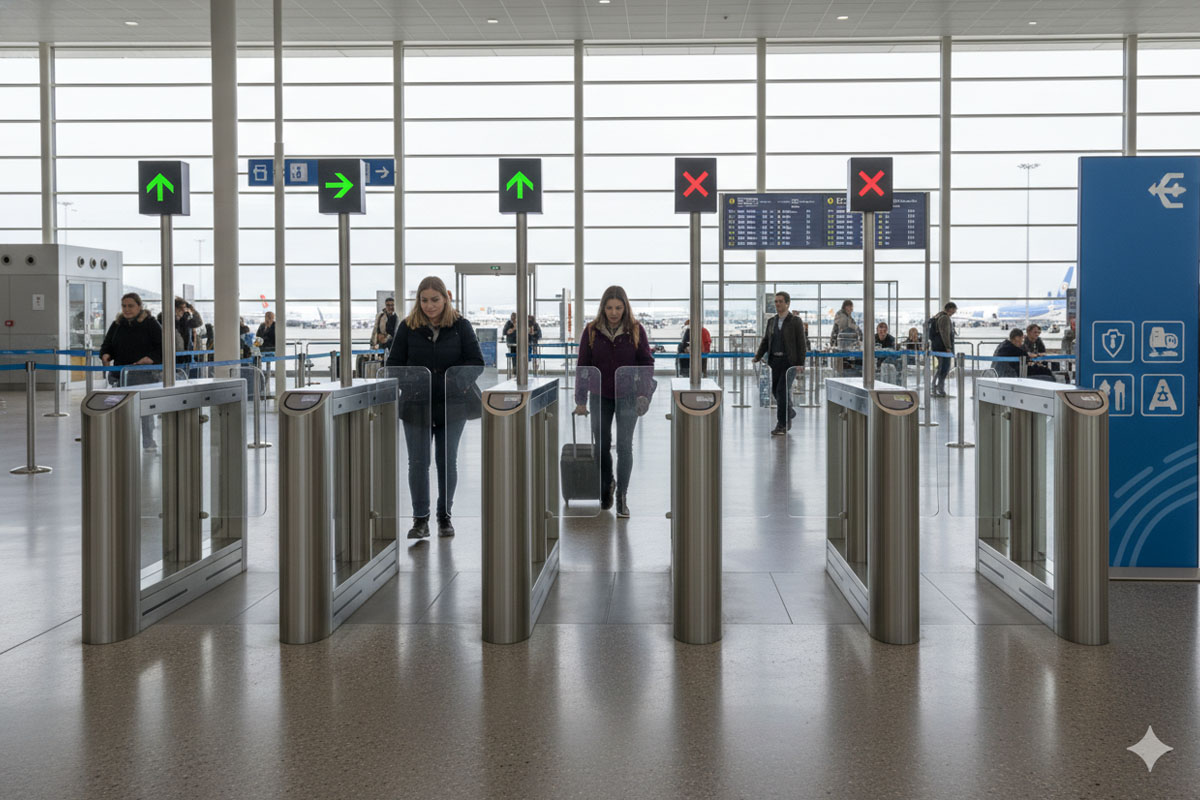
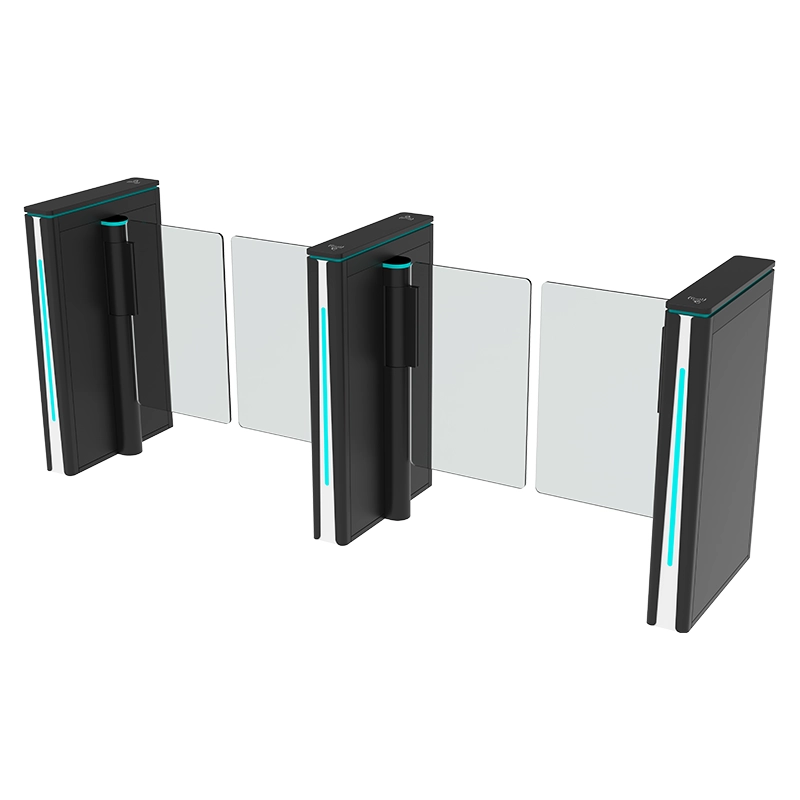
Speed gates are mainly used for controlling access in high-traffic environments. They combine fast operation with a sleek design. This makes them suitable for places like office buildings, public transport hubs, and secure facilities. Their primary role is to enhance security and streamline pedestrian flow.
Many facilities struggle with outdated access systems. Upgrading to speed gates can transform how people move through a building. This change improves both security and convenience for everyone.
Where are speed gates commonly used?
Many locations face issues with unauthorized entry and slow pedestrian flow. This causes frustration and security risks. Speed gates[^1] solve these problems. They provide quick and secure access control.
Speed gates are commonly used in corporate lobbies, airports, subway stations, and secure government buildings. They are ideal for any location needing efficient, high-volume access control. They also focus on aesthetics and security.
Consider a modern office building. It needs to manage hundreds of employees and visitors daily. Traditional turnstiles can create queues. They can also look out of place. Speed gates offer a fast, attractive solution that fits the building’s image.
Key Locations for Speed Gate Implementation
- Commercial Real Estate: High-end office buildings, commercial complexes, and hotels use speed gates. These gates manage employee and visitor access. They integrate with visitor management systems. This creates a smooth entry process. They also add to the building’s modern look.
- Public Transportation Hubs: Subway stations, train stations, airports, and customs points utilize speed gates. They handle large crowds. They ensure quick ticket validation. They also prevent fare evasion.
- Culture and Tourism Sites: Theme parks, stadiums, museums, and theaters benefit from speed gates. They streamline entry for visitors. This reduces waiting times and improves the overall experience.
- Industrial and Research Facilities: Large factories, chemical plants, laboratories, and data centers use speed gates. These gates restrict access to authorized personnel. This maintains strict control over sensitive areas and assets.
- Education and Public Services: Schools, libraries, hospitals, and government offices employ speed gates. They control access to specific departments or buildings. This improves safety and resource management.
Benefits Across Different Sectors
| Sector | Primary Benefit | Example Use Case |
|---|---|---|
| Commercial Real Estate | Enhanced Building Image | High-end office lobbies, premium retail entrances |
| Public Transport | Efficient Crowd Management | Subway entrances, bus rapid transit (BRT) stations |
| Tourism & Leisure | Streamlined Entry | Theme park entrances, museum access points |
| Industrial & Research | Restricted Area Security | Data centers, cleanrooms, factory floor access |
| Education & Public Faci. | Improved Safety & Access Control | University libraries, government agency entrances |
Speed gates meet diverse needs. They are useful for places that demand both security and speed. They also fit well with modern architectural designs. This makes them a top choice for many organizations.
How fast do speedgates operate?
Slow access points create bottlenecks. This causes delays and frustration. It is especially true during peak hours. People need to move quickly through entry points. Speed gates are designed to handle this demand with rapid operation.
Speed gates operate very quickly, typically allowing 30 to 40 people per minute to pass through. Their rapid response times come from advanced sensor technology and efficient motor systems. This high throughput rate ensures smooth traffic flow even in busy environments.
Consider a large corporate headquarters. Employees arrive every morning within a short window. If the access system is slow, long queues form. This delays work and causes annoyance. Speed gates prevent this by processing people quickly. This maintains a smooth start to the day.
Factors Influencing Speed Gate Operation
- Motor Technology: Modern speed gates use brushless DC motors. These motors are fast, quiet, and reliable. They allow the barriers to open and close in less than a second.
- Sensor Systems: Multiple infrared sensors detect pedestrians. They ensure the gates open precisely when needed. They also prevent tailgating and accidental closure.
- Integration with Access Control: The speed of card readers or biometric scanners affects overall throughput. Seamless integration means faster verification and faster gate activation.
- User Behavior: How quickly users present their credentials also plays a role. Clear signage and intuitive interfaces help speed up the process.
Speed Gate Throughput Comparison
| Gate Type | Typical Throughput (People/Minute) | Key Advantage |
|---|---|---|
| Speed Gates | 30-40 | High speed, sleek design |
| Flap Barriers | 25-35 | Fast, good for one-way traffic |
| Swing Turnstiles | 20-30 | Versatile, good for wheelchairs |
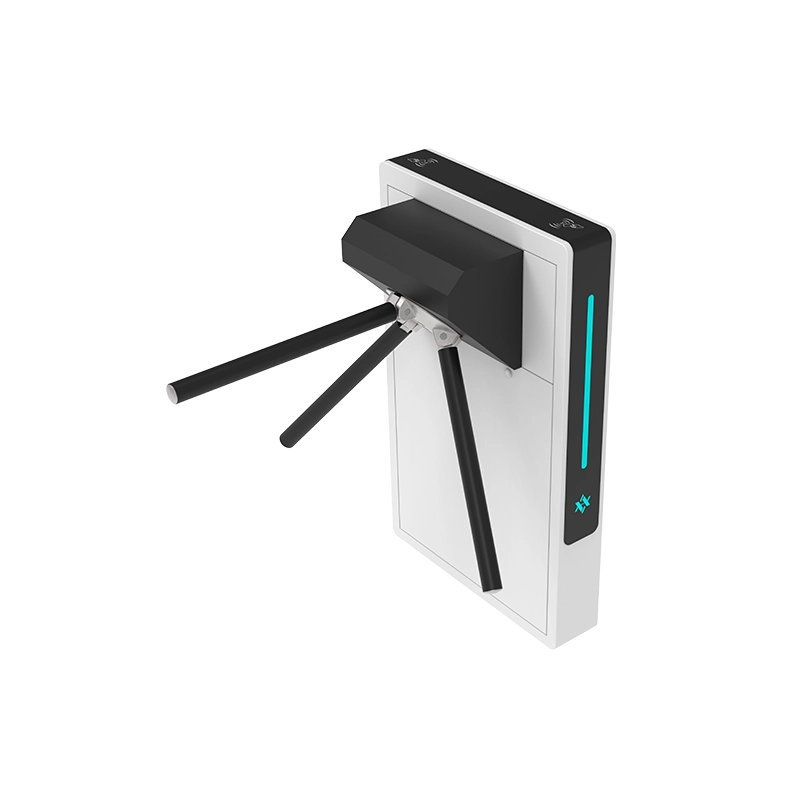
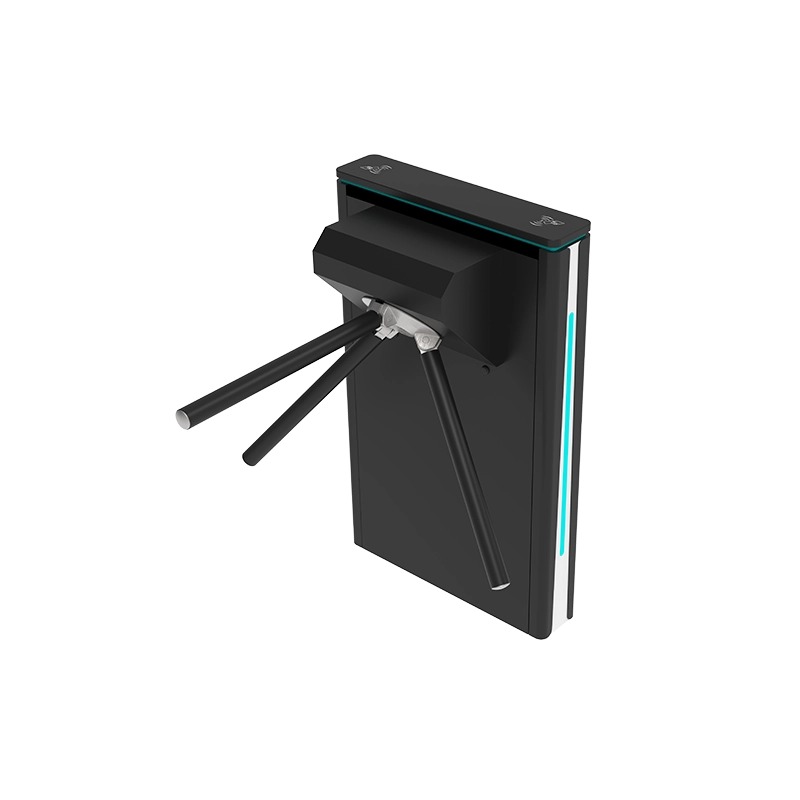
| Tripod Turnstiles | 15-25 | Cost-effective, robust |
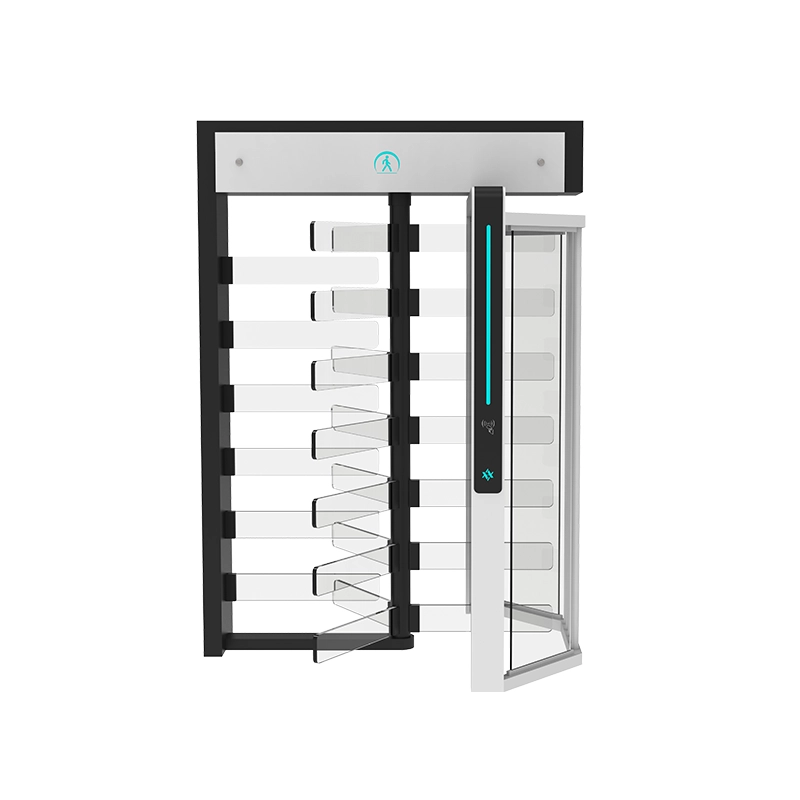
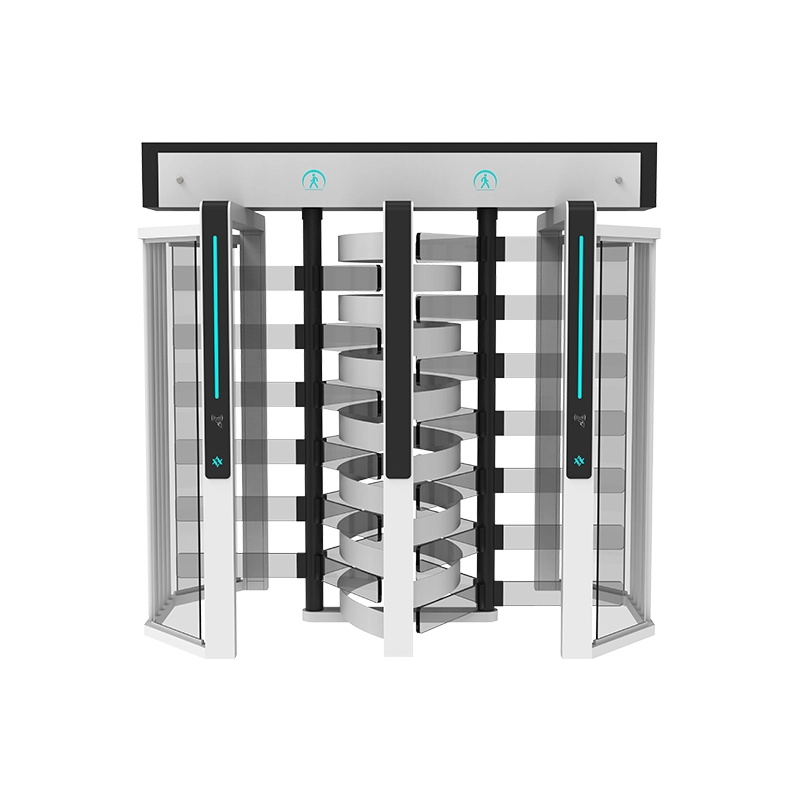
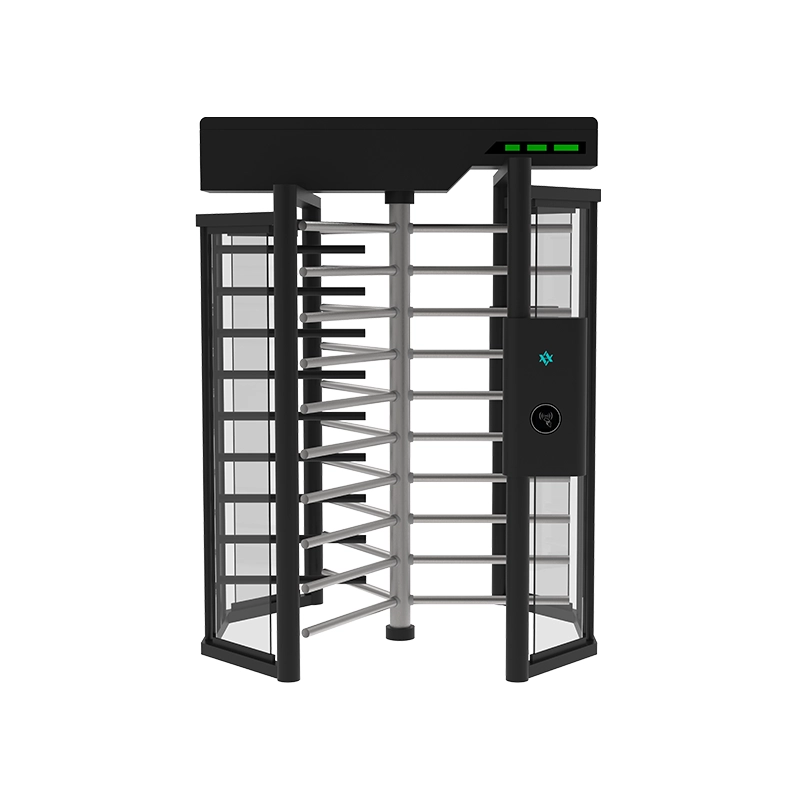
| Full Height Turnstiles | 5-10 | Maximum security, slow throughput |
Speed gates are designed for speed. They provide efficient and secure access. This makes them ideal for high-traffic areas where time is important. They minimize waiting times and maximize throughput.
What is the difference between swing gate and speed gate?
Choosing the right access control gate can be confusing. Many people do not know the exact differences. They need to understand the unique features of each type. This helps them make the best decision for their specific needs.
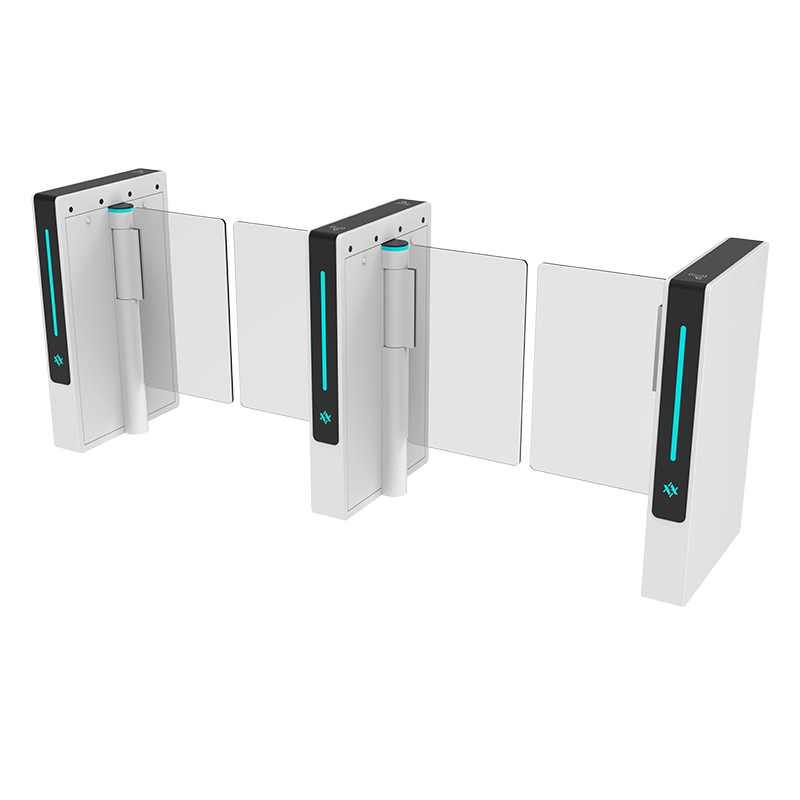
Swing gates use arms that pivot open like a door. Speed gates use retractable panels that slide into the unit. Speed gates offer faster throughput and a more modern aesthetic. Swing gates provide wider access for wheelchairs and large items but operate slower.
Imagine a building lobby where both high pedestrian traffic and wheelchair accessibility are concerns. A swing gate might be chosen for its wider opening. However, if speed is paramount, a speed gate, possibly with a wider lane option, would be more suitable. The choice often balances throughput, aesthetics, and specific access requirements.
Key Distinctions Between Swing Gates and Speed Gates
- Mechanism and Speed:
- Swing Gates: These gates have arms that swing open. They are typically slower than speed gates. They are good for controlled, moderate traffic flow.
- Speed Gates: These gates have panels that retract quickly into the housing. This mechanism allows for much faster pedestrian flow.
- Design and Aesthetics:
- Swing Gates: They often have a more traditional appearance. They are functional and can be robust.
- Speed Gates: They are known for their sleek, modern design. They often use materials like glass or polished stainless steel. This enhances the building’s aesthetic appeal.
- Accessibility:
- Swing Gates: They offer wider lanes. This makes them ideal for wheelchair users, people with strollers, or those carrying large luggage.
- Speed Gates: While some models offer wider lanes, their primary focus is speed. Standard lanes are usually narrower.
- Security Features:
- Both types offer anti-tailgating and anti-passback features. Speed gates often have more advanced sensor arrays for precise detection and preventing unauthorized entry.
Comparison Table: Swing Gate vs. Speed Gate
| Feature | Swing Gate | Speed Gate |
|---|---|---|
| Opening Mech. | Pivoting arms | Retracting panels |
| Throughput | Moderate (20-30 people/min) | High (30-40 people/min) |
| Aesthetics | Functional, traditional | Sleek, modern, high-tech |
| Accessibility | Excellent for wheelchairs, large items | Good, with wider lane options |
| Footprint | Can be wider due to swing radius | Compact, panels retract into housing |
| Noise Level | Can be slightly louder due to moving arms | Very quiet due to advanced motors |
| Typical Usage | Commercial buildings, event venues | Corporate lobbies, transit hubs, secure facilities |
Understanding these differences is important. It ensures selection of the best gate for specific needs. This choice impacts both efficiency and overall user experience.
What are the disadvantages of automatic gates?
While automatic gates offer many benefits, they also have drawbacks. It is important to know these potential issues. This helps in planning for successful implementation. Understanding the downsides ensures a more informed decision.
Automatic gates can have disadvantages such as higher initial costs, potential maintenance needs, and power dependency. They also require proper integration with existing systems and can pose challenges in emergencies if not designed correctly.
Consider a facility that installs an automatic gate system. If the planning does not include backup power, a simple electricity outage could halt operations. This could cause security risks or hinder movement. A comprehensive approach must consider all potential operational scenarios.
Potential Challenges with Automatic Gates
- Higher Initial Investment:
- Automatic gates, especially advanced speed gates, require a larger upfront cost. This includes the equipment purchase and professional installation. This can be a significant budget consideration for some organizations.
- Maintenance and Repair Requirements:
- These gates have numerous moving parts and electronic components. They require regular maintenance to ensure optimal performance. Breakdowns can occur, leading to repair costs and potential operational downtime.
- Dependency on Power Supply:
- Automatic gates need electricity to function. Power outages can render them inoperable. This necessitates reliable backup power solutions, such as batteries, or manual override capabilities for continued operation.
- Complexity in System Integration:
- Integrating automatic gates with existing access control, fire alarm, and broader building management systems can be complex. Improper integration can lead to system conflicts, security vulnerabilities, or operational inefficiencies.
- Emergency Egress Considerations:
- In situations like a fire or other emergencies, gates must be designed to fail open. This allows for rapid and unobstructed evacuation. If this safety feature is not properly designed, installed, and regularly tested, it can create dangerous bottlenecks.
- Vulnerability to Misuse or Vandalism:
- While designed to enhance security, automatic gates can be targets for misuse or deliberate vandalism. This could involve attempts to force entry or accidental damage from impact. Durable materials and proper site monitoring can help mitigate these risks.
Mitigating Disadvantages
| Disadvantage | Mitigation Strategy |
|---|---|
| High Cost | Conduct a thorough long-term return on investment (ROI) analysis, consider phased implementation to spread costs. |
| Maintenance Needs | Establish regular service contracts with qualified technicians and provide in-house staff with basic operational training. |
| Power Dependency | Install reliable battery backup systems and ensure gates have a default "fail-open" mode for power failures and emergencies. |
| Integration Complexity | Engage experienced system integrators and choose gates with open architecture for easier connection to other building systems. |
| Emergency Egress | Design the system with fire alarm integration and ensure all emergency override mechanisms are clearly marked and regularly tested. |
| Misuse/Vandalism | Select gates made from durable, robust materials, implement surveillance, and educate users on proper gate operation. |
Understanding these potential downsides helps in better planning. It allows for the implementation of strategies to overcome them. This ensures a successful and long-lasting access control solution.
My Insights: The Multifunctional Uses of Speed Gates
Struggling to efficiently manage entry points or improve athletic performance? Speed gates offer versatile solutions for both scenarios.
Speed gates are essential for regulating pedestrian traffic and enhancing security in buildings and transport hubs, as well as analyzing athletic performance in sports. They ensure only authorized access and facilitate quick movement.
Understanding the Dual Role of Speed Gates
Applications in Security and Access Control
| Context | Application |
|---|---|
| Building Entry | Enhances security by allowing authorized access only |
| Transport Hubs | Reduces unauthorized access and tailgating |
Security Enhancements: Speed gates integrate with systems like biometrics and ticketing to control access and monitor entry data, making them vital in high-traffic areas such as office lobbies and subway stations.
Efficient Traffic Flow: By minimizing bottlenecks and facilitating rapid entry, they complement modern architecture while reducing risks of unauthorized access during peak times.
Applications in Sports and Training
- Timing and Performance Analysis: Used in sports to measure athlete sprint times and track performance metrics like speed and acceleration. Coaches utilize this data for program adjustments and progress monitoring.
Integration and Benefits
Speed gates seamlessly integrate with existing security systems or sports training setups. In each application, they provide valuable data and improve operational efficiency, making them indispensable tools for both security management and athletic performance enhancement.
Conclusion
Speed gates are a vital component of modern security infrastructure. They offer fast, efficient, and secure access control. While considering potential drawbacks is important, their benefits for managing high-traffic environments are clear. Careful planning and implementation maximize their effectiveness.
](https://aipadaturnstile.com/wp-content/uploads/2025/11/AT107-TC-01.webp)
](https://aipadaturnstile.com/wp-content/uploads/2025/12/vertical-tripod-turnstile.jpg)
](https://aipadaturnstile.com/wp-content/uploads/2025/12/popup-img.jpg)