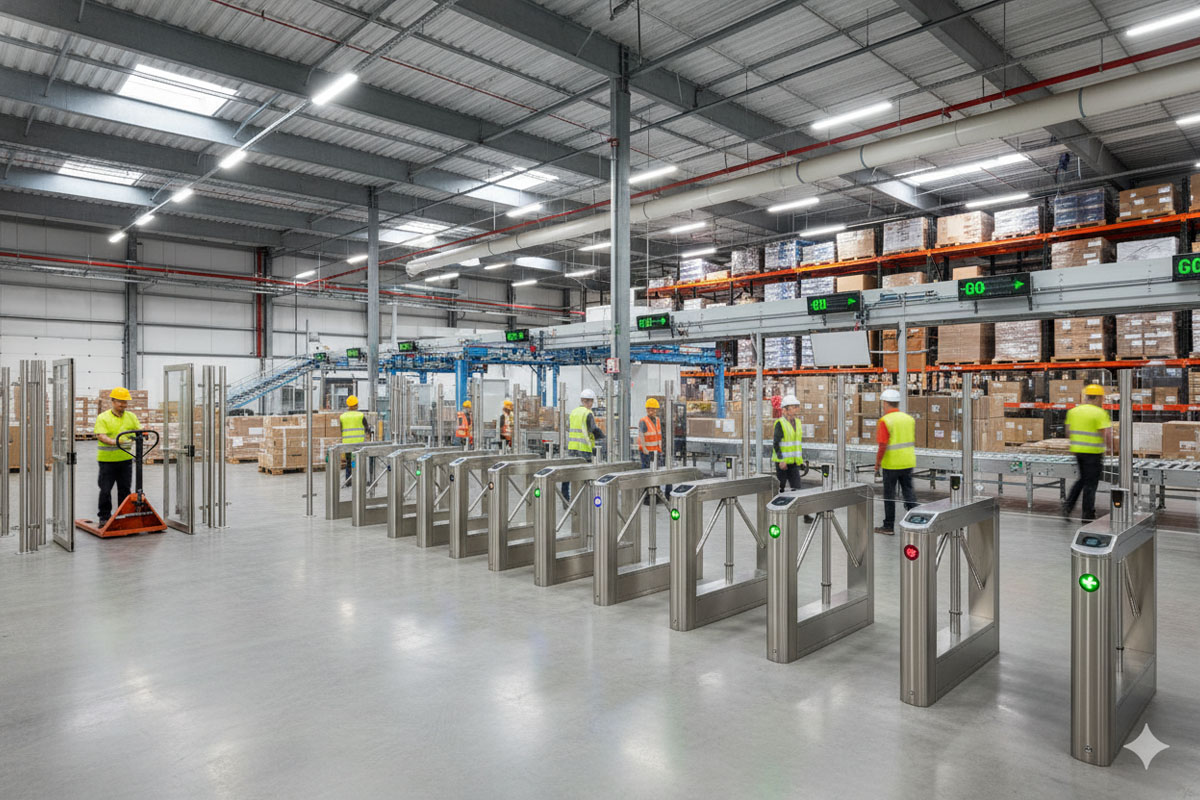
](https://aipadaturnstile.com/wp-content/uploads/2026/04/What-are-the-Best-Turnstile-Types-for-High-traffic-Distribution-Centers.jpg "What are the Best Turnstile Types for High-traffic Distribution Centers")

Managing people in busy places can be a big problem. High-traffic distribution centers need smart ways to control who comes and goes. Are you tired of long lines or security risks at your facility?
Choosing the right turnstile for a high-traffic distribution center is crucial for security, efficiency, and smooth operations. The best options often include full-height turnstiles for maximum security, tripod turnstiles for cost-effectiveness, and speed gates for fast, discreet entry, all integrated with access control systems to handle large volumes of people.
Let’s look at how turnstiles can make things better. They help keep your facility safe and keep people moving without fuss. This guide will help you understand the best turnstile options for your specific needs.
How Do I Choose a Turnstile Type?
Picking a turnstile can feel tricky with so many choices. What really matters when you make this decision? It is about matching the turnstile to your center’s unique needs.
To choose the best turnstile type, consider security needs, the volume of daily traffic, your budget, and the desired user experience. Factors like integration with existing access control systems, durability, and features like anti-tailgating are also vital for an effective solution.
When evaluating turnstile options, a deep understanding of the operational environment is key. For example, a large logistics hub with thousands of employees and contractors moving through daily has different needs than a smaller regional depot. The main entrance, often facing high traffic during shift changes, requires a solution prioritizing speed and reliability. Conversely, an entrance to a restricted, high-value storage area will demand the highest level of physical security. Thinking about these specific use cases helps to refine the selection process. It ensures the chosen turnstile system fits the precise demands of each entry and exit point within the distribution center.
What are the Key Considerations for Selection?
When you choose a turnstile, think about these important points.
| Consideration | Description |
|---|---|
| Security Level | How much security do you need? Some turnstiles stop people completely, while others are more for showing who can enter. For a distribution center, high security often means preventing unauthorized entry and stopping people from sneaking in. This might involve features like anti-tailgating sensors or robust physical barriers. |
| Traffic Volume | How many people pass through each day? High-traffic areas need turnstiles that can handle many entries and exits quickly. If your center has thousands of employees coming in at shift changes, you need a system that won’t create bottlenecks. Slow turnstiles can cause delays, reduce productivity, and frustrate staff. |
| Budget | How much money do you have to spend? Some turnstiles are more expensive than others, both to buy and to maintain. It is important to find a balance between cost and what you need. Remember to think about the long-term costs, like maintenance and energy use, not just the initial purchase price. |
| Integration | Will the turnstile work with your current security systems? This includes things like card readers, biometric scanners, or visitor management software. Seamless integration is key for smooth operation. Turnstiles should connect easily with popular systems like face recognition, QR codes, and RFID for a complete solution. |
| Durability | Distribution centers are busy places. Turnstiles need to be strong and last a long time, even with constant use. Look for models made from tough materials that can withstand daily wear and tear. Turnstiles often use advanced motor technology to ensure they run smoothly, quietly, and have a very long lifespan. |
| User Experience | How easy is it for people to use? Fast, smooth entry makes employees happy. Features like anti-pinch protection and automatic reset are important for safety and ease of use. If the turnstile is hard to use, people might try to find ways around it, which defeats its purpose. |
| Emergency Exits | What happens in an emergency? Turnstiles should open automatically during power outages or fire alarms. This is a crucial safety feature. Turnstiles are designed with this in mind, meeting fire safety regulations to ensure quick and safe evacuation when needed. |
Why is Scalability Important?
Your needs might grow. Make sure the system you choose can grow with you. It is better to plan for the future than to have to replace everything later. When advising on turnstile systems, emphasis is placed on future growth. If a distribution center plans to expand or add more employees in the coming years, the turnstile system should be able to handle that increased capacity without requiring a complete overhaul. This could mean choosing a system that allows for easy addition of more lanes or compatibility with updated access control technologies. A scalable solution protects initial investment and ensures the security infrastructure remains effective as business operations evolve.
What Are the Different Types of Turnstiles?
Turnstiles come in many shapes and sizes. Each one has its own strengths. Knowing these can help you pick the best one.
Turnstiles come in various types, each designed for specific access control and security needs. Common types include full-height turnstiles[^1] for maximum security, tripod turnstiles[^2] for cost-effective crowd control, swing turnstiles[^3] for accessibility, flap barriers[^4] for speed, and speed gates for discreet, high-traffic environments.
Evaluating different turnstile types requires understanding their suitability for specific operational contexts within a distribution center. For instance, a facility might have a main employee entrance requiring high throughput, while a separate gate for vehicle access or a restricted area needs a more robust, physically imposing solution. Each type offers a unique balance of security, speed, and user experience. This helps in selecting the most appropriate turnstile for each distinct access point, ensuring both security and operational flow are optimized.
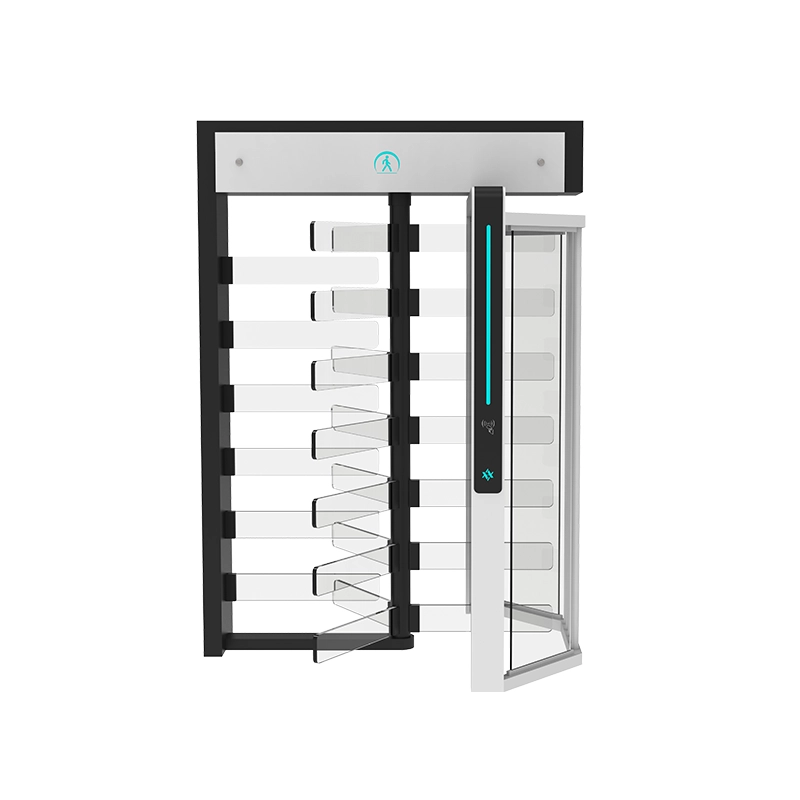
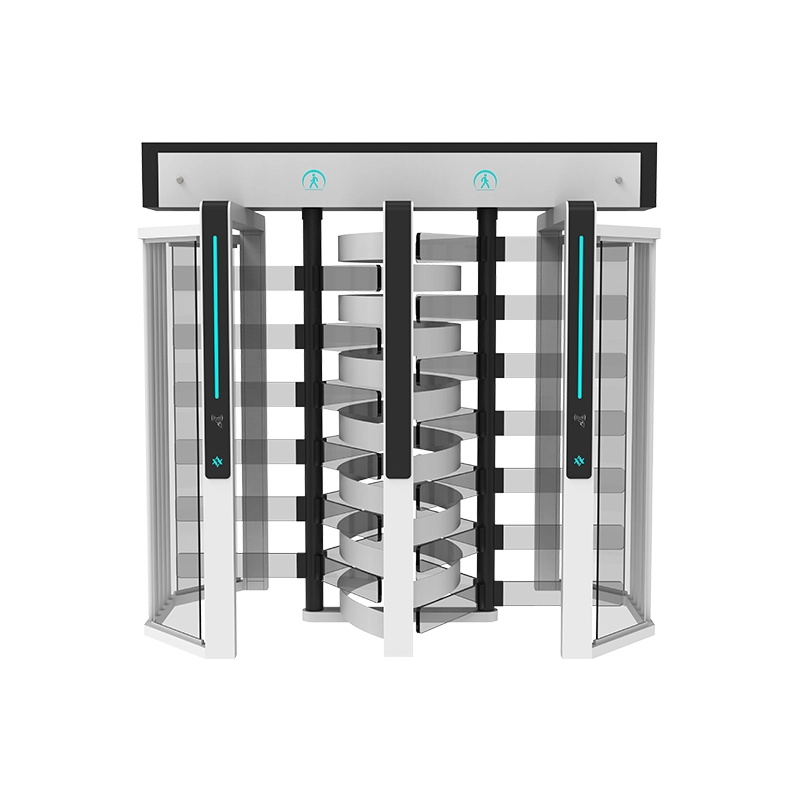
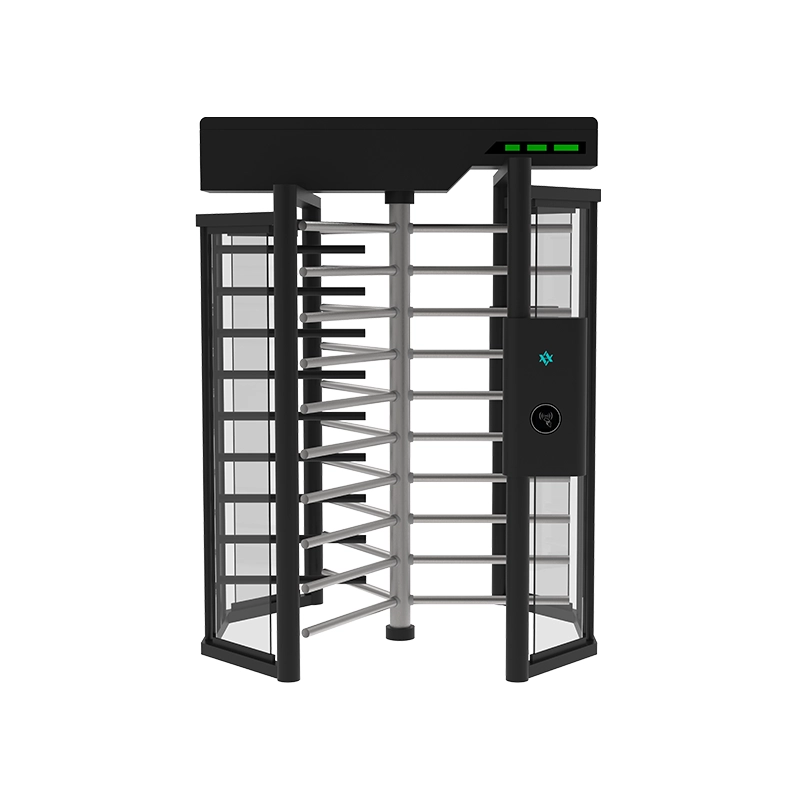
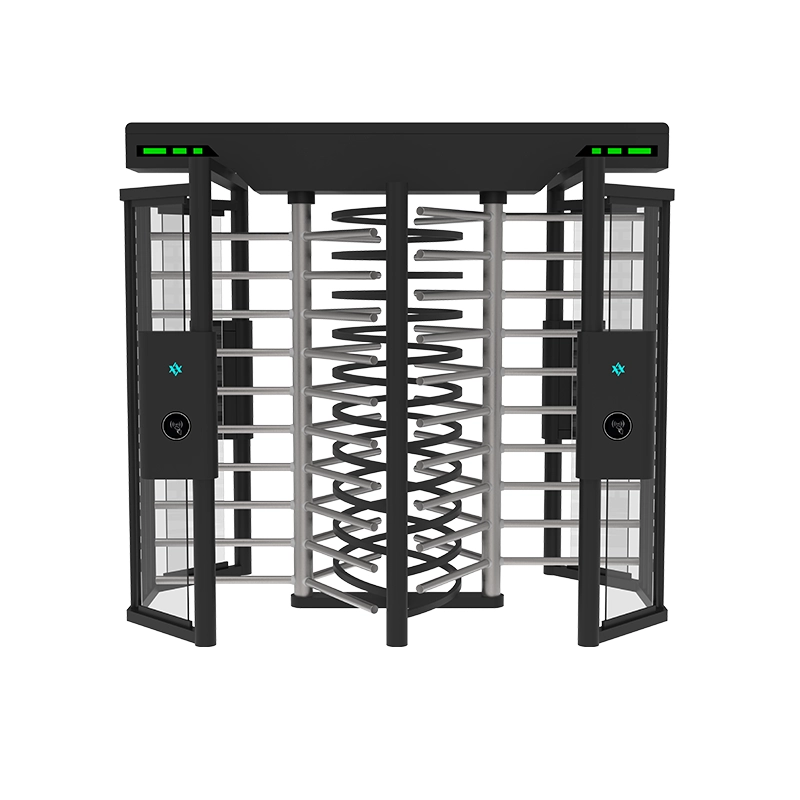
Full-Height Turnstiles: The Unbreakable Guard?
Full-height turnstiles are like an impenetrable wall. They offer the highest level of physical security.
- Maximum Security: These turnstiles prevent people from jumping over or crawling under them. They create a secure barrier from floor to ceiling. This is very important for places that need very strict control over who enters and leaves.
- Ideal for Harsh Environments: They are strong and can withstand tough conditions, making them perfect for outdoor use or industrial settings. For instance, in a large distribution center with many valuable goods, a full-height turnstile ensures that only authorized personnel can access sensitive areas.
- One-Person-at-a-Time Entry: They allow only one person to pass at a time, preventing "tailgating" where someone tries to sneak in behind another person. This helps to maintain accurate records of who is inside the facility.
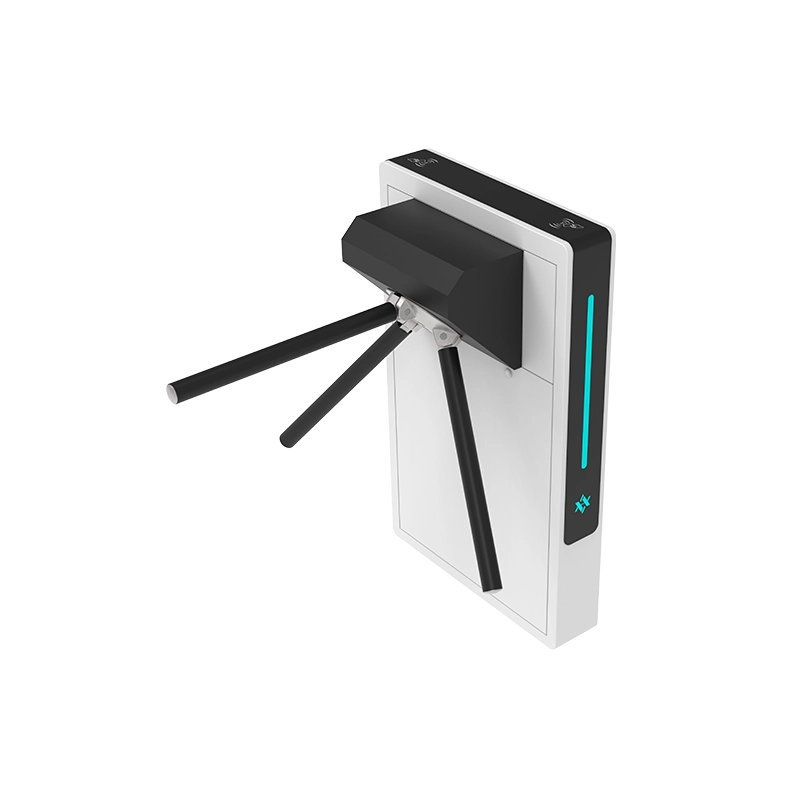
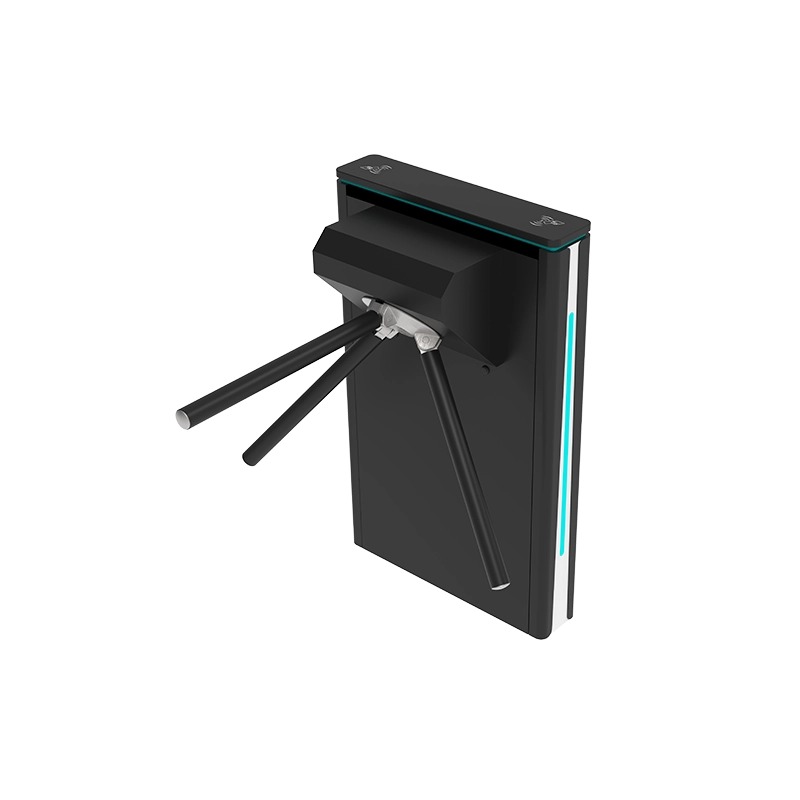
Tripod Turnstiles: The Cost-Effective Workhorse?
Tripod turnstiles are a classic choice. They are known for being strong and affordable.
- Economical Choice: These are usually the most budget-friendly turnstiles. They provide good security without a high price tag. For many distribution centers, especially those with multiple entry points, the cost-effectiveness of tripod turnstiles makes them an attractive option.
- Durable and Reliable: Tripod turnstiles are built to last. They can handle a lot of use every day. Their simple design means fewer things can go wrong. This reduces maintenance costs and ensures continuous operation, which is critical in a busy environment.
- Effective Crowd Control: They are excellent for managing large groups of people. They guide individuals through one by one, which helps to keep lines orderly. These are often seen in places like stadiums or theme parks, but they are equally effective in controlling employee flow in a distribution center.
| Feature | Full-Height Turnstiles | Tripod Turnstiles |
|---|---|---|
| Security | Highest level; impossible to jump over/crawl under | High; prevents casual unauthorized entry |
| Cost | Higher initial investment | More economical; lower initial cost |
| Traffic Flow | Moderate to high; one person at a time | High; can handle large volumes |
| Applications | High-security areas, outdoor use, industrial | Factories, public transport, general access control |
| Aesthetics | More industrial appearance | Functional, available in various designs |
Swing Turnstiles: The Accessible Option?
Swing turnstiles are great for flexibility and ease of use.
- Wide Lane Access: These turnstiles have wider lanes. This makes them perfect for people in wheelchairs, those with strollers, or anyone carrying large items. In a distribution center, this means easy access for employees with carts or delivery personnel.
- Flexible Entry/Exit: They can open in both directions, which is good for two-way traffic. Some models can even be set to stay open for certain times, like during shift changes, to speed up entry.
- Modern Look: Swing turnstiles often have a more modern and sleek design. They can blend well into different architectural styles. Custom designs, colors, and materials can be matched to a building perfectly.
Flap Barriers: The Speedy Solution?
Flap barriers are all about speed and a clean look.
- Fast Throughput: These turnstiles are very quick. The flaps open and close rapidly. This makes them ideal for places where many people need to pass through quickly, like subway stations or busy offices. In a distribution center, this means less waiting time for employees.
- Sleek Design: Flap barriers usually look very modern and stylish. They fit well in corporate environments or places where appearance matters. Their transparent flaps can make an entrance feel more open and less imposing.
- Good for Medium Security: They offer a good level of security, stopping tailgating effectively. However, they are not as physically imposing as full-height turnstiles. They are a great balance between speed and security for controlled environments.
What Is the Difference Between a Speed Gate and a Turnstile?
People often use the terms "speed gate" and "turnstile" interchangeably. But there are important differences. Knowing these differences helps you make the right choice.
While both manage access, speed gates prioritize rapid, discreet passage with retractable barriers, ideal for modern, high-traffic environments needing aesthetics and efficiency. Traditional turnstiles, like tripod or full-height, use physical arms or rotors for more robust, visible security, often in industrial or high-security settings where speed is secondary to absolute control.
The distinction between speed gates[^5] and traditional turnstiles lies mainly in their design philosophy and intended application. Speed gates are engineered for environments where rapid throughput and a sophisticated aesthetic are paramount, such as a corporate headquarters or a modern logistics office. Traditional turnstiles, conversely, are built for ruggedness and overt security, often found in the operational areas of a distribution center, like a warehouse floor entrance or a shipping dock. Recognizing these distinct purposes is crucial for selecting the most effective access control solution for different zones within a facility.
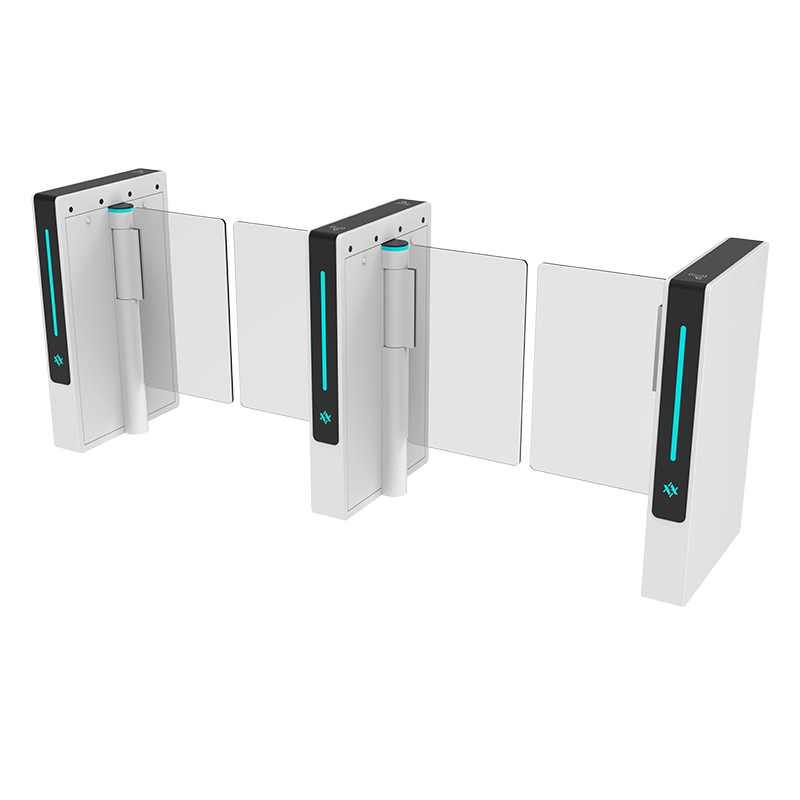
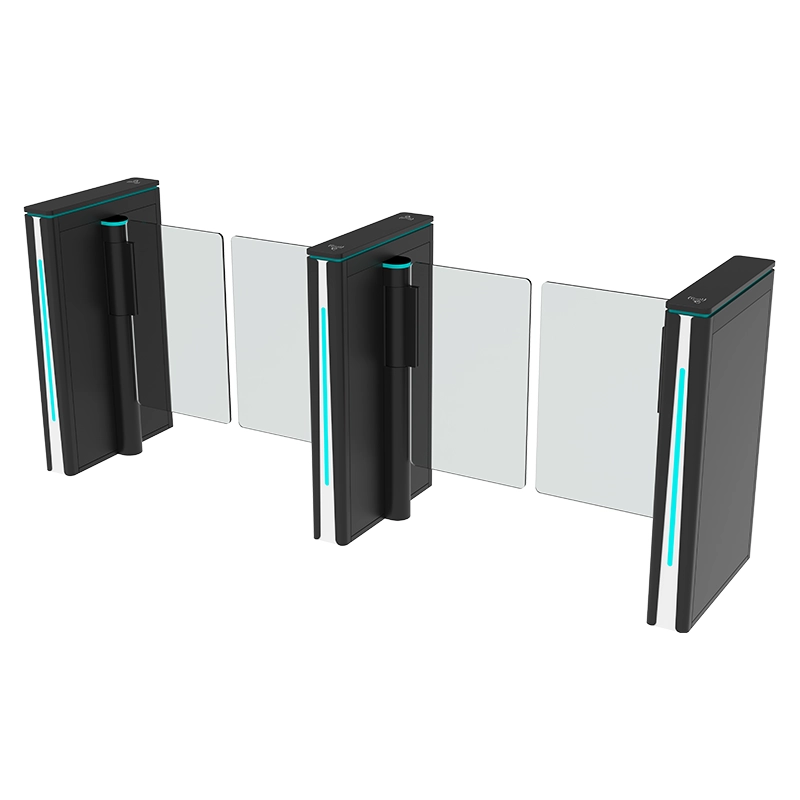
Speed Gates: Designed for Flow and Appearance?
Speed gates are a modern solution for access control.
- High-Speed Passage: Speed gates are designed for very fast entry and exit. Their barriers retract quickly into the unit, allowing people to walk through almost seamlessly. This is perfect for places with a lot of foot traffic and where delays need to be avoided.
- Modern Aesthetics: They often have a sophisticated and sleek design, using materials like glass and polished steel. They fit perfectly in high-end office buildings, corporate lobbies, or modern distribution centers that want to project a cutting-edge image.
- Advanced Anti-Tailgating: Speed gates use advanced sensors to detect if more than one person tries to pass on a single authorization. This makes them very effective at preventing unauthorized entries. They often have multiple infrared sensors to ensure precise detection.
- Discreet Operation: The barriers are usually made of clear glass or acrylic, and they move quietly. This creates a less imposing feel compared to mechanical arms, making the entry experience more pleasant for users.
Traditional Turnstiles: Robust and Visible Security?
Traditional turnstiles, like tripod or full-height models, are known for their physical barriers.
- Physical Deterrent: They use solid mechanical barriers (arms or rotors) that physically block passage until authorization. This provides a very clear and visible security measure. People immediately understand that they need to present credentials to pass.
- Durability and Strength: These turnstiles are built to be very strong and can withstand rough treatment. They are often made from heavy-duty stainless steel. This makes them ideal for industrial environments where equipment needs to be tough.
- Variety of Security Levels: Traditional turnstiles offer a range of security levels, from the basic control of a tripod turnstile to the maximum security of a full-height turnstile. This versatility allows selection of how much physical barrier is needed.
- Cost-Effective for Certain Needs: For many applications, especially where budget is a primary concern and a strong physical barrier is needed, traditional turnstiles offer a highly cost-effective solution. They provide reliable security without the higher cost of advanced speed gate technology.
| Feature | Speed Gates | Traditional Turnstiles (e.g., Tripod, Full-Height) |
|---|---|---|
| Primary Focus | Speed, aesthetics, discreet access | Robust physical security, visible deterrent |
| Barrier Type | Retractable (glass/acrylic flaps), often concealed | Physical arms, rotors (metal) |
| Throughput Rate | Very high | High (tripod) to moderate (full-height) |
| Security Level | High (with advanced sensors), prevents tailgating | High to Maximum (physical block) |
| Appearance | Modern, sleek, integrates with architecture | Functional, industrial, or classic designs |
| Ideal Locations | Corporate lobbies, high-end offices, modern data centers | Factories, construction sites, stadiums, high-security areas |
What Makes a Turnstile So Good?
Turnstiles are more than just gates. They offer many benefits that improve security and operations. What makes them such a great investment?
Turnstiles are highly effective for managing access because they enhance security by preventing unauthorized entry and tailgating, improve efficiency by automating crowd control, reduce labor costs compared to manual checks, and provide valuable data for better facility management and safety compliance.
The value of turnstiles in a distribution center extends beyond simply controlling entry. They are strategic tools for operational excellence. For instance, in facilities with fluctuating staffing levels or temporary workers, turnstiles ensure consistent access control without constant human oversight. Their ability to integrate with existing HR systems or visitor management platforms further streamlines administrative tasks. This integration also helps in quickly adapting to changing security protocols or access requirements, making the entire system more flexible and responsive to real-world demands.
Enhanced Security: Your First Line of Defense?
Turnstiles are a powerful security tool.
- Prevents Unauthorized Access: Only people with valid credentials can enter. This stops unwanted visitors from getting into your facility. For a distribution center handling valuable goods, this is essential to prevent theft and protect assets.
- Stops Tailgating: Most turnstiles are designed to allow only one person through per valid authorization. This prevents people from trying to sneak in right behind someone else. Advanced sensors ensure this rule is enforced effectively.
- Integrated with Access Control: Turnstiles work seamlessly with various access control systems like card readers, fingerprint scanners, or facial recognition. This creates a multi-layered security approach, making your facility much harder to breach. This integration is a key factor in simplifying security management for many organizations.
Improved Efficiency: Smooth Operations, Every Time?
Turnstiles help your facility run smoothly.
- Automated Entry: They automate the entry and exit process. This reduces the need for constant manual checks by security staff. Employees can simply scan their credentials and pass through, saving valuable time.
- Faster Throughput: For high-traffic areas, specific turnstile types like speed gates or flap barriers can move many people quickly. This prevents bottlenecks, especially during peak hours like shift changes, keeping operations on schedule.
- Reduced Labor Costs: By automating access control, the number of security personnel needed for entry points can be reduced. This leads to significant cost savings over time. This approach frees up security teams to focus on higher-level tasks.
Data and Reporting: Smart Management Tools?
Turnstiles provide valuable information.
- Accurate Records: Every entry and exit is recorded. This provides precise data on who entered, when they entered, and when they left. This information is crucial for attendance tracking, compliance, and auditing purposes.
- Emergency Management: In an an emergency, knowing exactly who is inside the building can save lives. Turnstile data can be used to quickly account for personnel during evacuations. Turnstiles often have a fire alarm linkage, which automatically opens the gate for rapid evacuation.
- Better Planning: By analyzing traffic patterns, staffing can be optimized, facility upgrades can be planned, and peak times can even be identified. This data helps in making informed decisions for better overall management of a distribution center.
My Insights: Optimal Turnstile Choices for High-Traffic Distribution Centers
Need efficient and secure access control in bustling distribution centers? Discover which turnstile types can best meet your needs.
For high-traffic distribution centers, speed gates and tripod turnstiles are ideal for main entrances due to their high throughput and durability. Full-height turnstiles serve well for heightened security in sensitive areas.
Evaluating Turnstile Options for Distribution Centers
Ideal Turnstile Types and Applications
| Turnstile Type | Best Use Case |
|---|---|
| Speed Gates | Main staff entrances needing fast flow |
| Tripod Turnstiles | Rugged main and contractor entrances |
| Full-Height Turnstiles | High-security zones or perimeter access |
Speed Gates: These are preferable when rapid employee throughput and modern aesthetics align with organizational needs while also detecting tailgating.
Tripod Turnstiles: Their robustness and cost-effectiveness make them suitable for industrial settings, handling high volumes efficiently and integrating with access control systems.
Full-Height Turnstiles: These provide maximum security to prevent unauthorized access, ideal for areas requiring stringent control like perimeter zones or high-value storage.
Strategic Setup
A balanced configuration employs speed gates or tripod turnstiles at main entry points for efficiency, reserving full-height turnstiles for areas demanding superior security. This setup ensures a smooth flow of personnel while safeguarding critical zones, tailored to meet the dual needs of speed and security in distribution centers.
Conclusion
Choosing the right turnstile for a high-traffic distribution center is a big decision. It impacts security, efficiency, and your budget. By considering the various types and their benefits, you can find the perfect solution to keep your operations running smoothly and securely.