
](https://aipadaturnstile.com/wp-content/uploads/2026/04/What-are-Common-Types-of-Turnstiles-Like-Tripod-and-Full-height.jpg "What are Common Types of Turnstiles Like Tripod and Full-height")

Are you looking for effective ways to manage access and enhance security? Understanding the various types of turnstiles is crucial for making informed decisions for any facility.
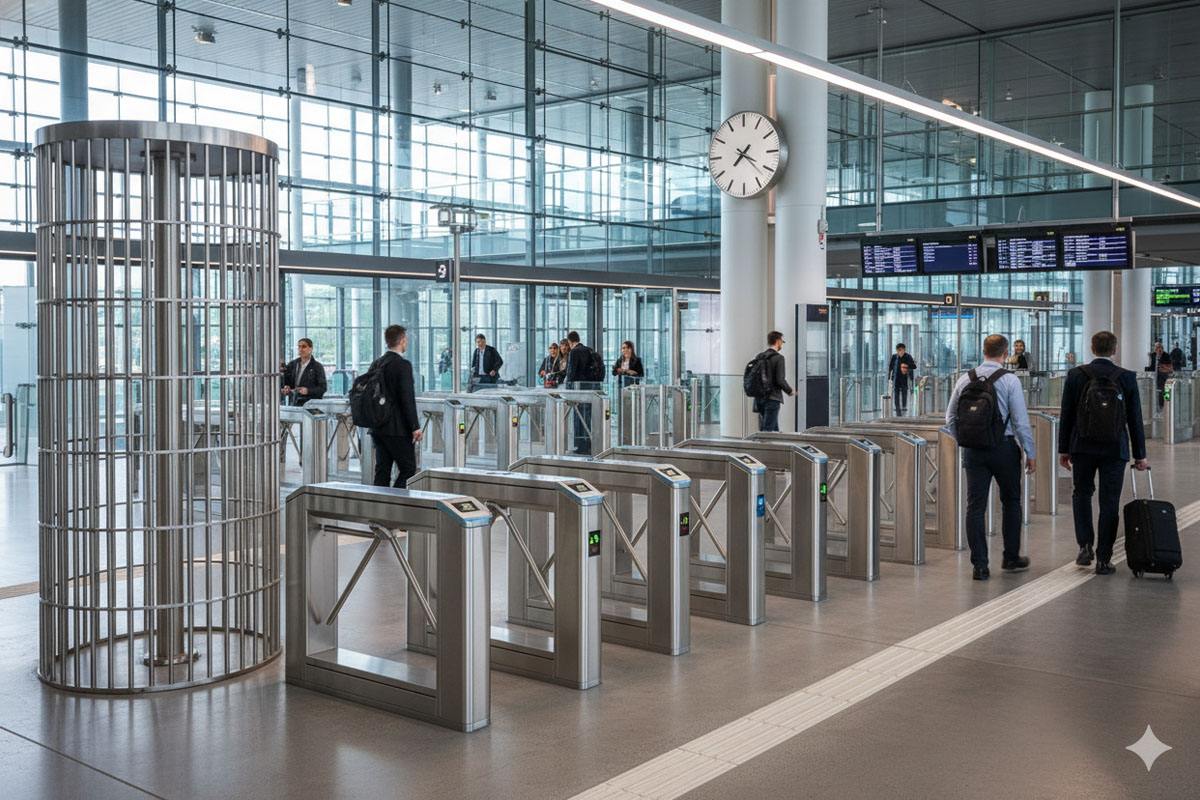
Turnstiles come in different forms, each designed for specific security needs, traffic volumes, and environments. From the widely used Tripod Turnstile to the high-security Full-height Turnstile, each turnstile gate offers distinct features to control pedestrian flow and ensure authorized entry.
This article will explore the common types of turnstiles. It will cover their characteristics, uses, and how they contribute to effective access control.
What are the Different Types of Turnstiles?
Are you wondering about the range of pedestrian access control solutions available? It is important to identify the specific features and applications of various turnstile types.
Different types of turnstiles provide diverse solutions for managing pedestrian traffic and enhancing security. Options range from optical turnstiles[^1], which focus on speed and aesthetics, to more robust physical barriers like the Tripod Turnstile, each serving distinct operational and security requirements in various settings.
Many facilities need to control who enters. They also need to ensure smooth movement. Turnstiles offer a good way to do this. Each type has its own strengths.
Understanding Turnstile Categories
Turnstiles are categorized based on their design, function, and the level of security they provide.
Common Turnstile Types and Characteristics
| Turnstile Type | Security Level | Throughput Speed | Common Applications |
|---|---|---|---|
| Speed Gates[^2] | Medium to High | Very High | Corporate offices, modern lobbies, transit stations |
| Swing Turnstiles[^3] | Medium | High | Accessible entrances, offices, libraries |
| Flap Barriers[^4] | Medium | High | Subways, airports, public transportation hubs |
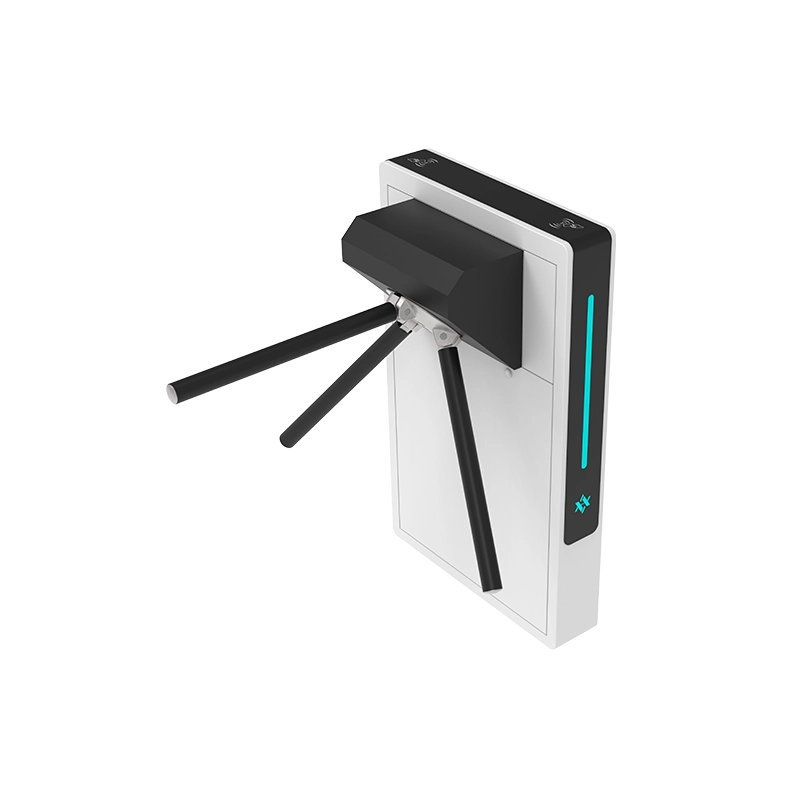
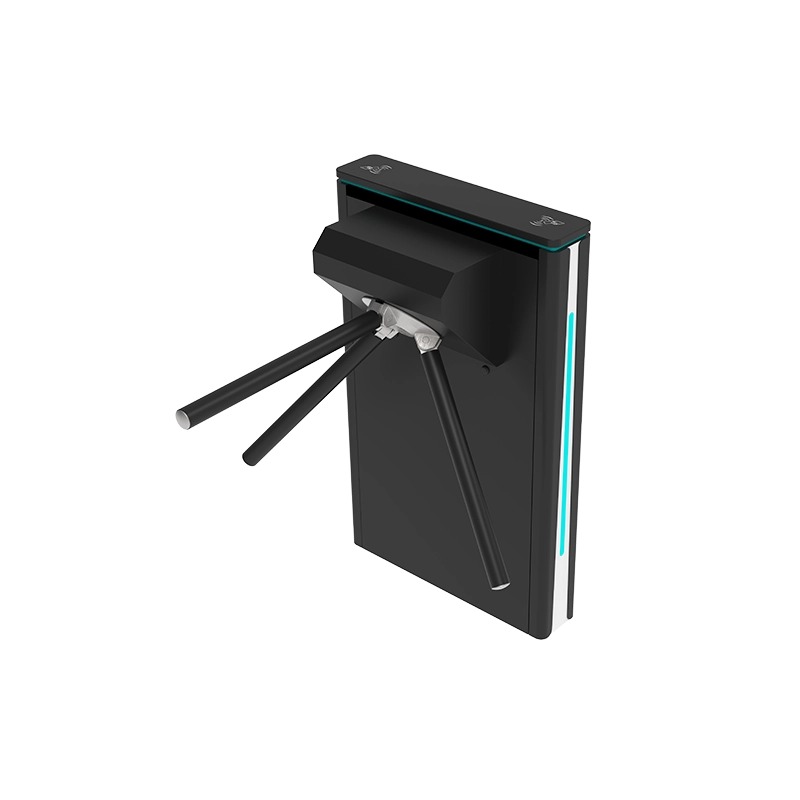
| Tripod Turnstile[^5]s | Medium | Medium | Factories, educational institutions, leisure parks |
| Full Height Turnstiles | High | Low to Medium | High-security areas, stadiums, industrial facilities |
Speed Gates
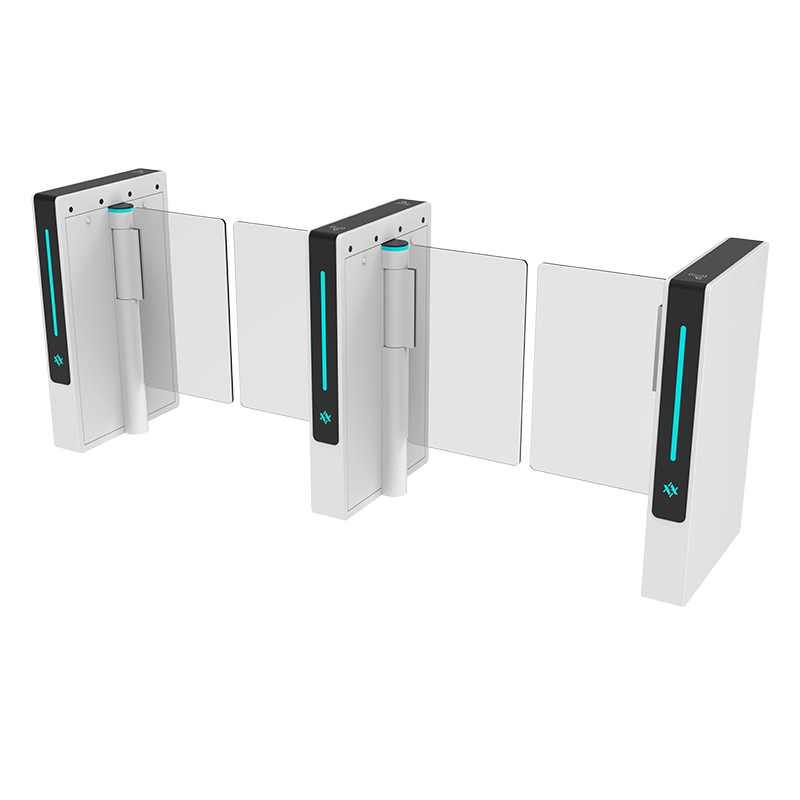
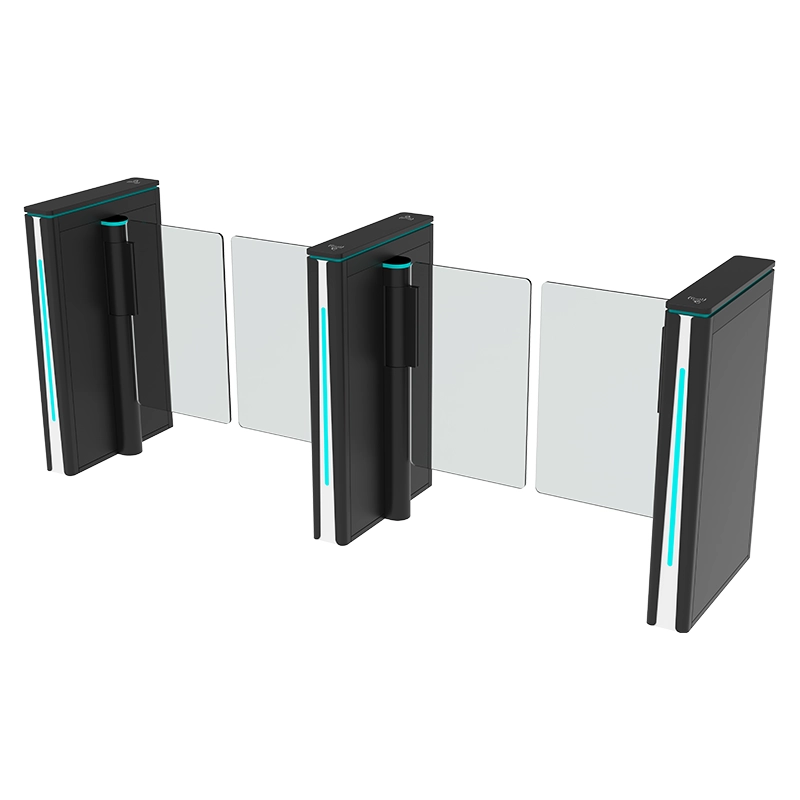
Speed gates are characterized by their fast operation and sleek appearance. They use sensors to detect authorized passage. Barriers retract quickly to allow entry. These turnstile gates are suitable for environments requiring high traffic flow and a modern aesthetic. They are common in corporate settings and transit hubs.
Swing Turnstiles
Swing turnstiles feature swinging panels. These panels can be made of various materials, such as glass or stainless steel. They are often used where wider lanes are needed. This includes access for wheelchairs, prams, or large luggage. They offer a good balance of security and user convenience.
Flap Barriers
Flap barriers operate with retractable flaps. These flaps quickly open and close after authorization. They are known for their efficiency in managing high volumes of pedestrian traffic. Flap barriers are typically found in public transportation systems and secure building entrances.
Tripod Turnstiles
A Tripod Turnstile is a classic type of turnstile gate. It features three rotating arms. When authorized, one arm releases, allowing a single person to pass. This design ensures one-at-a-time access. Tripod Turnstiles are reliable and cost-effective. They are often deployed in industrial facilities, recreational areas, and schools.
What is a Full-height Turnstile?
Is your facility in need of the highest level of physical security for pedestrian access? It is important to know which turnstile type provides complete barrier control against unauthorized entry.
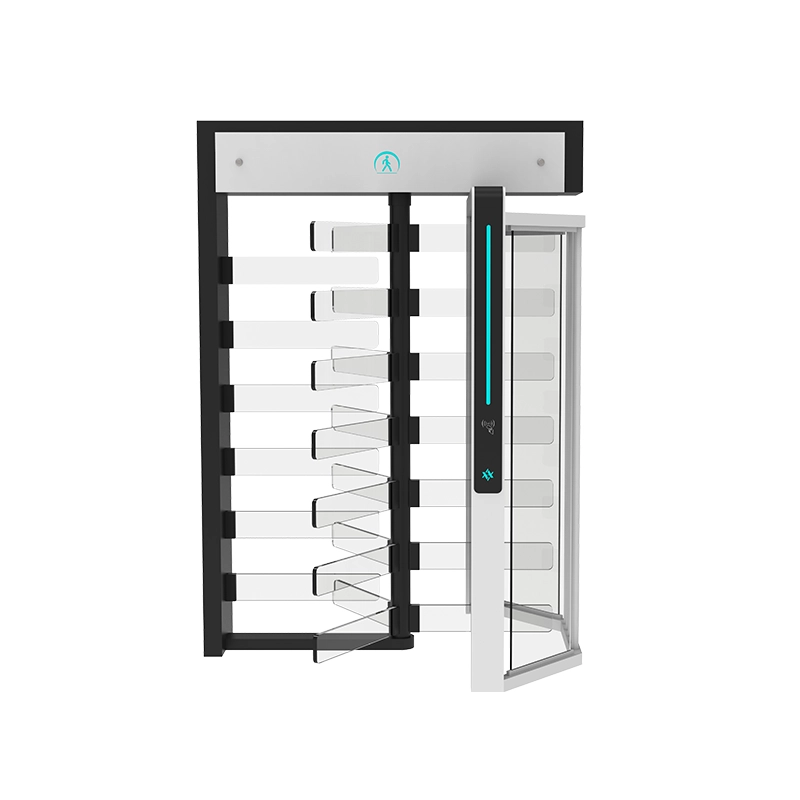
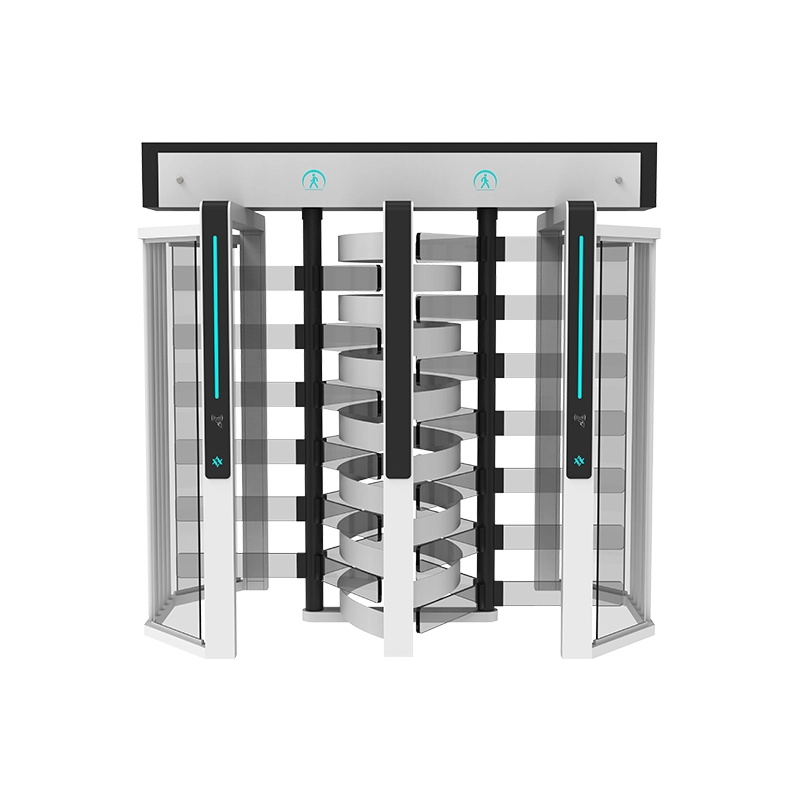
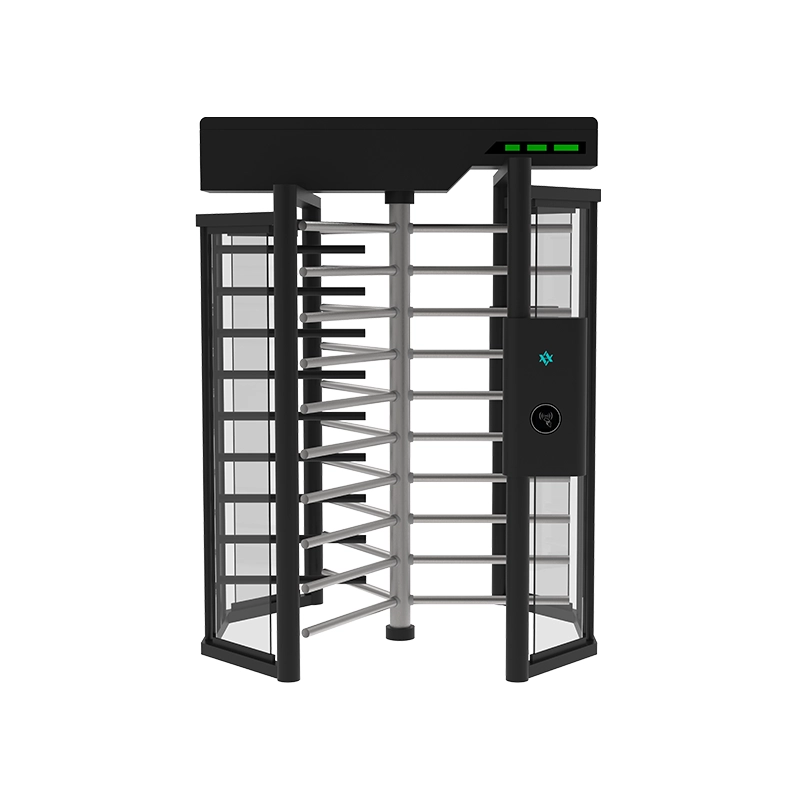
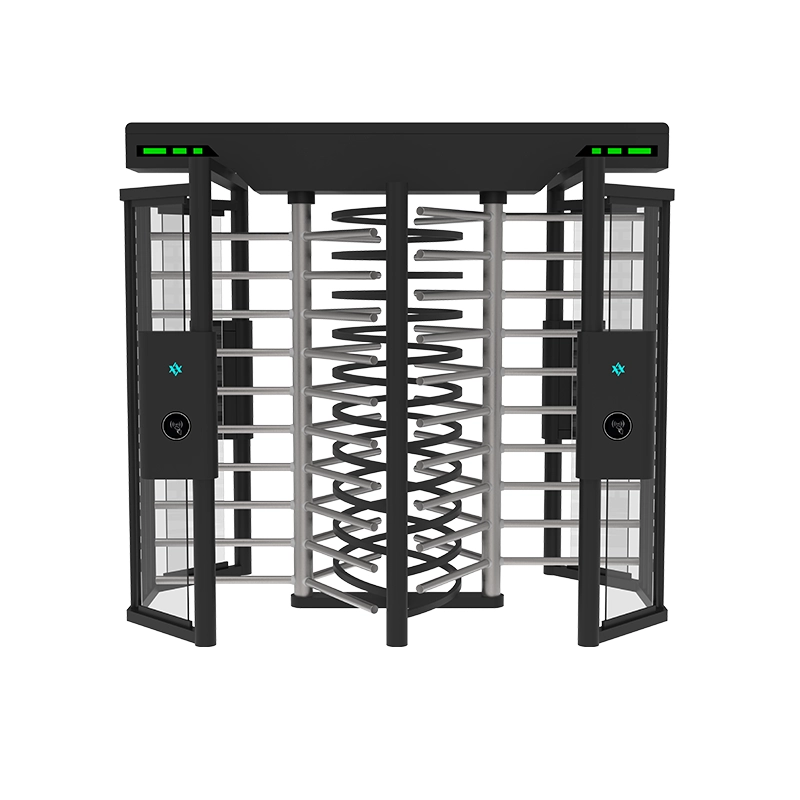
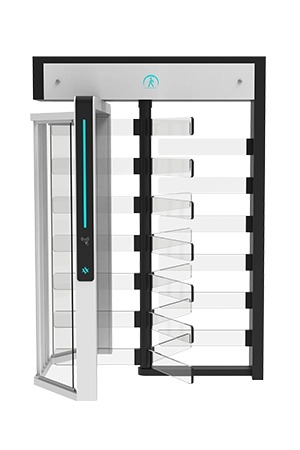
A Full-height Turnstile offers the highest degree of physical security for controlled access points. This type of turnstile gate forms a full barrier from floor to ceiling, making it impossible to climb over or crawl under. It ensures strictly one-person-at-a-time entry, making it ideal for environments where preventing unauthorized access is paramount.
High-security sites require robust solutions. A full-height turnstile provides an uncompromised barrier. It acts as a strong deterrent against security breaches.
The Ultimate in Physical Security
A Full-height Turnstile[^6] is designed to create a complete physical enclosure. This prevents any attempts to bypass the security point.
Distinctive Features of Full-height Turnstiles
- Comprehensive Barrier: They extend from the ground to a height that covers the entire passage. This eliminates gaps for unauthorized entry.
- Robust Construction: These turnstiles are typically built from strong materials like steel. This provides high resistance to forced entry.
- Controlled Rotation: The barrier rotates only after a valid credential is presented. This allows only one person to enter per authorization.
- High Security: They offer the highest level of physical security among all turnstile gates.
Typical Applications for Full-height Turnstiles
Full-height turnstiles are chosen for environments that demand maximum security and strict access control. These applications include:
- Correctional Facilities: They control the movement of individuals within secure perimeters.
- Sports Stadiums and Arenas: They manage large crowds and prevent unauthorized entry during events.
- Military Installations: They secure sensitive areas and control personnel access.
- Construction Sites: They monitor worker attendance and prevent theft of materials.
- High-Security Data Centers: They protect critical infrastructure and information.
Benefits of Using a Full-height Turnstile
Selecting a full-height turnstile provides unparalleled security. It effectively prevents tailgating and provides a clear physical barrier. This type of turnstile gate is a significant investment. However, its security benefits are crucial for critical infrastructure and sensitive areas.
What are the Different Types of Security Gates?
Are you exploring the full spectrum of access control solutions, beyond just turnstiles, for various entry points? It is essential to understand the different types of gates designed for diverse security needs.
The different types of security gates include a wide range of devices, from pedestrian turnstiles like the Tripod Turnstile and Full-height Turnstile, to vehicle barriers and specialized access portals. Each type is engineered to manage specific access control challenges, providing solutions for foot traffic, vehicular entry, and high-security zones across various sectors.
Effective security often requires a multi-layered approach. This means understanding and using different types of gates for different purposes.
Beyond Pedestrian Turnstiles
Security gates encompass more than just turnstiles. They include various physical barriers used to control access for both people and vehicles.
Overview of Security Gate Options
| Gate Type | Primary Function | Security Level | Common Applications |
|---|---|---|---|
| Pedestrian Turnstiles | Control individual foot traffic | Medium to High | Offices, public transport, recreational areas |
| Vehicle Barriers (Boom Gates) | Control vehicle entry/exit | Medium | Parking lots, toll booths, private compounds |
| Sliding Gates[^7] | Secure wide entrances | High | Industrial parks, commercial properties, estates |
| Swing Gates[^9] | Provide general access control | Medium | Residential properties, smaller commercial sites |
| Revolving Security Doors | Single-person secure passage | High | Banks, corporate headquarters, secure lobbies |
| Security Mantrap Portals | Multi-zone secure entry | Very High | Data centers, government facilities, cleanrooms |
Pedestrian Turnstiles
These gates are designed for people walking. They ensure that only authorized individuals can pass. This category includes the Tripod Turnstile, Speed Gates, Swing Turnstiles, Flap Barriers, and Full-height Turnstiles. They are crucial for managing queues and enforcing access policies for foot traffic.
Vehicle Barriers
Vehicle barriers, often known as boom gates, are used to regulate vehicular access. They physically block the roadway. These are common at parking lot entrances, corporate campuses, and gated communities. They help prevent unauthorized vehicles from entering a property.
Sliding and Swing Gates
These are typically larger gates used for wider entry points. Sliding gates move horizontally along a track. Swing gates open on hinges like a regular door. They are often used as main entrance gates for properties, offering both security and aesthetic appeal.
Advanced Access Portals
For the highest levels of security, specialized gates like revolving security doors and mantrap portals are used. These systems often incorporate biometric authentication and metal detection. They create a secure, isolated space to ensure only one authorized person enters at a time. They are found in critical infrastructure and high-value asset protection sites.
How do I Choose a Turnstile Type?
Are you facing the challenge of selecting the most appropriate turnstile for your specific operational needs? It is vital to consider all critical factors to ensure an effective and efficient access control solution.
Choosing the right turnstile type involves evaluating factors such as the required security level, anticipated pedestrian traffic volume, the available space, and budget constraints. For example, a Tripod Turnstile is a practical option for moderate security and high traffic, whereas a Full-height Turnstile is necessary for maximum security environments to prevent any unauthorized bypass.
The selection of a turnstile gate impacts both security and efficiency. Making an informed choice prevents future complications and ensures long-term operational success.
Key Factors for Turnstile Selection
When choosing a turnstile, several core factors must be carefully considered.
Essential Considerations for Turnstile Selection
Required Security Level: What degree of access control is needed?
- Moderate Security: A Tripod Turnstile or Flap Barrier often suffices for general entry points.
- Enhanced Security: Speed Gates offer better control with sensor technology.
- Maximum Security: A Full-height Turnstile is essential for areas where breaching the barrier must be prevented.
Pedestrian Traffic Volume: How many people will pass through during peak hours?
- Low Traffic: Most turnstile types can handle low volumes.
- Medium Traffic: Tripod Turnstiles offer a balance of control and flow.
- High Traffic: Speed Gates and Flap Barriers are designed for rapid, continuous flow.
Available Space: What physical footprint can the turnstile occupy?
- Some turnstiles require more lateral or vertical space than others. Full-height Turnstiles, for instance, need considerable vertical clearance.
Aesthetics and Design Integration: Should the turnstile complement the building’s architectural style?
- Modern offices often prefer aesthetically pleasing Speed Gates with glass panels.
- Industrial settings may prioritize robust, functional designs over sleek appearances.
Budgetary Constraints: What is the financial allocation for the access control system?
- Costs vary significantly, with Tripod Turnstiles being more economical. Full-height Turnstiles represent a higher investment due to their robust construction and security features.
Integration Capabilities: Can the turnstile connect with existing access control or security systems?
- Consider compatibility with card readers, biometric scanners, or visitor management systems.
Accessibility Requirements: Are provisions needed for individuals with disabilities or large items?
- Swing Turnstiles are often chosen to provide wider, accessible lanes.
Informed Decision Making
Careful evaluation of these factors ensures the selection of a turnstile gate that aligns with specific operational goals. This approach supports effective security management and optimizes pedestrian flow.
My Insights: Exploring Common Types of Turnstiles
Choosing the right turnstile for your facility? Understand the distinct types and their features.
Common turnstiles include tripod, full-height, optical, and swing gates. Tripod turnstiles control entry with rotating arms, full-height provides maximum security through floor-to-ceiling barriers, optical uses sensors for barrier-free access, and swing gates offer wider passage for accessibility needs.
Understanding Turnstile Variants for Effective Access Control
Types and Features
| Type | Description | Ideal Use |
|---|---|---|
| Tripod Turnstiles | Three rotating arms for controlled entry | Gyms, transit stations |
| Full-height | Floor-to-ceiling barrier for high security | Prisons, stadiums, industrial sites |
| Optical Turnstiles[^9] | Sensor-based for minimal physical barriers | Office lobbies, modern buildings |
| Swing Gates | Rotating arm allowing wider passage | Areas needing accessibility |
Choosing Based on Needs
- Tripod: Cost-effective for basic crowd control.
- Full-height: Prevent climbing and tailgating; highest security.
- Optical: Emphasize appearance and smoother flow.
- Swing Gate: Ensure wider entry for accessibility or large items.
Application Considerations
Finding the right turnstile involves balancing security, accessibility, and aesthetics according to your specific environment needs. Analyze location-specific requirements, traffic volume, and security priorities to choose the best-suited option. This strategic selection ensures enhanced safety, efficiency, and user satisfaction in various settings.
Conclusion
Understanding various turnstile types is crucial for effective access control. Whether it is a common Tripod Turnstile or a high-security Full-height Turnstile, each turnstile gate has specific features for different environments. Selecting the right one ensures optimal security and efficient pedestrian management.
](https://aipadaturnstile.com/wp-content/uploads/2025/11/AT107-TC-01.webp)
](https://aipadaturnstile.com/wp-content/uploads/2025/12/vertical-tripod-turnstile.jpg)
](https://aipadaturnstile.com/wp-content/uploads/2025/12/popup-img.jpg)