](https://aipadaturnstile.com/wp-content/uploads/2026/04/What-is-the-Problem-With-the-Flap-Barrier.jpg "What is the Problem With the Flap Barrier")

Flap barriers are common access control devices. They manage pedestrian flow. However, these systems can face various operational challenges. Understanding these issues is important for effective deployment.
Flap barriers are a popular choice for managing pedestrian access. They offer efficient throughput and a modern aesthetic. However, common problems include unauthorized individuals "tailgating" behind legitimate users, mechanical wear from continuous operation, and sensor inaccuracies that can lead to misidentification or system delays, affecting overall security and efficiency.
When considering access control solutions, it is important to look at all aspects. Flap barriers offer many advantages. Yet, like any technology, they present specific problems. Addressing these points helps improve their functionality.
What is the use of flap barrier?
Flap barriers[^1] are widely used in many sectors. They help control who enters and exits specific areas. Their primary function is to manage pedestrian traffic.
Flap barriers primarily serve to regulate pedestrian movement and enhance security at entry and exit points. They facilitate rapid passage for authorized individuals, deter unauthorized access, and can integrate with various credential verification systems, including card readers, biometric scanners, and QR code readers.
Flap barriers are common in high-traffic environments. They provide a balance between security and throughput speed. Their application is crucial in places where efficient crowd management is necessary.
How do flap barriers contribute to security?
Flap barriers establish a physical barrier. This prevents unrestricted entry.
- Controlled Access: Only individuals with validated credentials can pass.
- Tailgating Prevention: Integrated sensors aim to prevent multiple individuals from entering on a single authorization.
- System Integration: They interface with broader security management systems. This enhances site-wide safety protocols.
| Security Function | Operational Benefit |
|---|---|
| Infrared Detection | Identifies unauthorized attempts and prevents physical trapping |
| Auditory Alerts | Notifies personnel of security breaches |
| Emergency Override | Automatically opens barriers during power failure or fire alarms |
Where are flap barriers typically deployed?
Flap barriers are suited for environments demanding both rapid passage and a refined appearance.
- Commercial Buildings: They regulate employee and visitor access.
- Mass Transit Systems: Subway and train stations utilize them for fare collection and entry control.
- Government Facilities: They secure controlled access zones.
- Event Venues: They manage attendee flow at exhibitions and conferences.
What materials are flap barriers made of?
The durability and aesthetic qualities of a flap barrier depend on its construction materials. Material selection influences the device’s lifespan and its suitability for different environments.
Flap barriers are typically fabricated from robust materials. The main housing often uses 304 or 316-grade stainless steel, providing structural integrity and resistance to corrosion. The retractable or swinging panels, known as flaps, are commonly made from acrylic, tempered glass, or polycarbonate, chosen for their transparency, impact resistance, and safety characteristics.
The choice of material is critical for the long-term performance of flap barriers. For instance, installations in outdoor or corrosive environments require specific grades of stainless steel to prevent degradation. This attention to material science ensures functional longevity.
Why is stainless steel a common material for housing?
Stainless steel is a preferred material for the barrier’s main frame.
- Resilience: It withstands intensive daily use over extended periods.
- Corrosion Resistance: It exhibits high resistance to rust and environmental damage.
- Visual Appeal: It offers a clean, contemporary look that complements diverse architectural designs.
What are the characteristics of flap panel materials?
The moving panels require materials that balance strength with safety.
- Acrylic: It is lightweight and transparent. It offers a modern, unobtrusive appearance.
- Tempered Glass: This material is highly strong. It is designed to break into small, less hazardous pieces if fractured.
- Polycarbonate: It is known for its high impact resistance. It is suitable for areas where physical contact is probable.
| Material Component | Key Attributes | Typical Application Considerations |
|---|---|---|
| 304 Stainless Steel | Good corrosion resistance, strong | General indoor and moderate outdoor installations |
| 316 Stainless Steel | Superior corrosion resistance | Marine environments, industrial settings |
| Tempered Glass | High mechanical strength, clear | Premium aesthetic requirements, high visibility |
| Acrylic | Lightweight, transparent, economical | Standard indoor applications, design flexibility |
What is the difference between a turnstile and a flap barrier?
While both devices control pedestrian access, turnstiles and flap barriers operate differently. Understanding these distinctions is important for selecting the appropriate access control solution for specific needs.
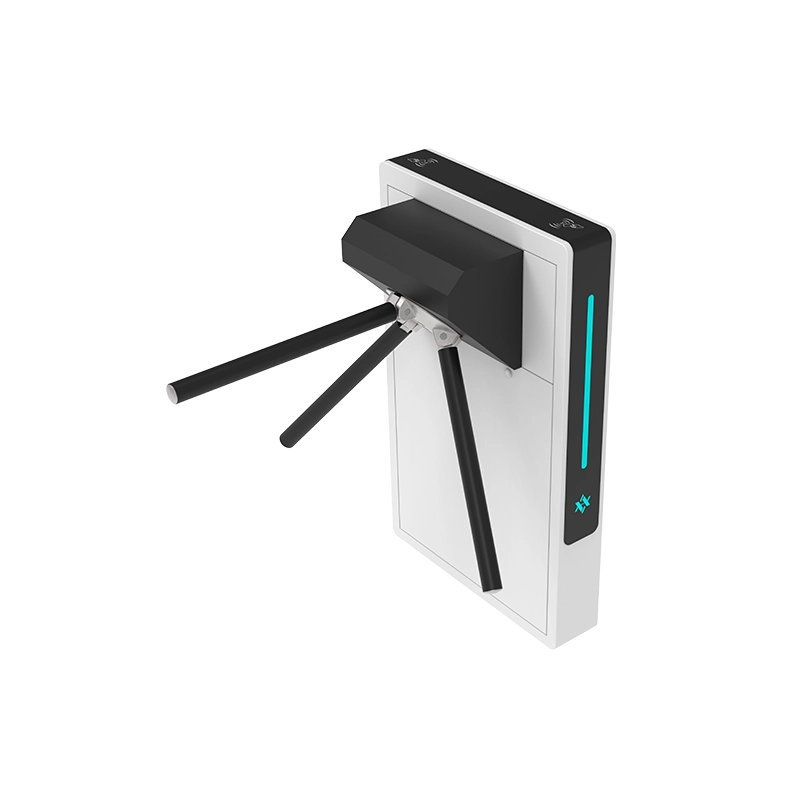
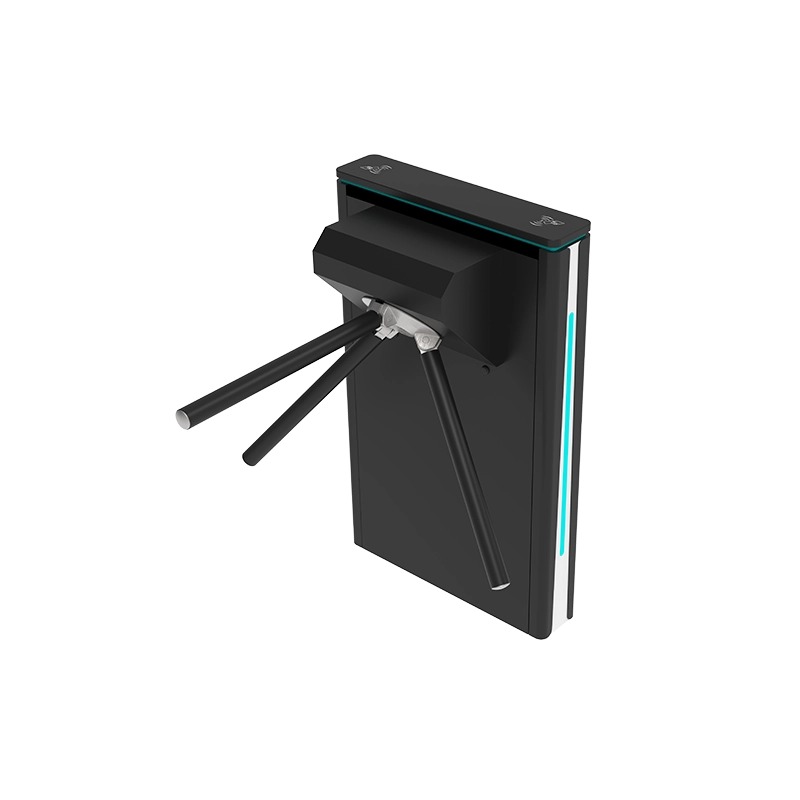
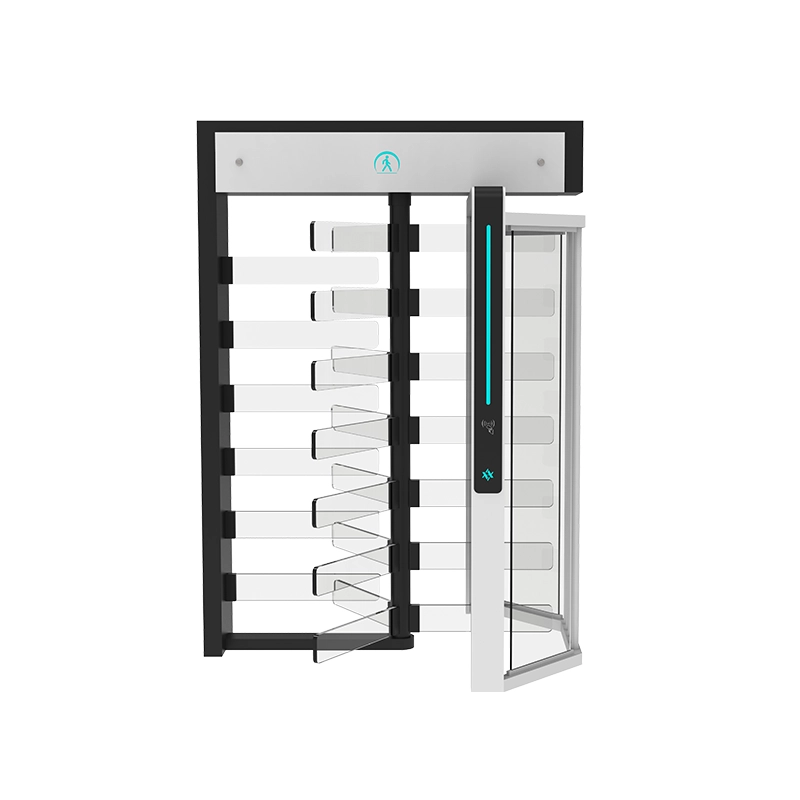
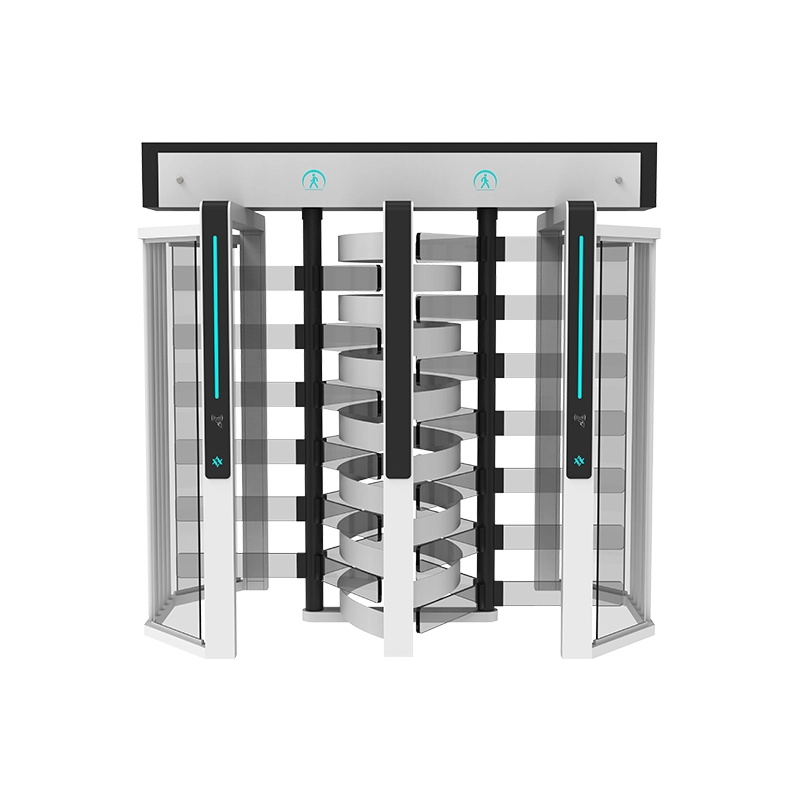
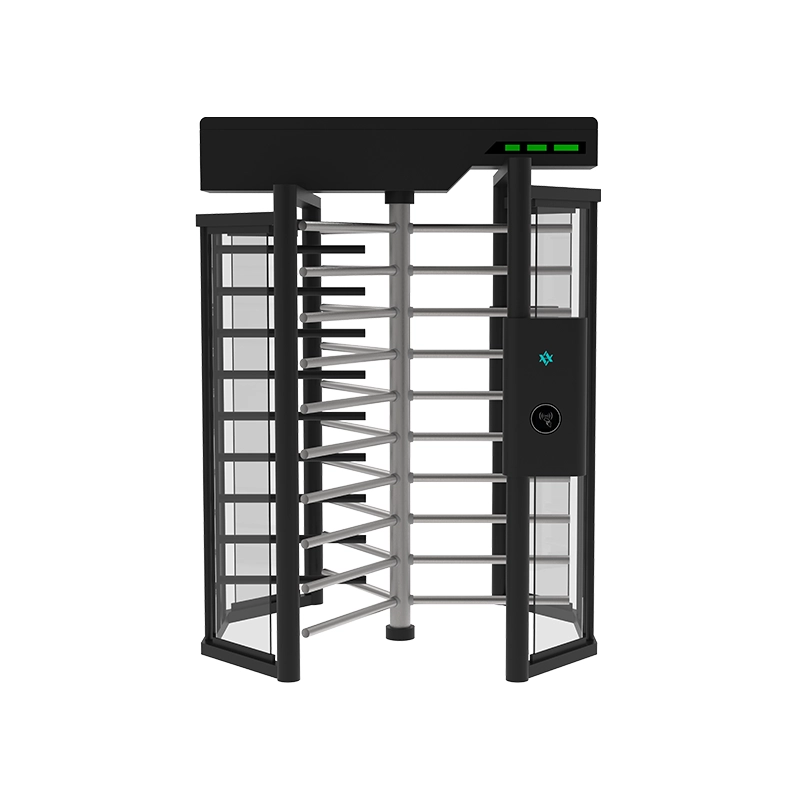
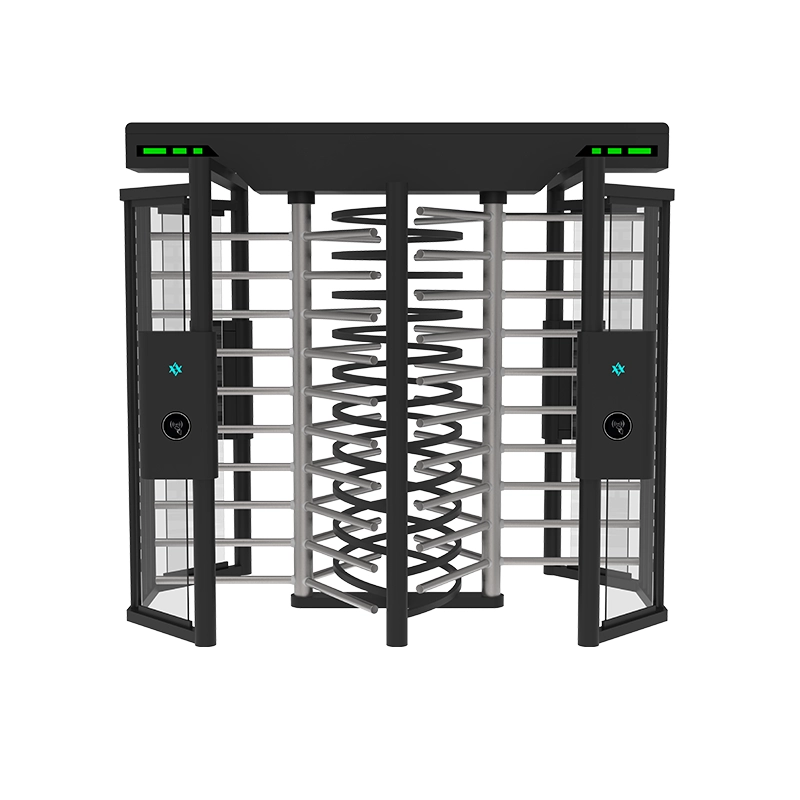
Turnstiles and flap barriers both regulate pedestrian flow, but they differ in their blocking mechanism and typical applications. Turnstiles, such as tripod or full-height models, utilize rotating arms or full enclosures to physically obstruct passage. Flap barriers, conversely, employ rapidly opening and closing retractable panels, offering faster throughput and a more integrated, less imposing design, making them ideal for high-traffic corporate or public transit environments.
The differentiation between these access control systems lies in their design philosophy and functional emphasis. Turnstiles often prioritize robust physical deterrence. Flap barriers prioritize speed and aesthetic integration.
How do their operational mechanisms vary?
The method by which each device permits passage is a primary differentiator.
- Turnstiles: These employ rotating physical barriers, often arms or a full-height cage. Users push through the barrier.
- Flap Barriers: These feature panels that retract or swing open. The panels recede into the main housing.
What are the typical use cases for each type?
Each type of access gate is optimized for specific environments and security requirements.
- Flap Barriers: Ideal for areas needing high throughput and a sophisticated appearance. Examples include corporate lobbies, airports, and urban metro systems.
- Turnstiles: Suited for environments demanding high security and robust physical control. These include industrial sites, construction zones, or military bases where anti-climb features are important. Full-height turnstiles provide the highest level of physical security.
| Characteristic | Flap Barrier | Tripod/Full-Height Turnstile |
|---|---|---|
| Blocking Mechanism | Retractable/swinging panels | Rotating arms or full revolving cage |
| Passage Speed | High to Very High | Moderate to High |
| Design Aesthetic | Modern, sleek, integrates well | Functional, robust, often industrial |
| Security Level | Medium to High (with anti-tailgating) | High to Maximum |
| Primary Environments | Offices, metro stations, airports, banks | Factories, construction sites, stadiums, correctional facilities |
| Accessibility | Easily accommodates wheelchairs (wide lanes) | Often requires dedicated accessible gates |
What are the different types of flap barriers?
Flap barriers are not uniform in design. They come in various configurations. These designs address diverse functional and spatial requirements. Understanding the different types is essential for appropriate selection.
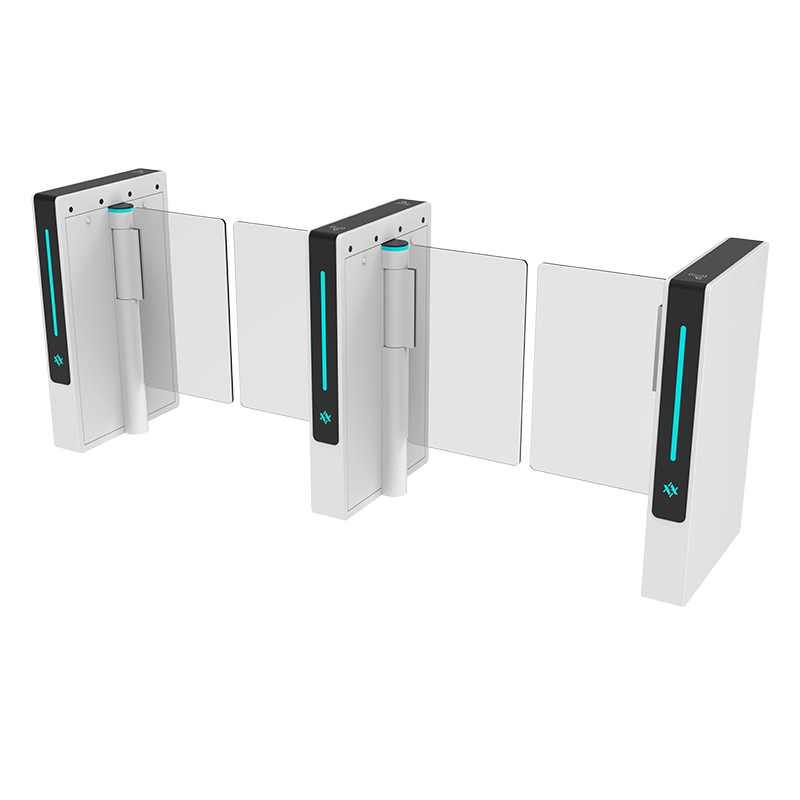
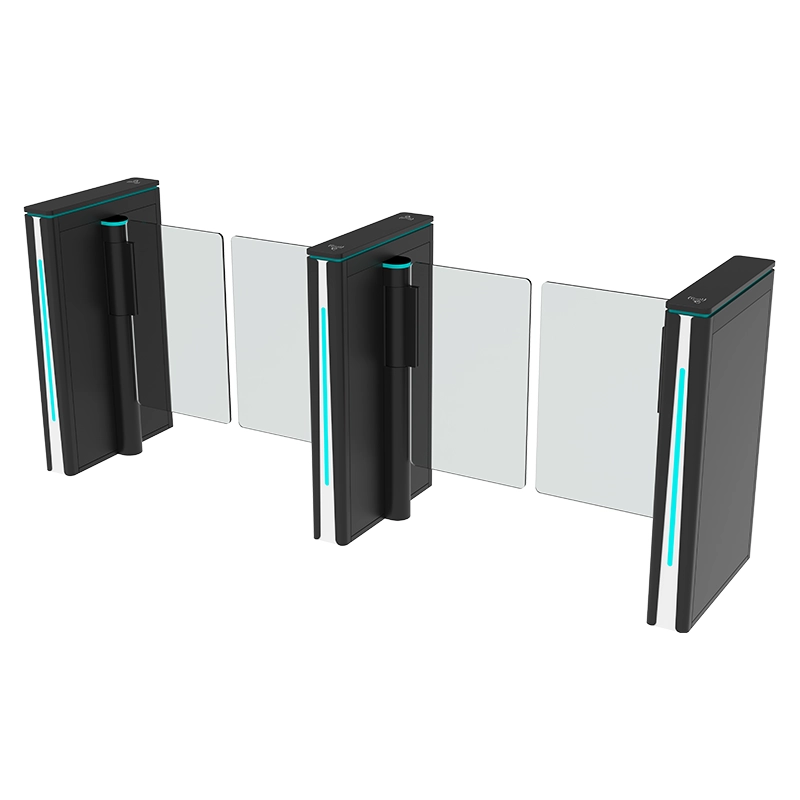
Flap barriers are categorized based on features such as lane width, flap actuation mechanism, and overall housing design. Common variations include standard width models for single pedestrian use, wider lane versions for accessibility or large item passage, and compact units for space-constrained installations. Flap mechanisms can involve retractable panels that slide into the barrier, or swing-out panels, each chosen for optimal speed, security, and aesthetic integration in various settings.
The variety in flap barrier types allows for tailored solutions. For example, a facility prioritizing wheelchair access will require wide-lane models. A site with limited space will benefit from compact designs.
How do they vary in lane width?
Lane width is a critical specification. It determines user capacity and accessibility.
- Standard Lane: Designed for single pedestrian traffic. This is the most prevalent configuration.
- Wide Lane: Provides wider passage. This accommodates individuals with wheelchairs, strollers, or large baggage, enhancing accessibility.
What are the different flap actuation methods?
The way the flaps move influences throughput speed and physical characteristics.
- Retractable Flaps: These panels slide inward into the barrier’s body. They offer very fast opening and closing times.
- Swing Flaps: These panels pivot outward. They are often used for wider lanes and can provide a more visible barrier when closed.
Are there variations in casing design?
Yes, the external structure can differ significantly.
- Compact Designs: These units have a smaller footprint. They are suitable for locations with limited spatial availability.
- Integrated Designs: Some models feature embedded readers or display screens. This creates a streamlined and self-contained access point.
- Customizable Designs: Manufacturers offer options for different finishes, colors, and materials. This allows for aesthetic matching with the installation environment.
| Type of Flap Barrier | Key Defining Feature | Optimal Application Context |
|---|---|---|
| Standard Lane Barrier | Single pedestrian passage | General office buildings, fitness centers |
| Wide Lane Barrier | Accommodates diverse user needs | Airports, hospitals, university campuses, accessible routes |
| Compact Flap Barrier | Minimized physical footprint | Narrow corridors, small reception areas |
| High-Security Barrier | Taller flaps, enhanced sensor array | Data centers, secure research facilities |
| Architectural Barrier | Premium finishes, custom integration | Luxury commercial lobbies, cultural institutions |
My Insights: Identifying Issues with Flap Barriers
Experiencing complications with flap barriers? Learn about common problems and how they impact efficiency and security.
Flap barriers face issues such as mechanical wear, sensor faults, and high installation costs. Their limited passage width makes them unsuitable for high-traffic areas and can lead to delays and security breaches.
Overcoming Flap Barrier Challenges
Key Issues with Flap Barriers
| Problem Area | Details |
|---|---|
| Mechanical Wear | Regular maintenance required for motors and drive parts |
| Sensor Failures | Dirt and misalignment can cause unresponsiveness |
| Space Limitations | Narrow passages hinder accessibility for wheelchairs and luggage |
Installation and Operational Concerns
High initial setup costs can be prohibitive for some facilities, while power outages or faults interrupt functionality. For environments requiring quick accessibility, flap barriers may create bottlenecks and user confusion, impacting flow and security.
Strategies for Improvement
Regular servicing and integration with other security systems can enhance flap barrier effectiveness. Assessing the specific location and traffic requirements ensures better alignment with operational needs. Exploring alternative barrier options may provide flexibility and increased efficiency.
Understanding these challenges helps facilities optimize their security measures, ensuring functionality and compliance with accessibility standards.
Conclusion
Flap barriers are advanced systems for pedestrian access. They offer efficiency and a modern look. However, issues like security breaches and mechanical wear exist. Addressing these points ensures optimal performance and safety.