
](https://aipadaturnstile.com/wp-content/uploads/2026/04/What-are-the-Best-Use-Cases-for-Speed-Gates-vs-Turnstiles.jpg "What are the Best Use Cases for Speed Gates vs Turnstiles")

Choosing the correct access control system is important for efficient entry management. An unsuitable system can lead to slow traffic or security concerns.
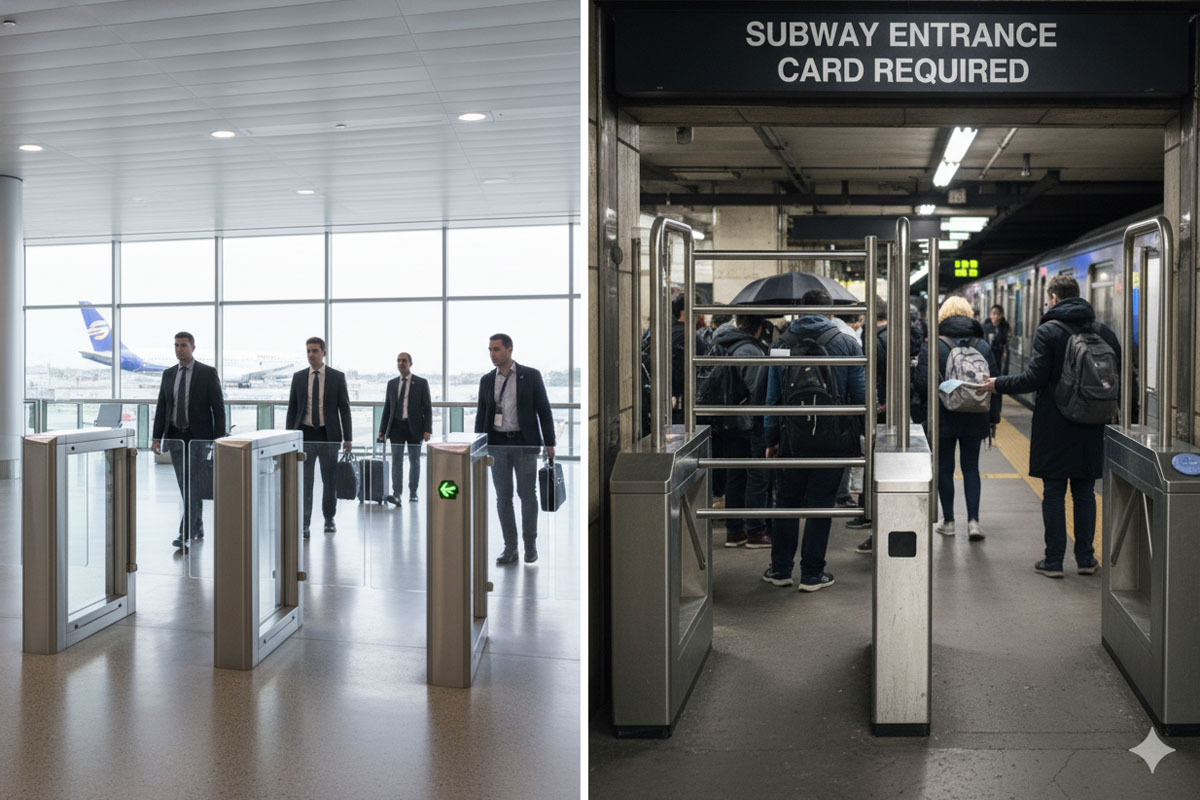
Speed gates are best for modern, high-traffic areas needing fast, secure, and attractive entry solutions. Turnstiles offer strong security and are cost-effective for diverse locations, including industrial sites and public transit, ensuring one-person entry.
Selecting the right system requires understanding the differences. Both speed gates and turnstiles manage access, but they suit different operational needs and aesthetic preferences. This guide helps clarify which option aligns with specific facility requirements.
What are speed gates used for?
Are slow entry times and an outdated entrance appearance a problem in your building? Ineffective access control can hinder both security and first impressions, causing delays and a less modern look.
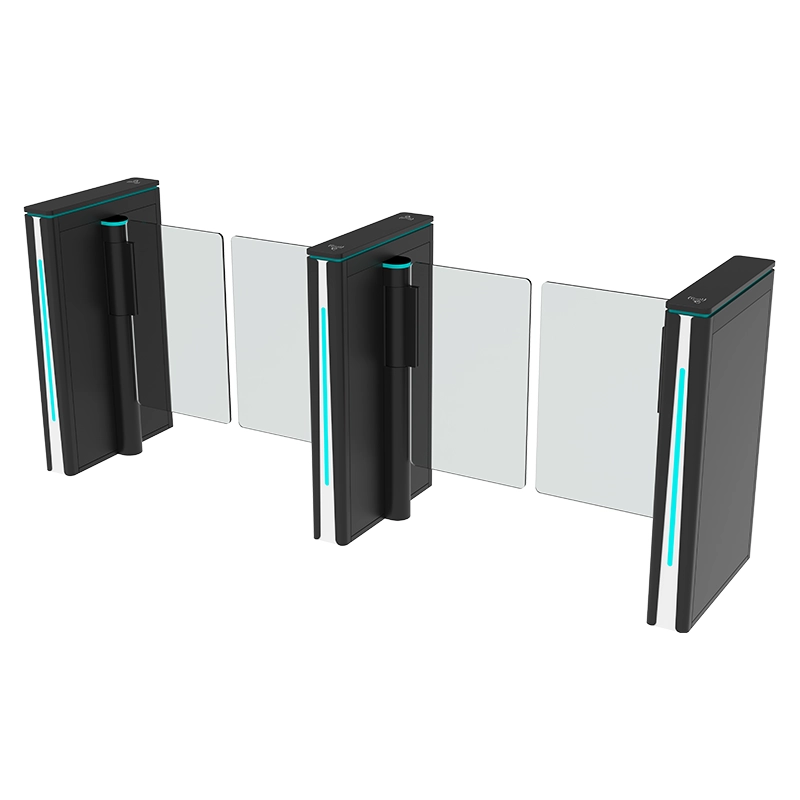
Speed gates are designed for quick, smooth, and stylish entry. They are ideal for high-end environments where appearance and rapid pedestrian flow are top priorities.
These systems are often chosen for their sleek design and efficient throughput. They are frequently installed in places where a professional look and fast movement of people are essential. Speed gates[^1] help transform entry points, making them both secure and visually appealing.
How do speed gates work?
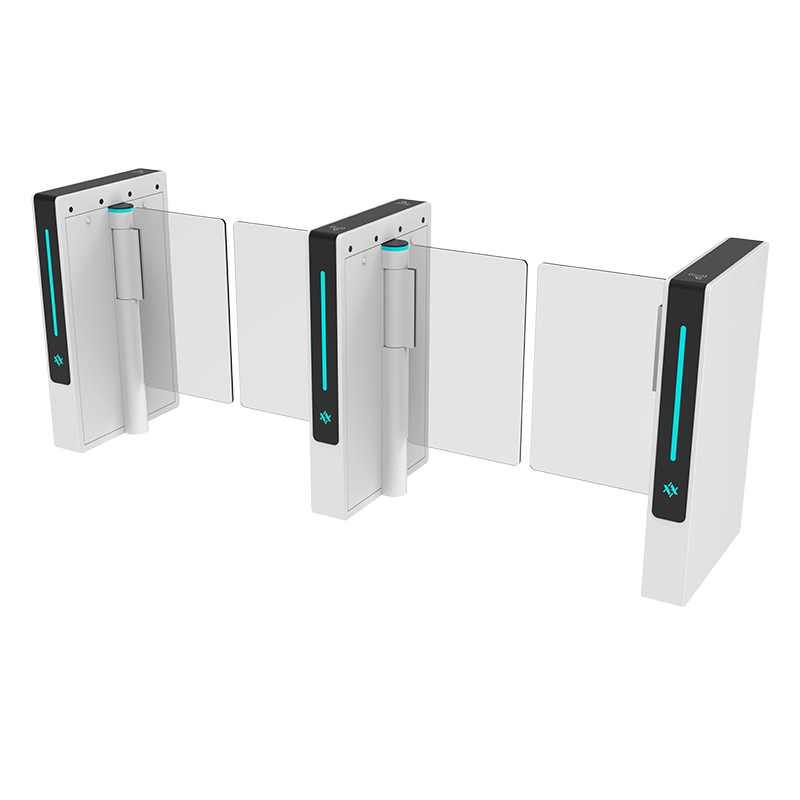
Speed gates use advanced sensor technology to control access. They detect individuals as they approach and open transparent barriers for authorized passage. The barriers close quickly after each person passes. This system effectively prevents unauthorized entries and tailgating.
Key Features of Speed Gates
- High Throughput: Speed gates allow a large number of people to pass through quickly. This is crucial during peak hours in busy locations.
- Modern Design: They feature contemporary aesthetics, often incorporating glass and stainless steel. This makes them suitable for upscale architectural settings.
- Advanced Sensor Technology: Infrared sensors detect pedestrians and prevent unauthorized access or tailgating attempts.
- Seamless Integration: These gates can connect with various third-party access control systems. This includes facial recognition, QR code scanners, and RFID.
- Enhanced Security: They provide a strong barrier against unauthorized entry. This helps maintain secure premises.
Common Speed Gate Applications
| Application | Primary Benefit | Example Use Cases |
|---|---|---|
| Corporate Offices | Elevates corporate image and provides efficient staff access. | High-rise office buildings, multinational company headquarters. |
| Data Centers | Controls access to critical infrastructure and tracks entries. | Secure server farms, cloud computing facilities. |
| Financial Institutions | Ensures high-level security and manages significant daily footfall. | Banks, investment brokerages, secure trading floors. |
| Premium Commercial Buildings | Offers a seamless user experience with elegant design. | Luxury shopping malls, five-star hotel lobbies. |
| Convention Centers | Manages large crowds efficiently during events and conferences. | Exhibition halls, event venues with high visitor turnover. |
Speed gates are suitable for environments that require a balance of high security, rapid pedestrian flow, and sophisticated design. They improve both the safety and the modern appeal of any entrance.
What is the difference between a speed gate and a turnstile?
Are you uncertain about which access control system fits your facility best? Selecting the wrong option can result in security gaps or slow pedestrian traffic, causing inefficiencies.
The primary distinction between speed gates and turnstiles lies in their design, speed capabilities, and typical security contexts. Speed gates offer rapid, sleek access for contemporary, high-traffic settings, while turnstiles provide sturdy, controlled entry for a wide range of applications.
Both types of systems control entry, but they offer different user experiences and operational advantages. Understanding these differences is important for making an informed decision. The choice depends on specific requirements for throughput, aesthetic integration, and security levels.
Breaking Down the Differences
Speed gates and turnstiles both manage access, but their operational mechanisms and suitable environments differ. Examining these distinctions helps in selecting the most appropriate solution.
Speed Gates: Modern and High-Speed
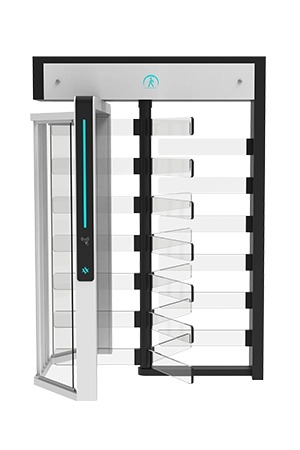
Speed gates are recognized for their quick operation and sophisticated appearance. They typically use transparent, retracting or swinging panels that open and close rapidly.
- Throughput: They are engineered for very fast processing of individuals. This allows a high volume of traffic in short periods.
- Appearance: Their design is often sleek and modern, featuring glass and polished metals. This makes them ideal for upscale building lobbies.
- Security Features: They include advanced sensors to detect tailgating and unauthorized entries, providing a strong security layer.
- User Flow: Speed gates offer a nearly frictionless passage. This enhances the user experience in busy commercial or corporate environments.
Turnstiles: Robust and Controlled
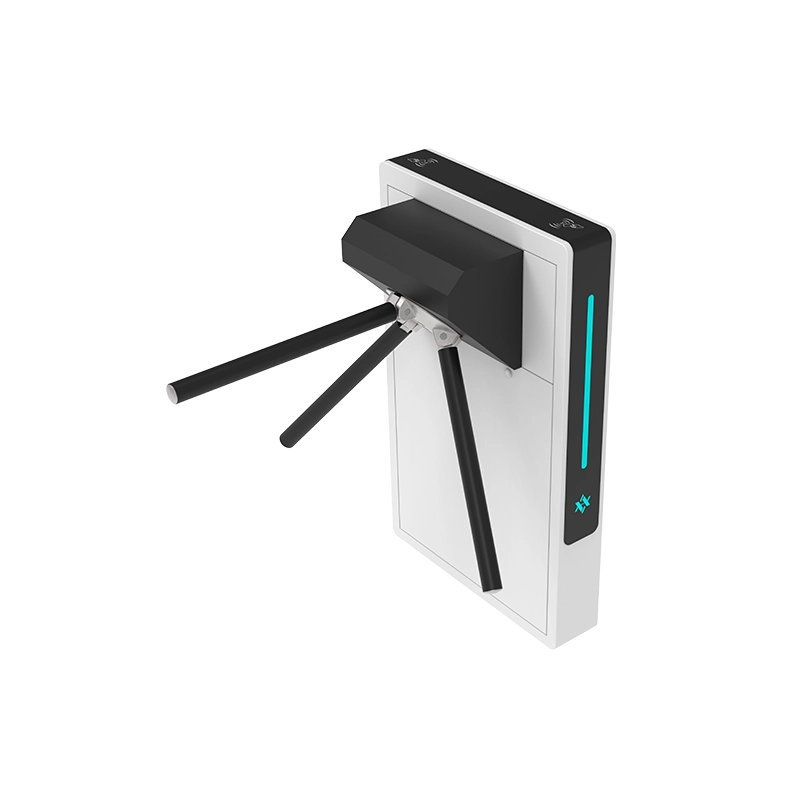
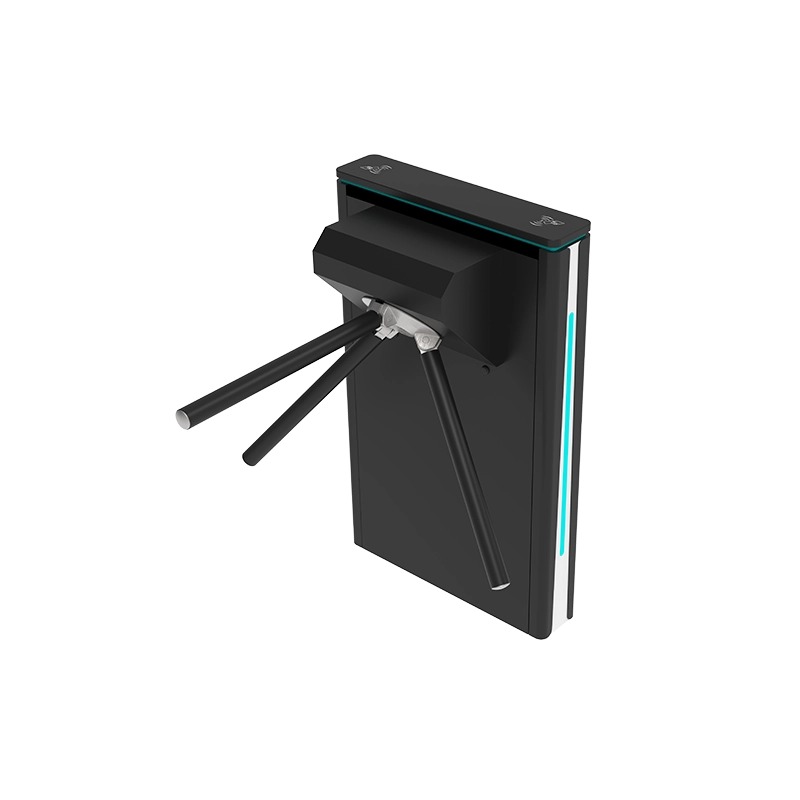
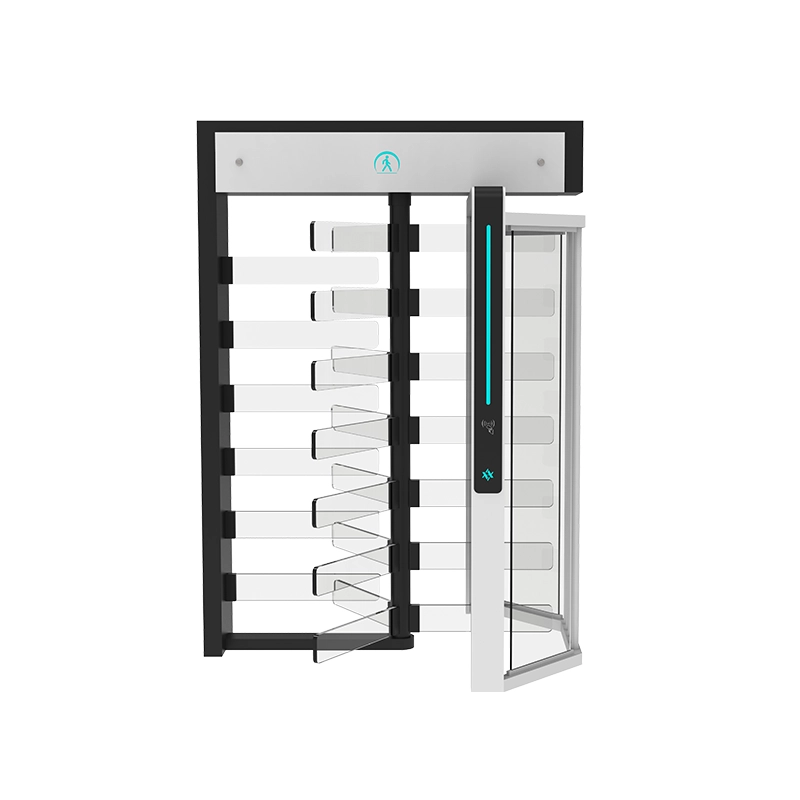
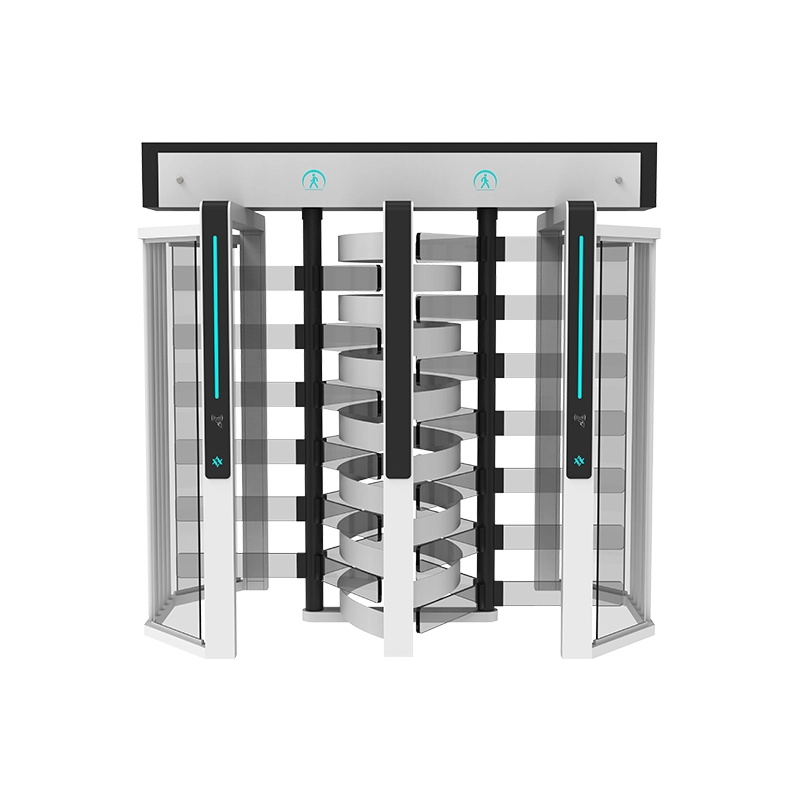
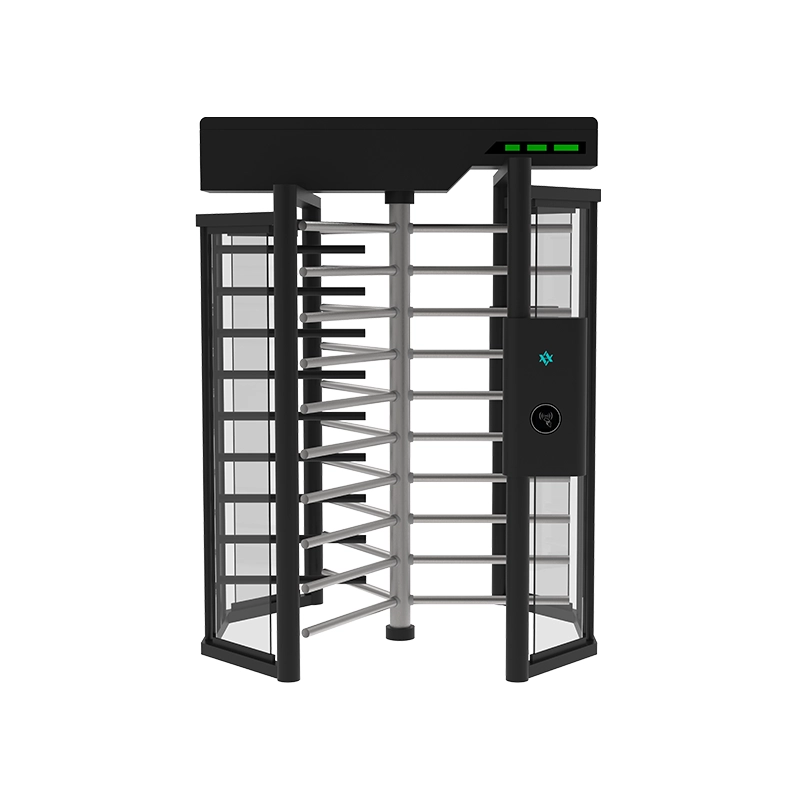
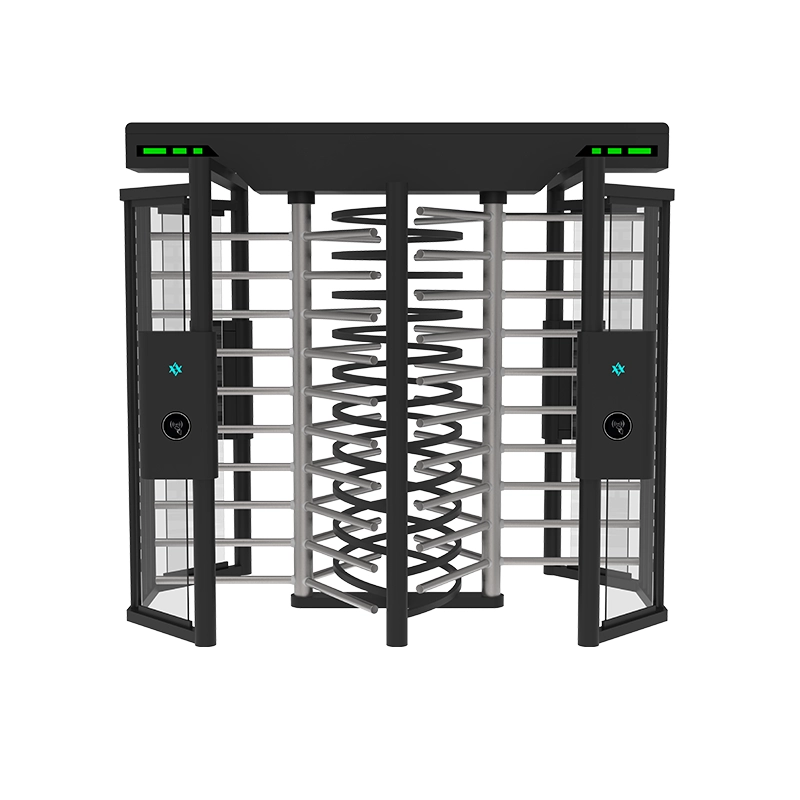
Turnstiles vary in design, from simple tripod arms to full-height rotating barriers. They physically obstruct passage until authorization is granted.
- Entry Control: They strictly enforce one-person-at-a-time entry due to their physical barrier mechanism.
- Durability: Many turnstile types, especially full-height models, are built to withstand heavy use and challenging conditions.
- Cost-Effectiveness: Tripod turnstiles often represent a more economical option for implementing secure entry control.
- Adaptability: They are deployed in diverse environments, including industrial facilities, sports arenas, and public transportation hubs.
Feature Comparison
| Feature | Speed Gates | Turnstiles |
|---|---|---|
| Passage Speed | Very High (rapid barrier movement) | Moderate to High (single-person controlled rotation/passage) |
| Aesthetics | Contemporary, elegant, often glass and metal | Functional, varied designs (tripod, swing, full-height) |
| Security Mechanism | High (advanced anti-tailgating sensors) | High (physical barrier ensures one-at-a-time entry) |
| User Interaction | Minimal physical contact, smooth passage | Physical interaction, controlled movement |
| Space Requirement | Generally larger due to the space needed for barrier retraction | Can be compact (tripod) or substantial (full-height) |
| Typical Settings | Corporate lobbies, modern offices, secure data centers | Factories, stadiums, public transport, educational sites |
| Accessibility | Often includes wider lanes for wheelchair and stroller access | Swing turnstiles or separate access gates often required |
Choosing between these systems depends on specific requirements for speed, security, design integration, and budget. Speed gates are generally preferred for fast-paced, image-conscious settings. Turnstiles are often selected for robust, controlled single-entry in various operational environments.
What are the disadvantages of turnstiles?
Are you considering turnstiles but concerned about potential drawbacks? While effective for security, turnstiles can sometimes create bottlenecks or present an uninviting appearance, particularly in modern, high-traffic locations.
Turnstiles, despite their security benefits, have limitations. They can cause slow entry during peak periods, may appear less sophisticated than newer alternatives, and often require extra provisions for accessibility.
Understanding these potential issues is important before deployment. While effective in many scenarios, turnstiles might not be the optimal choice for every type of facility. Their design can influence user experience and traffic flow.
Potential Drawbacks to Consider
Turnstiles are reliable for access control, but they have limitations that can affect their suitability for certain environments. It is important to evaluate these factors carefully.
1. Slower Throughput
Turnstiles inherently allow only one person to pass at a time. This controlled passage can lead to reduced efficiency during busy periods.
- Peak Hour Congestion: During rush hour, a single turnstile can lead to long queues. This causes delays for users and staff.
- Reduced Flow: If a high volume of people needs to enter or exit, the "one-at-a-time" rule can significantly slow down overall pedestrian traffic. This impacts operational fluidity.
2. Aesthetic Limitations
Some turnstile designs, especially tripod and full-height models, prioritize function over form.
- Industrial Appearance: Many turnstiles have a utilitarian look. This may not align with the design aesthetics of upscale corporate or commercial settings.
- Visual Impact: In environments where building image is important, a bulky turnstile might detract from the overall aesthetic. This can create a less welcoming first impression.
3. Accessibility Challenges
Traditional turnstiles can present difficulties for individuals with disabilities, parents with strollers, or people carrying large items.
- ADA Compliance: Standard turnstile configurations often do not meet accessibility standards. This necessitates the installation of wider lanes or separate gates for wheelchair access.
- User Inconvenience: Individuals with luggage, equipment, or young children may find these systems difficult to navigate without assistance. This can require additional staff support.
4. Perceived Intrusiveness
The physical barrier of a turnstile can sometimes feel more restrictive compared to the open passage offered by speed gates.
- Psychological Barrier: The presence of a physical barrier can be perceived as less inviting. This may create a less comfortable entry experience for some users.
- User Discomfort: The rotating arms or enclosed nature of some turnstiles might feel somewhat restrictive to certain individuals during passage.
5. Integration Complexity (for older models)
Integrating older turnstile models with advanced, modern access control systems can sometimes be challenging.
- Legacy System Compatibility: Upgrading older turnstiles to function with new biometric or facial recognition technologies may require complex custom integration.
- Limited Feature Set: Basic turnstiles often lack advanced features such as sophisticated anti-tailgating sensors or detailed event logging capabilities.
Considering these disadvantages is important when selecting an access control system. For high-traffic, visually sensitive, or accessibility-focused environments, these points might lead to the consideration of alternative or hybrid solutions.
What are the benefits of using turnstiles?
Are you seeking a dependable and cost-effective method to manage access and enhance security? Implementing the right entry system can significantly improve crowd control and operational efficiency.
Turnstiles provide strong security, precise entry control, and notable durability across diverse environments. They are a proven solution for managing single-person access, preventing unauthorized entry, and often represent a more budget-friendly option.
These systems are widely adopted due to their effectiveness in various settings. They help ensure that only authorized individuals pass through, contributing to overall safety and order. Understanding these benefits helps in determining their suitability for specific applications.
Why Turnstiles Are a Smart Choice
Turnstiles have long been a fundamental component in access control for compelling reasons. Their straightforward design and robust functionality offer distinct advantages for many types of facilities.
1. Strong Security and Access Control
Turnstiles are highly effective in ensuring that only authorized individuals can enter a restricted area.
- Single-Person Entry: Their core design allows only one person to pass per valid authorization. This is a fundamental security feature.
- Deters Unauthorized Access: The physical barrier serves as a powerful deterrent against tailgating, fare evasion, and forced entry attempts.
- System Integration: They integrate smoothly with various access control technologies. This includes card readers, biometric identification, and ticketing systems.
2. Cost-Effectiveness
Compared to more technologically advanced access solutions, many turnstile models offer a budget-friendly option without sacrificing security.
- Lower Initial Investment: Tripod turnstiles, for instance, typically have a lower upfront cost. This makes them an accessible choice for a wide range of projects.
- Reduced Operational Costs: Automating access control with turnstiles decreases the need for continuous human supervision. This helps in lowering ongoing staffing expenses.
3. Durability and Reliability
Turnstiles are built for longevity, especially models designed for high-traffic areas or demanding environmental conditions.
- Robust Construction: They are often manufactured from durable materials like stainless steel. This ensures a long operational lifespan with minimal wear.
- Low Maintenance Requirements: Their mechanical simplicity often translates to fewer complex maintenance needs compared to more electronic systems.
- Environmental Resilience: Many outdoor turnstile models are engineered to withstand various weather conditions. This makes them suitable for exterior installations.
4. Versatile Applications
Turnstiles are available in numerous designs, making them adaptable for a broad spectrum of industries and settings.
- Public Transportation Hubs: Metro stations, bus terminals, and train stations extensively use turnstiles. They manage passenger flow and aid in fare collection.
- Industrial and Manufacturing Sites: Factories, warehouses, and construction sites utilize them to control employee access and monitor attendance.
- Recreational and Entertainment Venues: Stadiums, amusement parks, and gyms benefit from their crowd control capabilities and integration with ticketing systems.
- Educational and Institutional Campuses: Schools, universities, and government buildings employ them to secure entry points and manage visitor or student access.
5. Effective Crowd Management
Turnstiles are proficient at organizing and streamlining pedestrian traffic, particularly in areas with high footfall.
- Orderly Flow: They help establish an organized queuing system and ensure a smooth entry process for large groups.
- Data Collection: When linked with access control software, they can provide valuable data on entry and exit patterns. This assists in resource allocation and security analysis.
Considering these advantages, turnstiles remain a valuable choice for organizations that prioritize strong security, controlled access, and reliable performance across diverse operational environments.
My Insights: Best Use Cases for Speed Gates vs Turnstiles
Need effective access control options? Discover the ideal environments for speed gates and turnstiles to match your specific requirements.
Speed gates excel in high-traffic, modern settings like airports and corporate offices, providing fast and stylish access. Turnstiles are perfect for sports venues and gyms, offering robust crowd control and affordability. Each suits distinct operational needs.
Identifying Optimal Uses for Speed Gates and Turnstiles
Speed Gates
| Use Case | Benefits |
|---|---|
| Airports and Train Stations | Efficiently handle heavy pedestrian flow |
| Corporate Offices | Modern aesthetic and quick employee access |
| Stadiums and Event Venues | Rapid crowd movement with control |
| Premium Facilities | Quiet operation suitable for upscale environments |
Turnstiles
| Use Case | Benefits |
|---|---|
| Gyms and Leisure Centers | Compact, durable, cost-effective |
| Industrial Sites | Strong physical deterrence |
| High-Security Facilities | Tighter control for sensitive areas |
| Public Transport Hubs | Effective access management in confined spaces |
Choosing Based on Needs
- High-Traffic and Aesthetics: Speed gates are ideal for busy spaces that need quick entry and a modern look.
- Strong Security and Budget: Turnstiles provide reliable security and are well-suited for environments where physical control and costs are priority.
- Tailor your choice based on the specific demands of your location, ensuring optimal access control and flow management for each setting.
Conclusion
Choosing between speed gates and turnstiles depends on specific operational needs. Speed gates offer rapid, aesthetically pleasing, and advanced security for modern, high-traffic settings. Turnstiles provide robust, cost-effective, and versatile access control suitable for various demanding environments.
](https://aipadaturnstile.com/wp-content/uploads/2025/11/AT107-TC-01.webp)
](https://aipadaturnstile.com/wp-content/uploads/2025/12/vertical-tripod-turnstile.jpg)
](https://aipadaturnstile.com/wp-content/uploads/2025/12/popup-img.jpg)