](https://aipadaturnstile.com/wp-content/uploads/2026/03/How-Can-Access-Control-Turnstiles-Amp-Up-Security-at-Distribution-Centers.jpg "How Can Access Control Turnstiles Amp Up Security at Distribution Centers")

Securing a distribution center is important. It ensures smooth operations. Without proper security, assets are vulnerable.
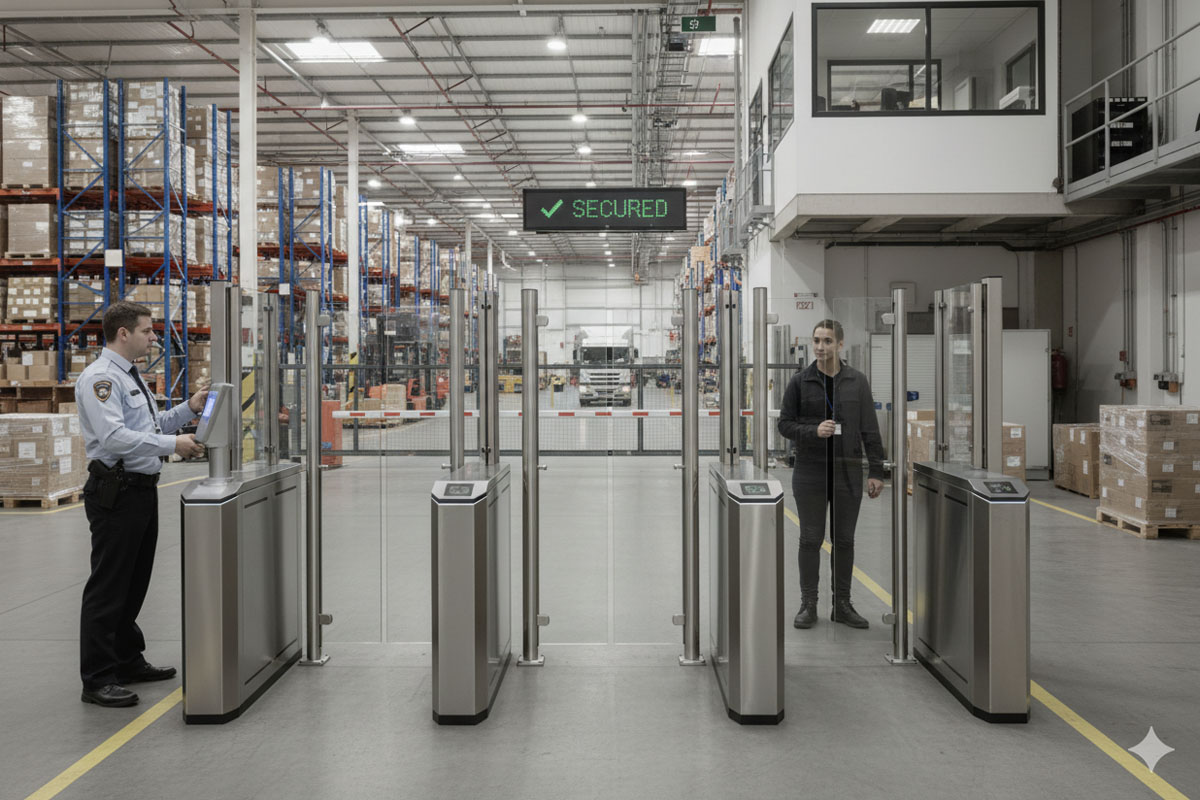
Access control turnstiles enhance security in distribution centers. They regulate entry and exit. This prevents unauthorized access. They also provide detailed audit trails. This increases overall facility safety and operational control.
A distribution center I once observed struggled with managing personnel flow. They had issues with maintaining security at entry points. After installing turnstiles, they reported a noticeable improvement. It allowed them to enforce strict entry protocols. This reduced security incidents.
What are the 5 D’s of Access Control?
Understanding security requires a framework. How do we approach protecting a facility?
The 5 D’s of access control are Deter, Detect, Delay, Deny, and Defend. These principles form a comprehensive security strategy. They guide the implementation of measures to safeguard assets and personnel. Applying these D’s helps create robust security systems.
These principles are foundational for any security system design. They ensure a multi-layered approach to protection.
Understanding the 5 D’s of Access Control
The 5 D’s offer a structured way to think about security layers. Each "D" builds upon the previous one.
1. Deterrence
Deterrence aims to discourage potential threats. It is the initial line of defense. Visible security elements are crucial here.
- Turnstile Contribution:
- Turnstiles serve as clear physical barriers. Their presence signals a controlled environment. This discourages unauthorized entry attempts.
- They present a formal checkpoint. This visual cue can make intruders reconsider their actions.
- Integration with surveillance cameras enhances their deterrent effect. It suggests constant monitoring.
2. Detection
Detection focuses on identifying security breaches. Or attempts at breaches. Early identification allows for timely response.
- Turnstile Contribution:
- Turnstiles often include sensors. These can identify forced entry or attempts to bypass. They can trigger alarms.
- They integrate with video surveillance systems. This records any unauthorized activity. For example, attempts to climb over.
- Each transaction is logged. This provides a record of access events. This data assists in identifying anomalies.
3. Delay
Delay works by slowing down an intruder. This provides valuable time for security personnel to respond. Time is critical during an incident.
- Turnstile Contribution:
- Turnstiles are built as sturdy physical obstacles. Bypassing them without authorization requires significant effort and time.
- They are designed to prevent simple circumvention. This includes features to prevent tailgating or forced passage.
- The time spent trying to overcome a turnstile gives security teams moments to act.
4. Deny
Deny is the ultimate goal. It completely prevents unauthorized access. Only approved individuals can enter.
- Turnstile Contribution:
- Turnstiles remain locked for invalid credentials. They only open upon successful verification.
- They operate with access readers. These readers confirm permissions. If access is not granted, the turnstile does not open.
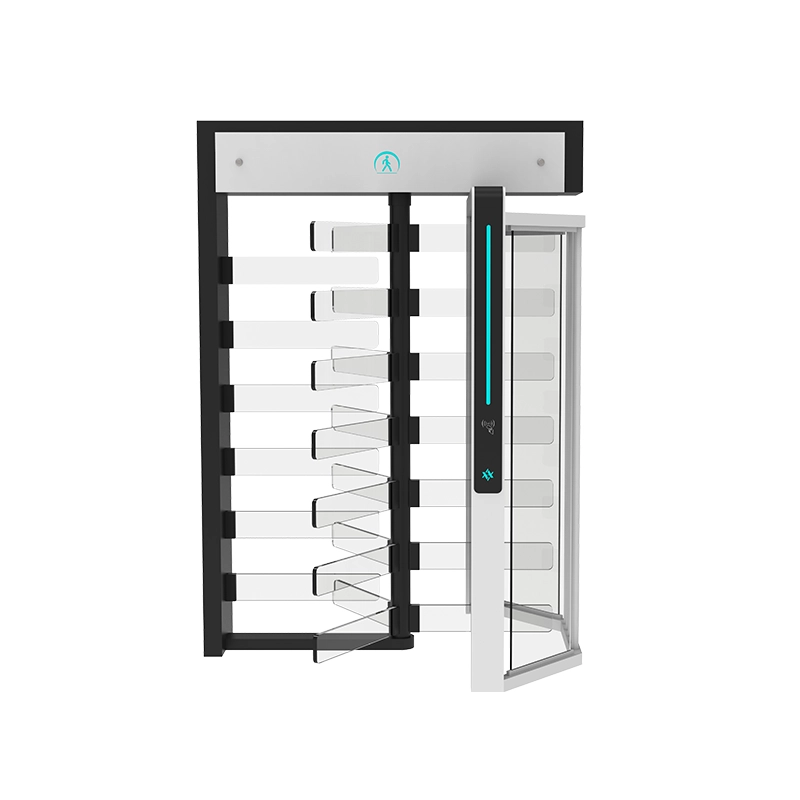
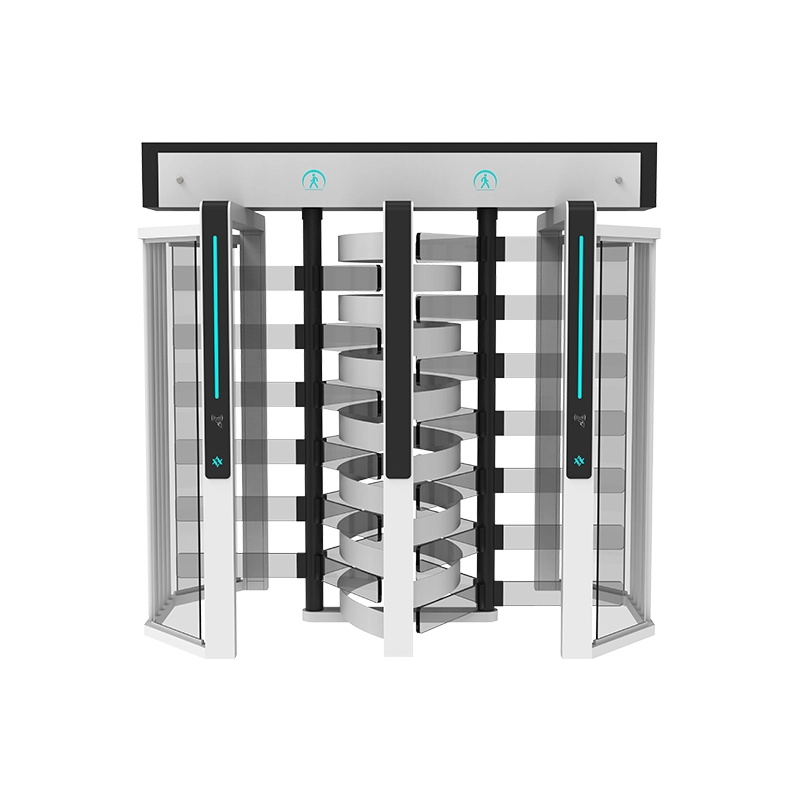
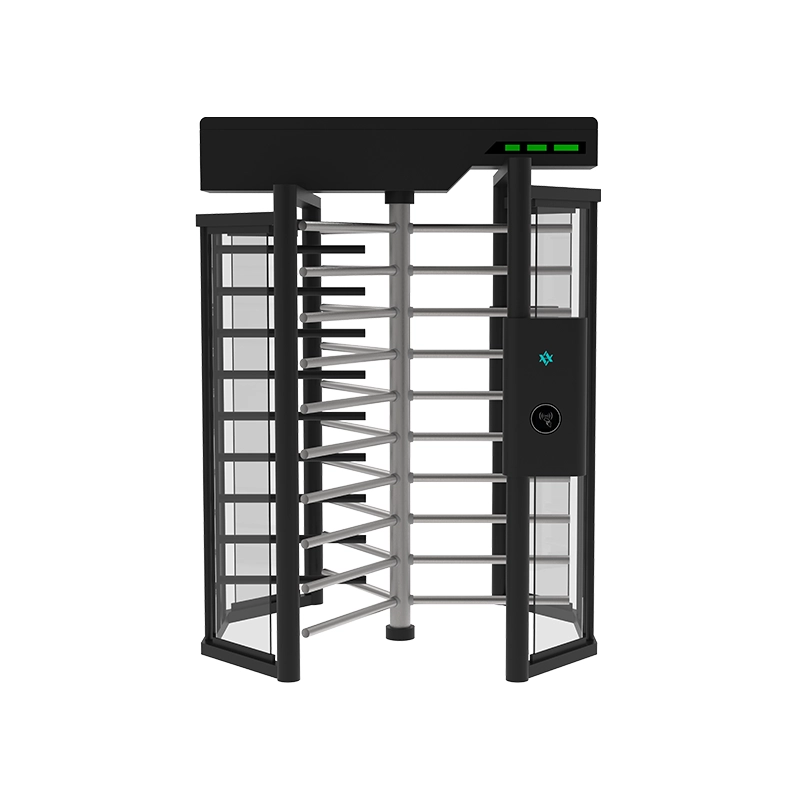
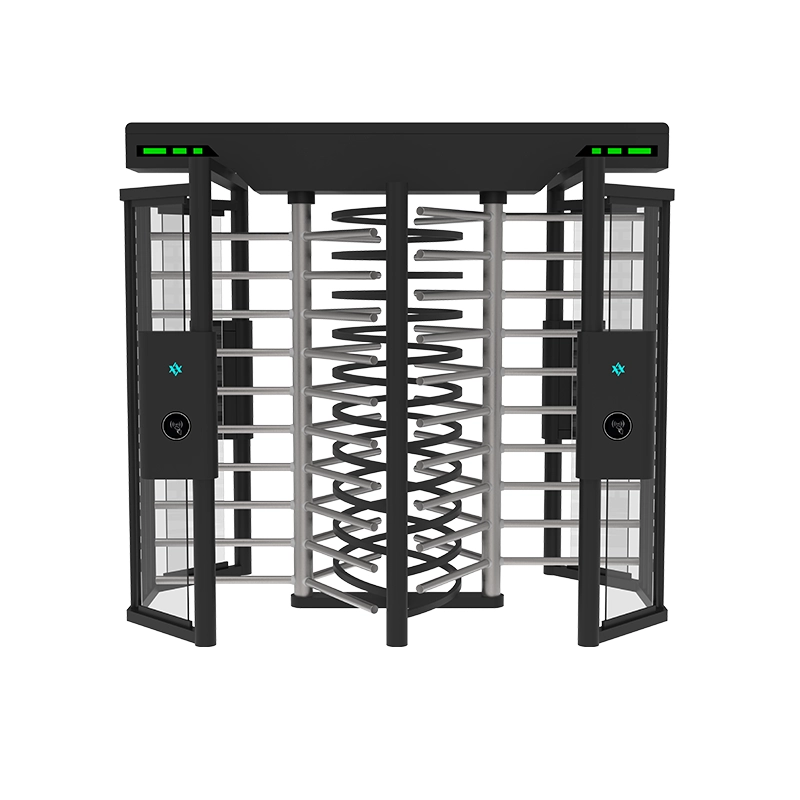
- Full-height turnstiles offer the highest level of physical denial. They create an almost insurmountable barrier.
5. Defend
Defend involves the actions taken once a threat is detected and delayed. This includes security response and emergency procedures.
- Turnstile Contribution:
- By delaying intruders, turnstiles provide security teams with response time. This allows them to reach the incident area.
- Access logs from turnstiles support investigations. They provide data on who was present.
- In emergencies, turnstiles can automatically open. This ensures rapid and safe evacuation. This feature meets fire safety requirements.
What is the Role of Turnstiles in Access Control?
Turnstiles are essential components of access control systems. They perform multiple functions beyond simple entry.
Turnstiles serve a critical role in access control by enforcing entry policies. They act as automated gates. They integrate with various identification technologies. This ensures that only authorized individuals gain entry. They also generate important data for security audits and operational management.
In many high-traffic environments, turnstiles streamline access. For instance, a facility that needed better control over contractor entry implemented turnstiles. This provided a structured entry process. It also ensured all contractors had valid credentials.
The Specific Functions of Turnstiles in Security
Turnstiles are integral to a comprehensive security framework. They execute several key tasks.
1. Physical Access Barrier[^1] and Policy Enforcement
This is the primary function of a turnstile. It creates a physical barrier. It enforces specific entry rules.
- Controlled Flow: Turnstiles compel individuals to present their credentials. This prevents unmanaged entry.
- Single File Passage: Most turnstile designs ensure that only one person passes per validated credential. This effectively counters tailgating.
- Directional Regulation: They can be configured for unidirectional or bidirectional traffic. This guides movement within a facility.
2. Integration with Identification Systems
Turnstiles are designed to work seamlessly with different identification technologies. They are part of a larger system.
- Credential Verification: They connect with various readers. These include card readers, biometric scanners, and QR code readers. This verifies user identity and access rights.
- Database Synchronization: Upon scanning a credential, the system queries a central database. It confirms permissions for entry.
- Automated Entry: For authorized personnel, this means quick, automated access. For unauthorized individuals, it means immediate denial.
3. Data Collection and Reporting
Turnstiles generate valuable operational data. This data is useful for security, compliance, and management.
- Audit Trails: Every passage event is recorded. This creates a detailed log of all entries and exits. This information is vital for security reviews.
- Attendance Automation: For employees, turnstiles can automate time and attendance tracking. This improves efficiency and accuracy.
- Occupancy Monitoring: In some scenarios, turnstiles help track the number of people in a specific area. This supports safety and capacity limits.
4. Contribution to Overall Security Posture
Beyond their direct functions, turnstiles improve a facility’s overall security. They demonstrate a strong security commitment.
- Reduced Human Oversight: They automate access decisions. This minimizes the potential for human error in access control.
- Psychological Impact: Their visible presence alone enhances the perceived security level. This deters casual attempts at unauthorized entry.
- Emergency Egress Capability: Many turnstile models include a "fail-safe" option. They unlock automatically during power failures or emergencies. This facilitates safe and quick evacuation, crucial for safety standards.
| Turnstile Type | Ideal Application in Distribution Centers | Security Level | Key Operational Benefit |
|---|---|---|---|
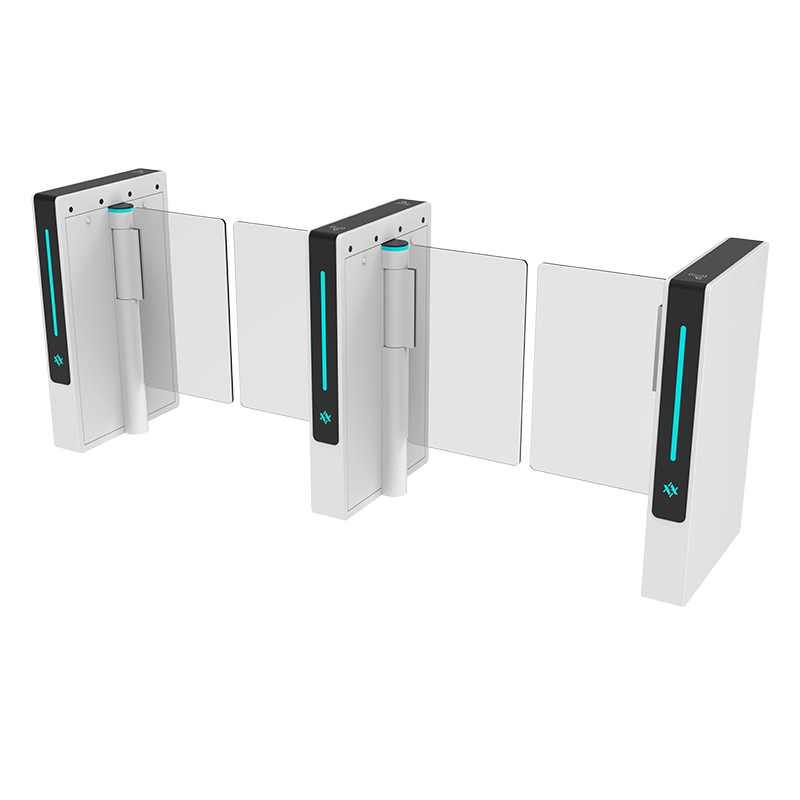
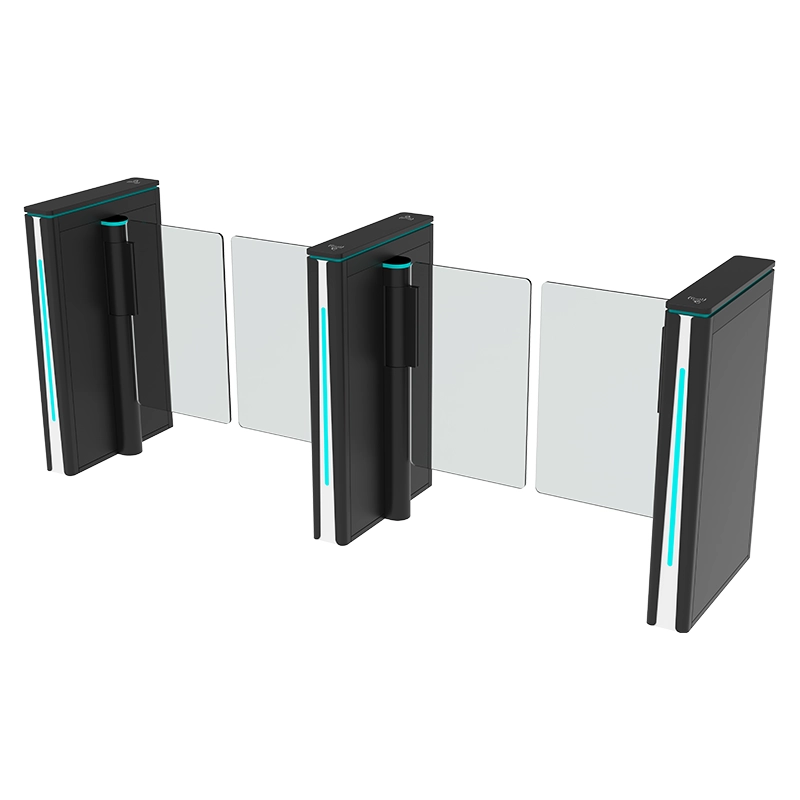
| Speed Gates | Primary staff entrances, visitor management in office areas | Medium to High | High throughput; modern aesthetic; rapid passage |
| Swing Turnstiles | Entrances requiring wider lanes for accessibility or large items | Medium | Accommodates diverse user needs (e.g., wheelchairs) |
| Flap Barriers | High-volume employee entry points, internal controlled zones | Medium to High | Efficient traffic flow; effective anti-tailgating |
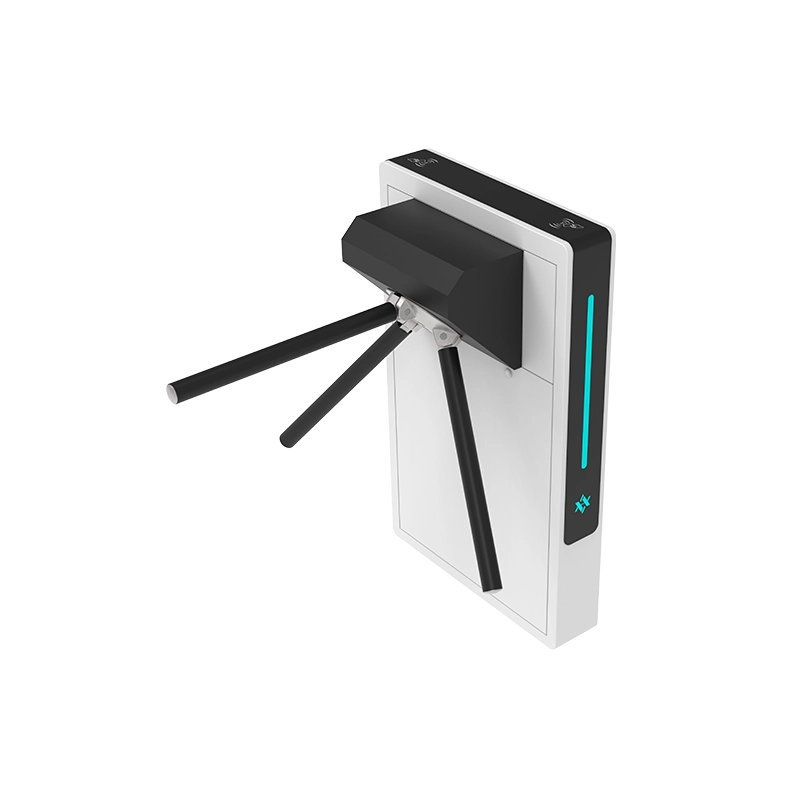
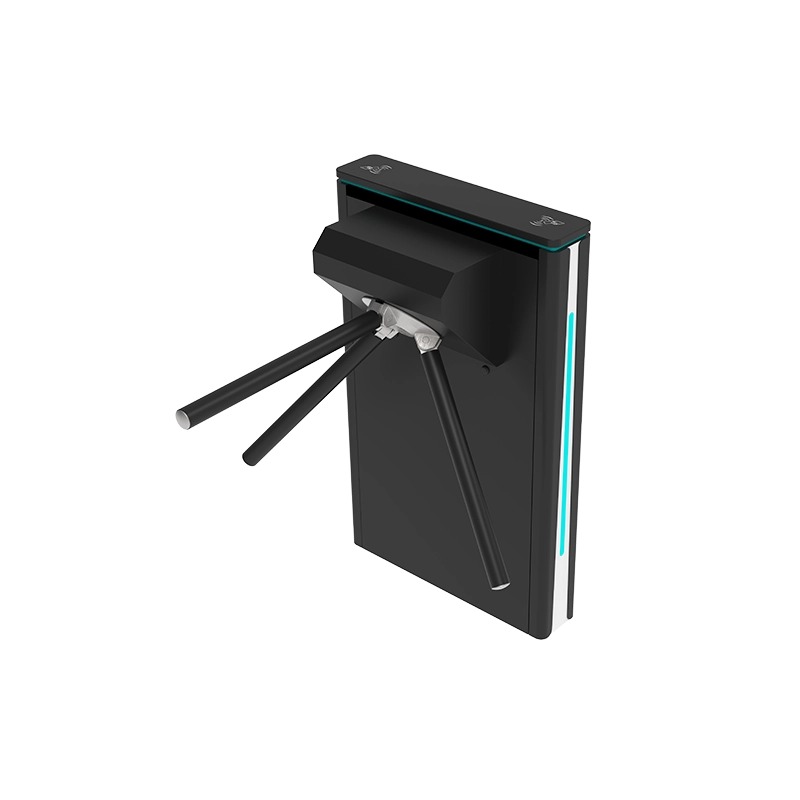
| Tripod Turnstiles | General employee access, basic perimeter control | Medium | Cost-effective security; robust for regular use |
| Full Height Turnstiles[^2] | External perimeter security, high-value storage access, restricted areas | High | Maximum physical security; prevents climbing over |
What are the 4 Types of Access Control?
Access control systems vary in how they manage permissions. There are distinct methodologies.
The four primary types of access control include Discretionary Access Control (DAC), Mandatory Access Control (MAC), Role-Based Access Control (RBAC), and Attribute-Based Access Control (ABAC). Each type offers a specific model for granting and restricting access. They range in their flexibility and administrative overhead. This allows organizations to select the most appropriate security framework.
These models define how permissions are structured and managed. They provide different levels of granularity and control.
Detailed Breakdown of Access Control Types
Understanding these types is key to implementing an effective access control strategy. They dictate how access decisions are made.
1. Discretionary Access Control (DAC)
DAC is a common and flexible model. The owner of a resource has the authority to grant or deny access to others.
- Operational Principle: Resource owners make decisions about access permissions. For example, a department head might grant access to their team’s storage area.
- Characteristics: It provides high flexibility. However, security relies on individual user judgment. This can introduce vulnerabilities if not managed carefully.
- Turnstile Application: In a DAC system, an authorized manager could provision access cards for their staff. These cards would then be used at turnstiles to enter designated work zones.
2. Mandatory Access Control (MAC)
MAC is a very strict access control model. A central authority or system policy determines all access rights. Users cannot alter permissions.
- Operational Principle: Every resource and every user is assigned a security label (e.g., classification level). Access is granted only if the user’s label meets the resource’s label requirements.
- Characteristics: It offers the highest level of security and integrity. It is typically used in environments requiring strict confidentiality, such as government or military facilities.
- Turnstile Application: For highly sensitive areas within a distribution center, like a vault for high-value goods, a MAC system would be in place. Turnstiles at such entrances would verify a user’s security clearance level against the zone’s classification. Entry would be denied if the levels do not match.
3. Role-Based Access Control (RBAC)
RBAC assigns access permissions based on a user’s defined role within an organization. It is widely used in corporate environments.
- Operational Principle: Permissions are linked to specific roles (e.g., "Forklift Operator," "Inventory Manager," "Shipping Clerk"). Users inherit permissions by being assigned to a role.
- Characteristics: It simplifies access management. When an employee’s role changes, their permissions update by changing their assigned role.
- Turnstile Application: A distribution center might define roles with different access needs:
- Warehouse Operatives: Access to loading docks and general storage.
- Administrative Staff: Access to office areas and common spaces.
- Visitors: Restricted access, possibly requiring escort, to specific visitor zones.
Turnstiles read an individual’s credential, determine their role, and then grant or deny access according to the permissions linked to that role.
4. Attribute-Based Access Control (ABAC)
ABAC is a dynamic and fine-grained access control model. It uses a combination of attributes to determine access. These attributes can belong to the user, the resource, or the environment.
- Operational Principle: Access decisions are made based on rules that evaluate multiple attributes. For instance, "Allow access to the refrigerated warehouse if the user is a certified cold storage technician AND it is within working hours AND the user’s biometric scan is validated."
- Characteristics: It provides extreme flexibility and granular control. It can handle complex and evolving access policies.
- Turnstile Application: Consider a distribution center with specialized areas. An ABAC system could allow or deny turnstile access based on factors like: the user’s specific training certifications, the current time of day, or even specific environmental conditions within the facility. The turnstile would enforce these context-aware rules in real-time.
What are the 7 Main Categories of Access Control?
Access control is a broad field. It encompasses more than just physical barriers.
The seven principal categories of access control include Physical, Logical, Administrative, Personnel, Environmental, Network, and Application access control. These categories cover distinct facets of security. They range from tangible controls like turnstiles to digital permissions on computer systems. A comprehensive security strategy integrates elements from each category.
Understanding these categories helps in building a holistic security posture. They address different points of vulnerability.
Diving Deep into the Categories of Access Control
Each category addresses a specific aspect of security. Together, they create a robust defense system.
1. Physical Access Control
This category focuses on restricting entry to physical spaces. It uses physical barriers and surveillance.
- Components: Locks, gates, fences, walls, security guards, and turnstiles.
- Turnstile Function: Turnstiles are a prime example. They create controlled entry points. They ensure that physical access to buildings or restricted zones is only granted upon credential verification. They act as a direct physical deterrent and barrier.
2. Logical Access Control
Logical access control manages digital access. It covers computer systems, networks, and data.
- Components: Passwords, PINs, digital certificates, biometric scans for system login, firewalls, encryption.
- Turnstile Connection: While turnstiles are physical devices, they integrate with logical systems. The software that manages turnstile user databases and access rights is a form of logical access control. This software dictates who is authorized through the turnstile.
3. Administrative Access Control
This category involves organizational policies and procedures. It sets the rules for security practices.
- Components: Security policies, standard operating procedures, employee security training, background checks, incident response plans.
- Turnstile Connection: Administrative policies dictate how turnstiles are deployed and used. For example, a policy might mandate: "All visitors must register at the main desk and obtain a temporary badge before using any turnstile." This is an administrative rule enforced via the turnstile system.
4. Personnel Access Control
This focuses on managing the security aspects related to human resources. It deals with employees and their roles.
- Components: Hiring processes, role-based access assignments, onboarding and offboarding procedures, principle of least privilege.
- Turnstile Connection: Personnel access control determines an employee’s access rights. A new hire might receive basic access via a turnstile. A senior technician might gain access to specific labs. These rights are linked to their personnel role and enforced by the turnstile system.
5. Environmental Access Control
This category concerns managing the physical environment to support security objectives.
- Components: HVAC systems, fire detection and suppression, environmental monitoring (temperature, humidity), power management.
- Turnstile Connection: While not directly controlled by turnstiles, environmental factors influence their operation. For example, in the event of a fire alarm (an environmental trigger), turnstiles are programmed to automatically unlock. This ensures emergency evacuation. This links environmental safety protocols with physical access mechanisms.
6. Network Access Control
This category secures connections to computer networks. It manages who can access network resources.
- Components: Virtual Private Networks (VPNs), network segmentation, authentication for network devices, intrusion detection systems.
- Turnstile Connection: The turnstile management system often relies on network connectivity to function. Its data might reside on networked servers. The security of this network infrastructure is crucial. A compromised network could affect the turnstile system’s ability to operate correctly.
7. Application Access Control
This controls user permissions within specific software applications.
- Components: User roles and privileges within an Enterprise Resource Planning (ERP) system, rights in a Customer Relationship Management (CRM) system, feature access within specialized software.
- Turnstile Connection: The software used to configure and manage the turnstiles (e.g., adding users, setting access schedules) is an application. Application access control ensures that only authorized administrators can make changes within this turnstile management software.
| Category | Primary Security Focus | Turnstile System Relevance |
|---|---|---|
| Physical Access Control | Controlling entry to physical locations and spaces | Directly applies. Turnstiles are primary physical barriers. |
| Logical Access Control | Managing access to digital data, systems, and networks | Indirectly applies. The software for turnstiles is logical. |
| Administrative Access Control | Establishing security policies and procedures | Applies. Policies define how turnstiles are used. |
| Personnel Access Control | Managing access based on individual roles and authorizations | Applies. Defines specific access rights for turnstiles. |
| Environmental Access Control | Securing the physical environment and its conditions | Indirectly applies. Emergency features interact with environmental events. |
| Network Access Control | Securing connections to the overall computer network | Applies. Turnstile systems rely on network infrastructure security. |
| Application Access Control | Managing user privileges within specific software applications | Applies. Securing the turnstile management application. |
My Insights: How Access Control Turnstiles Can Amp up Security at Distribution Centers
Worried about unauthorized access in distribution centers? Discover how access control turnstiles enhance security and streamline operations.
Access control turnstiles offer credential-based entry, reducing unauthorized access and tailgating. They integrate with biometric systems and provide real-time logs, enhancing security monitoring and managing traffic flow efficiently in distribution centers.
Enhancing Distribution Center Security
Benefits of Turnstiles
- Physical Security: Turnstiles create a robust barrier that requires valid credentials to unlock, enhancing protection against unauthorized entry.
- Traffic Management: They streamline entry processes, reducing congestion during peak times, like shift changes.
Technological Integration
| Feature | Description |
|---|---|
| Biometric Systems | Integrates fingerprint or facial recognition for enhanced security |
| Access Logs | Tracks entry and exit times, improving accountability |
| Automated Alerts | Notifies security of potential breaches and unauthorized access attempts |
Customization for Needs
- Full-height Turnstiles: Offer stronger security for high-risk areas.
- Optical Turnstiles: Provide quick throughput for areas needing faster access flow.
By utilizing access control turnstiles, distribution centers not only secure their premises but also enhance operational efficiency. Turnstiles ensure a seamless blend of security, accountability, and traffic management.
Conclusion
Turnstiles are critical for robust security in distribution centers. They effectively implement the 5 D’s of security. They also integrate with the 4 types and 7 categories of access control. Implementing turnstiles significantly enhances facility protection.