
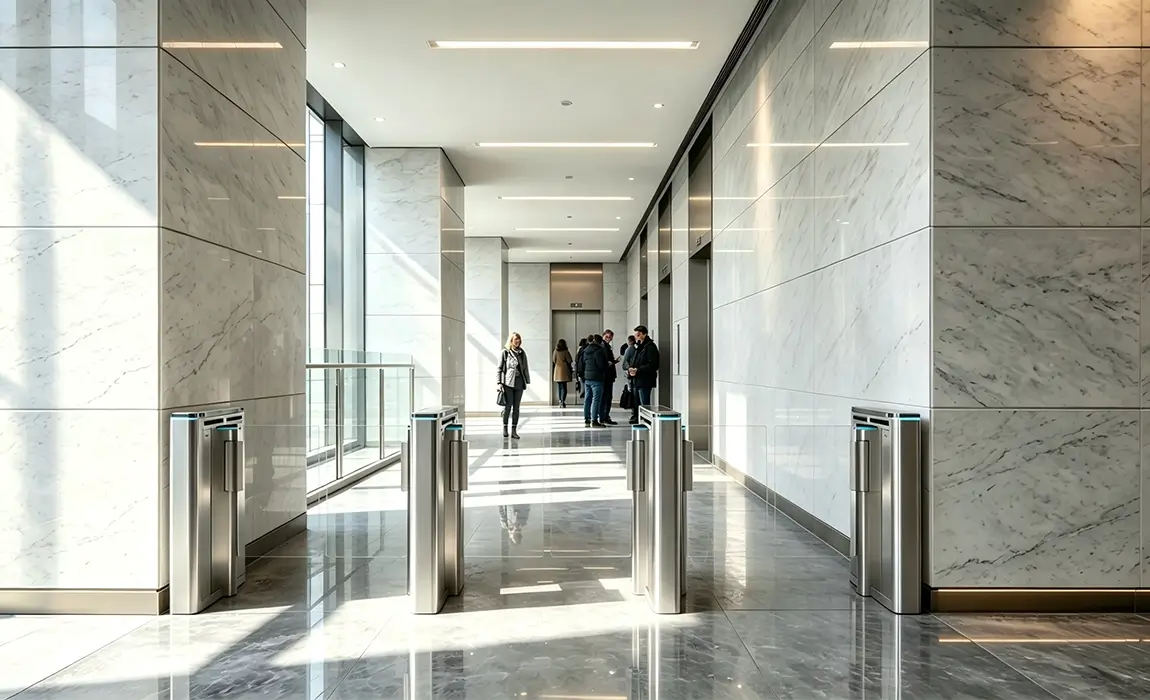

Many access control projects underperform because the gate type looks right on paper but fails to match real-world security needs. The choice between full height turnstiles and speed gates boils down to one key question: What does your entrance need to accomplish every day?
Full height turnstiles are the superior choice for sites requiring strong physical deterrence, strict one-person-at-a-time passage, and reliable perimeter protection. Speed gates excel in supervised indoor spaces where fast throughput, sleek design, and smooth entry are priorities. The right decision hinges on threat level, traffic patterns, user types, and installation environment—not just product style.
Some entrances exist to welcome people and move them efficiently; others must stop intrusion, reduce tailgating, and withstand harsh outdoor conditions. This is why full height turnstiles and speed gates are not interchangeable solutions—each is built to solve a distinct security challenge.
What Is a Good Height for an Access Control Gate?
A gate that’s too low may manage traffic effectively but won’t provide adequate resistance when security becomes the top priority. The ideal gate height depends entirely on the level of control your site requires.
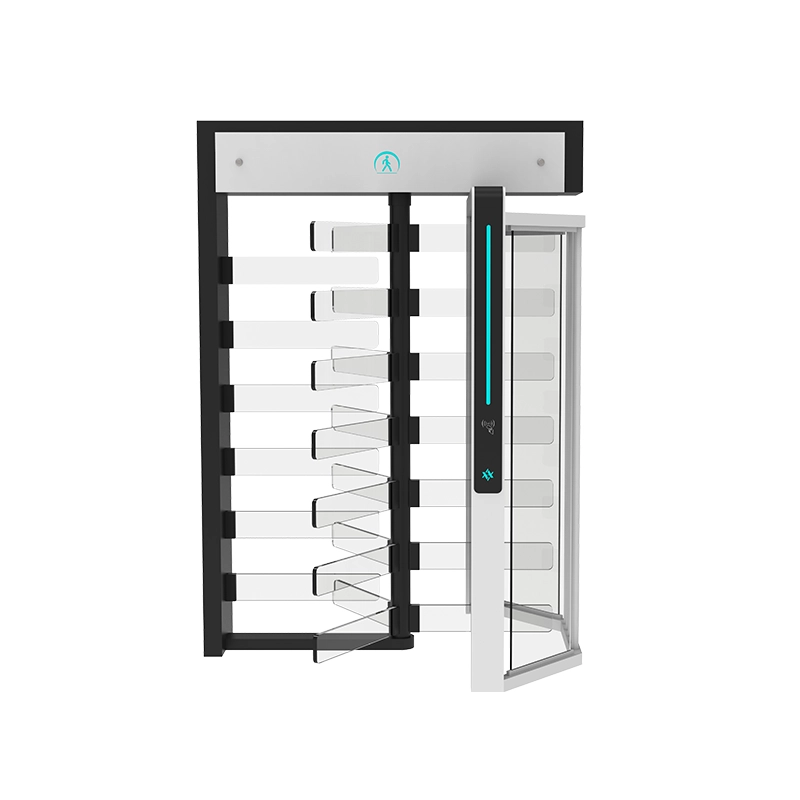
Lower gates, like speed gates, are sufficient for indoor access management where users are verified and monitored. Full height turnstiles, by contrast, are designed to prevent climbing, discourage forced entry, and create a robust physical barrier around restricted or outdoor areas.
Gate height impacts more than appearance—it directly influences how difficult it is to bypass the entry point. In low-risk settings (e.g., office lobbies with staff and cameras), a waist-high or chest-high barrier works well. In higher-risk environments, that same height may only signal control without actually enforcing it.
Why Height Matters in Access Control
Height changes the gate’s core role: a lower gate primarily manages authorized flow, while a full height gate adds physical restriction. This difference is critical in places where unauthorized entry could lead to safety risks, financial loss, or compliance violations.
Common Gate Height Logic by Application
| Gate Type | Height Logic | Typical Use |
|---|---|---|
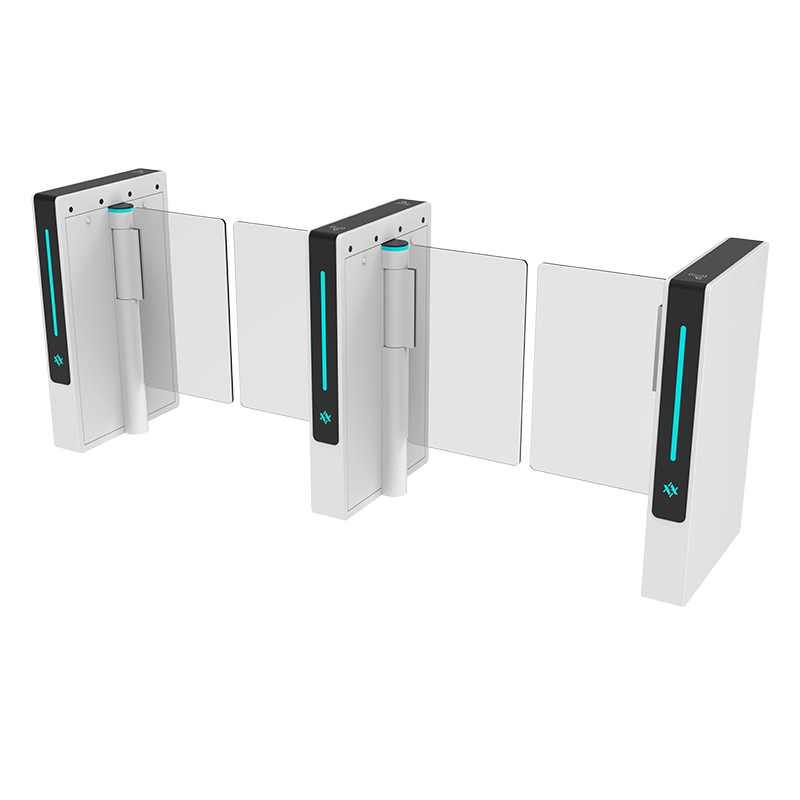
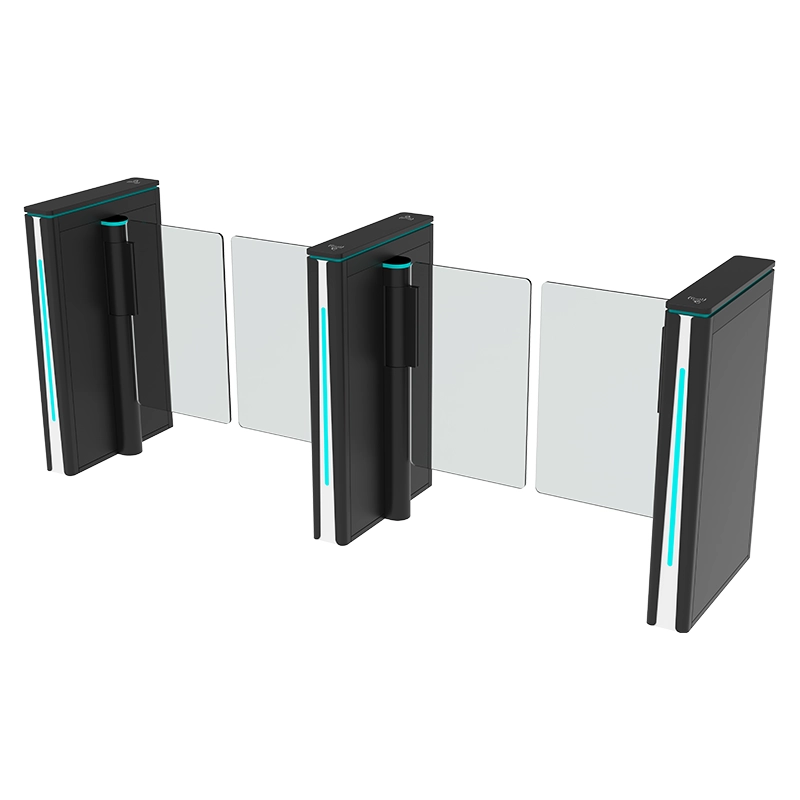
| Speed Gate | Low to mid-height barrier for guided access | Offices, commercial lobbies, hotels |
| Swing Gate | Mid-height barrier with wider passage | Accessible lanes, mixed user groups |
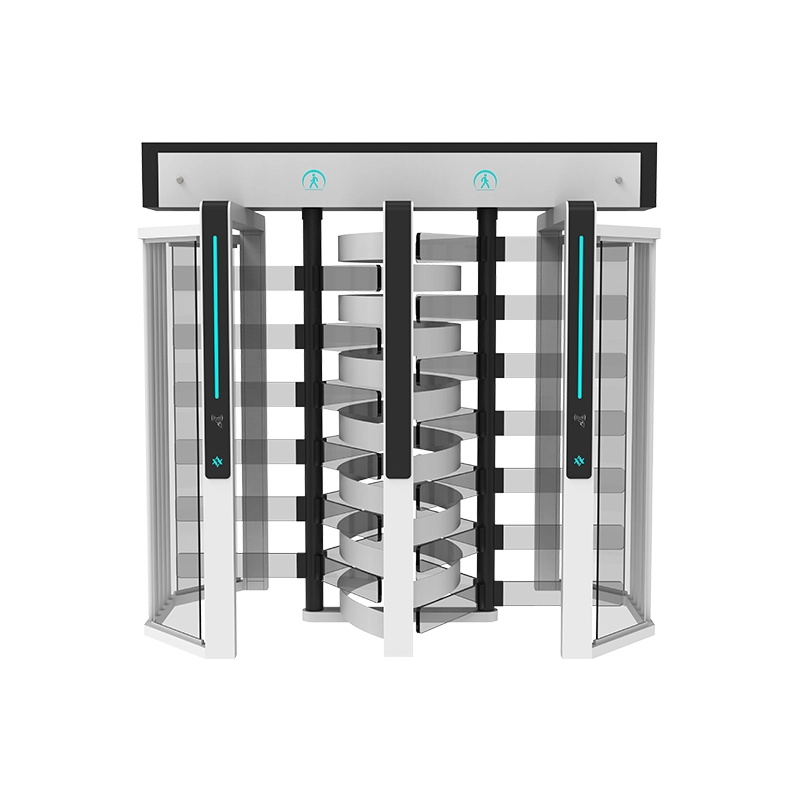
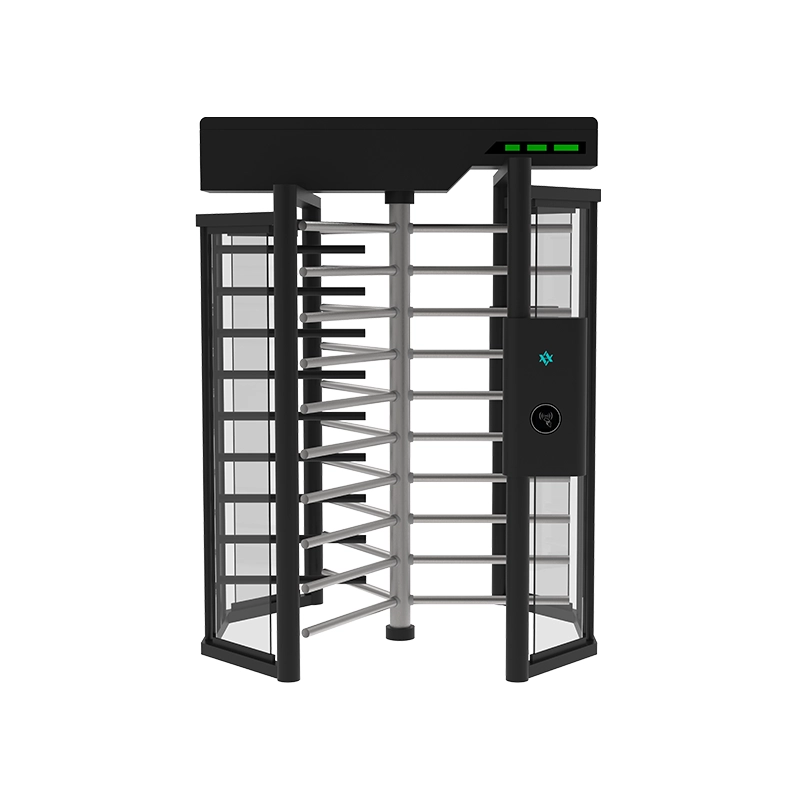
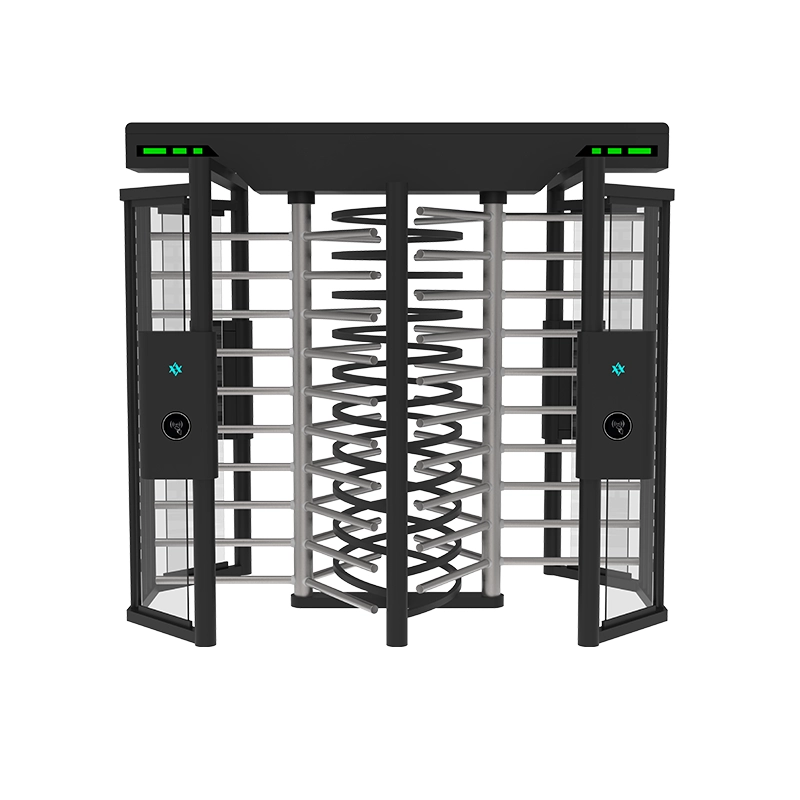
| Full Height Turnstile | Full body barrier for restricted entry | Factories, stadiums, perimeters, utility sites |
How Site Conditions Affect Height Choice
Indoor areas typically have controlled lighting, stable weather, and staff nearby—here, design and convenience often take priority. Outdoor or unsupervised areas need stronger physical resistance, as the gate may serve as the frontline of security.
A Practical Way to Judge the Right Height
Use this simple 3-step decision process to choose the right gate height:
- Assess bypass risk: If a person can easily step over, climb over, or tailgate without resistance, a lower gate may not be sufficient.
- Evaluate user flow: For high-volume traffic (e.g., office workers, guests), speed and comfort matter more—lower gates support this better.
- Review the surrounding security system: If the site has guards, cameras, or reception control, a lower gate can still perform well. If the gate must carry the bulk of the security burden alone, full height is the safer choice.
A good gate height isn’t the tallest option available—it’s the height that matches the actual level of control your entrance needs to deliver.
How Secure Are Speed Gates?
Speed gates often look advanced, leading many buyers to assume they offer the same security as heavier physical barriers. While speed gates are secure for supervised indoor entry points, they don’t provide the same level of physical protection as full height turnstiles—especially in sites facing tailgating, climb-over attempts, or forced intrusion.
Security in a speed gate system comes from multiple components working together: the gate itself, sensor logic, credential verification, lane design, and user supervision. This is why speed gates perform exceptionally well in corporate and commercial projects but aren’t the best fit for every security scenario.
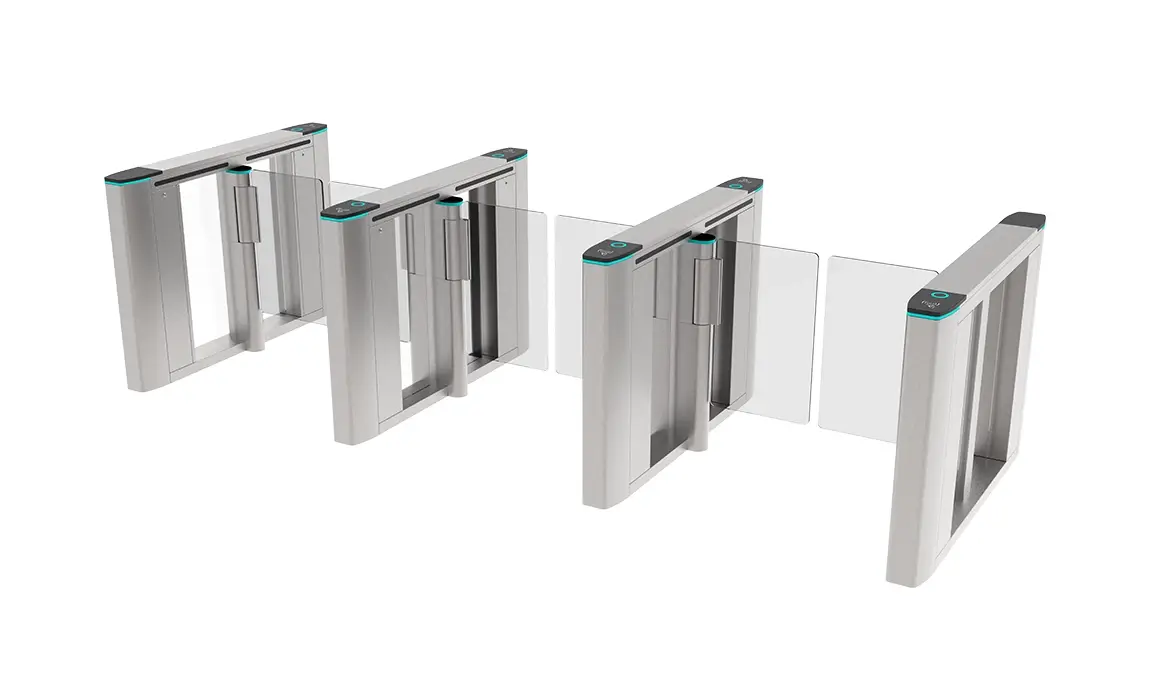
Where Speed Gates Excel
Speed gates thrive in environments with structured access control, such as offices and commercial lobbies. These sites often use RFID cards, QR codes, biometrics, or face recognition—technologies that pair seamlessly with speed gates’ fast opening/closing and modern design.
Main Security Strengths of Speed Gates
| Security Feature | Performance in Speed Gates |
|---|---|
| Credential-based access | Strong |
| Throughput control | Strong |
| Alarm linkage | Strong |
| Tailgating detection | Moderate to strong |
| Physical intrusion resistance | Moderate |
Where Speed Gates Are Limited
The primary weakness of speed gates is physical resistance. Even with accurate sensors, their barrier is relatively open compared to a full height cage structure. A determined intruder may find opportunities to jump, force, or tailgate through the lane if the site lacks extra supervision.
Security Is Context-Dependent
A speed gate in a staffed office lobby can be highly secure because it operates within a larger management system. The same gate at an isolated perimeter entrance, however, may be far less secure due to the lack of surrounding support.
Key Comparison: Full Height Turnstiles vs Speed Gates
- Physical deterrence: Full height turnstiles create a stronger visual and physical obstacle; speed gates rely more on detection and controlled permission.
- User behavior: Speed gates work best with legitimate users trained to follow access rules; full height turnstiles handle deliberate misuse better.
- Security objective: Speed gates suffice for efficient authorized access; full height turnstiles are better for stopping unauthorized passage.
In short, speed gates are secure—but their security is conditional. They are best viewed as controlled-access devices, not maximum-barrier solutions.
What Are the Disadvantages of Turnstiles?
Turnstiles improve access control, but stronger control often comes with trade-offs in comfort, openness, and flexibility. These drawbacks are most noticeable in sites prioritizing premium visitor experiences, barrier-free movement, or a soft architectural style.
The term “turnstile” covers multiple product types, and disadvantages become more pronounced as designs grow more restrictive. Full height turnstiles offer strong security, but that strength can make them unsuitable for commercial or public-facing environments.
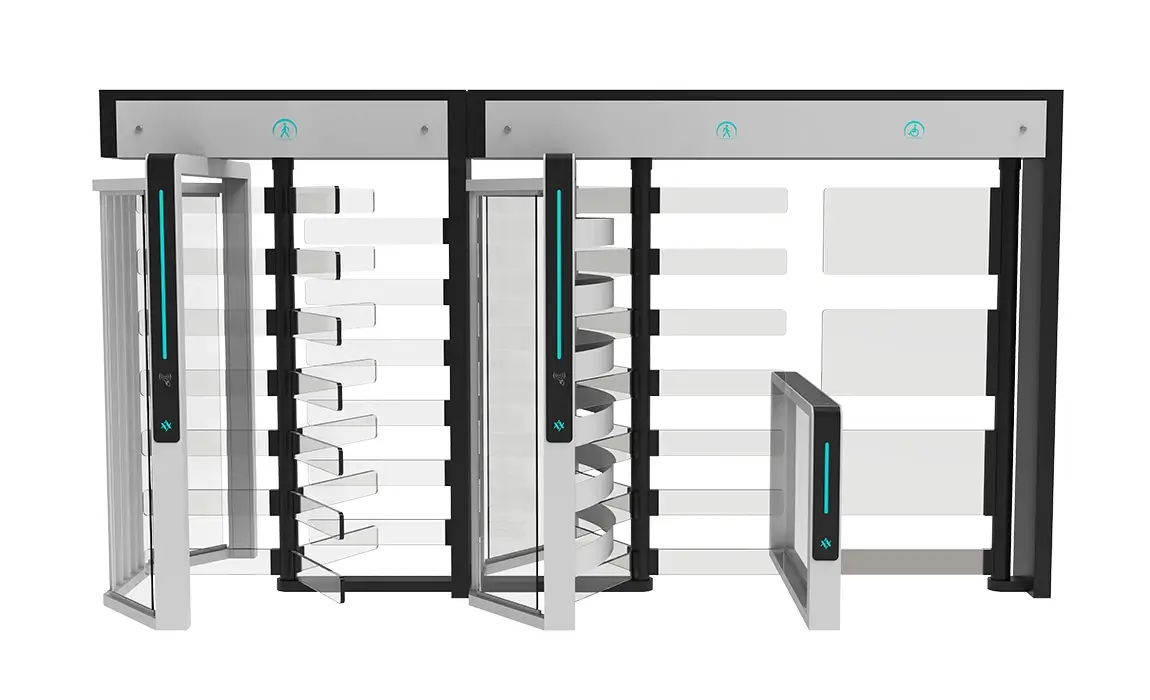
The Most Common Drawbacks
| Disadvantage | Why It Matters |
|---|---|
| Less open user experience | Can feel strict or industrial |
| Limited accessibility in standard lanes | May not suit wheelchairs, strollers, or carts |
| Lower aesthetic flexibility | May not match premium interiors |
| Slower handling of bulky items | Bags and deliveries can create friction |
| Stronger space demands | Layout planning becomes more important |
User Experience Can Suffer
Full height turnstiles are designed to control movement, which is valuable in high-security sites but can make daily passage feel unnatural. In office towers, hotels, or mixed-use properties, this may conflict with the desired tone of the entrance.
Accessibility Requires Extra Planning
Most turnstile layouts need side gates or wider companion lanes for people with mobility devices, service carts, or luggage. Without this planning, the entry point becomes less practical for a diverse range of users.
Design Limitations in Premium Spaces
Architectural goals are critical in front-of-house areas. Speed gates fit better in sleek interiors due to their light, open design, while full height turnstiles are more functional in appearance—limiting their use in premium settings.
Turnstiles Can Impact Flow in Special Situations
Turnstiles manage one-person passage well, but they aren’t ideal for all traffic types. Group arrivals, event surges, and large carried items can slow lanes, even if the gate itself operates normally.
A Balanced View of Disadvantages
These drawbacks don’t make turnstiles a poor choice—they simply show turnstiles are specialized tools. They work best where security control matters more than presentation, and less well where convenience, hospitality, or flexible movement is central.
In most projects, the solution isn’t to reject turnstiles entirely, but to place them strategically. For example, use full height turnstiles at perimeter entrances and speed gates in inner lobbies. This layered approach minimizes the weaknesses of each product type.
Are Speed Gates Accurate?
A speed gate’s accuracy is about more than fast motion—it depends on reliable sensors, stable control logic, and seamless access control integration. Speed gates can be highly accurate when properly designed, installed, and calibrated; poor installation or tuning can degrade performance, even with high-quality hardware.
Access control accuracy has four key components: identifying the right user, responding at the right time, detecting abnormal movement, and recording events correctly. A failure in any of these areas can cause user frustration or security gaps.
What Accuracy Includes in Practice
| Accuracy Area | What It Means |
|---|---|
| Credential recognition | Valid users are identified correctly |
| Passage detection | The system reads movement through the lane correctly |
| Tailgating response | The gate reacts when a second person follows |
| Event recording | Access logs match actual entry events |
Sensor Quality Is Critical
Infrared sensors, passage logic, and lane timing all influence how accurately the gate interprets movement. Better sensors and precise tuning lead to more stable, reliable results.
Integration Quality Matters Just as Much
Speed gates are typically connected to a larger access control system, which may include card readers, QR scanners, biometrics, visitor software, or elevator control. Poor communication between these systems can cause delayed openings, false denials, or inconsistent alarms.
Common Factors That Affect Speed Gate Accuracy
- Installation alignment: Incorrect lane width, sensor position, or floor conditions can lead to misread passage.
- Calibration settings: Lanes for fast office traffic need different timing than those serving visitors or mixed-use traffic.
- User behavior: Accuracy is easier to maintain when users follow one-person entry rules; crowding, rushing, or tailgating reduces accuracy.
- Site environment: Lighting, dust, moisture, and traffic patterns can impact long-term performance.
Why Speed Gates Still Perform Well in Many Projects
In supervised indoor settings, speed gates are extremely effective—combining fast passage with strong sensor logic. They’re especially suitable for sites prioritizing efficient processing of authorized users over maximum physical restraint.
Simple Comparison: Speed Gates vs Full Height Turnstiles
| Factor | Speed Gates | Full Height Turnstiles |
|---|---|---|
| Credential handling speed | High | Moderate |
| Comfort in high-flow indoor use | High | Lower |
| Physical enforcement | Moderate | High |
| Tailgating deterrence by structure | Lower | Higher |
| Fit for premium interiors | Strong | Limited |
Speed gates can be accurate—but only when the full system is designed, installed, and maintained properly. Accuracy isn’t just a product claim; it’s the result of good engineering and correct application.
My Insights: When to Choose Full Height Turnstiles Over Speed Gates
Struggling to balance entry point security with user convenience? The answer lies in matching your gate type to your site’s unique needs.
Choose full height turnstiles for high-security areas, outdoor perimeters, or unmanned sites requiring maximum deterrence and anti-trespassing measures. Opt for speed gates when aesthetics, speed, and user convenience are the top priorities.
Comparing Full Height Turnstiles and Speed Gates for Security Solutions
Full Height Turnstiles
Best Fit: High-security locations like prisons, industrial plants, military facilities, and stadium perimeters.
Key Advantages:
- Maximum Security: Prevents tailgating, climbing, and unauthorized entry through robust physical barriers.
- Durable Design: Thrives in unmanned settings and harsh outdoor environments.
- Strong Deterrence: Provides a visually imposing barrier for restricted areas.
Speed Gates
Best Fit: Offices, airports, retail spaces, and areas focusing on fast throughput and user experience.
Key Advantages:
- Fast User Flow: Ensures convenience during high traffic while maintaining basic access control.
- Modern Aesthetics:Complements sleek indoor facilities with open, welcoming designs.
| Criteria | Full Height Turnstiles | Speed Gates |
|---|---|---|
| Security Level | High (physical barrier prevents bypass) | Moderate (less resistance to intrusion) |
| Application | Outdoor or restricted perimeters | Indoor spaces with high traffic |
| Throughput Speed | Slower | Faster |
| Maintenance Needs | Low durability-focused | Medium electronics-focused |
| Aesthetics | Functional | Sleek and office-focused |
Conclusion
The choice between full height turnstiles and speed gates is simple: full height turnstiles suit sites that need stronger physical control, durability, and maximum deterrence. Speed gates are ideal for indoor spaces prioritizing fast flow, modern design, and user convenience. By aligning your gate choice with industry guidelines from the Security Industry Association and your site’s threat level, traffic patterns, and aesthetic goals, you’ll create a secure, efficient access control system that meets both your security and user experience needs.
](https://aipadaturnstile.com/wp-content/uploads/2025/11/AT107-TC-01.webp)
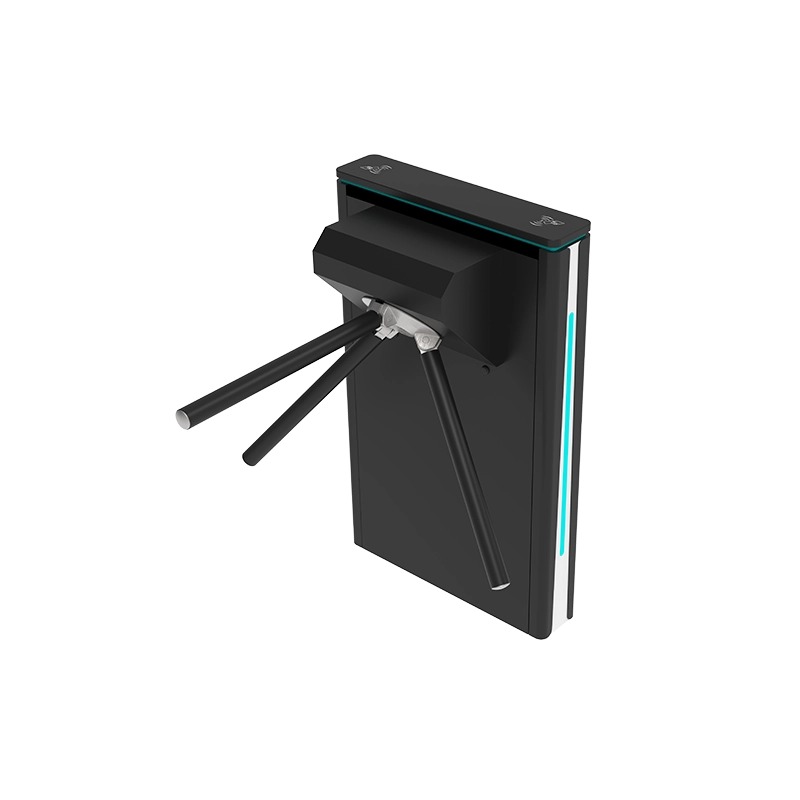](https://aipadaturnstile.com/wp-content/uploads/2025/12/vertical-tripod-turnstile.jpg)
](https://aipadaturnstile.com/wp-content/uploads/2025/12/popup-img.jpg)