

Choosing the right access control system is a critical decision for any facility. It involves balancing security, traffic flow, and budget. By 2026, understanding the total cost of ownership for both flap barriers and turnstiles will be essential for making an informed investment.
Selecting an access control system requires evaluating total cost of ownership, including initial purchase, installation, maintenance, and integration, to ensure long-term efficiency and security rather than focusing solely on upfront prices. The landscape of access control technology is constantly evolving, making a comprehensive cost analysis more important than ever for future-proof installations.
The dynamics of access control technology are constantly shifting, with new innovations and demands emerging regularly. Making the correct choice today can prevent significant operational and financial issues in the future. This article will explore flap barriers and turnstiles to understand their actual costs and benefits.
What is the Problem with the Flap Barrier?
Flap barriers[^1] offer a modern and efficient solution for pedestrian access control. However, they come with specific challenges that can affect their long-term cost and operational effectiveness. These issues are crucial for facilities to consider during the decision-making process.
Flap barriers often present challenges related to their vulnerability to misuse, potential for mechanical wear in high-traffic areas, and specific maintenance requirements, all of which can increase the total cost of ownership over their lifespan. Understanding these potential problems is vital for any organization considering flap barriers, particularly in environments with heavy foot traffic or where security bypass attempts are common.
While flap barriers are known for their speed and sleek design, their inherent limitations can lead to unexpected costs and operational interruptions.
Common Flap Barrier Challenges
Flap barriers are effective for managing high volumes of pedestrian traffic, but they do face several operational issues. These issues directly impact their long-term cost and efficiency.
- Tailgating Vulnerability: One common problem is tailgating, where unauthorized individuals attempt to pass through directly behind an authorized user. While modern systems include anti-tailgating sensors, continuous attempts can reduce overall security effectiveness.
- Mechanical Wear and Damage: The moving flaps and their mechanisms are subject to wear and tear, especially in busy environments. Physical impacts, whether accidental or intentional, can damage the flaps or internal components, leading to repair needs.
- Maintenance Requirements: Compared to some turnstile types, flap barriers often have more intricate mechanical and electronic components. This can lead to more frequent or specialized maintenance to ensure smooth and reliable operation. Motors, sensors, and the flap materials themselves require periodic checks.
- Potential for Jamming: Objects or individuals obstructing the path of the retracting flaps can cause the system to jam. This interrupts traffic flow and often requires manual intervention to clear the blockage and reset the barrier.
- Cost of Component Replacement: Replacing specific electronic or mechanical parts within a flap barrier can be costly. The need for specialized parts and technical expertise contributes to higher repair expenses.
- Environmental Sensitivity: Flap barriers are typically designed for indoor or protected environments. Exposure to harsh weather conditions, dust, or extreme temperatures can affect their performance and durability over time.
Comparing Flap Barrier Operational Aspects
A comparative look at the challenges presented by flap barriers.
| Challenge | Operational Impact | Mitigation Strategies |
|---|---|---|
| Tailgating | Security breaches, potential for increased surveillance needs | Advanced sensor technology, integrated surveillance systems |
| Physical Damage | Repair costs, system downtime, reduced lifespan | Durable materials, robust internal mechanisms |
| Higher Maintenance Needs | Increased operational expenses, service interruptions | Regular preventative maintenance, modular component design |
| System Jamming | Traffic flow disruption, need for manual intervention | Intelligent obstacle detection, smooth mechanism design |
| Component Replacement | High repair costs, potential for extended downtime | Readily available spare parts, standardized components |
These challenges underscore the importance of considering the complete operational lifecycle of flap barriers. The initial purchase price is only one part of the financial equation; ongoing maintenance and potential repairs significantly contribute to the overall cost.
Are Turnstiles Still Used?
Yes, turnstiles are widely used and continue to be a foundational element in access control systems across various sectors. Their enduring presence is a testament to their reliability, effectiveness, and adaptability in managing pedestrian traffic and enhancing security.
Turnstiles remain highly relevant in modern access control, valued for their proven reliability, robust physical security, and efficient one-at-a-time passage control, alongside their increasing capability for seamless integration with advanced identification technologies. Their continuous evolution allows them to meet contemporary security demands while offering a cost-effective and durable solution for managing pedestrian flow in diverse environments.
Despite the emergence of newer access control technologies, turnstiles have maintained their position as a preferred solution for many facilities. They have successfully integrated modern features while retaining their core benefits.
The Continued Relevance of Turnstiles
Turnstiles, in their various forms, have a long history of effective use. They provide a straightforward and robust method for controlling entry and exit, proving their value across numerous applications.
- Proven Reliability: Turnstiles are known for their high reliability, often featuring simpler mechanical designs compared to more complex speed gates. This simplicity translates to fewer points of failure and consistent operation over long periods.
- Exceptional Durability: Many turnstile types are constructed from robust materials, such as stainless steel, designed to withstand heavy usage and challenging environmental conditions. This durability ensures a long operational lifespan, reducing the need for frequent replacements.
- Effective Physical Barrier: Turnstiles create a clear physical barrier that enforces one-at-a-time passage. This is highly effective in deterring unauthorized entry and preventing tailgating, providing a strong layer of security.
- Cost-Effectiveness: While initial costs vary by type and features, many turnstiles offer a lower total cost of ownership due to their minimal maintenance requirements and extended operational life. This makes them an economical choice in the long run.
- Versatile Integration: Modern turnstiles are designed for seamless integration with a wide range of access control technologies. These include RFID card readers, biometric scanners (fingerprint, facial recognition), QR code readers, and other credential verification systems.
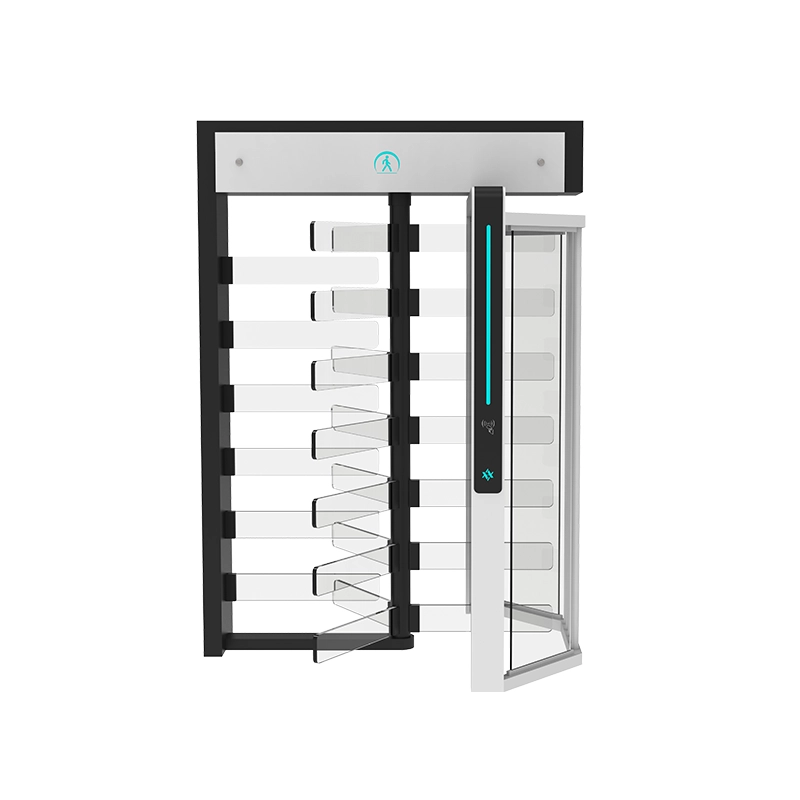
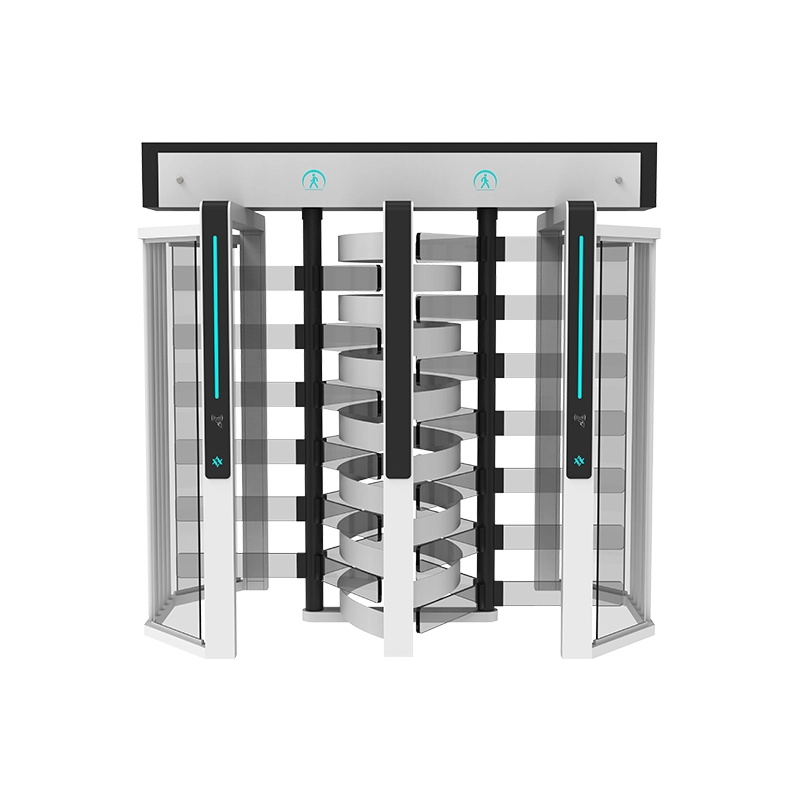
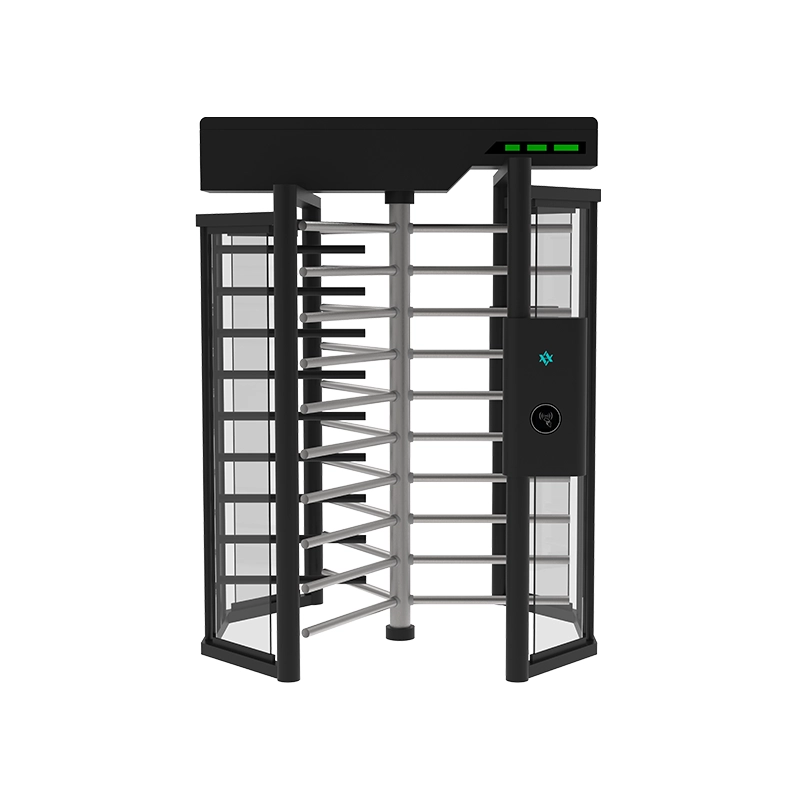
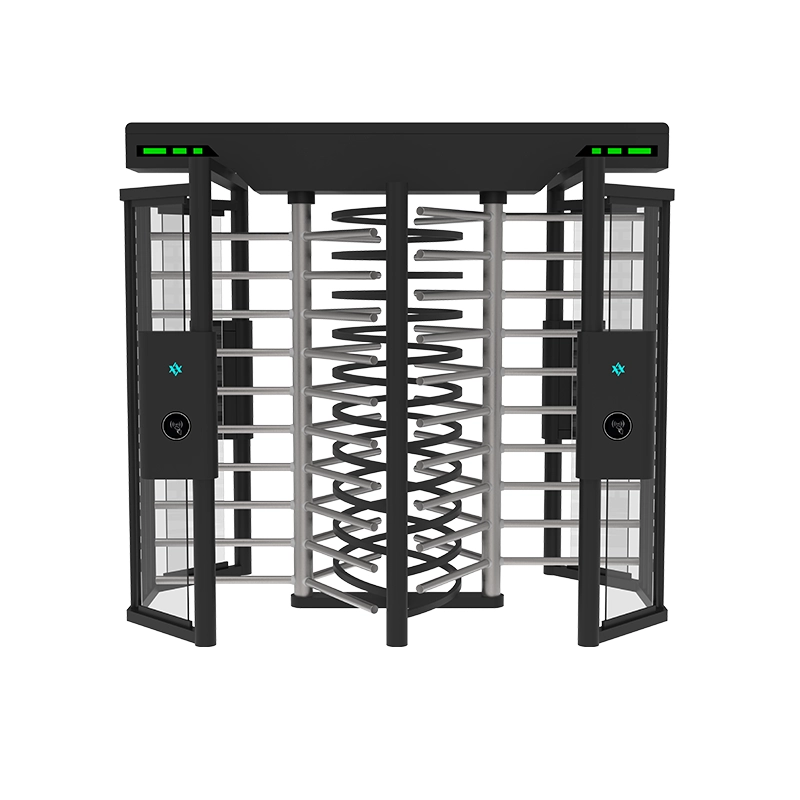
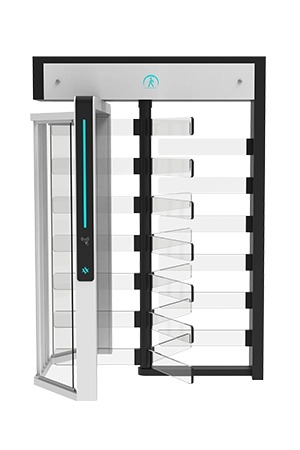
- Diverse Applications: From low-security environments like gyms to high-security areas like data centers or correctional facilities, there is a turnstile model suited for almost every requirement, including tripod turnstiles, swing gates, and full-height turnstiles.
Why Turnstiles Maintain Their Popularity
Here is an overview of the key reasons turnstiles are still a preferred choice.
| Factor | Turnstile Advantage | Typical Application |
|---|---|---|
| Reliability | Consistent operation with fewer mechanical issues | High-traffic public transport, corporate offices |
| Durability | Built to endure heavy use and challenging environments | Industrial sites, stadiums, outdoor venues |
| Physical Security | Strong barrier prevents unauthorized access and tailgating | Secure facilities, event entrances |
| Long-Term Cost | Lower total cost of ownership due to reduced maintenance | Any facility seeking economical long-term solutions |
| Integration Capacity | Compatible with modern credentialing technologies | Smart buildings, visitor management systems |
The continued widespread use of turnstiles highlights their fundamental effectiveness. They provide a practical, secure, and adaptable solution for pedestrian access control in various settings.
What Makes a Turnstile So Good?
Turnstiles are highly regarded in the access control industry for several fundamental reasons. Their effectiveness stems from a combination of robust design, efficient operation, and adaptability to various security and traffic management needs.
Turnstiles are considered highly effective due to their exceptional durability, ability to enforce strict one-at-a-time passage, low maintenance requirements, and seamless integration with diverse access control technologies, providing a reliable and cost-efficient solution for secure pedestrian flow. These core strengths ensure turnstiles deliver consistent performance and long-term value in a multitude of environments.
Beyond their basic function, turnstiles offer distinct advantages that contribute to their overall effectiveness and value as an access control solution.
Core Strengths of Turnstiles
The "goodness" of turnstiles lies in their ability to deliver consistent performance and security benefits across diverse applications.
- Unrivaled Durability and Operational Lifespan: Turnstiles are built for longevity. Their robust mechanical components and heavy-duty construction materials, such as high-grade stainless steel, allow them to withstand millions of cycles. This extended lifespan significantly reduces the need for frequent replacements, contributing to lower long-term costs.
- Effective One-at-a-Time Passage: The primary function of a turnstile is to ensure that only one person passes per valid credential. This physical enforcement is highly effective in preventing tailgating and unauthorized entry, making it a critical component in security strategies.
- Low Maintenance Requirements: Compared to more intricate access control systems, many turnstiles have simpler mechanisms. This design leads to fewer moving parts that can fail, resulting in reduced maintenance needs and lower operational expenses over time.
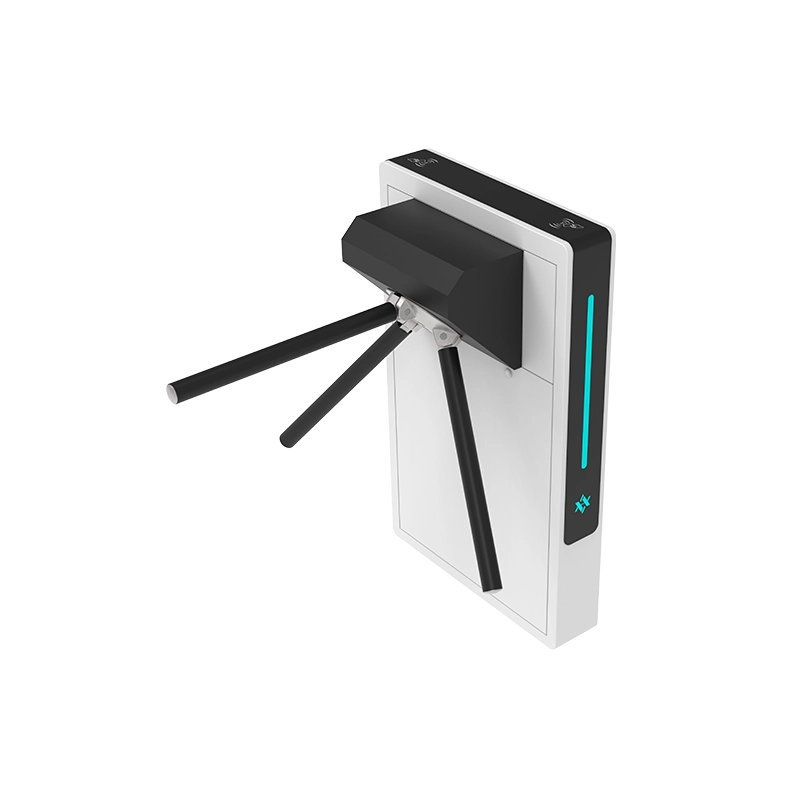
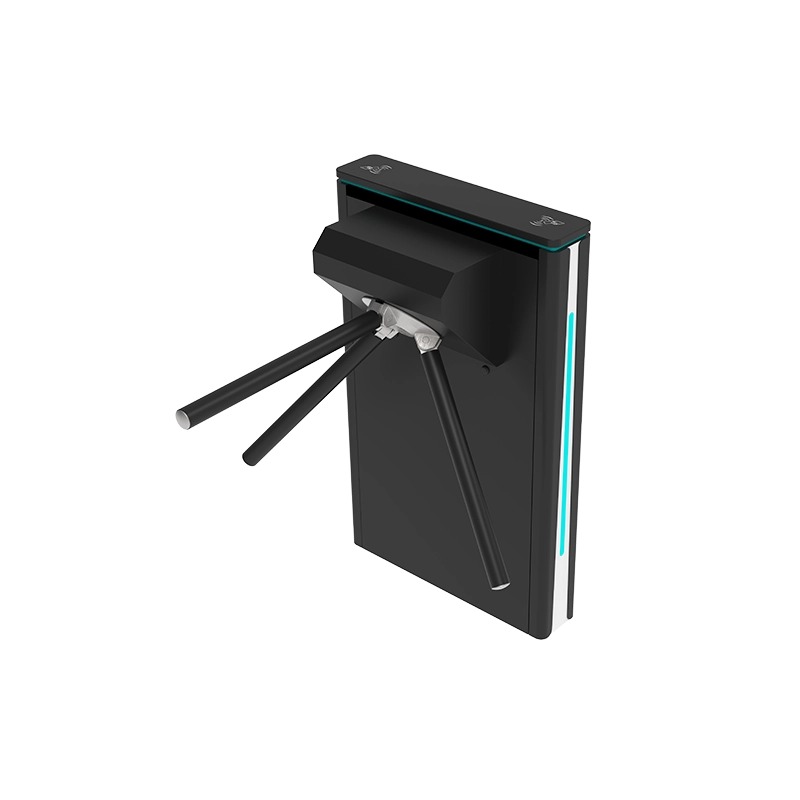
- Adaptable Security Levels: The range of turnstile types allows facilities to choose a solution that precisely matches their security requirements. From waist-high tripod turnstiles for basic crowd control to full-height turnstiles for maximum security, the options are extensive.
- Seamless Integration with Modern Systems: Contemporary turnstiles are designed for easy integration with various access control technologies. This includes biometric readers (fingerprint, facial recognition), RFID card readers, QR code scanners, and intercom systems. This flexibility allows for future upgrades and system expansions.
- Energy Efficiency: Many modern turnstiles incorporate energy-efficient motors and standby modes, reducing their power consumption. This aspect contributes to lower operating costs and a reduced environmental footprint.
- Versatility in Design and Function: Turnstiles are not purely functional. They can be designed to blend with architectural aesthetics, offering various finishes, materials, and styles to complement different building designs.
Turnstile Advantages Overview
A summary of the core benefits that make turnstiles a superior choice.
| Benefit | Description | Impact on Facility Operations |
|---|---|---|
| High Durability | Constructed for extended operational life and heavy use | Reduced replacement costs, consistent uptime |
| Strict Passage Control | Ensures one authorized person passes at a time | Enhanced security, effective tailgating prevention |
| Minimal Maintenance | Simple, robust mechanics lead to fewer repairs and lower upkeep | Lower operational budget, less downtime |
| Flexible Security Options | Wide range of types to match specific security needs | Customized security solutions, optimal resource allocation |
| System Integration | Compatible with various identification and access control platforms | Future-proof investment, scalable security infrastructure |
| Energy Efficiency | Reduced power consumption during operation | Lower utility costs, environmentally conscious operation |
The combination of these attributes makes turnstiles a highly reliable, secure, and cost-effective access control solution for diverse applications.
What are the Different Types of Flap Barriers?
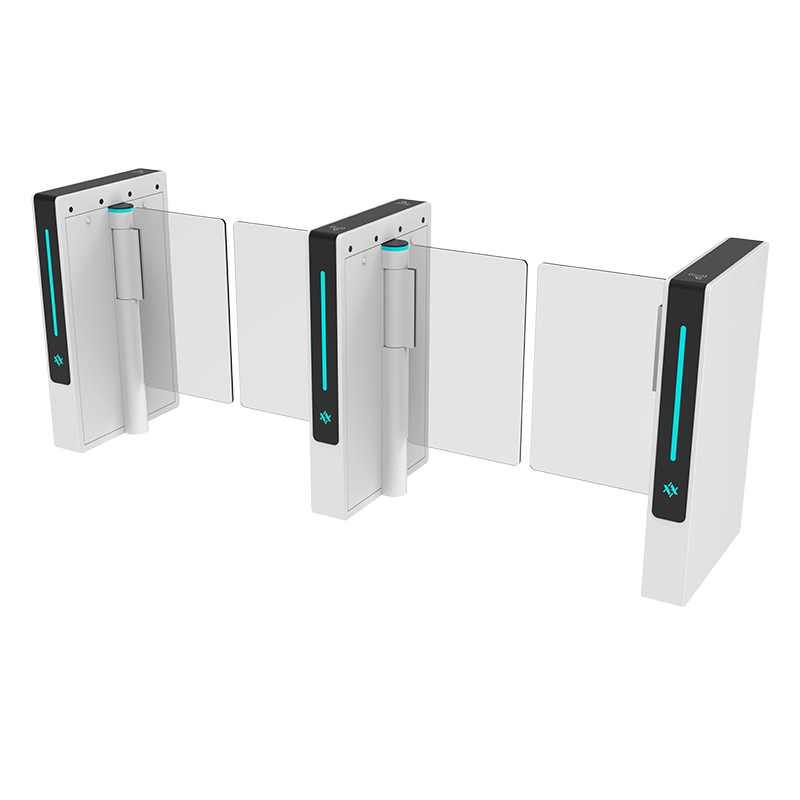
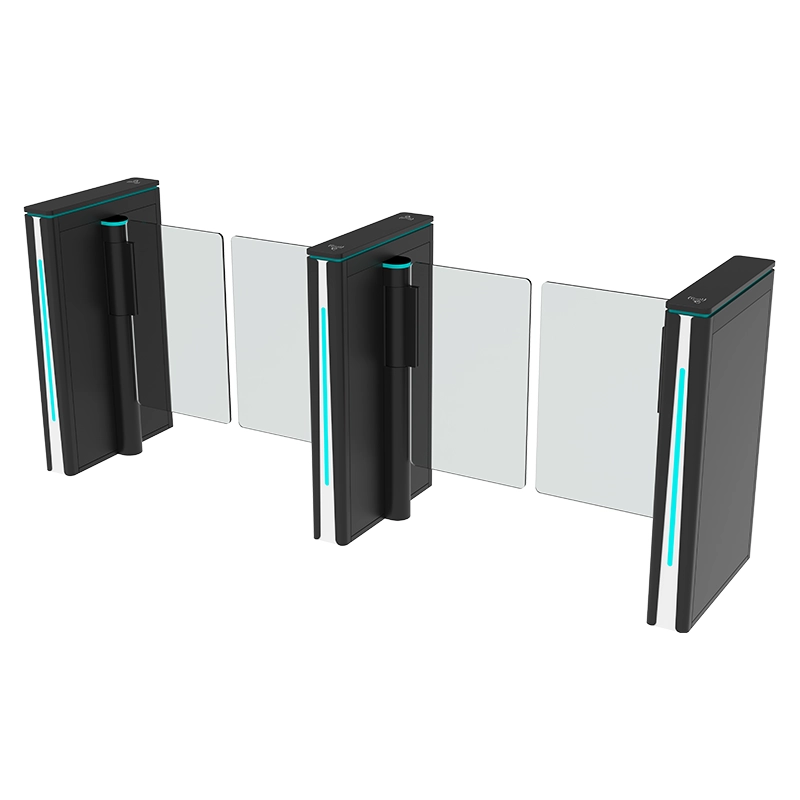
Flap barriers, also known as speed gates[^2], are a specific category of turnstiles designed for rapid pedestrian throughput and a modern aesthetic. While they share a common principle of retractable barriers, they come in several distinct types, each suited for different operational needs and architectural preferences.
Flap barriers are categorized by their specific barrier design, width, and operational speed, primarily including single-flap, dual-flap, and wide-lane variants, each tailored to accommodate varying pedestrian traffic volumes, accessibility requirements, and aesthetic integration within facilities. Understanding these distinctions is crucial for selecting the most appropriate flap barrier solution for a given environment.
The variety within flap barriers allows facilities to choose a system that optimizes both functionality and visual appeal for their specific entrance points.
Common Flap Barrier Categories
Flap barriers operate by retracting a barrier (or "flap") to allow passage after successful credential verification. The differences lie in how these flaps are configured and their intended use.
- Single-Flap Barriers: This is the most common configuration. It features a single retractable panel, typically made of acrylic or glass, that moves into the barrier housing to create an open lane. These are efficient for standard pedestrian traffic.
- Configuration: A single flap on each side of the lane.
- Best Suited For: Corporate lobbies, office buildings, and internal access points with moderate traffic.
- Advantages: Sleek design, relatively compact footprint, good speed for single-person passage.
- Dual-Flap Barriers (Double-Flap Barriers): These barriers use two retractable panels that move to open the lane. This configuration often allows for a slightly wider lane or provides a more pronounced physical barrier when closed.
- Configuration: Two flaps, one on each side, retract into the housing.
- Best Suited For: High-traffic public transportation hubs, busy corporate campuses, and exhibition centers.
- Advantages: Enhanced visual deterrent, efficient for higher throughput, can accommodate slightly larger bags.
- Wide-Lane Flap Barriers: These are specifically designed with significantly wider lanes to accommodate individuals with wheelchairs, strollers, or large luggage. They are crucial for ensuring accessibility compliance and smooth passage for diverse users.
- Configuration: Extra-long flaps create a wide opening. Often includes enhanced sensor arrays for safety.
- Best Suited For: Airports, train stations, accessible entrances in public buildings, and venues requiring universal access.
- Advantages: Excellent accessibility, accommodates diverse users, complies with ADA and similar regulations.
- Glass Flap Barriers (Material Distinction): While not a distinct functional type, the use of tempered glass for the flaps is a popular aesthetic choice. Glass flaps offer a transparent and modern look, often preferred in high-end architectural settings.
- Configuration: Single or dual flaps made of glass.
- Best Suited For: Premium office buildings, luxury hotels, and environments where design integration is paramount.
- Advantages: Superior aesthetics, blends well with modern architecture, maintains an open feel.
Flap Barrier Type Comparison
A detailed look at the characteristics and ideal applications for each type.
| Flap Barrier Type | Flap Configuration | Lane Width | Primary Application | Key Benefit |
|---|---|---|---|---|
| Single-Flap Barrier | One panel per side | Standard (approx. 550mm) | Office buildings, internal access | Compact, modern aesthetic |
| Dual-Flap Barrier | Two panels per side | Standard (approx. 550mm) | High-traffic corporate, public transport | Enhanced visual deterrent, high throughput |
| Wide-Lane Flap Barrier | Extra-long panels | Wide (approx. 900mm+) | Airports, accessible entrances, hospitals | Accessibility, accommodating large items |
| Glass Flap Barrier | Single or Dual (glass) | Standard or Wide | High-end corporate, luxury venues | Premium aesthetics, transparent look |
The selection of a flap barrier type should align with the facility’s specific traffic patterns, security requirements, and desired aesthetic integration. Each type offers distinct advantages to meet diverse operational needs.
My Insights: Comparing Costs of Flap Barriers vs. Turnstiles in 2026
Concerned about security costs in 2026? Explore the differences between flap barriers and turnstiles to make an informed investment decision.
In 2026, flap barriers typically cost more upfront, ranging from $600–$4,000+ per lane due to advanced technology, while tripod turnstiles offer a cost-effective alternative between $300–$700, ideal for basic security needs.
Analyzing Cost Factors for Security Systems
Cost Comparison:
| Barrier Type | Typical Lane Cost (2026) | Key Features |
|---|---|---|
| Flap Barriers | $600–$4,000+ | Advanced features, higher security levels, sleek design |
| Tripod Turnstiles | $300–$700 | Basic security, lower cost, manual operation |
Upfront and Maintenance Costs: Flap barriers demand a higher initial investment due to sophisticated mechanisms and integration options, but they might incur more maintenance due to complexity.
Security vs. Cost Efficiency: While flap barriers offer advanced security features and faster throughput, tripod turnstiles provide a cost-effective solution for areas with basic security needs and low operation costs.
Space and Installation Considerations: Turnstiles generally require less space and have lower installation costs, making them suitable for environments where budget and space are primary concerns.
In 2026, understanding these cost dynamics can help choose the right barrier system to fit your budget and security requirements effectively.
Conclusion
Comparing flap barriers and turnstiles for 2026 requires a focus on total cost of ownership. Turnstiles offer durability and low maintenance for secure, reliable passage. Flap barriers provide speed and modern aesthetics but may incur higher long-term maintenance. The optimal choice depends on specific security, traffic, and budget considerations.
](https://aipadaturnstile.com/wp-content/uploads/2025/11/AT107-TC-01.webp)
](https://aipadaturnstile.com/wp-content/uploads/2025/12/vertical-tripod-turnstile.jpg)
](https://aipadaturnstile.com/wp-content/uploads/2025/12/popup-img.jpg)