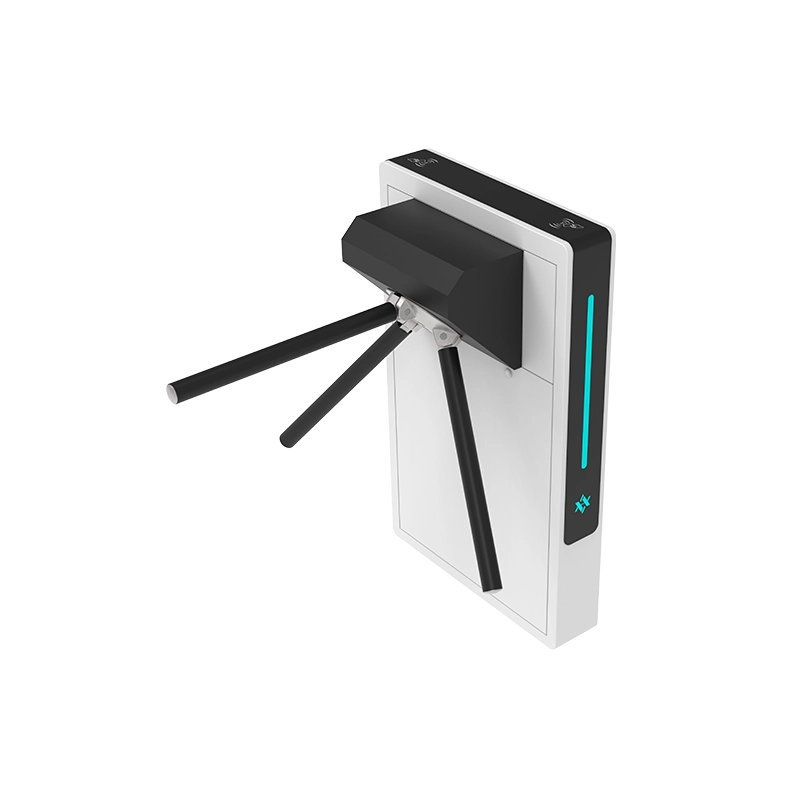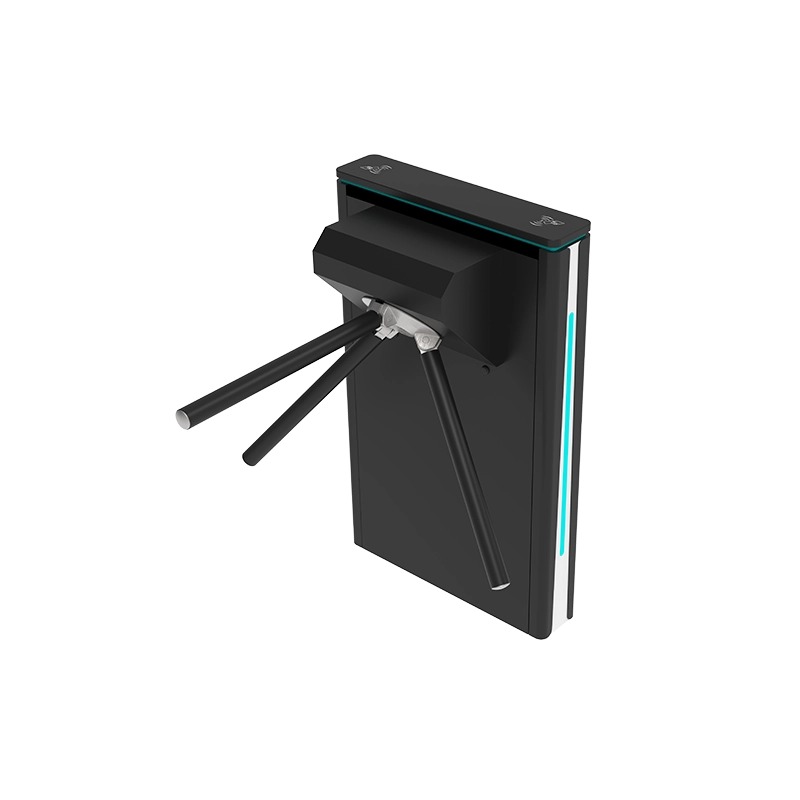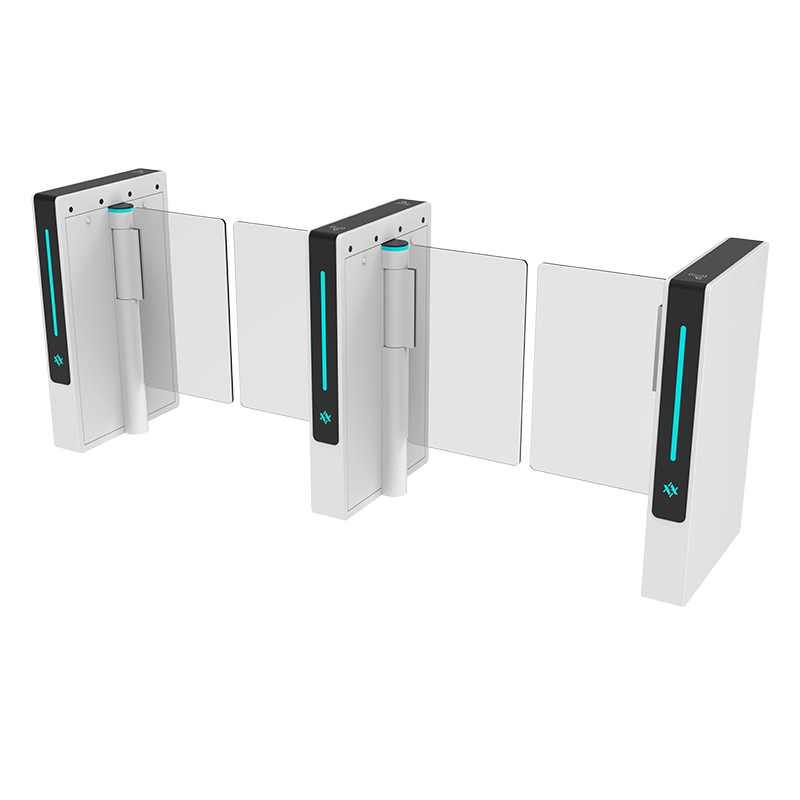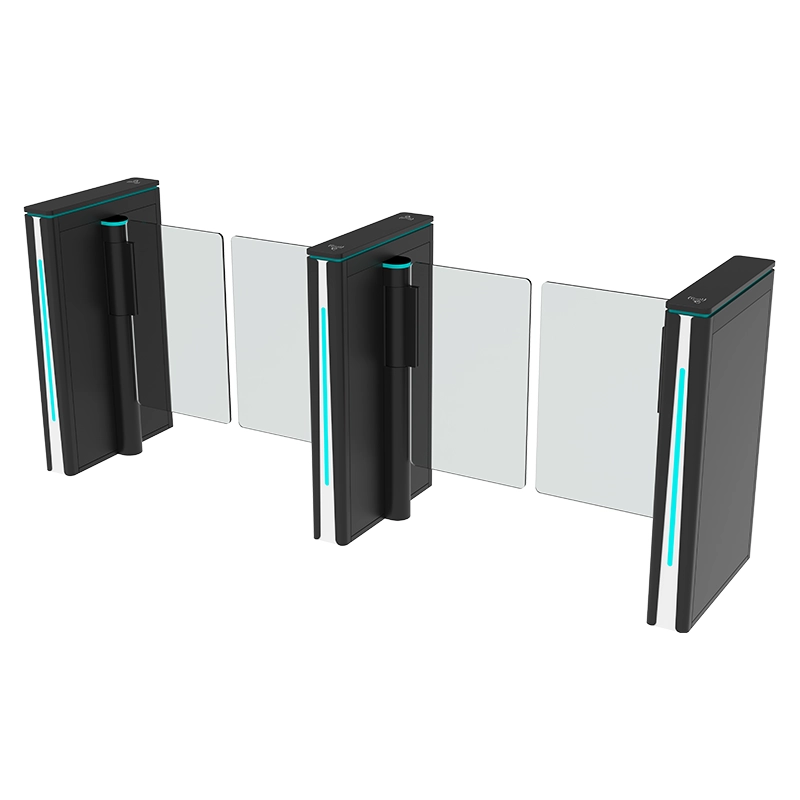

A security swing gate is not tested only when an authorized employee presents a card and walks normally through the lane. Its real security value appears when something unexpected happens: a second person follows closely, someone approaches from the wrong direction, a visitor pushes the barrier, or an object remains inside the passage.
These incidents cannot be evaluated from cabinet appearance or barrier height alone. The gate, sensors, access controller, credential reader, alarms, cameras and security staff form one entrance-control process. A weakness in any part of that process can reduce the effectiveness of the complete entrance.
Security principle: Do not ask only whether a swing gate can open and close. Ask how the complete entrance detects, records and responds when passage does not follow the authorized sequence.
What This Security Review Covers
This guide examines six realistic entrance failure scenarios:
- One authorized person is followed by another person.
- A person enters from the wrong direction.
- Someone pushes or forces the swing barrier.
- A person or object remains inside the passage.
- Someone attempts to climb over or bypass the gate.
- The entrance operates without sufficient staff supervision.
The purpose is not to claim that every security swing turnstile responds identically. Sensor quantity, detection zones, controller logic, alarm outputs and barrier construction vary between models. These functions must be confirmed for the selected gate and tested after installation.
Start With an Entrance Threat Map
Before selecting equipment, mark where unwanted entry could occur. The drawing should include the controlled lane, side gaps, reception desk, nearby doors, walls, queue area and the point at which a credential is presented.
For each potential incident, identify four things:
- Detection: What device or person notices the event?
- Decision: What logic determines that the movement is abnormal?
- Response: Does the gate remain closed, stop, reopen or produce an alarm?
- Record: Is the event stored or associated with camera footage?
This approach separates a security requirement from a vague product feature. For example, “anti-tailgating” is not a complete requirement until the project defines the spacing, direction and user behaviour that the system must recognize.

Scenario 1: A Second Person Follows an Authorized User
An employee presents a valid card and enters. A second person moves closely behind without presenting another credential. This is commonly described as tailgating, although the exact event can range from accidental close following to deliberate unauthorized entry.
What the system must distinguish
The entrance must distinguish one complete authorized passage from two people moving under one authorization. This can be difficult when people carry bags, wear loose clothing or walk very closely together. A single basic presence detector may confirm that the lane is occupied without reliably determining how many people entered.
Expected response
Depending on the model and configured logic, the gate may keep the barrier controlled, produce an audible or visual alarm, send an event to the access system or alert nearby staff. The correct response should not create a greater safety risk by closing the barrier onto a person.
What to verify on site
- Which sensor zones are used to identify entry progression?
- Can the system distinguish close followers from luggage?
- What happens when two people enter side by side?
- Does the gate generate an alarm output?
- Can the event be matched with access records or video?
- Who is expected to respond to the alarm?
A swing gate alone should not be treated as a guaranteed one-person authentication system. Higher-risk entrances may require more detailed sensing, camera support and active staff response.
Scenario 2: A Person Approaches From the Wrong Direction
A lane is authorized for entry, but a person approaches from the exit side. This may be an innocent mistake caused by unclear signs or a deliberate attempt to use an open gate before it closes.
Why layout matters
Wrong-way events often begin before the person reaches the barrier. If lane indicators are difficult to see, people may enter the incorrect channel. If the exit side leads directly into an uncontrolled public area, someone may approach the lane while an authorized user is still passing.
Expected response
A properly configured security swing turnstile gate should follow the authorized traffic direction and reject movement from the opposite side. Depending on the installed sensors and logic, it may keep the barrier closed, cancel the passage sequence or trigger an alarm.
Commissioning test
Test wrong-direction entry under more than one condition:
- when the lane is idle;
- immediately after valid authorization from the opposite side;
- while an authorized person is completing passage;
- when two-way operation is enabled at different times;
- after the system recovers from an alarm.
Direction arrows and status lights should be visible before users enter the lane. Clear guidance reduces accidental alarms and helps staff focus on genuine security events.
Scenario 3: Someone Pushes or Forces the Barrier
A person may push the swing panel after access is denied, lean on it while waiting or strike it with luggage or a cart. The entrance must manage both deliberate force and accidental impact.
Security and safety are different questions
A rigid barrier may appear more secure, but it can create greater injury or equipment-damage risk during an impact. A protective response may allow limited movement, stop the motor, produce an alarm or require the barrier to be reset. The exact behaviour depends on the mechanism and controller design.
Questions for the supplier
- How does the mechanism respond to external force?
- Is mechanical or electronic impact protection provided?
- Does the barrier return automatically after a minor impact?
- What level of event produces an alarm?
- Which components are intended to protect the drive mechanism?
- Can a damaged barrier panel be replaced independently?
Do not conduct an uncontrolled force test after installation. The acceptable test method and limits should be agreed with the manufacturer. Excessive force may damage the mechanism and may not represent the product’s intended security rating.
Scenario 4: A Person or Object Stops Inside the Lane
A user presents a valid credential but stops in the passage to answer a phone, adjust luggage or assist another person. A suitcase, stroller or delivery item may remain within the detection area after the person has moved forward.
The failure risk
If the system relies mainly on a fixed opening timer, the barrier may attempt to close before the passage is clear. Extending the timer for every user can reduce efficiency and create a longer opportunity for unauthorized following.
Preferred control approach
The gate should use occupancy information and an appropriate passage sequence to determine when closing can begin. When an obstruction is detected, the response may include stopping, remaining open or reversing, depending on the model and safety configuration.
Test objects and movements
- a person stopping at the centre of the lane;
- a rolling suitcase passing behind the user;
- a stroller moving slowly through the passage;
- a small cart with a low frame;
- a person entering and then stepping backwards;
- authorization without subsequent entry.
The testing process should confirm both detection and recovery. After the obstruction is removed, the gate must return to a known operating state without leaving the entrance unintentionally open.
Scenario 5: Someone Climbs Over or Moves Around the Gate
A swing barrier controls the designed lane, but an intruder may attempt to climb over the panel or walk around the end of the cabinet. This scenario shows why the surrounding entrance matters as much as the turnstile.
Physical limitations
Waist-height security swing gates provide controlled pedestrian passage, but they do not create the same physical restriction as a full-height turnstile or secured wall. Barrier height, side clearance and nearby furniture influence how easily the controlled line can be bypassed.
Site controls to consider
- guardrails or fixed partitions beside the gate;
- limited gaps between cabinets and walls;
- camera coverage of the complete entrance;
- clear staff sightlines;
- alarm response procedures;
- a more restrictive turnstile for higher-risk zones.
A taller panel should not automatically be treated as proof of high security. Its material, mounting points, movement, surrounding gaps and effect on emergency operation must also be evaluated.
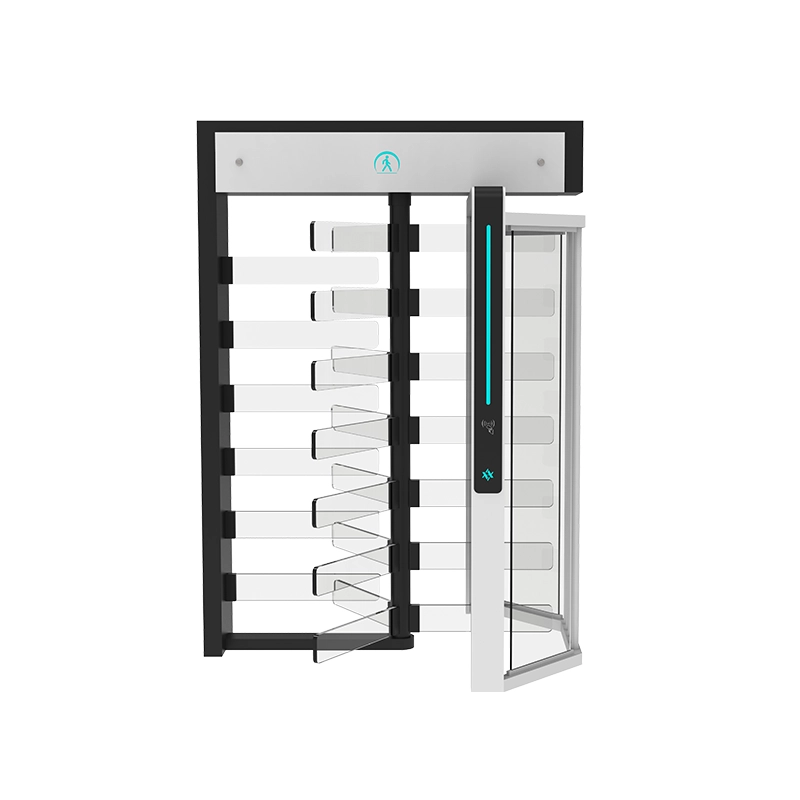
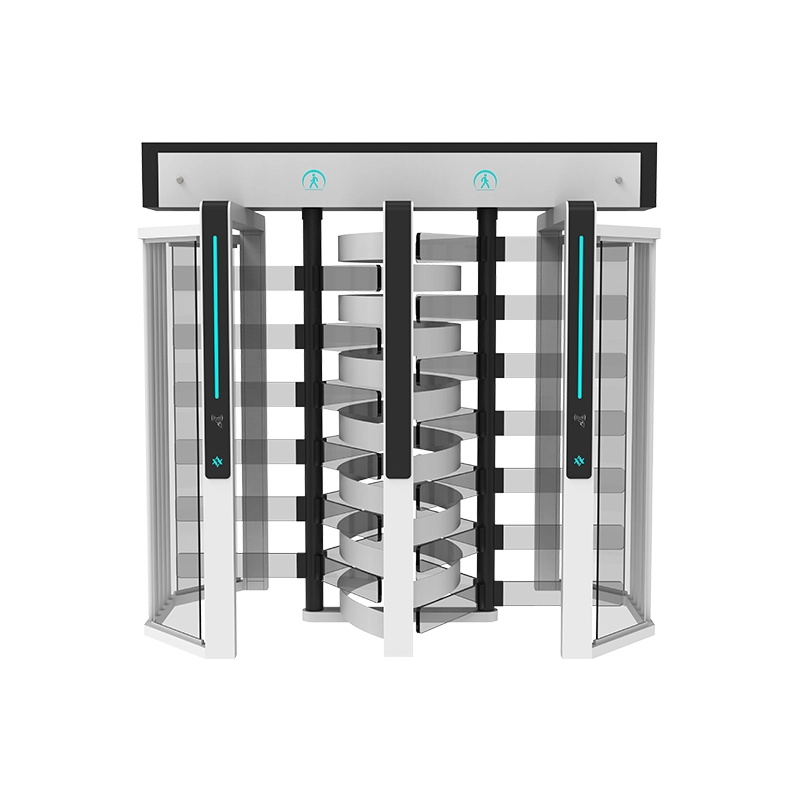
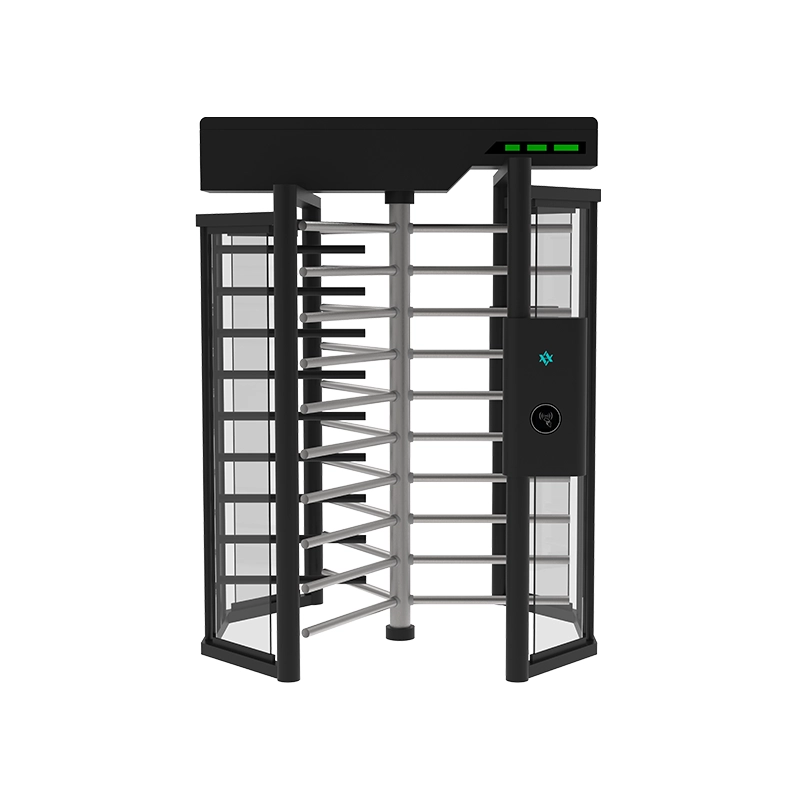
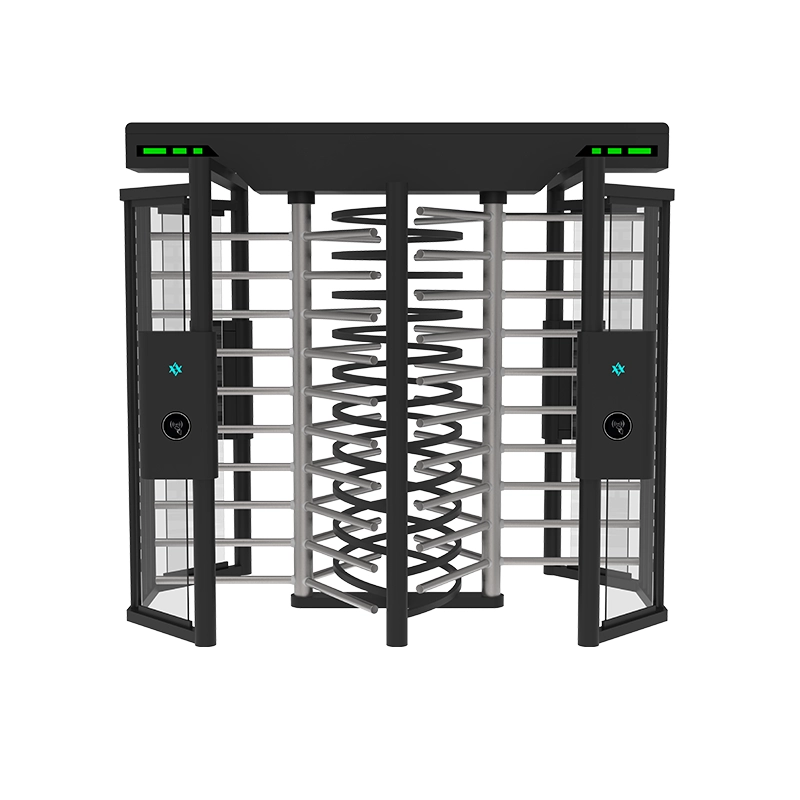
If the site requires strong anti-climb and perimeter control, compare the project requirements with a full-height turnstile solution instead of expecting a waist-height swing gate to perform the same function.

Scenario 6: The Gate Operates Without Sufficient Supervision
An entrance may work well when a receptionist or guard is nearby but become vulnerable outside normal operating hours. An alarm has little value if nobody sees it, hears it or knows how to respond.
The unattended-entrance gap
Projects sometimes focus on the gate and access reader while leaving operational responsibility undefined. The equipment detects an abnormal event, but the event is not sent anywhere useful. Camera footage may exist, but its time is not synchronized with access records. A remote operator may receive an alert without knowing which lane generated it.
Questions for the operating plan
- Is the entrance staffed during all operating hours?
- Where are gate alarms displayed or transmitted?
- Can the operator identify the affected lane?
- Are access events and camera timestamps synchronized?
- Who investigates repeated rejected credentials?
- What happens if network communication is interrupted?
- Which local functions remain available offline?
Physical access control should be selected and assessed according to the organization’s actual security requirements. NIST guidance similarly treats physical access devices, monitoring and access records as parts of a broader control process rather than isolated hardware. See the official NIST SP 800-171 Revision 3 for an example of this wider physical-access-control approach.
Build a Detection–Response Matrix Before Ordering
A short matrix helps convert general security language into testable project requirements.
| Entrance event | Detection requirement | Gate response | External action |
|---|---|---|---|
| Close following | Identify abnormal second passage | Configured safe response | Alarm, record or staff review |
| Wrong-way approach | Recognize movement direction | Reject or cancel passage | Direction warning or alarm |
| Barrier impact | Identify force or abnormal position | Protect mechanism and user | Alarm or inspection request |
| Lane obstruction | Confirm occupied detection zone | Stop, remain open or reverse | Clear warning if unresolved |
| Bypass attempt | Camera, sensor or staff observation | Depends on surrounding system | Security response |
The final matrix should use functions that the selected product and controller can actually provide. Do not copy feature names from a general catalogue without confirming the hardware, interface and software configuration included in the quotation.
Commission the Entrance With Abnormal Events
Normal card passage is only the beginning of commissioning. Create a test record that states the initial condition, action, expected response, actual response and final system state.
The handover test should include:
- valid and invalid credentials;
- entry and exit direction authorization;
- close following at different distances;
- entry followed by retreat;
- temporary obstruction within each detection area;
- barrier movement interruption;
- alarm output to the connected system;
- power interruption and recovery;
- emergency input response;
- return to normal operation after each event.
Record the model, controller version and configuration used during testing. If settings are changed later, the affected scenarios should be tested again.
Choosing the Appropriate Security Level
A swing gate can provide effective controlled passage for offices, business parks, residential entrances and commercial facilities. It should not, however, be selected solely because the product description contains the word “security.”
Determine what the entrance is protecting, how likely unauthorized access is, whether guards are present and what consequences would follow a failure. A reception entrance and a restricted industrial perimeter may require very different barriers even when both use card readers.
The AIPADA AT202 brushless motor swing turnstile includes access-control and infrared detection functions suitable for commercial pedestrian entrances. Available functions and required integrations should be confirmed against the actual project.
For other cabinet and barrier configurations, review the AIPADA Swing Turnstile range. If accessibility and passage layout are the primary concern, see the separate pedestrian swing gate planning guide.
Request a Project-Specific Security Review
Send AIPADA your entrance layout, expected users, required traffic direction, access-control method, security concerns and desired alarm interfaces. The team can recommend an appropriate gate configuration and identify the functions that must be confirmed before production.
Frequently Asked Questions
Can a security swing gate completely prevent tailgating?
No entrance gate should be described as completely preventing every tailgating attempt. Performance depends on sensor coverage, configuration, user spacing, lane layout and staff or system response. High-risk sites may need additional cameras, guards or more restrictive entrance equipment.
What happens if someone pushes the swing barrier?
The response depends on the mechanism and controller. A gate may stop, permit limited protective movement, return to position or generate an alarm. The manufacturer’s permitted impact test and recovery procedure should be confirmed.
Can a swing gate detect reverse entry?
Models equipped with suitable directional sensing and correctly configured control logic can identify abnormal movement from the opposite direction. This function must be tested during commissioning.
Is a taller swing panel always more secure?
No. Panel height is only one factor. Side gaps, material, fixing method, sensor coverage, surrounding partitions, supervision and emergency operation also affect the complete entrance.
When should a full-height turnstile be considered?
A full-height turnstile may be more suitable when the site requires stronger physical restriction, anti-climb control and a defined secured perimeter. Accessibility, emergency egress and operational requirements must still be planned separately.
Security Is the Response to Abnormal Passage
The real test of a security swing gate begins when movement differs from the expected sequence. Tailgating, reverse entry, forced opening, obstruction, bypass attempts and unattended alarms expose different weaknesses in the entrance.
Define each risk, identify how it will be detected, decide the required response and verify the complete sequence during handover. This creates a more reliable security entrance than selecting a gate from appearance or feature names alone.