](https://aipadaturnstile.com/wp-content/uploads/2026/04/How-Reliable-Are-Tripod-Turnstiles.jpg "How Reliable Are Tripod Turnstiles")

Access control is a critical aspect of modern facility management, directly impacting security and operational efficiency. The choice of an appropriate system is vital for regulating pedestrian flow effectively.
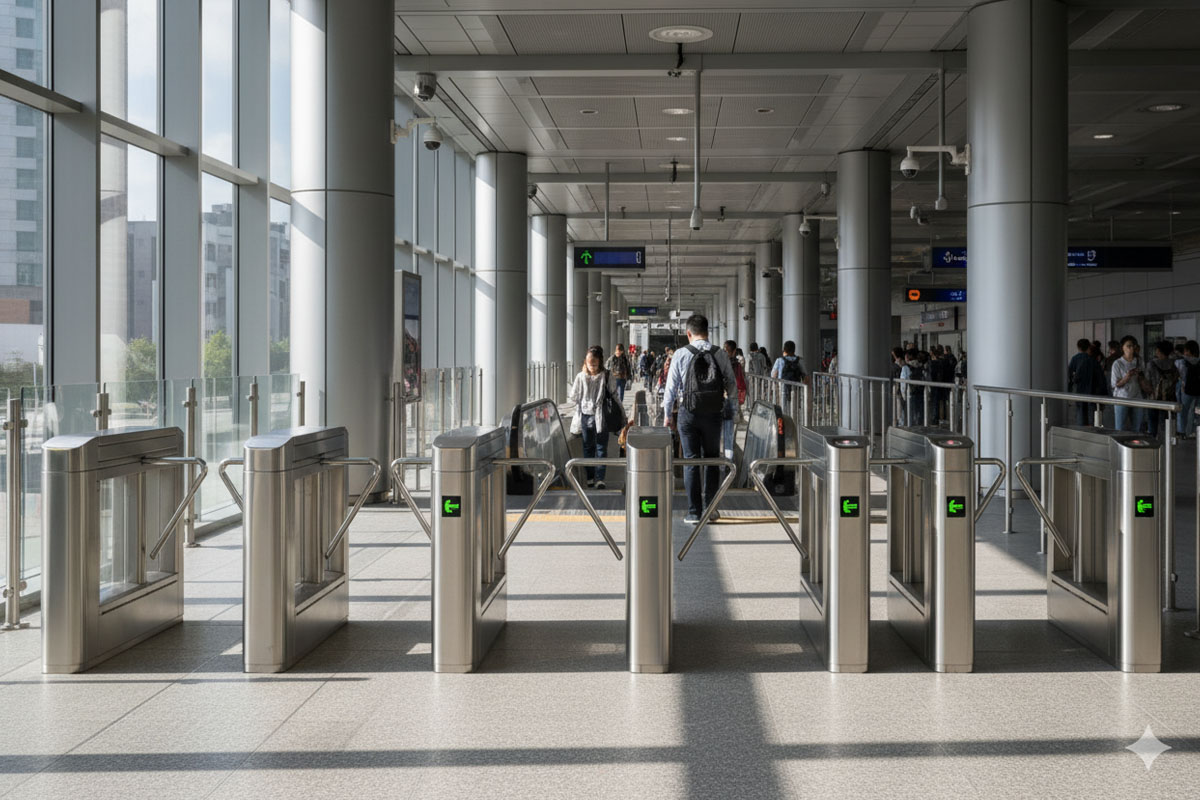
Tripod turnstiles are generally very reliable, offering a robust and cost-effective solution for managing pedestrian traffic. They are known for their durability, simple operation, and effectiveness in controlling entry and exit points, making them a trusted choice for various high-traffic environments.
Selecting the right turnstile system can transform an entrance from a bottleneck into a smooth, secure gateway. This article will explore the mechanisms, purposes, and potential drawbacks of tripod turnstiles to provide a comprehensive understanding of their reliability.
What is a tripod turnstile gate mechanism?
Have you ever considered the internal workings of a turnstile, which allows authorized passage while blocking unauthorized entry? The core function of any tripod turnstile lies within its mechanism. Understanding this is key to appreciating its reliability.
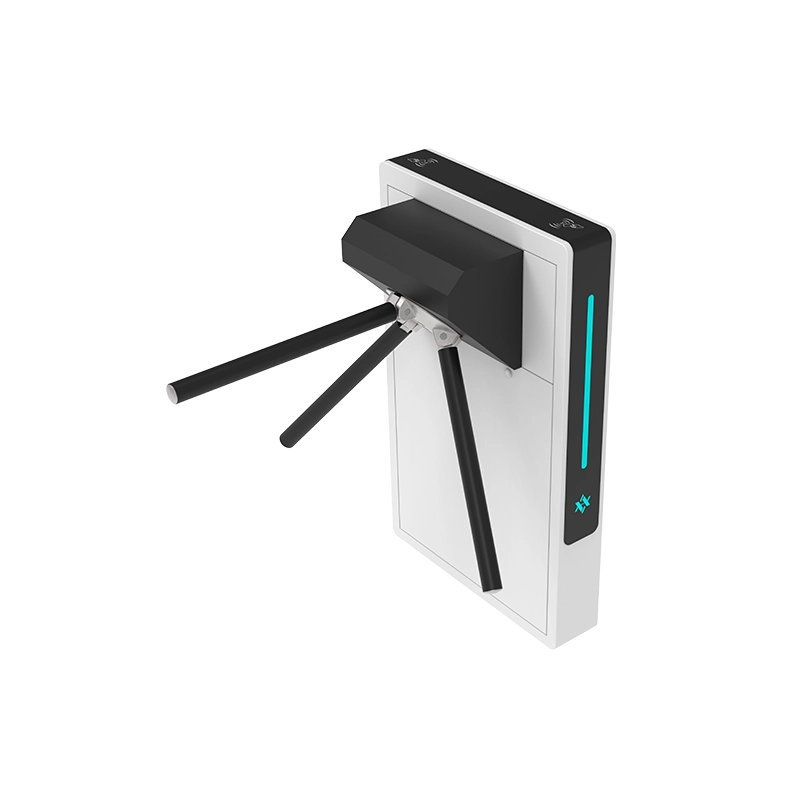
A tripod turnstile gate mechanism is an electromechanical system that rotates three arms, permitting one person to pass after proper authorization. This mechanism uses a sturdy central hub, rotating arms, and an electronic control unit, ensuring controlled and secure pedestrian access in various environments.
The engineering of tripod turnstile mechanisms focuses on peak performance and longevity. In various installations, older turnstiles often led to frequent breakdowns, causing delays and security vulnerabilities. Modern tripod turnstiles, incorporating advanced motor technology, significantly improve employee entry processes and reduce maintenance issues, demonstrating consistent and reliable operation.
How Does the Tripod Mechanism Work?
The operation of a tripod turnstile mechanism is both straightforward and effective. When a user presents a valid credential, such as an RFID card, a QR code, or uses facial recognition, the control system receives a signal. This signal then unlocks the mechanism, allowing the three arms to rotate. The turnstile is designed to permit only one arm to move at a time, preventing multiple people from passing on a single authorization. After one person has passed, the mechanism automatically re-locks, ready for the next user. This simple, sequential operation significantly contributes to its reliability.
Key Components of the Mechanism
The reliability of a tripod turnstile mechanism stems from its robust components.
| Component | Function | Impact on Reliability |
|---|---|---|
| Central Hub | Houses the motor, sensors, and locking mechanism. | Strong, corrosion-resistant materials ensure a long lifespan. |
| Rotating Arms | Physical barriers that control pedestrian flow. | Durable stainless steel or carbon steel resists wear and tear. |
| Motor | Drives the rotation of the arms. | Brushless motors offer quiet operation and extended life. |
| Sensors | Detect pedestrian presence and movement (e.g., infrared). | Prevent "tailgating" and ensure safe operation (anti-pinch). |
| Control Board | Processes signals from access readers and manages the motor and locks. | High-quality electronics ensure precise and fast response. |
| Braking System | Ensures smooth stopping of the arms and prevents free rotation. | Reduces mechanical stress and enhances user safety. |
Modern tripod turnstiles integrate advanced technologies like brushless motor drives. These motors provide smooth, quiet operation with a much longer lifespan compared to traditional brushed motors. This significantly reduces wear and tear, leading to less downtime and lower maintenance costs. The integrated sensors also play a crucial role. They not only count people but also provide anti-pinch protection, stopping the arms if an obstruction is detected. This is a major safety feature and prevents damage to the unit.
What is a tripod gate?
When discussing security and access, the term "gate" often suggests large, imposing structures. However, what specifically defines a "tripod gate" within the context of pedestrian access control? Understanding its design helps to clarify its value.
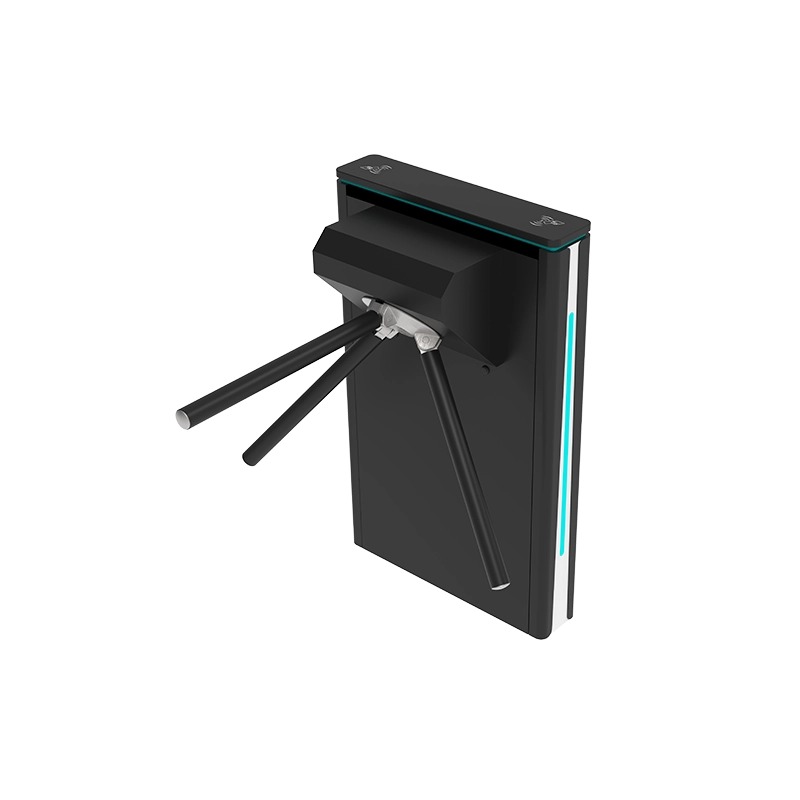
A tripod gate, also known as a tripod turnstile, is an access control device featuring three rotating arms that allow one person to pass at a time after authentication. It serves as a semi-controlled physical barrier, effectively managing pedestrian flow in areas requiring moderate security and high traffic volume.
Tripod gates are fundamental elements in efficient access management. They are often chosen for situations requiring a reliable, cost-effective solution for managing employee access at large facilities. For instance, in venues like sports stadiums, tripod gates provide quick, single-person entry while maintaining security for large numbers of fans entering for events. Their ease of use and effectiveness in preventing unauthorized entry make them a robust choice.
Design and Functionality
A tripod gate typically consists of a central column or housing, from which three metal arms extend. These arms are usually set at a 120-degree angle to each other. When in the locked position, one arm will always block the passage. Upon a valid authentication signal, the mechanism unlocks, allowing the user to push the arms forward and pass through. The arms then rotate back into a locked position. This simple, mechanical action, combined with electronic control, makes it a robust solution.
Where are Tripod Gates Commonly Used?
Tripod gates are versatile and are found in a wide array of environments.
| Application Sector | Specific Use Case | Key Benefit |
|---|---|---|
| Factories/Industrial | Employee time & attendance, visitor control | Cost-effective security, durable in harsh environments. |
| Public Transportation | Metro stations, bus terminals | High throughput, prevents fare evasion. |
| Recreational Venues | Theme parks, sports stadiums, gyms | Efficient ticketing validation, manages large crowds. |
| Education/Libraries | Student entry/exit, resource control | Simple access logging, basic security for student flow. |
| Commercial Buildings | Lobby access (often paired with other gates) | Manages visitor access, complements higher security solutions. |
One reason for their widespread adoption is their balance of security and throughput. While they offer a physical barrier, they are not as restrictive as full-height turnstiles. This makes them suitable for environments where people need to move quickly but still require authorization. They are capable of managing large numbers of passengers daily with minimal issues. They withstand constant use, which highlights their inherent durability and robust engineering.
What is the purpose of a turnstile?
Turnstiles are ubiquitous, appearing in locations from daily commutes to recreational venues. Beyond merely controlling entry or exit, what is the fundamental purpose that all turnstiles serve? This question reveals a more complex answer than simple access.
The primary purpose of a turnstile is to control and manage pedestrian traffic flow, ensuring that only authorized individuals can pass through a designated entry or exit point. Turnstiles enhance security, prevent unauthorized access, improve efficiency in ticketing or timekeeping, and provide reliable data for facility management.
Turnstiles are critical tools for creating smarter, safer, and more efficient spaces. For example, a museum might address revenue loss from unchecked entry by installing turnstiles. This not only secures entrances but also gathers valuable data on visitor numbers and peak times. Such data can optimize staffing and operations, showcasing the multifaceted purpose of these devices.
Core Functions of Turnstiles
Turnstiles fulfill several essential roles that extend beyond simple physical barriers.
| Core Function | Description | How Modern Turnstiles Excel |
|---|---|---|
| Access Control | Restricts entry to authorized personnel or ticket holders, preventing unauthorized intrusion. | Seamless integration with facial recognition, RFID, and biometric systems. |
| Traffic Management | Regulates the flow of people, preventing overcrowding and ensuring orderly passage, especially at peak times. | High-speed throughput, anti-tailgating sensors ensure one-person-at-a-time passage. |
| Security Enhancement | Acts as a physical barrier to deter intruders and supports overall security infrastructure. | Robust construction, anti-climb features, and emergency override for safety. |
| Data Collection | Records entry/exit times, visitor counts, and can integrate with attendance or billing systems. | Provides real-time data for attendance, visitor management, and operational insights. |
| Revenue Protection | Ensures that payment or valid tickets are presented before entry, preventing fare evasion. | Integrates with ticketing systems, ensures every entry corresponds to a valid pass. |
Modern turnstile systems address issues such as unauthorized entry and attendance tracking in corporate environments. By installing turnstiles, security visibly improves, and automated attendance data becomes invaluable for human resources departments, saving hours of manual work each week.
Beyond the Barrier: Strategic Importance
The strategic importance of turnstiles extends to operational efficiency and safety compliance. For example, in the event of a fire, turnstiles are designed with a "fire mode" which automatically unlocks the gates, allowing for unimpeded emergency evacuation. This is a crucial safety feature, complying with international fire regulations. Additionally, for venues like stadiums, turnstiles are often equipped with remote control capabilities. This allows security staff to manage access from a central control room, quickly responding to crowd dynamics or security alerts. This blend of physical control, intelligent integration, and safety features makes turnstiles indispensable for modern facility management.
What are the disadvantages of turnstiles?
While turnstiles offer significant benefits for access control and security, it is important to consider their potential drawbacks. Understanding these helps in making an informed decision for any installation. No system is perfect, and acknowledging limitations is part of smart planning.
The main disadvantages of turnstiles include their initial cost and installation complexity, potential for bottlenecks during peak hours, and challenges for individuals with disabilities or large items. They can also present safety concerns if anti-pinch features are not robust, and they require regular maintenance to ensure smooth operation.
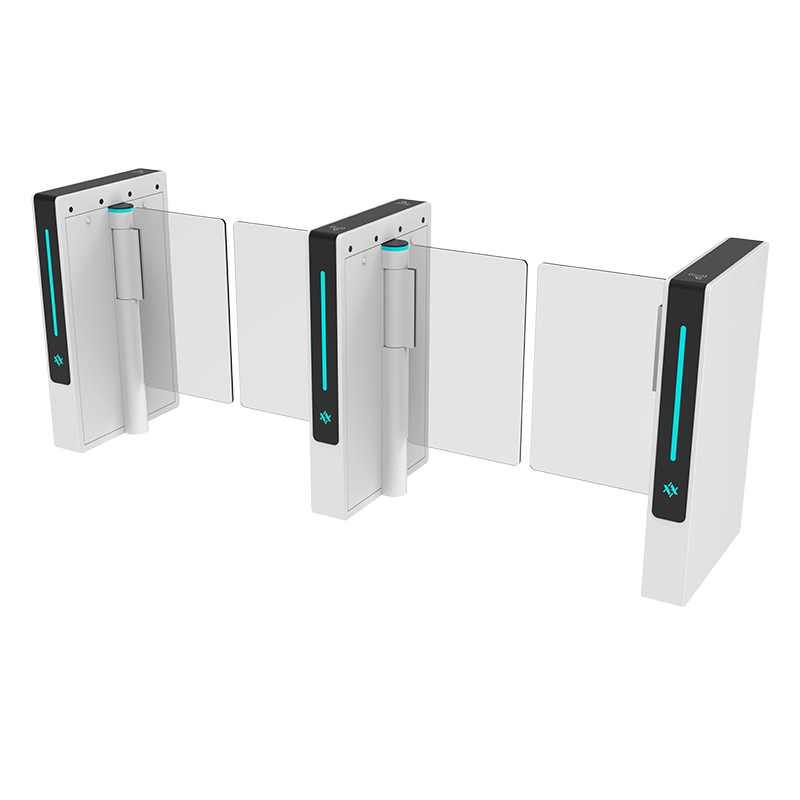
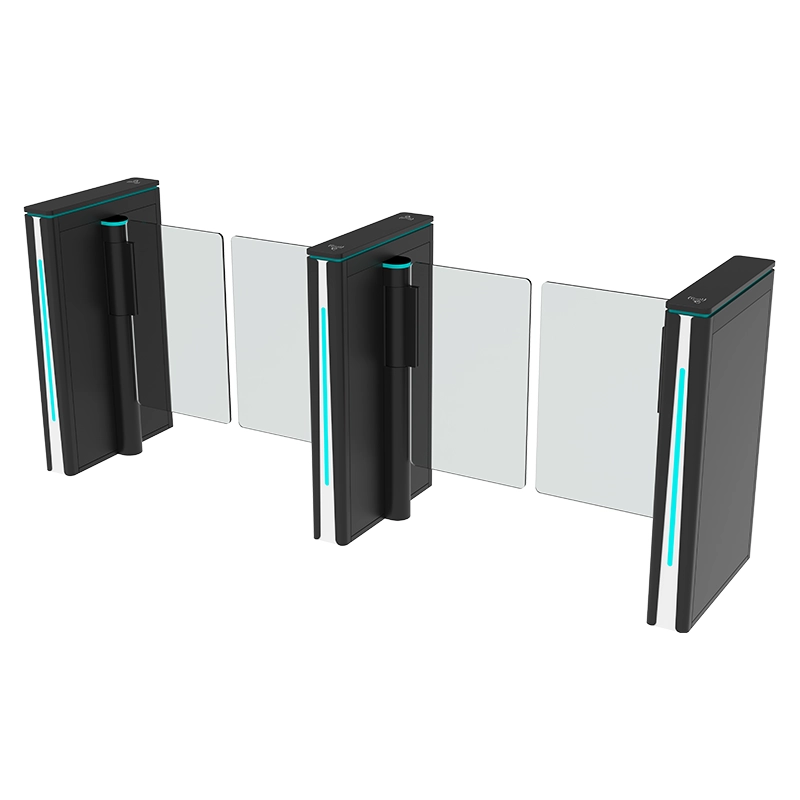
Many of these disadvantages can be mitigated through smart design and advanced technology. For instance, when concerns about wheelchair access arise, a combination of tripod turnstiles[^1] with a wider swing gate specifically for accessibility can be recommended. This hybrid approach maintains security while ensuring inclusivity, showing how careful planning can overcome common issues.
Common Challenges with Turnstile Implementation
Even with advanced technology, certain challenges can arise with turnstile systems.
| Disadvantage Category | Specific Problem | Mitigation Strategy |
|---|---|---|
| Accessibility Issues | Difficult for wheelchairs, strollers, large luggage, or people with mobility impairments. | Offering swing turnstiles or wider gates alongside standard turnstiles for universal access. |
| Potential Bottlenecks | Slow throughput during peak hours can lead to queues and frustration. | High-speed motors, efficient readers, and advanced anti-tailgating sensors to maximize throughput. |
| Initial Cost | High upfront investment for hardware, software, and installation. | Providing customizable solutions to match budgets, emphasizing long-term ROI from durability. |
| Maintenance Needs | Mechanical parts require regular servicing to prevent breakdowns. | Using durable materials, brushless motors, and offering comprehensive after-sales support and spare parts. |
| Security Gaps | "Tailgating" or "piggybacking" can undermine security if not properly managed. | Advanced infrared sensors and anti-reverse functions to detect and prevent unauthorized dual entry. |
| Fire Safety Concerns | Gates blocking emergency exits during power outages or emergencies. | All turnstiles have an automatic power-off unlock feature (fail-safe) for emergency evacuation, meeting fire codes. |
One significant concern often encountered is "tailgating," where people attempt to pass immediately behind an authorized person. This is addressed by integrating highly sensitive infrared sensors. These sensors precisely detect if more than one person attempts to pass after a single authorization, triggering an alarm and re-locking the turnstile. This is crucial for maintaining the integrity of the access control system. Furthermore, for fire safety, it is standard for turnstiles to automatically unlock during a power outage or when connected to a fire alarm system, ensuring a clear path for evacuation.
Overcoming Disadvantages Through Smart Design
Many disadvantages can be overcome with smart planning and the right technology. While initial cost is often a factor, it is important to consider the total cost of ownership. A less reliable turnstile might offer upfront savings but will likely incur higher costs in maintenance, security breaches, and user frustration over time. Investing in durable, high-quality turnstiles, which use advanced motor technology and robust materials, minimizes these long-term expenses. Customization options also allow clients to select features that genuinely meet their needs without overspending on unnecessary functionalities. The objective is always to provide a solution that is both effective and efficient, tailored to the specific environment and its unique challenges.
My Insights: Evaluating the Reliability of Tripod Turnstiles
Concerned about the reliability of turnstiles in high-traffic areas? Discover the proven dependability of tripod turnstiles.
Tripod turnstiles are reliable for controlling pedestrian flow through durable construction and low maintenance needs. With mechanical operations, they perform consistently even during power outages, ensuring secure and efficient access management.
Understanding the Reliability Advantages of Tripod Turnstiles
Factors Affecting Reliability
| Feature | Benefits | Maintenance Tips |
|---|---|---|
| Durable Construction | Long-lasting performance | Regular cleaning and lubrication |
| Mechanical Operation | Dependable in all settings | Inspect mechanical parts to prevent sticking |
| Low Maintenance Needs | Cost-effective over time | Tighten fasteners and check sensors periodically |
| Tamper-resistant Design | Enhanced security | Ensure proper installation to avoid mechanical failures |
Mechanical Operation: Tripod turnstiles excel in reliability through their mechanical design, showing consistent performance even during power failures. This makes them ideal for environments such as gyms and offices where basic security is sufficient.
Maintenance and Longevity: Regular maintenance, including cleaning and lubrication, ensures longevity, with many units lasting up to 8–10 years. By preventing early wear and addressing small issues promptly, their reliability can be maintained.
Best Fit: Tripod turnstiles are optimal for moderate traffic areas requiring controlled access without large-scale automation. However, they’re not suited for environments needing rapid, frictionless flow for large crowds, where speed gates might be preferable.
By focusing on meticulous maintenance and appropriate application, tripod turnstiles can provide dependable service across various settings.
Conclusion
Tripod turnstiles are highly reliable, offering effective access control and traffic management for various environments. While they have disadvantages like cost and accessibility, these can be mitigated with thoughtful design and advanced features, ensuring secure and efficient pedestrian flow.