](https://aipadaturnstile.com/wp-content/uploads/2026/04/What-Materials-are-Flap-Barriers-Made-Of.jpg "What Materials are Flap Barriers Made Of")

Entry systems often struggle to balance high security with an elegant appearance. This can lead to installations that are either too bulky or not secure enough for modern demands.
Flap barriers primarily consist of high-grade stainless steel and either acrylic or tempered glass. These materials are chosen for their durability, corrosion resistance, and ability to present a sophisticated look, making them suitable for environments needing reliable and aesthetically pleasing access control.
The selection of materials directly influences the lifespan and operational efficiency of access control equipment. It ensures that systems can withstand constant use while maintaining their intended function and design integrity.
What is the Problem with the Flap Barrier?
Are current access control systems causing frequent operational interruptions and higher maintenance costs? Issues like unexpected breakdowns and inefficient user flow often stem from inherent design or material weaknesses.
The core problems with flap barriers often relate to the quality of their internal components and the durability of their exterior materials. These factors can lead to mechanical failures, slow user throughput, and compromised security over time, impacting overall operational efficiency.
Early generations of flap barriers[^1] frequently faced issues due to less robust engineering and material choices. Many units experienced rapid wear in high-traffic areas, leading to frequent repairs. The integration capabilities with evolving security technologies were also limited, hindering updates to systems like biometric authentication. Addressing these challenges has driven innovations in material science and engineering for modern flap barrier designs.
Common Issues Affecting Flap Barriers
Flap barriers can encounter several problems if their design, manufacturing, or installation processes are not optimal. These issues can reduce their effectiveness and lifespan.
Mechanical Wear
This is a significant concern for any system with moving parts. Flap barriers undergo numerous cycles of opening and closing daily, especially in busy locations. This repetitive motion can cause components to wear out over time.
| Component | Potential Issue | Impact |
|---|---|---|
| Motor | Overheating, reduced power | Slower operation, complete system halt |
| Gear mechanism | Stripping, misalignment | Erratic movement, increased noise |
| Flap linkage | Loosening, eventual breakage | Flap becoming stuck, improper closure |
Utilizing high-quality brushless motors and sturdy gear systems helps to mitigate this wear. These components are designed for extended operational life under demanding conditions.
Sensor Malfunctions
Sensors are vital for the safe and smooth operation of flap barriers. They detect individuals and prevent the flaps from closing prematurely or on an obstruction. Sensor failures can lead to safety hazards or operational disruptions.
Typical Sensor Problems
- Environmental Contamination: Dust, dirt, or moisture can accumulate on sensors, reducing their accuracy and leading to false readings or missed detections.
- Physical Misalignment: Impacts or vibrations can cause sensors to shift from their correct position, affecting their ability to detect objects or movement accurately.
- Electronic Failure: Like other electronic parts, sensors can fail due to component defects or electrical issues, requiring replacement.
Regular cleaning and precise calibration of sensors are important maintenance tasks to ensure their reliability.
System Integration Difficulties
Modern access control systems must interact with various other technologies. These include facial recognition scanners, QR code readers, and RFID systems. If a flap barrier cannot integrate smoothly, the entire security system’s functionality can be compromised.
Challenges in Integration
- Software Incompatibility: Different security systems may use proprietary communication protocols, making it difficult for diverse hardware and software to exchange data effectively.
- Hardware Limitations: Older or less advanced barrier systems may lack the necessary interfaces or processing capacity to support sophisticated integration with new security technologies.
- Security Vulnerabilities: Poorly integrated systems can create weaknesses in the overall security infrastructure, potentially allowing unauthorized access or data breaches.
Effective integration requires systems with open architecture and standard communication protocols. This allows for seamless connection with a wide range of third-party verification systems.
Material Degradation
The selection of materials directly affects the longevity and appearance of flap barriers. Using lower-grade materials can lead to premature wear, corrosion, and aesthetic decline, diminishing the barrier’s performance and visual appeal.
Vulnerabilities in Materials
- Corrosion: In humid, coastal, or outdoor settings, non-corrosion-resistant metals can rust. This degrades structural integrity and appearance.
- Scratching and Abrasion: Flap materials like acrylic or less robust tempered glass can easily scratch or abrade. This reduces clarity and makes the barrier look worn.
- UV Exposure: For outdoor installations, prolonged exposure to ultraviolet (UV) radiation can degrade plastic components. This makes them brittle and discolored.
High-quality materials, such as marine-grade stainless steel and robust, scratch-resistant glass, are chosen to ensure resilience against environmental factors and heavy usage.
What Are the 4 Types of Barriers?
Have you ever considered the various forms of control mechanisms used to manage movement and enhance security in different environments? Barriers exist in many forms, each designed for specific applications and levels of access regulation.
Four primary types of barriers are commonly recognized in security and access control: physical barriers, natural barriers, human barriers, and technological barriers. These categories delineate different methods of restricting or managing entry, ranging from tangible structures to digital systems, and are often combined for comprehensive security solutions.
Understanding the distinctions between these barrier types is essential for designing effective security strategies. For instance, while a dense forest acts as a natural barrier, a high-security facility might employ multiple physical barriers reinforced by technological and human oversight to achieve optimal protection. Each type addresses different facets of access control.
Detailed Examination of Barrier Types
A closer look at each category reveals their specific roles and applications in security frameworks.
1. Physical Barriers
Physical barriers are tangible structures that directly obstruct or guide movement. They are the most overt form of access control.
- Examples: Walls, fences, gates, turnstiles (including speed gates, swing turnstiles, flap barriers, tripod turnstiles, and full-height turnstiles), bollards, and roadblocks.
- Purpose: To prevent unauthorized entry, channel pedestrian or vehicular traffic, and clearly delineate controlled zones.
- Effectiveness: They provide a visual deterrent and a concrete obstacle, capable of slowing down or physically stopping intruders.
These barriers form the foundation of many security installations. They create a primary line of defense.
2. Natural Barriers
Natural barriers are geographical or environmental features that inherently restrict access or movement. They are not constructed by humans.
- Examples: Rivers, large bodies of water, dense vegetation, mountains, steep cliffs, or deserts.
- Purpose: To use existing environmental conditions to make access difficult or impractical, thereby complementing constructed security measures.
- Effectiveness: They can be highly effective in specific terrains, reducing the need for extensive artificial barriers in those areas.
While not created, these features are often factored into site security planning to leverage their inherent restrictive qualities.
3. Human Barriers
Human barriers involve the direct participation of personnel in monitoring, controlling, and managing access. They introduce a layer of judgment and interaction.
- Examples: Security guards, receptionists, police officers, gatekeepers, and patrol teams.
- Purpose: To verify authorization, conduct inspections, respond to security incidents, and provide a visible deterrent.
- Effectiveness: They offer flexibility and adaptability in handling complex situations, enabling real-time decision-making and human intervention.
These personnel often operate in conjunction with physical and technological barriers. This enhances the overall security posture through active oversight.
4. Technological Barriers
Technological barriers employ electronic and digital systems to control, monitor, and manage access. They frequently augment or automate the functions of physical and human barriers.
- Examples: Closed-circuit television (CCTV) cameras, alarm systems, biometric scanners (e.g., fingerprint, facial recognition), RFID readers, access control software, and motion detection sensors.
- Purpose: To detect, record events, alert personnel to security breaches, and automate entry procedures based on predefined rules.
- Effectiveness: They provide high precision in identification and detection. They can cover large areas with consistent monitoring, often reducing the need for continuous human presence at every access point.
These systems are critical for modern, integrated security solutions. They provide enhanced surveillance and automated responses.
What Are the 4 Types of Flaps?
Have you observed the different mechanical movements employed by access gates to regulate passage? The design of the flap mechanism is varied, with each type optimized for specific environments, security requirements, and traffic patterns.
There are four primary types of flaps utilized in turnstile systems: retractable flaps, swing flaps, drop-arm flaps, and full-height rotor flaps. Each type employs a distinct operational principle and offers varying levels of security and throughput, designed to suit particular access control needs and architectural contexts.
The choice of flap mechanism depends on several factors, including the required throughput speed, the level of security, aesthetic considerations, and the physical space available. For instance, a high-speed retractable flap is ideal for rapid, discreet access, whereas a full-height rotor offers maximum security for unsupervised areas.
In-Depth Analysis of Flap Types
Each flap type exhibits unique characteristics that make it suitable for specific applications.
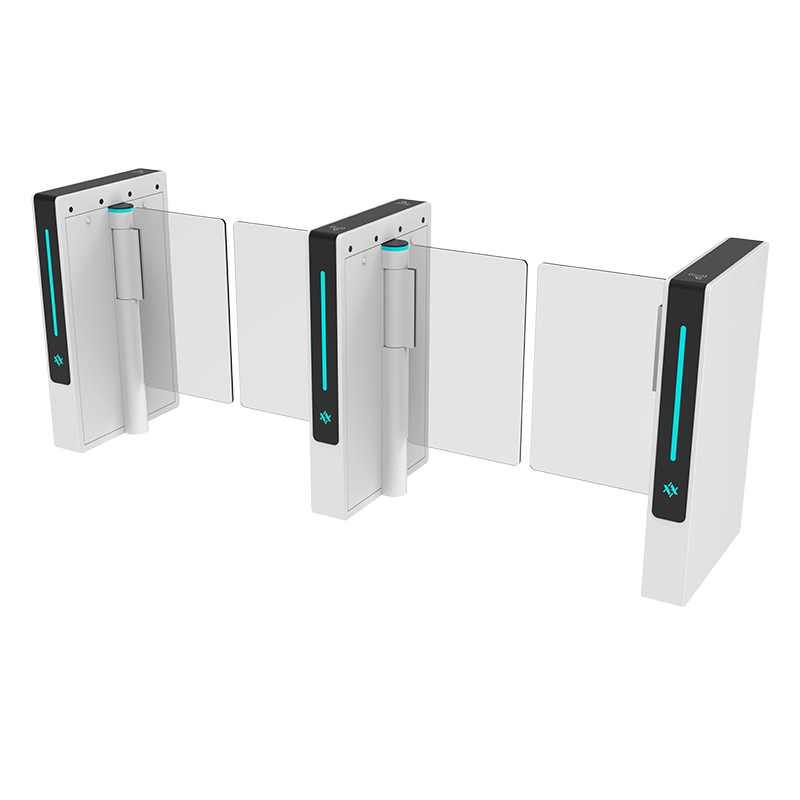
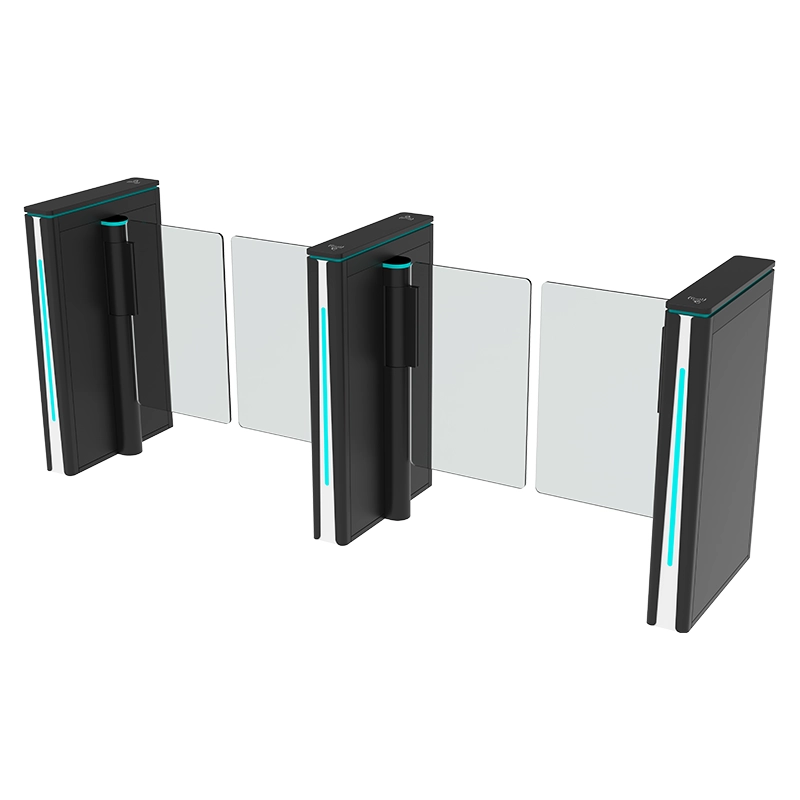
1. Retractable Flaps (Speed Gates)
These flaps are characteristic of speed gates and are commonly found in high-traffic, aesthetically conscious environments. The flaps retract into the turnstile cabinet.
- Mechanism: The flaps slide horizontally into the body of the turnstile when access is granted and then slide back out to form a barrier.
- Materials: Typically constructed from tempered glass or clear acrylic. This gives them a modern and unobtrusive appearance.
- Advantages:
- High Throughput: Designed for very fast passage, making them suitable for busy locations.
- Sleek Aesthetics: Their design often allows them to blend seamlessly with modern interior architecture.
- Space Efficiency: The flaps disappear into the unit, providing a more open feel to the entryway.
- Disadvantages: Mechanically more complex than other types. This can potentially lead to higher initial costs.
- Applications: Corporate lobbies, airports, subway stations, upscale commercial buildings, and convention centers.
These systems often incorporate advanced sensor technology to ensure rapid and safe operation.
2. Swing Flaps (Swing Turnstiles)
Swing flaps pivot open similar to a door. They are known for their robustness and ability to accommodate wider passageways.
- Mechanism: The flaps swing outwards from a central pivot point or inward, creating an open lane for passage.
- Materials: Frequently made of stainless steel, often with integrated panels of tempered glass.
- Advantages:
- Wide Access: Ideal for accommodating individuals with disabilities, strollers, or large items.
- Durability: Their simple, strong mechanical design ensures reliable operation over many cycles.
- Versatility: Can be adapted for a range of environments from industrial to public spaces.
- Disadvantages: May require more operational space than retractable flaps when fully open. Throughput can be slightly slower.
- Applications: Accessible entrances, factories, schools, and various public buildings requiring broader access.
Swing turnstiles are a flexible option due to their adaptability to different user needs.
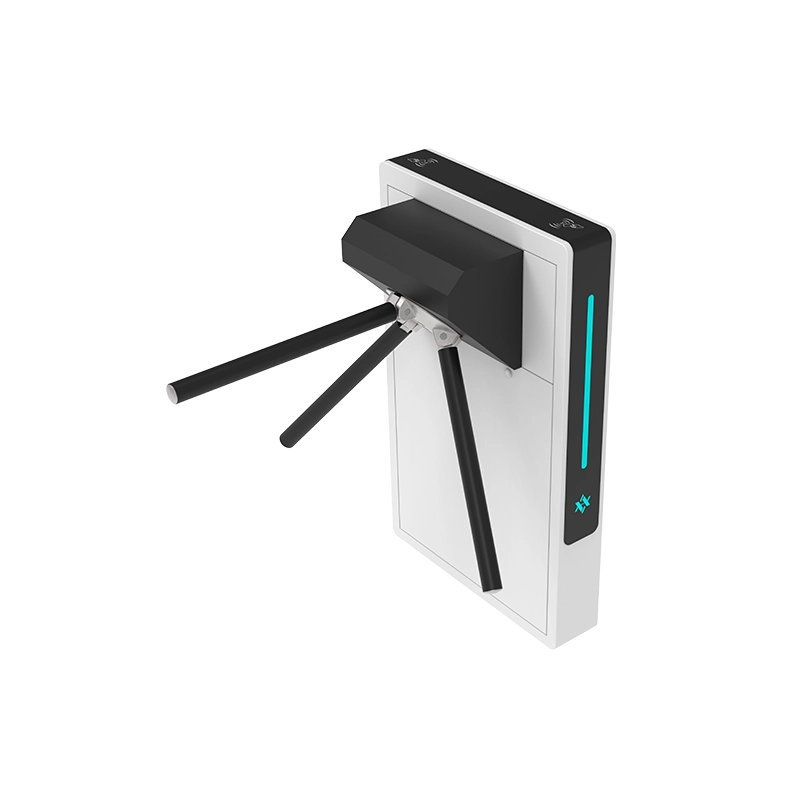
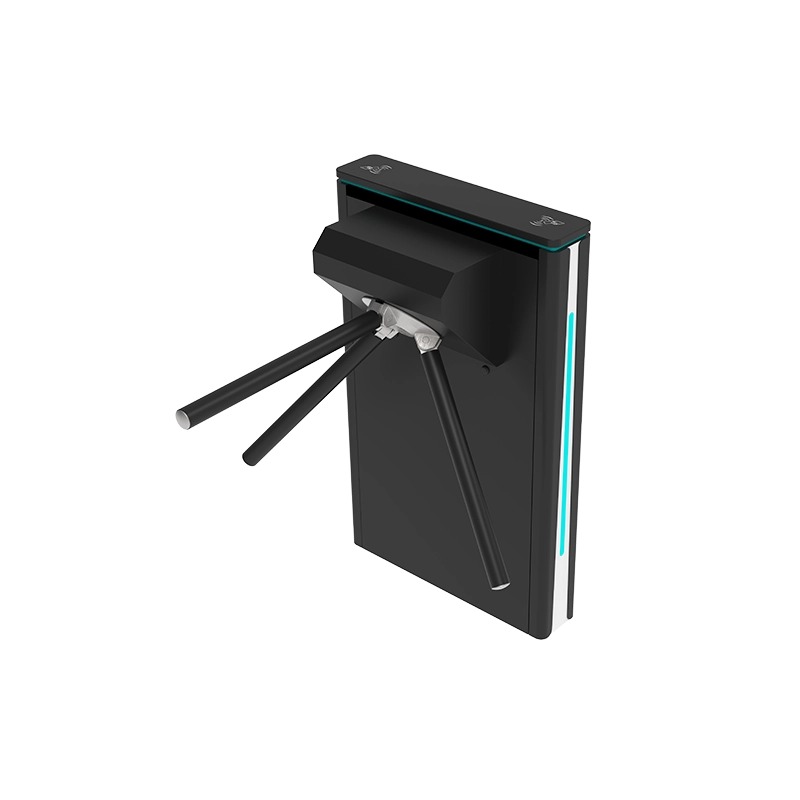
3. Drop-Arm Flaps (Tripod Turnstiles)
Often referred to as tripod turnstiles[^2], these utilize rotating arms to control access. They represent a classic and economical solution.
- Mechanism: Three arms rotate after a valid access credential is presented, allowing one person to pass before relocking.
- Materials: Almost exclusively made from robust stainless steel for maximum durability.
- Advantages:
- Cost-Effective: A more economical choice for fundamental access control needs.
- Simple Operation: Their straightforward design makes them easy to operate and maintain.
- High Reliability: Very durable and proven in high-frequency usage scenarios.
- Disadvantages: Can feel more restrictive to users. Not ideal for individuals requiring barrier-free access.
- Applications: Amusement parks, sports facilities, industrial sites, basic security checkpoints, and gyms.
These turnstiles are a dependable option where cost-effectiveness and durability are primary concerns.
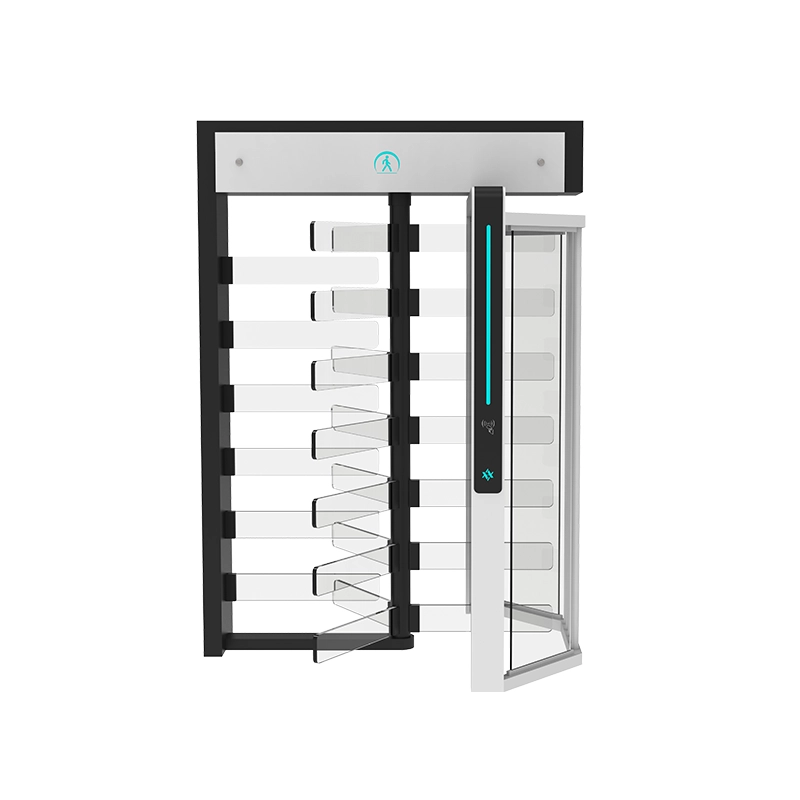
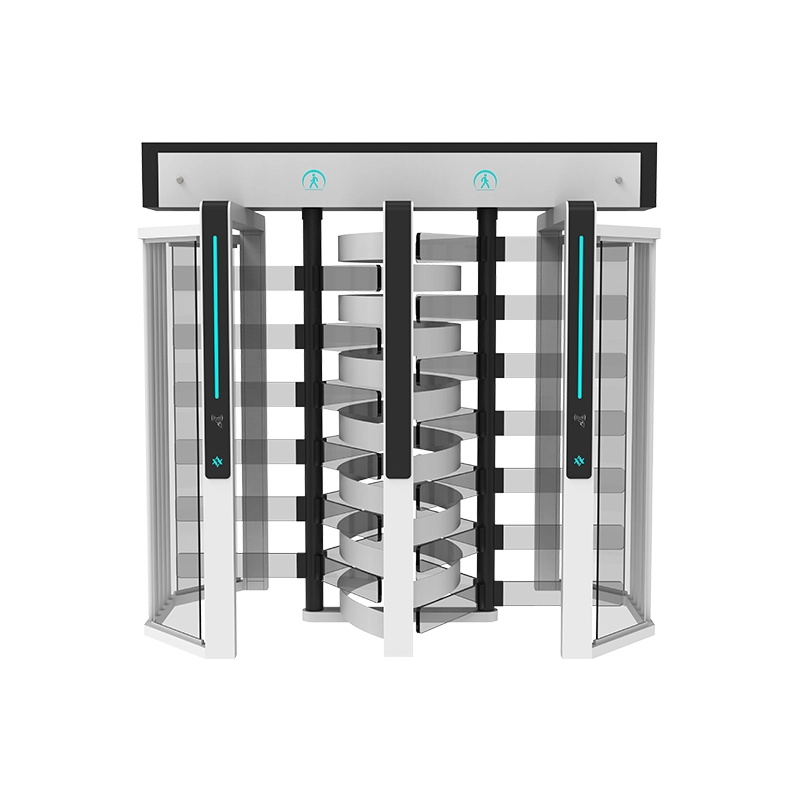
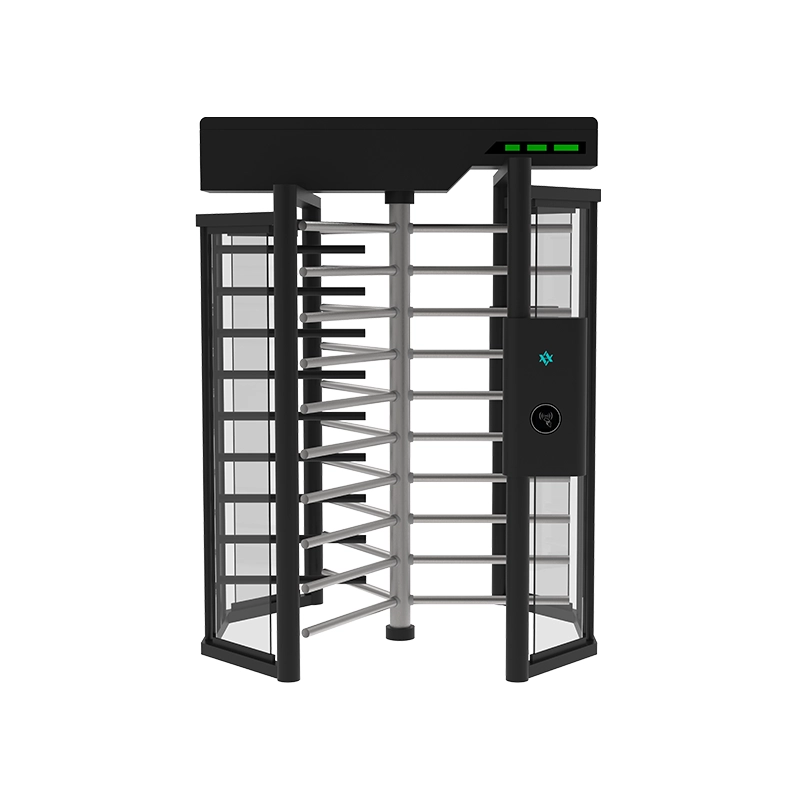
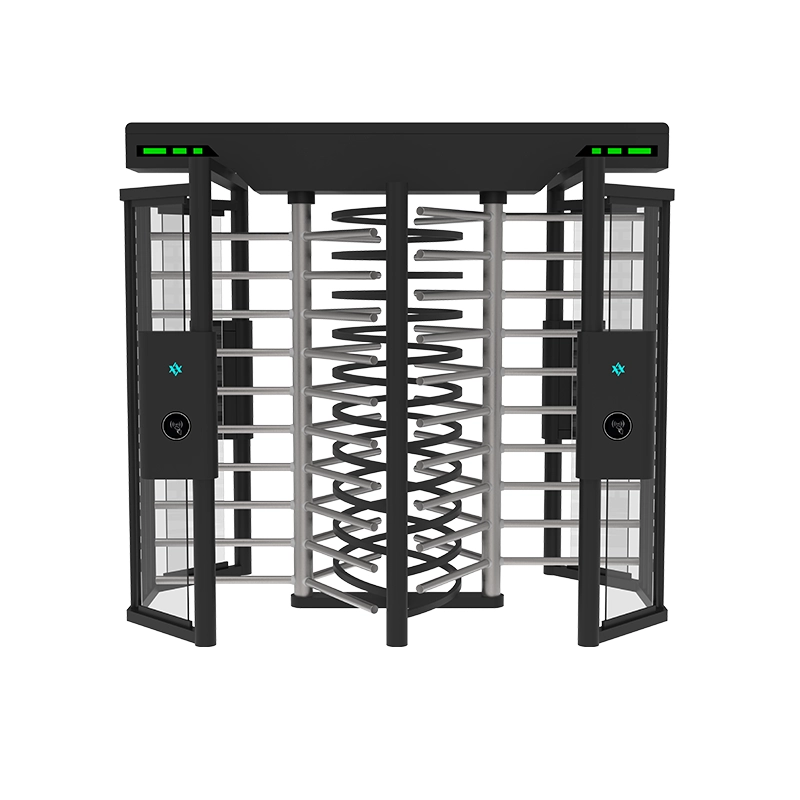
4. Full-Height Rotor Flaps (Full-Height Turnstiles)
These are designed to provide the highest level of physical security. They create a complete barrier to prevent unauthorized entry over, under, or around the system.
- Mechanism: A rotating rotor with multiple arms or panels forms a full enclosure that allows one person through at a time.
- Materials: Typically constructed from heavy-gauge stainless steel for ultimate strength and security.
- Advantages:
- Maximum Security: Offers the highest degree of physical security, preventing any attempts to bypass.
- Unsupervised Operation: Can securely operate in environments without continuous human supervision.
- Weather Resistance: Often built for outdoor installation and resilience in harsh environmental conditions.
- Disadvantages: Large physical footprint. Can be visually imposing and has a slower throughput rate compared to speed gates.
- Applications: Prisons, military installations, stadiums, high-security data centers, construction sites, and sensitive industrial facilities.
Full-height turnstiles are the preferred choice for locations demanding stringent security and robust physical deterrence.
What Are the Three Types of Barriers?
Have you considered how different categories of obstacles function to control access and ensure security? Sometimes, a simplified classification helps to grasp their fundamental roles in various settings.
In a broader context, three fundamental types of barriers exist: natural barriers, artificial barriers, and regulatory barriers. This classification helps understand how obstacles are formed and maintained, encompassing environmental features, human-made structures, and legal or administrative frameworks, each influencing access and movement distinctly.
Viewing barriers through these three lenses provides a comprehensive perspective on access control strategies. For instance, a secure facility might rely on a natural river on one side, reinforced by artificial fences on others, all while operating under strict regulatory guidelines. Each type contributes uniquely to a layered security approach.
Exploring the Three Barrier Categories in Detail
This categorization offers a concise yet effective way to understand the functions of different obstacles.
1. Natural Barriers
These are inherent features of the natural landscape that restrict or deter movement. They are not constructed or modified by human intervention for security purposes.
- Characteristics: Existing naturally, often challenging to traverse, and can vary in their restrictive qualities based on geography.
- Examples: Rivers, large lakes, dense forests, mountain ranges, steep valleys, and deserts.
- Role in Security: They can define natural perimeters or channel movement to specific, controlled access points. For example, a secure compound might utilize a river as a natural boundary, reducing the need for extensive artificial fencing along that segment.
While these barriers are not engineered, their presence is a critical consideration in site security planning.
2. Artificial Barriers
These are man-made structures or systems explicitly designed and constructed to control, restrict, or prevent access. This category covers a vast range of security installations.
- Characteristics: Deliberately built, engineered, and positioned to fulfill a specific security or access management function. They vary from basic deterrents to sophisticated electronic systems.
- Examples:
- Physical Structures: Perimeter walls, security fences, controlled gates, bollards, and all types of turnstiles (e.g., speed gates, swing turnstiles[^3], flap barriers, tripod turnstiles, full-height turnstiles[^4]).
- Electronic Systems: Advanced access control systems, video surveillance (CCTV), alarm networks, biometric authentication devices, and RFID card readers.
- Role in Security: They directly impede or manage physical movement. They also serve as a visual deterrent against unauthorized entry. These barriers can be customized to meet various security requirements.
Modern artificial barriers often integrate both physical structures and advanced electronic systems to create robust, multi-layered security solutions.
3. Regulatory Barriers
These are non-physical barriers. They consist of rules, laws, policies, or administrative procedures that govern or limit access. They operate through legal or organizational frameworks rather than physical obstruction.
- Characteristics: Intangible, typically documented, and enforced by governmental bodies, corporations, or other organizations. Their purpose is to manage behavior and access rights.
- Examples:
- Legal Regulations: International travel visa requirements, entry permits, security clearances for sensitive areas, and building codes (e.g., fire safety regulations mandating automatic gate opening in emergencies).
- Organizational Policies: Company badge access requirements, visitor registration protocols, and access restrictions based on employee roles or security levels.
- Industry Standards: Compliance with international safety standards such as CE certification for products, and various ISO standards for quality and operational management.
- Role in Security: They establish the conditions under which access is permitted or denied. They provide a foundational framework for implementing and enforcing both physical and technological security measures.
Compliance with these regulatory barriers is essential for ensuring that physical and technological access control systems operate legally, safely, and effectively within their intended environments.
My Insights: Understanding the Materials Used in Flap Barriers
Curious about what makes flap barriers both durable and effective? Discover the materials behind these essential security tools.
Flap barriers are predominantly constructed with stainless steel housing and flexible flaps made from materials like acrylic, polycarbonate, or tempered glass. These materials provide essential strength, visibility, and durability for effective access control.
Dive Deeper Paragraph: Examining the Composition of Flap Barriers
Material Specifications
| Component | Material | Properties |
|---|---|---|
| Frame/Housing | Stainless Steel 304/316 | Corrosion-resistant, durable, ideal for various environments |
| Flaps | Acrylic, Polycarbonate, Glass | Impact-resistant, transparent, flexible |
| Edges | Rubber, Silicone | Cushioning, safety |
Choosing Materials Based on Needs
Durability and Weather Resistance: Stainless steel, especially 316, is preferred for harsh conditions. It ensures longevity even in corrosive environments like coastal areas.
Visual Impact and Modern Aesthetics: Acrylic or tempered glass flaps provide a sleek, transparent appearance that complements modern architecture, making them popular in high-end venues.
Practical Application Tips
Material selection should align with the specific demands of the environment where the flap barriers will be installed. High-transmission areas benefit from robust materials like stainless steel, whereas locations prioritizing aesthetics and visibility may opt for acrylic or glass. This strategic choice enhances the functional and visual appeal of security installations.
Conclusion
Flap barriers primarily use durable stainless steel and transparent acrylic or tempered glass. These materials offer strength, longevity, and a modern aesthetic, addressing common issues like wear and integration challenges. Various barrier and flap types exist, each suited for specific security levels and traffic demands.