
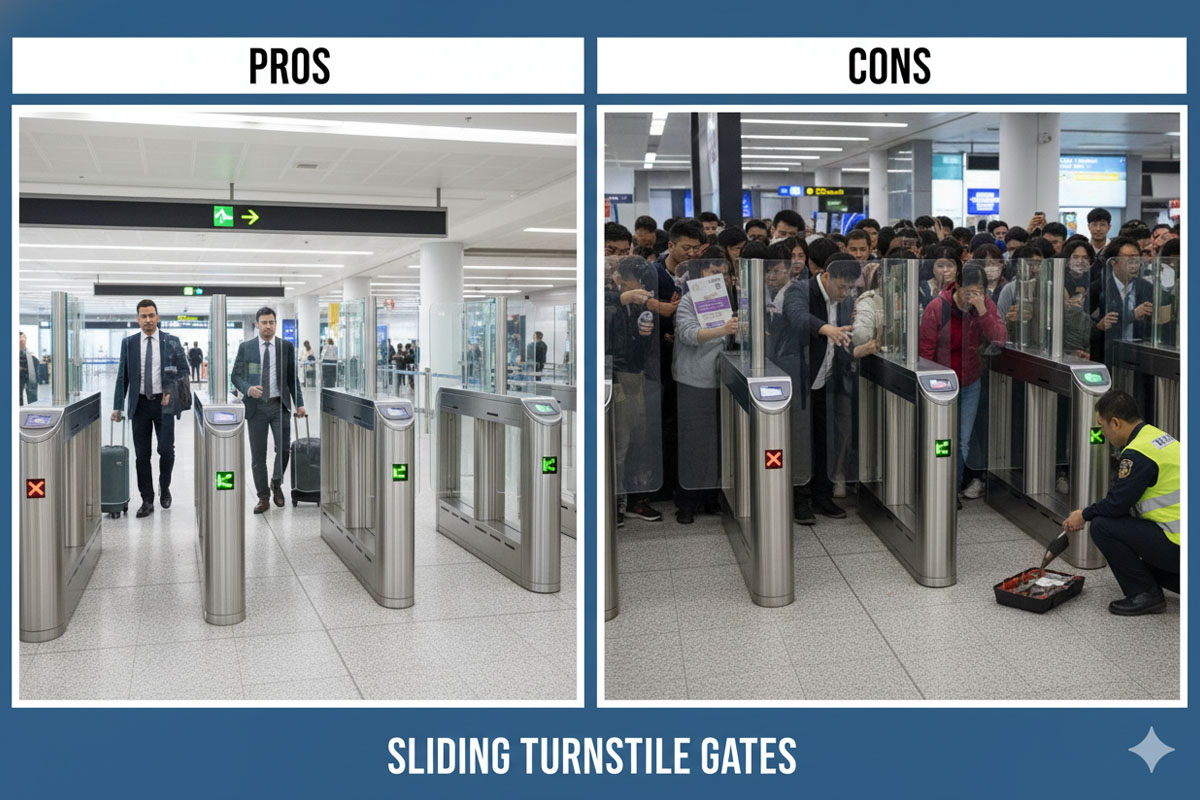
](https://aipadaturnstile.com/wp-content/uploads/2026/04/What-are-the-Pros-and-Cons-of-Sliding-Turnstile-Gates.jpg "What are the Pros and Cons of Sliding Turnstile Gates")

Are you considering sliding turnstile gates for your facility? Many organizations use them for controlled access. However, how do you determine if they are the best solution for your specific needs? Let’s examine their benefits and drawbacks.
Sliding turnstile gates provide efficient access control, offer a compact design, and enhance security in various settings. Their smooth operation and ability to integrate with modern access systems make them a popular option. Yet, they also present challenges regarding maintenance and initial investment. Understanding these points is crucial for choosing an effective access control system.
Selecting the appropriate gate system is an important decision for any organization. It requires a system that functions reliably and ensures safety. This guide aims to provide a clear understanding of sliding turnstiles.
What are the common problems with sliding gates?
Have you experienced issues with a sliding gate that malfunctions? Several common problems can affect these systems. Knowing these issues helps in planning for maintenance and ensuring consistent operation.
Common problems with sliding gates often include sensor issues, motor malfunctions, and track obstructions, which can lead to slow performance or complete system failure. These issues can cause inconvenience and potential security vulnerabilities if not addressed quickly. Regular inspections and correct installation are essential to prevent such disruptions.
Sensor Malfunctions
Sensors are critical for a sliding gate’s operation. They detect individuals and objects.
- Debris Accumulation: Over time, dirt and dust can cover sensor lenses. This can cause false readings, making the gate react as if an obstruction is present.
- Alignment Errors: Sensors can become misaligned. If they are not positioned correctly, their detection capabilities are compromised.
- Environmental Interference: Conditions like rain, snow, or direct sunlight can disrupt sensor signals. This may result in unpredictable gate behavior.
| Problem Area | Description | Impact | Solution |
|---|---|---|---|
| Dust or Dirt on Sensors | Accumulation of particles on sensor surfaces. | False positive detections, erratic operation. | Routine cleaning of sensor lenses. |
| Sensor Misalignment | Incorrect positioning of sensor components. | Inconsistent gate response, safety risks. | Professional adjustment and secure mounting. |
| Environmental Factors | Weather conditions or intense light affecting sensors. | Unreliable detection, system errors. | Installation of protective covers, sensor relocation. |
Motor and Mechanical Failures
The motor is essential for the sliding gate’s movement. Its failure halts gate operation.
- High Usage: Gates in areas with heavy foot traffic undergo frequent cycles. This constant operation can accelerate motor wear.
- Power Fluctuations: Sudden voltage changes can damage the motor’s internal electronics.
- Inadequate Lubrication: Moving parts require proper lubrication for smooth function. Lack of it increases friction and wear.
- Track Obstructions: Debris in the track forces the motor to work harder. This added stress can lead to motor burnout.
Track and Roller Problems
The gate slides along a track using rollers. These components must be in good condition.
- Debris Blockage: Leaves, dirt, or small stones can accumulate in the track. This impedes the gate’s movement.
- Worn Rollers: Rollers can deteriorate over time. This leads to rough gate movement or jamming.
- Track Damage: A bent or damaged track prevents smooth operation. This can result from impacts or heavy use.
What is the disadvantage of a sliding gate?
Considering a sliding gate for your premises? While they offer numerous benefits, it is also important to recognize their potential drawbacks. What are the disadvantages that might influence your decision?
The primary disadvantages of sliding gates include higher initial installation expenses, the requirement for significant linear space along the fence line for the gate’s retraction, and potential vulnerabilities to track blockages or motor degradation. These factors can impact budgetary considerations and long-term maintenance planning.
Higher Initial Costs
Sliding gates are generally more complex to install compared to other gate types.
- Motorization System: They require a motor and associated control systems for automation. This adds to the overall cost.
- Track Infrastructure: Installation of a sturdy and level track is necessary. This often involves specific civil works.
- Advanced Safety Features: Many sliding gates incorporate sophisticated safety sensors. These components contribute to the expense.
- Specialized Installation: Due to their intricate mechanics, professional installation is frequently required. This increases labor costs.
Space Requirements
Sliding gates need an unobstructed path to open completely.
- Linear Clearance: The gate panel must slide horizontally. This necessitates sufficient open space adjacent to the gate opening.
- Obstruction-Free Zone: The slide path must be clear of any impediments, such as walls, landscaping, or parked vehicles.
- Architectural Constraints: In certain locations, building designs or property boundaries may limit the available linear space.
Maintenance Complexity
Maintaining a sliding gate system requires regular attention.
- Track Cleaning: The gate track must be kept clear of dirt, leaves, and other debris. Accumulation can hinder gate movement.
- Roller Inspection: The rollers that guide the gate along the track can wear out. They need periodic checks and potential replacement.
- Motor Servicing: The motor requires routine inspections. This ensures efficient operation and prevents overheating.
- Sensor Calibration: Safety sensors need regular testing and adjustment to maintain proper functionality.
Specific Security Considerations
While generally secure, certain situations can present vulnerabilities.
- Manual Release: In the event of a power failure, a manual override is necessary. If this mechanism is not adequately secured, it could become a point of weakness.
- Impact Vulnerability: Like any gate, a sliding gate can be subjected to forced entry by vehicles if robust protective measures are not in place.
- Tampering Risks: The motor and control unit can be targets for unauthorized access if they are not properly protected.
Which gate is better, sliding or swinging?
When selecting a new access gate, a common question is whether to choose a sliding gate or a swinging gate. Both types offer distinct advantages and disadvantages. Which option will best meet your specific operational requirements?
Sliding gates[^1] are generally more suitable for areas with limited swing clearance or high traffic volumes, providing faster operation and enhanced security against unauthorized entry. Conversely, swinging gates are often more economical for wider openings and simpler installations, requiring less linear space but more clear area for their arc. The optimal choice depends on the specific site conditions, budget constraints, and traffic flow characteristics.
Operational Speed and Efficiency
The speed at which a gate opens and closes is important, especially in busy environments.
- Sliding Gates: These typically offer faster opening times. Their linear movement is generally quicker than the arc of a swing gate. This is beneficial for high-traffic locations such as commercial entrances or industrial facilities.
- Swing Gates: They open by moving inward or outward in an arc. This process can take more time and requires more operational space. During peak hours, this can lead to delays.
| Feature | Sliding Gates | Swinging Gates |
|---|---|---|
| Opening Speed | Faster, suited for high throughput. | Slower, can cause entry/exit delays. |
| Space Utilization | Requires linear space parallel to the opening. | Needs clear arc space (inward/outward). |
| Security Level | Generally higher, resistant to forcing. | Potentially lower, hinges can be points of weakness. |
| Initial Cost | Higher due to complex mechanism. | Lower, simpler design. |
| Maintenance Needs | Focuses on track, rollers, and motor. | Focuses on hinges, pivots, and motor. |
Security Aspects
Security is a primary concern for any access control point.
- Sliding Gates: These generally offer a higher level of security. Their continuous track system makes them more resistant to forced opening. They also provide better deterrence against vehicle ramming.
- Swing Gates: These can be less secure in certain aspects. The hinge points can be vulnerable. They may also be forced open with sufficient leverage.
Space Utilization
The available physical space at your entrance is a critical factor.
- Sliding Gates: Require clear linear space alongside the fence line. The gate panel retracts into this space. This design is advantageous where depth is limited but width is ample.
- Swing Gates: Need an unobstructed area in front of or behind the gate for its full swing arc. This can be problematic in congested areas or where space is restricted by other structures.
Aesthetic Considerations
The visual appearance of the gate can also contribute to a facility’s overall design.
- Sliding Gates: Often present a modern and streamlined aesthetic. They can integrate well with contemporary architectural styles.
- Swing Gates: Can offer a more traditional or imposing entrance appearance. They are often available in various decorative designs.
What is the life expectancy of a sliding gate motor?
When investing in a sliding gate, durability is a key concern. The motor is a vital component of this system. How long can you reasonably expect this essential part to function effectively before requiring replacement?
A properly maintained sliding gate motor typically has a life expectancy of 5 to 10 years, though this can vary considerably based on factors such as operational frequency, environmental conditions, and the inherent quality of the motor. High-quality motors, coupled with consistent servicing, have the potential to exceed this expected range. Understanding these variables aids in planning for long-term functionality and minimizing unexpected failures.
Factors Affecting Motor Lifespan
Numerous elements can influence the operational lifespan of a motor.
- Usage Frequency: A gate that cycles hundreds of times daily will experience more wear than one used infrequently.
- Gate Weight and Dimensions: Heavier or larger gates demand more power from the motor. This increased strain can shorten its lifespan.
- Environmental Conditions: Extreme temperatures, high humidity, dust, or corrosive atmospheres can degrade motor components.
- Installation Quality: Correct installation is crucial. A motor that is improperly installed may be subjected to undue stress.
- Maintenance Practices: Regular servicing, cleaning, and lubrication are vital for extending motor life. Neglecting maintenance can significantly reduce it.
- Motor Quality: Motors manufactured with high-grade materials and robust engineering generally exhibit longer lifespans. Lower-quality motors may fail sooner.
| Factor | Impact on Lifespan | Mitigation Strategy |
|---|---|---|
| High Operational Cycles | Accelerates wear on internal components. | Utilize heavy-duty motors, implement operational limits. |
| Excessive Gate Weight | Increases stress and power demand on the motor. | Select motors rated for the specific gate weight, ensure gate balance. |
| Adverse Environment | Can cause corrosion, overheating, or dust ingress. | Install protective enclosures, opt for weather-resistant models. |
| Substandard Installation | Results in uneven loading or increased friction. | Employ professional installation by qualified technicians. |
| Inadequate Maintenance | Leads to accumulation of dirt, dry bearings. | Establish scheduled maintenance routines, ensure regular cleaning. |
Signs of Motor Wear
Observe these indicators that may suggest motor degradation.
- Abnormal Noises: Grinding, squealing, or persistent humming sounds can indicate internal component wear.
- Decreased Speed: If the gate’s opening or closing speed noticeably slows, the motor may be losing efficiency.
- Intermittent Operation: The gate functions inconsistently, working sometimes but not at others. This often points to an electrical or mechanical motor issue.
- Overheating: The motor casing feels unusually hot during or after operation. This is a sign of excessive strain.
Extending Motor Lifespan
Measures can be taken to prolong the operational life of your gate motor.
- Regular Professional Servicing: Schedule routine maintenance with qualified technicians. This includes checks on electrical connections and lubrication.
- Maintain Clean Tracks: Ensure the gate track remains free of debris. This reduces mechanical resistance and motor strain.
- Proper Lubrication: Keep all moving parts adequately lubricated. This minimizes friction and wear.
- Invest in Quality: Choose motors from reputable manufacturers known for durability and reliability.
My Insights: Evaluating the Pros and Cons of Sliding Turnstile Gates
Considering sliding turnstile gates for your space? Understand their strengths and limitations.
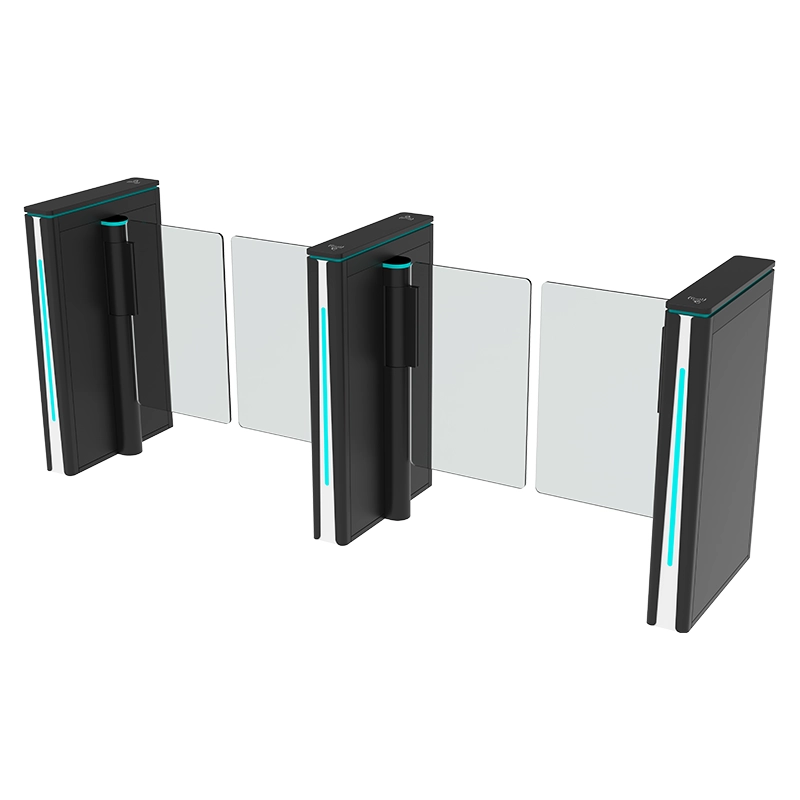
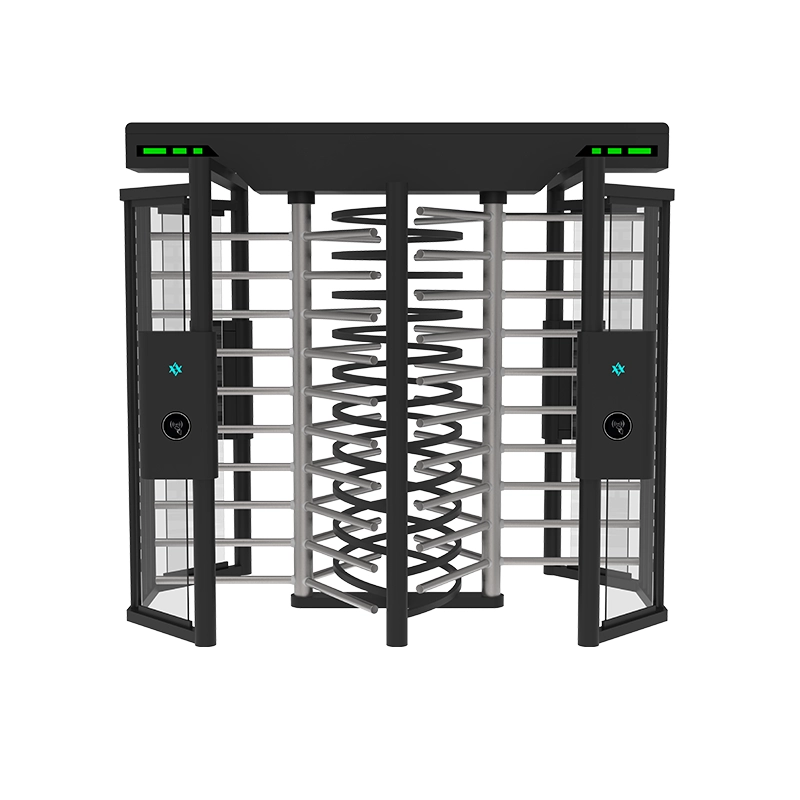
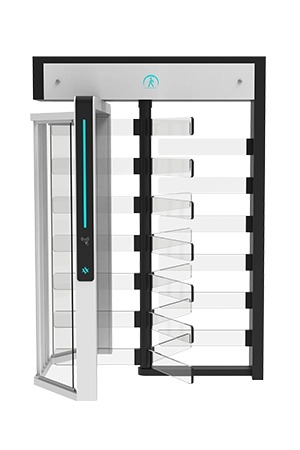
Sliding turnstile gates offer high security, efficient space use, and aesthetic appeal. They integrate advanced access control systems and allow fast throughput. However, they are more expensive, require complex installations, and need regular maintenance, making them suitable primarily for indoor environments.
Understanding Sliding Turnstile Gates for Optimal Security
Advantages and Disadvantages
| Aspect | Pros | Cons |
|---|---|---|
| Security & Control | High security with sliding panels | More expensive and complex setup |
| Space Usage | Efficient with full-height design | Requires sufficient space for sliding |
| Durability & Aesthetics | Durable materials, modern look | More suited for indoor environments |
| Integration & Throughput | Supports advanced access systems | Maintenance can be challenging |
Choosing the Right Setting
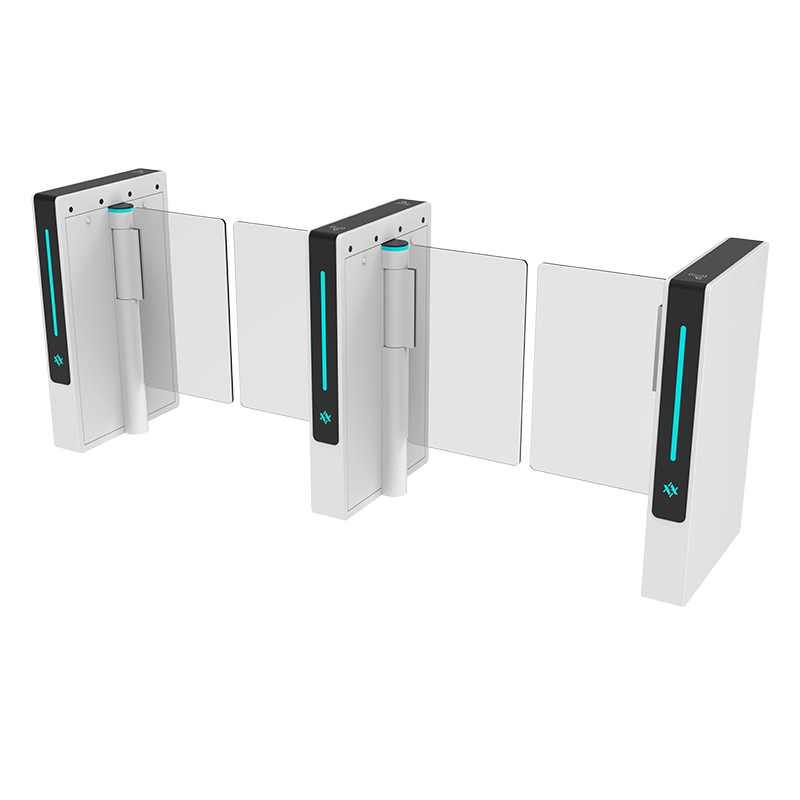
Sliding turnstile gates[^2] excel in environments where appearance, controlled flow, and security are critical, such as corporate lobbies and government buildings. They provide advanced bi-directional control and sophisticated integration options but may not be cost-effective or suitable for outdoor use.
Considerations for Implementation
Evaluate specific needs: If high security and aesthetic appeal are priorities, sliding turnstile gates offer great value. However, consider installation complexity and maintenance requirements to ensure long-term effectiveness and reliability. Understanding these aspects can help you make an informed decision for optimal access management.
Conclusion
Sliding turnstile gates offer significant benefits for modern access control systems. They provide advantages in speed, security, and design aesthetics. However, they also present specific challenges related to higher initial costs and particular maintenance requirements. Understanding both the advantages and disadvantages is essential for making an informed decision about their implementation.
](https://aipadaturnstile.com/wp-content/uploads/2025/11/AT107-TC-01.webp)
](https://aipadaturnstile.com/wp-content/uploads/2025/12/vertical-tripod-turnstile.jpg)
](https://aipadaturnstile.com/wp-content/uploads/2025/12/popup-img.jpg)