
Controlling access and managing people flow can be a challenge in busy environments. Inefficient entry systems often cause congestion and security vulnerabilities. This creates problems for many organizations.
Drop arm turnstiles provide an effective solution for these issues. They regulate pedestrian traffic and enhance security in diverse settings. These systems are especially valuable in high-traffic areas, such as corporate buildings and public transportation hubs. They facilitate smoother and more organized entry and exit.
This article will explore the specific functions and applications of drop arm turnstiles. Understanding their design and operation can help in choosing the most suitable access control solution for various environments.
What is the function of the drop arm?
The drop arm is a key component of a drop arm turnstile. Its primary role is to manage and control pedestrian access. A malfunction in this component can lead to security breaches or inefficient traffic flow.
The main function of the drop arm is to allow authorized passage and prevent unauthorized entry. When a valid credential is presented, the arm retracts or drops. This action creates an open pathway for the person. Afterward, the arm quickly returns to its closed position. This blocks the path for the next individual. This mechanism ensures that only one person passes per authorization. It also helps prevent "tailgating," which is when an unauthorized person attempts to follow closely behind an authorized one. This function is essential for maintaining order and security.
How the Drop Arm Mechanism Works
The drop arm operates through a combination of sensors and a motor. When a user presents a credential, such as an access card or a QR code, the system verifies its validity. If authorized, a signal is sent to the motor. The motor then actuates the arm. The arm either drops down or retracts into the turnstile cabinet. The specific movement depends on the turnstile’s design. Some speed gates[^1], for example, feature retractable barriers for very fast passage.
The precise control of the arm’s movement is critical for efficiency. Advanced motor technology ensures smooth and quiet operation. This is important in environments where noise reduction is desired. These motors allow the turnstile to perform many operations reliably over a long period. This reduces the need for frequent maintenance.
Safety features are also integral to the drop arm’s function. Drop arm turnstiles typically include anti-tailgating sensors. These sensors detect if multiple individuals attempt to pass. They also incorporate anti-pinch mechanisms. These prevent the arm from closing if an obstruction is detected in the pathway. For instance, if a person or an object is in the arm’s path, the arm will stop its movement. This helps prevent injuries. In emergency situations, such as a fire, the drop arm can automatically open. This provides an unobstructed exit path. This compliance with safety regulations is a standard feature.
Types of Drop Arm Movements
Different types of drop arm movements are utilized to meet varying operational requirements.
| Type of Movement | Description | Typical Application |
|---|---|---|
| Retracting Arms | The arms slide into the turnstile housing. This allows for very fast transit. | High-traffic corporate lobbies, subway stations. |
| Swinging Arms | Arms pivot open, similar to a door. These often provide wider access. | Locations requiring wider lanes for accessibility, such as airports. |
| Folding Arms | Arms fold either downwards or upwards. This design can save space. | Sites with compact entry points or temporary installations. |
The choice of mechanism often depends on the desired throughput speed, security level, and aesthetic considerations. The design focuses on optimizing pedestrian flow while maintaining strict access control.
What are the different types of turnstile gates?
Turnstile gates vary significantly in their design and functionality. This caters to diverse access control and security needs. Selecting an inappropriate turnstile type can lead to bottlenecks or compromise site security.
Various types of turnstile gates are available, each designed for specific applications. Understanding these distinctions is crucial for implementing an effective access control system. Each type offers unique advantages in terms of security, throughput, and aesthetic integration.
Exploring Various Turnstile Options
Turnstiles can be categorized by their physical design and operational characteristics.
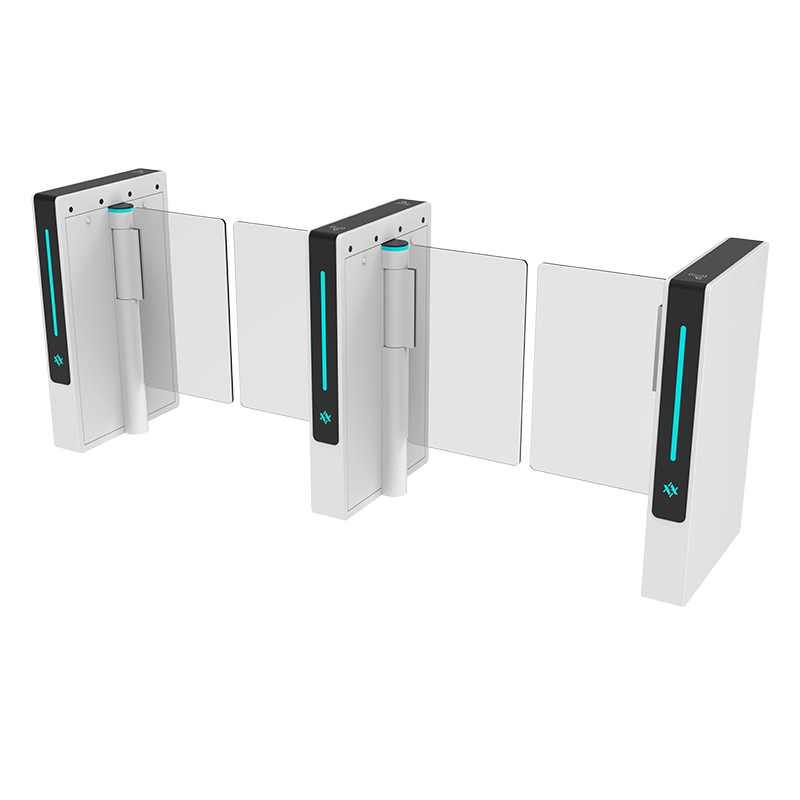
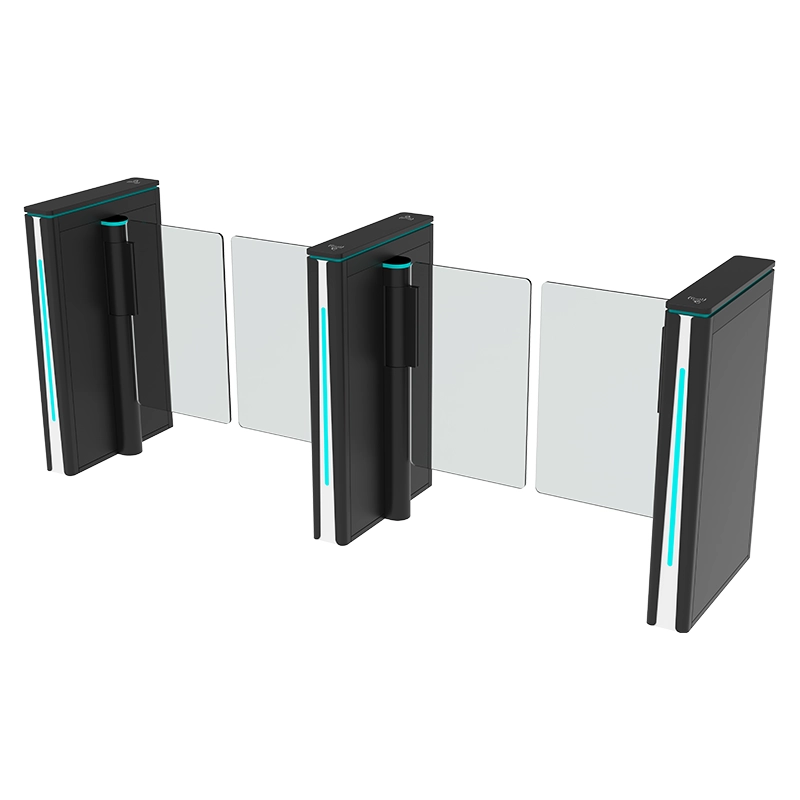
- Speed Gates: These gates offer fast pedestrian throughput with a modern appearance. They often use retractable or swinging glass barriers. Speed gates are suitable for environments that prioritize quick passage and a sleek design, such as high-rise office buildings. They often integrate with advanced identification technologies like facial recognition.
- Swing Turnstiles: These turnstiles feature barriers that swing open to allow passage. They are designed to provide wider access lanes. This accommodates individuals using wheelchairs, strollers, or carrying large items. They are commonly found in libraries, museums, and accessible entrances.
- Flap Barriers: Similar to speed gates, flap barriers[^2] utilize two retractable flaps that quickly retract into the turnstile body. They are known for their high speed and efficiency in managing high volumes of traffic. These are often deployed in subway stations and public transport hubs to prevent tailgating.
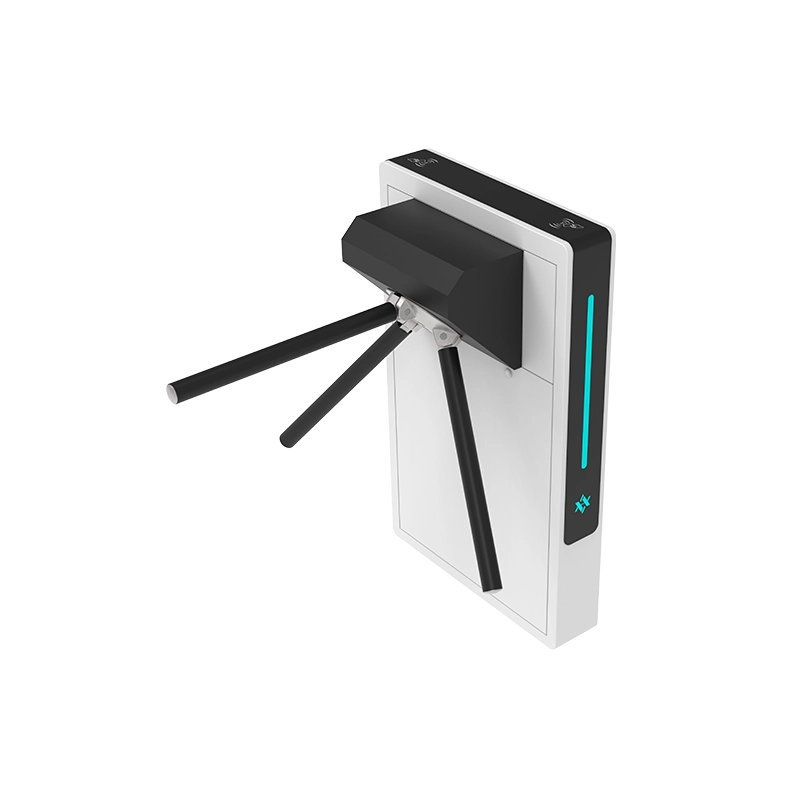
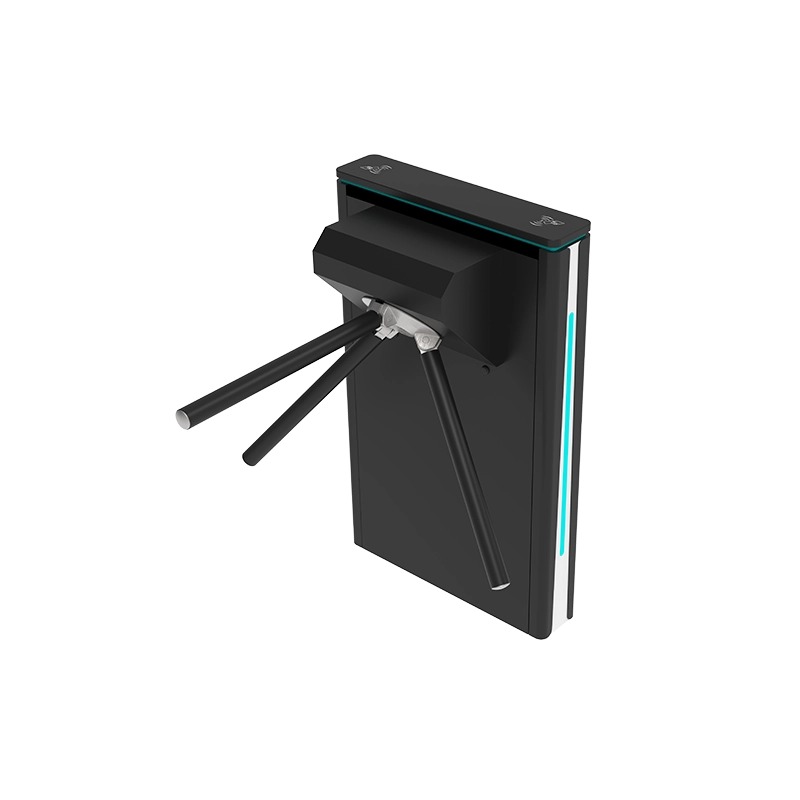
- Tripod Turnstiles: These gates feature three rotating arms arranged in a tripod configuration. They are a widely used and cost-effective solution for access control. Common applications include factories, gymnasiums, and amusement parks. They are robust and known for their reliability.
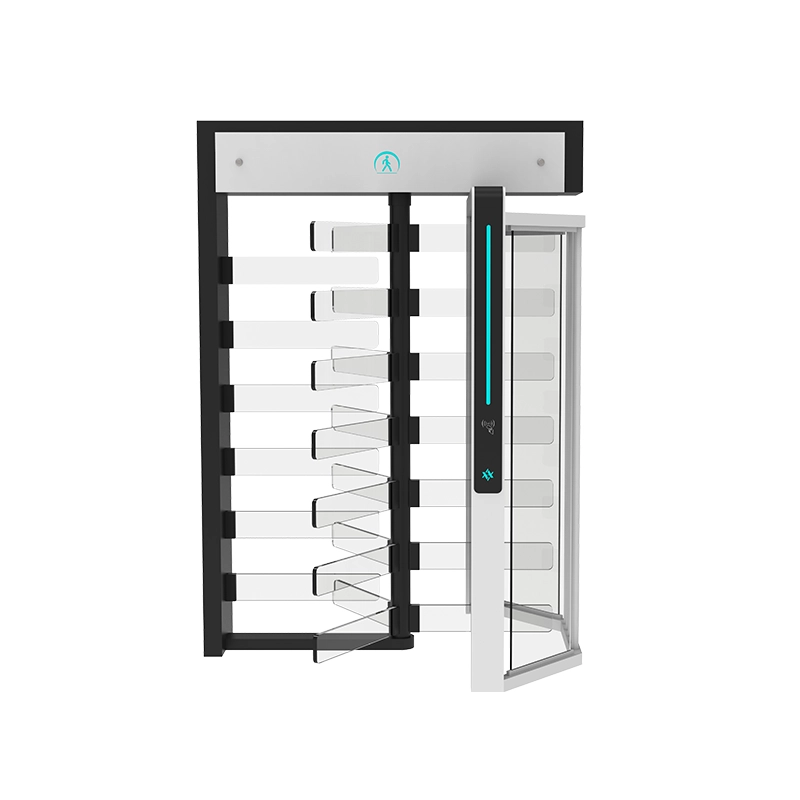
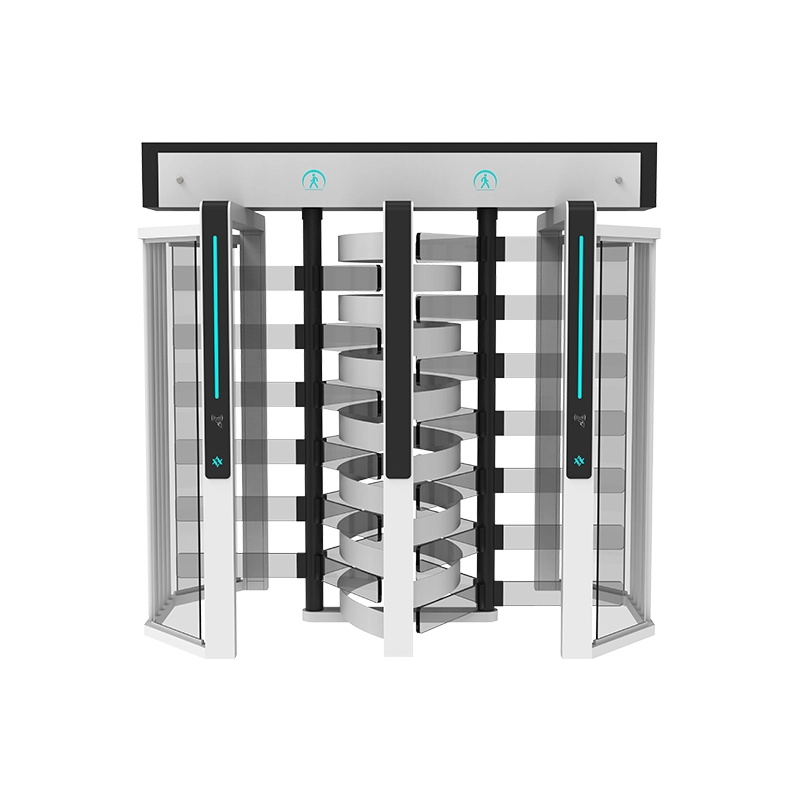
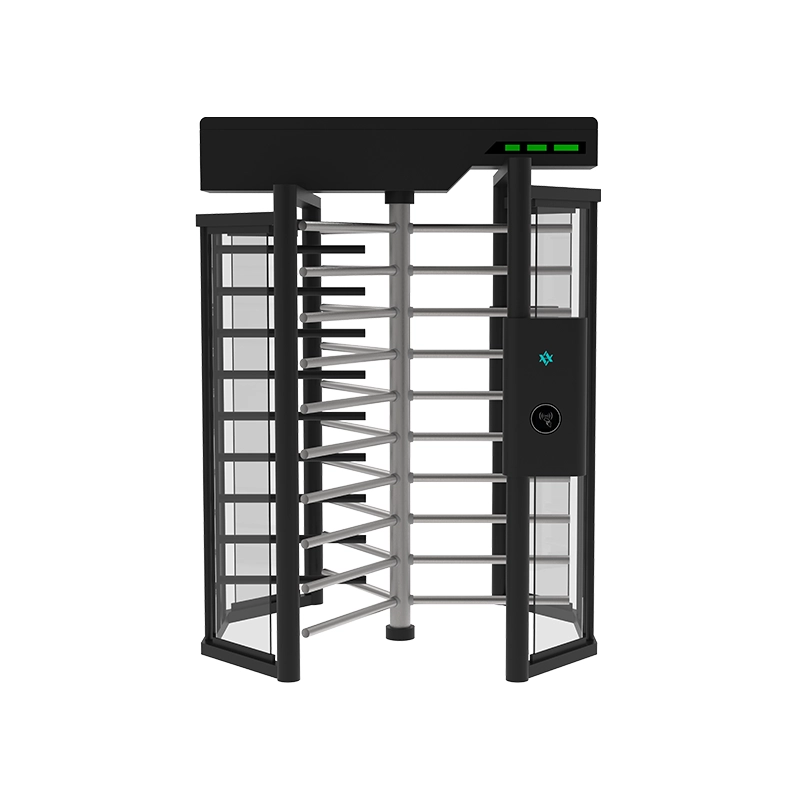
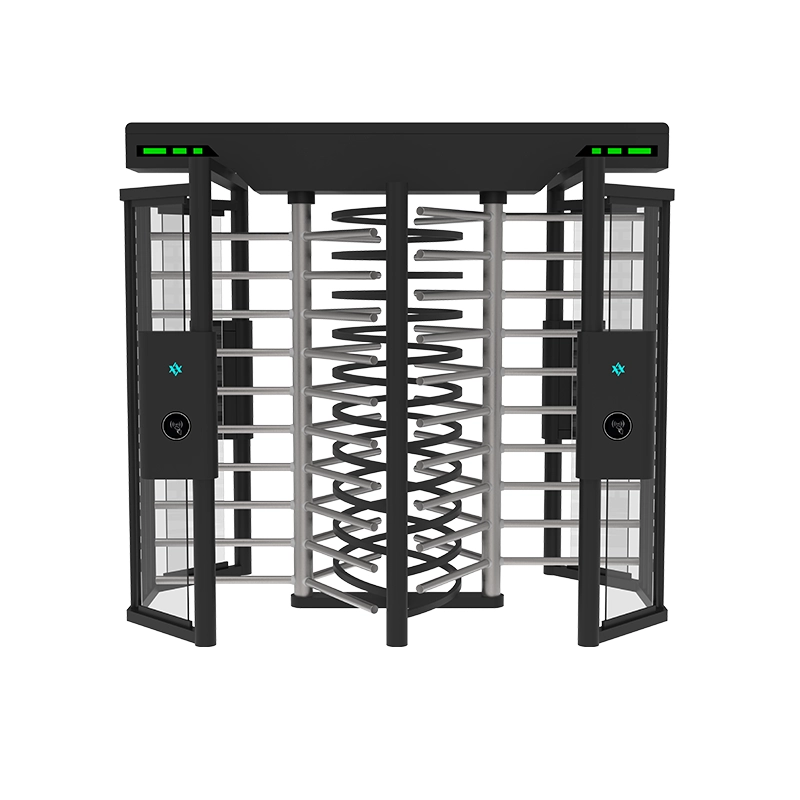
- Full Height Turnstiles: These turnstiles provide the highest level of physical security. They extend from floor to ceiling, making unauthorized climbing impossible. They are used in high-security environments, such as prisons, data centers, and secure sports venues. They offer robust physical barriers against intrusion.
Matching Turnstiles to Specific Needs
Each turnstile type addresses distinct operational requirements. For example, a corporate lobby prioritizing aesthetics and rapid, seamless passage might benefit most from a speed gate. Speed gates blend well with modern architectural designs and can be customized in terms of materials and finishes. They effectively manage high volumes of pedestrian traffic during peak hours.
Conversely, for an outdoor perimeter needing maximum security, a full height turnstile is more appropriate. Its sturdy construction provides a formidable physical barrier against unauthorized entry. These turnstiles are often built to withstand harsh environmental conditions.
For locations that require accessible entry, swing turnstiles are an ideal choice. Their wider lanes ensure comfortable passage for all individuals, including those with mobility aids. Safety sensors are typically integrated to prevent the barriers from closing on users. The selection process considers factors such as the expected volume of users, the required security level, and the integration needs with existing access control systems. This ensures the chosen turnstile provides optimal performance and user experience.
What is a drop arm barrier?
The term "drop arm barrier" can sometimes be used interchangeably with "drop arm turnstile." However, it is important to understand their specific functions. A simple barrier primarily restricts movement, while a drop arm turnstile offers controlled access. Misunderstanding this distinction can lead to inadequate security measures.
A drop arm barrier functions as a type of turnstile system. It employs an arm that retracts or drops to allow controlled passage. It is not merely a static obstruction. Instead, it is an intelligent system designed to manage access and verify authorization. This system is crucial for regulating crowd flow and enhancing overall security within a designated area. It represents a more sophisticated form of access control than a basic barrier.
The Mechanism of Drop Arm Barriers
A drop arm barrier operates using integrated electronic and mechanical components. When an individual presents an authorized credential, such as an identification card or biometric data, the system performs a validation check. Upon successful verification, an electrical signal activates a motor. This motor then moves the arm. The arm rapidly drops or retracts into the turnstile housing. This action creates an open path for the user to proceed. Once the person has cleared the passage, the arm swiftly returns to its default closed position. This prevents subsequent unauthorized passage.
The speed and precision of this action are vital. This mechanism helps prevent "tailgating," where an unauthorized person attempts to follow a legitimate user. Advanced sensor arrays are typically incorporated. These sensors ensure that only one person passes per valid authorization. They also detect any obstructions in the pathway, preventing the arm from closing and causing injury. This attention to detail in design prioritizes both security and user safety.
Key Features and Advantages
Drop arm barriers offer a range of features that contribute to their effectiveness in access control. They excel at managing pedestrian traffic, ensuring a smooth and orderly flow of people. This is particularly beneficial in high-density areas, such as public transport terminals or event venues. They also significantly enhance security by restricting entry to authorized individuals.
Here are some key advantages:
- Enhanced Security: They effectively deter unauthorized entry and prevent tailgating, thereby strengthening site security.
- Efficient Crowd Management: These systems streamline pedestrian flow, even during peak periods, reducing congestion and waiting times.
- System Integration: They are designed to integrate with various access control technologies. These include facial recognition, QR code scanners, and RFID readers, offering high flexibility.
- Durability and Reliability: Constructed from robust materials and featuring reliable motor systems, these barriers are built for long-term operation with minimal maintenance.
- Modern Aesthetics: Many drop arm barriers feature contemporary designs. This allows for seamless integration into modern architectural environments. Customization options for appearance are often available.
| Feature Category | Description | Benefit to User |
|---|---|---|
| Motor Technology | High-performance, low-noise motors | Smooth, fast, and quiet operation with extended lifespan. |
| Safety Mechanisms | Anti-pinch sensors, emergency override | Prevents accidents, ensures safe evacuation during emergencies. |
| Material Construction | Stainless steel, tempered glass options | High resistance to wear, modern and professional appearance. |
| Access Control Compatibility | Modular integration with various readers | Flexible to connect with existing security systems (e.g., biometrics). |
Drop arm barriers are often designed with emergency response in mind. They can integrate with building fire alarm systems. In the event of an alarm or power failure, the arms can be set to automatically open. This provides an unobstructed escape route for occupants, aligning with essential fire safety regulations. These capabilities highlight their role beyond simple access control, extending to overall building safety.
What are the parts of a turnstile?
A turnstile, while seemingly a straightforward device, comprises several interconnected components. Each part plays a specific role in its overall function. A lack of understanding of these individual parts makes it difficult to fully grasp how a turnstile contributes to facility security and operational efficiency.
A turnstile is an assembly of various primary parts. These components work in unison to regulate entry and exit for pedestrians. From its external structure to its internal mechanisms and barrier elements, each part is essential for its proper operation. Recognizing these components helps clarify the comprehensive functionality of turnstile systems.
Key Components of a Turnstile System
The fundamental parts of a turnstile include:
The Housing (Cabinet): This is the external enclosure that protects the internal mechanisms. It is typically constructed from durable materials like stainless steel or reinforced glass. The housing also defines the turnstile’s aesthetic. It can often be customized to match the architectural style of a building, including variations in finish and color.
The Barrier Element: This is the physical component that blocks or allows passage. In a drop arm turnstile, this is the movable arm. For speed gates, it may be a retractable or swinging panel. In tripod turnstiles, it consists of rotating rods. This is the most visible part of the turnstile, directly interacting with users.
The Drive Mechanism (Motor Assembly): This is the operational engine of the turnstile. It is responsible for actuating the barrier element. Advanced motor systems, such as brushless motors, are frequently used. These motors offer quiet, smooth, and long-lasting performance. They are critical for ensuring rapid and reliable operation, especially in high-traffic areas.
The Control Unit (Controller Board): This acts as the central processing unit of the turnstile. It receives signals from the access control system and translates them into commands for the drive mechanism. It manages all operational logic and ensures the turnstile functions according to programmed parameters.
Sensors: Turnstiles are equipped with various sensors. Infrared sensors are commonly used to detect a person’s presence. They prevent the barrier from closing prematurely and assist in tailgating detection. These safety sensors are vital for preventing injuries and ensuring secure passage.
Access Reader Integration: This is the interface where users present their credentials for verification. It can accommodate various reading technologies, such as card readers, fingerprint scanners, facial recognition cameras, or QR code readers. The turnstile integrates with these readers to validate user authorization.
How Components Integrate for Seamless Operation
The effective operation of a turnstile relies on the seamless interaction of all its components. When a user presents a credential to the access reader, the reader transmits the data to the control unit. The control unit rapidly processes this information. It communicates with the facility’s central access control system for verification. If access is granted, the control unit sends an activation signal to the drive mechanism. The motor then moves the barrier to an open position. As the user proceeds through the passage, sensors monitor their movement. Once the user has fully cleared the path, the control unit signals the motor to close the barrier. This entire sequence occurs quickly and efficiently.
Consider a scenario in a busy corporate environment. Numerous employees need to pass through turnstiles during peak hours. A speed gate system, with its rapid barrier movement and precise sensor technology, manages this flow effectively. The quick retraction of flaps, powered by efficient motors, combined with multi-zone infrared sensors, prevents collisions and unauthorized entries. The control unit orchestrates these actions in milliseconds, ensuring a smooth and uninterrupted flow of personnel.
The design emphasis is on the quality and synchronization of each component. Durable materials are selected for the housing to ensure longevity. Precise motor systems guarantee consistent barrier operation. Intelligent sensors enhance both safety and security. Furthermore, turnstile systems are often designed for modular integration with a wide array of third-party access control devices. This flexibility allows for customized solutions to meet diverse client requirements. Comprehensive technical support, including installation guidance and maintenance services, further ensures the prolonged and effective performance of the turnstile system.
My Insights: Understanding the Uses of Drop Arm Turnstiles
Need efficient access control without compromising flow? Drop arm turnstiles offer secure, quick passage for authorized individuals.
Drop arm turnstiles control pedestrian access by allowing one-person-at-a-time entry in secure areas. Commonly used in offices, transport systems, and events, they integrate with access systems to prevent unauthorized entry while ensuring smooth traffic flow.
Exploring the Benefits and Applications of Drop Arm Turnstiles[^3]
Functionality and Applications
| Feature | Benefits | Applications |
|---|---|---|
| Access Control | Prevents unauthorized entry | Office buildings, transit stations |
| Efficient Flow | Allows quicker passage | High-traffic areas, ticketing systems |
| Integration with Systems | Works with card and biometric access | Events, campuses, airports |
Secure Access: Drop arm turnstiles provide a physical barrier, deterring tailgating and unauthorized access. They ensure that only authorized individuals can pass, maintaining security while facilitating swift entry.
Flow and Accessibility: Designed for both indoor and outdoor use, these turnstiles handle high-traffic volumes effectively, offering less intimidating access than traditional gates. Their design accommodates wider lanes for strollers and mobility aids, supporting ADA compliance.
System Integration: Integrating smoothly with ticketing and security systems, drop arm turnstiles enhance tracking and management of entries and exits, suitable for environments where it’s crucial to balance security with convenience.
Ideal for environments needing efficiency and unobtrusive security, drop arm turnstiles offer versatile solutions for controlling access and maintaining smooth, secure operations.
Conclusion
Drop arm turnstiles are essential for modern access control and pedestrian management. They provide effective security and improve operational efficiency in various settings.