
Entrance configuration / buyer decision guide
Choosing between single vs double full height turnstiles starts with how people arrive and leave. One shared lane, two lanes in an integrated assembly and two separate single units can all control an entrance, but they create different queues, installation requirements and service arrangements.
Choose a single full height turnstile when one passage can serve the expected demand and direction pattern. Consider a double full height turnstile when two passages are needed at the same location. Compare two separate single units when the lanes need different positions, a phased installation or more physical separation. Confirm the complete layout before comparing prices.
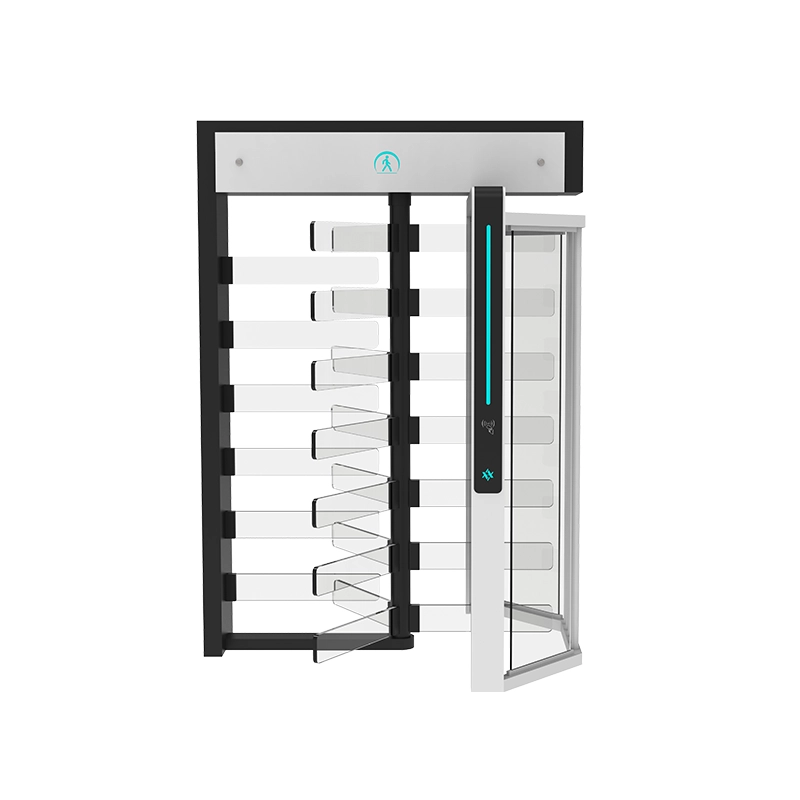
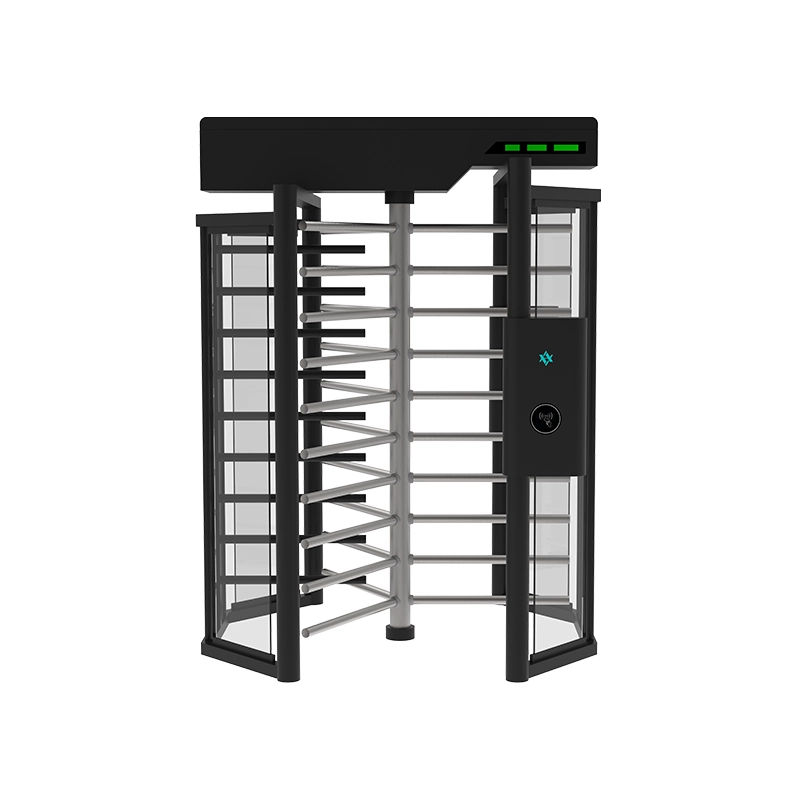
One single unit
One rotor and one pedestrian passage. Check whether entry and exit can comfortably share that lane.
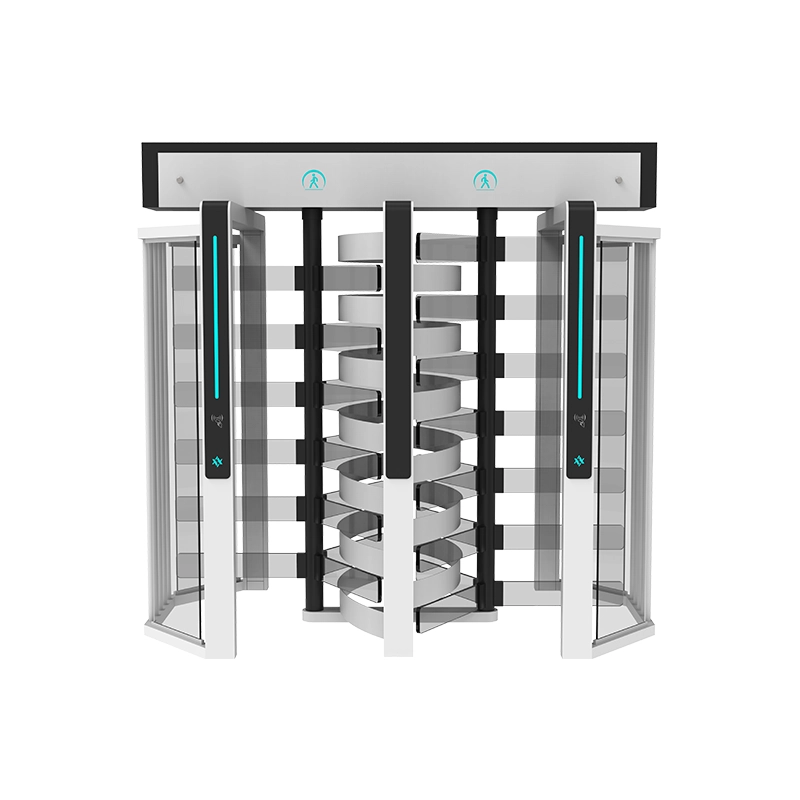
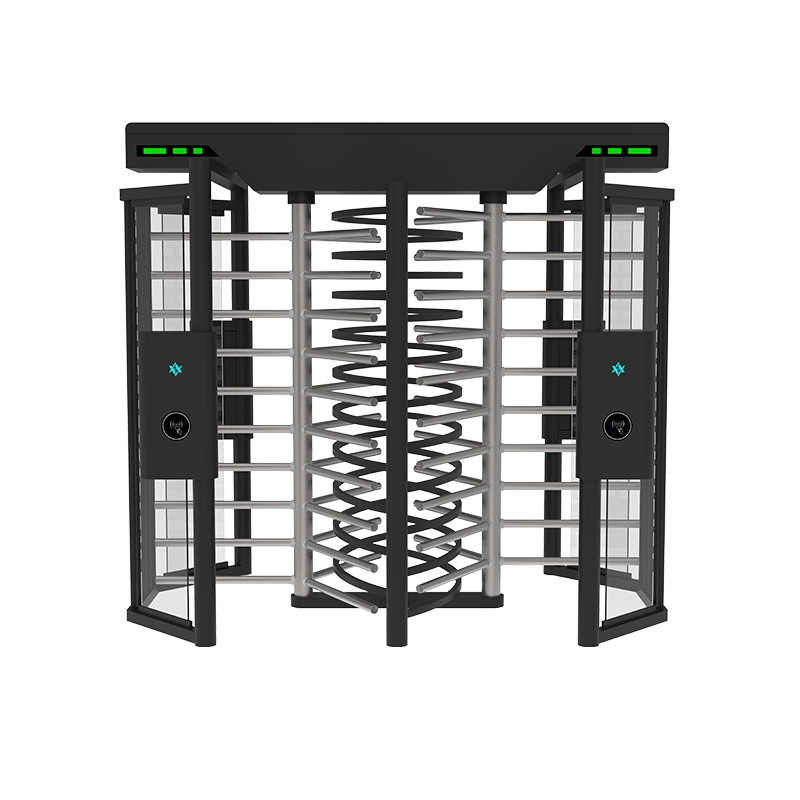
One double unit
Two passages within an integrated assembly. Check lane independence, shared components and the approach to each lane.
Two single units
Two separately positioned assemblies. Check combined footprint, separate foundations and how the routes connect.
Single vs Double Full Height Turnstiles: What Actually Changes?
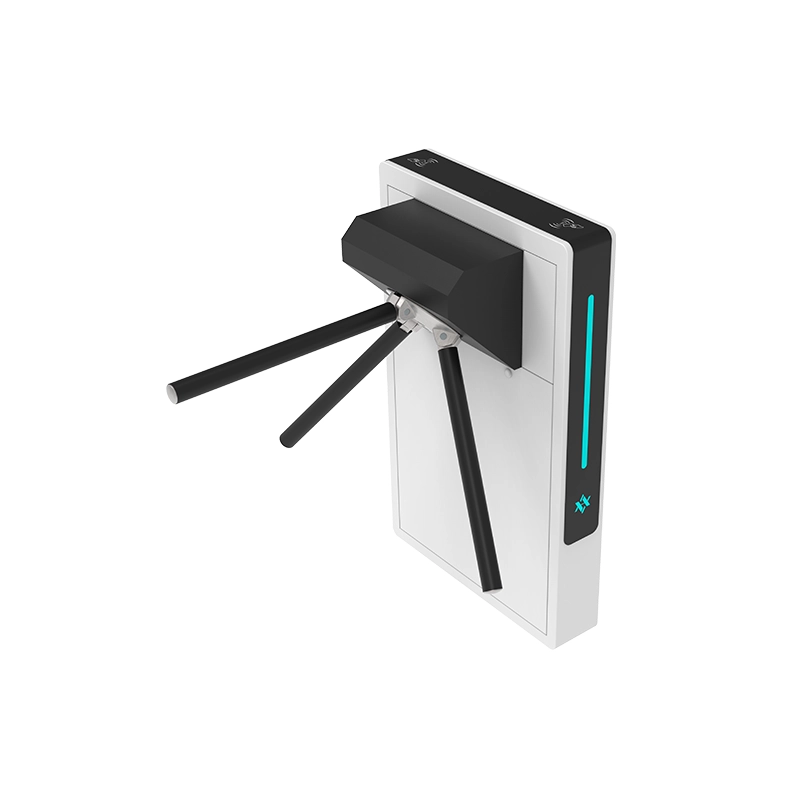
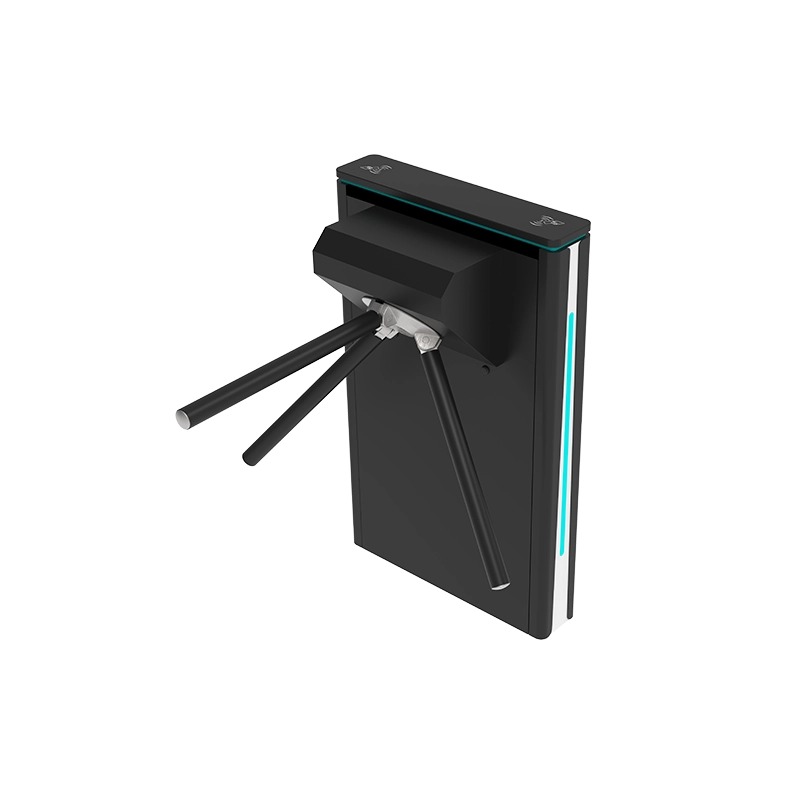
A single full height turnstile has one pedestrian passage around a rotating mechanism. Depending on the selected controls, that passage may operate in one direction or allow controlled movement in either direction. Bidirectional operation does not create a second lane: users still share the same passage.
A double full height turnstile generally combines two passages in one structural assembly. Suppliers may also use “dual-lane,” “twin” or “tandem,” but terminology is not a substitute for a drawing. Confirm the number of rotors, the number of usable passages and whether each lane has independent authorization and direction control.
Two adjacent passages are also different from two barriers arranged in sequence. If a project requires an interlocked sequence, describe that requirement explicitly instead of ordering a “double turnstile” and assuming the supplier means the same thing.

A confirmed AIPADA double-lane example
The AT502 Double Full Height Turnstile product page describes an integrated dual-channel frame with independent lanes and lane status indicators. It also lists configurable one-way or two-way passage modes.
That provides a real product starting point for a two-lane inquiry. It does not establish the correct lane count for every site or prove that the complete entrance will process twice as many people.
Three Entrance Scenarios That Lead to Different Choices
A small staff entrance with occasional two-way traffic
If arrivals are spread out and exits are infrequent, one single unit may provide a practical controlled passage. The important check is the period when users approach from both sides. A shared lane can create hesitation or waiting even when the daily total seems small.
Specify the intended direction behavior and indicators. Review how a rejected credential is handled without blocking the approach. If deliveries, visitors or people using mobility aids require another route, include that route in the entrance plan from the start.
Decision: evaluate a single unit first, then test the busiest mixed-direction period before approving it.
A factory shift change with simultaneous entry and exit
When one shift arrives as another leaves, separate passages can reduce conflict between opposing queues. A double unit may suit a single fence opening where both lanes need to remain together. Label the directions before users reach the readers so the two queues do not cross.
Check whether the required allocation is fixed or changes by time of day. Two inbound lanes in the morning and one inbound plus one outbound later are different operating requirements. Confirm that the gate configuration, access controller and site procedures support the intended changes.
Decision: compare a double unit with two independent single units using the same peak traffic assumptions and complete site plan.
Separated access points or a phased site expansion
Two single units can be easier to position when entry and exit are at different points, a column divides the entrance, or the second passage is planned for a later phase. Their physical separation may also make it easier to isolate one work area during servicing.
However, two separate units do not automatically provide independent operation. They can still share a controller, power supply or network connection. Review those dependencies if continuity during maintenance is an important purchasing requirement.
Decision: favor separate units when the site needs placement flexibility; compare the additional fixing, cabling and perimeter work before ordering.
Does a Double Full Height Turnstile Double Capacity?
Two usable lanes create the opportunity to handle two streams, but actual capacity depends on how those streams use the entrance. Credential presentation, validation time, rotation, user hesitation and the route beyond the gates all influence the result.
A double unit with one lane assigned to exit does not offer two inbound lanes during an arrival peak. Likewise, an empty second lane provides little benefit if unclear signs send everyone to the first reader. Confirm whether a supplier’s throughput figure is per lane or for the complete assembly and under what test conditions it was measured.
An illustrative demand check
If 180 people arrive in 10 minutes, the average inbound demand during that period is 18 people per minute. Two equally used inbound lanes would each face an average of 9 people per minute. With one lane reserved for exit, the inbound lane still faces 18 people per minute.
These are demand calculations, not a gate performance guarantee. Short bursts within those ten minutes, rejected credentials and uneven lane use can create queues even when the average looks acceptable.
Ask for a demonstration using the intended reader and operating mode, or use measured service times from a comparable installation. Include the practical recovery process when someone cannot pass. Avoid choosing a lane count from the total number of employees alone.
Double Full Height Turnstile or Two Single Units?
Once the project needs two passages, compare the integrated and separate arrangements on the complete entrance. A compact shared frame may reduce equipment width compared with a particular pair of single units, but the amount of space saved must come from the actual drawings.
| Decision factor | One double unit | Two single units |
|---|---|---|
| Placement | Keeps two passages together in one assembly. | Allows separate positions and potentially different approach routes. |
| Footprint | Compare the complete frame, anchoring and service clearances. | Include both units, their spacing and any connecting barriers. |
| Installation | Check assembly size, delivery access and positioning requirements. | Check duplicated fixing work and separate cable routes. |
| Service continuity | Confirm whether one lane can remain in use during work on the other. | Physical separation can help, but electrical or control dependencies may remain. |
| Expansion | Provides two lanes at the initial installation. | May support staged purchasing if the future layout and infrastructure are prepared. |
| Commercial comparison | Request a complete two-lane package price. | Request two complete single-lane packages plus required site connections. |
Use our turnstile dimensions guide to distinguish equipment size from clear passage and overall site space. For this decision, the key is whether the proposed two-lane arrangement fits the actual fence opening and pedestrian routes.
Specify Lane Independence Before Approving a Dual-Lane Gate
“Independent lanes” should be translated into specific operating requirements. Ask which mechanism, reader inputs, direction commands and status signals belong to each lane. Also identify any shared controller, supply or enclosure that can affect both.
- Can each lane receive a separate access authorization?
- Can the required entry and exit directions be configured separately?
- Are lane-specific passage and fault indications available for the proposed system?
- What happens to the other lane when one mechanism is being serviced?
- Which functions depend on shared power, communications or control hardware?
Provide the access-control integrator with the required lane allocation before hardware is ordered. The full height turnstile integration guide provides background on connecting the gate and controller; the project documentation should identify the exact interfaces and responsibilities.
Include the required response to power loss and emergency inputs in the project specification. Agree the surrounding exit arrangements with the responsible project team. A second rotating passage should not be assumed to replace a separately required accessible or emergency route.
Compare Single and Double Full Height Turnstile Quotes Fairly
A price for one double unit is difficult to compare with a price for one single unit unless the scope is normalized. Request alternatives for the same required number of passages, credential method, operating mode, material and project environment.
Separate the equipment price from readers, controllers, packing, freight, unloading, foundations, cable work and commissioning. For an integrated assembly, verify delivery access and the proposed handling procedure. For two separate units, account for connecting fence work and the distance between the installation positions.
Do not assume a double unit always costs less than two singles. The frame design, controls and transport requirements can change the result. Compare the delivered and installed scope, then consider how the entrance will operate while a lane is unavailable.
Questions worth resolving before the purchase order
Can one single unit handle entry and exit? Some configurations support both directions, but both flows share one physical passage. Confirm the operating sequence and whether the peak queues are acceptable.
Is a double unit a wider accessible lane? Two standard passages do not combine into one wider passage. Plan a suitable route for users or loads that cannot use the rotating compartments.
Can a single unit be converted to a double later? Do not assume this is a field upgrade. Ask whether the exact model has an approved expansion arrangement. Adding a second separate unit may require new site work and controls.
Does a double unit automatically improve security? Lane count describes capacity and arrangement. Security also depends on the barrier design, perimeter connections, authorization rules and daily operation.
Ask AIPADA to Compare Two Entrance Layouts
Send a site sketch and request a comparison between an integrated double full height turnstile and two separate single units. Include:
- The finished opening, available depth and surrounding fence or walls.
- Peak arrivals and departures, measured over the busiest short period.
- The lane directions required at different times.
- The credential system and reader locations.
- Any separate passage required for mobility aids, deliveries or equipment.
- Environmental conditions, delivery access and expectations during servicing.
Use the AT502 double full height turnstile as one product reference. Ask for the proposed lane configuration, complete drawing and quotation scope before selecting the arrangement.
Request a Single vs Double Layout Comparison