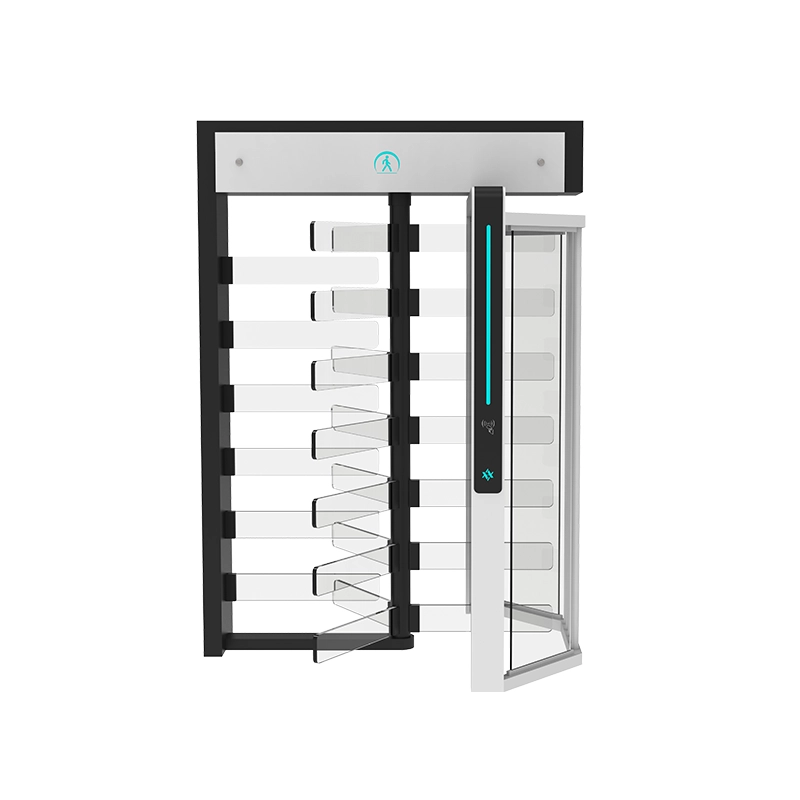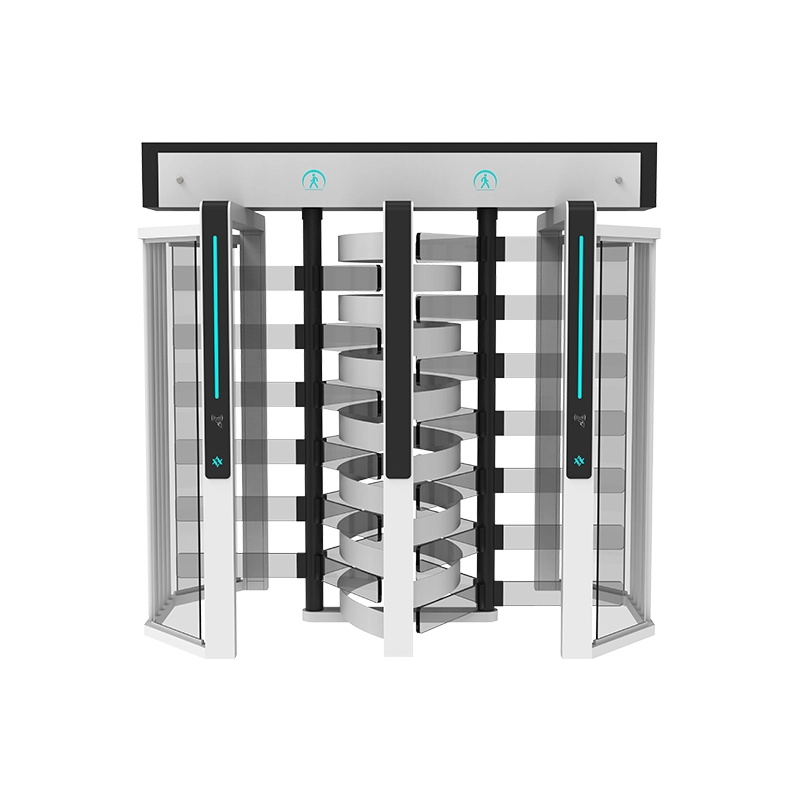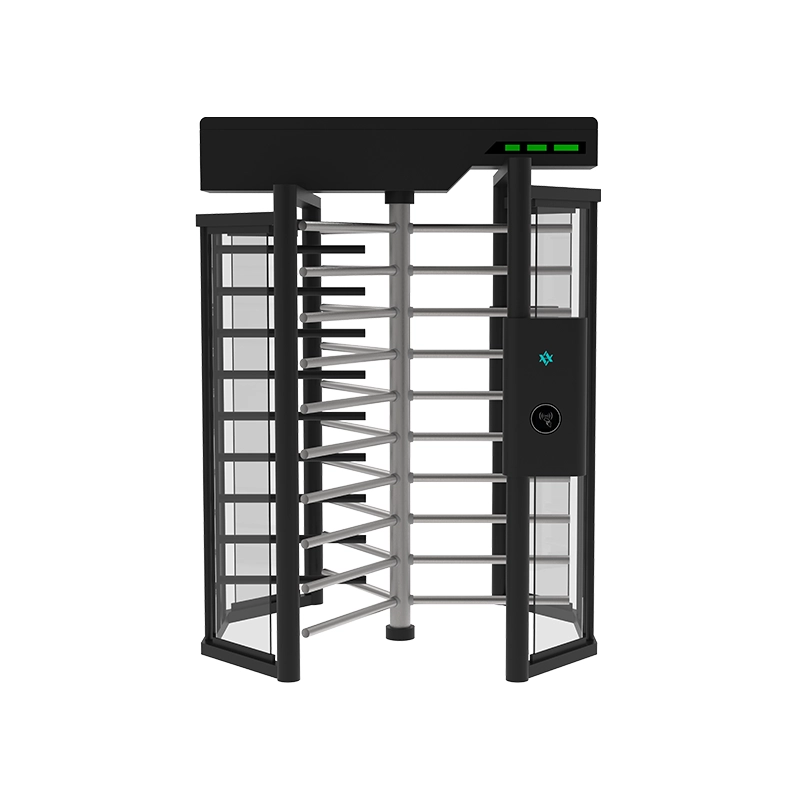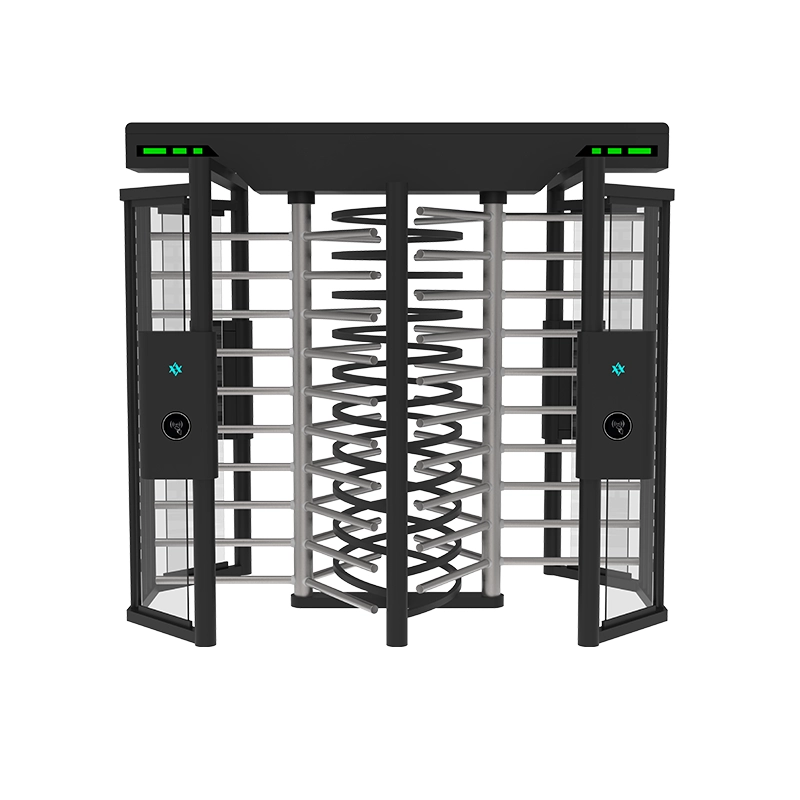
](https://aipadaturnstile.com/wp-content/uploads/2026/04/What-is-a-Speed-Gate.jpg "What is a Speed Gate")

Managing pedestrian traffic efficiently and securely is a significant challenge in modern facilities. Congested entry points can lead to delays and security vulnerabilities. How can organizations achieve smooth and controlled access?
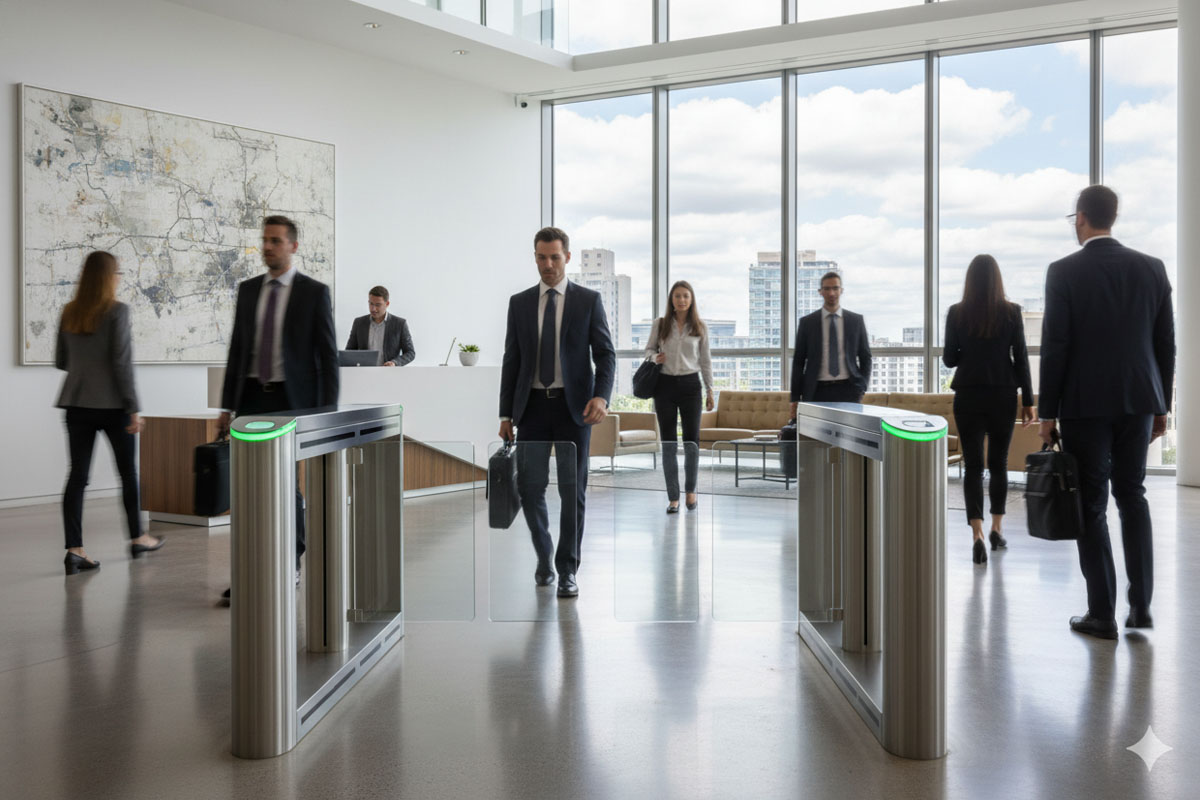
A speed gate is an advanced pedestrian access control system designed for rapid and secure management of people flow. It utilizes retractable or swinging barriers and integrated sensor technology to allow swift, authorized passage while effectively deterring unauthorized entry in high-traffic environments.
These systems represent a key solution for enhancing both security and operational efficiency in various settings. They provide a streamlined experience for users while maintaining robust control over who enters and exits a premises.
What are speed gates used for?
High-traffic environments often struggle with balancing quick entry for many people with strict security requirements. You may wonder, where do speed gates[^1] find their most effective applications?
Speed gates are primarily deployed in commercial, public, and institutional settings where efficient pedestrian flow and stringent security measures are critical. Their usage spans corporate offices, public transportation hubs, data centers, and educational institutions, addressing needs for rapid and controlled access.
The versatility of speed gates allows for their implementation across diverse sectors. For example, a large corporate headquarters needs to process thousands of employees during morning rush hour. A slow entry system would create significant bottlenecks. Speed gates facilitate quick passage for authorized personnel, reducing queues and improving punctuality.
Common Applications of Speed Gates
Speed gates serve various purposes depending on the specific environment.
- Commercial Real Estate: High-rise office buildings and commercial complexes frequently use speed gates at main entrances. These enhance corporate image, manage employee access, and control visitor flow.
- Public Transportation: In subway stations, airports, and train terminals, speed gates regulate passenger movement. They ensure only ticketed individuals access restricted areas, improving public safety and operational order.
- Industrial and Research Facilities: Large factories, chemical plants, and data centers employ speed gates for restricted access to sensitive zones. This protects valuable assets and ensures only authorized personnel are present in critical areas.
- Educational and Public Institutions: Universities, libraries, hospitals, and government buildings use speed gates to manage student, staff, and visitor access. This helps maintain security on campus and in public service areas.
Advantages of Speed Gates in These Applications
The selection of speed gates for these applications stems from their inherent benefits.
| Feature | Advantage | Significance |
|---|---|---|
| High Throughput | Accommodates a large volume of users quickly | Minimizes congestion, enhances operational efficiency |
| Enhanced Security | Actively prevents unauthorized access and tailgating | Protects assets, improves overall safety and control |
| System Integration | Compatible with various access control technologies | Offers a comprehensive and flexible security solution |
| Modern Aesthetics | Sleek design complements contemporary architecture | Elevates building appearance, creates a professional image |
These systems are engineered for continuous operation, providing reliable performance even under heavy usage. This ensures consistent security and efficient access management over time.
How fast do speedgates operate?
In busy environments, delays at entry points can significantly impact daily operations and user experience. The speed at which an access control system functions is a key consideration. How quickly can a typical speed gate process individuals?
Speed gates are engineered for rapid pedestrian throughput, generally capable of processing 20 to 60 individuals per minute. Their operational speed is influenced by factors such as the chosen authentication method and the gate’s specific mechanical design, optimizing efficiency while maintaining security in high-flow areas.
Efficient throughput is a primary design objective for speed gates. Consider a scenario in a large public transit hub during peak commute hours. A slow access system would lead to extensive queues and passenger frustration. Speed gates are designed to open and close swiftly, allowing a continuous stream of authorized individuals to pass without significant interruption. This capability minimizes waiting times and ensures smooth traffic flow.
Factors Influencing Speed Gate Throughput
Several variables contribute to the overall speed of a pedestrian’s passage through a speed gate.
- Authentication Method:
- Proximity Cards: Often the quickest, requiring a simple tap or wave.
- Biometrics (Fingerprint/Facial Recognition): Can be very fast, especially with advanced facial recognition, allowing for "walk-through" authentication.
- QR/Barcodes: Requires scanning, which can add a slight delay depending on scanner efficiency and user familiarity.
- User Proficiency: Individuals familiar with the system typically navigate through faster than first-time users.
- Gate Configuration: Barrier type (retracting vs. swinging) and lane width can affect the perceived and actual speed of passage.
Technical Aspects of Speed Gate Operation
Speed gate designs incorporate advanced technology to achieve high-speed and reliable performance.
- Brushless Motor Technology: Many modern speed gates utilize brushless DC motors. These motors offer high efficiency, long lifespan, and quiet operation, contributing to rapid and smooth barrier movement.
- Optimized Sensor Arrays: Multiple infrared sensors are precisely positioned to accurately detect pedestrian presence and direction. This prevents barriers from closing prematurely and ensures rapid detection for subsequent users.
- Intelligent Control Algorithms: The internal control system uses sophisticated algorithms to manage barrier operation. It optimizes opening and closing times based on user detection, ensuring a fast yet safe transition.
| Aspect of Speed | Technical Implementation | Impact on System Performance |
|---|---|---|
| Barrier Movement | High-speed brushless motors and optimized mechanics | Reduces waiting times, ensures fluid user experience |
| Sensor Responsiveness | Advanced multi-zone infrared sensor arrays | Minimizes false alarms, guarantees safe and rapid passage |
| System Integration | Compatibility with fast credential validation systems | Supports quick verification across various access methods |
| Durability | Robust components designed for millions of cycles | Maintains consistent speed and reliability over extended use |
The continuous development in speed gate technology focuses on pushing the boundaries of throughput while upholding stringent security standards. The aim is to create an almost imperceptible transition for authorized individuals, making the access process seamless.
What is a speedgate?
Modern entrances often feature sleek, automated barriers that control who enters a building. These sophisticated devices are more than simple turnstiles. What exactly defines a speed gate?
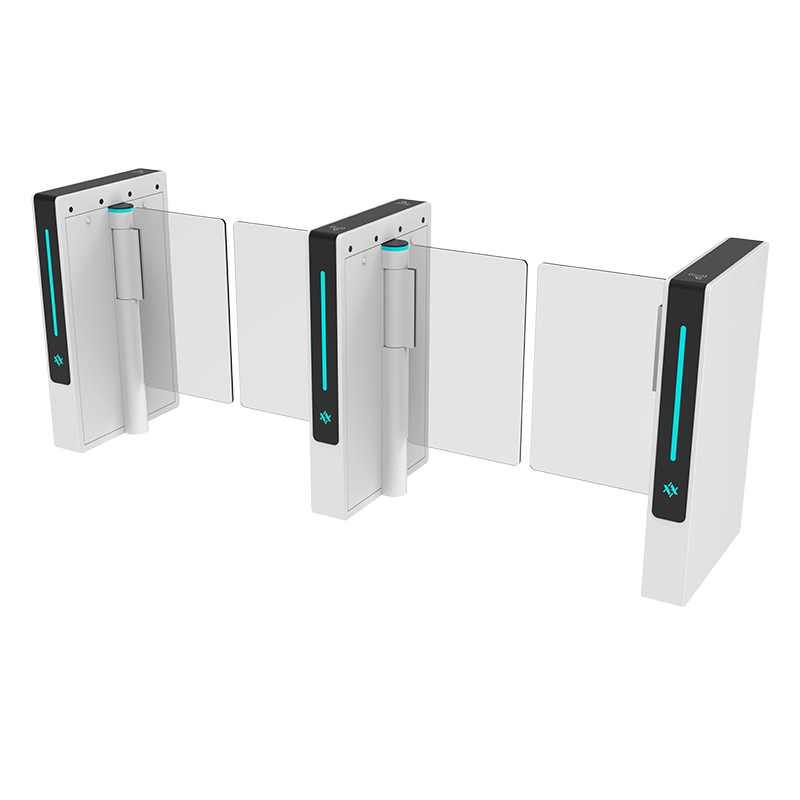
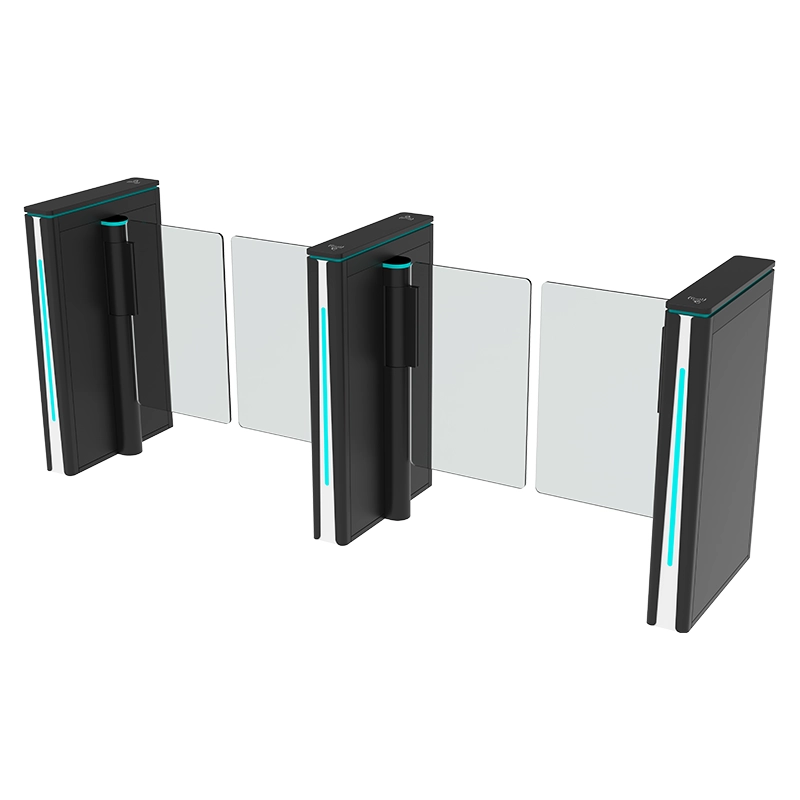
A speed gate is a sophisticated pedestrian access control device characterized by its rapid-action retractable or swinging barriers, advanced sensor technology, and often an elegant design. It serves to provide secure and efficient throughput for authorized individuals, making it suitable for contemporary architectural environments.
A speed gate is an integrated system that combines mechanical components, electronic controls, and aesthetic design. The objective is to provide both functional security and a welcoming, high-tech appearance. The design emphasizes smooth, quiet operation, where the barriers move almost imperceptibly as a person walks through. This involves precise engineering of motors and sensor placement to ensure fluid movement and accurate user detection.
Core Components of a Speed Gate System
A typical speed gate unit comprises several key functional elements.
- Barrier Panels: These are the primary moving parts, usually made from tempered glass, acrylic, or stainless steel. They retract into the gate’s cabinet or swing open to allow passage.
- Housing/Cabinet: This robust enclosure contains the internal mechanisms, including motors, electronics, and sensors. Its design often contributes significantly to the overall aesthetic of the building entrance.
- Detection Sensors: Infrared or optical sensors are crucial for safe and secure operation. They detect the presence of individuals in the lane, prevent the barriers from closing prematurely, and identify unauthorized attempts like tailgating.
- Control Unit: This electronic board is the central intelligence. It processes signals from access control readers (e.g., card readers, biometric scanners) and sensors, then commands the barrier motors to open or close.
- Motor Mechanism: High-performance motors, often brushless, drive the rapid and smooth movement of the barriers. They are selected for their durability, quietness, and precision.
Distinguishing Speed Gates from Other Turnstile Types
While all are pedestrian access control devices, speed gates differ significantly from other turnstile variants.
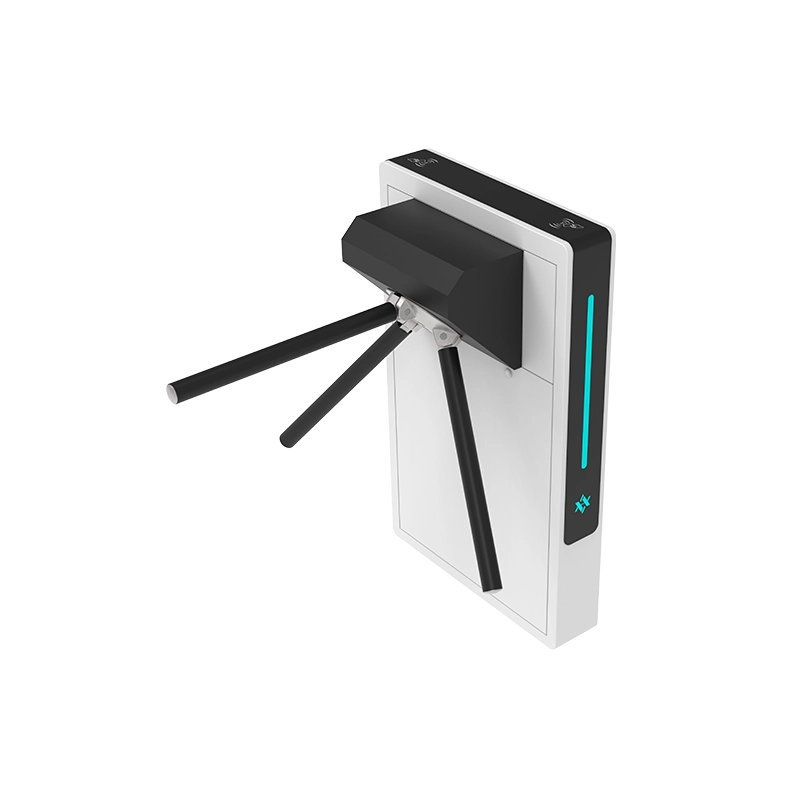
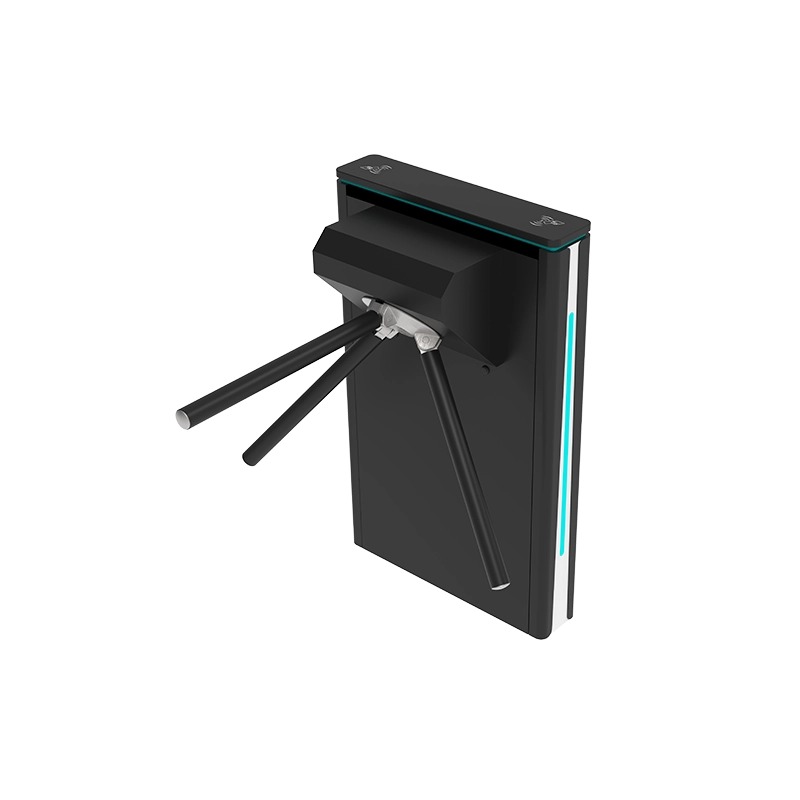
| Feature | Speed Gate | Tripod Turnstile | Full-Height Turnstile |
|---|---|---|---|
| Barrier Operation | Retracting or swinging panels (glass/steel) | Rotating arms (typically three) | Rotating cage or rotor |
| Throughput Rate | High (20-60 persons/minute) | Medium (15-25 persons/minute) | Low (5-10 persons/minute) |
| Security Level | High (effective anti-tailgating) | Moderate (can be climbed over) | Very High (physical barrier, difficult to bypass) |
| Aesthetics | Modern, sophisticated, blends with high-end interiors | Functional, utilitarian, industrial | Robust, imposing, maximum physical deterrence |
| Typical Usage | Corporate lobbies, airports, high-tech facilities | Gyms, factories, entry to public parks | Prisons, military bases, highly secured perimeters |
The design philosophy behind speed gates emphasizes both functionality and seamless integration into modern architectural spaces. Customization options for materials, finishes, and dimensions allow these systems to complement diverse building styles and interior designs. They serve as a testament to how advanced technology can be harmoniously blended with aesthetic considerations.
How secure are speed gates?
Security is a primary concern for any facility managing controlled access. When implementing an access control system, its ability to prevent unauthorized entry is paramount. How effectively do speed gates contribute to the overall security of a premises?
Speed gates provide a high level of security by employing advanced sensor technology and robust physical barriers to rigorously control pedestrian flow. They are specifically designed to detect and prevent unauthorized passage, including tailgating and forced entry, and seamlessly integrate with various credential verification systems to ensure only authorized individuals gain access.
These systems are engineered with multiple security layers. It is not merely about a physical barrier, but an intelligent system that actively monitors and responds to access attempts. Security engineers focus on designing gates that can identify and challenge sophisticated attempts to bypass the system. This comprehensive approach aims to ensure that entry points are not only efficient but also highly protected.
Key Security Features Integrated into Speed Gates
Speed gates incorporate several critical technologies to maintain robust security.
- Anti-Tailgating Detection: This is a fundamental security feature. Multiple infrared sensor beams create a precise detection zone. If one authorized credential is presented, but more than one person attempts to pass through, the system triggers an alarm and can prevent the second person’s entry.
- Anti-Pinch and Safety Sensors: Sensors ensure the barriers operate safely. They prevent the barriers from closing on an individual, which is vital for user safety. These also detect attempts to force open or obstruct the barriers.
- Emergency Egress Functionality: In the event of a power outage or activation of a fire alarm, speed gates are programmed to automatically open. This allows for rapid and unobstructed evacuation, complying with essential life safety regulations.
- Seamless Access Control Integration: Speed gates function as part of a larger access control ecosystem. They connect with diverse authentication methods, such as card readers, biometric scanners (fingerprint, facial recognition), and QR code readers. This ensures that only validated credentials grant passage, and all access events are logged.
Advanced Measures for Enhanced Security
Beyond core functionalities, speed gates often feature additional enhancements for heightened security.
- Robust Physical Construction: Constructed from durable materials like thick stainless steel and tempered safety glass, these gates are built to withstand physical impact and deter vandalism or forced entry attempts.
- Bi-directional Security: Many speed gates are capable of controlling and monitoring traffic in both entry and exit directions. This provides consistent security across all points of passage.
- Audible and Visual Alarms: In the event of a security breach (e.g., tailgating, forced entry), the gate activates integrated alarms. These may include loud sirens and flashing lights to alert security personnel instantly.
- Configurable Security Protocols: The system’s software allows for customization of security rules. Different access levels or specific security responses can be programmed based on the time of day, user group, or threat level.
| Security Challenge | Speed Gate Countermeasure | Enhanced Security Feature |
|---|---|---|
| Tailgating | Multi-zone infrared detection with precise object tracking | Advanced algorithms for differentiating single vs. multiple persons |
| Unauthorized Entry | Requires authenticated credential for every passage | Integration with highly secure biometric systems (e.g., facial recognition) |
| Forced Entry | Strong motor locking mechanisms and robust barrier materials | Structural reinforcement and tamper-detection sensors |
| Emergency Evacuation | Automatic fail-safe opening during power failure or alarms | Compliance with international safety standards and fire codes |
Continuous testing and refinement of speed gate security features are integral to their development. This ensures they consistently meet evolving security challenges and provide reliable protection for critical access points.
My Insights: Understanding Speed Gates
Need fast, secure pedestrian access solutions? Speed gates offer efficiency and security for high-traffic areas.
Speed gates are automated barriers using fast-opening panels to control access in busy environments like offices and airports. They integrate with access systems, ensuring quick, secure entry while preventing tailgating.
Exploring the Functionality and Benefits of Speed Gates
Key Features and Uses
| Feature | Advantage | Common Applications |
|---|---|---|
| Fast-opening Panels | Reduces waiting time and enhances flow | Corporate offices, airports |
| Advanced Sensors | Prevents unauthorized access and tailgating | High-security entry points |
| Sleek Design | Enhances aesthetic appeal in modern settings | Public buildings, museums |
| Access Integration | Seamlessly connects with biometric and card systems | Transport hubs, corporate lobbies |
Efficiency and Speed: Speed gates open in under one second, catering to high volumes without delays. This swift operation is ideal for environments demanding rapid entry, such as airports and corporate offices.
Enhanced Security: Equipped with anti-tailgating technology, speed gates ensure that only authorized individuals gain access, integrating effortlessly with biometric or card-based systems for added security.
Aesthetic Design: The sleek, modern appearance of speed gates suits contemporary settings, maintaining an attractive look while fulfilling functional needs. They are perfect for museums and upscale public buildings.
By understanding these features, you can leverage speed gates to balance security, speed, and design in settings with significant pedestrian traffic.
Conclusion
Speed gates are a key component in modern security infrastructure. They deliver fast, efficient, and secure pedestrian access control. They are essential for managing traffic flow in diverse, high-traffic environments.