
](https://aipadaturnstile.com/wp-content/uploads/2026/04/What-is-the-Importance-of-Tripod-Turnstile-Gates.jpg "What is the Importance of Tripod Turnstile Gates")

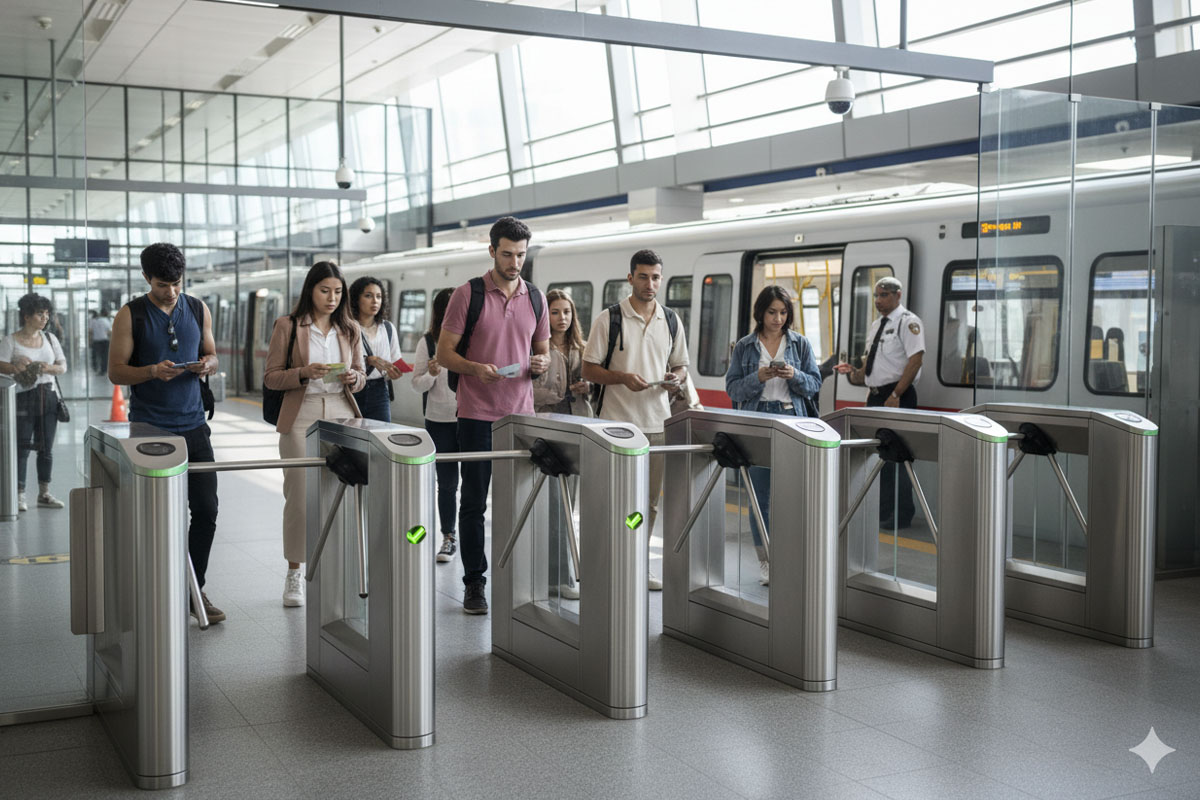
Are you seeking effective solutions for managing pedestrian traffic and enhancing security at entry points? Tripod turnstile gates provide a balanced and reliable approach. They streamline access, deter unauthorized entry, and optimize flow.
Tripod turnstile gates are essential for efficient access control and security management. They restrict passage to authorized individuals, improve safety protocols, and automate entry verification. This makes them suitable for diverse environments, including industrial and commercial settings.
Many organizations face ongoing challenges with security and visitor management. From busy public spaces to restricted corporate areas, regulating access is critical. Understanding the comprehensive benefits of tripod turnstile gates can significantly enhance operational security and efficiency. Let’s examine how these systems offer crucial advantages for various applications.
What is the primary purpose of a tripod?
The fundamental concept of a tripod involves providing a stable, three-point support structure. This design principle extends beyond photography or surveying equipment. It applies to any system requiring robust stabilization and precise positioning.
A tripod’s primary purpose is to deliver unwavering stability and exact alignment for supported objects. This foundational support eliminates unintended movement, vibrations, and shifts. It ensures consistent performance and reliable operation across numerous applications.
Consider the requirement for stability in mechanical systems. A stable base prevents operational errors and extends equipment lifespan. In the context of turnstile gates[^1], the "tripod" refers to the three rotating arms. These arms form a dynamic barrier, designed to control the passage of one person at a time. This configuration inherently prevents simultaneous entry by multiple individuals. The structural integrity provided by this design ensures smooth and reliable operation. Such stability is vital for consistent security enforcement and efficient pedestrian throughput in busy environments.
The Role of Stability in Operational Systems
Stability in a system provides direct benefits:
- Precision: Stable components ensure accurate sensor readings and credential verification.
- Longevity: Reduced vibration and movement minimize wear, contributing to extended service life.
- Dependability: A robust structure ensures consistent performance under frequent use.
Applications Emphasizing Tripod Stability
| Application | Primary Benefit | Method of Achieving Stability |
|---|---|---|
| Optical Instruments | Clear imaging | Minimizes device shake for accurate observation. |
| Construction Lasers | Level measurements | Provides a flat plane for precise alignment. |
| Turnstile Mechanisms | Controlled passage | Three-arm rotation limits single-person entry. |
| Industrial Robotics | Accurate movements | Secures robotic arm for repetitive, precise tasks. |
In tripod turnstile gates, the three-arm configuration establishes a physical barrier that only unlocks upon authorization. This design specifically addresses the challenge of unauthorized entry, such as tailgating. It represents a straightforward yet highly effective mechanism for managing access.
What is the purpose of a turnstile gate?
Have you observed how high-traffic locations manage large numbers of people moving through specific checkpoints? This efficiency often results from the deployment of turnstile gates. These devices serve as controlled access points, not merely as passive barriers.
The purpose of a turnstile gate is to regulate and manage pedestrian traffic flow. It restricts entry to verified individuals. This enhances security, automates the process of access authorization, and facilitates accurate headcounts for various facilities.
Turnstile gates function as both a physical and digital control mechanism. For instance, in an industrial facility, controlling access to sensitive production zones is paramount. Deploying turnstiles at these entry points ensures that only personnel with valid credentials can proceed. This automates the verification process, reducing the reliance on manual checks which can be slow and prone to human error. Turnstiles streamline the flow of employees during shift changes. They record entry and exit times, which supports attendance tracking and enhances accountability. Additionally, these systems provide data for managing building occupancy and informing emergency evacuation plans.
Core Functions of Turnstile Gates
- Security Enforcement: They physically prevent unauthorized individuals from entering designated areas.
- Traffic Management: They guide pedestrians into an organized, single-file flow, preventing congestion.
- Automated Access: They integrate with electronic systems for credential verification, such as card readers or biometric scanners.
How Turnstile Gates Contribute to Security
| Security Feature | Description | Security Benefit |
|---|---|---|
| Physical Deterrent | Impedes forced entry and prevents unauthorized followers. | Significantly reduces instances of security breaches. |
| System Integration | Connects with various identification systems (e.g., RFID, facial recognition). | Guarantees access only to authenticated users. |
| Activity Logging | Maintains detailed records of all entry and exit events. | Provides audit trails for incident investigation and compliance. |
| Emergency Release | Mechanisms for automatic unlocking or arm drop during emergencies. | Ensures rapid and safe egress during critical situations. |
Turnstiles are critical for maintaining order and safeguarding both public and private spaces. Their design often includes features like anti-tailgating sensors. These features ensure strict one-person passage. This is particularly important in environments where high security is a priority.
What is a tripod gate?
Have you seen access control devices that feature three rotating arms, designed to permit one person through at a time? These are commonly known as tripod gates. They represent a specialized category of turnstile gates engineered for efficient and secure pedestrian access control.
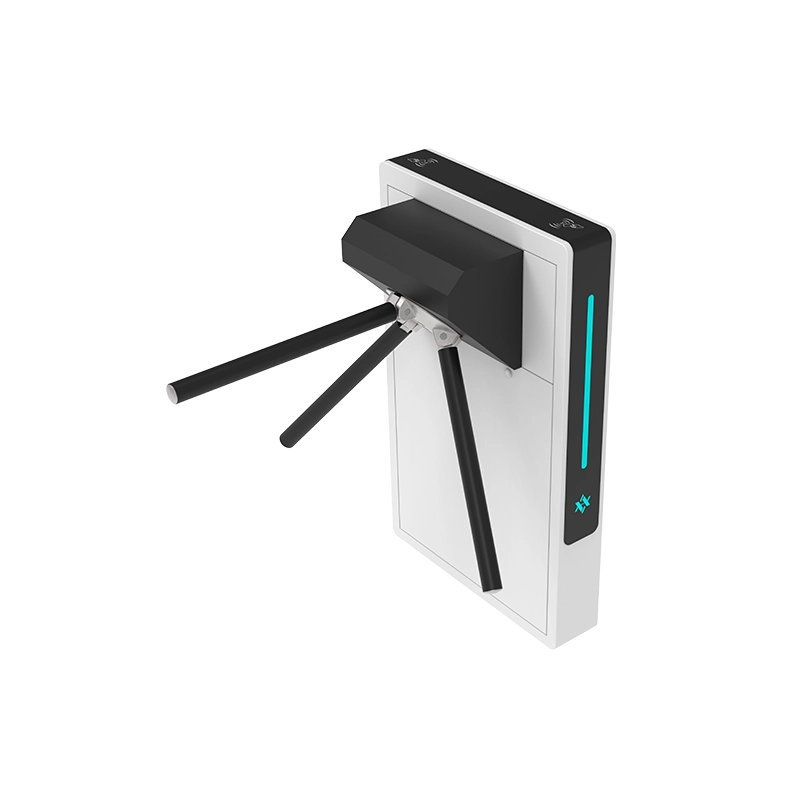
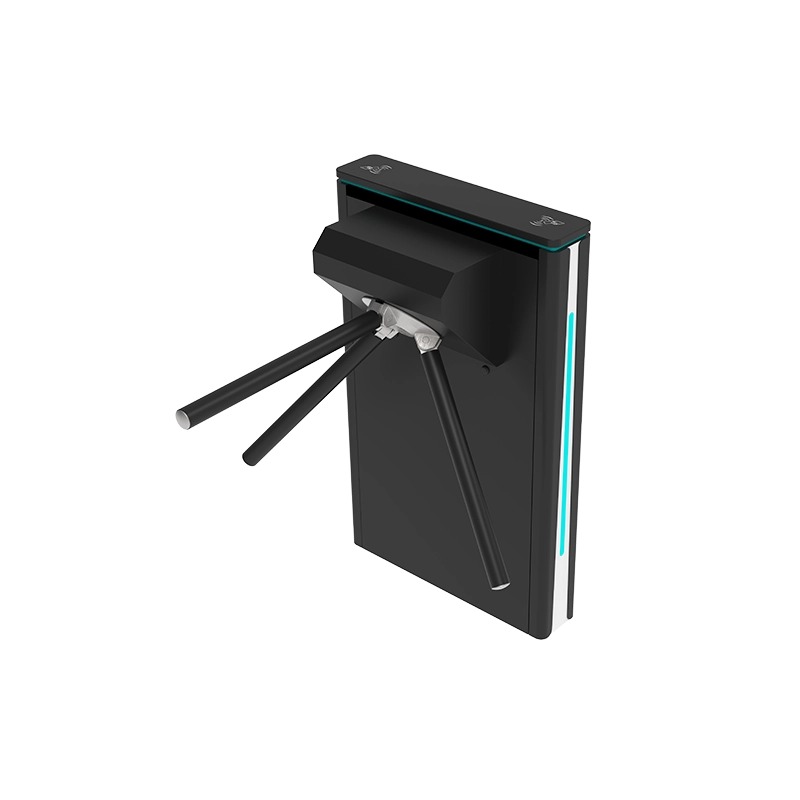
A tripod gate is an access control mechanism characterized by three rotating arms extending from a central hub. It permits the passage of only one individual at a time following successful authentication. This design is highly effective for regulating pedestrian traffic flow and enhancing security in various operational settings.
Consider the application of tripod gates in high-volume, cost-sensitive environments like public transportation stations or manufacturing plants. These locations require robust security without excessive operational complexity. Tripod gates address this need by providing a straightforward physical barrier that discourages multiple entries. When an authorized credential is presented, the mechanism allows one arm to advance, granting access. The remaining two arms continue to block the passage. This design prevents tailgating, a common security vulnerability. Tripod gates are also valued for their relatively compact footprint, making them suitable for installations where space is a limiting factor. Their mechanical simplicity often translates to lower maintenance requirements and dependable long-term operation.
Defining Characteristics of Tripod Gates
- Three-Arm Design: The defining element, creating a robust and clear physical barrier.
- Bi-directional Capability: Can be configured to control entry, exit, or both directions of passage.
- Space Efficiency: Its compact form factor allows for installation in areas with limited room.
Functional Elements of a Tripod Gate
| Component | Primary Function | Operational Significance |
|---|---|---|
| Rotating Arms | Physical barrier that moves to facilitate individual passage. | Core mechanism for regulating the single-person flow. |
| Main Housing | Encloses and protects the internal electromechanical components. | Ensures durability and provides structural integrity. |
| Credential Reader | Scans and verifies user identification (e.g., card, biometric). | Authorizes or denies access based on preset permissions. |
| Control Logic Unit | Manages gate operations, motor control, and security features. | The central processing unit, orchestrating all gate functions. |
| Safety Sensors | Detects presence, prevents unintended arm rotation, anti-reverse. | Enhances user safety and prevents unauthorized use. |
Tripod gates are engineered for seamless integration with diverse access control technologies. These include facial recognition, QR code scanning, and RFID systems. This ensures broad compatibility and adaptability to evolving security requirements.
What are the benefits of tripod positioning?
Have you considered the specific advantages derived from the unique "tripod positioning" of these turnstile gates? This particular three-arm arrangement offers distinct operational and security benefits compared to other turnstile designs.
The benefits of tripod positioning include an optimal balance of security, throughput efficiency, and cost-effectiveness. It rigorously enforces single-person passage, effectively prevents unauthorized entries, and provides a durable solution for high-traffic environments.
In facilities requiring stringent one-person-at-a-time access, such as data centers or research labs, tripod gates excel. The three-arm design makes it inherently difficult for two individuals to pass simultaneously on a single authorization. Each arm creates a clear segment for passage, forcing individuals into an orderly line. This structured flow minimizes congestion and enhances user experience, even during peak hours. The mechanical simplicity of tripod gates often results in robust construction and extended operational lifespans. This leads to reduced maintenance costs over time. Furthermore, tripod gates are a more economical choice for many applications where high security is needed but space or budget constraints preclude more complex turnstile types. Their versatility makes them suitable for varied applications, from corporate offices to public venues.
Advantages of the Three-Arm Configuration
- Effective Anti-Tailgating: The arms quickly reset, preventing a second person from following closely.
- Defined Passage: Each user occupies a specific space, ensuring orderly and clear entry.
- Mechanical Reliability: Simpler mechanics often translate to greater durability and consistent performance.
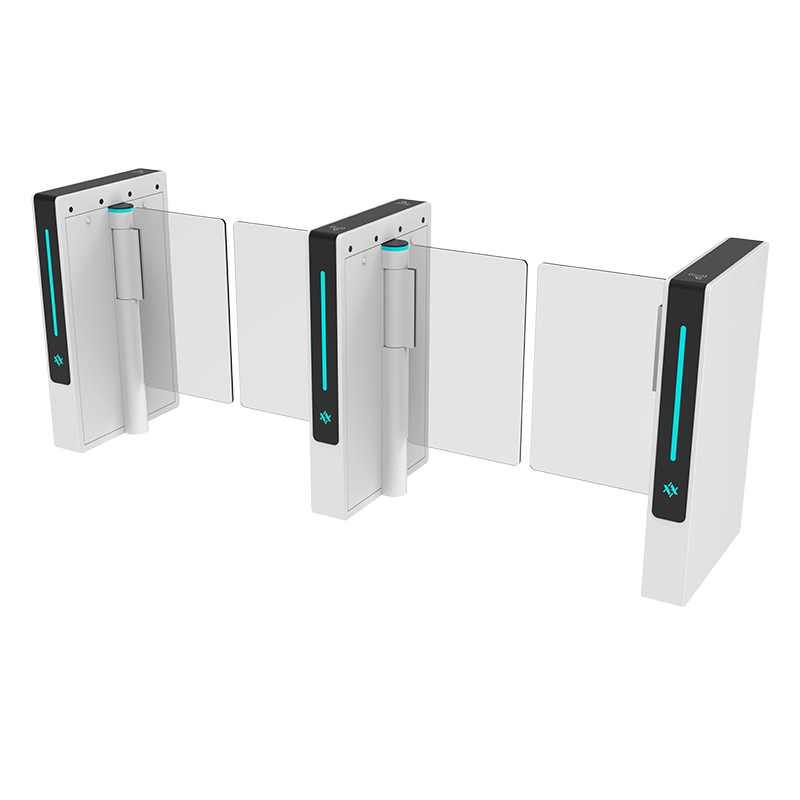
Comparative Advantages of Turnstile Types
| Feature / Type | Tripod Gate | Swing Turnstile | Flap Barrier | Full Height Turnstile |
|---|---|---|---|---|
| Security Level | Moderate to High | Low to Moderate | Moderate to High | Highest |
| Throughput Rate | Moderate | High (less restrictive) | High | Low to Moderate |
| Physical Footprint | Compact | Moderate | Moderate | Large |
| Installation Cost | Economical | Moderate | Higher | Highest |
| Tailgating Control | Excellent | Limited | Good | Excellent |
| Typical Uses | Industrial, educational, gyms | Office lobbies, retail | Transit, corporate offices | High-security zones, stadiums |
The tripod design is particularly advantageous in scenarios demanding a strong balance between access control effectiveness and operational efficiency. It provides a robust and adaptable solution for diverse security and traffic management needs.
My Insights: The Importance of Tripod Turnstile Gates
Need efficient access control for medium-traffic areas? Discover why tripod turnstile gates are an ideal solution.
Tripod turnstile gates offer controlled access, enhancing security and efficiency in medium-traffic areas. Their compact design fits limited spaces, and they integrate easily with access control systems, reducing the need for security personnel.
Exploring the Advantages of Tripod Turnstile Gates
Key Benefits and Features
| Feature | Description |
|---|---|
| Controlled Access | Prevents unauthorized entries and tailgating |
| Cost-Effective | More affordable than other high-security systems |
| Compact Design | Fits well in areas with limited space |
| Durability | Built for long-term use with minimal maintenance |
| Integration | Works with RFID, QR codes, and biometric systems |
Operational Efficiency
Tripod turnstiles automate entry management, minimizing the need for manual monitoring. They enhance crowd movement, reduce bottlenecks, and enable effective logging for security audits and attendance tracking.
Applications in Various Settings
Ideal for stadiums, gyms, public transport stations, and corporate offices, tripod turnstiles provide reliable access control while maintaining smooth pedestrian flow. By understanding specific location needs, organizations can optimize these gates for both security and convenience, ensuring streamlined operations in busy environments.
Conclusion
Tripod turnstile gates are fundamental components for effective access control systems. They deliver dependable security, streamlined pedestrian management, and economic value. Implementing these gates significantly enhances security postures and operational efficiency across various facilities.
](https://aipadaturnstile.com/wp-content/uploads/2025/11/AT107-TC-01.webp)
](https://aipadaturnstile.com/wp-content/uploads/2025/12/vertical-tripod-turnstile.jpg)
](https://aipadaturnstile.com/wp-content/uploads/2025/12/popup-img.jpg)