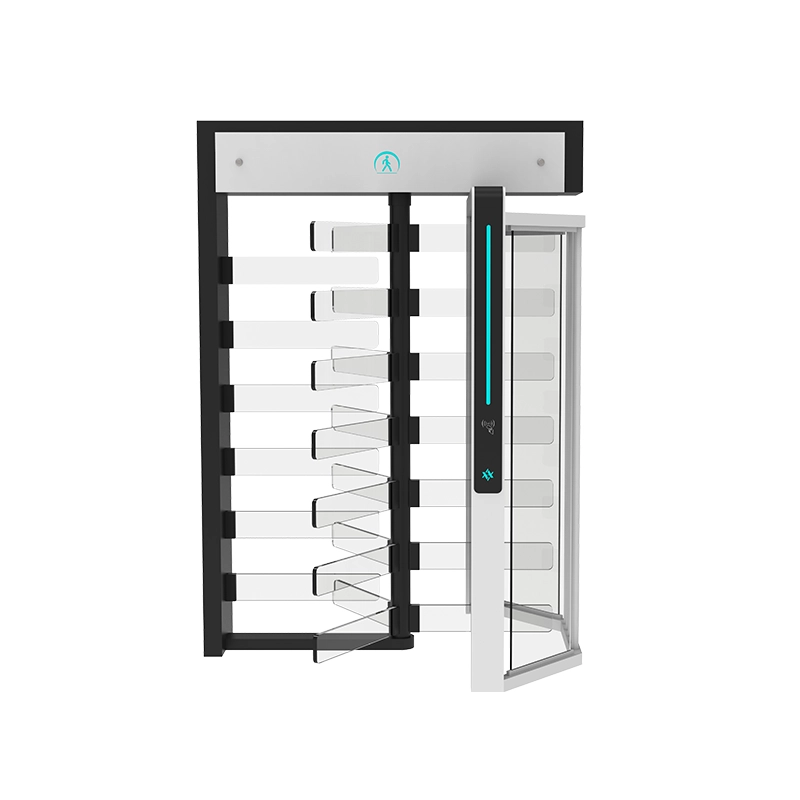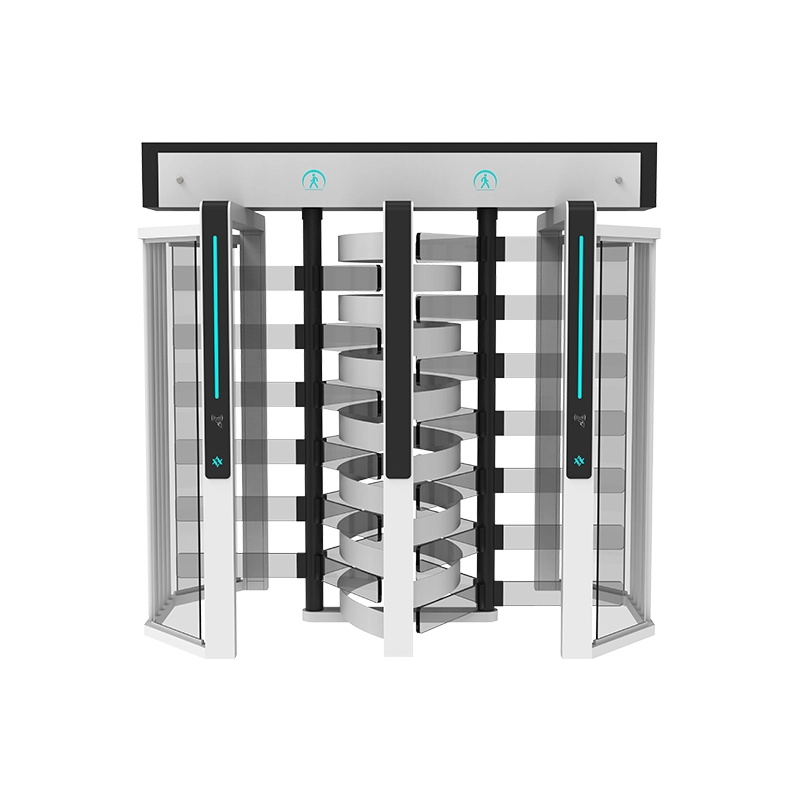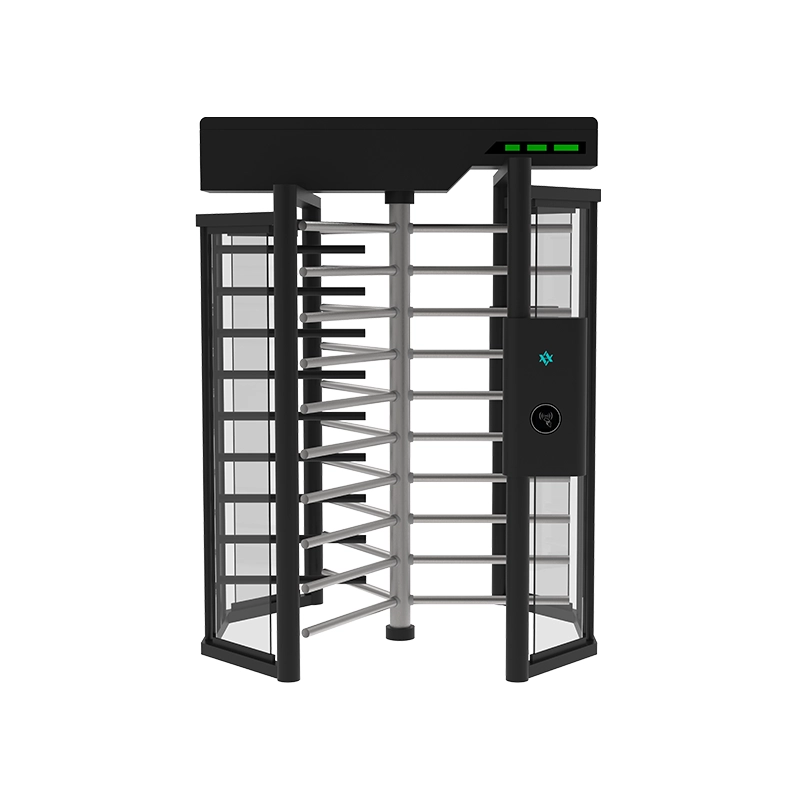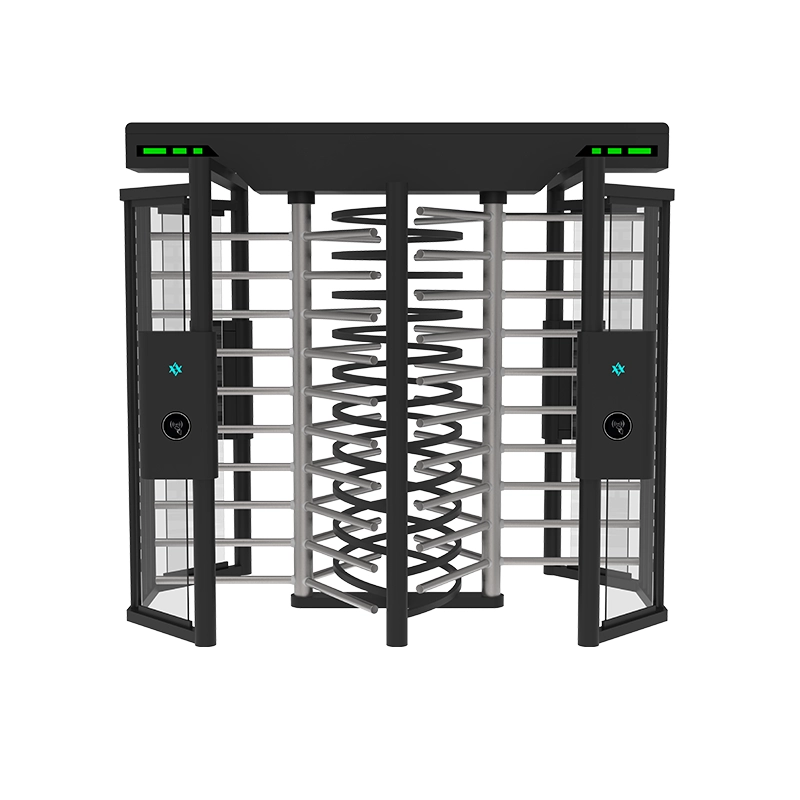
](https://aipadaturnstile.com/wp-content/uploads/2026/04/Where-are-Speed-Gates-Commonly-Used.jpg "Where are Speed Gates Commonly Used")

Are you managing a facility where efficient pedestrian flow and security are critical? Many organizations struggle with balancing rapid access for authorized personnel while maintaining robust security against unauthorized entry. This often leads to operational challenges.
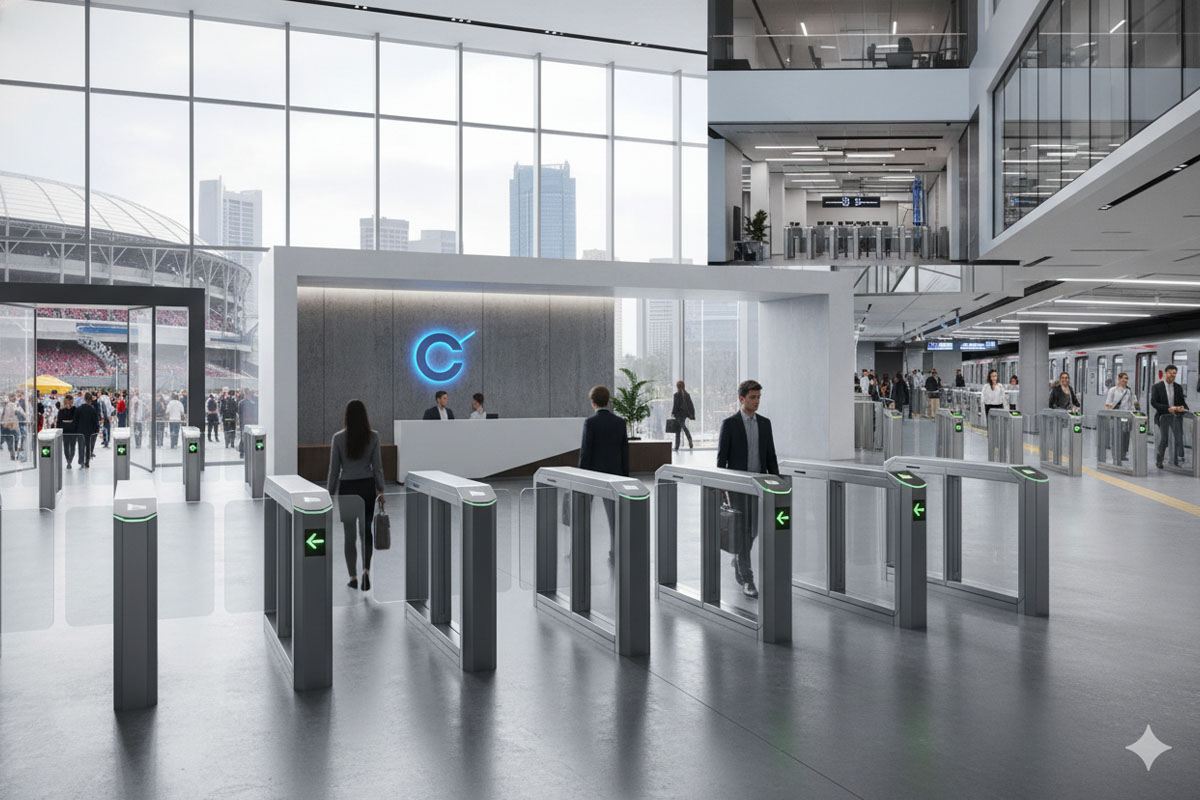
Speed gates are commonly used in various high-traffic environments that require both quick pedestrian throughput and enhanced security measures. They provide a sophisticated solution for managing access, improving operational efficiency, and maintaining a secure environment. These gates are suitable for places where both function and appearance are important.
Speed gates integrate into modern building designs. They enhance both the look and the way people move. They provide a fast, secure, and often touchless entry. This makes them a preferred choice for many organizations aiming to upgrade their access control systems.
What are Speed Gates Used For?
Are you considering upgrading your building’s entrance control system? Many facility managers need solutions that can handle large numbers of people moving quickly and securely. This requires systems that are both efficient and reliable.
Speed gates are used for efficient pedestrian access control in various settings. These settings include corporate offices, public transport hubs, and high-security zones. They streamline entry and exit processes, improve traffic flow, and offer a modern appearance. This makes them ideal for environments that demand both performance and aesthetics.
In many modern facilities, the demand for quick and secure entry is constant. For example, a large corporate headquarters needs to allow thousands of employees to enter each morning without creating long queues. Speed gates address this directly. They allow rapid verification and passage, which significantly reduces wait times. This also helps improve the overall professional image of the facility.
Key Applications of Speed Gates
Speed gates are versatile devices suitable for a wide range of applications. They effectively manage pedestrian traffic and enhance security in diverse environments. Their design allows them to handle varying levels of foot traffic and security demands.
- Corporate Offices and Headquarters: These locations use speed gates to manage employee access and visitor entry. They integrate with visitor management systems to provide a streamlined, secure, and professional entrance experience.
- Government Buildings: Speed gates control access for staff and the public. They balance the need for security with the daily flow of numerous individuals. This is crucial for maintaining order and safety in sensitive administrative areas.
- Data Centers: Security is paramount in data centers. Speed gates restrict access to authorized personnel only. This protects critical information and valuable equipment, ensuring strict adherence to security protocols.
- Public Transportation Hubs (Airports, Metro Stations): Speed gates manage large crowds and prevent unauthorized entry. Their speed and reliability are essential for efficient passenger flow and fare collection in busy transit environments.
- Luxury Residential Buildings: These gates add a layer of security and convenience for residents. Their aesthetic design often complements the high-end architecture of such properties, enhancing exclusivity and safety.
- Educational Institutions: Universities and large schools use speed gates to control access to specific buildings or areas. This enhances safety for students and staff within campus environments.
- Exhibition Centers and Event Venues: During peak hours, speed gates efficiently manage attendee flow. This reduces waiting times and enhances security for large gatherings and events, improving the overall attendee experience.
Here is a simple table showing common uses for speed gates:
| Application Sector | Primary Benefit | Example Locations |
|---|---|---|
| Commercial Offices | Efficient employee and visitor management | Corporate HQs, Business Parks |
| High-Security Sites | Restricted access to sensitive areas | Data Centers, R&D Labs |
| Transportation | High throughput and fare collection | Airports, Metro Stations |
| Public Institutions | Controlled access for staff and visitors | Government Buildings, Libraries |
| Luxury Residential | Enhanced security and aesthetic integration | High-end Apartments, Condos |
| Large Events | Fast entry for crowds, improved security | Stadiums, Exhibition Halls |
Speed gates are becoming a standard in various sectors where both efficient access and robust security are required. They provide a modern and effective solution for managing pedestrian traffic.
How Secure Are Speed Gates?
Are you concerned about unauthorized access points in your facility, even with existing entry controls? Many traditional security systems can be vulnerable to bypass attempts. This can leave premises exposed to security risks.
Speed gates offer a high level of security by using advanced features to prevent unauthorized entry. These features include anti-tailgating and anti-passback mechanisms. They integrate with sophisticated access control systems. This ensures that only authenticated individuals can pass through, forming a strong barrier against intruders.
The effectiveness of speed gates in preventing security breaches is a key consideration for many organizations. For instance, in sensitive environments like research facilities or corporate data centers, preventing "tailgating" is critical. Speed gates use precise sensor technology to detect if more than one person attempts to pass with a single credential. This capability significantly reduces the risk of unauthorized individuals gaining access. The quick response and robust design contribute to a secure perimeter.
Advanced Security Features of Speed Gates
Speed gates are equipped with several sophisticated security features. These features are designed to prevent unauthorized access and protect facilities from various threats. They use sensor technology and intelligent design to ensure a high level of security.
- Anti-Tailgating Technology: This is a crucial feature. Sensors detect if more than one person attempts to pass through the gate using a single authorized credential. If a second person is detected too closely behind the first, the barriers will either remain closed or quickly close to block passage. This prevents unauthorized individuals from slipping through.
- Anti-Passback: This system prevents a single access credential from being used repeatedly to enter the same area, or from being passed back to another person. It maintains a record of who has entered and exited. This is important for accurate occupancy counts and to deter credential sharing.
- High-Speed Barrier Closure: Speed gates close very rapidly after an authorized individual passes. This minimizes the window of opportunity for an unauthorized person to "piggyback" or rush through the gate before it fully closes. The swift operation is fundamental to their security function.
- Integration with Biometric Systems: For maximum security, speed gates can be integrated with advanced biometric authentication methods. These include fingerprint, facial recognition, or iris scanners. This requires a person to physically verify their identity, adding a robust layer of personal security beyond simple card access.
- Emergency Egress Capability: In critical situations, such as a fire alarm or power failure, speed gates are designed to automatically open. This facilitates a quick and safe evacuation of the premises. This feature is vital for meeting safety regulations and protecting occupants.
- Alarm Systems: If attempts are made to force open a gate, climb over it, or bypass the sensors, integrated alarms are triggered. These alarms alert security personnel to potential breaches. The alerts can be visual, auditory, or both.
- Physical Deterrent: The presence of modern, visibly secure speed gates acts as a strong psychological deterrent. It communicates a high level of security consciousness at the entrance. This can discourage potential intruders from even attempting unauthorized access.
Here is a summary of the security benefits of speed gates:
| Security Feature | Description | Impact on Security |
|---|---|---|
| Anti-Tailgating | Prevents multiple people passing on one credential | Stops unauthorized followers |
| Anti-Passback | Ensures unique entry/exit, prevents credential sharing | Enhances individual accountability and prevents fraud |
| High-Speed Closure | Gates close quickly after authorized passage | Minimizes window for unauthorized entry |
| Biometric Integration | Requires physical verification (fingerprint, face, etc.) | Adds a powerful layer of personal authentication |
| Emergency Open | Gates open automatically during emergencies for evacuation | Ensures safety and compliance during critical events |
| Alarm Mechanisms | Alerts security to forced entry or unauthorized attempts | Provides immediate notification of breaches |
| Physical Deterrent | Modern, visible barrier discourages unauthorized attempts | Creates a strong psychological barrier |
Speed gates are comprehensive security solutions. They employ multiple layers of technology and design to ensure effective protection for facilities and their occupants.
What is the Difference Between a Speed Gate and a Turnstile?
Are you trying to decide between a speed gate and a traditional turnstile for your entrance control needs? Understanding the fundamental differences between these two access control systems is crucial for selecting the most appropriate solution. This choice affects both efficiency and security.
Speed gates differ from traditional turnstiles primarily in their operational mechanism, speed of passage, and aesthetic integration. Speed gates use retracting or swinging barriers for faster, often contactless passage. Turnstiles typically involve rotating arms or full-height mechanisms that provide a more physical barrier. Speed gates generally offer higher throughput and a more modern appearance.
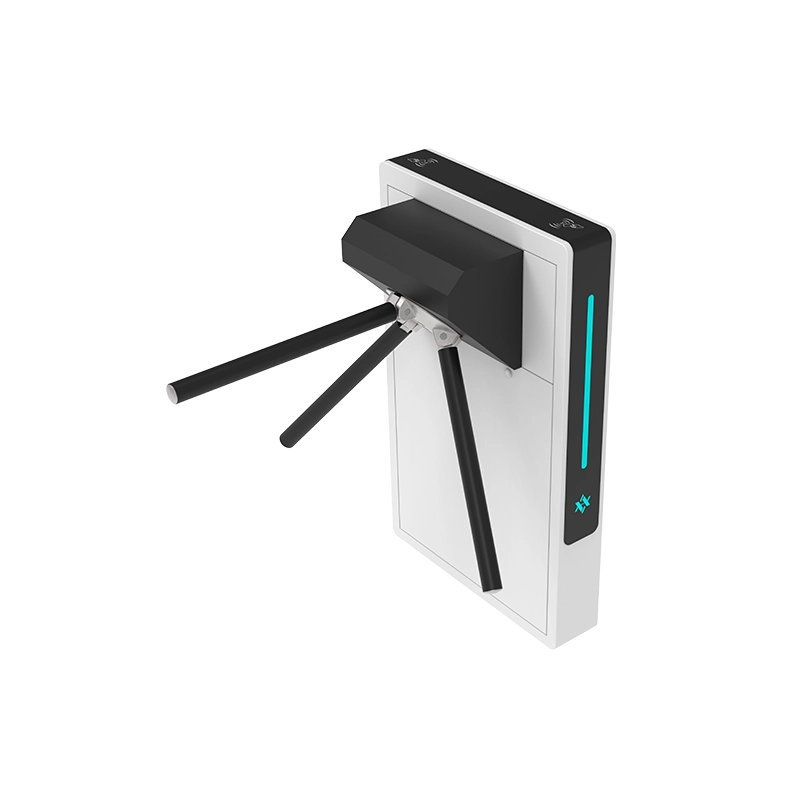
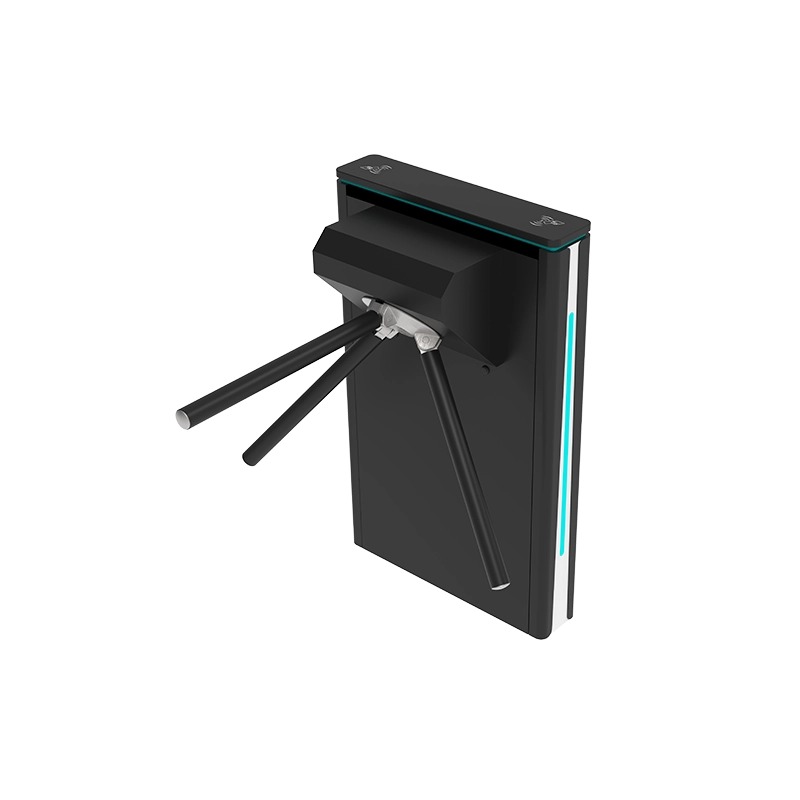
The distinction between speed gates and turnstiles lies in their core design philosophy. Turnstiles, particularly tripod and full-height models, prioritize physical impedance and robustness. They are designed to physically block a person’s path. Speed gates[^1], however, focus on rapid verification and smooth, unimpeded flow for authorized users. This makes them better suited for environments where high traffic volume needs to be managed quickly without compromising security.
Comparing Speed Gates and Traditional Turnstiles
While both speed gates and turnstiles serve the purpose of controlling access, they do so through distinct operational approaches. Each system has unique characteristics that make it suitable for different environments, traffic demands, and security requirements. A clear comparison helps in understanding their respective advantages.
- Operational Mechanism:
- Speed Gates: These devices typically feature barrier panels made of glass or acrylic that either retract into the cabinet or swing open. These movements are rapid and create a clear, wide pathway for quick passage upon credential validation.
- Turnstiles: Traditional turnstiles often operate with rotating arms, such as those found on tripod turnstiles, or with full-height rotating cages. Users physically push or pass through these barriers, which involves a more deliberate action to gain entry.
- Throughput (Speed of Passage):
- Speed Gates: Designed for high-volume pedestrian traffic, speed gates allow for very rapid and almost continuous flow. This efficiency is critical in locations with peak hours of heavy footfall.
- Turnstiles: Generally, turnstiles offer a slower rate of passage. The physical rotation or pushing action required per person can lead to bottlenecks and longer queues, especially during busy periods.
- Aesthetics and Design:
- Speed Gates: These systems typically feature sleek, modern designs with premium materials like stainless steel and clear glass. They are chosen for their ability to blend seamlessly into upscale corporate lobbies, luxury residential buildings, and architecturally significant spaces.
- Turnstiles: Traditional turnstiles often have a more utilitarian or industrial appearance. They are commonly found in environments where durability and functional robustness are prioritized over high-end aesthetics, such as factories, public transport, or stadiums.
- Security Level:
- Speed Gates: They provide good security through advanced sensor-based features like anti-tailgating and anti-passback. Their rapid closing mechanism also deters unauthorized entry attempts.
- Turnstiles: Turnstiles, particularly full-height models, offer strong physical barriers that are highly resistant to forced entry or climbing over. Basic tripod turnstiles, however, might be easier to bypass without additional sensor technology.
- Accessibility:
- Speed Gates: Many speed gate designs include wider lanes specifically to accommodate individuals using wheelchairs, strollers, or carrying large luggage. This enhances inclusivity and ease of access.
- Turnstiles: While some turnstile types, like swing gates, can offer wider access, many standard turnstile models are narrower. This can present challenges for accessibility without dedicated accessible lanes.
- Cost Implications:
- Speed Gates: Represent a higher initial investment due to their advanced technology, sophisticated design, and often premium materials.
- Turnstiles: Generally, turnstiles can be a more cost-effective option, especially for simpler mechanical models, making them suitable for projects with tighter budget constraints.
Here is a comparison table to highlight the key differences:
| Feature | Speed Gates | Traditional Turnstiles |
|---|---|---|
| Mechanism | Retracting or swinging glass/acrylic barriers | Rotating arms (tripod) or full-height cages |
| Throughput | High (fast, smooth flow) | Moderate to Low (slower, more physical interaction) |
| Aesthetics | Modern, sleek, integrates well into upscale décor | Functional, often industrial or robust |
| Security Focus | Anti-tailgating, sensor-based, quick closure | Physical barrier, robust against forced entry |
| Accessibility | Often wider lanes for wheelchairs/strollers | Can be restrictive; some models offer wider access |
| Cost | Higher initial investment | Generally more cost-effective |
| Typical Use | Corporate offices, luxury buildings, data centers | Factories, stadiums, public transport, amusement parks |
The choice between a speed gate and a turnstile depends on specific project requirements, including traffic volume, desired security level, aesthetic preferences, and budget.
What is a Speedgate?
Are you looking for a clear definition of a "speedgate" and how it functions as an access control solution? Understanding the specific characteristics of speed gates is essential for facility managers and security professionals evaluating entry systems. This helps clarify their role in modern security.
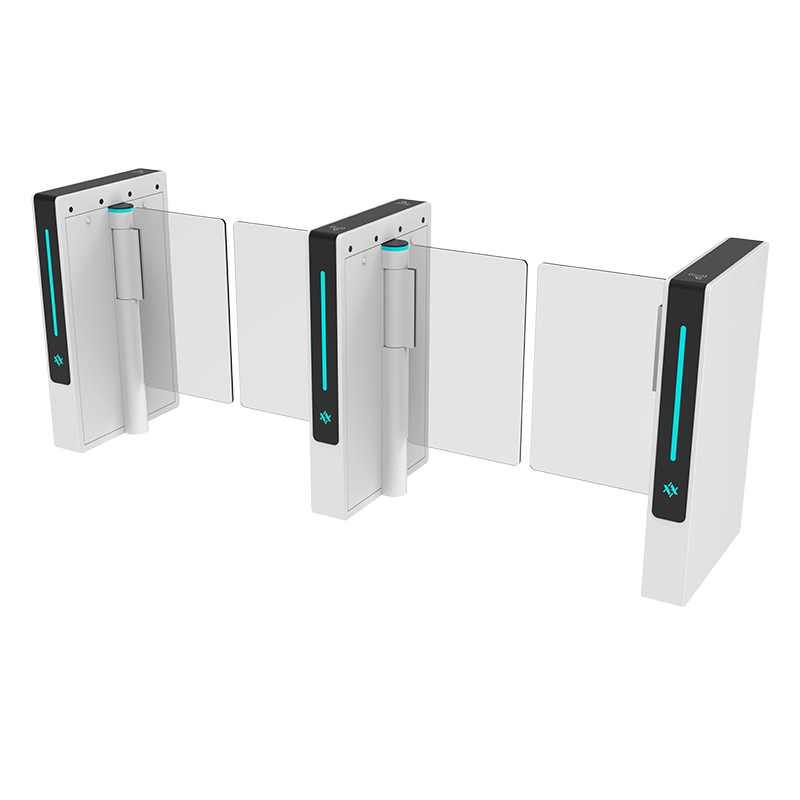
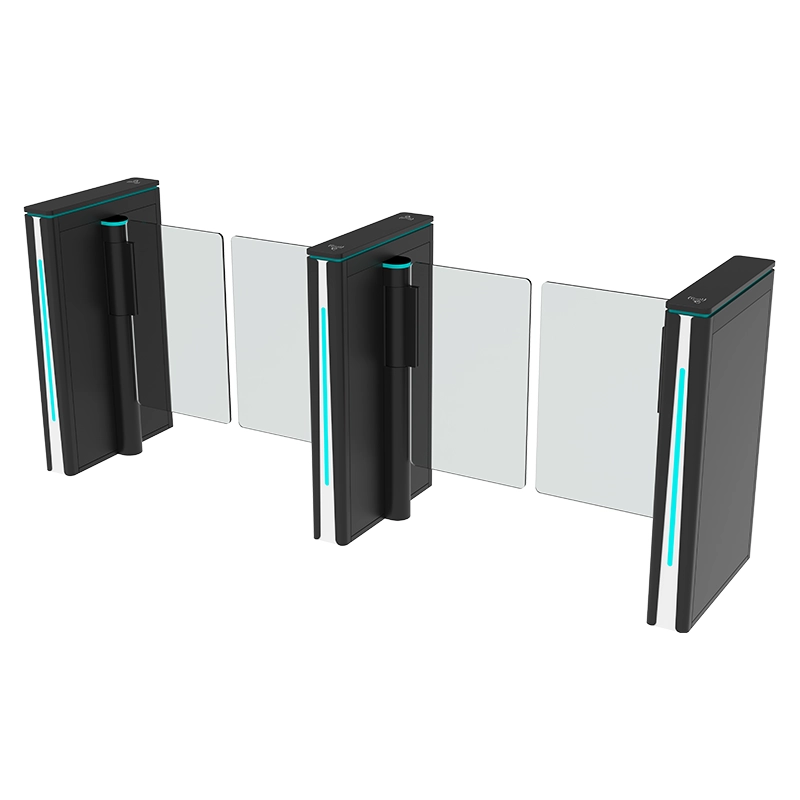
A speed gate is an advanced pedestrian access control device designed for environments requiring both high efficiency and strong security. It uses rapidly moving barriers, typically made of glass or acrylic, that retract into the unit or swing open to allow quick, authorized passage. These systems integrate seamlessly with various access control technologies.
Speed gates are a key component in intelligent building management. They represent a significant advancement over simpler entry methods. Their design combines fast operation with a sophisticated appearance. For example, in a modern office complex, the installation of speed gates can significantly improve the morning rush. Employees move through quickly, and visitors are processed efficiently, all while maintaining strict security. This demonstrates their capability to handle high demand effectively.
Deep Dive into Speed Gate Technology and Design
Speed gates are complex systems that blend mechanical engineering, advanced sensor technology, and sophisticated control algorithms. Their design prioritizes both functional performance and aesthetic integration. A detailed understanding of their components and operating principles reveals why they are effective access control solutions.
- Core Components:
- Barrier Panels: These are typically constructed from strong, transparent materials like tempered glass or high-quality acrylic. They can be designed as half-height or full-height panels. Their material choice provides both security and an unobstructed view, contributing to an open, modern aesthetic.
- Cabinets/Housings: The main structure of the speed gate, usually crafted from stainless steel or other durable metals. These enclosures protect the internal mechanisms, including electronics, motors, and sensors. The external design is often sleek and modular, allowing for easy integration into various architectural styles.
- Drive Mechanism: High-performance brushless DC motors are commonly employed. These motors enable the barriers to operate with exceptional speed, smoothness, and very low noise levels. They are engineered for high duty cycles and long operational lifespans, capable of millions of reliable movements.
- Sensors: Infrared (IR) sensor arrays are critical for their operation. These sensors precisely detect the presence of pedestrians, determine their direction of travel, and are crucial for anti-tailgating functions. They ensure the barriers open and close safely and accurately around individuals.
- Control Board: This is the central processing unit of the speed gate. It interprets signals received from access readers (e.g., card readers, biometric scanners) and the various sensors. It then controls the barrier movements and facilitates integration with the broader building management or security system.
- Operating Principles:
- An authorized user presents their credential to an integrated reader. This could be an RFID card, a biometric scan, or a facial recognition system.
- The access control system verifies the credential against its database.
- Upon successful verification, the control board signals the motors to swiftly open the barrier panels.
- As the user passes through, the IR sensors continuously monitor the passage area.
- Once the user has completely cleared the passage, the barriers rapidly and smoothly close. This prevents any subsequent unauthorized individual from entering.
- Should an attempt be made to follow too closely or force entry, the sensors detect this, triggering an alarm. The barriers may also remain closed or re-close immediately to prevent a breach.
- Design Considerations:
- Material Choice: The selection of materials like stainless steel ensures durability and a contemporary appearance. Glass or acrylic for barriers maintains an open visual field, enhancing the entrance aesthetic.
- User Experience: Design focuses on intuitive and comfortable use. Lane widths are carefully considered to accommodate diverse users, including those with luggage, mobility aids, or pushchairs.
- System Compatibility: Speed gates are designed for seamless integration with a wide array of third-party access control and identity verification systems. This includes facial recognition, barcode/QR code scanners, RFID readers, and various biometric devices (fingerprint, vein scanners). This flexibility makes them highly adaptable to existing infrastructure.
- Safety Protocols: Multiple anti-pinch sensors are integrated to protect users from accidental contact with closing barriers. Features like automatic barrier opening during fire alarms or power outages ensure compliance with emergency safety regulations.
- Customization Options: Many speed gate manufacturers offer customization for aesthetics, including choices of finish, color, and barrier materials. This allows the gates to be tailored to specific architectural styles and corporate branding.
Here’s a breakdown of speed gate elements:
| Component | Function | Benefit |
|---|---|---|
| Glass/Acrylic Barriers | Physical access point; retract or swing | Fast passage, modern look, clear visibility |
| Brushless DC Motors | Drive barrier movement | Quiet, smooth, high-speed operation, long lifespan |
| Infrared Sensors | Detect presence, direction, tailgating | Enhanced security, anti-pinch safety, accurate throughput |
| Control Board | Manages all functions, processes signals | Seamless integration with access systems, reliable operation |
| Stainless Steel Housing | Protects internal components, forms gate structure | Durability, sleek aesthetic, vandal resistance |
| Access Readers | Authenticate users (e.g., card, biometrics) | Secure verification, adaptable to various credential types |
| Customization Options | Allows changes to appearance, materials, colors | Tailored to architectural style, enhanced brand image |
Speed gates represent a fusion of advanced technology and thoughtful design. They provide an efficient, secure, and aesthetically pleasing solution for modern pedestrian access control.
My Insights: Understanding Common Applications of Speed Gates
Are you seeking efficient access control for busy environments? Discover where speed gates are most effectively used.
Speed gates are commonly found in corporate offices, transportation hubs, educational institutions, and government facilities. They enhance security by controlling access and ensuring smooth flow in high-traffic areas.
Exploring the Strategic Use of Speed Gates
Primary Locations
| Location Type | Purpose |
|---|---|
| Corporate Offices | Manage employee and visitor access efficiently |
| Transportation Hubs | Facilitate orderly flow at airports and train stations |
| Educational Institutions | Control student and staff access across campuses |
| Government Facilities | Enhance security at sensitive entry points |
| Residential Complexes | Provide controlled entry for residents |
Why Speed Gates Are Preferred
Speed gates offer a balance of security and efficiency, preventing unauthorized entry while allowing rapid access. Their sleek design makes them suitable for modern environments, blending functionality with aesthetics.
Tailoring to Specific Needs
While ideal for high-security contexts, speed gates can be adapted for various uses, including crowd management in retail and event venues. Assessing specific site requirements allows for optimal integration, ensuring both security and convenience are achieved. Understanding these aspects supports effective site management and enhances protection strategies.
Conclusion
Speed gates are crucial for modern buildings requiring efficient, secure, and aesthetically pleasing access control. They are ideal for high-traffic areas, offering advanced security features and rapid pedestrian flow. Implementing speed gates ensures a sophisticated and controlled entry experience.