

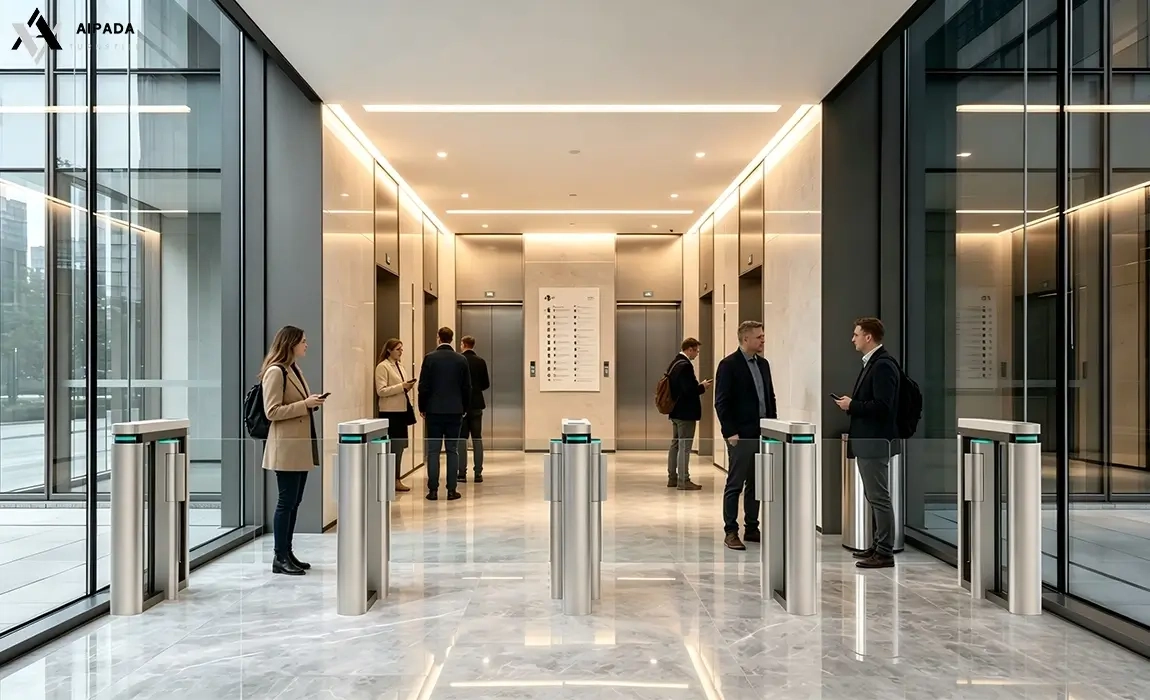
A speed gate turnstile is an intelligent pedestrian entrance gate designed to verify users, control access and maintain a fast, orderly flow of people. It normally uses motor-driven glass or acrylic swing panels, infrared sensors and an access control device to determine who may enter or leave a secured area.
Unlike a basic mechanical barrier, a speed gate continuously monitors the passage lane. It can recognize an authorized user, open the barrier, detect the direction of movement and close the lane after the person has passed. It can also identify unusual events such as tailgating, reverse entry, prolonged obstruction or an attempt to force the barrier.
This combination of fast movement, intelligent detection and modern appearance makes speed gates suitable for office buildings, business parks, hotels, gyms, airports, transport terminals and other locations that require both security and efficient pedestrian access.
What Is a Speed Gate Turnstile?
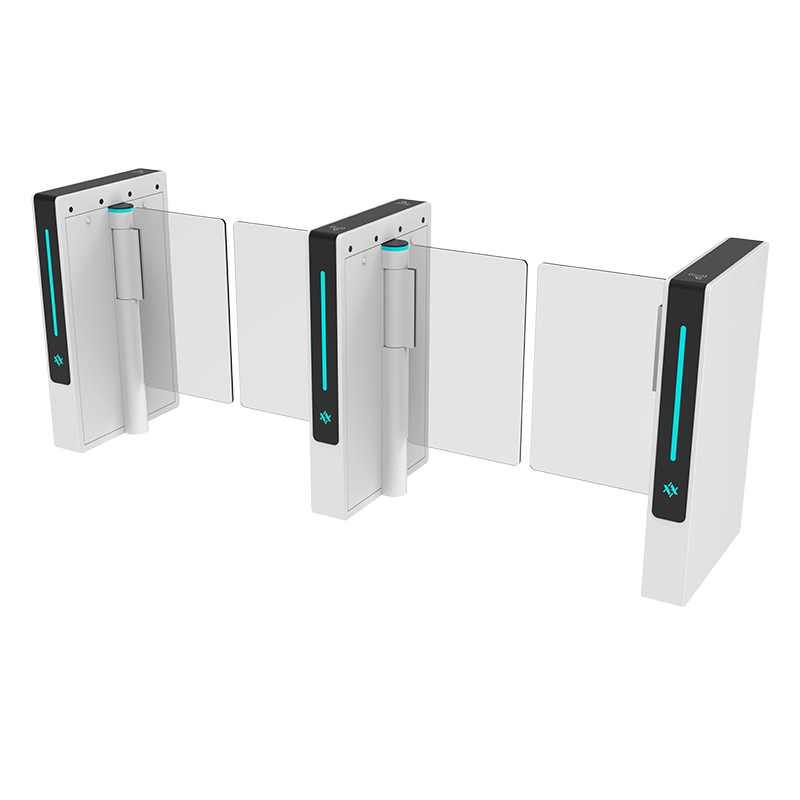
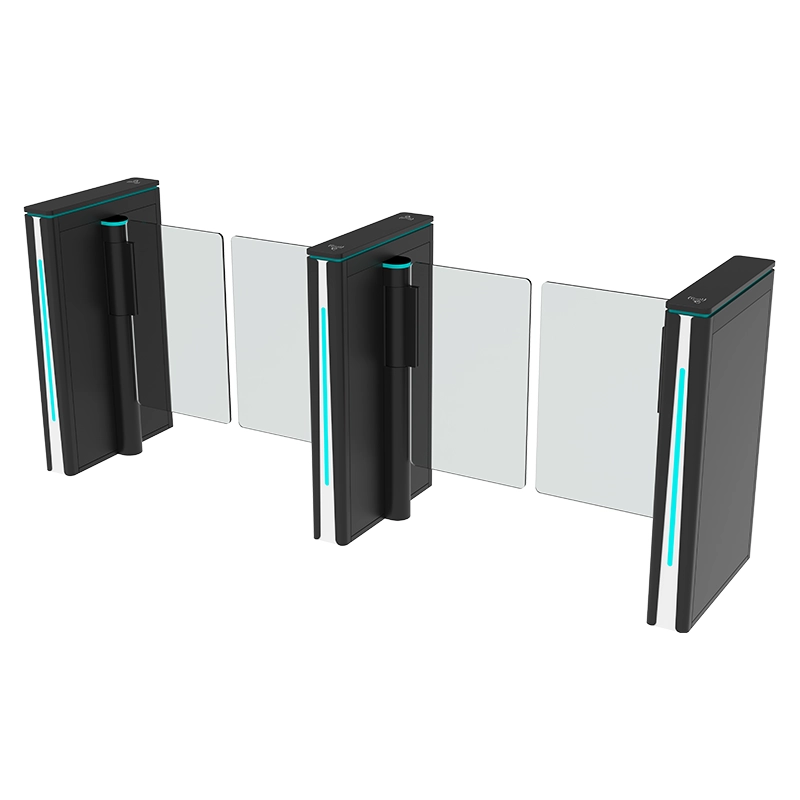
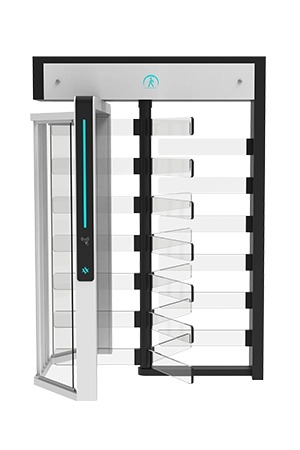
A speed gate turnstile is an automatic access control barrier installed at a pedestrian entrance or exit. Each passage lane is formed by two adjacent cabinets. One or more motorized barrier panels extend from the cabinets to control movement through the lane.
Before the gate opens, the user normally presents an approved credential. Depending on the access control system, the credential may be:
- An RFID or IC access card
- A QR code or barcode
- A fingerprint
- A facial recognition result
- A mobile credential
- A visitor pass
- A ticket or membership credential
- A signal from a receptionist or security operator
After authorization, the control system sends an opening signal to the gate. The barrier panels move out of the passage, allowing the user to walk through. Infrared sensors monitor the entire passage process and tell the controller when it is safe to close.
You can view different cabinet designs, lane configurations and access options in the AIPADA speed gate turnstile range.
How Does a Speed Gate Turnstile Work?
Although individual products and access systems differ, a normal speed gate passage follows five main steps.
1. The user presents a credential
The user places an access card near a reader, scans a QR code, uses a biometric terminal or presents another approved credential. The reader sends the identity information to the access control system for verification.
2. The access control system makes a decision
The system checks whether the credential is valid and whether the user has permission to enter at that location and time. If access is approved, the access controller sends a signal to the speed gate.
If access is denied, the barrier remains closed and the system may display a warning or record the rejected attempt.
3. The barrier panels open
The motor and gate mechanism move the swing panels away from the center of the passage. Indicator lights or directional arrows may change color to show that the lane is ready for use.
The opening speed should be fast enough to support efficient pedestrian flow but carefully controlled to avoid sudden or unsafe movement.
4. Sensors monitor the user
Infrared sensors positioned along the cabinets create multiple detection zones. These sensors help the controller determine:
- Whether a person has entered the lane
- Which direction the person is moving
- Whether the person has completed the passage
- Whether another person is following too closely
- Whether someone has stopped inside the lane
- Whether luggage or another object is obstructing the barrier
5. The gate closes and resets
Once the authorized user has cleared the safety zone, the barrier panels close and the lane returns to standby mode. The gate is then ready to process the next credential.
This automated process allows a properly planned entrance to handle repeated pedestrian access without requiring a security guard to open the barrier manually for every person.
Main Components of a Speed Gate
A speed gate is not only a pair of moving glass panels. It is an integrated system containing mechanical, electrical and access control components.
Gate cabinets
The cabinets support the barrier mechanism, sensors, controller, wiring and optional credential readers. Stainless steel is commonly selected for commercial installations because it provides a clean appearance and good resistance to wear.
Cabinet length, width, height, surface finish and internal arrangement may vary according to the required design and installation space.
Barrier panels
Transparent acrylic and tempered glass are commonly used because they create an open, modern entrance. Stainless steel panels may be selected when a more solid visual barrier is required.
Barrier height can also affect the balance between appearance, passage convenience and physical deterrence.
Drive mechanism and motor
The drive mechanism transfers motor movement to the barrier panels. A suitable motor and controller should provide smooth acceleration, accurate positioning, quiet operation and consistent performance during repeated opening and closing cycles.
Infrared sensor system
The sensor array is one of the most important differences between an intelligent speed gate and a simple automatic barrier. Multiple sensors monitor different areas of the passage and help the system distinguish normal passage from abnormal movement.
Main control board
The main controller processes reader signals, sensor information, motor commands, alarms and operating modes. It coordinates the complete opening, monitoring and closing sequence.
Access control reader
The reader may be installed on top of the cabinet, on a separate pedestal or beside the entrance. The gate can be prepared for RFID, QR code, fingerprint, facial recognition and other identification devices.
Visual and audible indicators
LED lights, arrows, displays and buzzers help users understand whether the lane is available, authorized, closed or operating in the opposite direction. Clear indicators reduce hesitation and improve flow during busy periods.
What Safety and Security Functions Can a Speed Gate Provide?
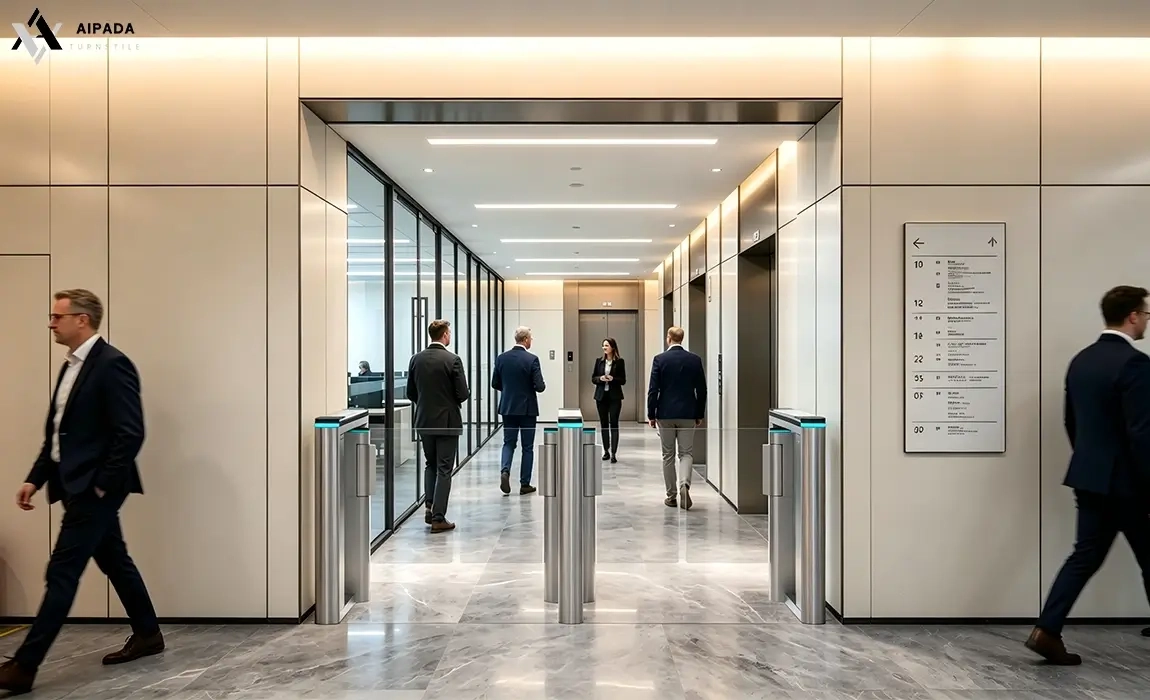
The exact functions depend on the selected model and configuration, but common options include the following.
Anti-pinch protection
The gate uses sensors and controlled motor movement to reduce the risk of the panels closing while a pedestrian is within the protected area. Some mechanisms can stop or reverse when an obstruction is detected.
Anti-tailgating detection
If two people attempt to pass using one authorization, the sensor system may identify the abnormal spacing and activate an alarm. The practical result depends on sensor layout, software settings, walking behavior and site conditions.
Wrong-way entry detection
The system can detect a person entering from the unauthorized direction and respond by keeping the barrier closed or triggering an alarm.
Passage timeout
If an authorized user does not enter within a defined period, the gate can cancel the authorization and return to standby. This helps prevent an unused approval from remaining active.
Emergency opening
Speed gates can be configured to open or release the passage after receiving an emergency signal. Fire alarm behavior, power-failure operation and evacuation requirements should be confirmed during project design and tested during commissioning.
Speed Gate Turnstile vs Traditional Turnstile
“Turnstile” is a broad product term covering several different pedestrian gate structures. A speed gate is one specific type of intelligent turnstile.
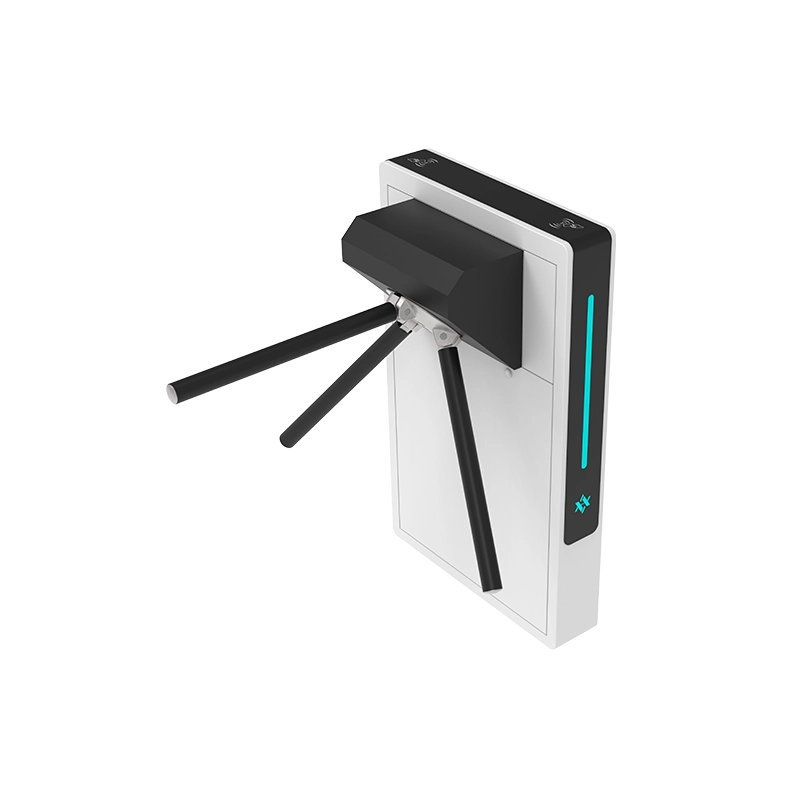
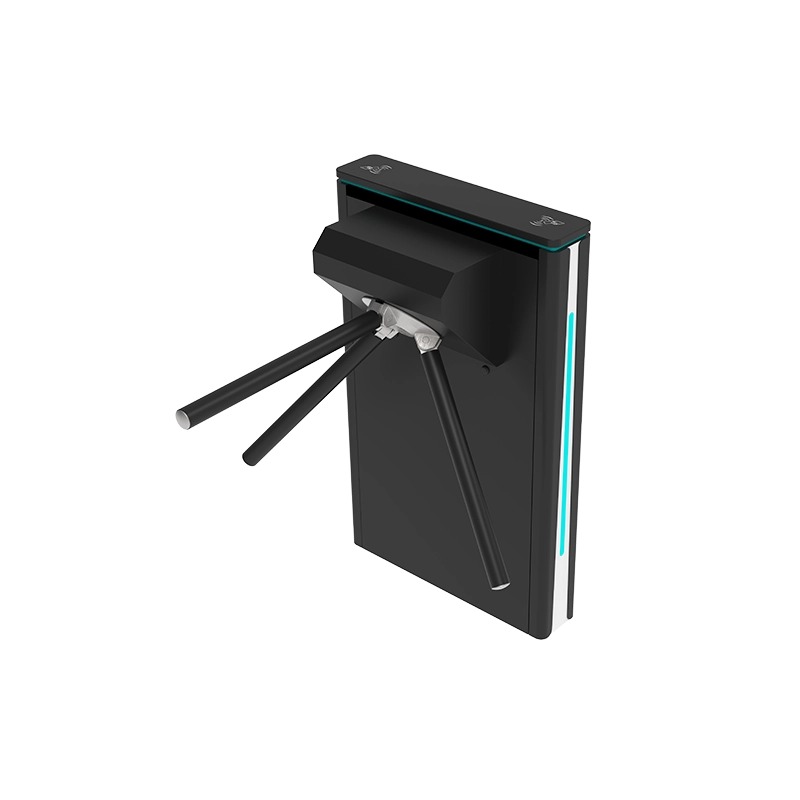
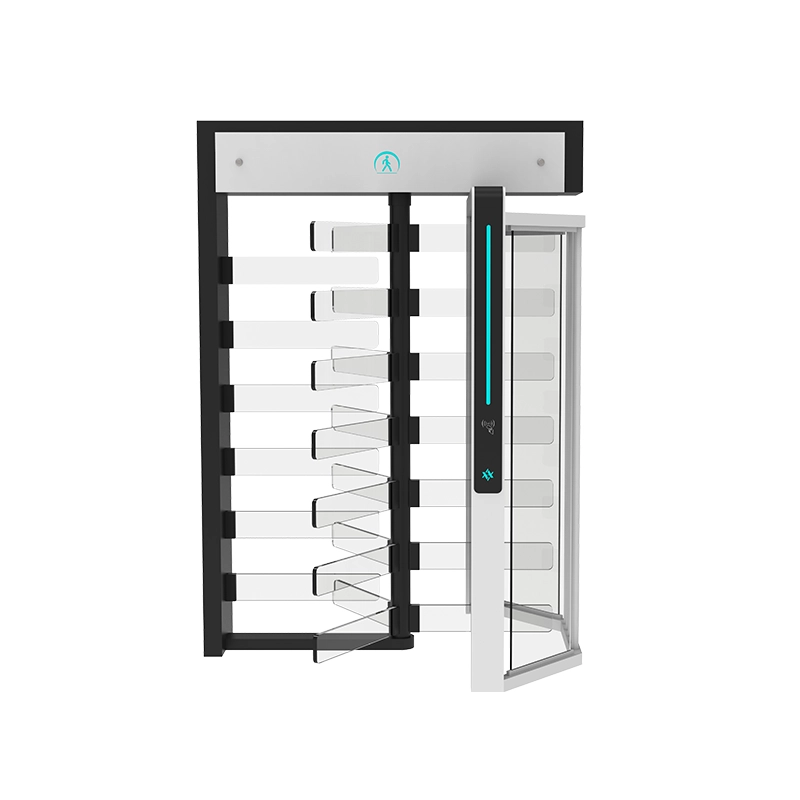
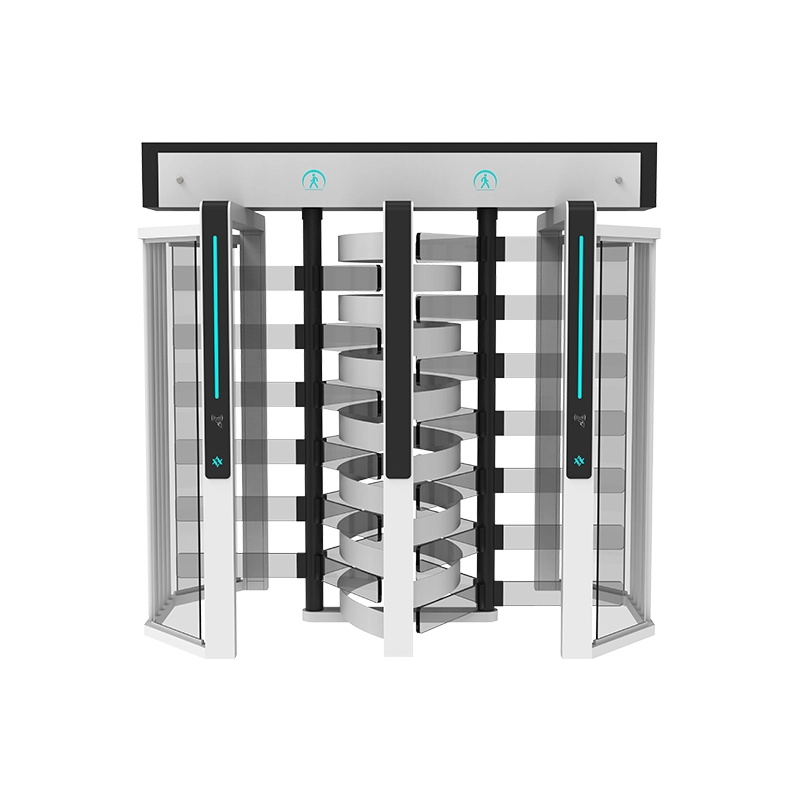
A traditional tripod turnstile uses three rotating arms and is usually selected for economical, controlled single-person passage. A full-height turnstile creates a much larger physical barrier and is commonly used at higher-security perimeter entrances.
A speed gate usually provides:
- Faster and more comfortable pedestrian flow
- A modern appearance suitable for premium interiors
- Contactless passage after authorization
- Multiple infrared detection zones
- Compatibility with different access control technologies
- Flexible standard and wide-lane configurations
However, it is not automatically the best choice for every project. Outdoor exposure, physical security level, available space, expected traffic, accessibility requirements and project budget should all be evaluated.
Where Are Speed Gates Commonly Used?
Office buildings
Speed gates can separate public reception areas from controlled employee zones. They can work with employee cards, visitor QR codes and reception management systems while maintaining a professional lobby appearance.
Business parks and corporate headquarters
Multi-lane installations support morning and evening traffic peaks. Different lanes can be configured for entry, exit, visitors or accessible passage.
For an example designed for commercial entrances, see the AT402 commercial speed gate turnstile. The model offers customizable cabinet and passage arrangements, multiple access methods and a wide-lane option for projects with accessibility requirements.
Gyms and fitness clubs
Membership cards, NFC wristbands, QR codes and facial recognition terminals can be connected to the entrance system. The gate helps prevent unauthorized entry while allowing active members to pass efficiently.
The AT407 gym speed gate turnstile is designed for fitness clubs and compact commercial entrances, with customizable lane widths, finishes and credential options.
Hotels and premium lobbies
Quiet movement, transparent barrier panels and customized cabinet finishes help a speed gate fit modern interior designs without making the entrance feel overly industrial.
Airports and transportation facilities
Speed gates may be integrated with boarding, ticketing or identity systems. These projects normally require careful consideration of luggage, high traffic, accessible lanes, emergency modes and system redundancy.
Factories and employee entrances
Factories can connect speed gates with employee identification, attendance and visitor management systems. Entrance capacity should be calculated around shift changes rather than only average daily traffic.
How to Choose the Right Speed Gate
Before requesting a quotation, collect the following project information.
- Required number of entrance and exit lanes
- Expected pedestrian volume and peak traffic
- Standard and accessible passage widths
- Indoor, covered outdoor or exposed installation environment
- Available floor space and cable routes
- Required cabinet and barrier materials
- Access cards, QR codes, biometric devices or ticket readers
- Existing access control or visitor management software
- Required barrier height and security level
- Fire alarm and emergency release requirements
- Branding, cabinet color, logo or appearance customization
- Installation, commissioning and spare-parts requirements
A wider passage may be needed for wheelchairs, strollers, luggage or service access. The wider lane should be included in the original entrance layout because it affects cabinet quantities, floor space, sensor settings and pedestrian routing.
Buyers should also confirm which features are standard and which are optional. A product image alone cannot show the motor configuration, sensor quantity, controller interfaces, emergency behavior or software compatibility.
Can a Speed Gate Work with an Existing Access Control System?
In many projects, the gate and the identity system are supplied separately. The existing controller verifies the user and provides an authorization signal to the gate.
Integration still needs to be confirmed before production. Important details include the reader dimensions, mounting position, electrical interface, communication method, credential type, direction control, alarm feedback and management software workflow.
AIPADA speed gates can be prepared for card readers, QR scanners, facial recognition terminals, fingerprint devices and other third-party identification equipment. Providing device drawings and interface information early helps avoid modifications during installation.
Frequently Asked Questions
Is a speed gate the same as a turnstile?
A speed gate is a type of pedestrian turnstile, but not every turnstile is a speed gate. Tripod, flap barrier and full-height products use different barrier structures and serve different security and traffic requirements.
Does a speed gate require an access control system?
The gate can receive opening commands from different devices, including card readers, QR scanners, biometric terminals, buttons and remote controls. For controlled user identification and access records, it is normally connected to an access control or visitor management system.
Can speed gates detect tailgating?
Speed gates with suitable infrared sensors and control logic can identify many abnormal passage events, including two people attempting to use one authorization. Performance depends on the selected sensor configuration, software settings and site conditions.
Can a speed gate accommodate wheelchairs?
Yes. A multi-lane entrance can include a wider accessible lane. The required clear width, sensor coverage, barrier size and surrounding route should be confirmed before production and installation.
Are speed gates suitable for outdoor use?
Some installations can be designed for covered or outdoor environments, but environmental protection must be evaluated carefully. Rain, drainage, humidity, dust, temperature, corrosion and direct sunlight can affect material and component selection.
How many people can pass through a speed gate?
Actual throughput depends on gate opening speed, reader response time, user behavior and entrance organization. For example, AIPADA lists up to 40 people per minute under normal operating conditions for selected AT402 and AT407 configurations. Project capacity should still be calculated using realistic peak-hour conditions rather than a theoretical maximum.
Conclusion
A speed gate turnstile combines pedestrian access control, motorized barriers and intelligent sensor detection in one entrance system. It can improve traffic efficiency, support different identity technologies and provide a clean appearance for modern commercial environments.
The correct solution depends on more than cabinet appearance. Lane width, peak flow, accessibility, security level, reader integration, emergency operation and installation conditions must be considered together.
Explore the complete AIPADA speed gate turnstile collection, or contact AIPADA with your entrance dimensions, lane quantity, access method and expected traffic. The team can recommend a suitable configuration and prepare layout or installation information for your project.
](https://aipadaturnstile.com/wp-content/uploads/2025/11/AT107-TC-01.webp)
](https://aipadaturnstile.com/wp-content/uploads/2025/12/vertical-tripod-turnstile.jpg)
](https://aipadaturnstile.com/wp-content/uploads/2025/12/popup-img.jpg)