](https://aipadaturnstile.com/wp-content/uploads/2026/04/What-are-the-Benefits-of-Using-Flap-Barriers.jpg "What are the Benefits of Using Flap Barriers")

Long queues and security concerns often trouble public and private facilities. This creates delays and potential risks. An effective access control system can solve these problems.
Flap barriers offer a strong solution for managing pedestrian traffic and improving security. They provide fast, reliable, and efficient access control. These systems are especially useful in high-traffic areas, such as corporate lobbies or transportation hubs.
The demand for smooth and secure entry points continues to grow. Many organizations seek ways to optimize their operations. Flap barriers present a modern answer to these needs.
What is the use of a flap barrier?
Is your facility struggling with inefficient pedestrian flow or security lapses? Managing access for many people can be a complex task. Without proper control, security can suffer, and queues can become long.
Flap barriers are used to manage pedestrian access efficiently and securely. They regulate who enters and exits restricted zones. These barriers help ensure that only authorized individuals can pass through.
For instance, a major airport recently installed flap barriers at its boarding gates. This significantly sped up the boarding process. It also improved the security checks for passengers.
How Flap Barriers Enhance Security and Efficiency
Flap barriers[^1] combine security with quick access. They stop unauthorized entry effectively. At the same time, they allow authorized people to pass without delay. This balance is crucial for any modern building aiming for both safety and convenience.
These barriers operate using sensors. When a person presents a valid credential, the flaps open quickly. The flaps then close immediately after the person passes. This action prevents tailgating. Tailgating occurs when an unauthorized person tries to follow an authorized one.
Here are the primary functions and advantages:
- Access Control: They restrict entry to approved individuals.
- Traffic Regulation: They manage large volumes of people smoothly.
- System Integration: They connect with other security technologies.
- Audit Trail: They record entry and exit data for tracking.
Preventing Unauthorized Access
Flap barriers establish a physical deterrent. This barrier only retracts for authenticated users. This design reduces the chance of security breaches. The systems are built for high reliability. They integrate with various authentication methods.
For example, a data center implemented flap barriers at its entrance. This change significantly tightened their perimeter security. It made it much harder for unverified individuals to gain access.
Managing High Foot Traffic
These barriers are built for speed. They can process a large number of people per minute. This capability helps in reducing queues, especially during busy periods. This is essential in places like subway stations or large corporate offices.
A railway station upgraded its entry points with flap barriers. This change led to a noticeable improvement in passenger flow. It reduced congestion and made commuting smoother for thousands of daily travelers.
Seamless System Integration
Flap barriers do not operate in isolation. They are designed to connect with existing security infrastructures. This includes diverse systems such as:
- Facial Recognition: For touchless and fast authentication.
- RFID Readers: For card-based entry and identification.
- QR Code Scanners: For visitor passes or ticket validation.
- Biometric Scanners: For fingerprint or vein pattern recognition.
This ability to integrate provides flexibility. It allows organizations to build comprehensive security solutions.
What is the difference between a turnstile and a flap barrier?
Are you considering access control solutions but confused by the terminology? "Turnstile" is a general term that covers several types of entry gates. Understanding the specific differences is important for choosing the right system.
Turnstiles represent a broad category of pedestrian access control gates. Flap barriers are a specialized type within this category. The key difference lies in their operational mechanism and typical applications. Flap barriers use retractable wings, while other turnstiles might employ rotating arms or swinging panels.
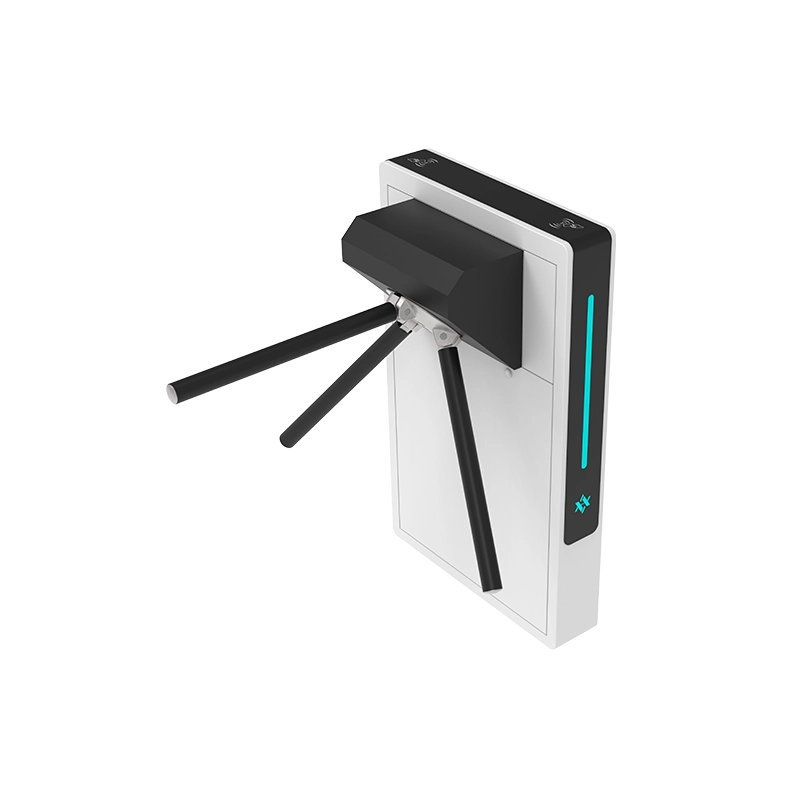
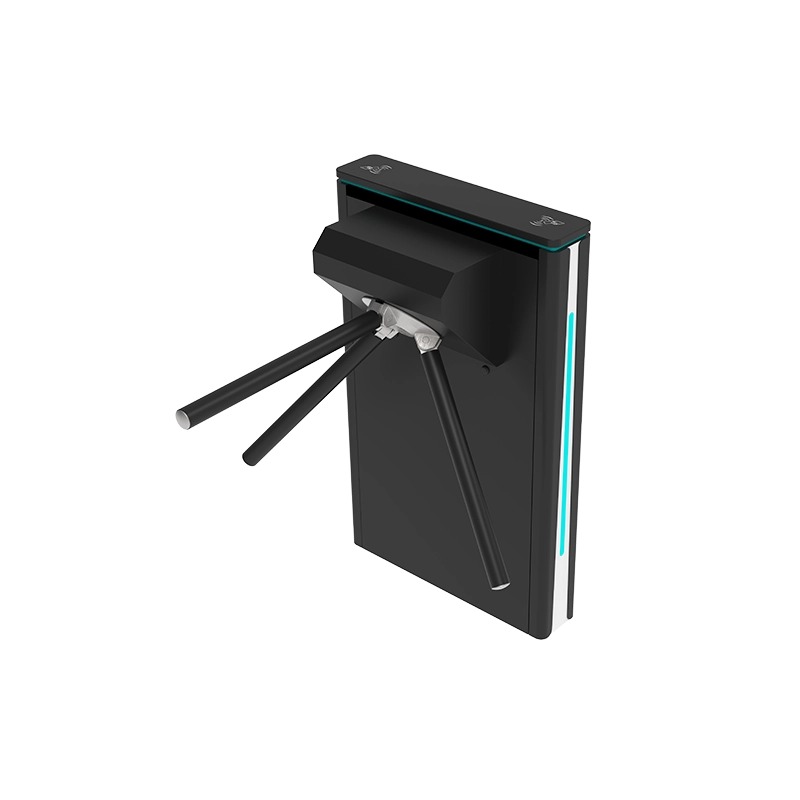
For example, a security consultant often explains these distinctions to clients. They highlight how flap barriers offer faster throughput and a more modern appearance compared to traditional tripod turnstiles[^2]. This helps clients match the system to their specific environment and needs.
Understanding Turnstile Varieties and Their Functions
The landscape of access control gates is varied. Each type is designed for particular functions. Knowing these distinctions helps in making an informed choice for your facility’s specific requirements.
Turnstiles are devices that control pedestrian traffic. They allow one person to pass at a time. They are used to manage access and sometimes to count people. They come in different forms, each with unique features and benefits.
Let’s examine the common types:
- Tripod Turnstiles: These feature three rotating arms. They are frequently found in venues like stadiums or factories.
- Swing Turnstiles: These have a single, often wider, swinging panel. They accommodate wheelchairs, strollers, or large luggage.
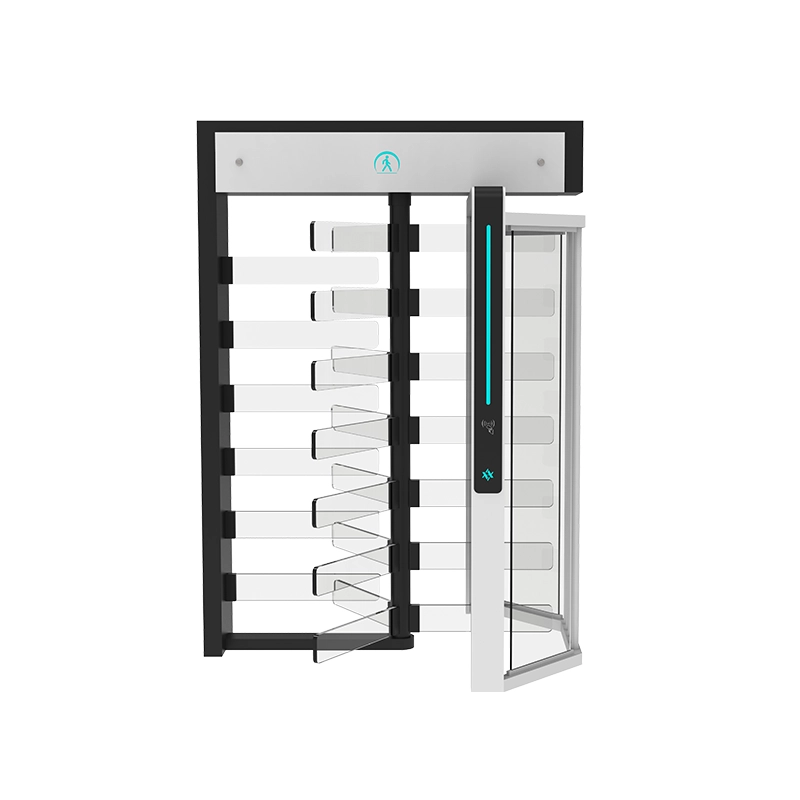
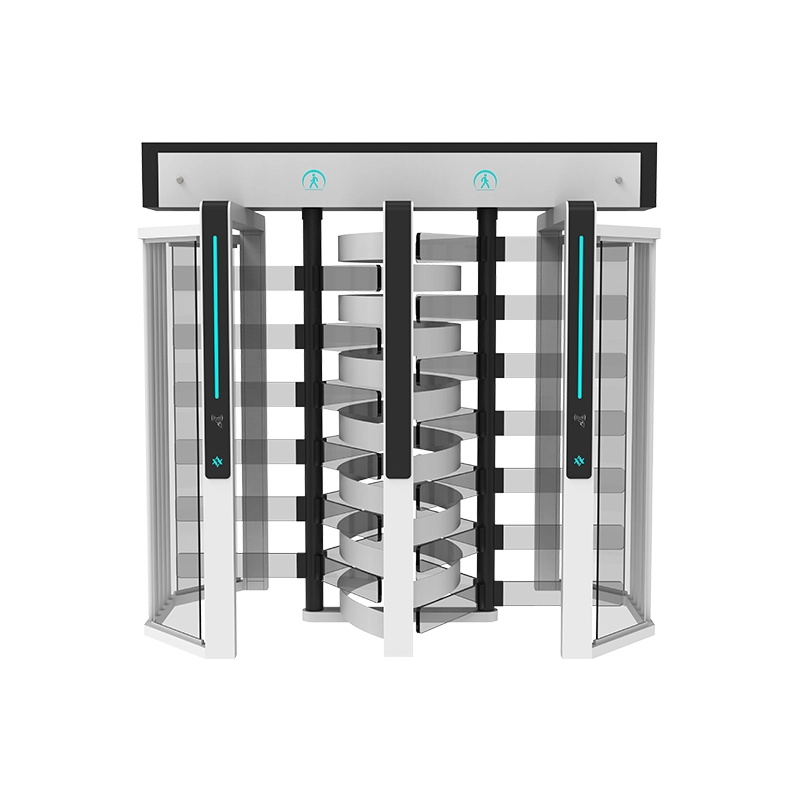
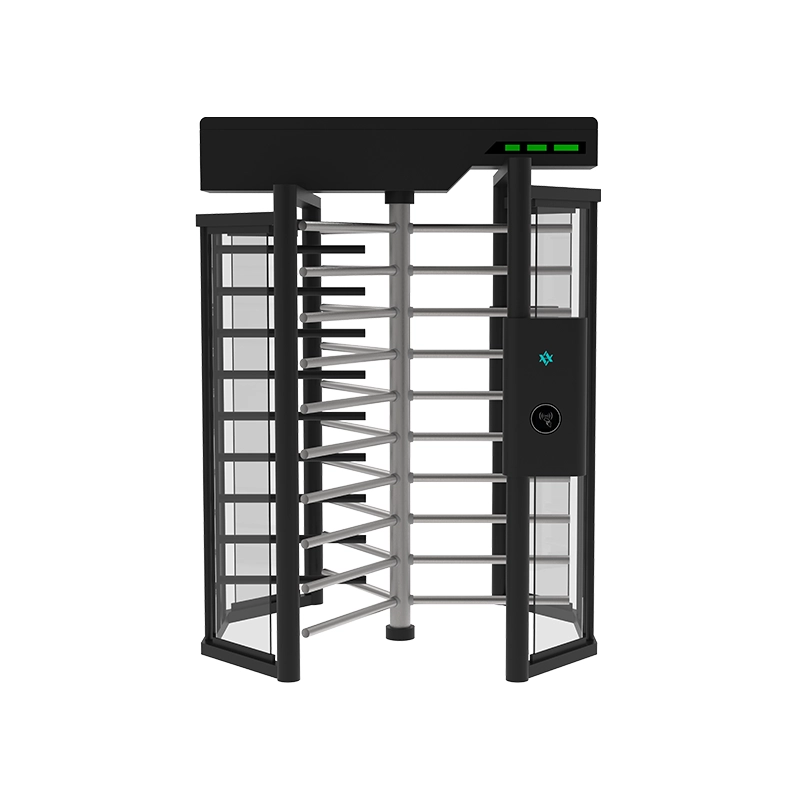
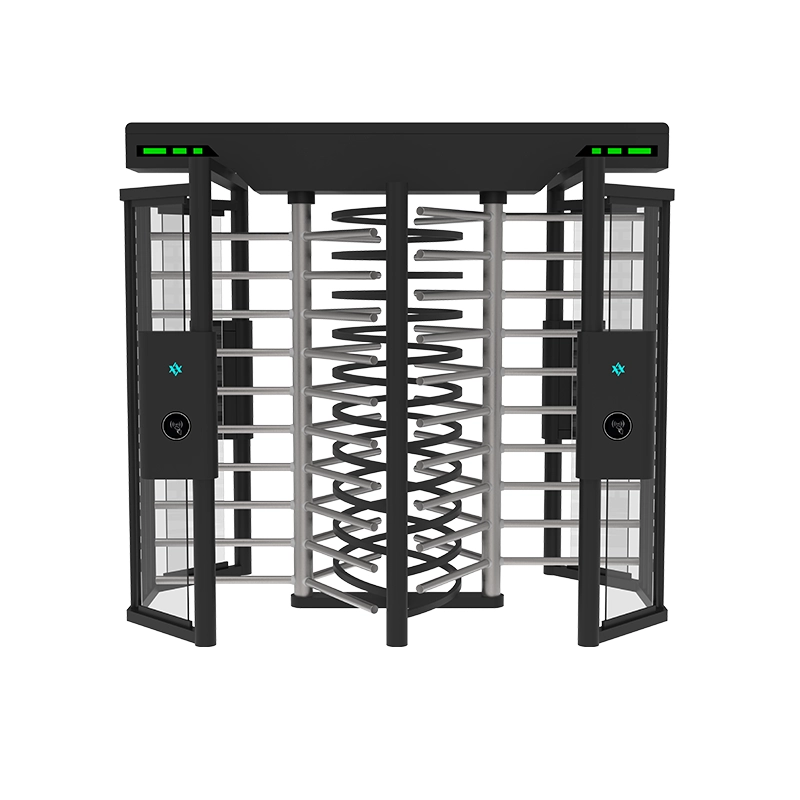
- Full-Height Turnstiles: These provide the highest level of physical security. They are typically used in prisons, military bases, or high-security facilities.
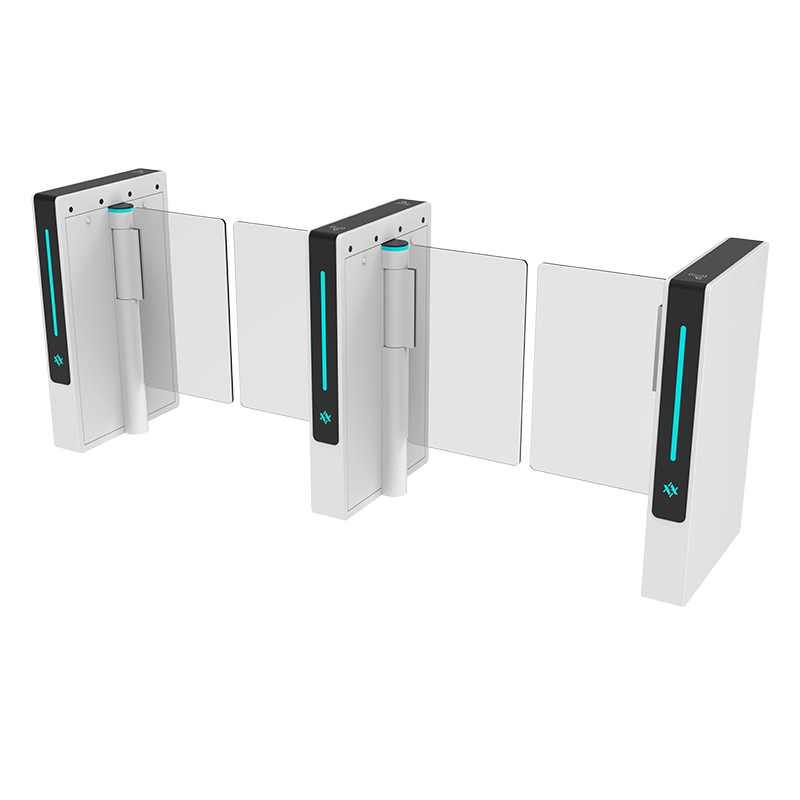
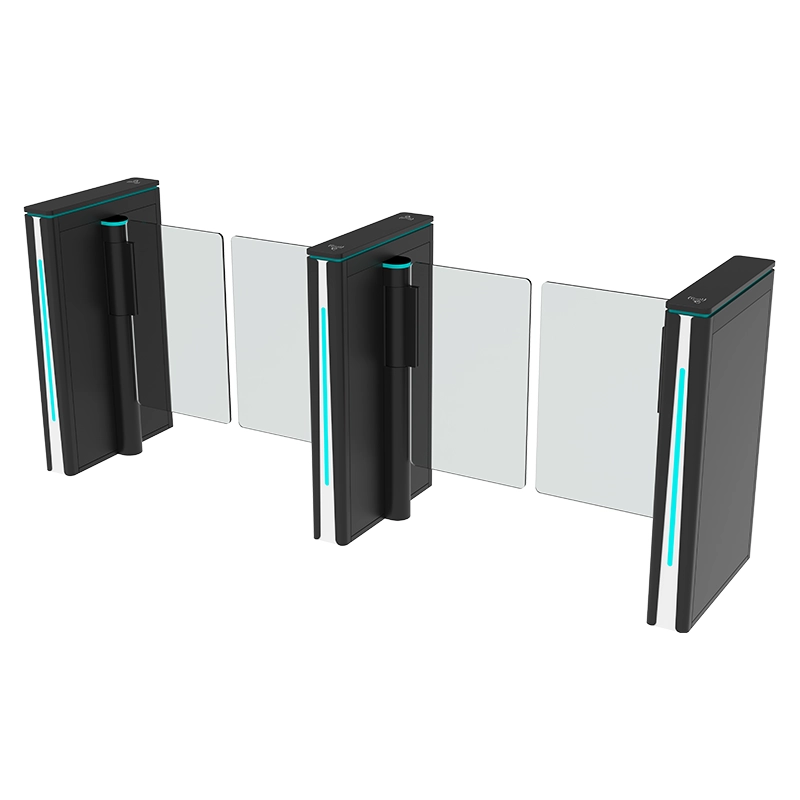
- Flap Barriers: These use two retractable wings. They are recognized for their speed and contemporary design.
Mechanism and Speed
Flap barriers are known for their rapid operation. Their wings retract smoothly into the housing. This mechanism allows for quick passage. They are well-suited for high-traffic areas where speed is a priority.
Tripod turnstiles require the user to push the arms. The arms then rotate to allow passage. This process is generally slower than flap barriers. Full-height turnstiles are the slowest, involving a full rotation of a cylinder. They prioritize high security over speed.
Design and Aesthetics
Flap barriers often feature sleek and modern designs. They incorporate materials such as stainless steel and tempered glass. This makes them suitable for upscale office buildings and modern commercial spaces.
Swing turnstiles also offer a degree of aesthetic flexibility. They can be customized to complement interior designs. Tripod turnstiles are more functional in appearance. They prioritize robustness over design. Full-height turnstiles are primarily engineered for maximum security.
Security Levels
Each turnstile type offers varying levels of security.
| Turnstile Type | Security Level | Speed | Aesthetics | Common Applications |
|---|---|---|---|---|
| Flap Barriers | Medium-High | High | High | Corporate Offices, Metro Stations, High-End Retail |
| Swing Turnstiles | Medium | Medium | High | Public Buildings, Accessible Entries |
| Tripod Turnstiles | Medium | Medium | Low | Industrial Sites, Gyms, Theme Parks |
| Full-Height Turnstile | High | Low | Low | High-Security Zones, Prisons, Military Facilities |
This table illustrates that the choice of turnstile depends on specific requirements. These include considerations for security, speed, and visual integration with the environment.
What is the problem with the flap barrier?
Are you evaluating flap barriers and want to understand their potential drawbacks? All systems have limitations. It is important to know these to make an informed decision. Some organizations might be concerned about maintenance or operational costs.
While highly effective, flap barriers do present specific challenges. These can include the potential for accidental trapping, sensitivity to environmental factors, and the necessity for consistent maintenance. These points require careful consideration during both installation and ongoing use.
For instance, a facilities manager once raised concerns about power outages. They worried about how the barriers would function during an emergency. Modern flap barriers address this with fail-safe mechanisms, ensuring pathways remain clear.
Addressing Common Concerns with Flap Barrier Systems
Understanding potential issues is vital for selecting the most appropriate system. Every technology comes with its own set of considerations.
Flap barriers are sophisticated electromechanical devices. They comprise numerous moving parts and sensors. This complexity can lead to specific problems if not managed correctly.
Let’s explore some of these challenges:
- Accidental Trapping: Users could get caught if safety sensors fail.
- Environmental Factors: Dust, moisture, or extreme temperatures can affect performance.
- Maintenance Requirements: Regular servicing is needed to ensure proper operation.
- Initial Investment: The upfront cost can be higher compared to simpler gate systems.
Preventing Accidental Trapping
Early models of flap barriers sometimes caused minor inconveniences. This occurred when users passed too closely or when sensors were less responsive. Current systems have significantly improved in this area.
Modern flap barriers incorporate multiple infrared sensors. These sensors create a safe detection zone. If a person pauses or moves slowly, the flaps are programmed not to close. Anti-tailgating algorithms also help prevent unauthorized simultaneous passage. This enhances user safety.
Environmental Resilience
Flap barriers typically operate indoors. However, they are sometimes installed in semi-outdoor or exposed environments. Factors such as dust accumulation, humidity, or significant temperature fluctuations can impact their electronic and mechanical components.
For more demanding environments, specialized models are available. These units often feature higher ingress protection (IP) ratings. This provides better resistance against dust and water. Their internal components are also designed to withstand broader temperature ranges. This ensures reliable operation in various conditions.
The Importance of Regular Maintenance
Like all electromechanical systems, flap barriers require routine maintenance. Neglecting this can lead to accelerated wear and tear of components. This often results in operational failures.
Comprehensive maintenance schedules are crucial. These include periodic inspections and servicing of critical parts. The use of advanced motor technologies, such as brushless motors, can reduce the frequency of major repairs. This extends the operational lifespan of the barrier.
Initial Investment Costs
Flap barriers are advanced access control solutions. Their sophisticated technology and features often lead to a higher initial purchase and installation cost compared to more basic entry gates. This can be a significant consideration for projects with strict budget limitations.
However, it is important to evaluate the long-term value provided. The benefits often include:
| Feature | Upfront Cost | Long-Term Value |
|---|---|---|
| Speed | Higher | Increased throughput, reduced congestion |
| Security | Higher | Enhanced safety, minimized unauthorized entry |
| Durability | Higher | Lower operational costs, extended service life |
| Integration | Higher | Adaptability with future security technologies |
When considering the high throughput, enhanced security, and extended durability, the return on investment can be substantial. Many organizations find the initial cost justified by the overall operational improvements.
What are the benefits of flaps?
Are you wondering why flap barriers are increasingly chosen for modern facilities? Their advantages extend far beyond basic entry management. They offer a multifaceted solution to access control challenges.
Flap barriers deliver considerable benefits in efficiency, security, and design. They provide rapid pedestrian throughput, bolster security through advanced detection, and integrate seamlessly with contemporary architecture. These combined attributes make them highly suitable for dynamic and high-traffic environments.
Consider a university campus that installed flap barriers in its main library. The goal was to manage student access more effectively and deter non-students. The system not only achieved this but also modernized the library’s entrance.
Unpacking the Core Advantages of Flap Barrier Systems
There are several compelling reasons to invest in flap barrier technology. These systems address a wide range of operational and security needs for facility management.
Flap barriers are notable for their ability to combine practical function with elegant form. They function as integral components of a comprehensive access control strategy, rather than just simple gates.
Let’s explore the primary benefits:
- High Throughput: They efficiently process a large volume of people.
- Enhanced Security: They actively deter tailgating and unauthorized access.
- Aesthetic Appeal: They contribute to a modern and sophisticated entrance design.
- Improved User Experience: They facilitate smooth and intuitive pedestrian passage.
- Extensive Integration: They connect with a broad array of other security systems.
Speed and Efficiency
A key benefit of flap barriers is their operational speed. The rapid opening and closing of the flaps minimize waiting times. In busy environments, such as large corporate headquarters or public transport stations, this can significantly reduce congestion during peak hours.
These barriers are engineered with advanced motor technology. This ensures smooth, quiet, and swift operation. Observations in high-traffic settings confirm that peak hour bottlenecks are substantially alleviated. This translates to a more positive experience for users.
Superior Security Features
Flap barriers are more than just physical barriers; they incorporate intelligent security mechanisms. These features are designed to enhance safety and control:
- Anti-Tailgating: Advanced sensors detect attempts by multiple people to pass on a single valid credential.
- Anti-Pinch Protection: Multiple infrared sensors prevent the flaps from closing if an obstruction is detected in the passage area.
- Fire Alarm Linkage: The barriers automatically open during a fire alarm. This provides an unobstructed path for emergency evacuation.
- Intrusion Detection: The system can alert staff if attempts are made to force entry or bypass the barrier.
These integrated security functions contribute to a safer environment for both assets and personnel.
Modern Design and Customization
The visual impact of an entrance system is important. Flap barriers contribute to a professional and high-tech image. They are often constructed using premium materials. These materials include polished stainless steel and durable tempered glass.
Customization options are frequently available. These can include choices in material finishes, color variations, and the integration of branding elements. This allows the barriers to harmonize with the architectural style and interior design of a building.
Seamless User Experience
An effective access system is intuitive and easy for users to operate. Flap barriers provide a streamlined experience. Users simply present their credential—be it a card, a mobile device, or their face—the flaps retract, and they proceed. This touchless or minimal-contact interaction is widely appreciated.
The quiet operation of these barriers also enhances the user experience. The absence of jarring mechanical sounds creates a calmer and more welcoming entry point. Users often comment on the ease and pleasantness of passing through.
My Insights: Exploring the Advantages of Flap Barriers
Struggling to maintain efficient and secure access control in high-traffic areas? Discover how flap barriers offer a modern solution.
Flap barriers provide efficient crowd management and secure access control, integrating seamlessly with systems like RFID and biometrics. Their compact, aesthetically pleasing design and low maintenance make them ideal for modern, high-traffic environments.
Unpacking the Multifaceted Benefits of Flap Barriers
Core Benefits
| Feature | Advantage |
|---|---|
| Security | Prevents unauthorized access and tailgating |
| Operational Efficiency | Supports high-speed, bidirectional flow |
| Design & Cost | Compact, customizable, low energy consumption |
Applications and Integration
Enhanced Security: Flap barriers enhance security through real-time monitoring and integration with CCTV and access credentials, ensuring only authorized entry.
Optimizing Flow in High-Traffic Areas: The quick operation and bidirectional control reduce queues and improve efficiency, particularly in places like airports and corporate offices.
Strategic Advantages
Choosing flap barriers entails a one-time investment with minimal upkeep, reducing long-term operational costs. Their energy-efficient and customizable design fits seamlessly into contemporary architecture, underscoring their utility in securing spaces without compromising on aesthetics. Balancing these benefits can result in enhanced security, operational efficiency, and overall user satisfaction in your facility.
Conclusion
Flap barriers represent an effective solution for modern access control. They combine high operational speed, robust security features, and contemporary design. These systems significantly enhance both efficiency and safety in various facilities. They offer substantial long-term value.