
A temporary entrance still needs a clear way to admit people, manage queues and keep the surrounding route usable. Portable turnstiles can provide a movable access point for entrances that change location or operate for a limited period. Choosing one, however, involves more than placing a standard turnstile on a steel plate.
The base, ground surface, electrical connections and relocation method all affect whether the installation will work at your site. This guide explains the main base-mounted options and the information to check before requesting a quotation.
What is a portable turnstile?
A portable turnstile is a pedestrian entry unit designed to be relocated, usually with a compatible base or platform. Depending on the design, it may be moved manually or require handling equipment. “Portable” does not automatically mean lightweight, battery-powered, suitable for outdoor use or approved for installation without anchors.
Portable Turnstile Configurations: Start with the Entrance Type
Two products can both be described as portable turnstiles while having very different installation requirements. A compact tripod gate used at a staffed reception point is not interchangeable with a full-height unit that forms part of a temporary perimeter.
| Configuration | When to consider it | What to confirm |
|---|---|---|
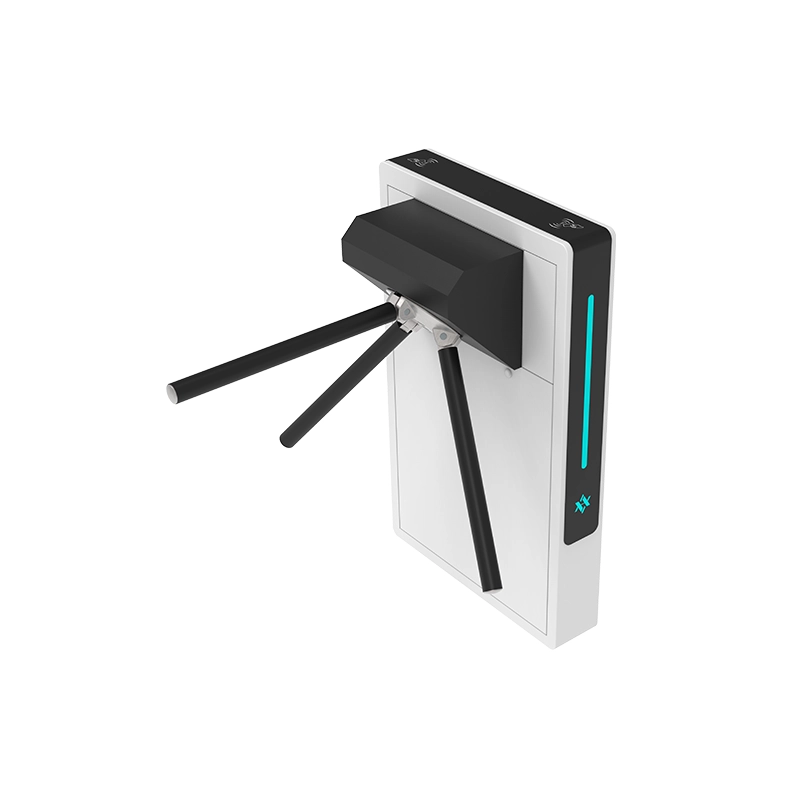
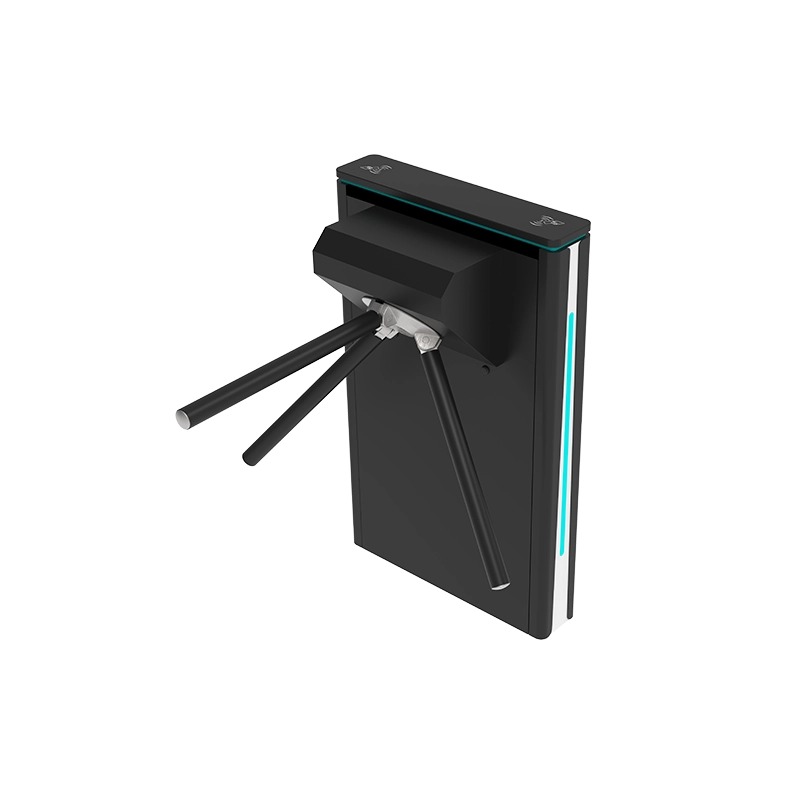
| Tripod turnstile on a compatible base | Staffed temporary entrances where controlled pedestrian passage is the main requirement. | Base stability, arm clearance, adjacent railing and the approved moving procedure. |
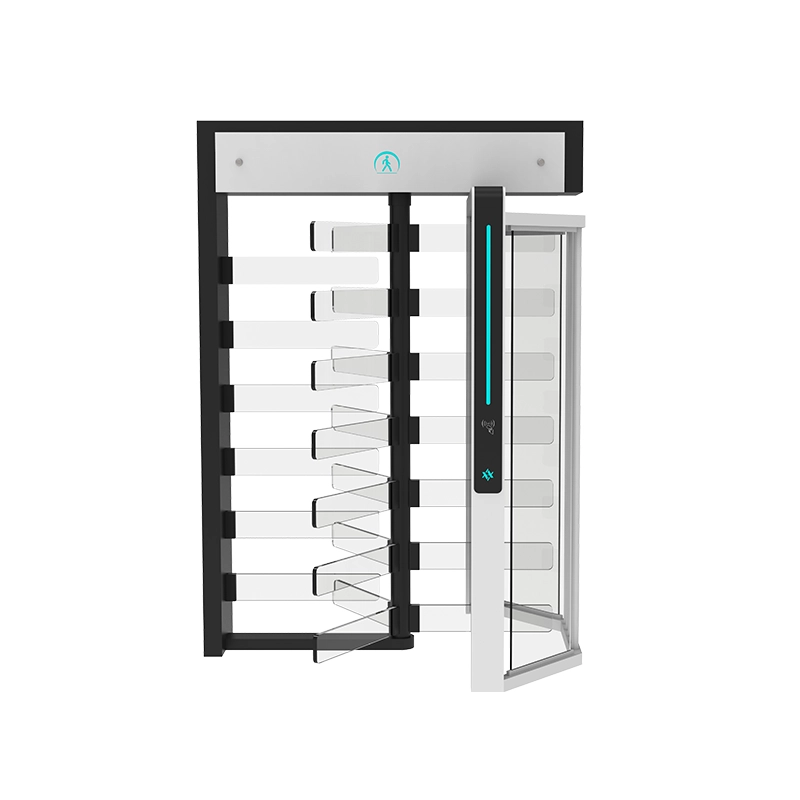
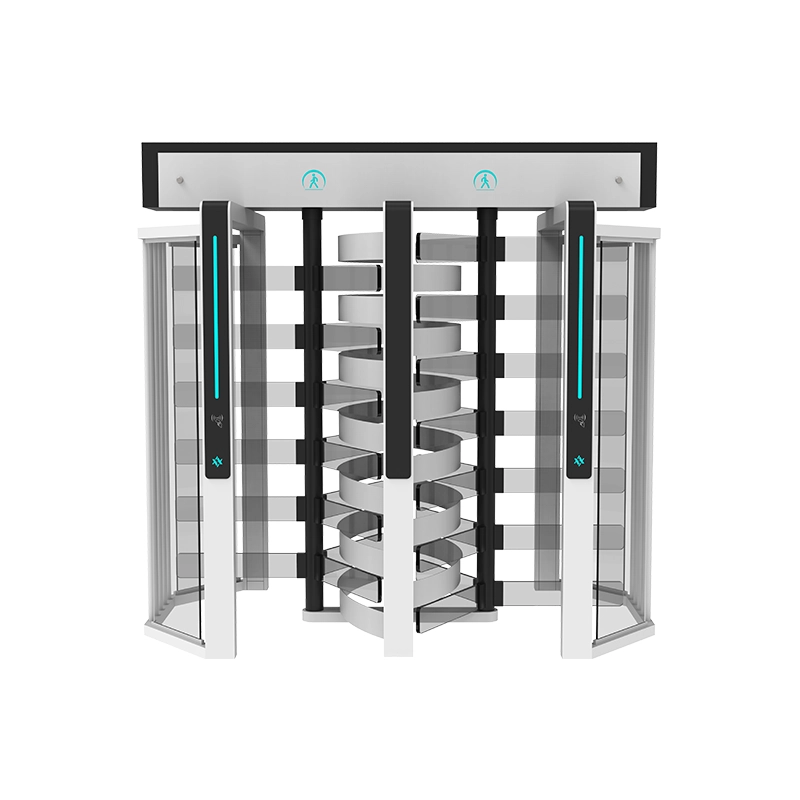
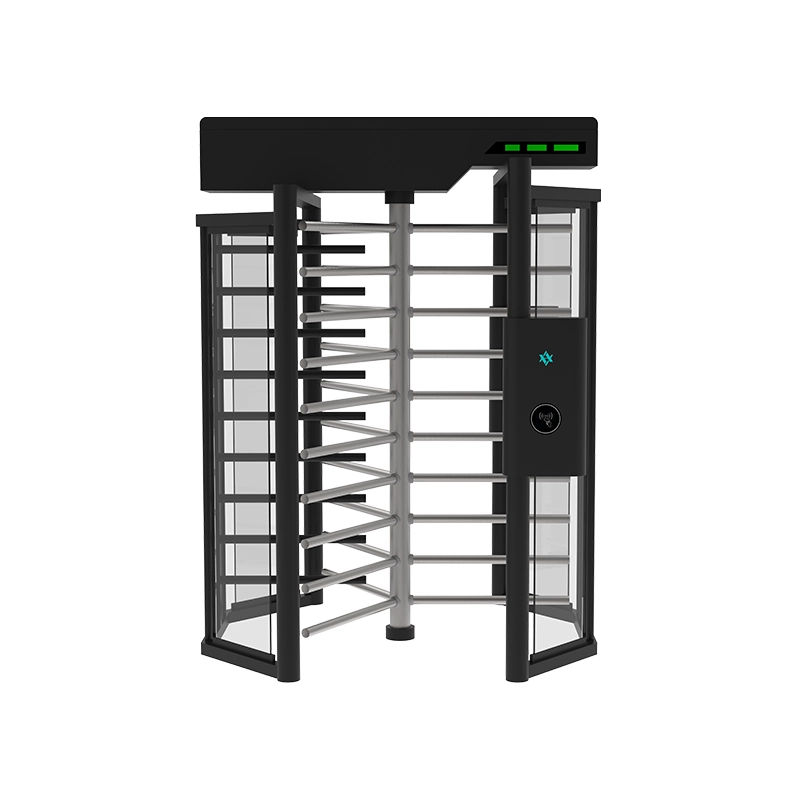
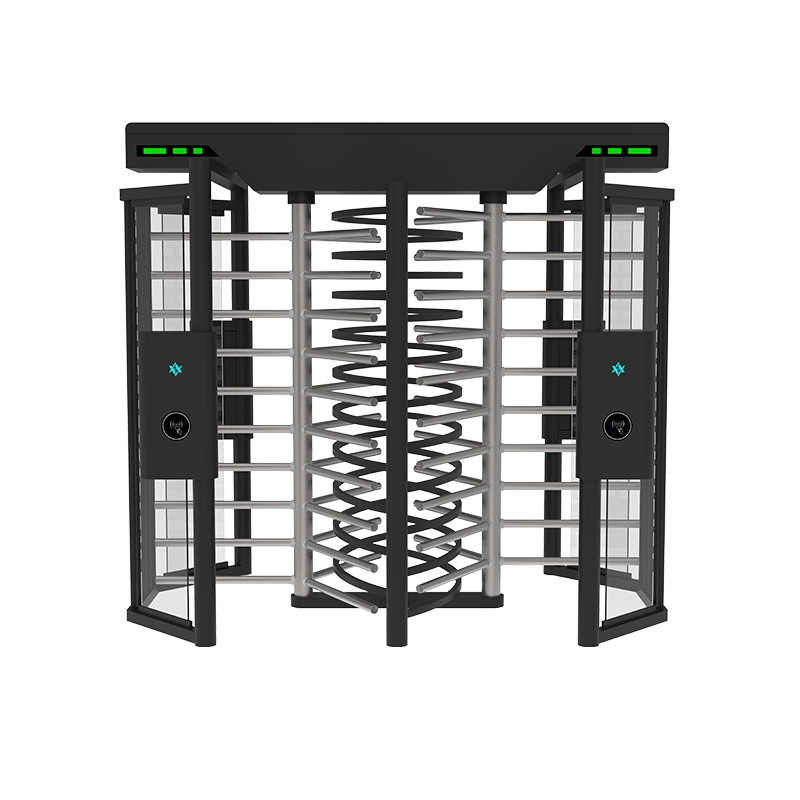
| Full-height turnstile on a transportable platform | Temporary perimeter entrances where a taller physical barrier is required. | Total weight, handling equipment, ground support, fence connections and a separate suitable passage route. |
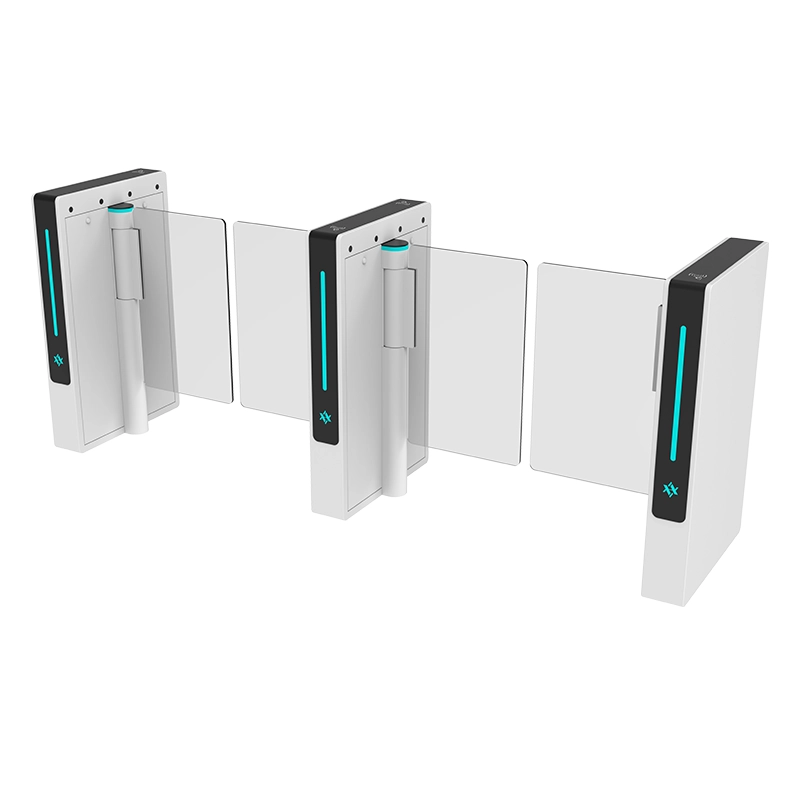
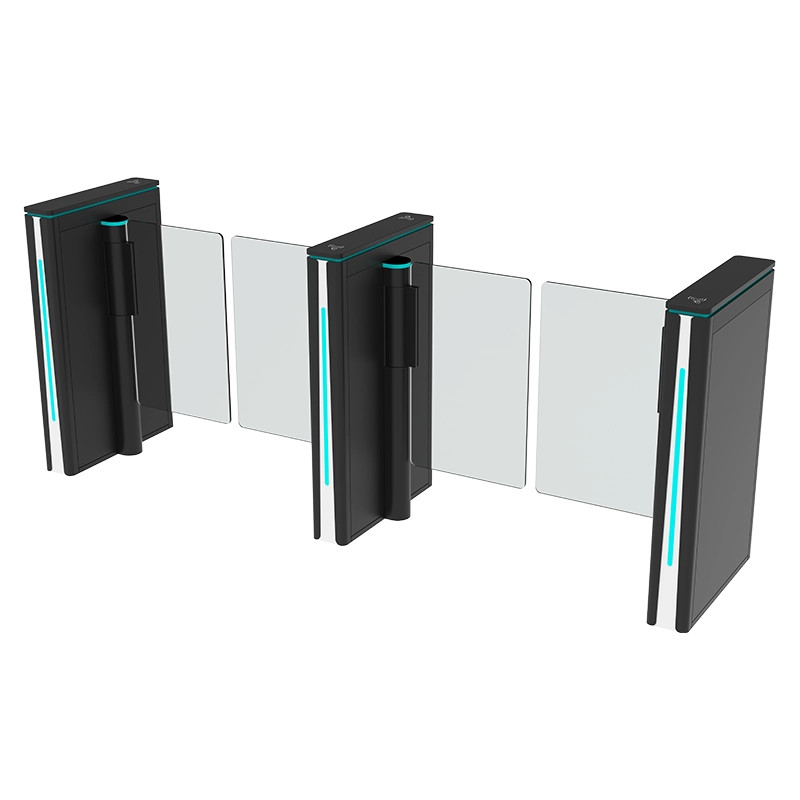
| Turnstile with an integrated entrance platform | Projects that need the gate, railings and reader positions coordinated as an assembly. | Exactly which components are included, platform edges, transport dimensions and reconnection requirements. |
These are general market configurations, not a statement that every manufacturer offers each option. Ask for the drawing and operating instructions for the exact assembly being quoted.
Portable tripod turnstiles for supervised entrances
A tripod turnstile can suit a location where staff already supervise entry and need a defined passage point. Its waist-height arms should not be treated as a full-height security barrier. Consider who will use the entrance, whether people carry large bags or equipment, and how staff will handle visitors who need another route.
If you are still comparing operating mechanisms, see our tripod turnstile guide before deciding on the base arrangement.

Portable full-height turnstiles for perimeter layouts
A full-height assembly needs to work with the surrounding fence or barrier line. Gaps around the platform can undermine the intended entrance control. Its size and mass also make unloading, positioning and future relocation important purchasing questions.
Do not assume that a platform can be lifted from any convenient point. Obtain the supplier’s approved lifting or handling method before arranging transport.
When Does a Temporary Turnstile Entrance Make Sense?
A portable arrangement is worth evaluating when the entrance location is expected to change. Examples include a construction project with changing site boundaries, a temporary staff entrance during building work, or a supervised event entrance.
Start with the operating period and relocation frequency. An entrance moved several times during a project presents a different problem from one that stays in place for years. For the latter, compare a fixed installation before paying for transport features that may rarely be used.
Also check the arrival pattern. A gate that is suitable for occasional visitors may not handle a concentrated shift change comfortably. Ask the supplier to review your expected peak arrivals, credential process and number of lanes instead of relying only on a headline passage-rate figure.
For broader job-site planning, our guide to construction site turnstiles discusses the entrance in its wider security context.
Base-Mounted Turnstiles: Check the Ground Before the Gate
Confirm how the assembly is secured
A base-mounted turnstile is not automatically a freestanding installation. The supplier must specify whether the assembly needs anchors, ballast or another securing method, and which supporting surfaces are acceptable. Avoid treating a loose plate under a standard gate as an approved portable solution.
Provide photographs of the intended position and describe the surface: concrete, paving, temporary flooring or another material. Include any slope, uneven joints, standing water or changes in level. These details can affect both stability and pedestrian movement.
Measure the complete footprint
Cabinet width alone does not describe the required entrance space. Request an overall drawing showing the base edges, rotating arms or moving barriers, railings, reader position and service access. Include any ramps or transitions in the footprint.
Check the approach and departure areas as well. People should not step directly from the lane into a vehicle route, a door swing or a congested queue.
Plan a suitable route beside the turnstile
A tripod lane does not serve every pedestrian or every load. Wheelchair users, people with mobility aids and staff moving equipment may need a different passage arrangement. Have the responsible project team review that route and the emergency exit strategy for the location.
Before ordering: request a drawing of the complete entrance assembly—not just a photograph of the turnstile cabinet. The base, transitions and adjacent passage can determine whether the proposed layout fits.
Portable Turnstile Gates Still Need a Power and Control Plan
Portability describes how equipment can be relocated. It does not define how it authenticates users or receives power. A mechanical counting turnstile and an electronically controlled gate may have very different connection requirements.
For an electronic entrance, identify the reader, access controller, power supply and any network connection. Confirm which components are included with the gate and which must be supplied separately. A reader being physically mountable on a cabinet does not establish that the complete system is compatible.
- Power: confirm the required input supply, total connected load and any proposed backup arrangement.
- Credentials: specify whether users will present cards, QR codes or another credential.
- Connectivity: ask what happens if the network becomes unavailable and how access records are handled.
- Cable routing: plan protected connections that do not create obstacles across pedestrian routes.
- Abnormal conditions: confirm power-loss, emergency-input and manual-release behavior separately.
Do not assume every tripod arm drops or every full-height rotor becomes freely rotating when power is lost. The response depends on the mechanism and configuration. Check the specified behavior with the supplier and test it during commissioning.
What Affects the Cost of a Portable Turnstile Installation?
Compare complete entrance packages rather than cabinet prices. A lower gate price may exclude the base, barriers, readers, controller, transport or site work needed to operate the entrance.
The main cost items to separate in a quotation are:
- The turnstile mechanism, cabinet and operating configuration.
- The compatible base or platform and its securing components.
- Railings, transitions and any separately planned passage gate.
- Readers, controllers, power supplies and software requirements.
- Packing, delivery, unloading and positioning.
- Installation, testing, training and future relocation work.
If the entrance will move regularly, include the practical cost of each move. Disconnecting services, arranging handling equipment and checking the new location can matter as much as the initial purchase price.
Requesting a Portable Turnstile Quote: A Useful Project Brief
A quotation becomes more useful when the supplier can see how the entrance will be used. Send photographs and a simple site sketch together with the following information.
Information to send with your inquiry
- Location and environment: country, indoor or outdoor position, exposure to weather and expected operating period.
- Entrance dimensions: available width and depth, surrounding barriers and nearby doors or vehicle routes.
- Ground details: surface material, slope, uneven areas and whether ground fixing is permitted.
- Users and traffic: staff or visitors, peak arrivals, bags or equipment, and supervision arrangements.
- Access control: credential type, existing controller or software, and required entry/exit operation.
- Utilities: available power and network connections.
- Relocation: how often the unit will move, available handling equipment and transport restrictions.
- Project scope: number of lanes, separate passage needs, delivery destination and required project date.
Ask the quotation to identify the complete assembly, exclusions, overall dimensions, weight, approved securing method and handling instructions. This makes competing proposals easier to compare and reduces misunderstandings before manufacture or delivery.
Portable Turnstiles: Frequently Asked Questions
Can a portable turnstile be installed without drilling?
Some assemblies are designed for applications without permanent floor anchors, but this must be confirmed for the exact base, turnstile and supporting surface. Do not remove required anchors from a fixed-installation model simply because it has been placed on a platform.
Does portable mean the turnstile has wheels?
No. Some portable units use a handling arrangement for repositioning; others require lifting equipment. Request the approved moving procedure and total assembly weight. Do not assume that wheels, lifting points or forklift pockets are included.
Can a portable turnstile operate outdoors?
Only if the complete configuration is suitable for the expected environment. Check the mechanism, electronics, reader, connections, base finish and drainage conditions. A stainless steel cabinet alone does not establish the suitability of the complete installation.
Can I use my existing access control system?
Possibly, but compatibility needs to be checked. Provide the controller and reader models, available interfaces and intended operating sequence. Ask who is responsible for integration, configuration and commissioning.
Is a portable turnstile better than a fixed turnstile?
It depends on the entrance. A relocatable assembly can be useful when positions change. A permanent entrance may be better served by a fixed installation. Compare the complete layout, operating needs and expected relocation work before deciding.
Discuss Your Temporary Entrance Requirements with AIPADA
Preparing a temporary pedestrian entrance? Share your site photos, available space, expected traffic and relocation requirements with AIPADA. Ask which turnstile configuration can be considered for your project and whether a compatible base arrangement is available.
For an initial product reference, review the Standard Vertical Tripod Turnstile. Confirm the exact model, base arrangement and installation requirements before specifying it for a portable application.
View the Tripod Turnstile Product