

2026 Swing Turnstile Cost Guide: Commercial Swing Turnstile Pricing Explained
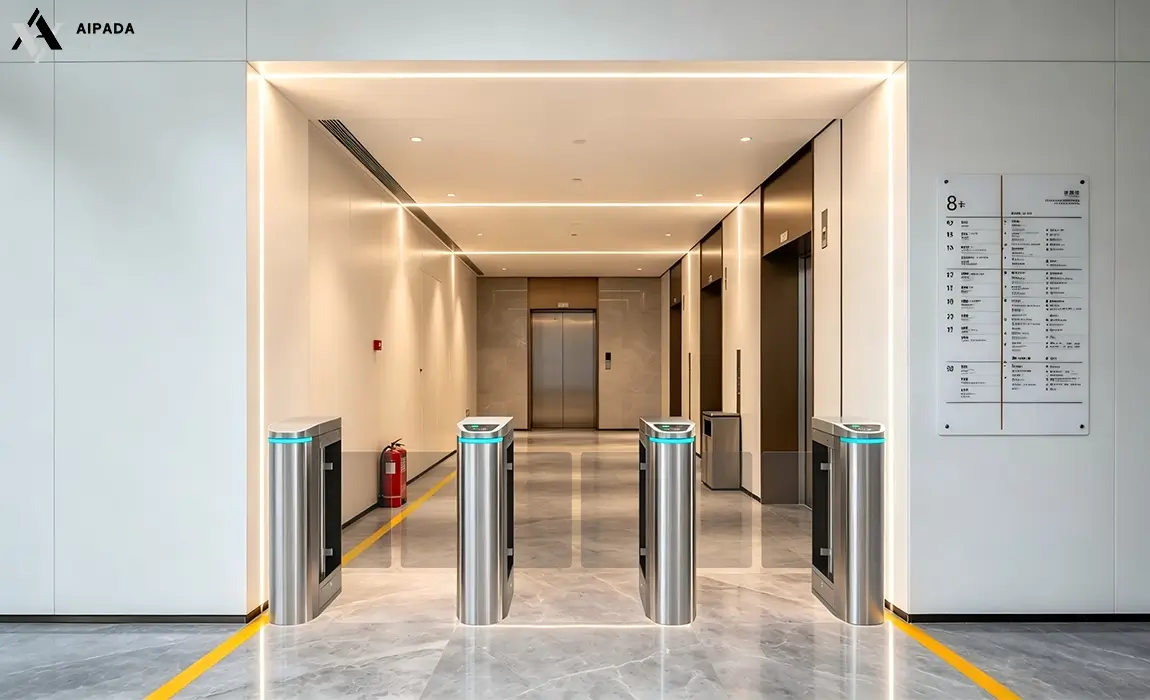
What Is a Swing Turnstile?
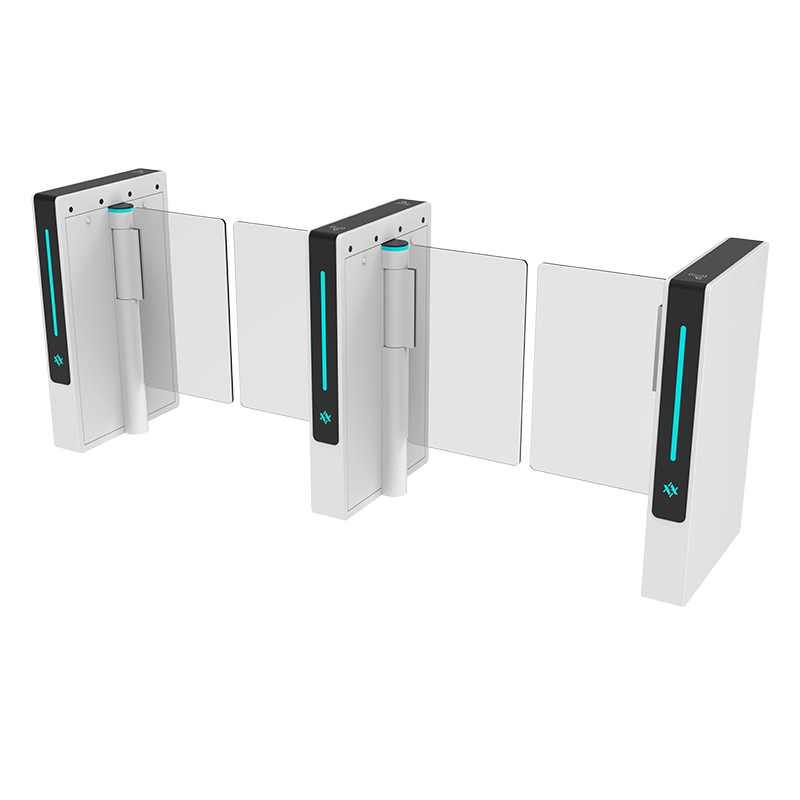
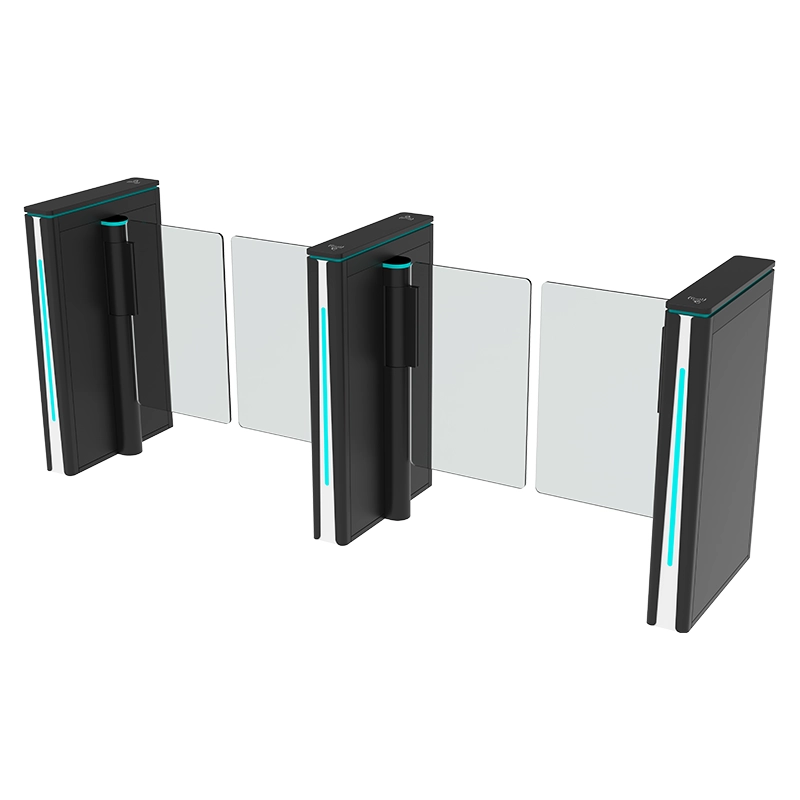
A swing turnstile, also called a swing gate turnstile or swing barrier turnstile, is a pedestrian access control device that uses one or two swinging panels to open and close the passage. The gate panels usually rotate inward or outward after receiving a valid signal from an access control device such as an RFID card reader, QR code scanner, fingerprint terminal, facial recognition device, ticketing system, push button, or remote control.
The biggest advantage of a swing turnstile is its flexible passage width. Standard swing gates can be used for normal pedestrian access, while wider lanes can support wheelchairs, baby strollers, luggage, bicycles, delivery carts, and emergency passage. This makes the swing turnstile especially suitable for places where accessibility and aesthetics are both important.
Swing Turnstile Common Applications
- Office buildings and corporate headquarters
- Commercial complexes and shopping centers
- Hotels, apartments, and residential communities
- Schools, universities, and libraries
- Factories, industrial parks, and warehouses
- Gyms, stadiums, and fitness centers
- Hospitals and medical facilities
- Metro stations, bus terminals, and transportation hubs
- Government buildings and public service centers
- Exhibition halls and visitor management entrances
In many commercial projects, swing turnstiles are selected because they create a balance between security, comfort, design, and accessibility. They can be used alone or combined with flap barriers, speed gates, tripod turnstiles, or full-height turnstiles depending on the security level required.
How much does a commercial swing turnstile cost?
In 2026, a commercial Swing Turnstile generally costs between USD 500 and USD 3,000+ per lane, depending on the structure, motor system, material, access control integration, customization level, and project requirements. Basic economy models are usually suitable for standard indoor entrances, while high-end customized swing barrier turnstiles are designed for premium buildings, demanding traffic environments, outdoor applications, and integrated smart access control projects.
It is important to understand that industrial access control equipment is not priced like simple consumer products. A commercial swing turnstile is a project-based security product. The final price depends not only on the physical gate but also on the internal mechanism, control board, sensors, communication interface, gate panel material, safety features, surface finish, packaging, shipping method, order quantity, and after-sales support.
Typical 2026 Swing Turnstile Price Range
| Type of Swing Turnstile | Estimated Price Range | Typical Features | Recommended Applications |
|---|---|---|---|
| Basic Swing Turnstile | USD 500 – USD 900 | Standard cabinet, basic motor, standard swing arm or acrylic panel, simple access control interface | Small offices, gyms, schools, simple indoor entrances |
| Standard Commercial Swing Turnstile | USD 900 – USD 1,500 | 304 stainless steel body, improved mechanism, infrared anti-pinch sensors, RFID or QR access compatibility | Office buildings, factories, residential communities, commercial entrances |
| Premium Swing Barrier Turnstile | USD 1,500 – USD 2,500 | Brushless DC motor or servo motor, advanced control system, stylish design, higher durability, better user experience | High-end lobbies, hotels, smart buildings, corporate headquarters |
| Customized Intelligent Swing Turnstile | USD 2,500 – USD 3,000+ | Custom appearance, biometric integration, visitor system integration, 316 stainless steel option, logo customization, project-specific design | Government projects, transportation hubs, premium commercial projects, OEM/ODM requirements |
The above pricing is only a general reference. For large wholesale orders, factory-direct purchasing can reduce unit costs. For customized projects, the cost may increase because of special design, mold development, software docking, engineering drawings, color customization, special packaging, and system testing.
Why Is There Such a Big Price Difference?
The price difference comes from the fact that not all swing turnstiles are built the same. Two products may look similar from the outside, but their internal structure, motor life, control logic, sensor accuracy, stainless steel thickness, waterproof design, and safety performance can be very different.
A low-cost swing gate may use a simple motor, thinner cabinet material, fewer sensors, and limited access control compatibility. It may work for low-traffic indoor entrances, but it may not be ideal for a busy commercial lobby or an outdoor access control project. A higher-quality swing turnstile usually uses more durable materials, better movement control, stronger mechanical structure, safer anti-pinch protection, and longer service life.
For procurement teams, the best choice is not always the cheapest model. The real goal is to choose the most cost-effective solution based on traffic volume, security level, environment, user experience, and long-term maintenance cost.
What factors influence swing turnstile gate pricing?
Many factors influence swing turnstile gate pricing. Understanding these factors will help you compare quotations from different suppliers more accurately. Instead of only looking at the unit price, you should review the complete configuration and long-term value.
1. Motor Type: Brushless DC Motor vs. Ordinary Motor
The motor is one of the most important components of a swing turnstile. It controls the movement of the gate panel and directly affects opening speed, noise level, service life, stability, and maintenance frequency.
Entry-level swing turnstiles may use ordinary motors. These can be suitable for low-frequency applications, but they may produce more noise and have a shorter service life under heavy traffic. Mid-range and high-end swing turnstiles often use brushless DC motors or servo motor systems, which provide smoother movement, lower noise, better control accuracy, and longer durability.
| Motor Type | Cost Level | Advantages | Best For |
|---|---|---|---|
| Ordinary Motor | Lower | Affordable, simple structure, basic access control use | Low-traffic indoor entrances |
| Brushless DC Motor | Medium to High | Longer service life, lower noise, smoother operation, better reliability | Commercial buildings, factories, offices, schools |
| Servo Motor System | Higher | Precise movement, premium experience, high durability, advanced control | High-end projects, busy entrances, premium smart buildings |
If your project requires high-frequency daily operation, investing in a better motor system is usually worthwhile. It can reduce downtime, improve user experience, and lower long-term maintenance expenses.
2. Material: 304 Stainless Steel vs. 316 Stainless Steel
The material of the swing turnstile cabinet has a major impact on cost, corrosion resistance, durability, and appearance. Most commercial swing turnstiles use 304 stainless steel because it offers a good balance between strength, corrosion resistance, appearance, and cost.
For coastal areas, humid environments, outdoor entrances, or corrosive industrial sites, 316 stainless steel may be recommended. It is more corrosion-resistant than 304 stainless steel, but it also increases the price.
Common Material Options for Swing Turnstiles
- 304 stainless steel: Common commercial choice, suitable for most indoor and semi-outdoor applications.
- 316 stainless steel: Higher corrosion resistance, suitable for coastal, humid, or harsh environments.
- Iron plate or galvanized sheet: Lower-cost option for specific budget-focused projects.
- Custom painted steel: Suitable for brand color matching or architectural design requirements.
AIPADA offers a variety of material options, including 304 stainless steel, 316 stainless steel, iron plate, and galvanized sheet. Different thickness options such as 1.2 mm, 1.5 mm, 2.0 mm, 3.0 mm, and 5.0 mm can be selected according to project requirements.
3. Cabinet Design and Appearance
The appearance of a swing turnstile affects both cost and project value. A simple rectangular cabinet is generally more affordable, while a modern slim design, curved body, luxury finish, LED lighting, glass top cover, or customized housing will increase manufacturing complexity and price.
For high-end office buildings, hotels, commercial centers, and corporate headquarters, design is not only about aesthetics. A well-designed swing turnstile improves the entrance experience, strengthens brand image, and blends with interior decoration. This is why many project owners choose customized turnstile appearance, logo integration, lighting effects, and special surface finishes.
4. Gate Panel Material and Passage Width
Swing turnstile panels may be made from acrylic, tempered glass, stainless steel tube, or other customized materials. Acrylic panels are cost-effective and commonly used in standard applications. Tempered glass panels look more premium and are often selected for modern commercial buildings. Stainless steel arms may be used in simple swing gate designs or outdoor projects.
Passage width also affects price. A standard lane is usually designed for normal pedestrians, while a wider lane requires stronger mechanisms, larger panels, and more careful safety control. If the swing turnstile needs to support wheelchair access, luggage, or emergency passage, the lane width may be larger, which can increase cost.
5. Access Control Integration
A swing turnstile is often connected with different access control devices. The more complex the integration, the higher the overall system cost. A basic RFID card reader is usually affordable, while facial recognition, fingerprint recognition, QR code scanning, ticketing systems, visitor management systems, and enterprise platform integration require additional hardware and software support.
Common Access Control Options
- RFID card reader
- IC or ID card system
- QR code scanner
- Barcode scanner
- Fingerprint recognition
- Facial recognition terminal
- Coin collection system
- Ticketing system
- Visitor management system
- Third-party access control system integration
AIPADA swing turnstiles can support different reading technologies and access control methods. Standard relay interface inputs make it easier to connect the swing gate with many third-party access control devices.
6. Safety Sensors and Anti-Pinch Protection
Safety is a critical factor in swing turnstile pricing. A commercial swing barrier turnstile should include reliable anti-pinch protection, obstacle detection, and safe opening logic. Infrared sensors help detect pedestrians in the passage and prevent the gate from closing when a person is still inside the lane.
More infrared sensor pairs usually mean better detection accuracy and higher safety performance, but they also increase cost. For high-traffic commercial entrances, schools, hospitals, and transportation projects, better safety protection is strongly recommended.
7. Indoor or Outdoor Installation Requirements
Indoor swing turnstiles are generally less expensive than outdoor models because they do not require the same level of waterproofing, dust protection, corrosion resistance, and temperature resistance. Outdoor swing turnstiles may need enhanced sealing, special surface treatment, waterproof control box design, drainage considerations, and more durable components.
If the installation site is exposed to rain, sunlight, humidity, dust, or large temperature changes, choosing an outdoor-ready swing turnstile is important. A cheaper indoor model used outdoors may fail faster and cause higher maintenance cost in the long run.
8. Customization and OEM/ODM Requirements
Customization is another major pricing factor. Some clients need only standard models, while others require project-specific design. Customized requirements may include special cabinet shape, company logo, brand color, access control opening positions, LED indicators, communication interface, software docking, special lane width, or complete machine development.
AIPADA provides OEM and ODM services for global clients. With an experienced design team, engineering team, core component workshop, assembly workshop, and complete manufacturing capability, AIPADA can support custom appearance, function customization, system integration, and project-based development.
9. Order Quantity and Factory-Direct Purchasing
The unit price of a swing turnstile can change significantly based on order quantity. A single sample unit may cost more because of individual production, testing, packaging, and shipping. Wholesale orders and project orders usually have better pricing because production efficiency is higher and material procurement costs can be reduced.
Factory-direct purchasing also helps reduce intermediate costs. As a professional manufacturer with its own design, production, and assembly capabilities, AIPADA can provide competitive pricing, stable quality control, and flexible customization support.
10. Packaging, Shipping, and Import Costs
International buyers should also consider packaging, sea freight, air freight, customs duties, local taxes, inland transportation, and installation cost. Swing turnstiles are heavy industrial products, so safe packaging is essential. Strong export wooden cases or reinforced packaging can protect the equipment during long-distance shipping.
Air shipping is faster but more expensive. Sea shipping is more economical for bulk orders but takes longer. AIPADA supports global delivery by sea or air and can help clients choose a suitable shipping method based on project schedule and budget.
Are single-lane or double-lane swing turnstiles more cost-effective?
Whether a single-lane or double-lane Swing Turnstile is more cost-effective depends on traffic flow, entrance width, project budget, installation space, and required user capacity. In general, a single-lane swing turnstile has a lower initial cost, while a double-lane or multi-lane configuration may provide better cost efficiency for busy entrances because it increases passage capacity and reduces the cost per lane.
Single-Lane Swing Turnstile: Lower Initial Investment
A single-lane swing turnstile is usually the best option for small entrances, low-to-medium traffic areas, and projects with limited budget. It requires fewer cabinets, less installation space, simpler wiring, and lower initial purchase cost.
Advantages of Single-Lane Swing Turnstiles
- Lower upfront equipment cost
- Simple installation and wiring
- Suitable for compact entrances
- Good for small offices, schools, gyms, and residential communities
- Easier to manage for low-traffic sites
However, if the entrance has high peak-hour traffic, a single lane may create congestion. In that case, the lower initial cost may not mean better value, because slow access can affect user experience and operational efficiency.
Double-Lane Swing Turnstile: Better Capacity and Cost Per Lane
A double-lane swing turnstile setup can process more users at the same time. It is often used in office lobbies, factories, universities, transportation entrances, and commercial buildings where many people enter or exit during peak hours.
In many designs, multiple lanes can share middle cabinets, which may reduce the average cost per passage lane compared with buying completely separate single-lane units. This is why multi-lane swing turnstile systems can be more cost-effective for large projects.
Advantages of Double-Lane Swing Turnstiles
- Higher pedestrian throughput
- Reduced waiting time during peak hours
- Better cost per lane in multi-lane projects
- More professional entrance appearance
- Suitable for medium-to-high traffic sites
Single-Lane vs. Double-Lane Swing Turnstile Comparison
| Comparison Item | Single-Lane Swing Turnstile | Double-Lane Swing Turnstile |
|---|---|---|
| Initial Cost | Lower | Higher total cost, but may lower average cost per lane |
| Traffic Capacity | Low to medium | Medium to high |
| Installation Space | Requires less space | Requires wider entrance area |
| User Experience | Good for small traffic volume | Better for peak-hour traffic |
| Best Application | Small office, gym, school, residential entrance | Office lobby, factory, campus, commercial building, transit entrance |
| Cost-Effectiveness | Best for small projects | Best for high-traffic or multi-lane projects |
If your daily traffic volume is low, a single-lane model may be the most practical choice. If your entrance must handle many employees, visitors, or passengers in a short period of time, a double-lane or multi-lane swing turnstile system is usually more cost-effective in the long term.
What is the long-term maintenance cost of swing barrier turnstiles?
The long-term maintenance cost of a swing barrier turnstile is usually relatively low when the product is properly selected, correctly installed, and regularly maintained. For most commercial projects, annual maintenance may include cleaning, mechanism inspection, sensor checking, screw tightening, software or access control testing, and replacement of consumable parts when necessary.
A good-quality swing turnstile may have a service life of up to 10 years under normal use. AIPADA turnstile products are designed for reliable long-term operation, and the mean cycles before failure for our products is around five million cycles. This means that choosing a durable product from the beginning can significantly reduce repair frequency and total ownership cost.
Main Components That May Require Maintenance
- Motor and mechanism: Check movement smoothness, noise, and opening/closing accuracy.
- Control board: Inspect electrical connections, communication signals, and access control response.
- Infrared sensors: Clean sensor surfaces and test anti-pinch protection.
- Gate panels: Check acrylic or glass panels for looseness, cracks, or impact damage.
- Cabinet body: Clean stainless steel surface and check for corrosion or scratches.
- Access control devices: Test card readers, QR scanners, facial recognition terminals, or fingerprint readers.
- Power supply and wiring: Inspect wiring stability and grounding condition.
Estimated Swing Turnstile Maintenance Cost
| Maintenance Item | Frequency | Estimated Cost Level | Purpose |
|---|---|---|---|
| Basic cleaning and visual inspection | Weekly or monthly | Low | Keep the cabinet clean and detect visible issues early |
| Sensor cleaning and testing | Monthly or quarterly | Low | Ensure safe anti-pinch and passage detection performance |
| Mechanism inspection | Quarterly or semi-annually | Low to medium | Maintain smooth and stable gate movement |
| Control board and wiring inspection | Semi-annually | Low to medium | Prevent signal failure and electrical problems |
| Replacement of damaged panels or parts | As needed | Medium | Restore appearance and safety after impact or wear |
| Major repair or motor replacement | Rare for quality models | Medium to high | Extend service life after heavy long-term use |
In most normal commercial environments, the yearly maintenance cost is only a small percentage of the initial purchase price, especially when the swing turnstile uses a reliable motor, strong cabinet structure, and stable control system. The highest maintenance costs usually come from poor installation, low-quality components, incorrect outdoor use, lack of cleaning, unstable power supply, and physical impact.
How to Reduce Long-Term Maintenance Costs
- Choose the right model for the environment. Do not use an indoor swing turnstile in an outdoor rainy environment unless it has suitable protection.
- Select a reliable motor system. Brushless DC motors and servo systems usually provide better durability for frequent use.
- Use proper material. Choose 316 stainless steel for coastal or highly humid environments if corrosion resistance is important.
- Install correctly. The turnstile must be level, firmly fixed, and wired according to the installation requirements.
- Clean sensors regularly. Dust or dirt on infrared sensors can affect safety detection.
- Avoid physical impact. Use clear signage to guide users and prevent pushing, kicking, or forcing the gate.
- Work with a professional manufacturer. Reliable technical support, drawings, spare parts, and installation guidance reduce project risk.
Swing Turnstile Price Comparison Table
The following table gives a broader overview of how different specifications affect the final price of a commercial swing turnstile.
| Specification | Lower-Cost Option | Higher-Cost Option | Impact on Price |
|---|---|---|---|
| Motor System | Ordinary motor | Brushless DC motor or servo motor | High impact |
| Cabinet Material | Iron plate or thinner stainless steel | 304 or 316 stainless steel with thicker structure | Medium to high impact |
| Gate Panel | Acrylic or simple arm | Tempered glass or customized panel | Medium impact |
| Access Control | Basic card reader | Face recognition, fingerprint, QR code, visitor system | Medium to high impact |
| Safety Sensors | Basic sensor configuration | Multiple infrared sensors and advanced anti-pinch logic | Medium impact |
| Installation Environment | Indoor use | Outdoor waterproof or harsh environment design | Medium impact |
| Customization | Standard model | Custom size, logo, color, function, software docking | High impact |
| Order Quantity | Sample or small order | Wholesale or project bulk order | Can reduce unit price |
This comparison shows why it is necessary to request a detailed quotation rather than only asking for the lowest unit price. A complete quotation should clearly explain the material, dimensions, motor type, access control method, lane width, safety configuration, customization details, packaging, and shipping terms.
How to Choose the Right Swing Turnstile for Your Project
Choosing the right Swing Turnstile requires balancing budget, security, design, durability, and user experience. Before placing an order, buyers should evaluate the actual project conditions and communicate detailed requirements to the manufacturer.
1. Confirm the Installation Site
First, determine whether the swing turnstile will be installed indoors, semi-outdoors, or outdoors. Indoor entrances usually focus more on appearance and user experience. Outdoor projects require stronger waterproofing, corrosion resistance, and weather protection.
2. Estimate Daily Traffic Volume
A small office may only need one lane, while a factory entrance or office lobby may require several lanes. If there is heavy traffic during morning and evening peak hours, multiple lanes can improve passage efficiency and reduce congestion.
3. Define the Required Passage Width
If the gate must allow wheelchair access, luggage, baby strollers, or delivery carts, a wider swing turnstile lane is recommended. For standard pedestrian access, a normal lane width may be sufficient.
4. Choose the Access Control Method
Decide whether the system will use RFID cards, QR codes, face recognition, fingerprint recognition, ticketing, coin collection, or visitor management software. If you already have an access control system, confirm whether the swing turnstile can connect through standard relay interface inputs or other communication methods.
5. Consider the Security Level
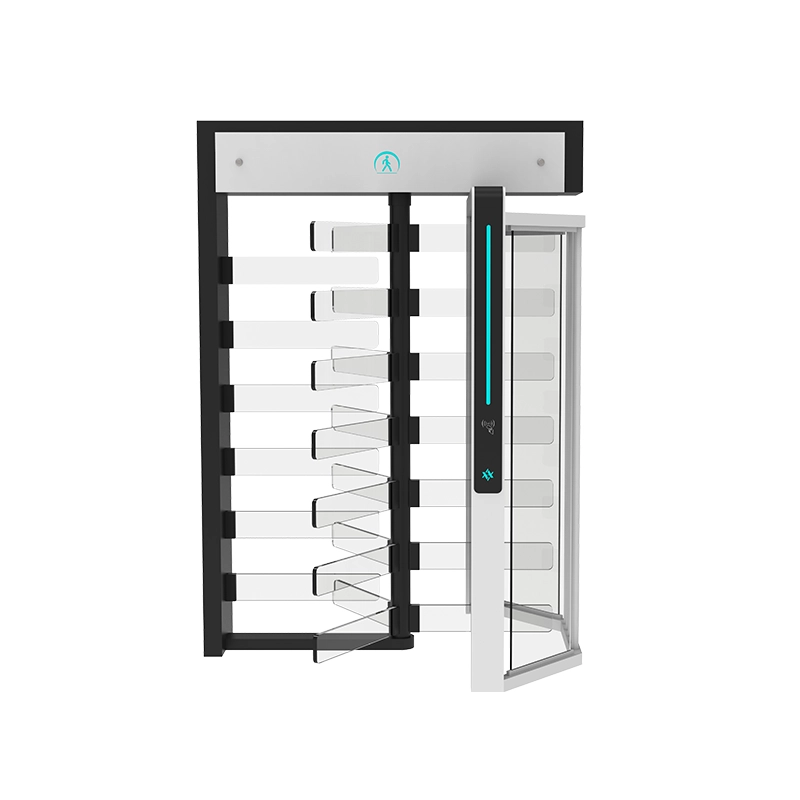
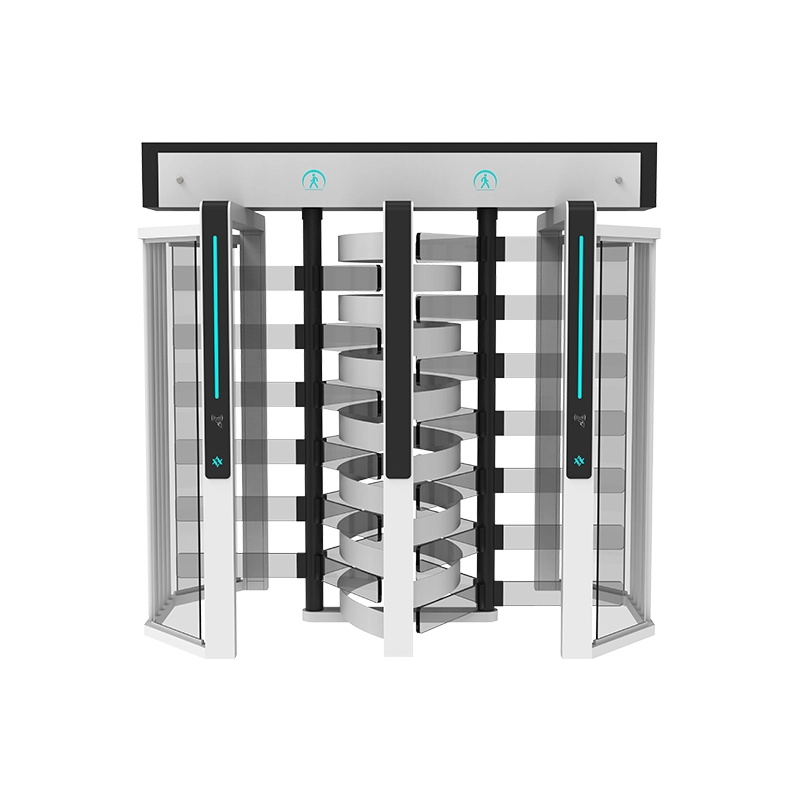
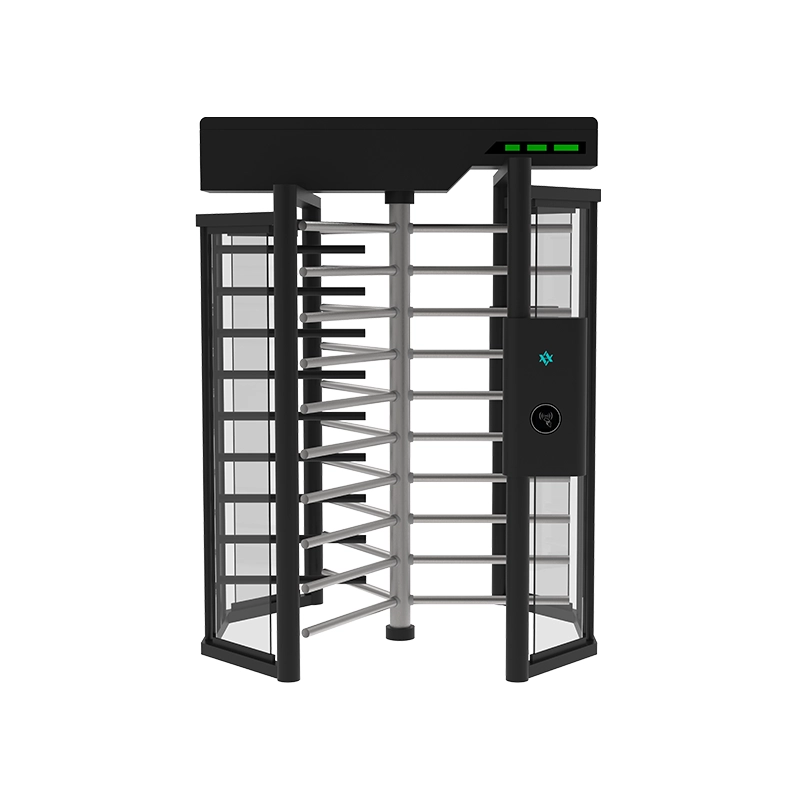
Swing turnstiles provide good access management and user-friendly passage, but they may not be as physically restrictive as full-height turnstiles. For very high-security sites, you may need to combine swing turnstiles with security guards, surveillance systems, access control platforms, or full-height turnstiles in certain areas.
6. Compare Total Cost, Not Only Unit Price
A low initial price can become expensive if the product has frequent failures, weak components, poor after-sales support, or limited spare parts availability. A reliable swing turnstile with stable quality, professional technical support, and longer service life usually provides better total value.
7. Ask for Drawings and Technical Documents
For project installation, it is important to obtain product drawings, installation instructions, wiring diagrams, foundation requirements, and access control integration documents. AIPADA can provide turnstile renderings, installation drawings, and supporting documents according to project needs.
Why Choose AIPADA as Your Swing Turnstile Manufacturer?
AIPADA is a professional turnstile manufacturer focused on the research and production of premium pedestrian access control solutions. We are dedicated to helping clients strengthen security, optimize entrance management, reduce manpower costs, and improve the appearance and performance of access control systems.
Engineering Experience and Professional Design
AIPADA has a professional design team with over 20 years of experience in the turnstile industry. Our team understands both the technical structure and visual design requirements of pedestrian access systems. This allows us to create swing turnstiles that are not only reliable and durable but also attractive and suitable for modern architectural spaces.
Strong Technical and Custom Development Capabilities
Our technical engineers have extensive experience in turnstile mechanisms, hardware, software, and access control integration. We can support customized appearance, customized function, system integration, complete machine development, and OEM/ODM projects.
If you want to incorporate your corporate culture into the turnstile design, you can provide your logo, color requirements, or design concept. AIPADA designers can create renderings and help implement the customized solution.
Factory-Direct Manufacturing and Transparent Pricing
AIPADA operates with factory-direct production capability, integrating design, production, assembly, quality control, and service. This helps us provide competitive pricing, stable quality, and flexible project support. For wholesalers and bulk purchasers, factory-direct cooperation can improve cost efficiency and supply stability.
Flexible Access Control Compatibility
AIPADA swing turnstiles can be integrated with many access control technologies, including fingerprint recognition, barcode or QR code scanning, face recognition, RFID cards, coin collection, and third-party access control systems. Standard relay interface inputs make integration easier for system integrators and project contractors.
Reliable Quality and Long Service Life
AIPADA focuses on long-term product reliability. Our turnstile products are designed with strong structures, stable mechanisms, and dependable control systems. The MCBF of our products is around five million cycles, and the typical life expectancy can reach up to 10 years under normal use and proper maintenance.
Global Delivery and Responsive Service
AIPADA supports global shipping by sea or air. Hot-selling models are often available in stock, and the standard production cycle is usually 7 to 10 days depending on order details and customization requirements. Our team provides quick response service and technical support to help clients complete projects more efficiently.
FAQ About Swing Turnstile Cost
1. How much does a Swing Turnstile cost in 2026?
A commercial Swing Turnstile generally costs between USD 500 and USD 3,000+ per lane in 2026. Basic indoor models are usually at the lower end of the range, while premium customized models with brushless motors, biometric access control, 316 stainless steel, advanced safety sensors, and special design requirements can cost more.
2. Why are some swing turnstile gates much cheaper than others?
Cheaper swing turnstile gates may use ordinary motors, thinner materials, fewer sensors, simpler control systems, and limited access control compatibility. Higher-quality models usually have better motors, stronger cabinet structures, safer anti-pinch systems, better surface finishing, longer service life, and more stable long-term performance.
3. Is a brushless DC motor worth the extra cost for a Swing Turnstile?
Yes, in most commercial projects, a brushless DC motor is worth the extra cost because it provides smoother operation, lower noise, better durability, and longer service life than many ordinary motors. For high-traffic entrances, the improved reliability can reduce downtime and maintenance cost.
4. Should I choose 304 stainless steel or 316 stainless steel?
304 stainless steel is suitable for most indoor and general commercial applications. 316 stainless steel is recommended for coastal areas, humid environments, outdoor projects, or corrosive industrial sites because it offers better corrosion resistance. The right choice depends on the installation environment and project budget.
5. Can a Swing Turnstile be integrated with my existing access control system?
Yes. AIPADA swing turnstiles can use standard relay interface inputs, making them compatible with many third-party access control devices. They can be integrated with RFID card readers, QR code scanners, fingerprint terminals, facial recognition devices, visitor management systems, and other access control platforms.
6. Is a single-lane or double-lane Swing Turnstile better?
A single-lane swing turnstile is better for small entrances and lower budgets. A double-lane or multi-lane configuration is usually better for busy entrances because it improves traffic capacity and can reduce the average cost per lane in larger projects. The best choice depends on daily traffic volume and entrance width.
7. What is the expected service life of a commercial swing barrier turnstile?
A high-quality commercial swing barrier turnstile can typically last up to 10 years under normal use and proper maintenance. AIPADA turnstile products are designed for long-term reliable operation, with MCBF around five million cycles.
8. How can I reduce the total cost of a Swing Turnstile project?
You can reduce total cost by choosing the correct model for the environment, avoiding unnecessary functions, ordering in bulk, purchasing directly from a manufacturer, using reliable components, and planning installation properly. Choosing a low-quality product only because of a cheap price may increase repair and replacement costs later.
9. Can AIPADA customize Swing Turnstiles for OEM or ODM projects?
Yes. AIPADA provides OEM and ODM services, including customized appearance, function customization, logo design, color matching, access control integration, software docking, and complete machine development. Our design and engineering teams can support project-specific requirements for global clients.
10. What information should I provide to get an accurate Swing Turnstile quotation?
To get an accurate quotation, you should provide the installation location, indoor or outdoor environment, required lane quantity, passage width, access control method, material preference, customization requirements, order quantity, destination country, and expected delivery time. This helps the manufacturer recommend the most suitable and cost-effective solution.
Conclusion: How to Budget for a Swing Turnstile in 2026
A commercial Swing Turnstile is an important investment for entrance security, pedestrian flow management, and building image. In 2026, most swing turnstile projects fall within a broad price range of USD 500 to USD 3,000+ per lane, depending on configuration and customization. The final cost is influenced by motor type, stainless steel material, safety sensors, access control integration, lane width, design complexity, installation environment, order quantity, and shipping requirements.
If you need a simple indoor access solution, a basic or standard swing turnstile may be enough. If your project requires high traffic capacity, premium appearance, quiet operation, biometric access control, outdoor durability, or OEM/ODM customization, investing in a higher-quality swing barrier turnstile will usually deliver better long-term value.
The best purchasing strategy is to compare total value rather than only comparing the lowest price. A reliable swing turnstile manufacturer should provide clear configuration details, professional drawings, integration support, quality control, safe packaging, global delivery, and responsive after-sales service.
Request a Swing Turnstile Quote from AIPADA
Looking for a reliable Swing Turnstile manufacturer for your commercial building, factory, school, residential community, transportation project, or wholesale business? AIPADA can help you design a secure, efficient, and cost-effective pedestrian access control solution.
With 20+ years of industry experience, factory-direct production, OEM/ODM customization, professional engineering support, and global delivery, AIPADA provides swing turnstiles, flap barriers, tripod turnstiles, sliding turnstiles, speed gates, full-height turnstiles, and customized access control solutions for clients worldwide.
Contact AIPADA today for a quick quote, free security solution consultation, product drawings, or customized project support. Tell us your entrance size, lane quantity, access control method, and destination country, and our team will recommend the right swing turnstile solution for your budget and application.
](https://aipadaturnstile.com/wp-content/uploads/2025/11/AT107-TC-01.webp)
](https://aipadaturnstile.com/wp-content/uploads/2025/12/vertical-tripod-turnstile.jpg)
](https://aipadaturnstile.com/wp-content/uploads/2025/12/popup-img.jpg)