
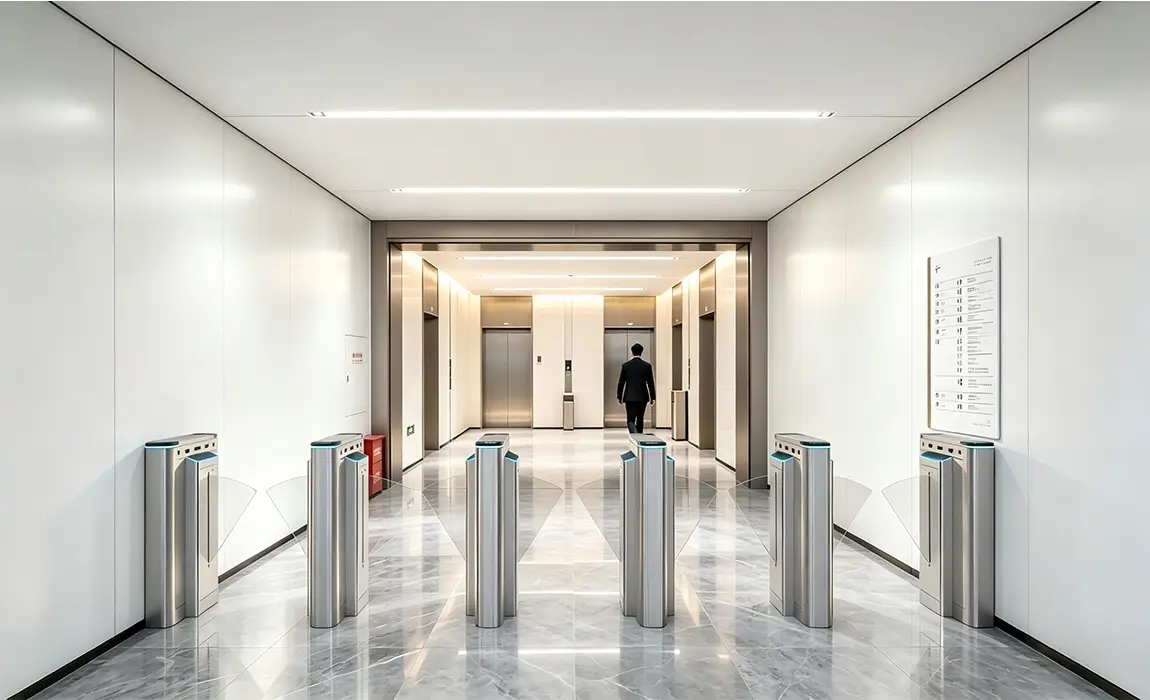

I often see access control projects appear straightforward during the planning phase, only to grow complex when real-world traffic, safety requirements, and budget constraints converge at a single entrance. The key to avoiding costly missteps lies in understanding the nuanced differences between common access control solutions—especially flap barriers and swing turnstiles, two widely used options that often look similar on paper but perform vastly differently in daily operations.
When evaluating flap barriers vs swing turnstiles, I prioritize three core factors: security, throughput speed, and total cost of ownership. Flap barriers excel in fast, guided indoor pedestrian flow, while swing turnstiles are designed for wider passages, mixed user groups, and flexible access needs. The optimal choice hinges on four critical site-specific factors: lane width, user type, traffic patterns, and long-term operational demands.
This comparison is non-negotiable because these two systems, despite their visual similarities in layout designs, deliver distinct user experiences and operational outcomes. A narrow office lobby, a bustling transit corridor, a school building, and a commercial entrance each impose unique demands on an access lane. The best decision never comes from choosing the “most advanced” product at first glance—it comes from aligning the solution with the entrance’s real-world job.
What’s the Difference Between a Turnstile and a Flap Barrier? (Common Misconceptions Cleared)
Many buyers use “turnstile” and “flap barrier” interchangeably, which creates confusion before the comparison even begins. To set the record straight: a turnstile is a broad category of pedestrian access control equipment, while a flap barrier is one specific type within that family.
Turnstiles, as a category, are designed to manage pedestrian passage in a controlled manner—their shared purpose is to allow one person to pass through a defined lane after valid authorization. The difference lies in their movement mechanisms: flap barriers use retractable wings, while other turnstile types (swing, tripod, full-height) rely on swinging arms, rotating tripod arms, or tall rotating structures. This fundamental distinction impacts lane behavior, user experience, and total system cost[^1].
Defining the Core Difference
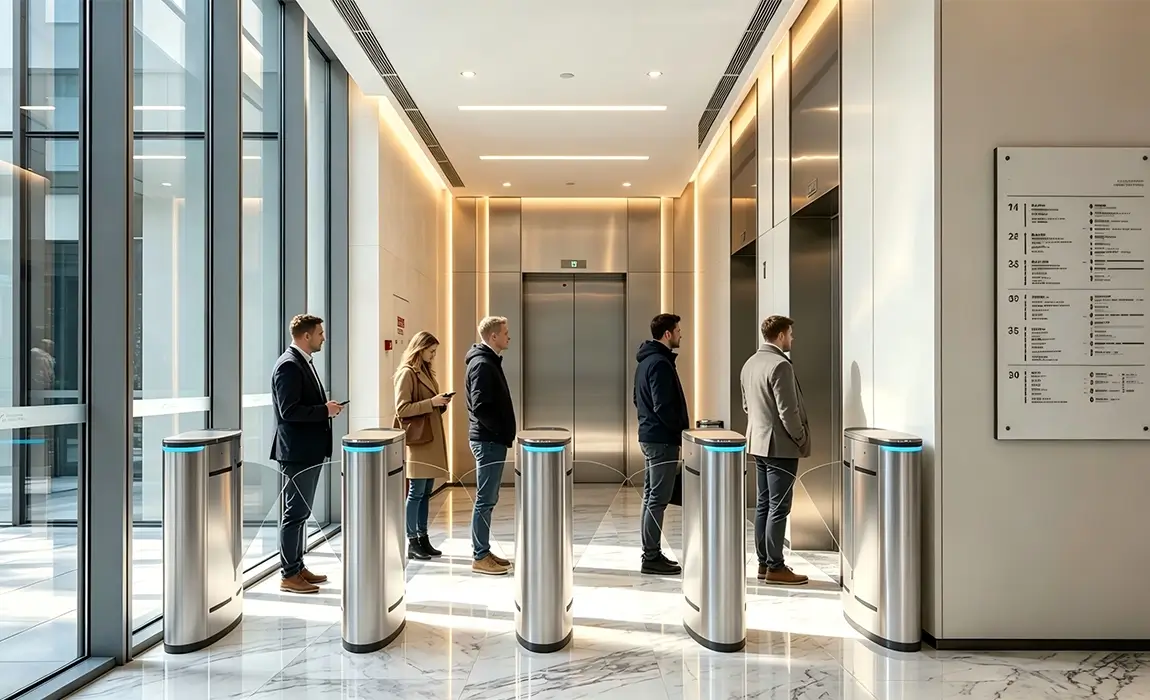
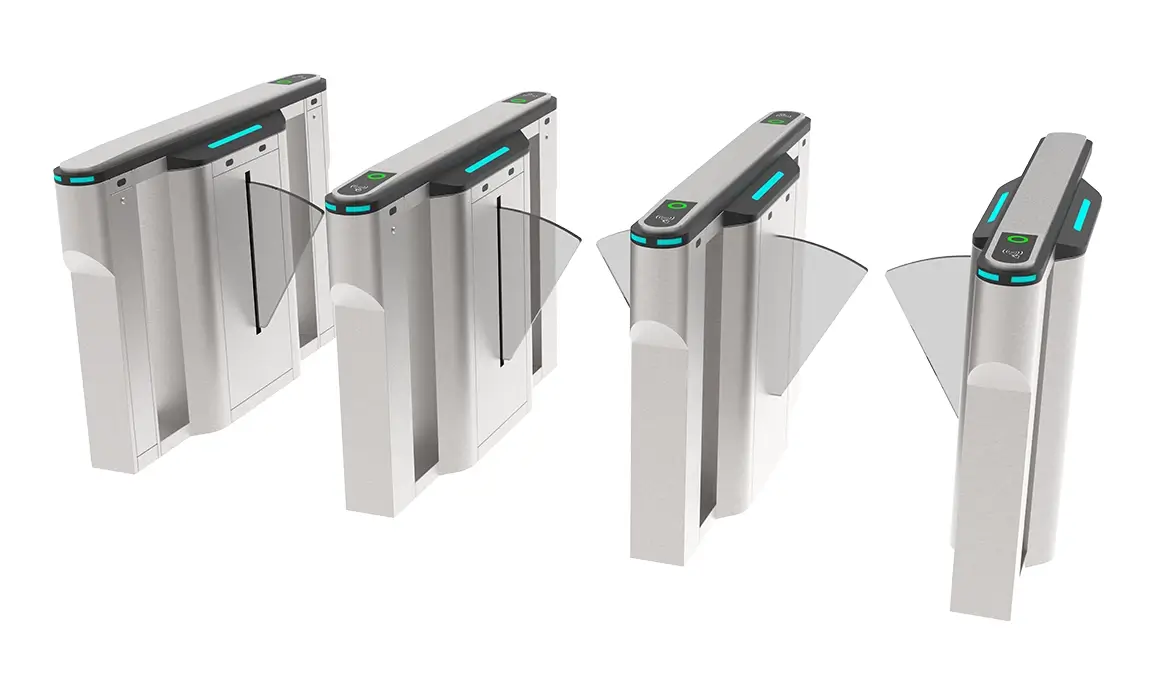
A flap barrier uses two retractable flaps (or wings) that pull into the cabinet when access is granted, creating a neat, guided path for users[^5]. A swing turnstile, by contrast, uses one or two panels or arms that swing open horizontally—typically within a ±90-degree range—to allow passage[^5]. Tripod turnstiles rotate, while full-height turnstiles use a tall rotating structure for maximum security. Importantly, a flap barrier is not separate from the turnstile family; it is a key member of it.
Why This Distinction Matters for Real-World Projects
Comparing a flap barrier to “turnstiles” in general is a mistake—it’s like comparing one product to an entire category. To make a meaningful comparison, you must pit a flap barrier against a specific turnstile type (most commonly a swing turnstile), as their design logics and operational goals are fundamentally different. This clarity ensures you’re evaluating apples to apples, not apples to oranges.
| Product Type | Passage Method | Main Advantage | Main Limitation |
|---|---|---|---|
| Flap Barrier | Retractable wings (pull into cabinet) | Fast, guided pedestrian flow; compact design | Less flexible for wider traffic or large items |
| Swing Turnstile | Swinging arm or panel (horizontal rotation) | Ideal for mixed users; wider passage options | Requires more swing space; slightly slower throughput |
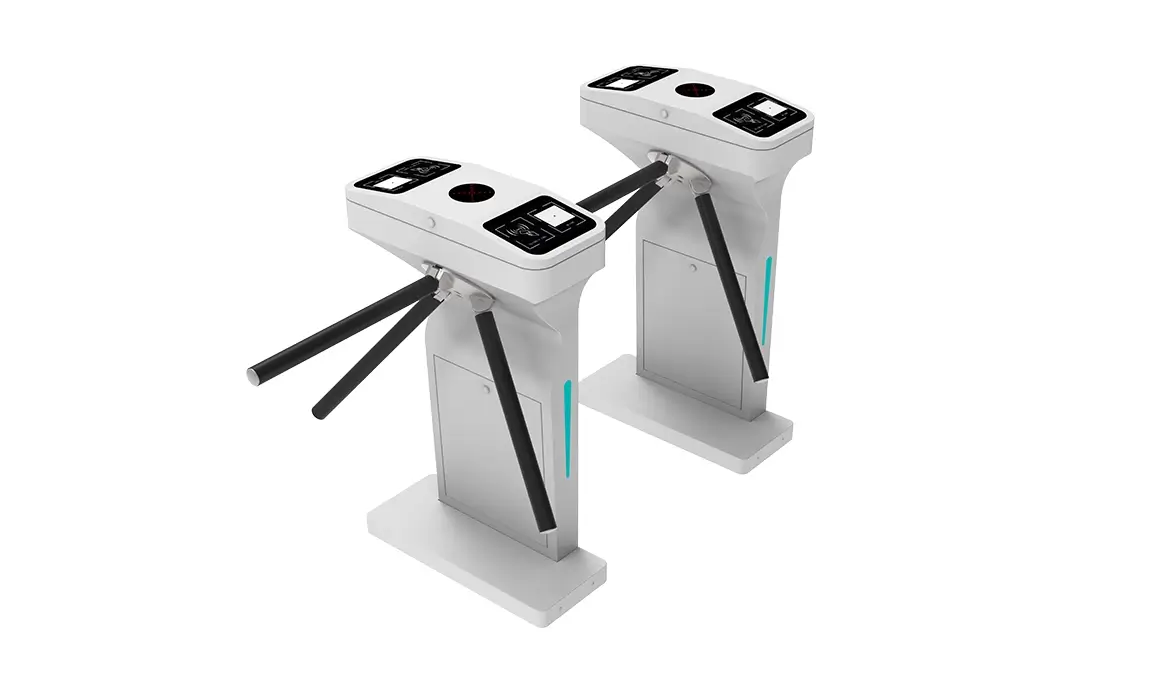
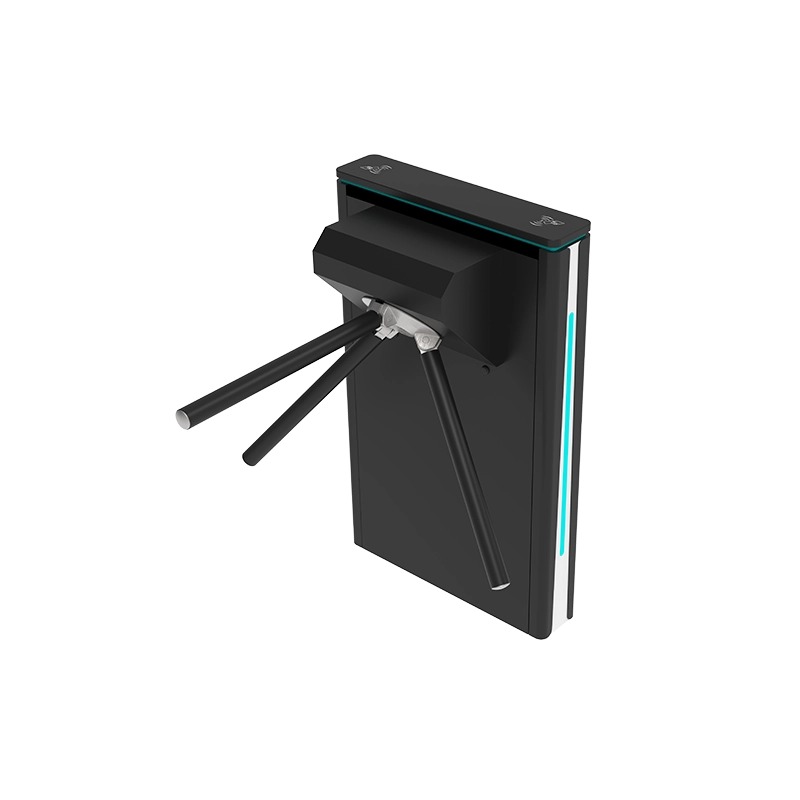
| Tripod Turnstile | Rotating arms | Simple and economical; low upfront cost | Lower comfort and accessibility for special users |
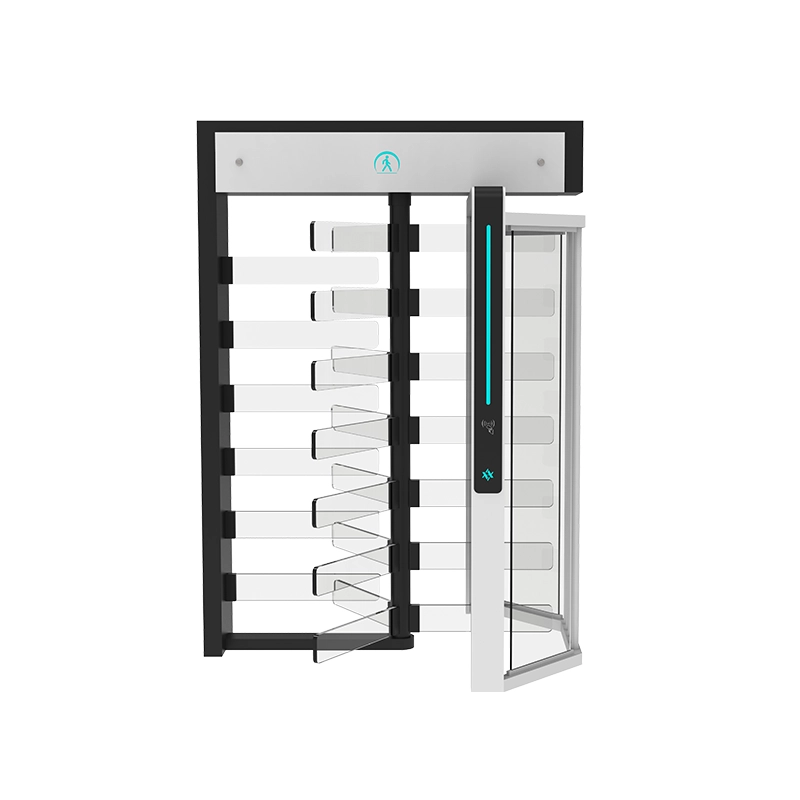
| Full Height Turnstile | Tall rotating section | Strong physical control and security | Restrictive; less user-friendly |
Practical Differences at the Lane Level
In daily use, the contrast between flap barriers and swing turnstiles becomes clear. Flap barriers feel tighter and more guided, directing users in a straight, controlled path—ideal for maintaining order in high-traffic indoor spaces. Swing turnstiles, on the other hand, feel broader and more forgiving, easily accommodating different body positions, carried items (like luggage or strollers), and special access needs (such as wheelchair users)[^5]. Neither is inherently better; each serves a distinct operational goal.
How the Distinction Impacts Security, Speed, and Cost
Security, speed, and cost are directly influenced by the design differences between these two systems:
- Security: Depends on how strictly the lane guides users. Flap barriers use infrared sensors, alarms, and anti-tailgating detection for moderate to high security, integrating seamlessly with biometrics but being less suitable for outdoor use due to panel vulnerability[^1]. Swing turnstiles offer moderate physical deterrence with robust builds that suit harsh outdoor conditions but lack advanced tailgating prevention.
- Speed: Flap barriers deliver higher throughput—up to 60 people per minute (ppm)—thanks to their fast retractable panels, making them ideal for peak traffic in offices or transit hubs[^1]. Swing turnstiles are slightly slower (30–40 ppm) but prioritize inclusivity with wider access paths.
- Cost:Beyond the initial purchase price, cost includes maintenance, durability, and long-term ROI. Flap barriers have higher maintenance costs due to their complex sensors and motors, are indoor-preferred, and offer the best ROI for high-tech indoor integrations. Swing turnstiles have lower maintenance costs (simpler design), work indoors and outdoors, and are ideal for extreme conditions[^1].
The Full Turnstile Family: Understanding All Types
Many pricing and specification mistakes occur because buyers fail to understand the full turnstile family. I group turnstiles into five main types, each solving a unique access problem:
| Turnstile Type | Main Use | Main Strength | Main Trade-Off |
|---|---|---|---|
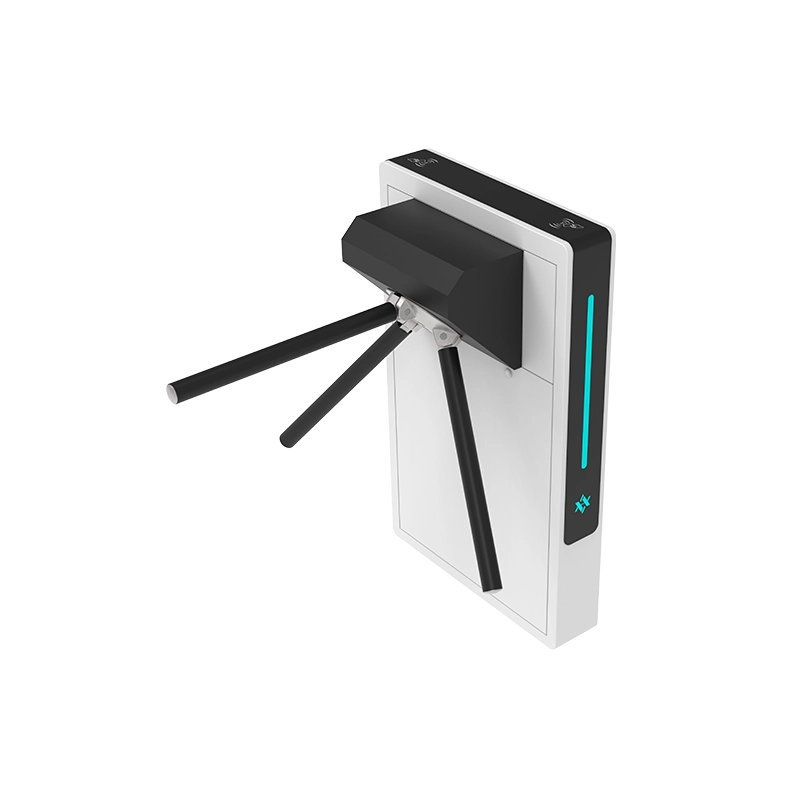
| Tripod Turnstile | Basic staff access (factories, staff entrances) | Lower upfront cost; simple operation | Less friendly for special access |
| Flap Barrier | Fast indoor flow (offices, campuses, transit hubs) | Compact lane control; fast throughput | Narrower standard passage; indoor-only |
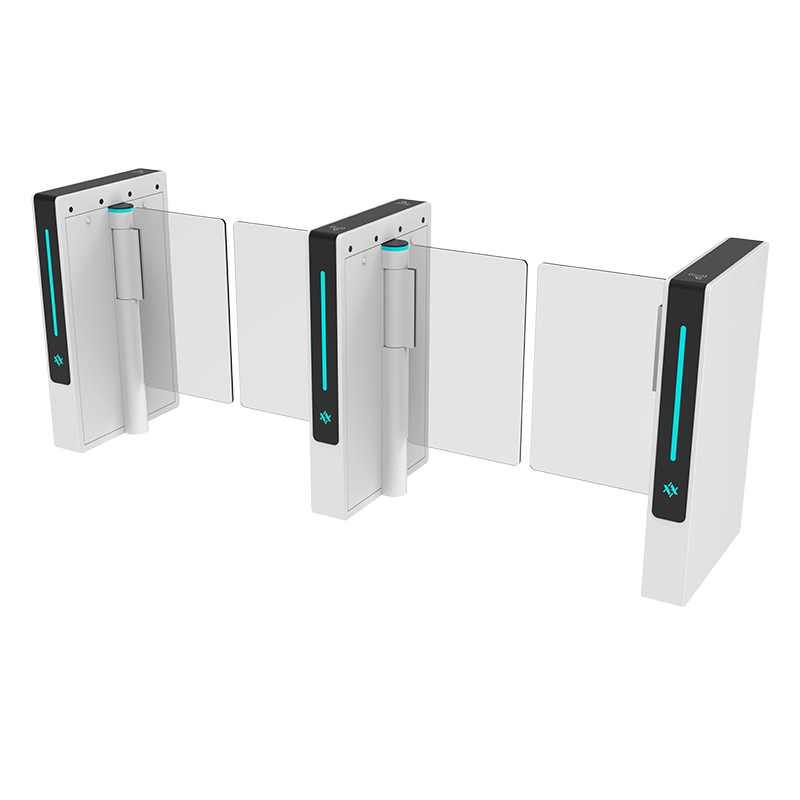
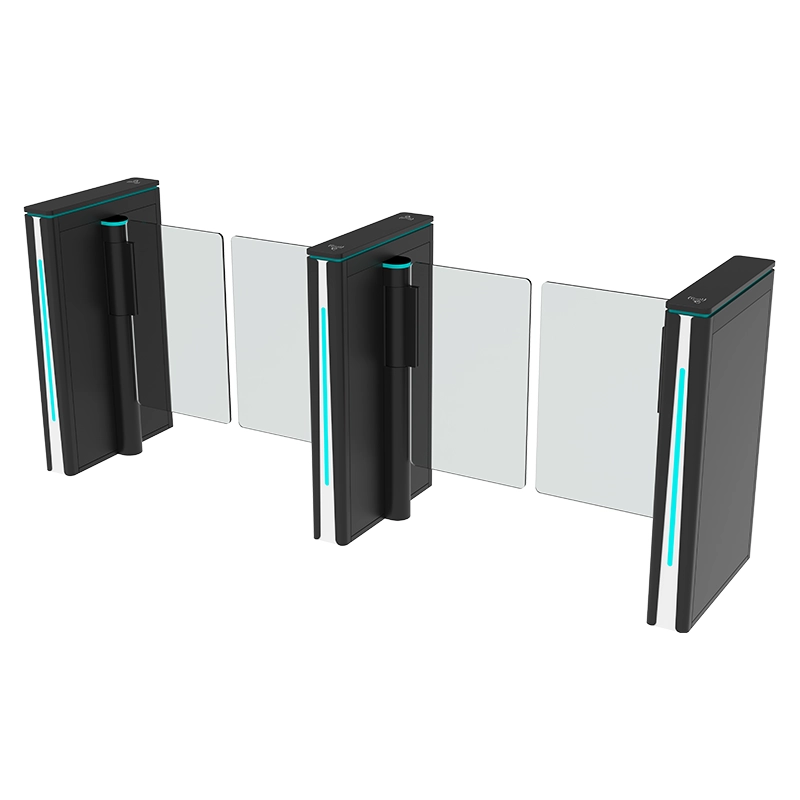
| Swing Turnstile | Mixed traffic (commercial lobbies, schools, public facilities) | Flexibility; accessibility; indoor/outdoor use | Higher unit cost; more swing space required |
| Speed Gate | Premium interiors (high-end offices, luxury buildings) | Smooth flow; sleek appearance; advanced control | Higher system complexity; higher cost |
| Full Height Turnstile | High-security perimeters (data centers, industrial sites) | Strong physical deterrence; maximum security | Less open user experience; restrictive |
Key Details on Each Type
- Tripod Turnstiles: Perfect for budget-conscious sites needing basic access control. Simple, durable, but less comfortable for users with disabilities or carrying items.

- Flap Barriers: Designed for indoor spaces requiring a clean look and steady flow. Their retractable wings keep the cabinet compact, making them ideal for narrow layouts[^1]. They excel in settings where speed and order are priorities.
- Swing Turnstiles: The flexible middle ground. Their adjustable passage width (up to 1.2 meters or more) accommodates pedestrians, wheelchair users, and those with luggage or strollers[^5]. They balance functionality with accessibility.
- Speed Gates: High-end indoor solutions with smooth, quiet operation and stylish designs. They integrate with premium interiors but require more complex installation and maintenance[^3].
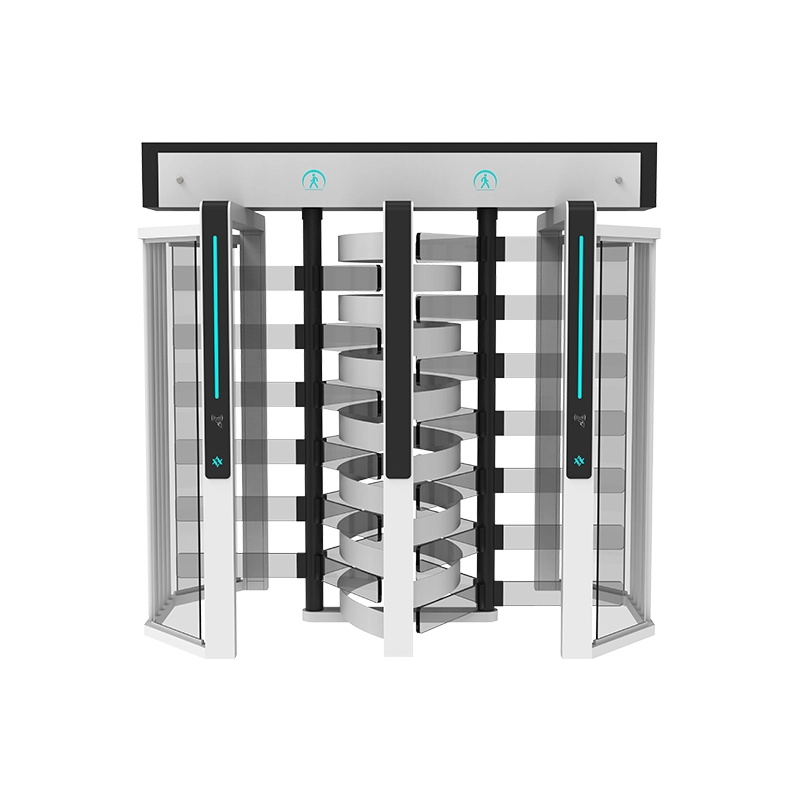
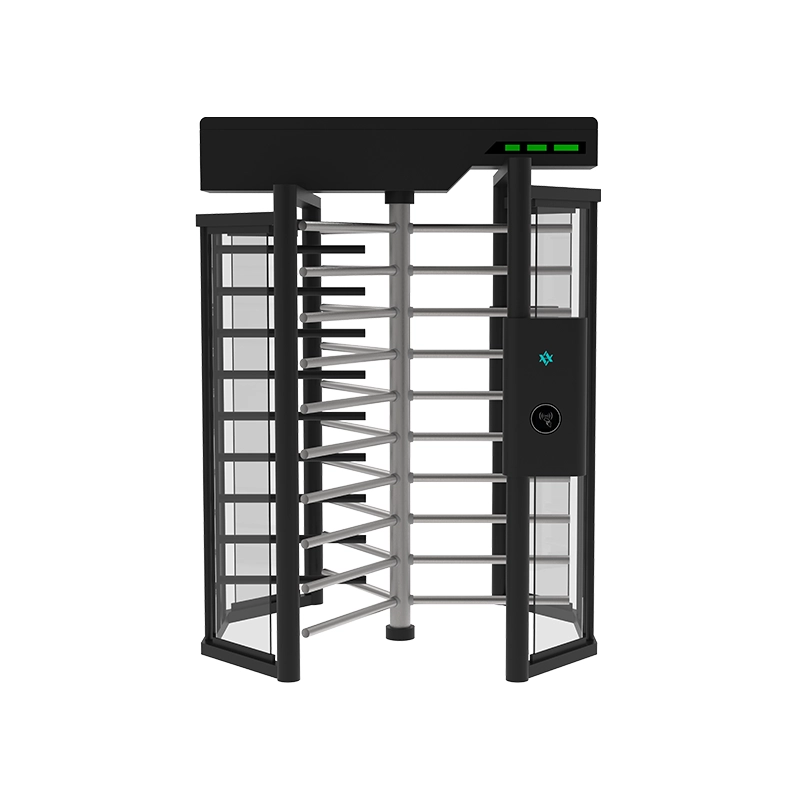
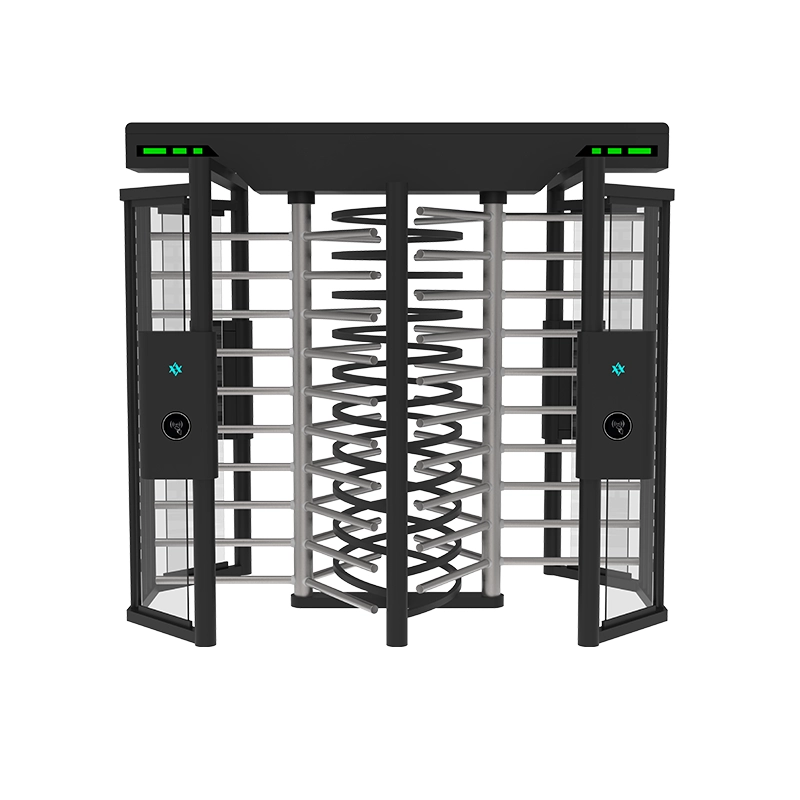
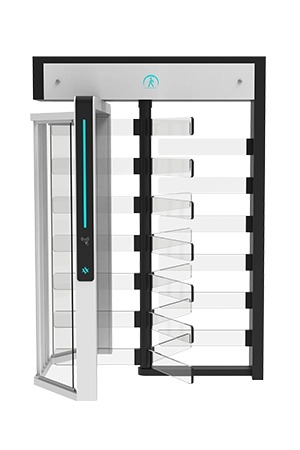
- Full Height Turnstiles: Security-first options with tall rotating structures that prevent climbing or tailgating. Ideal for high-security sites where comfort is secondary to control.
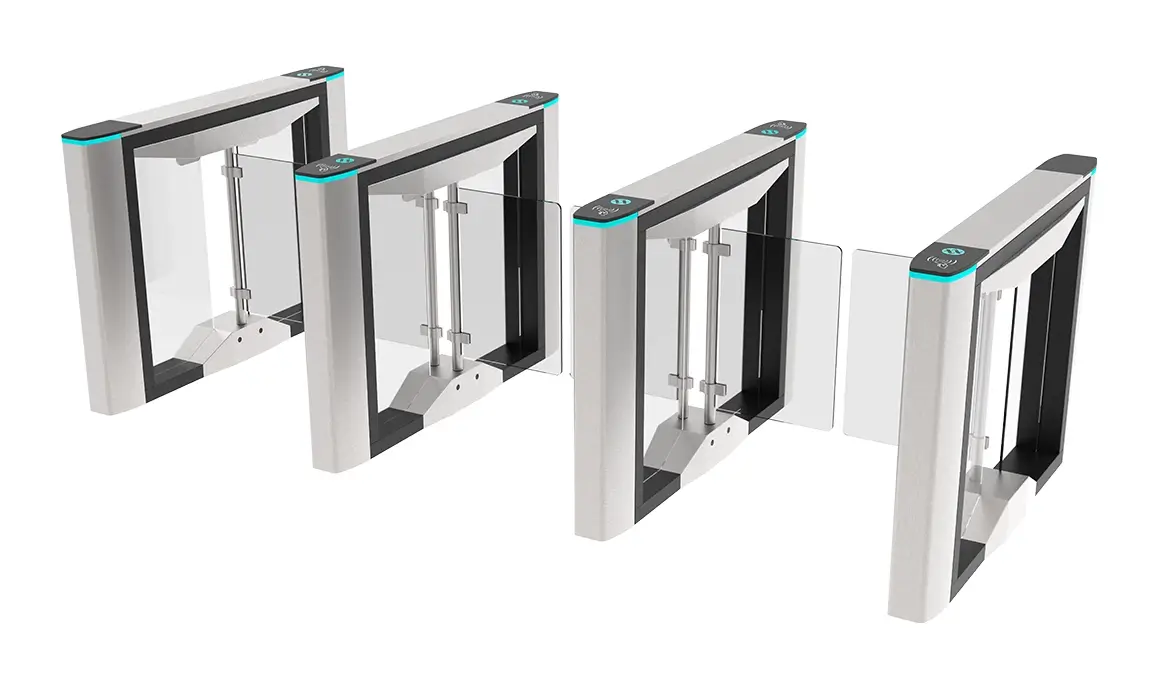
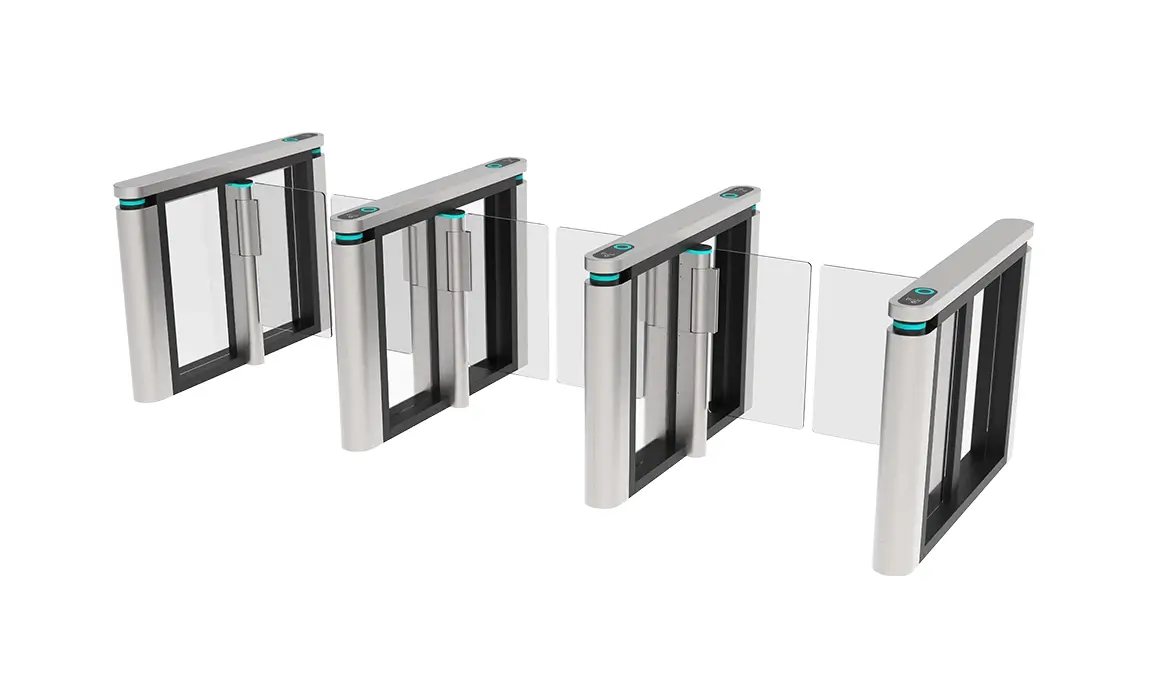
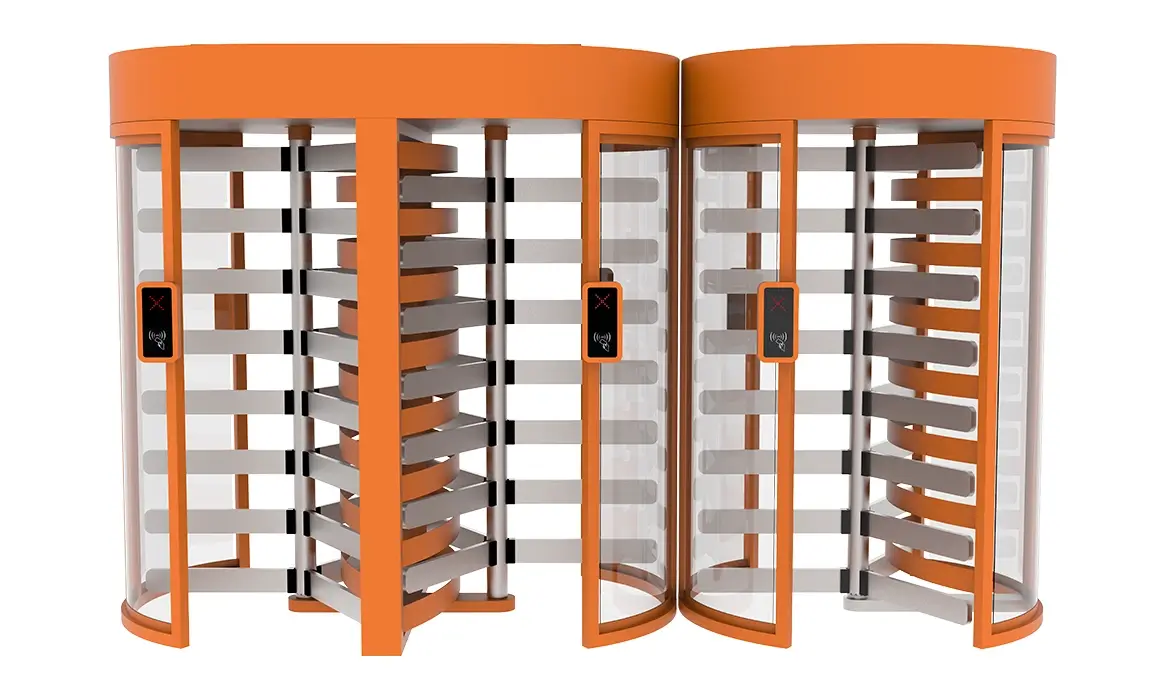
Why a Full Family View Matters
When flap barriers and swing turnstiles are viewed within the full turnstile family, their differences become easier to evaluate. Both are more advanced than basic tripod models, but flap barriers prioritize guided lanes and speed, while swing turnstiles prioritize flexibility and accessibility. This perspective ensures you’re not just comparing two products—you’re choosing the best fit for your site’s unique needs.
What Is a Flap Barrier? (Key Design & Use Cases)
A flap barrier may look simple in brochures, but its performance depends entirely on how well it matches the site’s needs. I define it as a pedestrian access control gate that uses retractable flaps (typically made of acrylic or glass) to open and close the passage after authorization[^1]. It’s engineered for one-person passage, fast response, and guided lane control—perfect for indoor spaces with steady, predictable traffic.
Key Design Feature: Retractable Wings
The defining feature of a flap barrier is its retractable wings, which pull inward into the cabinet rather than swinging outward. This design keeps the cabinet compact, making it ideal for narrow layouts and creating a neat line of lanes[^1]. Flap barriers use high-speed motors with precise position control to ensure fast, smooth operation—though this complexity increases maintenance needs[^1].
| Feature | Practical Effect | Why It Matters |
|---|---|---|
| Retractable flaps | Creates a compact opening action | Helps in narrow layouts |
| Guided passage path | Keeps users in a defined lane | Supports orderly flow |
| Fast opening and closing | Handles frequent passage cycles | Useful in busy indoor sites |
| Sensor-based monitoring | Tracks movement through the lane | Supports anti-tailgating logic |
Best Fit for Flap Barriers
Flap barriers perform best in office lobbies, campus buildings, public facilities, and transit-related indoor spaces where pedestrian traffic is frequent and predictable. In these settings, a guided lane improves order and keeps movement efficient.
Limitations of Flap Barriers
Flap barriers become less convenient in sites with varied user groups. Their standard lanes are narrower than swing turnstiles, making them less suitable for users with luggage, delivery items, or wheelchair needs. While wide-lane units or companion gates can mitigate this, they add to the total cost.
The Benefits of Using Turnstiles (Why They Matter)
An entrance with a card reader, camera, and access software still lacks controlled physical passage—this is where turnstiles add value. The main benefits of turnstiles include controlled entry, one-person passage logic, better traffic organization, clearer event records, and stronger alignment between digital authorization and real-world movement.
Turnstiles transform access decisions into managed physical actions, reducing loose entry behavior and making traffic more measurable and disciplined. Even in highly digital buildings, access software decides who can enter—turnstiles decide how they enter. Without a controlled lane, a valid user can be followed by an unauthorized person, undermining even the most well-designed access system.
| Benefit | Operational Result | Why It Matters |
|---|---|---|
| Defined lane control | Reduces uncontrolled passage | Improves entry discipline |
| One-person flow logic | Links permission to actual movement | Supports stronger enforcement |
| Organized pedestrian flow | Makes entry behavior more predictable | Helps during peak times |
| Better data capture | Improves review and reporting | Supports site management |
| Flexible product range | Allows different solutions by site type | Improves system fit |
How These Benefits Apply to Flap Barriers vs Swing Turnstiles
Both flap barriers and swing turnstiles deliver these core benefits, but they prioritize different outcomes. Flap barriers emphasize guided flow and compact design, making them ideal for high-speed indoor settings. Swing turnstiles emphasize flexibility and accessibility, making them better for mixed-use or outdoor sites. The true value of a turnstile lies in choosing the type that matches your site’s actual access behavior.
Flap Barriers vs Swing Turnstiles: Final Comparison & Recommendations
Struggling to choose between flap barriers and swing turnstiles for your access control project? Use this practical breakdown to make the right decision:
Security Comparison
- Flap Barriers:Moderate to high security with infrared sensors, anti-tailgating detection, and biometric integration. Best for indoor use—panels are vulnerable to outdoor damage[^1].
- Swing Turnstiles:Moderate physical deterrence with robust builds. Suitable for indoor and outdoor use but lacks advanced tailgating prevention[^1].
Speed & Flow Comparison
- Flap Barriers: Up to 60 ppm—fastest throughput for high-traffic indoor spaces (offices, transit hubs)[^1].
- Swing Turnstiles: 30–40 ppm—slower but more flexible, with wider paths for wheelchair users and those carrying items[^1].
Cost Breakdown
| Aspect | Flap Barriers | Swing Turnstiles |
|---|---|---|
| Base Installation Cost | $450–850 (basic); $2,000+ (advanced) | $650–850 (basic); $1,250+ (dual-core) |
| Maintenance | Higher due to sensors and motors | Lower due to simpler design |
| Durability | Indoor preferred, needs shelter | Indoor & outdoor suitable |
| Long-Term ROI | Best for indoor high-tech integrations | Ideal for extreme conditions |
Final Recommendations
Choose flap barriers if you need premium security, fast throughput, and a compact design for indoor, high-traffic zones (offices, campuses, transit hubs). Opt for swing turnstiles if durability, flexibility, lower maintenance costs, or outdoor use is a priority—especially for mixed-user sites (commercial lobbies, schools, public facilities) where accessibility matters.
Conclusion
When comparing flap barriers and swing turnstiles, the focus should always be on real traffic, real safety needs, and real operating costs. The right access lane works well every day, not just on paper. By understanding the full turnstile family, clarifying the difference between categories and specific types, and aligning the solution with your site’s unique needs, you can avoid costly mistakes and choose an access control system that delivers long-term value.
](https://aipadaturnstile.com/wp-content/uploads/2025/11/AT107-TC-01.webp)
](https://aipadaturnstile.com/wp-content/uploads/2025/12/vertical-tripod-turnstile.jpg)
](https://aipadaturnstile.com/wp-content/uploads/2025/12/popup-img.jpg)