

Maintaining entry systems can be a challenge for facility managers. Issues like frequent breakdowns, high repair costs, and slow pedestrian flow can disrupt operations. These problems lead to inefficiency and unexpected expenses.
Selecting the appropriate gate for a building is important. Speed gates generally have lower and simpler maintenance needs compared to swing gates. This is due to their advanced motor technology and robust construction. This makes them a more dependable and cost-effective solution for areas with high foot traffic over time.
When I started in this business, I quickly learned that gate maintenance is a big deal. I remember one client who had constant issues with their old swing gates. They spent a fortune on repairs. We helped them switch to speed gates. They saw a huge drop in their maintenance calls. This made their facility run much smoother.
What is the difference between swing gate and speed gate?
Understanding the distinctions between swing gates[^1] and speed gates[^2] is crucial. Many perceive all access gates similarly. However, their operational mechanisms and ideal applications differ significantly.
Swing gates function by physically opening and closing a barrier, similar to a door. Speed gates utilize retractable panels or optical sensors for rapid, contactless access. This fundamental difference affects throughput, security, and user experience.
Operational Principles of Gate Types
Swing gates employ a straightforward design. They use hinges and a motor to move an arm or panel. When access is granted, the barrier swings open to allow passage. After one person passes, it swings back to a closed position. These gates are suitable for locations with moderate traffic volume. They also work well where space allows for the swinging motion.
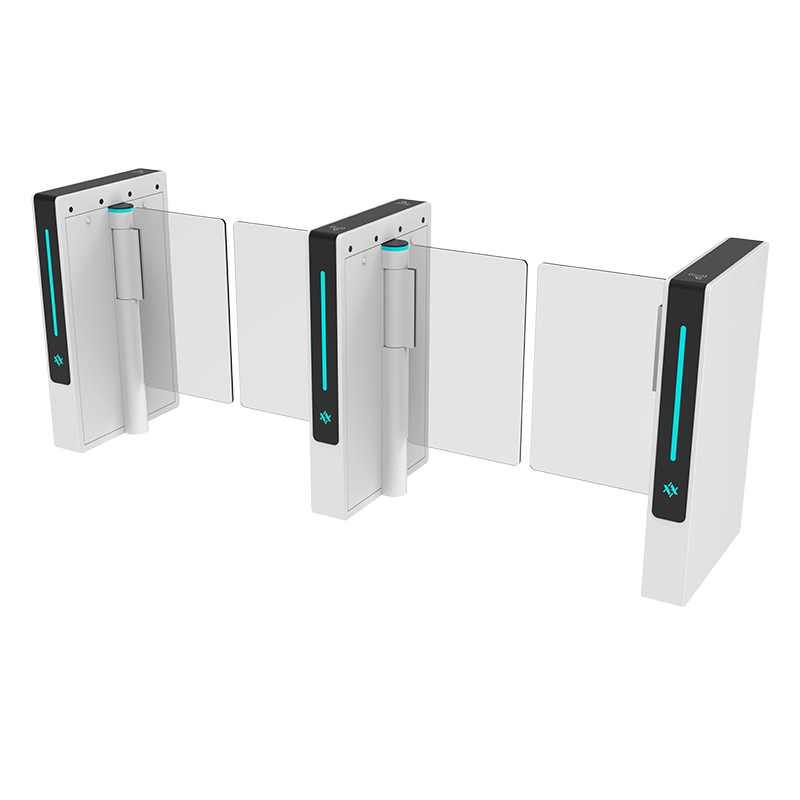
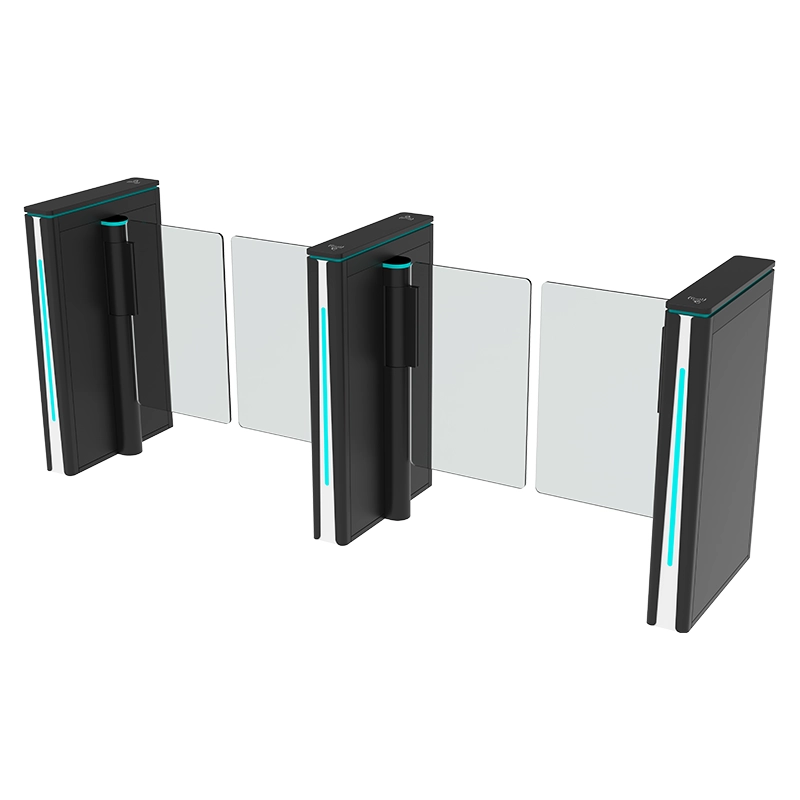
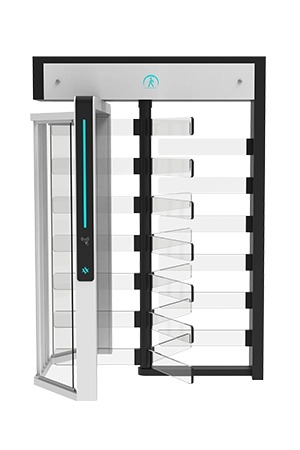
Speed gates operate differently. They incorporate advanced technology. Most feature sleek, transparent panels that retract quickly into the gate housing. Some models use only optical sensors. These sensors detect authorized passage without a physical barrier. This design enables very fast throughput. They are ideal for high-traffic environments.
Performance and Design Comparison
| Feature | Swing Gates | Speed Gates |
|---|---|---|
| Throughput Rate | Lower (20-25 people per minute) | Higher (30-60 people per minute) |
| Footprint | Requires more clearance for swinging motion | Compact design, minimal space needed |
| Security Level | Moderate, prone to tailgating | High, advanced anti-tailgating sensors |
| Appearance | Traditional, can be bulky | Modern, elegant, often with glass panels |
| Noise Output | Can be louder due to mechanical movement | Quieter, especially with brushless motors |
| User Experience | Slower, physical interaction required | Fast, often contactless, smooth flow |
| Motor Type | Commonly brushed DC motors | Advanced brushless DC motors |
Technology and Aesthetics
Swing gates often use brushed DC motors. These motors can produce more noise and require more frequent maintenance. Speed gates, conversely, frequently feature brushless DC motors. These motors are quiet and highly efficient. They also offer extended operational lifespans. The design of speed gates often prioritizes user flow and modern aesthetics. They typically include LED indicators that guide users. This contributes to a fast and seamless entry process.
What are the OSHA requirements for swing gates?
Concerns about safety regulations for gates are common among businesses. Meeting OSHA standards for entry points is critical. Non-compliance can result in penalties and potential injuries.
OSHA does not issue specific regulations exclusively for pedestrian swing gates. However, general safety standards apply to all workplace equipment. These standards cover aspects like pinch point hazards and safe operation. They ensure that gates do not pose risks to users.
General OSHA Workplace Safety Standards
OSHA’s primary objective is to ensure worker safety. Regulations such as 29 CFR 1910.212 address machine guarding. These rules mandate that moving machine parts must be guarded. This prevents employees from being caught. For swing gates, this means protecting against pinch points. These can occur where the gate opens and closes, or where it meets its frame.
Furthermore, emergency exits are critical. OSHA requires exit routes to be clear and unobstructed. If a swing gate is part of an emergency egress path, it must open easily. It should not require keys or special tools to open from the inside. This aligns with fire safety codes, which often overlap with OSHA requirements.
Essential Safety Features for Swing Gates
To comply with general safety standards, swing gates should incorporate specific features.
- Pinch Point Safeguards: Gates should have sensors or soft edges to prevent entrapment.
- Emergency Egress: The gate must open automatically during emergencies, typically linked to fire alarm systems. This ensures safe evacuation.
- Clear Markings: Visible warning signs should instruct users on safe operation and potential hazards.
- Controlled Motion: The gate’s opening and closing speed should be regulated. This prevents users from being struck. The force exerted should also be minimal.
| Safety Aspect | Swing Gate Implementation | Example |
|---|---|---|
| Pinch Point Avoidance | Sensors, resilient edges | Infrared sensors halt gate upon obstruction |
| Emergency Release | Fail-safe open mechanism, fire alarm integration | Gate unlocks and opens during fire alarm event |
| Visibility and Warnings | Warning labels, contrasting colors | "Automatic Gate" cautionary signs |
| Operational Control | Adjustable speed and closing force | Gate motor set for low-force operation |
What is the life expectancy of an automatic gate?
Understanding the longevity of an automatic gate system is a key concern for purchasers. An automatic gate represents a significant investment. Its life expectancy directly impacts budget planning and operational continuity.
The operational lifespan of an automatic gate varies considerably. It depends on factors like the motor type, construction materials, and maintenance frequency. High-quality speed gates, especially those with brushless motors, can last 10-15 years or more. Swing gates, particularly older or less robust models, might have a shorter lifespan, often between 5-10 years.
Influential Factors on Gate Durability
Several elements contribute to how long an automatic gate remains functional.
- Motor Technology: Brushed DC motors typically have a shorter lifespan due to friction from carbon brushes. Brushless DC motors are more durable. They have fewer wearing parts and generate less heat.
- Material Quality: Gates constructed from high-grade materials, such as stainless steel or tempered glass, generally last longer. Lesser quality materials may corrode or degrade more quickly.
- Usage Volume: A gate installed in a high-traffic area will experience more mechanical wear. This reduces its lifespan compared to a gate used infrequently.
- Maintenance Regimen: Consistent and proper maintenance significantly extends a gate’s operational life. This includes routine cleaning, lubrication, and electrical inspections.
- Environmental Exposure: Gates in harsh environments, such as coastal regions or areas with extreme temperatures, may degrade faster due to environmental stress.
| Factor | Impact on Lifespan | Optimized Design Features |
|---|---|---|
| Motor Type | Brushless motors offer extended durability | Utilizes advanced brushless DC motors |
| Construction Materials | High-grade materials resist wear and corrosion | Stainless steel, tempered glass |
| Operational Cycles | Frequent use leads to increased wear | Designed for millions of cycles of use |
| Maintenance Schedule | Regular servicing prolongs operational life | Comprehensive maintenance guidelines provided |
| Environmental Protection | Shielding from elements enhances longevity | Robust design for diverse climates |
Benefits of Brushless Motor Technology
The integration of brushless DC motors in speed gates is a significant factor in their extended life expectancy. Brushless motors are more efficient and reliable. They lack brushes, which eliminates a common point of wear and friction. This reduces maintenance needs and significantly extends the motor’s lifespan. These motors are capable of performing millions of cycles without issues. This positions speed gates as a long-term asset.
Importance of Ongoing Maintenance
Despite the high quality of modern gates, regular maintenance is indispensable. For speed gates, this typically involves straightforward tasks. These include cleaning sensors and checking electrical connections. Comprehensive support, including maintenance guides and training, helps ensure that gates operate smoothly for many years. Diligent care maximizes lifespan and maintains consistent performance.
Are speed gates accurate?
The reliability of speed gates for access control is a frequent question. Concerns about false alarms or missed entries are common. Accuracy is vital for both security and efficient pedestrian flow. Inaccurate gate operation can lead to bottlenecks and security vulnerabilities.
Speed gates demonstrate high accuracy. They employ advanced sensor technology and sophisticated algorithms. This allows them to precisely detect tailgating and unauthorized access. This ensures that only one authorized individual passes at a time. This makes them a dependable option for environments requiring stringent security.
Mechanisms for High Accuracy in Speed Gates
Speed gates achieve their high level of accuracy through several integrated mechanisms.
- Multi-Beam Infrared Sensors: Speed gates use numerous infrared beams. These create a dense detection field. If an individual attempts to follow too closely behind an authorized person, the sensors detect this. This triggers an alarm, and the gate remains closed.
- Intelligent Algorithms: The gate’s software analyzes data from the sensors. It can differentiate between a single person and multiple individuals. It can also distinguish between a person and personal belongings. This minimizes false alarms.
- Integrated Anti-Tailgating Features: These are core to the design. The gate panels close rapidly after each authorized pass. This physically prevents a second person from following. Sensors are strategically placed to detect even subtle attempts at unauthorized entry.
- Controlled Directional Flow: Speed gates typically allow passage in only one direction at a time. This prevents incorrect usage and helps manage pedestrian movement efficiently.
Accuracy Across Diverse Scenarios
Speed gates maintain their accuracy in a variety of operational conditions.
- High-Traffic Periods: Even during peak hours, speed gates sustain high accuracy. Their rapid response times and sensor systems prevent congestion while eliminating tailgating.
- Varying User Statures: The sensor fields are engineered to detect individuals of different heights, including children. This ensures precise scanning for all users.
- Accommodating Luggage: Advanced algorithms can often distinguish between a person and their personal items, such as luggage. This prevents the gate from closing on bags while still blocking unauthorized individuals.
| Accuracy Feature | Description | Operational Benefit |
|---|---|---|
| Infrared Matrix Sensing | Dense sensor grid identifies multiple objects | Prevents tailgating, enhances security |
| Anti-Passback Logic | Prevents reuse of same credential for re-entry | Strengthens security, prevents credential sharing |
| Single-Person Detection | Algorithms precisely identify one person at a time | Eliminates unauthorized piggybacking |
| Configurable Sensitivity | Sensor sensitivity can be adjusted for environment | Reduces false alarms, improves reliability |
My Insights: Maintenance Needs of Speed Gates vs Swing Gates
Unclear about gate maintenance? Learn the essentials and keep your speed and swing gates running smoothly.
Speed gates require frequent calibration and software updates due to their complex mechanisms, while swing gates need regular lubrication and alignment checks. Speed gates demand routine electronic inspections, whereas swing gates focus on simple mechanical maintenance.
Examining the Maintenance Requirements for Speed and Swing Gates
Maintenance Essentials
Speed Gates
- Require frequent calibration of sensors and routine software updates.
- Involve detailed inspections of electronic and mechanical components to prevent downtime.
- Cleaning of sensor lenses is critical to maintain functionality.
Swing Gates
- Focus on lubrication of hinges and checking alignment for smooth operation.
- Require fewer electronic checks, leading to simpler maintenance routines.
- Regular tightening of bolts ensures stability and longevity.
Comparison Overview
| Aspect | Speed Gates | Swing Gates |
|---|---|---|
| Complexity | More complex mechanisms and sensors | Simpler mechanical structure |
| Routine Care | Cleaning, calibration, software updates | Lubrication, alignment, tightening hardware |
| Maintenance Level | Higher due to electronic components | Lower, focused on basic mechanical upkeep |
Speed gates necessitate thorough maintenance plans due to their sophisticated systems, ensuring efficient operation in high-traffic areas. Swing gates, with their straightforward structure, demand less frequent interventions, making them suitable for environments with modest access needs. Choose based on your setting’s complexity and maintenance capacity.
Conclusion
Speed gates typically require less and simpler maintenance compared to swing gates. This is due to their modern design and use of brushless motors. They provide enhanced reliability, superior accuracy, and an extended operational lifespan. This makes them a suitable investment for many types of facilities.
](https://aipadaturnstile.com/wp-content/uploads/2025/11/AT107-TC-01.webp)
](https://aipadaturnstile.com/wp-content/uploads/2025/12/vertical-tripod-turnstile.jpg)
](https://aipadaturnstile.com/wp-content/uploads/2025/12/popup-img.jpg)