
Are you considering enhancing your facility’s security and access control? Understanding the financial investment for different turnstile types is crucial. This helps in effective budget planning and selecting the right solution.
The typical costs for full-height versus waist-height turnstiles vary based on their features, construction materials, and installation requirements. Full-height turnstiles generally represent a higher investment due to their robust design and comprehensive security. Waist-height turnstiles, conversely, offer a more cost-effective option for managing pedestrian traffic with a lighter security footprint. Each type serves distinct operational needs.
This article will help clarify the cost factors associated with both full-height and waist-height turnstiles. We will examine the elements influencing pricing, from the initial purchase to installation, allowing for a well-informed decision for your security infrastructure.
How Much Does It Cost to Install a Turnstile?
Are you wondering about the overall expense of implementing turnstile access control? The initial purchase price is only one part of the total cost. Installation involves several factors that can significantly impact your budget.
The cost to install a turnstile typically ranges from hundreds to several thousands of dollars per unit. This figure encompasses labor for mounting, electrical connections, and integration with existing access control systems. Variables such as site preparation, wiring complexity, and the need for specific tools influence the final installation cost.
Installation is a critical phase of deploying any turnstile system. It requires careful planning and execution to ensure proper functionality and security. Overlooking any part of this process can lead to unexpected expenses.
Key Factors in Turnstile Installation Costs
- Site Preparation Requirements: Before a turnstile can be installed, the site may need modifications. This could include concrete pouring for a stable base or trenching to lay electrical conduits. For outdoor turnstiles, a level and reinforced concrete pad is often essential. These preparatory steps add to the overall cost.
- Electrical and Data Cabling: Turnstiles require power to operate and data connections to link with access control systems. Running new electrical lines and network cables from power sources and control panels to the turnstile location can be complex. This complexity increases if the distance is long or if existing infrastructure requires upgrades.
- Integration with Access Control Systems: Turnstiles rarely operate in isolation. They integrate with systems like card readers, biometric scanners, or ticketing platforms. The process of connecting these different technologies and configuring them to work together requires specialized technical expertise. This integration ensures seamless operation within the overall security framework.
| Installation Cost Element | Description | Cost Impact (Low to High) |
|---|---|---|
| Foundation Work | Concrete pads, trenching for cables. | Medium-High |
| Electrical Wiring | Power supply, data lines for communication. | Medium |
| System Interfacing | Connecting to existing security software/hardware. | Medium-High |
| Labor Rates | Technician expertise, project duration, regional variations. | Variable |
| Permits and Inspections | Local building codes, safety regulations. | Low-Medium |
- Labor and Expertise: The cost of labor varies based on geographical location and the specialized skills required. Complex installations, especially those involving multiple turnstiles or intricate system integrations, demand more time and experienced technicians. This directly affects the total labor expenditure.
- Permit and Compliance Fees: Depending on local regulations, installing a turnstile system may require specific building permits or electrical certifications. Inspections might also be necessary to ensure compliance with safety and construction standards. These administrative steps contribute to the overall project cost and timeline.
- Specialized Equipment Needs: For larger or heavier turnstile models, such as full-height units, specialized lifting equipment like forklifts or cranes may be necessary during installation. The rental or usage fees for such equipment can add a notable amount to the installation budget.
What is a Full Height Turnstile?
Are you seeking the highest level of physical security for controlled access points? Understanding the specific capabilities of a full-height turnstile[^1] is essential for high-security environments. Its design offers distinct advantages over other turnstile types.
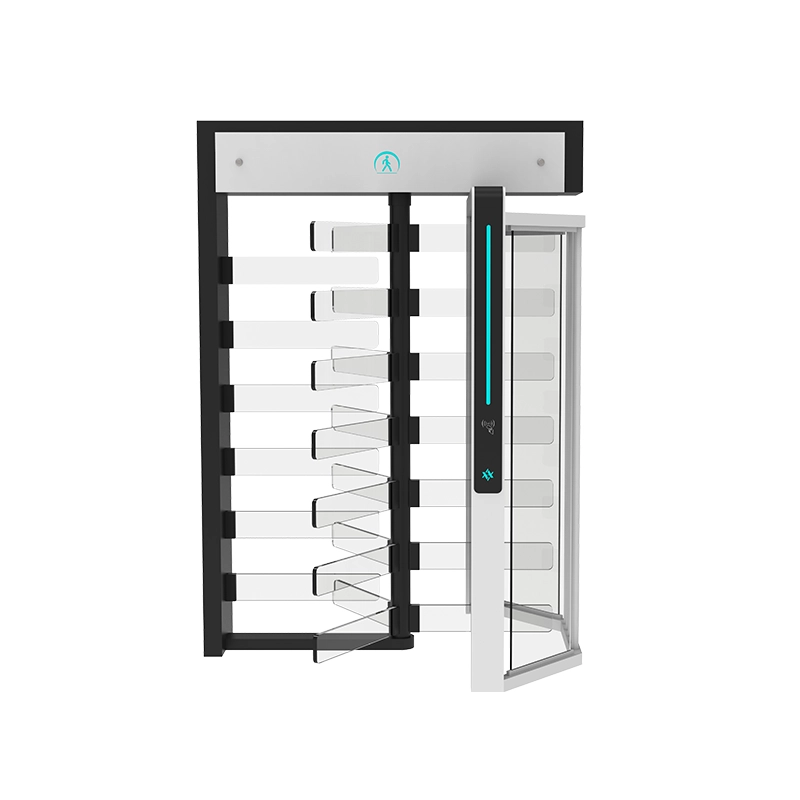
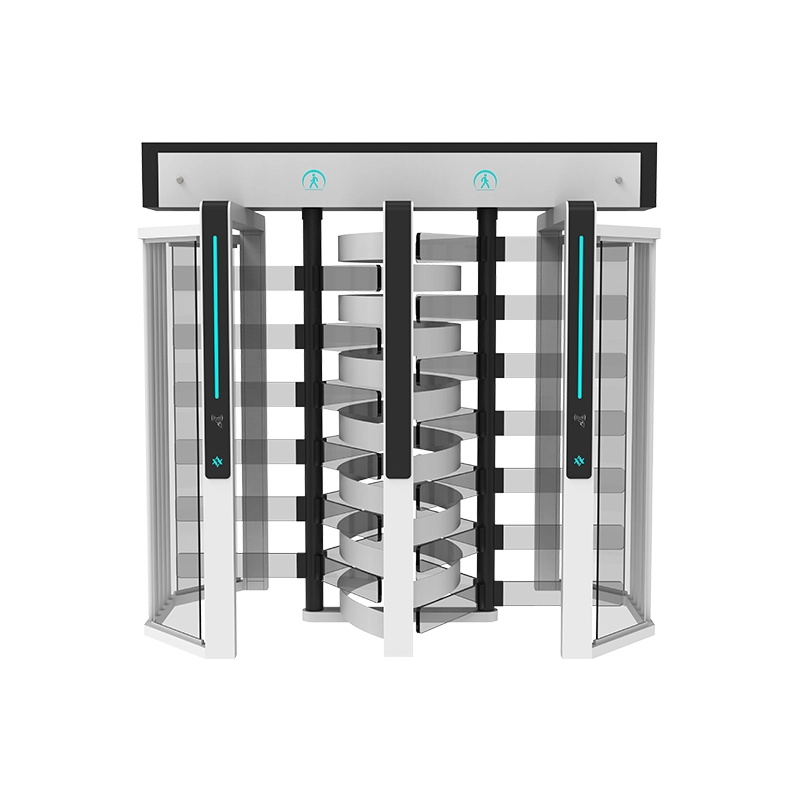
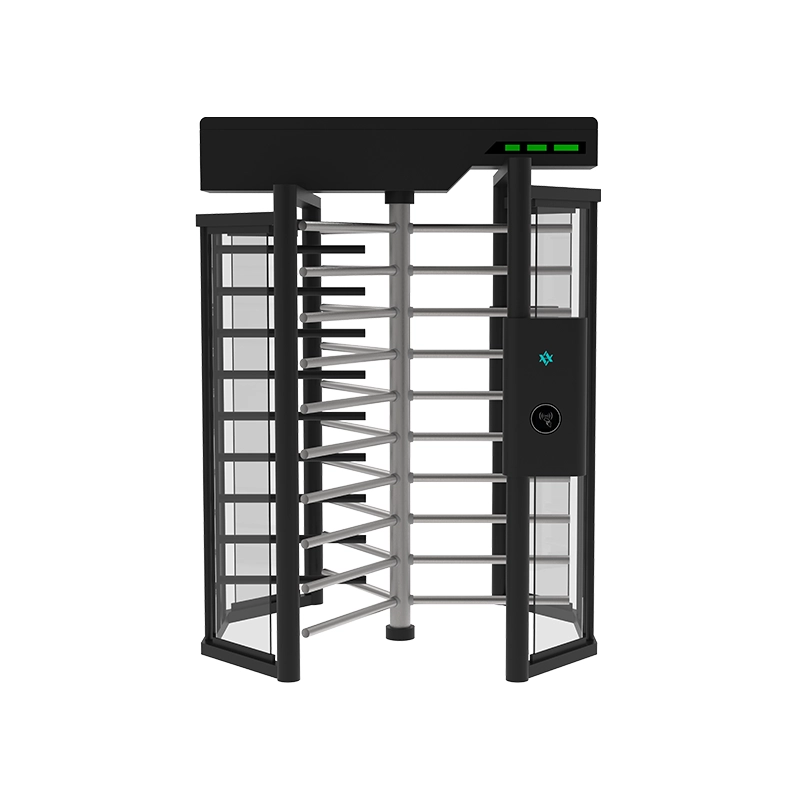
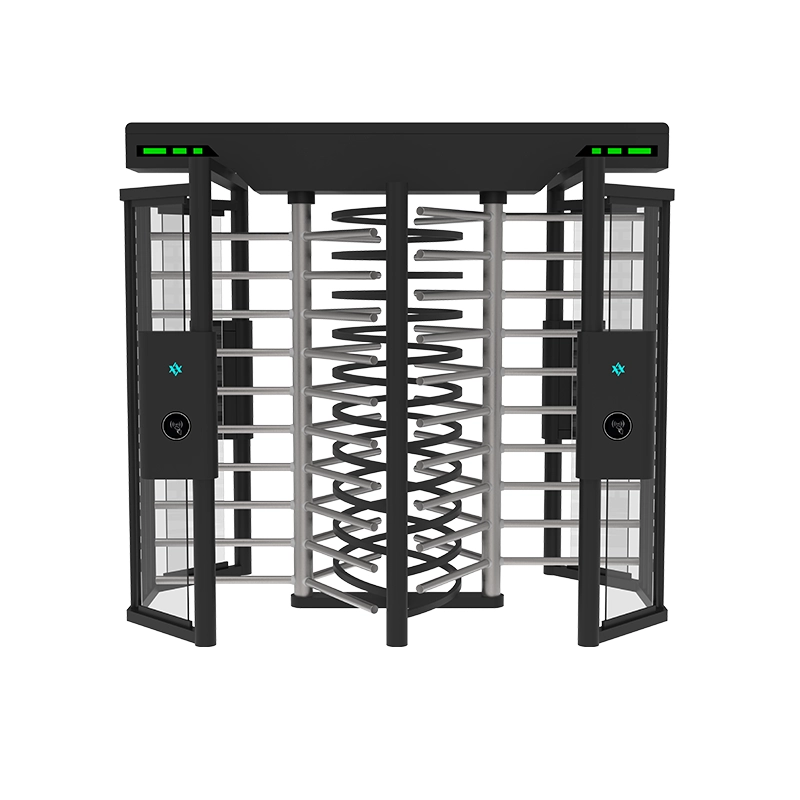
A full-height turnstile is a robust, floor-to-ceiling barrier designed to completely enclose an individual during passage. This design physically prevents unauthorized entry by making it impossible to jump over or crawl under the unit. These turnstiles typically feature rotating arms constructed from durable materials like heavy-duty steel, providing maximum security and resistance to tampering.
Full-height turnstiles are ideal for locations where stringent security protocols are paramount. They ensure controlled, single-person access, significantly reducing the risk of tailgating and forced entry. They represent a strong physical deterrent.
In-Depth Look at Full-Height Turnstiles
- Unmatched Security Level: The primary benefit of a full-height turnstile is its ability to provide comprehensive physical security. Extending from the ground to a height of typically 7 to 8 feet, it creates an impenetrable barrier. This construction is designed to prevent any attempt to bypass the system, whether by climbing over or maneuvering underneath, ensuring only authorized individuals gain access.
- Effective Tailgating Prevention: Full-height turnstiles are exceptionally effective at preventing tailgating. Their fully enclosed design and single-person rotation mechanism ensure that only one individual can pass through per authorized access credential. This is critical for maintaining security in sensitive areas where unauthorized entry by following closely behind an authorized person must be avoided.
- Durability and Environmental Resistance: Constructed from heavy-gauge materials such as galvanized or stainless steel, full-height turnstiles are built for extreme durability. They are highly resistant to physical force, vandalism, and harsh environmental conditions. This makes them suitable for both indoor and demanding outdoor installations, including locations exposed to severe weather.
| Characteristic | Description | Security Advantage |
|---|---|---|
| Physical Barrier | Full enclosure from floor to ceiling. | Prevents climbing over or crawling under. |
| Construction | Heavy-duty steel or similar robust materials. | High resistance to force, vandalism. |
| Access Control | One person per authorized entry. | Eliminates tailgating, ensures strict control. |
| Operational Mode | Bi-directional or unidirectional flow. | Versatile for various entry/exit strategies. |
| Integration | Compatible with most access control systems (e.g., biometrics). | Seamless security layer in comprehensive systems. |
- Common Applications: Full-height turnstiles are commonly deployed in environments requiring the highest level of physical security. These include correctional facilities, military installations, sports stadiums, construction sites, and manufacturing plants. They are also found at the perimeter of large industrial complexes or secure research facilities.
- Cost Implications: Due to their substantial size, robust construction, and advanced security features, full-height turnstiles typically have a higher purchase price and installation cost compared to waist-height models. This investment is justified by the superior security they provide, offering long-term protection against unauthorized access.
- Customization and Options: While fundamentally designed for high security, full-height turnstiles offer various configurations. These include single or dual lane units, different arm designs (e.g., four-arm rotor), and integration capabilities with diverse access control technologies such as card readers, biometric systems, and ticket scanners. Custom finishes are also available to meet aesthetic preferences.
What is a Waist Height Tripod Turnstile?
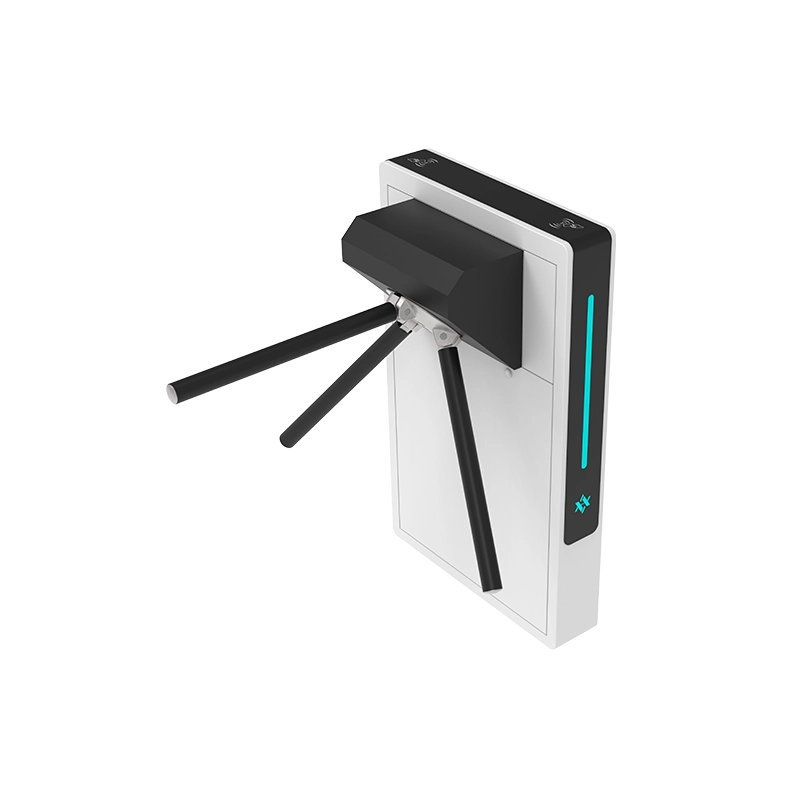
Are you seeking an efficient and aesthetically pleasing solution for pedestrian access control? Understanding the functions of a waist-height tripod turnstile[^2] is key for managing traffic flow in less security-intensive environments. This type offers a balance of control and openness.
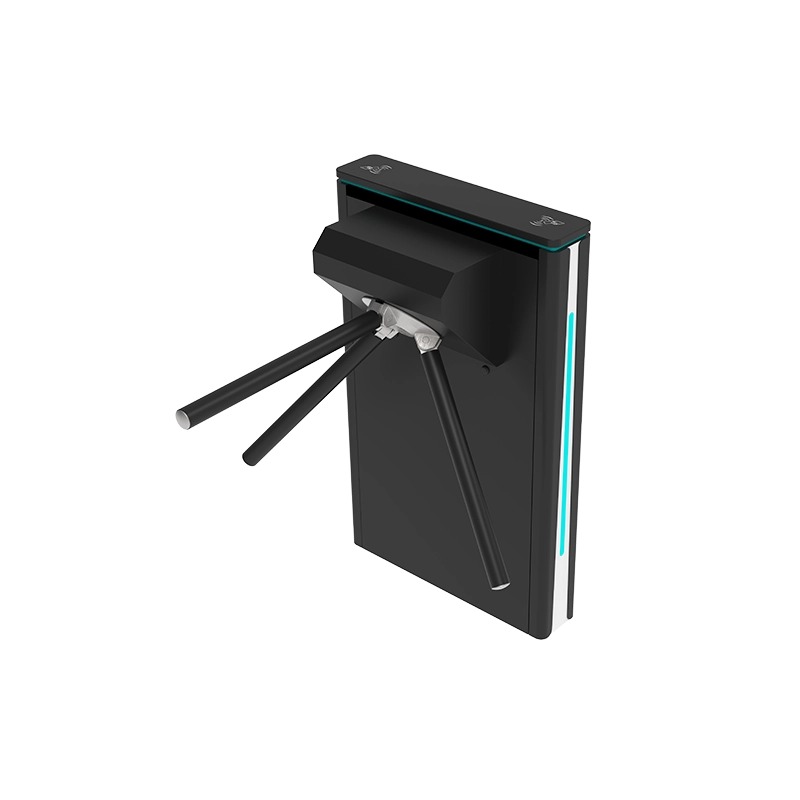
A waist-height tripod turnstile is a compact access control device featuring three rotating arms that pivot at approximately waist height. When an access credential is presented, one arm unlocks or rotates, allowing a single individual to pass before re-locking. These turnstiles are designed for efficient pedestrian flow management and basic access control, preventing casual unauthorized entry without creating a full physical barrier.
Tripod turnstiles are well-suited for locations needing controlled entry and exit without the imposing presence of full-height units. They provide an effective method for organizing crowds and verifying access.
Detailed Examination of Waist-Height Tripod Turnstiles
- Efficient Pedestrian Flow: Waist-height tripod turnstiles excel at managing large volumes of pedestrian traffic in an orderly manner. Their design facilitates quick, individual passage, which is ideal for high-throughput areas. This helps prevent congestion and ensures a smooth flow of people, enhancing overall operational efficiency in busy locations.
- Basic Access Control and Deterrence: While not offering the same level of security as full-height turnstiles, tripod models provide effective basic access control. They act as a strong visual and physical deterrent against unauthorized entry. They ensure that only one person passes per valid credential, which is valuable for verifying attendance or ticket validation.
- Cost-Effectiveness and Value: One of the significant advantages of waist-height tripod turnstiles is their comparatively lower cost. Both the initial purchase price and installation expenses are generally more economical than those for full-height turnstiles. This makes them an attractive option for organizations seeking efficient access control solutions within a constrained budget.
| Aspect | Description | Operational Advantage |
|---|---|---|
| Height and Design | Waist-level barrier, less visually intrusive. | Blends into various architectural styles, aesthetically pleasing. |
| Traffic Management | Regulates single-person entry and exit. | Prevents bottlenecks, improves orderly flow. |
| Material Options | Stainless steel, often with tempered glass elements. | Durable for indoor use, resistant to wear and tear. |
| Integration Ease | Highly compatible with most access control systems. | Flexible for diverse security setups. |
| Energy Efficiency | Lower power consumption due to lighter mechanism. | Reduced operating costs, environmentally friendly. |
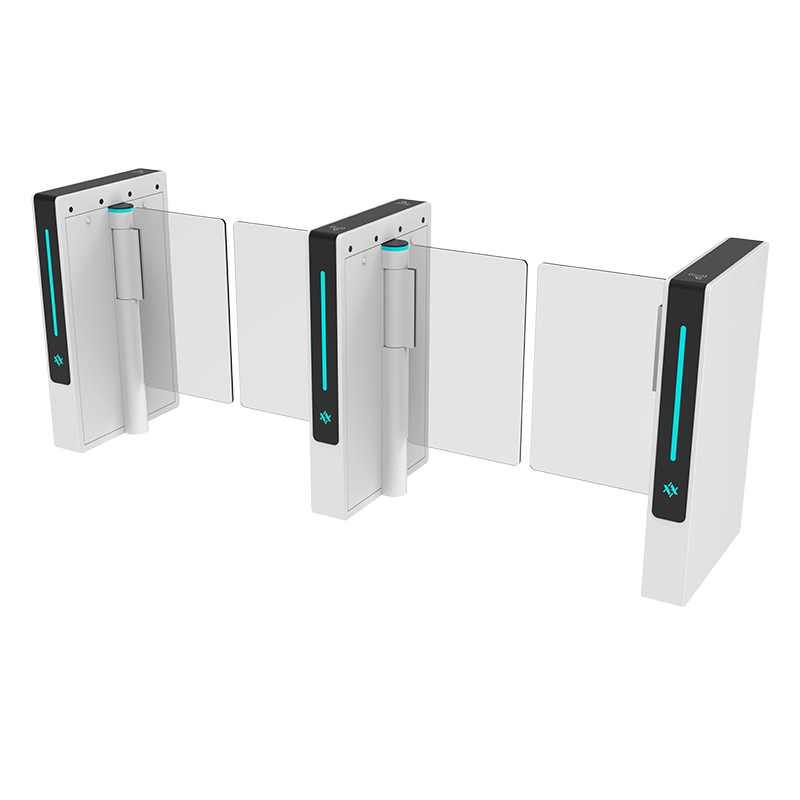
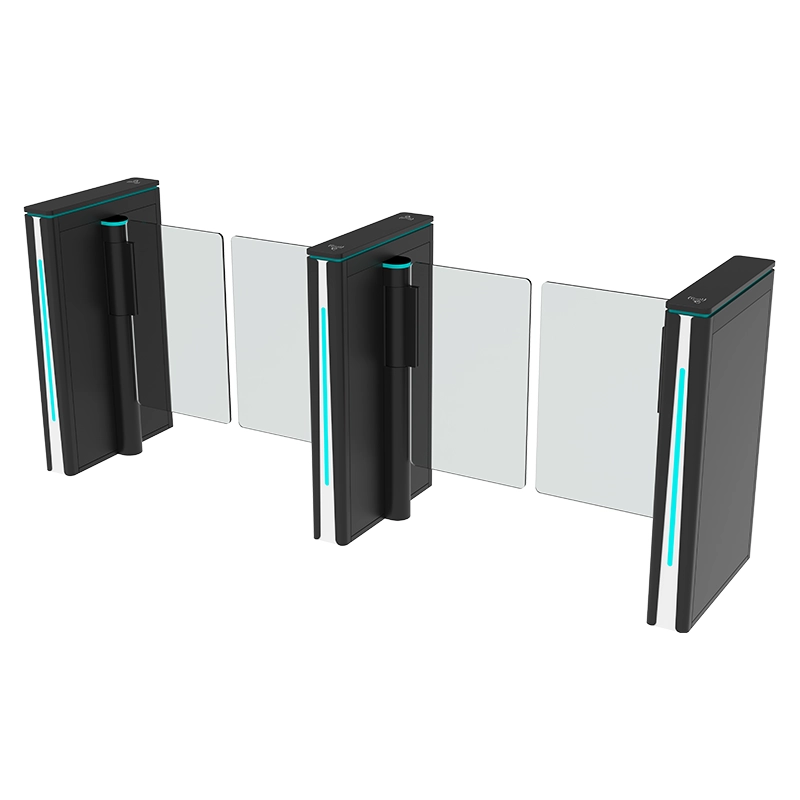
- Aesthetics and Space Utilization: Tripod turnstiles have a smaller footprint and a less imposing appearance. This makes them suitable for environments where aesthetic appeal and minimal visual obstruction are important. They integrate well into modern office lobbies, libraries, retail stores, and public buildings, enhancing the entrance design.
- Versatile Integration Capabilities: These turnstiles are highly adaptable and can be easily integrated with a wide array of access control technologies. This includes card readers (RFID, IC), biometric scanners (fingerprint, facial recognition), barcode/QR code readers, and coin or token mechanisms. This versatility allows for customized security solutions tailored to specific user needs.
- Common Use Cases: Typical applications for waist-height tripod turnstiles include office buildings for employee access, universities and libraries for student entry, gyms and fitness centers for membership verification, and museums or theme parks for ticket validation. They are ideal for areas where moderate security is sufficient and efficient passage is a priority.
What Makes a Turnstile So Good?
Are you considering the broader benefits of integrating turnstiles into your facility’s infrastructure? Beyond simple barriers, turnstiles offer a sophisticated approach to access management. They provide multiple advantages that enhance security and operational efficiency.
Turnstiles are highly effective access control devices because they combine efficient pedestrian management with enhanced security and automated operations. They precisely regulate entry and exit, prevent unauthorized access and tailgating, and reduce the need for constant human supervision. Their ability to integrate with various access control systems makes them a versatile solution for diverse environments.
The value of turnstiles lies in their ability to streamline operations and fortify security simultaneously. They are a fundamental component in modern facility management strategies.
Fundamental Advantages of Turnstile Systems
- Automated Access Management: One of the most significant advantages of turnstiles is their ability to automate access control. They operate continuously, allowing authorized individuals to pass while restricting others, thereby reducing the need for constant human oversight at entry points. This automation can lead to substantial long-term savings in labor costs for security personnel.
- Enhanced Security Protocols: Turnstiles serve as a physical barrier that enforces single-person entry per valid authorization. This is crucial for preventing tailgating, a common security vulnerability where an unauthorized person follows closely behind an authorized individual. This capability significantly elevates the security posture of any controlled access point.
- Optimized Pedestrian Throughput: In high-traffic locations, turnstiles are instrumental in managing the flow of people. They guide individuals through in an orderly fashion, minimizing bottlenecks and congestion, particularly during peak hours. This structured approach improves overall efficiency and enhances the user experience, ensuring smooth passage for all.
| Core Advantage | How Turnstiles Contribute | Operational Impact |
|---|---|---|
| Cost Efficiency | Reduces reliance on manual security staffing. | Lower operational expenses, improved budget allocation. |
| Security Integrity | Enforces strict one-person-per-credential access. | Minimizes unauthorized entry, enhances facility safety. |
| Traffic Flow Control | Organizes and streamlines pedestrian movement. | Faster entry/exit, reduced queues and waiting times. |
| Data Collection | Records entry/exit data for attendance and analytics. | Supports audit trails, resource management, and planning. |
| System Flexibility | Adaptable with various authentication technologies. | Scalable, future-proof access control infrastructure. |
- Seamless System Integration: Modern turnstiles are designed for robust integration with a wide array of access control technologies. This includes smart card readers, biometric authentication systems (such as fingerprint or facial recognition), barcode and QR code scanners, and even mobile device access solutions. This adaptability ensures they can be a cohesive part of any comprehensive security system.
- Reliability and Longevity: Turnstiles are engineered for continuous, high-volume operation, often built to withstand millions of cycles. They incorporate durable materials and advanced mechanical components, such as brushless motors, which ensure smooth, quiet performance and an extended operational lifespan. This inherent reliability translates into reduced maintenance needs and prolonged service.
- Effective Visitor Management: Turnstiles are a vital component in sophisticated visitor management systems. They ensure that only pre-registered or authorized visitors are granted entry, thereby strengthening security protocols and presenting a professional image at the point of access.
My Insights: Comparing Costs of Full Height vs. Waist Height Turnstiles
Navigating turnstile costs can be challenging. Understand the price differences between full height and waist height options to make informed decisions.
Full height turnstiles, ranging from $4,000 to $8,800+, provide enhanced security but incur higher costs due to materials and installation complexity. Waist height turnstiles are more budget-friendly, priced between $1,500 and $4,000, suited for low-security settings.
Cost Factors and Use Cases in Turnstile Selection
Cost Analysis
| Turnstile Type | Cost Range | Installation Cost | Best Use Cases |
|---|---|---|---|
| Full Height | $4,000-$8,800+ | $600-$2,350 | High-security areas, outdoor control |
| Waist Height | $1,500-$4,000 | Lower, varies by site | Offices, gyms, campuses |
Price Influences
Materials and Security: Full height units use more material and provide robust security, driving cost up. Waist height options are smaller, simpler, making them cheaper.
Installation Complexity: Full height turnstiles require complex installations due to their structure, adding to costs. Waist height models have easier installation, further reducing expenses.
Features and Customization: Both types can include RFID, biometrics, and weatherproofing, affecting prices for enhanced security or durability.
Assess these factors when selecting turnstiles for your facility. Full height models are ideal for secure perimeters, while waist height suits areas needing moderate control at a lower cost.
Conclusion
The choice between full-height and waist-height turnstiles depends on specific security requirements, site aesthetics, and budget considerations. Full-height models offer superior physical security, while waist-height options provide efficient and economical access control. Both types contribute significantly to enhancing security, streamlining pedestrian flow, and optimizing operational costs across various environments.