
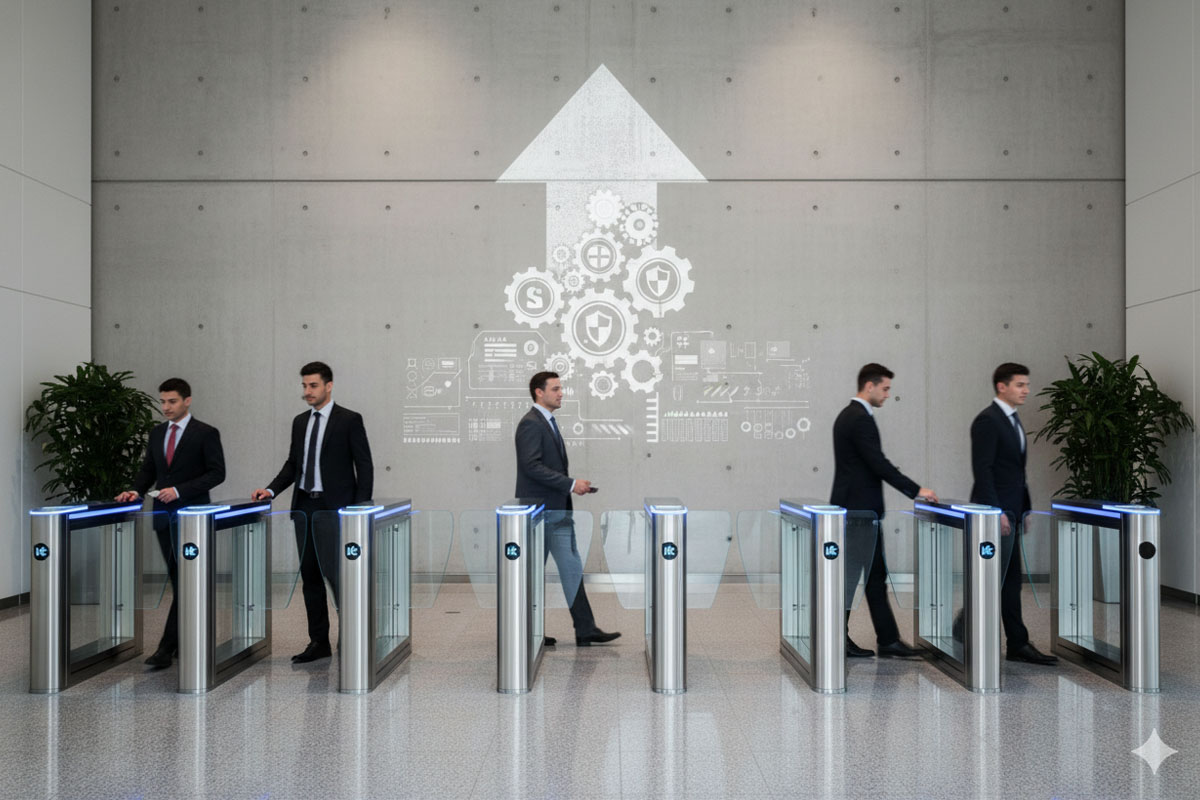
](https://aipadaturnstile.com/wp-content/uploads/2026/03/Why-Invest-in-High-Quality-Turnstiles.jpg "Why Invest in High-Quality Turnstiles")

Considering new access control for your facility? The choice of turnstiles can greatly impact security and daily operations. It is a decision that requires careful thought for long-term benefits.
Investing in high-quality turnstiles means securing reliable performance and robust security for years. These systems offer enhanced durability, seamless integration with existing technologies, and reduced maintenance needs. This choice protects assets and ensures efficient traffic flow.
When evaluating access control solutions, many factors come into play. The initial cost often draws attention, but the true value lies in long-term performance and reliability. Choosing a turnstile system built to last can prevent many future headaches.
What is the Point of Turnstiles?
Are you curious about the core function of turnstiles in modern environments? Turnstiles serve as critical components in intelligent entrance control systems. They manage pedestrian traffic and enhance security measures effectively.
Turnstiles address key challenges such as unauthorized access and inefficient crowd management. They establish clear pathways for individuals, reducing the need for constant supervision. This helps maintain order and safety in diverse settings.
The Role of Turnstiles in Security
Turnstiles are essential for maintaining security in various locations. They provide a physical barrier that restricts entry. This barrier ensures that only authorized people can pass.
Key Security Contributions of Turnstiles:
- Access Control: Turnstiles enforce entry policies. They verify credentials before allowing passage. This prevents unauthorized individuals from entering.
- Visitor Management: They help regulate visitor flow. This is important for large facilities and public venues.
- Deterrence: The presence of turnstiles signals a controlled environment. This discourages illicit entry attempts.
How Turnstiles Improve Efficiency
Beyond security, turnstiles significantly improve operational efficiency. They automate the entry process. This leads to quicker passage for users. It also reduces the need for manual checks by staff.
Efficiency Benefits:
| Feature | Impact on Efficiency |
|---|---|
| High Throughput | Enables rapid passage for many individuals during peak periods. |
| Automated Entry | Lowers reliance on manual staffing for access verification. |
| Traffic Data | Provides insights into pedestrian movement patterns. |
A well-implemented turnstile system can transform a busy entrance into an organized gateway. Employees and visitors can move smoothly. This minimizes queues and enhances the overall experience. Turnstiles designed with advanced motor technology operate quietly. This contributes to a pleasant atmosphere.
Different Types of Turnstiles and Their Applications
Turnstiles come in various forms. Each type is designed for specific applications. Understanding these differences helps in selecting the right solution for a location.
Common Turnstile Types and Uses:
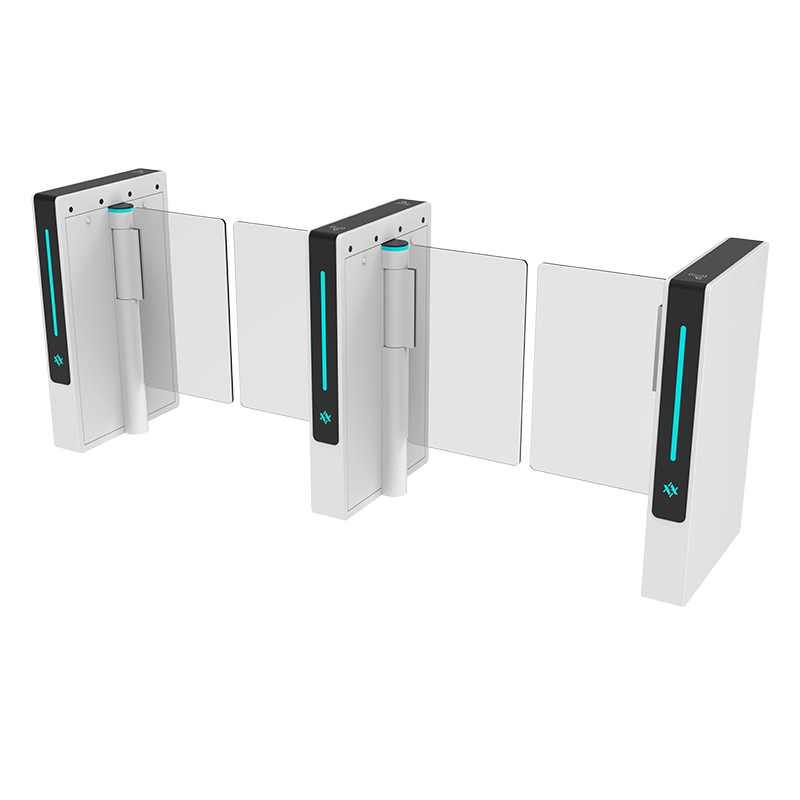
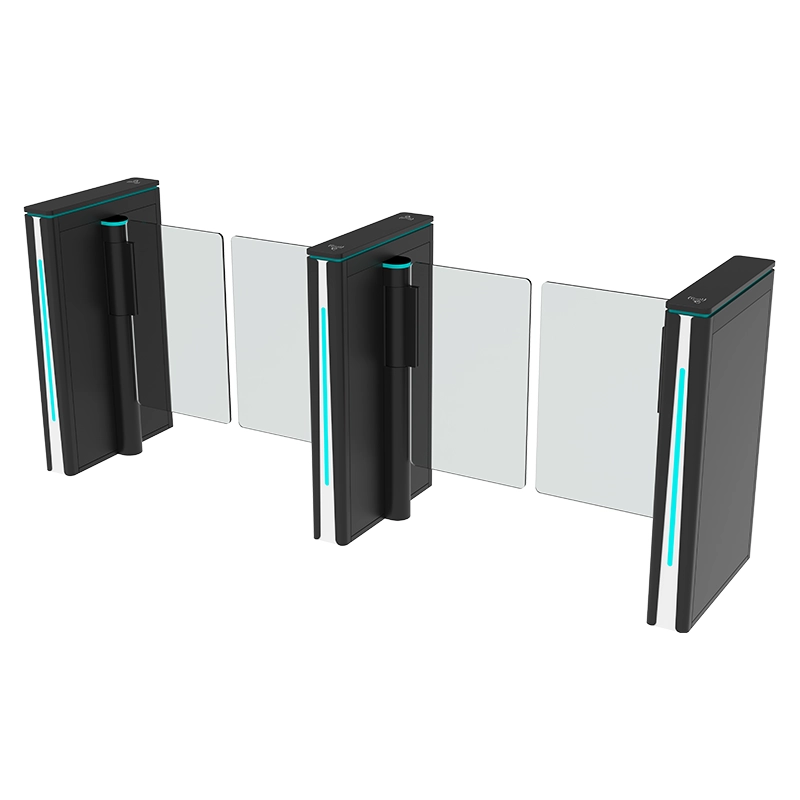
- Speed Gates[^1]: Known for fast passage and sleek design. Often used in corporate offices.
- Swing Turnstiles[^2]: Provide wide access, suitable for wheelchairs or large luggage. Offer flexibility.
- Flap Barriers[^3]: Offer quick entry and exit. Commonly found in transportation hubs like metro stations.
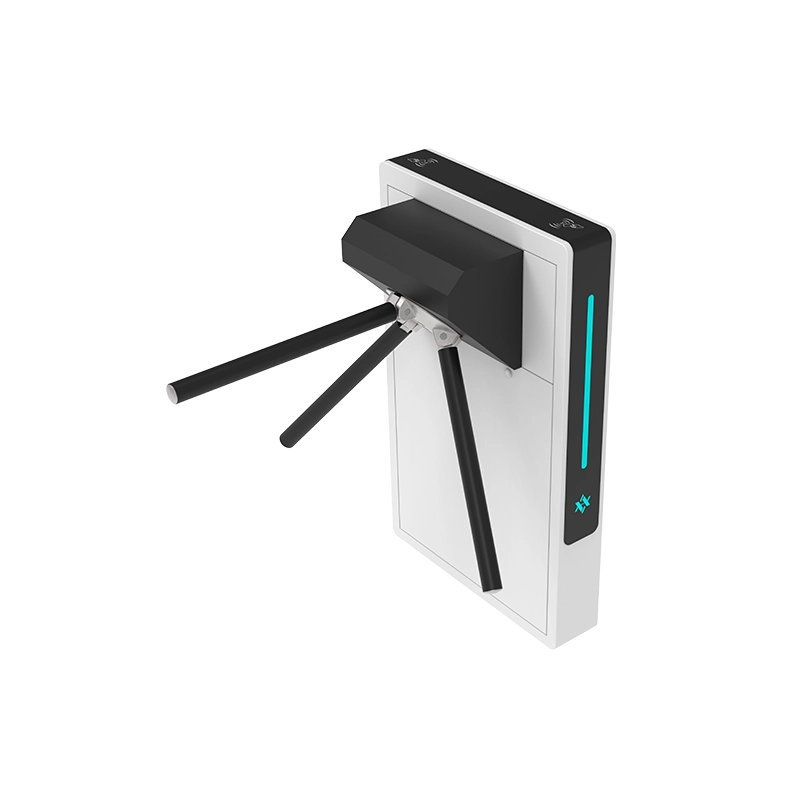
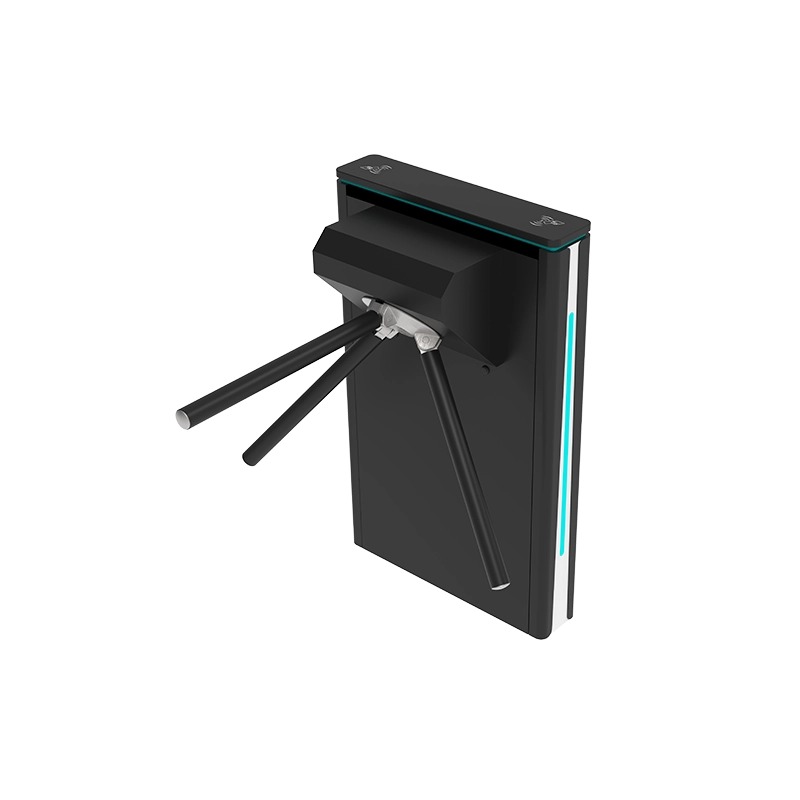
- Tripod Turnstiles[^4]: A traditional, cost-effective option. Frequently seen in factories or tourist attractions.
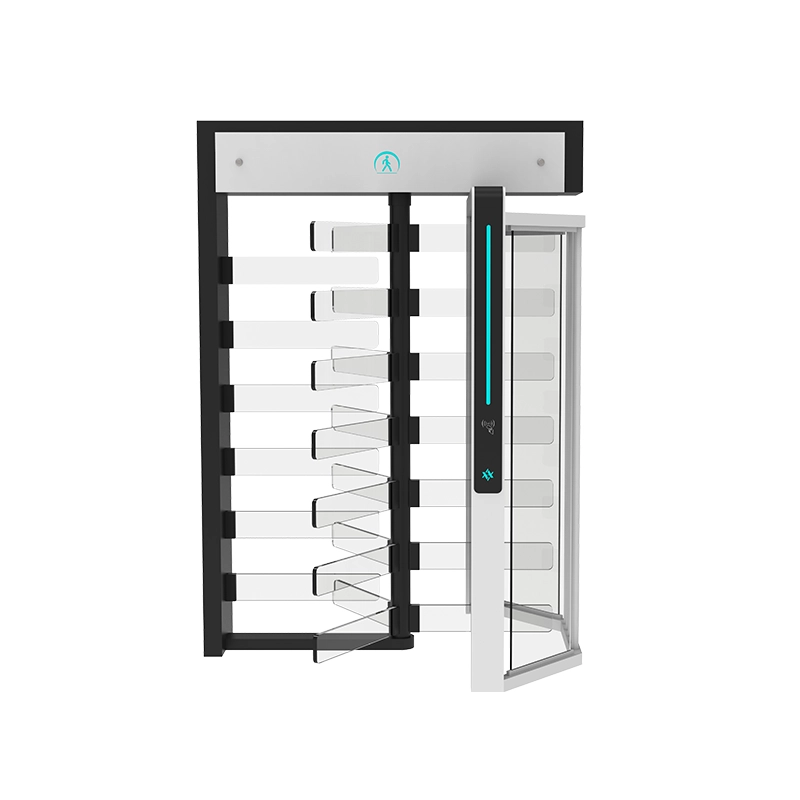
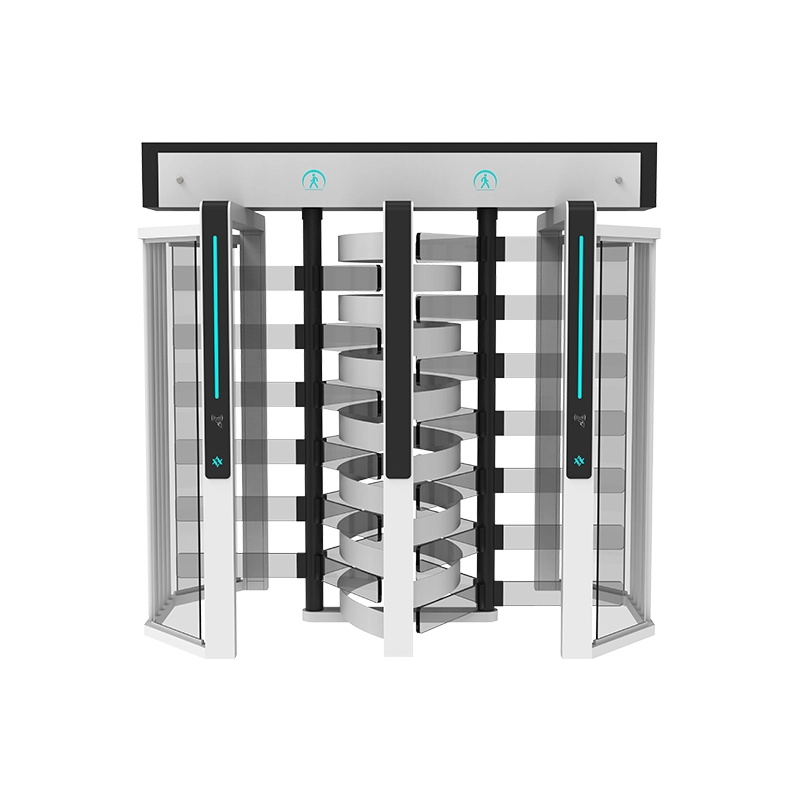
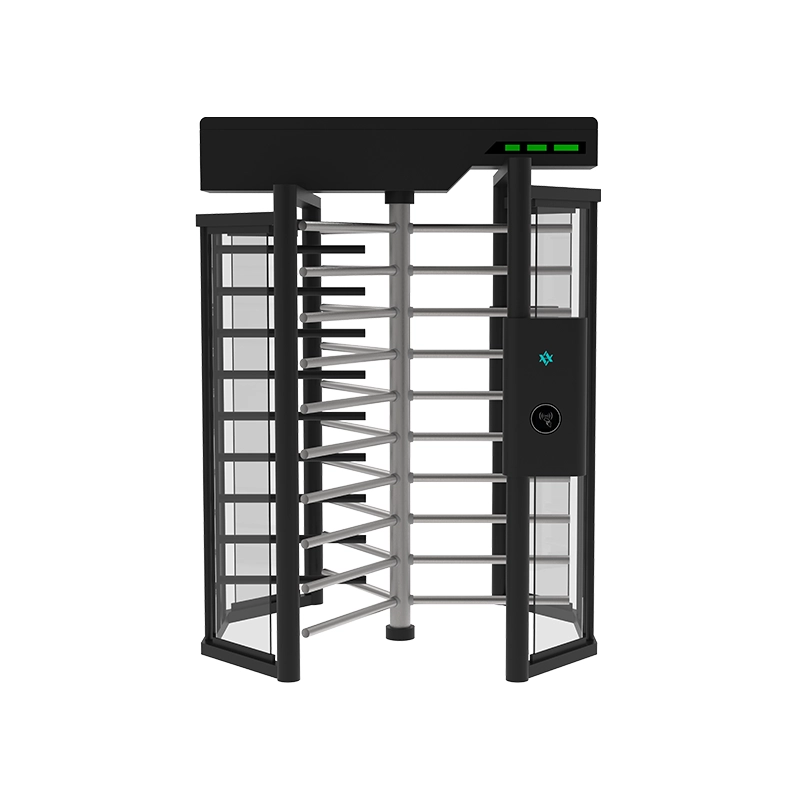
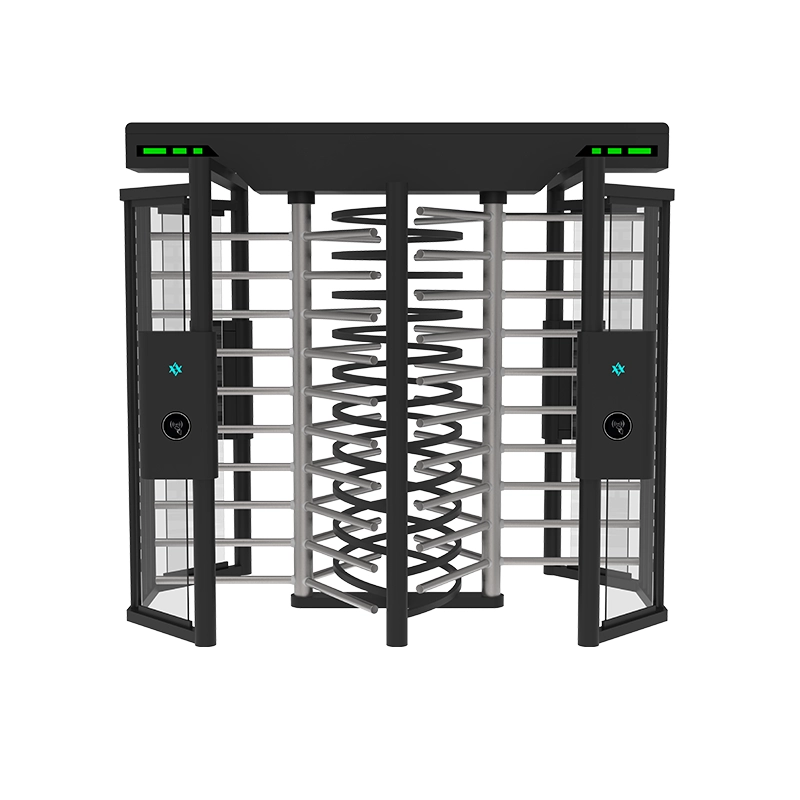
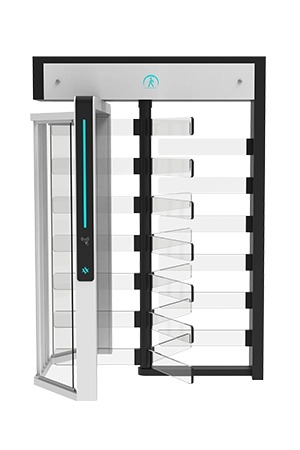
- Full Height Turnstiles[^5]: Offer maximum physical security. Applied in high-security areas such as correctional facilities.
Each turnstile type addresses distinct requirements. A high-security site might opt for full-height turnstiles. A modern office might prefer the aesthetic and speed of speed gates. Customization options for design, color, and material allow turnstiles to integrate with any architectural style.
What are the Disadvantages of Turnstiles?
Are there potential drawbacks to turnstiles that merit consideration? While turnstiles offer numerous advantages, they also present challenges. These can impact user experience and operational flow if not properly managed.
Turnstiles can occasionally lead to congestion during high traffic periods if not adequately scaled. They might also pose accessibility issues for certain individuals or those carrying bulky items. These concerns necessitate careful planning and implementation to mitigate negative impacts.
Potential Bottlenecks and Congestion Issues
One significant concern with turnstiles is the possibility of creating bottlenecks. During busy hours, an inadequately designed turnstile system can slow down entry. This results in queues and user dissatisfaction. This often occurs when the number of turnstiles does not match the expected pedestrian volume.
Factors Contributing to Bottlenecks:
- Insufficient Lanes: Too few turnstiles for the density of foot traffic.
- Slow Authentication Process: Systems that require extended time for credential verification.
- User unfamiliarity: Individuals struggling with the operation of the turnstile.
To prevent this, careful planning is necessary. Assessing anticipated traffic flow helps determine the appropriate number and type of turnstiles. Speed gates, for instance, are engineered for rapid passage. This design helps maintain smooth pedestrian movement even during peak times.
Accessibility Challenges for Diverse Users
Accessibility is a critical consideration for turnstile implementation. Turnstiles must accommodate all users comfortably. This includes individuals using wheelchairs, parents with strollers, and those carrying large packages. Systems not designed for inclusivity can restrict access for certain groups.
Addressing Accessibility Needs:
- Wider Access Gates: Utilizing swing turnstiles or wider flap barriers.
- Clear Guidance: Providing intuitive signage to direct users to appropriate entry points.
- Emergency Overrides: Implementing systems that allow full opening for emergency situations.
Universal design principles are vital. Swing turnstiles, with their wider openings, are often suitable for accommodating diverse access needs. Turnstile systems should also include safety features. These include automatic opening during power failures. This is essential for fire safety compliance.
Maintenance and Initial Investment Considerations
Turnstiles are electro-mechanical devices. They require consistent maintenance to ensure optimal performance. This ongoing requirement contributes to the overall operational cost. Neglecting maintenance can lead to unexpected breakdowns. These breakdowns can cause disruptions and potentially higher repair expenses.
Cost and Maintenance Factors:
| Category | Details |
|---|---|
| Acquisition Cost | The initial expense for purchasing and installing the equipment. |
| Routine Maintenance | Scheduled checks and servicing to ensure continuous operation. |
| Repair Expenses | Costs associated with fixing malfunctions, which can be high for specialized components. |
| Operational Downtime | Periods when the turnstile is non-functional, impacting security or efficiency. |
Investing in high-quality turnstiles often leads to long-term savings. While initial costs might be higher, durable systems typically require less frequent repairs. This reduces downtime. Turnstiles built with longevity in mind, featuring robust construction, provide a reliable solution. Comprehensive support, including installation guidance and maintenance protocols, helps maximize the system’s lifespan.
Are Turnstiles Still Used?
Do turnstiles retain their relevance in today’s technologically advanced security environment? Despite the emergence of new security technologies, turnstiles remain a prevalent and essential component of access control systems[^6] worldwide. Their persistent use underscores their continued value.
Turnstiles maintain widespread adoption because they provide a dependable physical barrier that complements digital security measures. They effectively regulate pedestrian flow, integrate with various identification technologies, and adapt to evolving security demands. Their function has evolved, but their role remains fundamental.
The Enduring Role in Modern Security Architectures
Turnstiles continue to be a vital part of security frameworks. They provide a physical layer of protection. This layer works alongside digital access control systems. For example, in a building using biometric scanners, turnstiles offer a physical means to manage passage even if digital systems encounter issues.
Reasons for Sustained Use:
- Physical Barrier: They offer a tangible impediment to unauthorized entry.
- Integration Flexibility: They seamlessly combine with advanced verification technologies.
- Pedestrian Management: They efficiently direct the movement of large groups of people.
Turnstiles are considered foundational in integrated security solutions. They act as essential control points within smart building ecosystems. Modern designs allow integration with nearly any access control credential. This includes RFID, QR codes, and mobile access systems. This adaptability ensures their continued utility.
Integration with Advanced Technologies
Contemporary turnstiles are sophisticated devices. They are designed to integrate with cutting-edge technologies. This enables seamless and highly secure access experiences.
Technological Integrations:
| Technology | Integration with Turnstiles |
|---|---|
| Biometric Recognition | Enables rapid, touchless entry using fingerprints or facial scans. |
| QR/Barcode Scanning | Facilitates access for visitors or event attendees with digital tickets. |
| RFID/NFC Readers | Allows swift passage using access cards or mobile devices. |
| Video Surveillance | Provides real-time monitoring and event recording at entry points. |
For example, a facility upgrading its entry system can combine facial recognition with turnstiles. This combination enhances both security and user convenience. Such integrations demonstrate how turnstiles evolve with technological advancements. This ensures their ongoing relevance in diverse applications.
Turnstiles Across Various Industries
Turnstiles are deployed across a broad spectrum of industries. Their versatility allows for effective application in many different settings.
Industry Sectors Utilizing Turnstiles:
- Commercial Properties: High-rise offices, corporate campuses, hotels.
- Public Transit: Subway stations, airports, bus terminals.
- Culture and Recreation: Theme parks, museums, sports arenas.
- Industrial and Research Facilities: Manufacturing plants, data centers, laboratories.
- Educational and Government Institutions: Universities, libraries, administrative buildings.
Each sector has specific demands. An airport may require high-speed flap barriers for rapid throughput. A factory might need robust tripod turnstiles for durability. Solutions are often customized to meet the unique operational requirements of each client. This focuses on reliability and longevity.
What is the Life Expectancy of an Electric Gate?
How long can an electric gate, such as a turnstile, reliably function? Understanding the expected operational life of these security components is important for budgeting and strategic planning. It directly affects the return on investment.
The operational life of an electric gate depends on several critical factors: the quality of its construction, the intensity of its use, and the consistency of its maintenance. High-quality gates, particularly those featuring advanced motor technology, typically offer a significantly extended service life. This reduces replacement costs and ensures consistent security.
Factors Influencing Turnstile Lifespan
A turnstile’s lifespan is not fixed. It is affected by several factors. The quality of its components is primary. How often it is used also plays a role. Regular maintenance is equally important.
Key Determinants of Lifespan:
- Manufacturing Quality: Superior materials and robust construction methods contribute to a longer operational life.
- Motor Technology: Advanced brushless DC motors offer increased durability and smoother operation.
- Usage Frequency: Turnstiles with high daily usage rates may experience faster wear.
- Environmental Conditions: Exposure to harsh weather or corrosive elements can shorten lifespan.
- Maintenance Regimen: Consistent servicing and preventative care significantly extend operational life.
Brushless DC motors, known for their extended lifespan and quiet operation, are frequently used in high-quality turnstiles. These motors can achieve millions of cycles without significant wear. This substantially prolongs the life of the gate mechanism.
The Impact of Quality Construction
The construction quality of a turnstile is paramount. A well-constructed turnstile uses durable materials and precise engineering. This ensures a longer operational life. Conversely, lower-quality turnstiles might have a lower initial cost. However, they often lead to more frequent breakdowns and higher long-term repair expenses.
Indicators of Quality:
| Aspect | Importance in Longevity |
|---|---|
| Material Durability | Use of stainless steel, tempered glass, or robust alloys. |
| Motor Efficiency | Brushless motors reduce friction and extend operational hours. |
| Assembly Precision | Accurate assembly minimizes wear on moving parts. |
| Certification Standards | Adherence to international quality and safety certifications. |
The difference between a standard turnstile and a premium one often becomes clear over time. High-quality systems require fewer component replacements and operate more reliably for years. They are built to withstand rigorous use and meet stringent performance standards.
The Role of Consistent Maintenance
Consistent maintenance is crucial for maximizing a turnstile’s lifespan. Regular inspections and servicing can identify and address minor issues before they become major failures. This proactive approach ensures continuous, optimal performance.
Essential Maintenance Practices:
- Routine Checks: Inspecting mechanical and electronic components for wear.
- Cleaning Procedures: Keeping sensors and optical systems free from obstructions.
- Lubrication: Ensuring smooth operation of all moving parts.
- Software Updates: Maintaining up-to-date control system firmware.
Comprehensive support, including installation guidance and detailed maintenance protocols, helps clients maintain their systems effectively. A well-maintained turnstile can often exceed its projected lifespan. This makes it a cost-effective and dependable security solution over many years.
My Insights: Why Invest in High-Quality Turnstiles
Frustrated with frequent repairs and security breaches? Discover why investing in high-quality turnstiles is essential for effective access control and long-term savings.
High-quality turnstiles offer reliable access control, durable materials, and advanced security features, reducing breaches and maintenance needs. They ensure compliance with safety standards while enhancing traffic flow and facility aesthetics, making them a worthwhile investment.
The Advantages of High-Quality Turnstiles
Primary Benefits
- Security and Access Control: Reliable systems prevent unauthorized entry and enhance overall security.
- Cost Efficiency: Durable materials reduce long-term costs associated with repairs and replacements.
Why Quality Matters
| Benefits | Details |
|---|---|
| Advanced Features | Enhanced security reduces risks and improves safety. |
| Integration and Aesthetics | Seamlessly integrates with existing systems; enhances appearances. |
| Customizability and Compliance | Options for specific needs; ensures adherence to safety standards. |
Practical Implications
- Domestic Advantages: American-made turnstiles ensure better compliance, support, and supply chain control.
- Strategic Investment: Ideal for government buildings, schools, and infrastructure projects.
- Long-Term Value: Balance between upfront cost and enduring reliability, ensuring predictable budgeting and operations.
Investing in high-quality turnstiles is key for maintaining security, enhancing facility management, and achieving long-term cost savings.
Conclusion
Investing in high-quality turnstiles is a strategic decision for enhancing security and operational efficiency. These systems offer reliability, advanced integration capabilities, and extended lifespans, providing lasting value.
](https://aipadaturnstile.com/wp-content/uploads/2025/11/AT107-TC-01.webp)
](https://aipadaturnstile.com/wp-content/uploads/2025/12/vertical-tripod-turnstile.jpg)
](https://aipadaturnstile.com/wp-content/uploads/2025/12/popup-img.jpg)